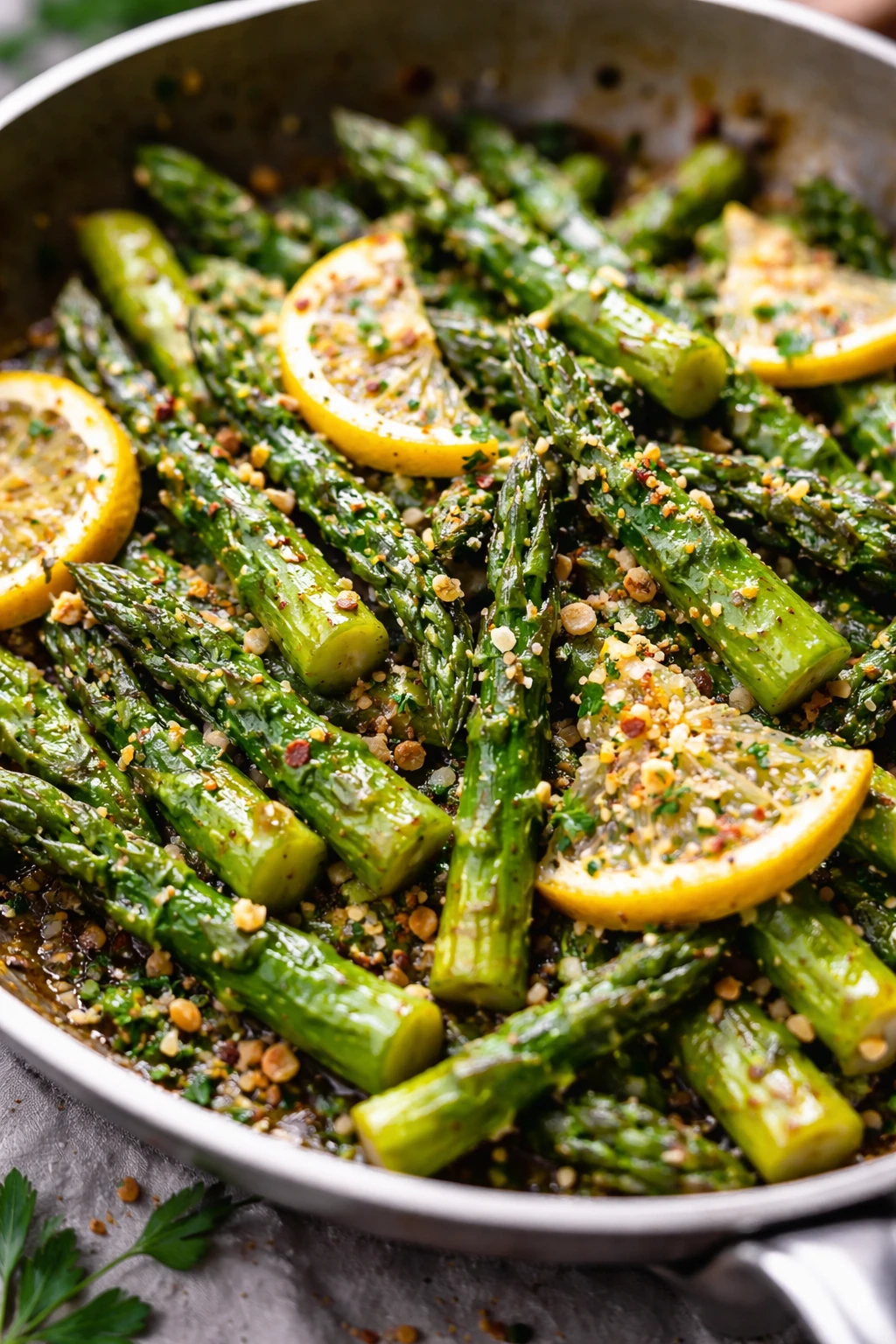
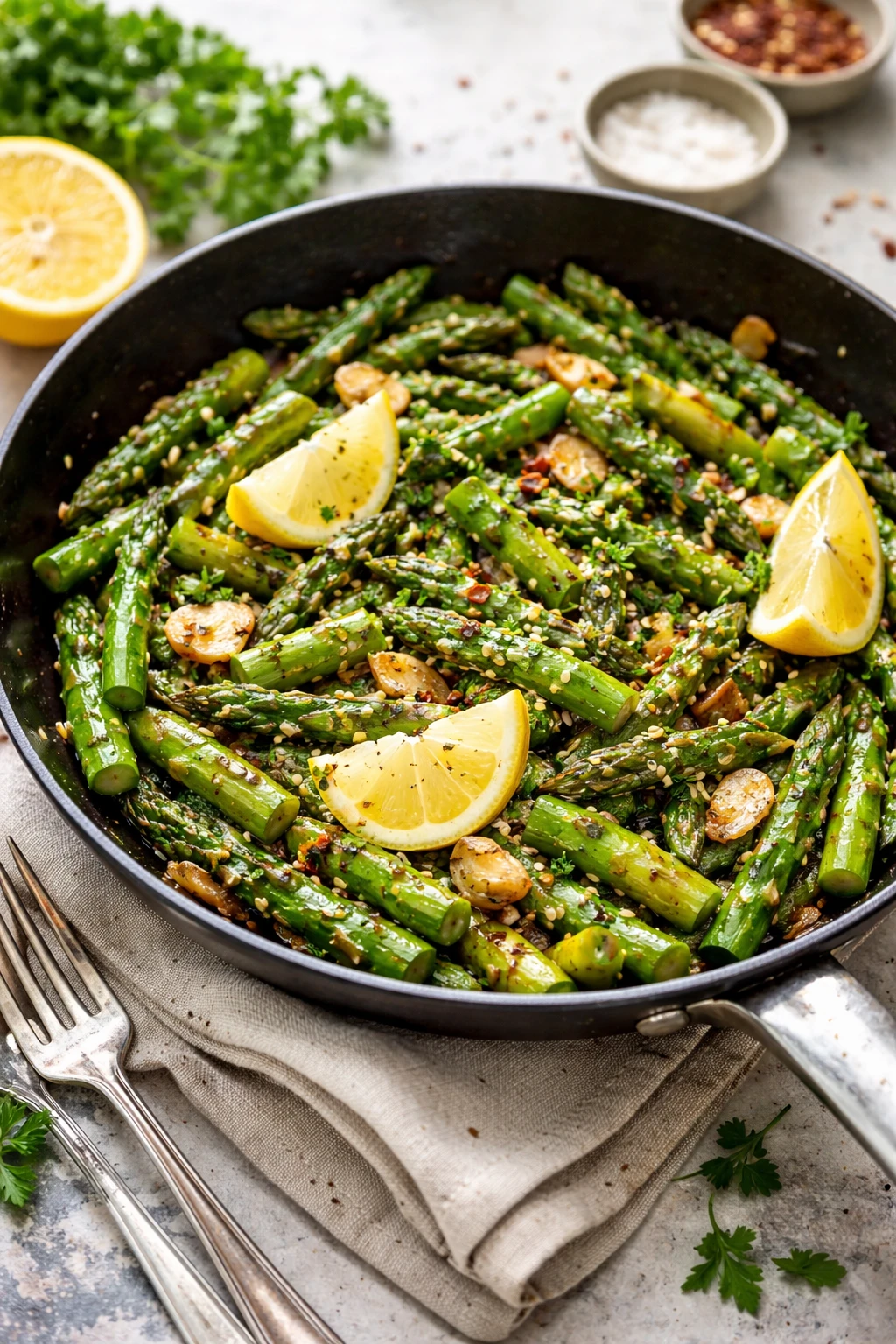
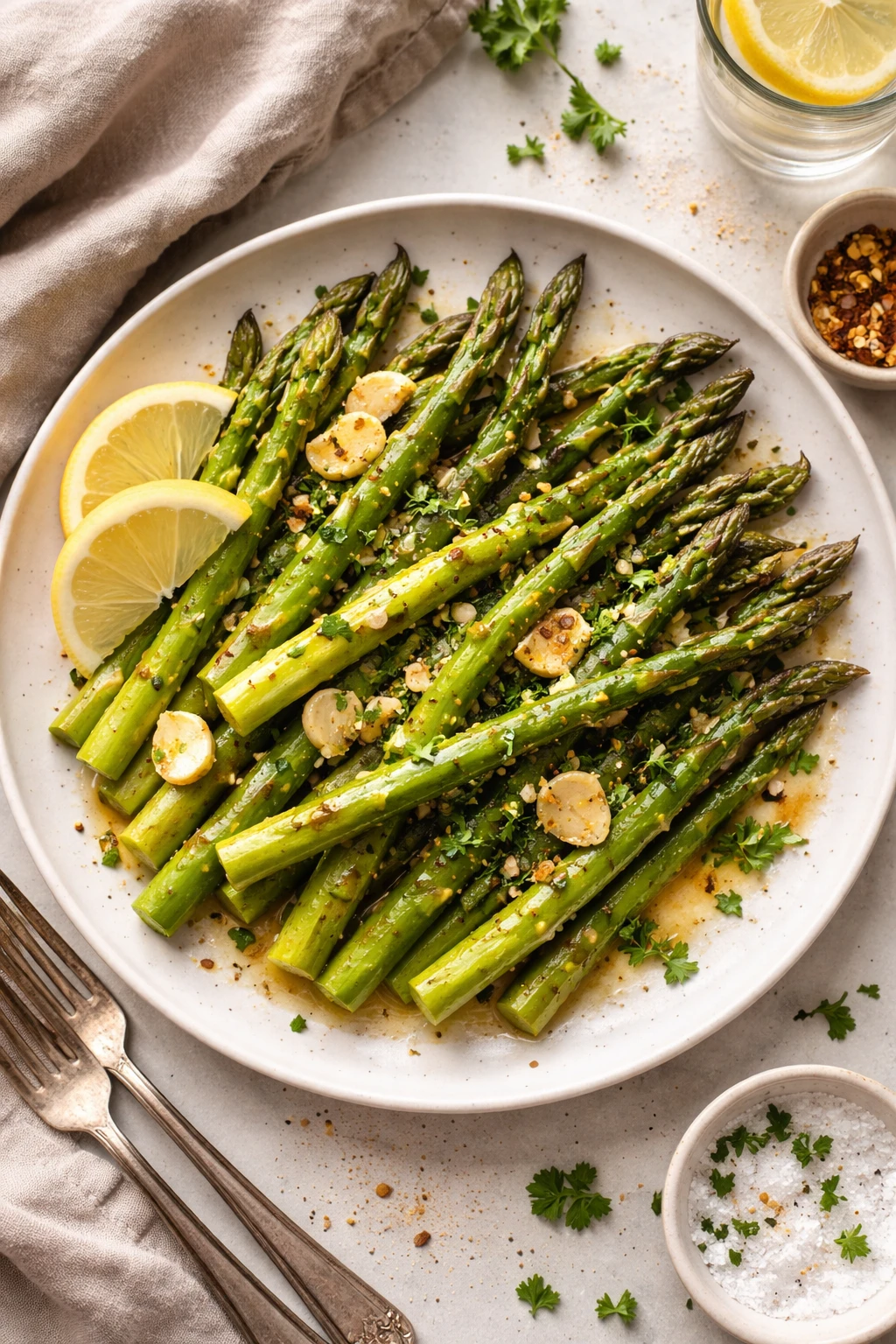
Fresh asparagus sautéed with garlic and a splash of lemon juice delivers a bright, healthy side dish that’s quick to make. I love how the citrus lifts the earthy flavor, perfect for busy spring evenings!
Introduction
I first made this garlic lemon asparagus stir-fry on a busy spring evening when I wanted something quick but still fresh and flavorful. I’d often steam asparagus, but it felt a bit bland. This stir-fry version uses garlic and lemon to brighten the earthy asparagus, and it’s become my go-to side for anything from grilled chicken to pasta. What makes this version stand out is the quick sauté that keeps the asparagus crisp-tender and the addition of lemon zest alongside juice for a layered citrus flavor. I also learned the trick of adding garlic last minute so it doesn’t burn and turn bitter. The result is a vibrant dish with just enough bite and zing without overpowering the natural taste. It looks fresh and colorful too, which always makes me feel like I’m eating something special even on a rushed weeknight. Plus, it takes under 15 minutes to pull together, which is a win in my book. You’ll love how simple ingredients can pack such a flavorful punch!
How To Do It
Step 1
Start by trimming the tough ends off the asparagus and cutting the stalks into 2-inch pieces for even cooking. This size allows the asparagus to cook quickly without getting mushy. Make sure the pieces are relatively uniform so they cook evenly in the pan. If the stalks are very thick, you can slice them lengthwise to help them cook through faster while still retaining a nice crunch.
⏱ Time: 5 minutes
✓ Doneness: Evenly cut asparagus pieces ready for cooking
Step 2
Heat 2 tablespoons of olive oil in a large skillet over medium-high heat until shimmering but not smoking. Adding oil to a hot pan helps the asparagus develop a slight sear, enhancing flavor through Maillard reactions. Be careful not to overheat the oil, as it can burn the garlic later. Once hot, add the asparagus in a single layer to ensure even contact with the pan surface.
⏱ Time: 2 minutes
✓ Doneness: Oil shimmering and asparagus sizzling gently
Step 3
Sauté the asparagus for about 5-7 minutes, stirring occasionally. The goal is to get the asparagus crisp-tender with some slight browning on the edges. Avoid overcrowding the pan, which can cause steaming instead of sautéing. You want to hear a gentle sizzle; that’s a sign the asparagus is caramelizing and developing flavor. Keep an eye on the texture—overcooked asparagus will be limp and dull.
⏱ Time: 7 minutes
✓ Doneness: Asparagus bright green with slight golden spots and tender-crisp texture
Step 4
Once the asparagus is nearly done, reduce the heat to medium-low and add the minced garlic. Stir constantly for about 1-2 minutes to soften the garlic without burning it. Garlic burns quickly and turns bitter, so adding it last prevents this and keeps the flavor fresh and mellow. The garlic infuses the oil and asparagus, creating a fragrant base for the lemon.
⏱ Time: 2 minutes
✓ Doneness: Garlic softened and aromatic but not browned
Step 5
Add the lemon zest and juice to the pan. The zest provides a bright, concentrated lemon flavor, while the juice adds acidity that balances the earthiness of the asparagus. Stir well to combine and let it cook for another minute so the flavors meld. The acidity will slightly deglaze the pan, picking up any caramelized bits for extra depth.
⏱ Time: 1 minute
✓ Doneness: Pan deglazed with lemon juice, asparagus glistening and aromatic
Step 6
Season with salt and freshly ground black pepper to taste. Salt enhances the natural flavors and helps bring out the brightness of the lemon. Pepper adds a subtle heat that complements the garlic. Taste as you go to find the perfect balance. If you like a bit of spice, this is the time to sprinkle in some red pepper flakes.
⏱ Time: 1 minute
✓ Doneness: Seasoned asparagus with balanced flavor
Step 7
Give everything one last gentle toss to make sure the asparagus is evenly coated with the garlic and lemon mixture. This final step ensures each bite is bursting with flavor. Remove the pan from heat immediately to avoid overcooking. Overcooked asparagus loses its vibrant color and crispness.
⏱ Time: 30 seconds
✓ Doneness: Evenly coated asparagus with glossy, bright finish
Step 8
Transfer the asparagus to a serving dish promptly to stop the cooking process. Leaving it in the hot pan will continue to cook the asparagus, making it soggy. Serving immediately preserves the texture and vivid color that make this dish so appealing.
⏱ Time: 1 minute
✓ Doneness: Asparagus plated, vibrant green, and ready to serve
Step 9
Optional: garnish with extra lemon zest or a sprinkle of fresh herbs like parsley or chives for a fresh pop of color and flavor. This adds a bit of brightness and makes the dish feel a little more special, perfect for entertaining or a weekday dinner upgrade.
⏱ Time: 1 minute
✓ Doneness: Garnished asparagus with fresh herbs and zest
Pro Tips
Trim asparagus ends just before cooking to keep them fresh and crisp.
Asparagus ends dry out quickly once cut. Trimming right before cooking preserves moisture and texture, ensuring the stalks stay tender and not woody. This small step impacts the overall mouthfeel significantly.
Add garlic at the end of cooking to avoid bitterness.
Garlic burns fast at high heat, turning bitter and ruining the dish’s flavor. Adding it last allows it to soften gently and release its aroma without burning, keeping the taste bright and fresh.
Use both lemon zest and juice for layered citrus flavor.
Zest contains essential oils that add aromatic complexity, while juice provides acidity. Using both creates a balanced lemon flavor that’s much more vibrant than juice alone.
Don’t overcrowd the pan to ensure proper sautéing.
Crowding causes steaming rather than browning. Sautéing requires space so the asparagus can caramelize, which enhances flavor and texture.
Cook asparagus until just tender-crisp for best texture.
Overcooked asparagus becomes mushy and dull in color. Cooking to tender-crisp preserves the bright green color and satisfying crunch.
Use a wide skillet for even cooking.
A wide pan allows asparagus pieces to lay flat and cook evenly. A crowded or small pan leads to uneven cooking and less browning.
Serve immediately after cooking to preserve freshness.
Asparagus continues to cook from residual heat if left in the pan, leading to overcooking. Prompt serving maintains ideal texture and color.
Common Mistakes to Avoid
Overcooking the asparagus
Why it happens Many assume asparagus needs longer cooking to be tender, but it actually cooks quickly and can become mushy if left too long.
Fix Cook asparagus on medium-high heat for just 5-7 minutes until bright green and tender-crisp. Remove promptly from heat to stop cooking and preserve texture.
Burning the garlic
Why it happens Adding garlic too early or cooking on too high heat causes it to burn, producing a bitter taste.
Fix Add minced garlic only after asparagus is mostly cooked, and stir constantly on medium-low heat for 1-2 minutes to soften without burning.
Using bottled lemon juice
Why it happens Bottled lemon juice lacks fresh brightness and essential oils found in fresh lemons, resulting in flat flavor.
Fix Always use fresh lemon zest and juice to achieve bright, vibrant citrus notes that enhance the dish.
Crowding the pan
Why it happens Trying to cook too much asparagus at once causes steaming instead of sautéing, leading to limp texture.
Fix Use a wide pan and cook in batches if necessary, allowing asparagus pieces space to brown and caramelize.
Not trimming woody ends
Why it happens Forgetting to trim asparagus ends results in tough, fibrous bites that are unpleasant to eat.
Fix Snap or cut off the bottom 1-2 inches of each stalk before cooking to remove woody parts.
Variations
Spicy Garlic Lemon Asparagus
Add a pinch of red pepper flakes during the garlic step to give this stir-fry a subtle kick. The heat contrasts nicely with the lemon’s brightness and complements the garlic flavor.
Note: Be careful not to add too much chili early on, as it can burn. Add with garlic on medium-low heat for balanced heat.
Parmesan Garlic Lemon Asparagus
Sprinkle freshly grated Parmesan over the asparagus right after cooking for a creamy, salty twist. It adds richness without overpowering the fresh lemon notes.
Note: Add cheese off heat to prevent clumping and preserve texture.
Asparagus with Toasted Almonds
Toss in toasted sliced almonds at the end for crunch and a nutty flavor. This adds texture contrast and makes the dish feel more substantial.
Note: Toast almonds separately to avoid burning and stir in just before serving.
Lemon Herb Asparagus Stir-Fry
Add fresh herbs like thyme or parsley with the lemon zest for a fragrant, garden-fresh flavor. This variation feels bright and elegant.
Note: Add herbs last to preserve their fresh flavor and color.
Sesame Garlic Lemon Asparagus
Finish the dish with a drizzle of toasted sesame oil and a sprinkle of sesame seeds for an Asian-inspired twist. The nutty sesame complements the garlic and lemon beautifully.
Note: Add sesame oil off heat to keep its aroma intact.
Nutrition
Per Serving:
Nutritional values are estimates and may vary based on specific ingredients used.
Storage & Tips
Room Temperature
This asparagus stir-fry can safely sit at room temperature for up to 2 hours if covered. Beyond that, it’s best to refrigerate to avoid spoilage. Cover with foil or a lid to keep moisture in and prevent drying.
Refrigerator
Store leftovers in an airtight container for up to 3 days. The asparagus may soften slightly but reheating gently helps restore texture. It’s also tasty served cold or at room temperature in salads.
Freezer
Freezing is not ideal for this dish as asparagus texture suffers. If freezing, wrap tightly in freezer-safe bags and consume within 1 month. Thaw in fridge overnight and reheat gently to minimize mushiness.
Reheating
Reheat over low-medium heat in a skillet to warm through without overcooking. Add a splash of olive oil or water if it seems dry. Avoid microwaving too long as it can make asparagus rubbery.
Make Ahead
You can trim and cut the asparagus 1 day ahead and store it in water in the fridge. Mince garlic and zest lemon ahead too. Cook and combine everything just before serving for best freshness.
FAQ
Can I use frozen asparagus for this recipe?
Frozen asparagus can be used but tends to be softer and less crisp after cooking. Thaw completely and pat dry to reduce excess moisture. Cook gently to avoid mushiness. Fresh asparagus is best for the crisp-tender texture this stir-fry aims for.
What can I substitute for olive oil?
You can use avocado oil, grapeseed oil, or light vegetable oil as substitutes. These oils have higher smoke points suitable for sautéing. Avoid butter or heavy oils as they can overpower the delicate asparagus flavor.
How do I keep asparagus bright green?
Cook asparagus quickly over medium-high heat and avoid overcooking. Immediately removing it from heat prevents dulling. Adding lemon juice at the end also helps preserve color by balancing pH and preventing oxidation.
Can I make this recipe vegan and gluten-free?
Yes! This recipe is naturally vegan and gluten-free as it contains only fresh vegetables, olive oil, and seasonings. Just be sure to avoid optional toppings like Parmesan if vegan.
How long does this side dish keep?
Stored properly in an airtight container, it keeps fresh in the fridge for about 3 days. After that, asparagus texture declines and flavor fades. It’s best enjoyed fresh or within a couple of days of cooking.
What if I don’t have fresh lemons?
Fresh lemons are key for bright citrus flavor, but in a pinch, you can use bottled lemon juice. Use less juice and add a little lemon zest powder or a splash of vinegar to mimic acidity, though flavor won’t be quite the same.
Can I add other vegetables to this stir-fry?
Absolutely! Thinly sliced bell peppers, snap peas, or zucchini work well. Add harder vegetables earlier and softer ones later to ensure even cooking. Keep cooking times short to maintain crispness.
What’s the best pan for this recipe?
A wide nonstick or stainless steel skillet works best to give asparagus space to sauté evenly. Avoid small pans that crowd the asparagus and cause steaming instead of browning.
Final Thoughts
I hope you enjoy this quick garlic lemon asparagus as much as my family does! Give it a try and share how it brightens your meals.