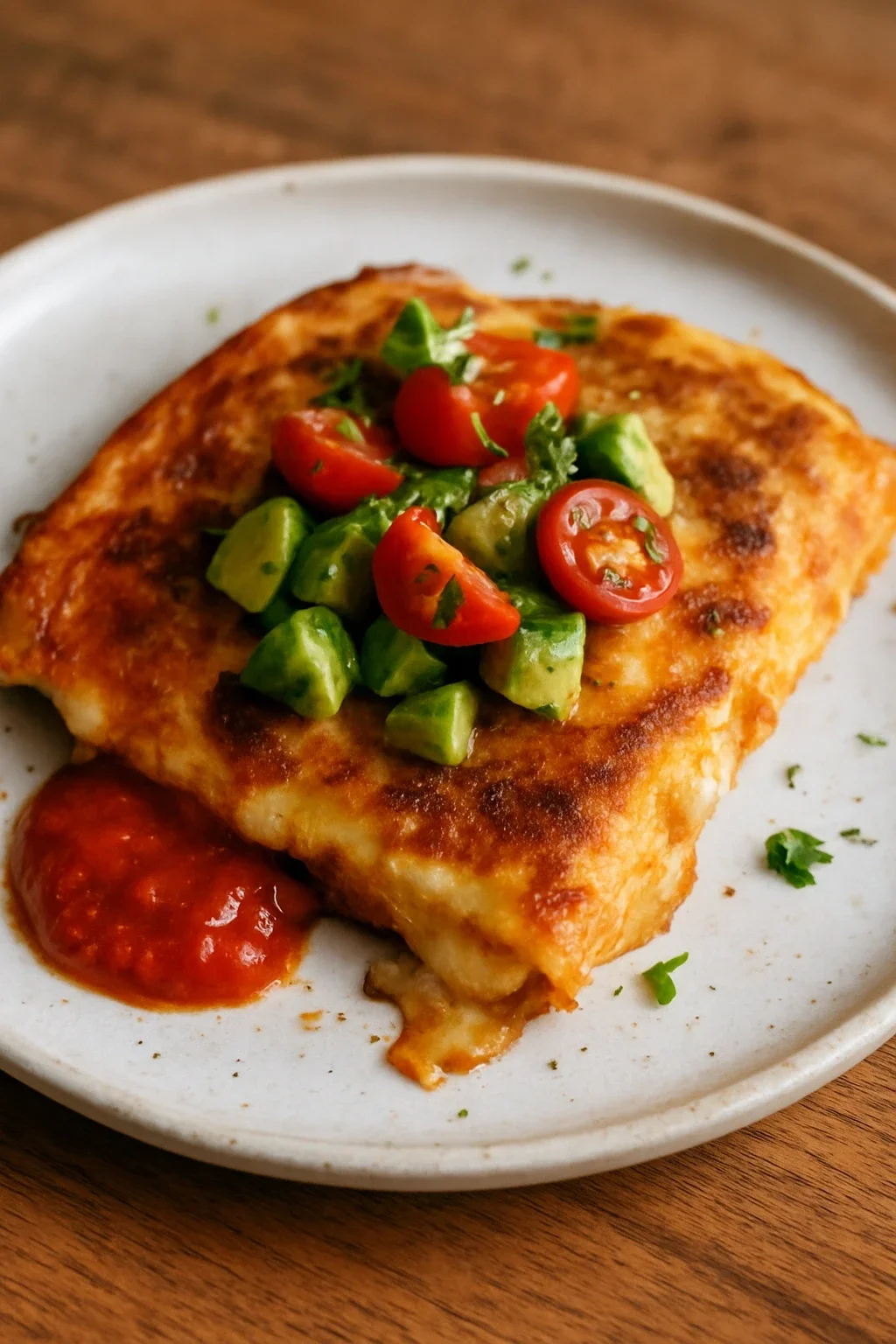
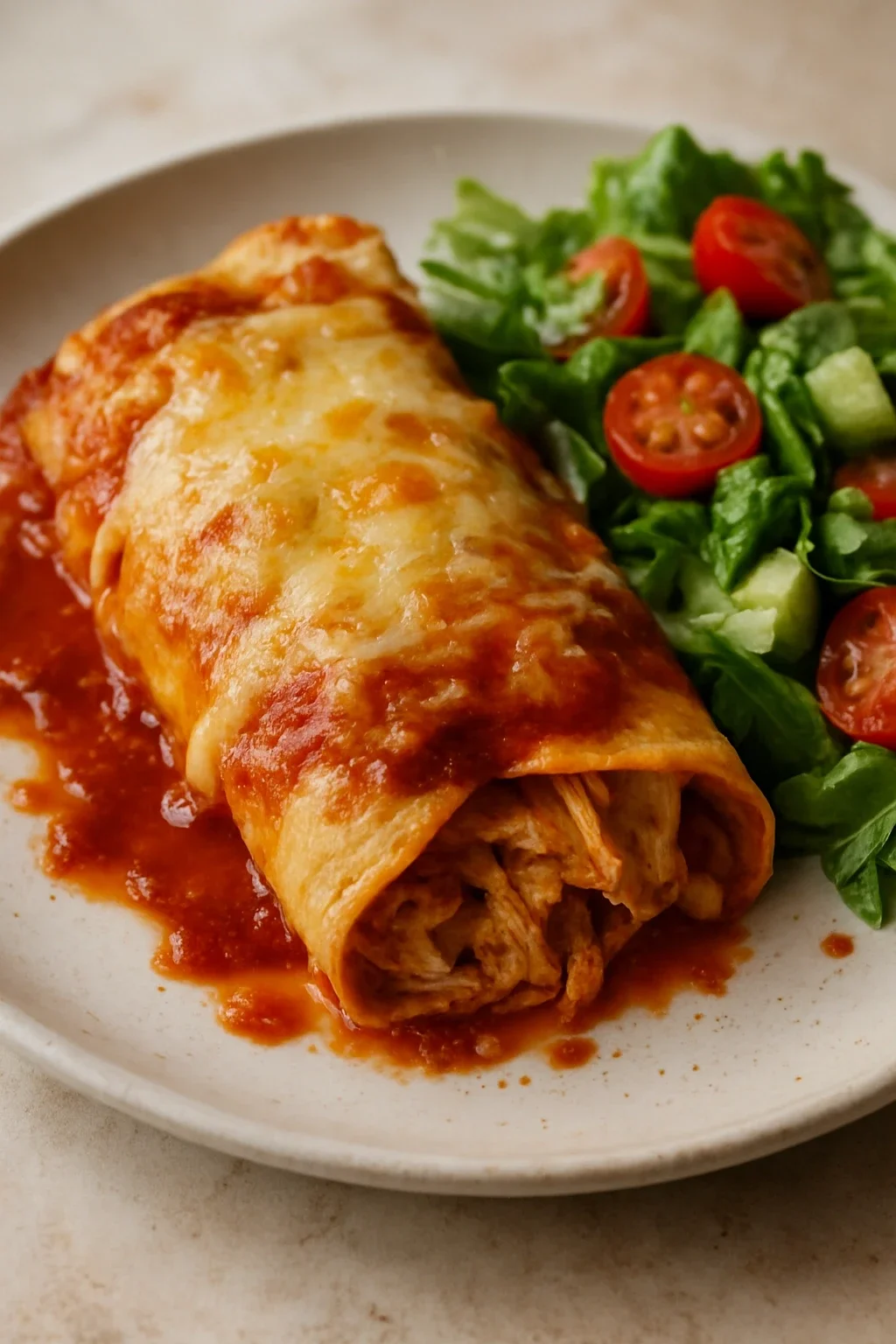
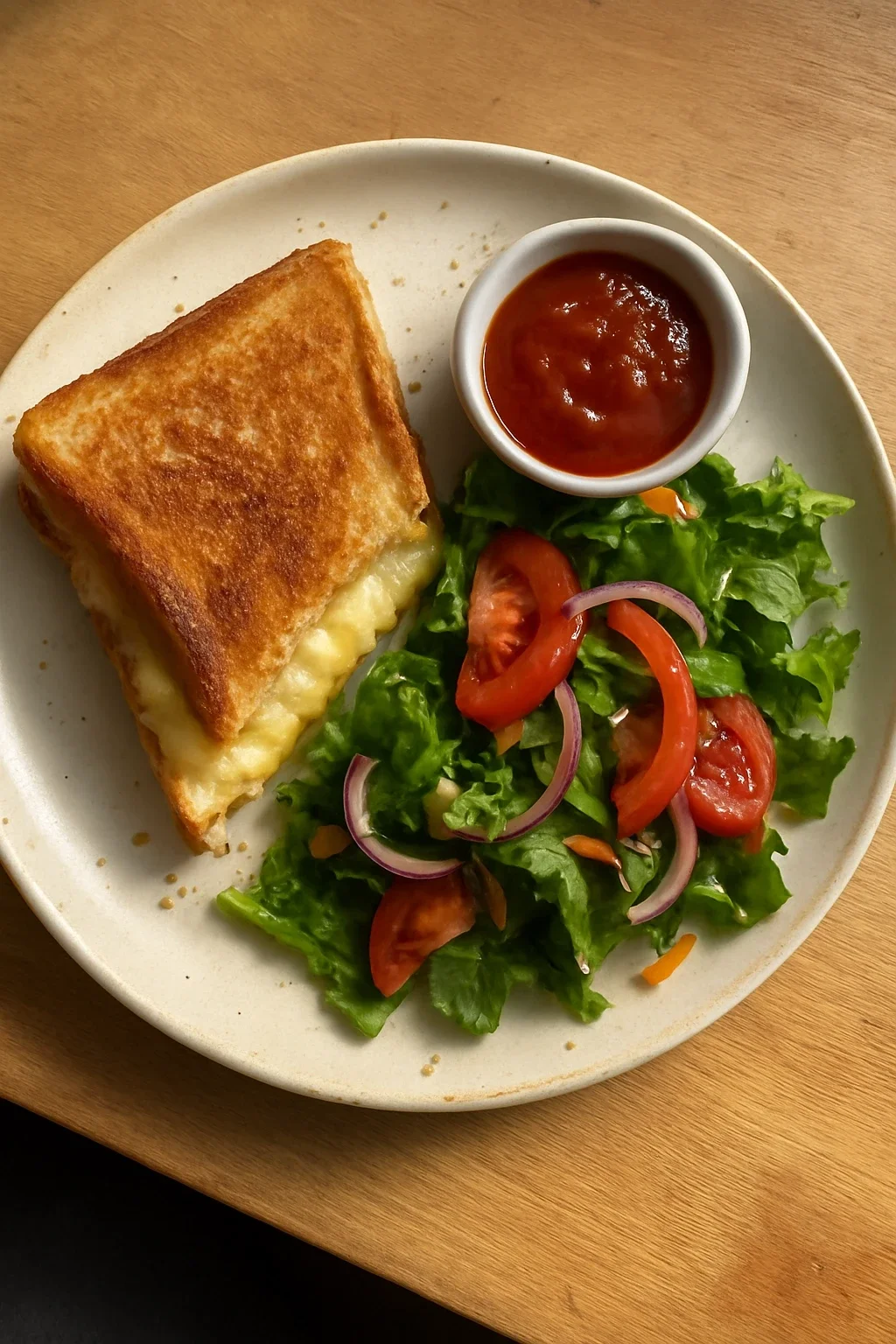
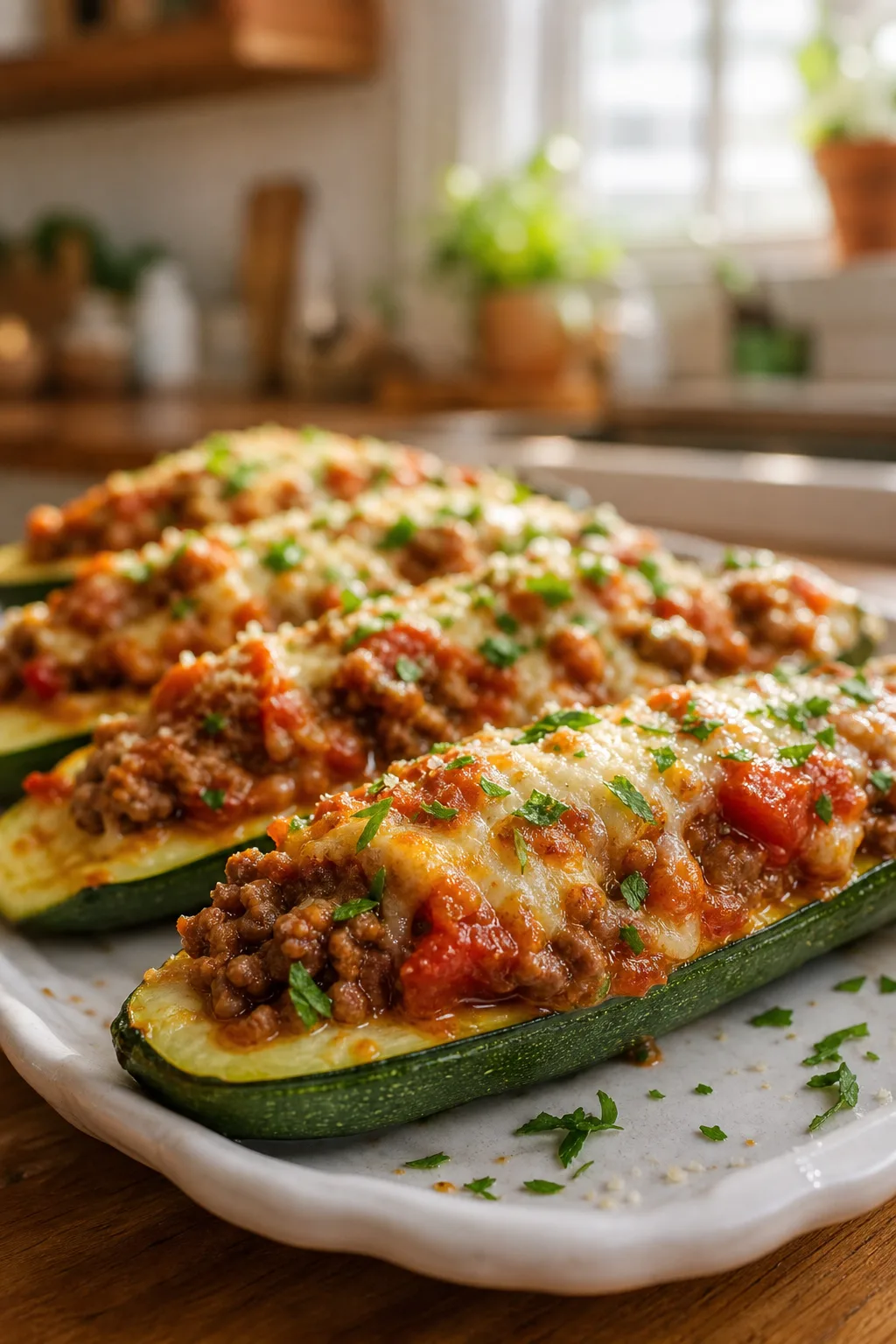
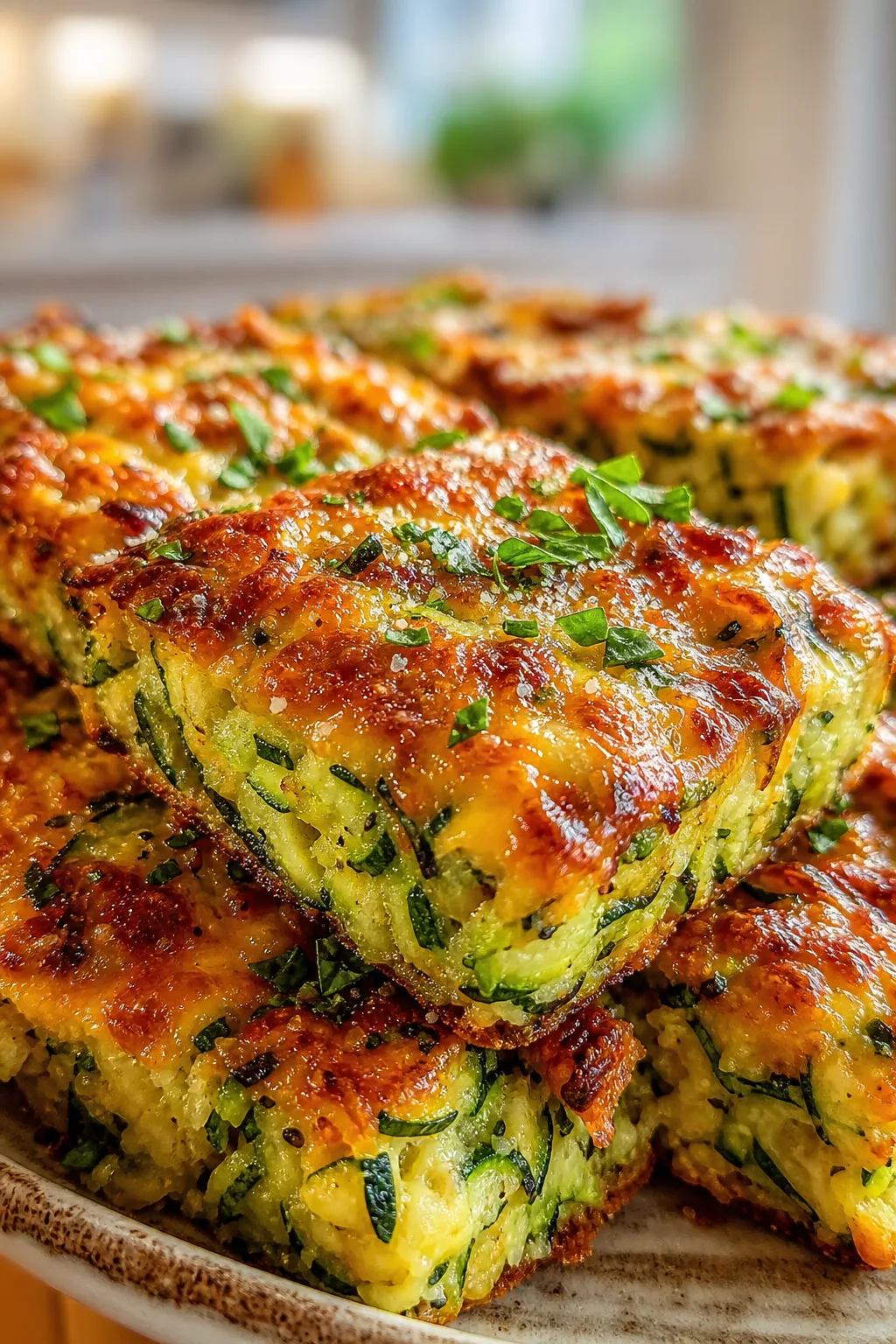
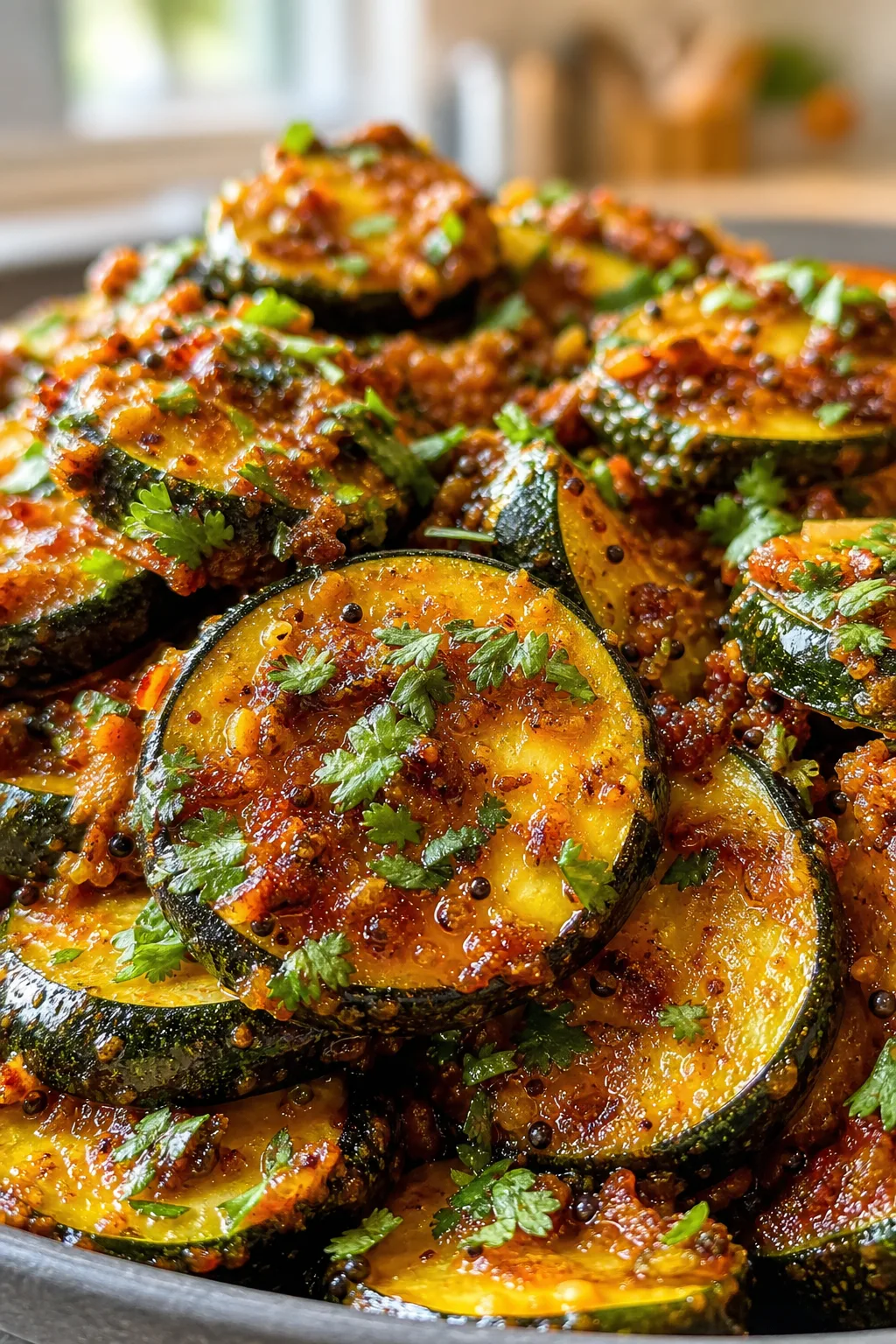
A curated collection of 30 quick lunch recipes that are simple to prepare and flavorful. Each idea is designed to fit into busy schedules without sacrificing taste or nutrition. These include fresh salads, hearty sandwiches, and easy bowls, all ready in about 15 minutes.
Introduction
Lunchtime can be a real challenge when the day is packed and time is tight. Over the years, I've learned to rely on simple, quick recipes that come together in about 15 minutes but don’t sacrifice flavor or satisfaction. These 30 lunch ideas are ones I turn to often, whether I'm at home during a busy workday or looking for something easy on a weekend. What makes this collection different is the variety and practicality: from crisp, refreshing salads to sandwiches that hold up well on the go, and bowls that combine fresh ingredients with satisfying textures. Each recipe is straightforward and approachable, perfect for anyone who wants a tasty midday meal without the hassle. Let me walk you through why these ideas work and how you can adapt them to your taste and schedule.
How To Do It
Step 1
Choose your base: a fresh green salad, a sandwich with sturdy bread, or a quick bowl combining grains and vegetables.
⏱ Time: 1-2 minutes
✓ Doneness: Base ingredients are crisp and evenly distributed or bread is sliced and ready.
Step 2
Prepare any proteins or toppings, such as shredded rotisserie chicken, canned tuna drained and flaked, or sliced boiled eggs.
⏱ Time: 2-3 minutes
✓ Doneness: Protein is evenly prepared and ready to be layered or mixed.
Step 3
Add fresh vegetables or crunchy elements like sliced cucumbers, cherry tomatoes, shredded carrots, or toasted nuts.
⏱ Time: 2 minutes
✓ Doneness: Vegetables are washed, sliced if needed, and crisp; nuts are toasted lightly for aroma.
Step 4
Dress the salad or assemble sandwich with appropriate condiments: vinaigrettes for salads or spreads like mustard, hummus, or avocado for sandwiches.
⏱ Time: 2-3 minutes
✓ Doneness: Dressing evenly coats salad without wilting leaves; sandwich fillings are spread evenly without sogginess.
Step 5
Combine all components carefully to maintain texture and flavor balance, then serve immediately or pack for later.
⏱ Time: 1-2 minutes
✓ Doneness: Final dish looks vibrant with contrasting colors and textures, ingredients are evenly mixed or stacked.
Pro Tips
Prep vegetables and proteins ahead of time and store them separately.
This keeps ingredients fresh and prevents premature wilting or sogginess, making assembly quicker and preserving texture.
Use acidic dressings or spreads just before eating.
Acidic components can cause greens or bread to become soggy if applied too early; adding them last maintains brightness and crunch.
Toast nuts or seeds before adding to salads or bowls.
Toasting enhances aroma and adds a pleasant crunch, elevating the overall texture and flavor without cooking.
Choose bread with a thick crust and firm crumb for sandwiches.
Such bread resists moisture from fillings, keeping sandwiches intact longer and preventing mess.
Include a variety of textures and colors for visual appeal and balance.
Contrasting textures like creamy avocado, crunchy nuts, and crisp vegetables keep the meal interesting and satisfying.
Keep dressings and wet ingredients separate when packing lunches.
This prevents sogginess during transport and allows the meal to stay fresh until ready to eat.
Common Mistakes to Avoid
Adding dressing to salad too early before serving.
Why it happens When salad greens sit coated in dressing, they quickly wilt and lose crispness.
Fix Dress salad just before eating to maintain freshness and texture.
Using soft or overly thin bread for sandwiches.
Why it happens Soft bread absorbs moisture from fillings and becomes soggy rapidly.
Fix Select firmer breads with sturdy crusts or lightly toast bread to improve structure.
Overloading sandwiches or bowls with too many wet ingredients.
Why it happens Excess moisture leads to sogginess and makes handling difficult.
Fix Balance wet and dry ingredients, and consider layering spreads and vegetables thoughtfully.
Not properly draining canned proteins or pickled items.
Why it happens Extra liquid can soak into bread or salad components, reducing texture quality.
Fix Drain thoroughly and pat dry if needed before assembling.
Variations
Gluten-Free Options
Use gluten-free bread or substitute sandwiches with hearty grain bowls using quinoa or rice as a base.
Note: Ensure all condiments and dressings are gluten-free; check labels to avoid hidden gluten sources.
Vegan Variations
Replace animal proteins with chickpeas, tofu cubes, or tempeh. Use plant-based spreads like hummus or avocado mash.
Note: Fresh herbs and spices can enhance flavor depth to compensate for absence of animal fats.
Low-Sodium Adaptations
Limit use of high-sodium condiments and processed meats. Opt for fresh herbs and citrus juices to brighten flavor.
Note: Rinse canned beans or vegetables to reduce sodium content before use.
Seasonal Ingredient Swaps
Incorporate seasonal vegetables like roasted butternut squash in fall or fresh berries in summer salads.
Note: Adjust dressing acidity and sweetness to complement seasonal produce characteristics.
Spice and Herb Variations
Add spices such as cumin, smoked paprika, or fresh herbs like cilantro or basil to shift flavor profile toward regional cuisines.
Note: Use spices sparingly in quick lunches to avoid overpowering fresh ingredients.
Nutrition
Per Serving:
approximately 350
Calories
These values are estimates and vary widely depending on specific ingredients and portion sizes used.
Storage & Tips
Room Temperature
Quick lunches with fresh vegetables should not be left at room temperature for more than 1 hour to avoid loss of freshness and bacterial growth.
Refrigerator
Store prepared components separately in airtight containers for up to 2 days. Assemble just before eating to maintain texture.
Freezer
Most quick lunch components are best fresh; freezing may alter texture, especially of fresh vegetables and bread.
Reheating
If meals include cooked grains or proteins, reheat gently in a microwave or on stovetop until warmed through. Avoid overheating to preserve texture.
Make Ahead
Prepare proteins like boiled eggs or cooked grains in advance, and chop vegetables ahead of time. Store separately and assemble lunch when needed.
FAQ
Can I make these quick lunches ahead of time?
Yes, many components like chopped vegetables and cooked proteins can be prepared in advance. Assemble the meal just before eating to keep ingredients fresh.
Why does my sandwich bread get soggy quickly?
This usually happens when moist ingredients or dressings are added too early. Use sturdier bread and add wet components just before eating.
Can I substitute canned tuna with other proteins?
Absolutely. Cooked chicken, chickpeas, or tofu are good alternatives that provide similar texture and protein content.
How long can I store prepped ingredients in the fridge?
Most prepped vegetables and proteins can be stored in airtight containers for up to 2 days without significant loss of quality.
Are these lunches suitable for meal prep?
Yes, especially when components are stored separately and assembled just before eating to maintain texture and freshness.
Can I freeze any of these quick lunch recipes?
Freezing is generally not recommended for fresh salads or sandwiches as texture changes. Cooked grains or proteins can be frozen separately but fresh vegetables do not freeze well.
Final Thoughts
These quick lunch ideas offer practical solutions for busy days while maintaining enjoyable flavors and textures. I welcome your thoughts or questions—feel free to share your experiences or adaptations in the comments below.