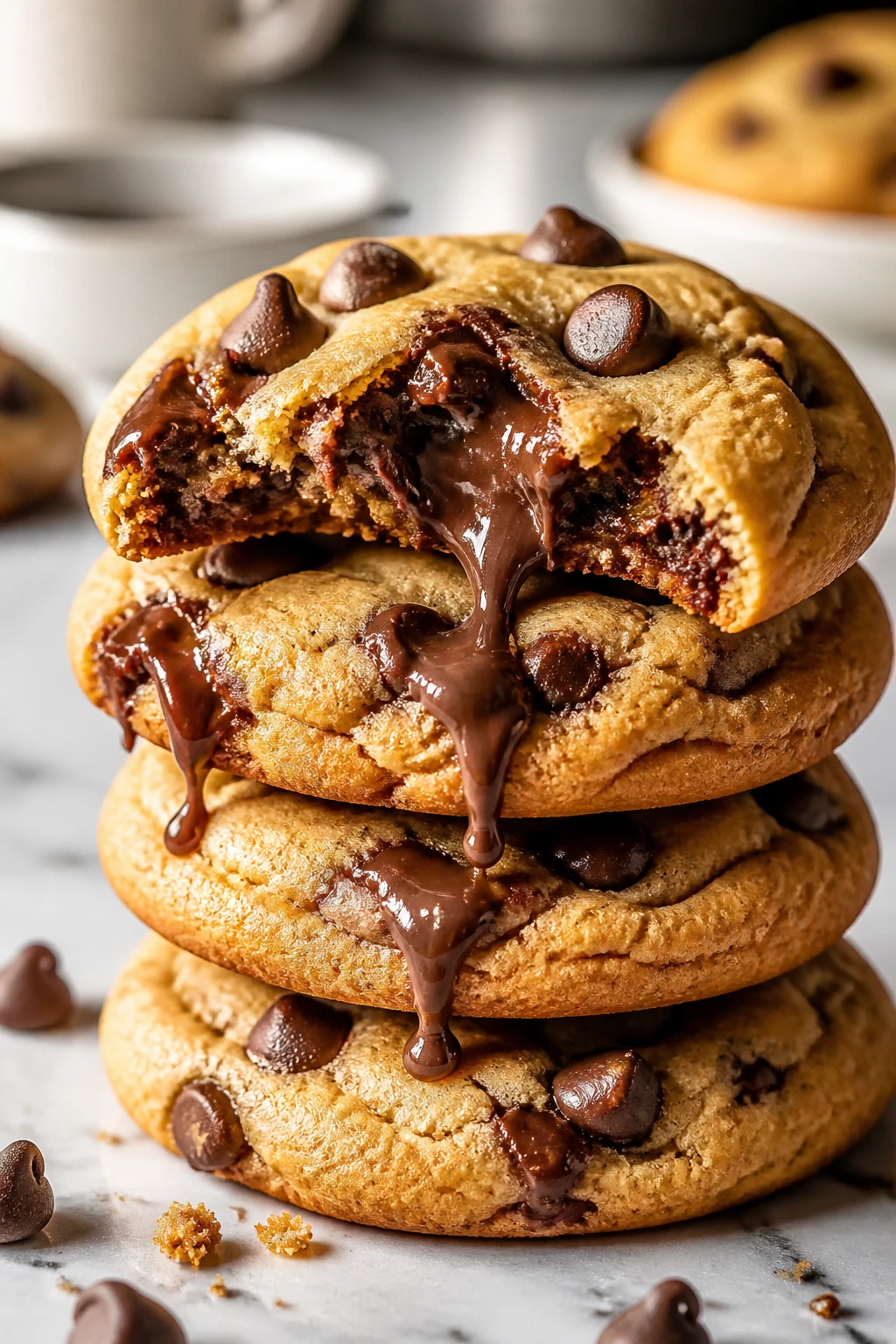
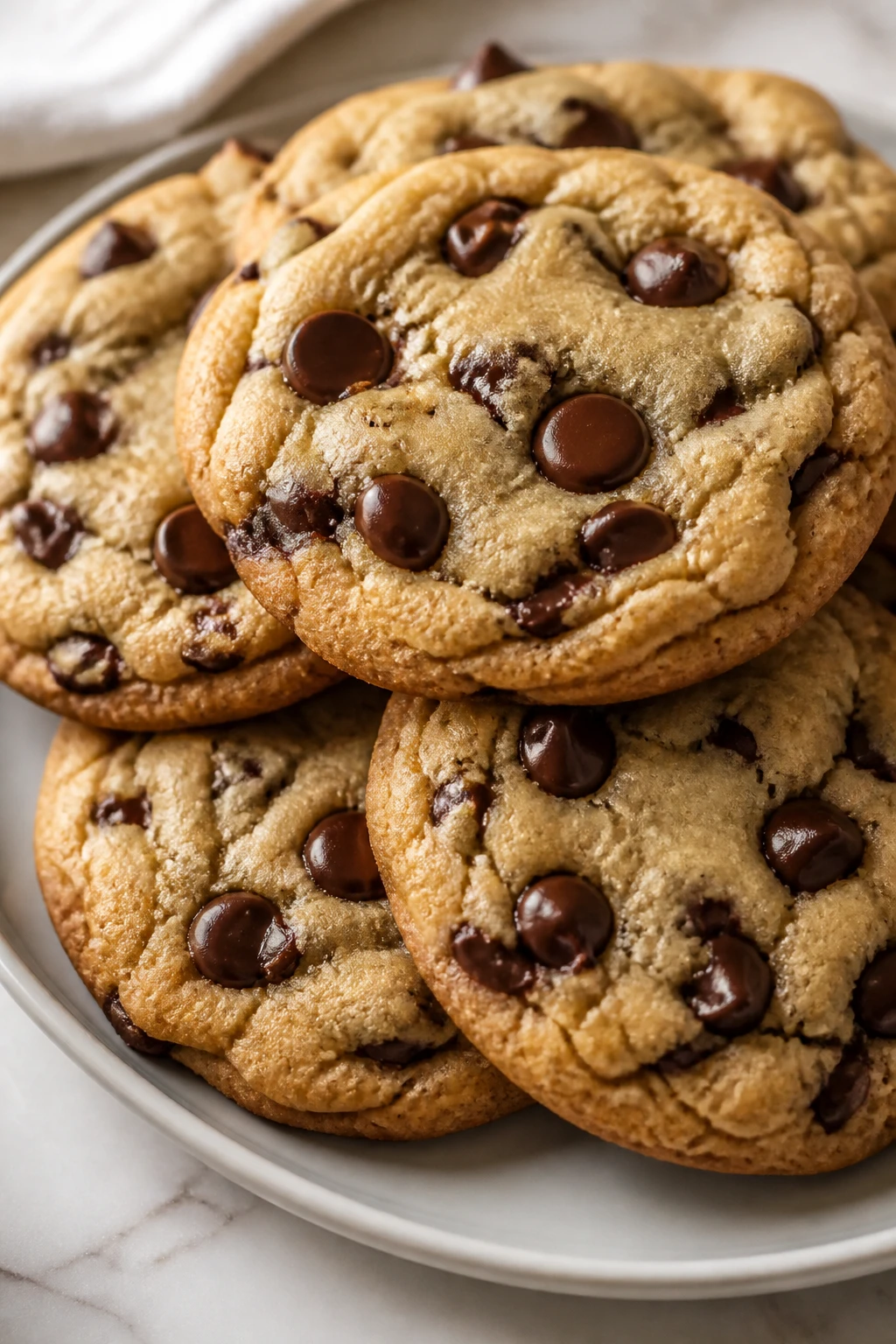
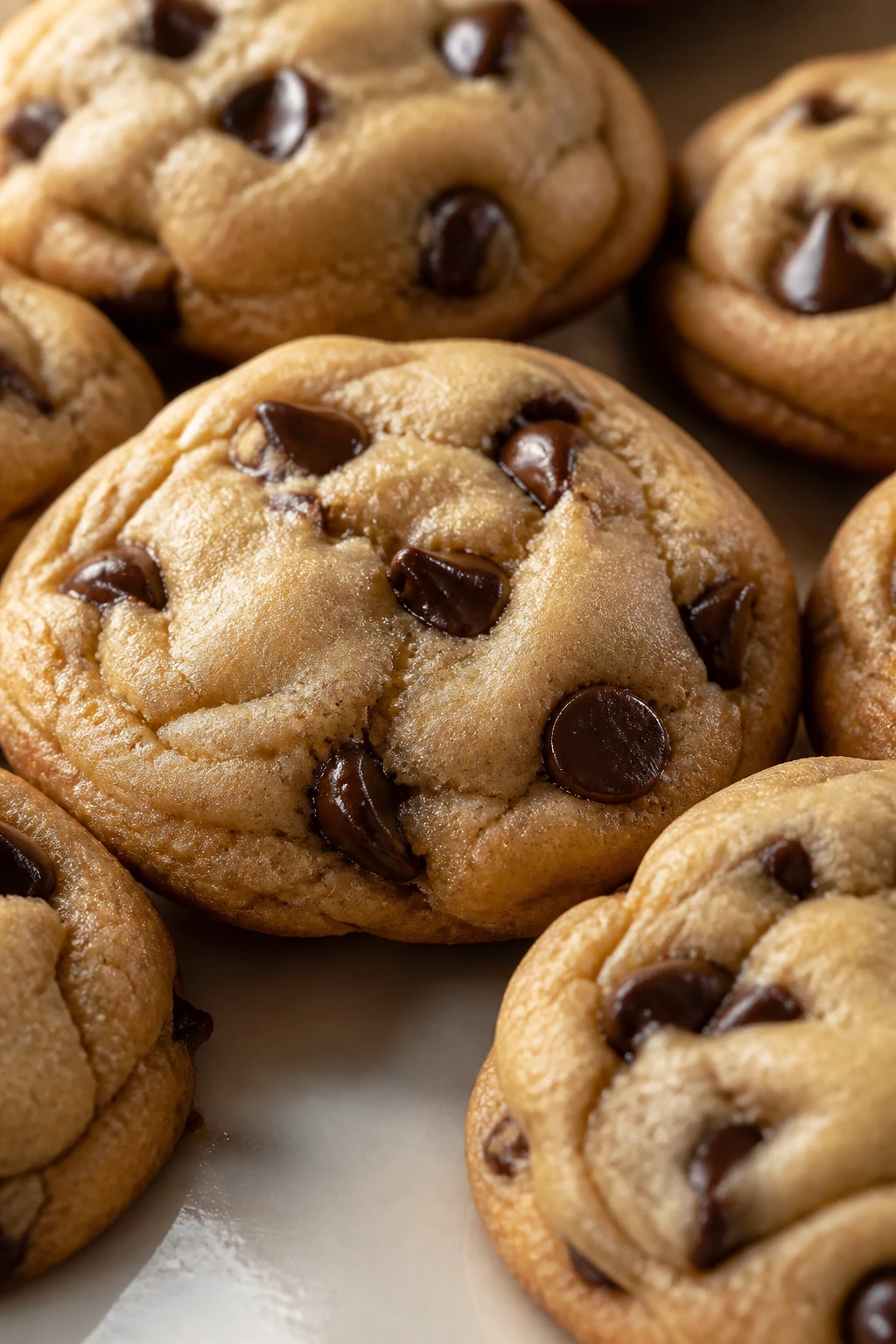
These chewy chocolate chip cookies are a breeze to whip up with just five ingredients. The brown sugar gives them that irresistibly soft texture. Perfect for a quick sweet fix or surprise guests!
Introduction
I still remember the first time I tried making chocolate chip cookies from scratch—it was a total disaster. The cookies turned out hard as rocks, and my family wasn’t impressed. After a few tries, I finally nailed a recipe that’s soft, chewy, and so easy to make with just a handful of ingredients. What really makes these cookies stand out is the brown sugar, which keeps them moist and gives that perfect chewiness I love. Plus, using simple pantry staples means you can whip them up anytime you’re craving something sweet without a lot of fuss. I usually bake a batch when friends come over last minute or when I need a quick after-dinner treat. They come out golden brown with melty chocolate pockets and just the right amount of softness. Honestly, this recipe has become my go-to for sharing homemade cookies that everyone raves about!
What You'll Need
Approximately 12 medium-sized cookies
- 1 cup unsalted butter, softened
- 1 cup brown sugar, packed
- 1/2 cup granulated sugar
- 2 large eggs
- 2 1/4 cups all-purpose flour
- 1 teaspoon baking soda
- 1/2 teaspoon salt
- 1 1/2 cups semi-sweet chocolate chips
How To Do It
Step 1
Start by preheating your oven to 350°F (175°C) and lining a baking sheet with parchment paper to prevent sticking. In a large bowl, cream together the softened butter, brown sugar, and granulated sugar using a hand mixer or stand mixer on medium speed. This creaming step is essential because it incorporates air that helps the cookies rise slightly and creates a tender crumb. Make sure the butter is soft but not melted, or the texture can be off. Beat until the mixture is light and fluffy, about 3-4 minutes, scraping down the bowl as needed to ensure everything is evenly mixed.
⏱ Time: 10
✓ Doneness: The mixture should look pale, creamy, and smooth with no sugar granules visible.
Step 2
Next, add the eggs one at a time, beating well after each addition. This helps the eggs emulsify with the butter and sugar, making a smooth batter. If you add them too quickly, the batter can curdle or separate, which affects the cookie texture. Once combined, sift in the flour, baking soda, and salt to avoid lumps and ensure even distribution. Gently fold the dry ingredients into the wet mixture using a spatula or low mixer speed. Overmixing here can develop gluten and make the cookies tough, so stop as soon as you see no streaks of flour.
⏱ Time: 10
✓ Doneness: The dough should be soft but hold together, slightly sticky, and uniform in color.
Step 3
Now fold in the chocolate chips evenly throughout the dough. You want every bite to have melty chocolate, so make sure the chips are well distributed without overmixing. Using a spatula helps keep the dough from getting too tough. If you want a little extra texture, you can add chopped nuts here, but it’s optional.
⏱ Time: 5
✓ Doneness: Chocolate chips are visible and evenly spread throughout the dough.
Step 4
Using a cookie scoop or tablespoon, drop rounded balls of dough onto the prepared baking sheet, spacing them about 2 inches apart. This spacing allows the cookies to spread properly without merging into one another. If the dough feels too soft to handle, chill it for 15 minutes before scooping to prevent excessive spreading.
⏱ Time: 5
✓ Doneness: Dough balls are uniform in size and spaced evenly on the sheet.
Step 5
Bake the cookies in the preheated oven for 10 to 12 minutes. Keep a close eye starting at 10 minutes because ovens vary. The cookies should look set around the edges but still slightly soft in the centers. This ensures they stay chewy after cooling. Overbaking will make them dry and crunchy, so it’s better to err on the side of underbaking slightly.
⏱ Time: 12
✓ Doneness: Edges are golden brown and centers look just set but not dry or cracked.
Step 6
Once baked, remove the cookies from the oven and let them cool on the baking sheet for 5 minutes. This resting time allows the cookies to firm up and finish cooking gently from residual heat. Trying to move them too soon can cause them to break apart. After 5 minutes, transfer them to a wire rack to cool completely. This step keeps the bottoms from getting soggy.
⏱ Time: 10
✓ Doneness: Cookies are firm enough to lift without breaking but still soft to the touch.
Step 7
If you want to store your cookies, wait until they’re completely cooled before placing them in an airtight container. This prevents condensation and sogginess. You can layer them with parchment paper to avoid sticking. They’ll keep fresh at room temperature for up to 3 days, or you can freeze them for longer storage.
⏱ Time: 5
✓ Doneness: Cookies are fully cooled and dry to the touch before storage.
Step 8
For an extra gooey chocolate effect, try warming the cookies in the microwave for 10-15 seconds before serving. This melts the chips slightly and makes the cookies taste freshly baked again. Just don’t overdo it or they’ll become too soft and lose structure.
⏱ Time: 2
✓ Doneness: Chocolate chips appear shiny and slightly melted but cookies hold their shape.
Step 9
Optional but recommended: sprinkle a tiny pinch of flaky sea salt on the cookies right after baking. The salt contrasts with the sweetness and enhances the chocolate flavor beautifully. It adds a gourmet touch without any extra effort.
⏱ Time: 1
✓ Doneness: Light sparkle of salt visible on the cookie surface.
Pro Tips
Always cream butter and sugars until light and fluffy.
Creaming incorporates air into the dough, which helps cookies rise and creates a tender texture. Skipping this step or under-creaming results in dense, flat cookies. The lightness you see in the batter translates directly to the final cookie’s crumb.
Chill your dough if it feels too soft before baking.
Chilling firms the dough, preventing excessive spreading in the oven. It also allows flavors to meld and can improve texture. Soft dough can lead to thin, greasy cookies that don’t hold their shape well.
Use parchment paper or silicone mats on your baking sheets.
These liners prevent sticking and promote even baking by insulating the cookies from direct heat. They also make cleanup easier and help cookies bake evenly without burning on the bottom.
Don’t overmix the flour into the wet ingredients.
Overmixing develops gluten, which makes cookies tough and chewy in a bad way. Mix just until no flour streaks remain to keep the texture soft and tender.
Bake until edges are set but centers still look soft.
Cookies continue to cook from residual heat after removal from the oven. Removing them at this stage ensures chewy centers rather than dry or crunchy cookies.
Use room temperature eggs for easier emulsification.
Cold eggs can cause the butter to seize or curdle during mixing, affecting dough consistency and texture. Room temperature eggs blend more smoothly, creating a uniform batter.
Add a pinch of flaky sea salt on top right after baking.
The salt enhances the chocolate flavor and balances the sweetness, adding a gourmet touch. It also creates a delightful contrast in texture and taste.
Common Mistakes to Avoid
Using melted butter instead of softened butter
Why it happens People often melt butter for convenience or to speed up mixing, not realizing it changes cookie texture.
Fix Always soften butter at room temperature rather than melting. Softened butter traps air during creaming, which is essential for a tender, chewy cookie. If you only have melted butter, chill the dough well before baking to reduce spreading.
Overbaking the cookies
Why it happens It’s tempting to wait until cookies look fully browned and firm, but this dries them out.
Fix Remove cookies when edges are golden but centers still look slightly underdone. They firm up as they cool, preserving chewiness. Set a timer and check early to avoid overbaking.
Mixing the dough too much after adding flour
Why it happens Some think mixing longer makes dough more uniform, but it activates gluten.
Fix Fold in flour gently and stop mixing as soon as dry ingredients are incorporated. This keeps cookies tender instead of tough and chewy in an unpleasant way.
Skipping the chill step when dough is too soft
Why it happens Impatient to bake, some skip chilling, causing cookies to spread too thin.
Fix If dough feels very soft, chill for at least 15 minutes. This firms the dough and helps cookies keep a nice shape with chewy centers.
Not measuring flour properly
Why it happens Scooping flour directly with a cup can pack it too densely, leading to dry, cakey cookies.
Fix Fluff flour first, then spoon into measuring cup and level with a knife. Accurate measurements ensure the right texture and prevent dry or crumbly results.
Variations
Nutty Chocolate Chip Cookies
Add 1 cup chopped walnuts or pecans for a crunchy texture and nutty flavor. Toast the nuts lightly before folding them in to enhance their aroma. This adds depth and a satisfying bite to the classic cookie.
Note: Ensure nuts are evenly distributed and fold gently to avoid overworking the dough. Baking time remains the same.
Chewy Oatmeal Chocolate Chip Cookies
Replace 1 cup of flour with old-fashioned rolled oats for a heartier cookie with a chewy, rustic texture. The oats add fiber and a subtle nutty taste that pairs perfectly with the chocolate chips.
Note: Mix oats in with the flour to ensure even distribution. Dough may be slightly thicker; scoop carefully.
Double Chocolate Chip Cookies
Add 1/4 cup unsweetened cocoa powder to the dry ingredients for a rich, chocolatey base. Use dark or semi-sweet chips to complement the cocoa flavor. These cookies are perfect for chocolate lovers craving an intense treat.
Note: Since cocoa powder absorbs moisture, you may need to add a tablespoon of milk or water to keep dough moist.
Salted Caramel Chocolate Chip Cookies
Add small chunks of caramel candy or caramel bits along with chocolate chips, then sprinkle flaky sea salt on top before baking. The sweet and salty combo elevates the cookie to a gourmet level.
Note: Use caramel pieces that melt but hold shape to avoid spreading too much. Watch baking time closely to prevent burning.
Vegan Chocolate Chip Cookies
Substitute butter with vegan margarine and use flax eggs (1 tablespoon flaxseed meal + 3 tablespoons water per egg) for an egg-free version. Use dairy-free chocolate chips to keep it fully vegan. These cookies still turn out soft and delicious.
Note: Flax eggs may slightly change dough texture; chill dough before baking for best results.
Nutrition
Per Serving:
Nutritional values are estimates and may vary based on specific ingredients used.
Storage & Tips
Room Temperature
Cookies can be stored at room temperature in an airtight container for up to 3 days. Keep them away from direct sunlight or heat sources to maintain softness. Layer with parchment paper to avoid sticking.
Refrigerator
Store cookies in an airtight container in the fridge for up to 7 days. Refrigeration may firm them up slightly, so warm briefly before serving for best texture.
Freezer
Freeze cookies in a single layer on a baking sheet, then transfer to a freezer-safe bag or container for up to 3 months. Wrap tightly to prevent freezer burn. Thaw at room temperature or warm in microwave for a few seconds.
Reheating
To reheat, microwave cookies for 10-15 seconds or warm in a 300°F oven for 5 minutes. Adding a small piece of bread in the container can help retain moisture during reheating.
Make Ahead
Prepare the dough up to 2 days in advance and keep it refrigerated. You can also freeze dough balls and bake them directly from frozen, adding a couple extra minutes to baking time.
FAQ
Can I use melted butter instead of softened butter?
Using melted butter changes the cookie texture significantly, making them more cakey or flat. Softened butter is ideal because it traps air during creaming, resulting in a tender, chewy cookie. If you only have melted butter, chill the dough before baking to reduce spreading.
Why are my cookies spreading too much and becoming thin?
Overly soft dough, warm butter, or insufficient chilling can cause excessive spreading. Make sure butter is softened but not melted, and chill the dough if needed. Also, avoid using too much sugar or skipping flour measurements, as this affects structure.
Can I substitute brown sugar with white sugar?
Substituting all brown sugar with white sugar will make cookies crispier and less chewy since brown sugar adds moisture and acidity. You can try half and half, but the texture and flavor will change noticeably.
How do I know when the cookies are done baking?
Look for golden edges and centers that are just set but still soft. The cookies will continue to firm up as they cool. Removing them too late results in dry, crunchy cookies.
What’s the best way to store leftover cookies?
Store completely cooled cookies in an airtight container at room temperature for up to 3 days. For longer storage, freeze in a sealed container or bag for up to 3 months.
Can I add nuts or other mix-ins?
Absolutely! Walnuts, pecans, or even dried fruit can be added to the dough. Just fold them in gently after mixing the dough to keep the texture balanced.
Why is my dough crumbly and dry?
This usually happens if there’s too much flour or not enough fat or eggs. Measure ingredients carefully and ensure butter is softened properly. Adding a splash of milk can help moisten dry dough.
Can I make these cookies gluten-free?
Yes, you can substitute all-purpose flour with a gluten-free blend that includes xanthan gum. Results may vary slightly in texture, so chill dough before baking.
Final Thoughts
I hope you enjoy baking and sharing these chewy chocolate chip cookies as much as I do! Don’t forget to let me know how they turn out and share your favorite tweaks.