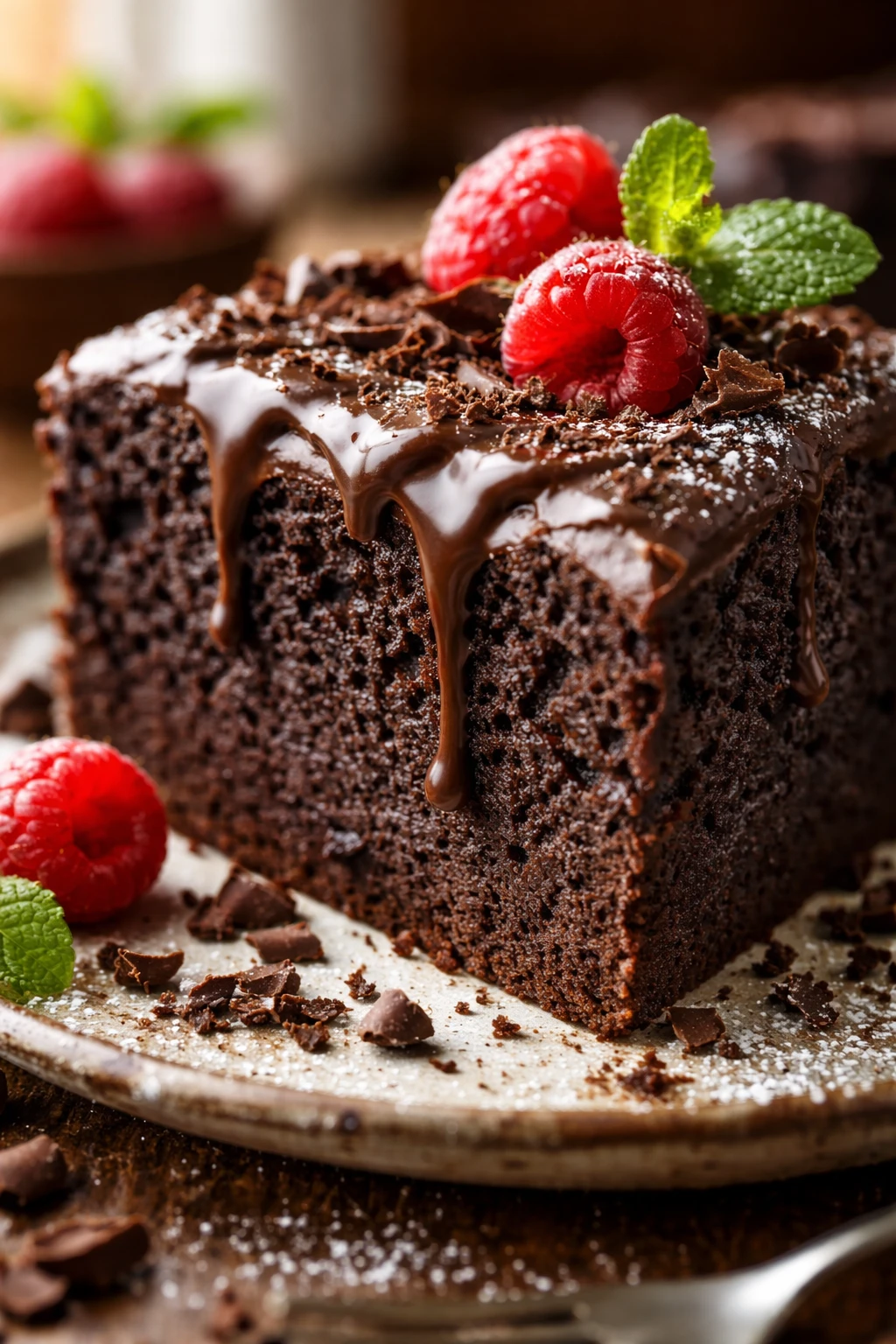
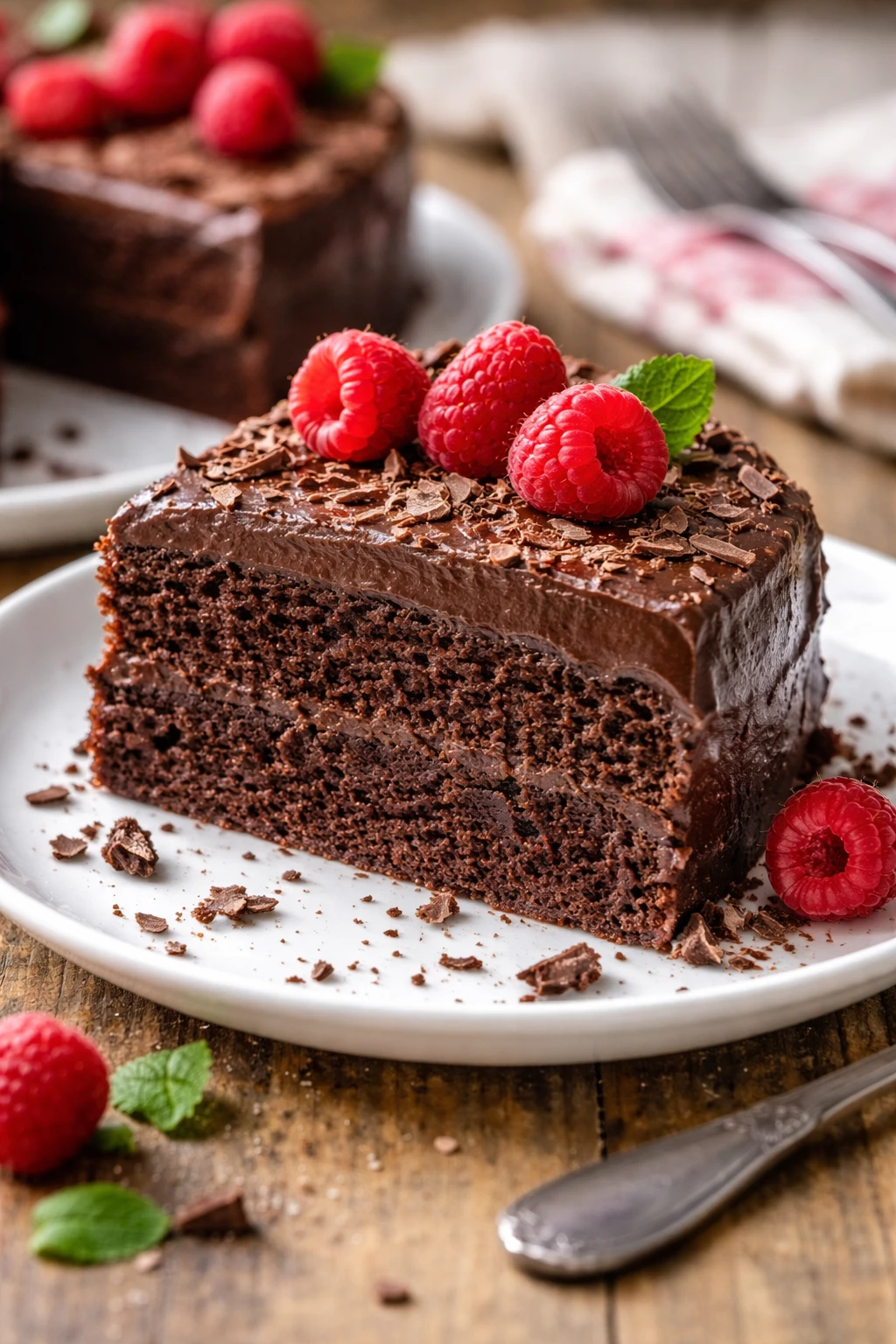
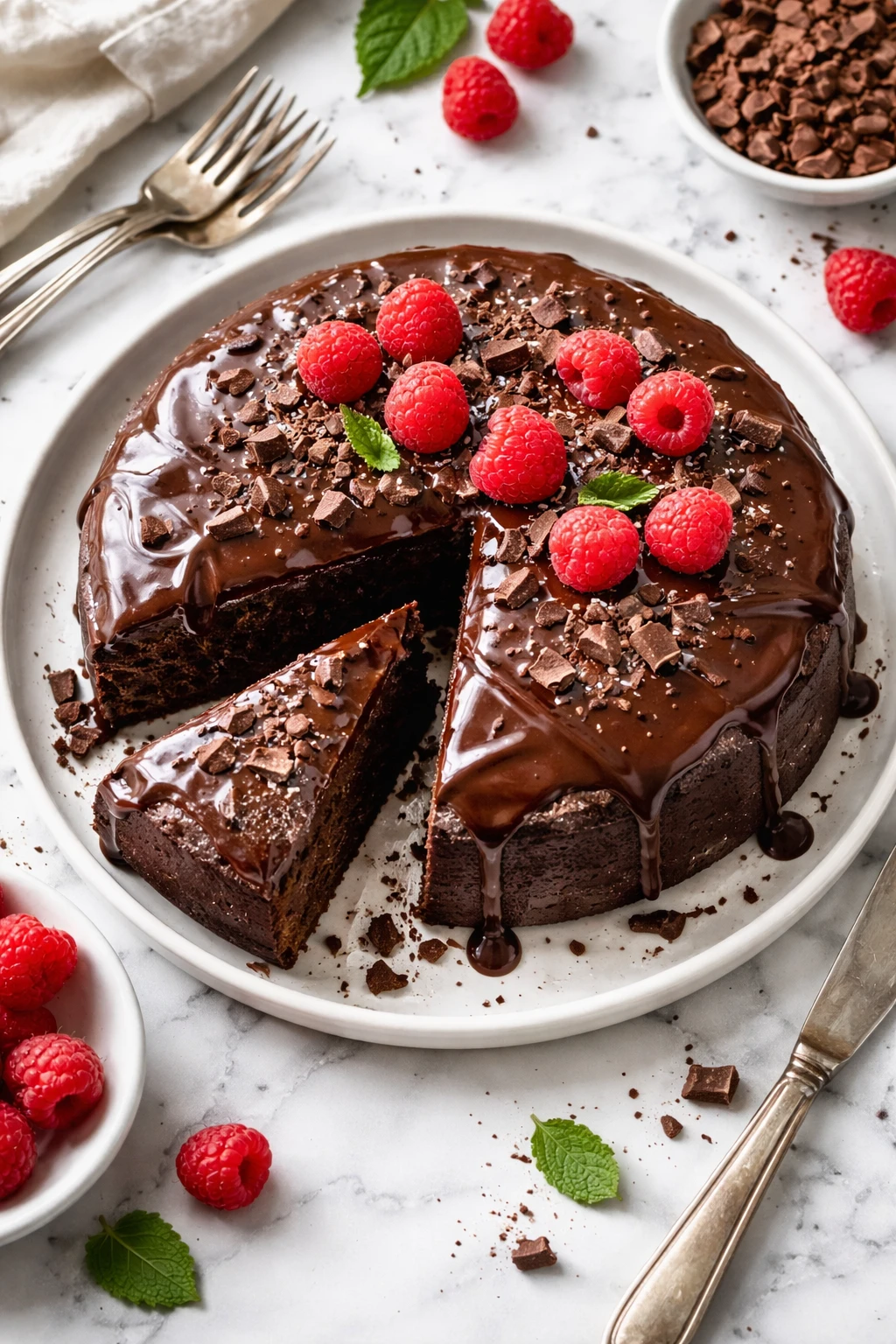
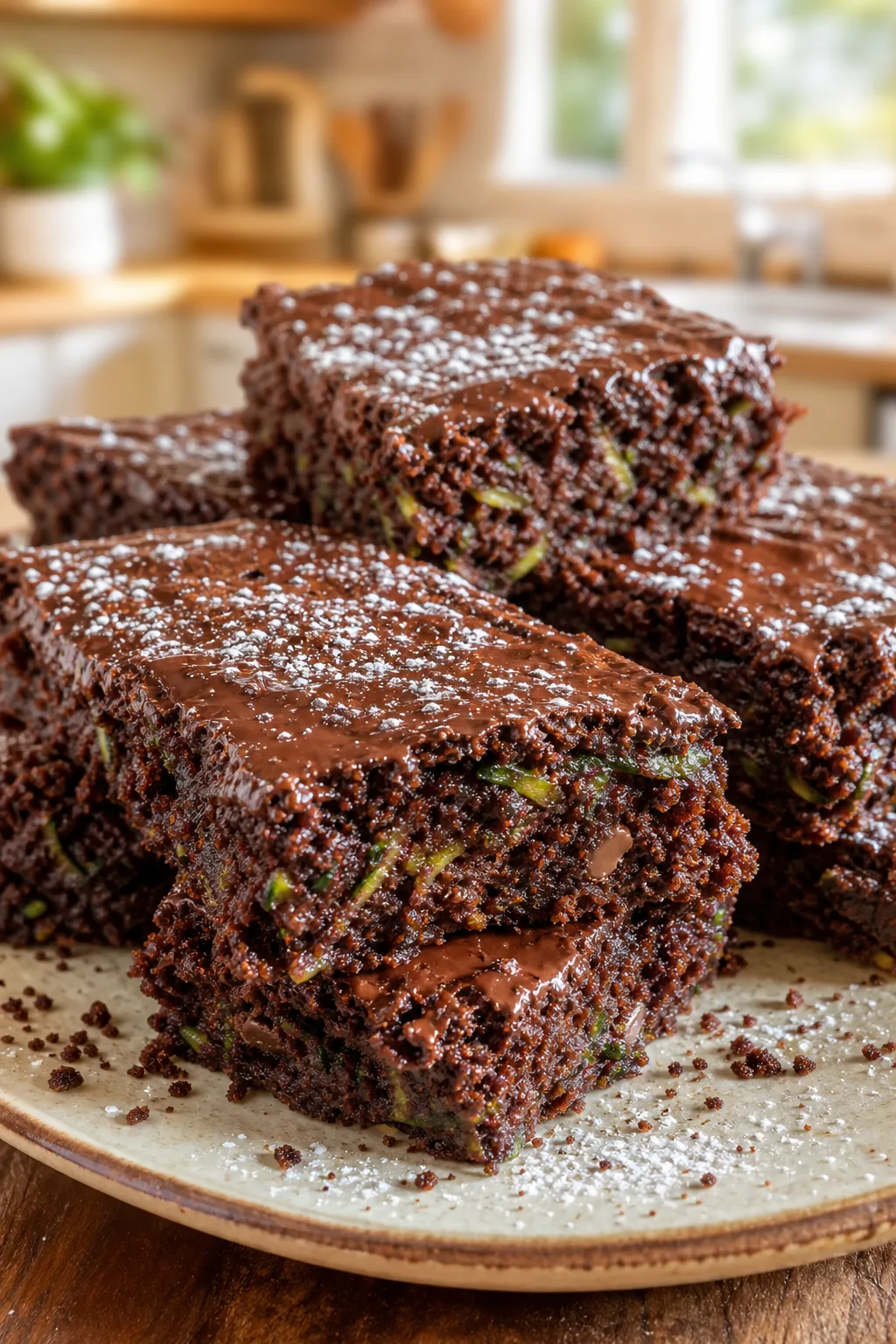
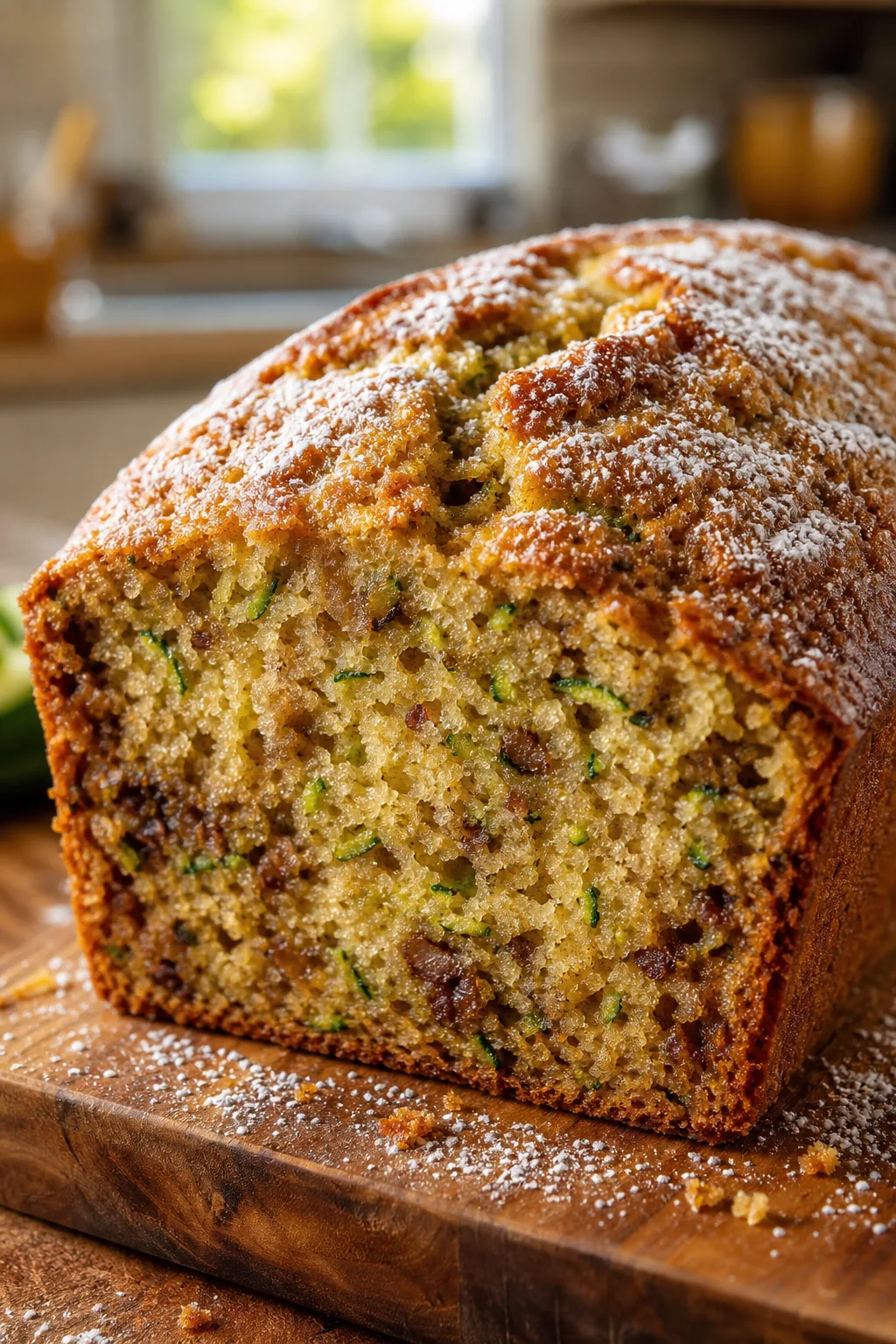
This chocolate cake is a lifesaver when you want something quick and delicious. Using just five ingredients, including sour cream, it stays super moist. Perfect for spontaneous dessert cravings or casual celebrations!
Introduction
I first made this chocolate cake on a whim when I needed a quick dessert and was short on ingredients. What I love about this recipe is how simple it is—just five main ingredients and you’re set. The real game changer? Sour cream. It adds this incredible moistness and a slight tang that balances the sweetness perfectly. I’ve tried other chocolate cakes that turn out dry or too dense, but this one always bakes up tender and soft with a rich chocolate flavor. The method is straightforward, too, mixing wet and dry ingredients separately before combining gently. One thing I learned after a few attempts is not to overmix the batter, or you’ll lose that light texture. When it comes out of the oven, it’s got a beautiful crumb, slightly springy to the touch, and a deep cocoa aroma. I usually serve it plain or with a dusting of powdered sugar, but it’s also fantastic with a scoop of vanilla ice cream. It’s my go-to for last-minute celebrations or when I just need a chocolate fix without fussing over complicated recipes.
What You'll Need
One 8-inch round cake, 8 servings
- 1 cup all-purpose flour, sifted
- 1 cup granulated sugar
- 6 tablespoons unsweetened cocoa powder
- 1/2 teaspoon baking soda
- 1/2 teaspoon salt
- 1/2 cup sour cream, full fat
- 1/2 cup warm water
- 1/3 cup vegetable oil
- 1 teaspoon vanilla extract
- 1 large egg
How To Do It
Step 1
Start by preheating your oven to 350°F (175°C) and greasing an 8-inch round cake pan. This ensures the cake won’t stick and will bake evenly. Greasing the pan with butter or oil and lightly dusting with flour helps create a clean release. Avoid skipping this step because a stuck cake can be frustrating and messy to remove.
⏱ Time: 5
✓ Doneness: Pan is evenly coated with a thin layer of grease and flour, no bare spots.
Step 2
In a large bowl, sift together the flour, cocoa powder, baking soda, salt, and sugar. Sifting removes lumps and aerates the mixture, which helps the cake rise and have a tender crumb. Take your time here to get an even blend. If you skip sifting, you might get pockets of dry ingredients that don’t mix well.
⏱ Time: 5
✓ Doneness: Dry ingredients are combined evenly and feel light and fluffy.
Step 3
In a separate bowl, whisk the sour cream, warm water, vegetable oil, vanilla extract, and egg until smooth. The warmth of the water helps activate the baking soda and dissolves the sugar slightly, creating a smoother batter. Make sure the egg is well beaten to incorporate air for lightness.
⏱ Time: 5
✓ Doneness: Wet ingredients form a smooth, uniform mixture without lumps.
Step 4
Slowly pour the wet ingredients into the dry ingredients, folding gently with a spatula. Mix just until combined to avoid developing gluten, which can make the cake tough. It’s okay if the batter looks a bit lumpy—overmixing is a common mistake that leads to dense cake.
⏱ Time: 3
✓ Doneness: Batter is mostly smooth and thick, with no large pockets of flour.
Step 5
Pour the batter into the prepared pan and smooth the top with a spatula. This helps the cake bake evenly and rise uniformly. Avoid tapping the pan too hard or too many times as it can create air bubbles that cause holes in the crumb.
⏱ Time: 2
✓ Doneness: Batter evenly spread with a smooth surface.
Step 6
Bake in the preheated oven for about 28-32 minutes. Start checking at 28 minutes by inserting a toothpick in the center; it should come out with a few moist crumbs but no raw batter. Baking too long dries the cake, while underbaking leaves it gooey in the middle.
⏱ Time: 30
✓ Doneness: Toothpick comes out mostly clean with a few moist crumbs attached.
Step 7
Remove the cake from the oven and let it cool in the pan for 10 minutes. This lets the structure set and makes it easier to remove. Don’t try to unmold it while hot or it might break apart.
⏱ Time: 10
✓ Doneness: Cake feels firm to the touch around the edges and slightly springy in the center.
Step 8
Run a knife around the edge of the cake to loosen it, then invert onto a wire rack to cool completely. Cooling on a rack prevents condensation and sogginess on the bottom. If you leave it in the pan too long, the cake can steam and lose its crust.
⏱ Time: 10
✓ Doneness: Cake releases easily from the pan and cools evenly on the rack.
Step 9
Once cooled, you can dust the cake with powdered sugar or frost it as you like. The cake is moist and tender enough to enjoy plain, but frosting or a glaze adds extra indulgence. Serve at room temperature for the best texture and flavor.
⏱ Time: 5
✓ Doneness: Cake surface is dry to the touch and frosting adheres smoothly if applied.
Pro Tips
Don’t overmix the batter once wet and dry ingredients are combined.
Overmixing develops gluten strands in the flour, which toughens the crumb and makes the cake dense. Folding gently until just combined preserves tenderness and lightness.
Use warm water instead of cold when mixing wet ingredients.
Warm water helps dissolve sugar and cocoa powder better and activates the baking soda more effectively, promoting a better rise and smoother batter texture.
Allow the cake to cool in the pan for 10 minutes before removing.
This resting period lets the cake set and prevents it from breaking apart when unmolding. Removing too soon can cause the cake to crumble.
Sift the dry ingredients to avoid lumps and aerate the flour.
Sifting ensures even distribution of baking soda and cocoa powder, which promotes uniform rising and a tender crumb.
Use full-fat sour cream for best moisture and flavor.
Full-fat sour cream adds richness and acidity necessary for proper leavening and tenderizing gluten, which low-fat versions can’t provide.
Don’t skip greasing and flouring the pan.
Properly greasing the pan ensures the cake releases easily without sticking, preserving its shape and texture.
Check doneness with a toothpick starting at 28 minutes.
Overbaking dries out the cake, while underbaking leaves it gooey. A toothpick test ensures perfect texture and moist crumb.
Common Mistakes to Avoid
Overmixing the batter
Why it happens Many think mixing longer makes batter smoother, but it actually develops gluten, resulting in a tough cake.
Fix Mix just until ingredients are combined. Stop folding as soon as no dry streaks remain to keep the cake tender.
Using cold water instead of warm
Why it happens It's easy to forget water temperature, but cold water slows cocoa dissolution and baking soda activation.
Fix Use warm water (not hot) to help dissolve ingredients and activate leavening for a better rise.
Not greasing the pan properly
Why it happens Sometimes overlooked, this causes sticking and breaks when removing the cake.
Fix Grease with butter or oil and dust lightly with flour to ensure easy release.
Baking too long or too short
Why it happens Unfamiliarity with oven timing can lead to dry or undercooked cake.
Fix Start checking with a toothpick at the minimum time and remove as soon as it comes out clean or with moist crumbs.
Substituting Dutch-processed cocoa without adjusting leavening
Why it happens Dutch-processed cocoa is less acidic, so baking soda doesn’t react properly.
Fix Stick to natural cocoa powder or adjust with baking powder if using Dutch-processed.
Variations
Chocolate Sour Cream Cake with Espresso
Add 1 teaspoon of instant espresso powder to the dry ingredients for a deeper, richer chocolate flavor that enhances the cocoa without tasting like coffee.
Note: Espresso powder dissolves easily and intensifies chocolate notes without altering baking times.
Gluten-Free Moist Chocolate Cake
Replace all-purpose flour with a gluten-free baking blend. Use xanthan gum if not included in the blend to help with structure and moisture retention.
Note: Gluten-free flours absorb liquids differently; you may need to slightly adjust wet ingredient quantities to maintain batter consistency.
Vegan Chocolate Cake Version
Swap egg with flaxseed meal (1 tablespoon flaxseed + 3 tablespoons water), use non-dairy sour cream, and plant-based oil. The texture is slightly different but still moist and delicious.
Note: Flaxseed egg needs time to gel before mixing; avoid overmixing to preserve tenderness.
Chocolate Cake with Chocolate Chips
Fold in 1/2 cup of semi-sweet chocolate chips into the batter before baking for pockets of melty chocolate goodness throughout the cake.
Note: Coat chips lightly with flour to prevent sinking to the bottom during baking.
Layered Chocolate Cake with Whipped Cream Frosting
Bake two 8-inch cakes instead of one and sandwich with lightly sweetened whipped cream and fresh berries for a light, elegant dessert.
Note: Chill cakes completely before assembling to prevent frosting from melting.
Nutrition
Per Serving:
Nutritional values are estimates and may vary based on specific ingredients used.
Storage & Tips
Room Temperature
Keep the cake covered with a cake dome or plastic wrap at room temperature for up to 2 days. This prevents the cake from drying out and keeps it soft.
Refrigerator
Store in an airtight container for up to 5 days. Refrigeration can dry the cake slightly, so bring it to room temperature before serving or warm gently in the microwave for best texture.
Freezer
Wrap the cake tightly in plastic wrap and then foil to freeze for up to 3 months. Thaw overnight in the fridge and warm slightly before serving to restore moisture.
Reheating
Warm slices in the microwave for 15-20 seconds or in a low oven (300°F) for 5-7 minutes. Adding a tiny splash of water before reheating helps keep it moist.
Make Ahead
You can prepare the batter a day ahead and keep it covered in the fridge. Bake fresh the next day for best rise and texture. Alternatively, bake the cake and freeze it, then thaw and frost when ready to serve.
FAQ
Can I substitute sour cream with yogurt?
Yes, plain full-fat yogurt can work as a substitute for sour cream in equal amounts. It provides similar moisture and acidity to activate the baking soda, but the flavor might be slightly less tangy.
What if I don’t have baking soda?
Baking soda is essential for this recipe's rise due to the acidic sour cream. You can replace it with 1.5 teaspoons of baking powder, but the texture may be a bit different, and you should omit or reduce other acidic ingredients slightly.
Why is my cake dense instead of fluffy?
This usually happens from overmixing the batter, which develops gluten and makes the cake heavy. Mix just until combined and avoid beating vigorously after adding wet to dry ingredients.
Can I use Dutch-processed cocoa powder?
Dutch-processed cocoa is less acidic and won’t react well with baking soda. If you use it, swap baking soda for baking powder and adjust quantities accordingly for proper rise.
How do I know when the cake is done?
Insert a toothpick in the center around 28 minutes. It should come out with a few moist crumbs but no wet batter. Overbaking dries the cake out, so check early.
Can I make this cake gluten-free?
Yes, substitute all-purpose flour with a 1:1 gluten-free baking flour blend. Add xanthan gum if your blend doesn’t include it to maintain structure and moisture.
How should I store leftover cake?
Store leftovers in an airtight container at room temperature for 2 days or in the fridge up to 5 days. Bring to room temp or warm slightly before serving to restore softness.
Can I double the recipe for a larger cake?
Absolutely! Double all ingredients and bake in a larger pan or two pans. Baking time may increase slightly, so check doneness with a toothpick starting at the regular time.
Final Thoughts
I hope you enjoy baking and eating this easy, moist chocolate cake as much as I do! Don’t forget to share your results and any twists you try.