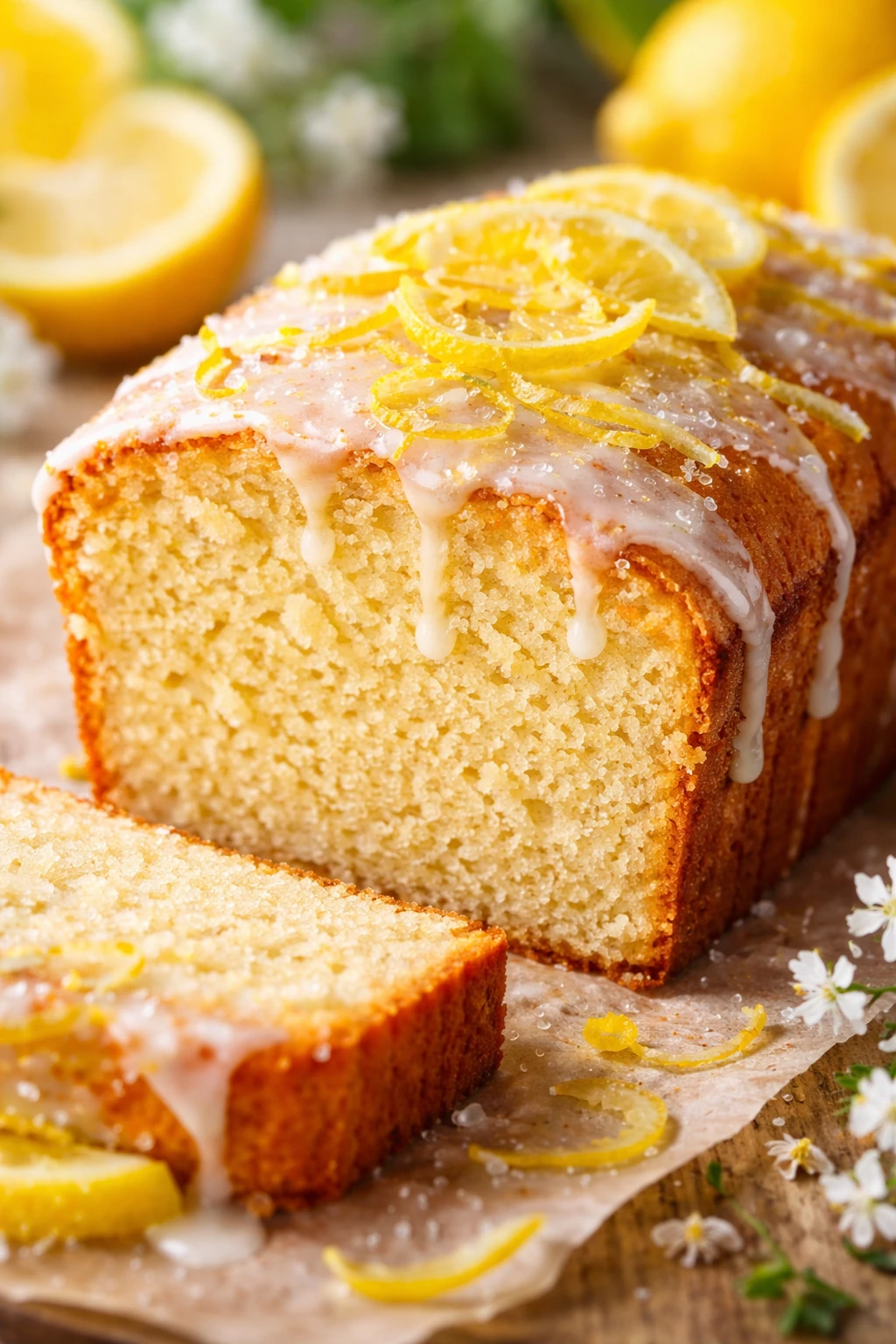
This lemon drizzle cake is a simple, fresh treat bursting with zesty lemon flavor. The secret’s in the fresh zest and tangy drizzle that keeps it moist. Perfect for afternoon tea or casual get-togethers!
Introduction
I first made this lemon drizzle cake on a whim when I needed a fresh, bright dessert that didn’t require a million ingredients. My family loves anything with lemon, so I wanted to keep it simple but still pack a punch. What makes this version special is the fresh lemon zest folded right into the batter — it gives the cake a fragrant citrus aroma that’s so inviting. Another trick I picked up? Pouring a warm lemon and sugar syrup over the cake as soon as it comes out of the oven. This not only keeps it moist but adds a glossy tangy finish that makes everyone ask for seconds. I’ve tried other lemon cakes before, but this one always feels just right — not too heavy, with a perfect balance of sweetness and zing. The crumb is tender and soft, and the drizzle soaks in nicely without making it soggy. It’s my go-to for spring afternoons with friends or casual weekend treats. Honestly, sometimes the simplest recipes turn out the best, and this cake is proof! If you love a bright, lemony dessert that’s easy to make, you’ll want to keep this one in your baking rotation.
What You'll Need
One 8-inch loaf cake, 8 servings
- 225g unsalted butter, softened
- 225g caster sugar
- 4 large eggs
- 225g self-raising flour
- Finely grated zest of 2 lemons
- Juice of 2 lemons
- 85g granulated sugar (for drizzle)
How To Do It
Step 1
Preheat your oven to 180°C (350°F) and grease a loaf tin with butter or line it with baking parchment. This step is crucial because a well-prepared tin ensures your cake releases easily without sticking or breaking. If you skip greasing, you risk parts of the cake clinging to the sides, which can ruin its shape and presentation.
⏱ Time: 10 minutes
✓ Doneness: Tin is fully coated or lined, no bare spots visible
Step 2
Cream the softened butter and caster sugar together in a large bowl until the mixture is pale and fluffy. This usually takes about 5 minutes with an electric mixer on medium speed. Creaming incorporates air, which helps the cake rise and gives it a light texture. If you rush this step or do it by hand, the cake may turn out denser and less tender.
⏱ Time: 5 minutes
✓ Doneness: Mixture is noticeably lighter in color and texture, fluffy when lifted with a spoon
Step 3
Add the eggs one at a time, beating well after each addition. This gradual mixing helps to emulsify the batter, preventing it from curdling or splitting. If you add eggs too quickly, the mixture might separate, leading to a coarse crumb in the finished cake.
⏱ Time: 3 minutes
✓ Doneness: Batter looks smooth and glossy after all eggs are incorporated
Step 4
Gently fold in the self-raising flour and the finely grated lemon zest using a spatula. Folding rather than beating preserves the air bubbles you created earlier, keeping the batter light. Overmixing here will develop gluten and can make the cake tough.
⏱ Time: 4 minutes
✓ Doneness: No visible flour streaks, batter is smooth but still airy
Step 5
Pour the batter into your prepared loaf tin and smooth the top with a spatula for even baking. An even surface helps the cake cook uniformly and prevents lopsided rising. Avoid tapping the tin too hard, or you might lose the air bubbles that help the cake rise.
⏱ Time: 2 minutes
✓ Doneness: Batter evenly spread, smooth surface without large air pockets
Step 6
Bake the cake in the preheated oven for 30-35 minutes. Start checking around 30 minutes by inserting a skewer into the center; it should come out clean or with a few moist crumbs. Baking too long will dry the cake, while underbaking leaves it dense and raw in the middle.
⏱ Time: 30-35 minutes
✓ Doneness: Golden brown top and clean skewer test
Step 7
While the cake bakes, prepare the lemon drizzle syrup by mixing the lemon juice and granulated sugar until the sugar dissolves. This syrup is the secret to the cake’s moist, zesty finish. If the sugar doesn’t dissolve well, the drizzle won’t soak in evenly.
⏱ Time: 5 minutes
✓ Doneness: Syrup is clear, with no granules visible
Step 8
As soon as the cake comes out of the oven, prick the surface all over with a skewer or fork. Pour the lemon drizzle syrup evenly over the warm cake. The holes let the syrup seep deep inside, keeping the crumb moist and infusing flavor. If you wait too long, the drizzle won’t absorb as well and will just sit on top.
⏱ Time: 5 minutes
✓ Doneness: Syrup visibly soaking into the cake, surface shiny and moist
Step 9
Let the cake cool completely in the tin before removing it. Cooling in the tin helps the cake firm up and prevents it from breaking apart. If you try to remove it warm, it might crumble or stick to the tin.
⏱ Time: 30 minutes
✓ Doneness: Cake feels firm to the touch and pulls away from the tin edges
Pro Tips
Always use room temperature butter and eggs for creaming.
Butter and eggs at room temperature combine more smoothly, creating a stable emulsion. Cold ingredients can cause the butter to clump or the batter to curdle, resulting in a dense texture rather than a light cake.
Don’t overmix once you add the flour.
Overmixing flour develops gluten, which makes cakes tough and chewy. Folding gently preserves the air bubbles created during creaming, ensuring a tender and soft crumb.
Prick the cake before adding the lemon drizzle syrup.
Pricking creates tiny holes that let the syrup seep deep into the cake, moistening it throughout. Without this step, the drizzle would just sit on top and not provide that signature moist texture.
Use fresh lemon zest instead of dried or extract.
Fresh zest contains volatile oils that give a vibrant, natural lemon flavor. Extracts or dried zest lack these oils and can result in a flat or artificial taste.
Warm the lemon drizzle syrup slightly before pouring.
Warm syrup soaks into the hot cake more effectively, ensuring the flavors penetrate and the texture stays moist. Cold syrup won’t absorb as well and may cause the cake to become soggy on top.
Use a loaf tin for even baking.
A loaf tin provides a consistent shape and thickness, helping the cake bake evenly without dry edges or undercooked centers common with wider pans.
Cool the cake completely in the tin before removing.
Cooling in the tin helps the cake set and prevents it from breaking apart. Removing it too early when warm can cause it to crumble or stick.
Common Mistakes to Avoid
Skipping the creaming step or rushing it.
Why it happens Sometimes cooks want to save time and skip thorough creaming, assuming quick mixing is enough.
Fix Take the time to cream butter and sugar until pale and fluffy. This traps air essential for rise and light texture. Using an electric mixer helps speed this up.
Adding eggs all at once.
Why it happens Impatience or lack of knowledge about emulsification leads to adding eggs too quickly.
Fix Add eggs one at a time, mixing well after each addition. This prevents the batter from splitting and keeps it smooth.
Overmixing flour into the batter.
Why it happens Some think beating longer makes batter smoother, but it activates gluten.
Fix Fold flour gently using a spatula until just combined to keep the cake tender.
Not pricking the cake before pouring drizzle.
Why it happens Forgetting or not knowing this step leads to syrup pooling on top only.
Fix Use a skewer to poke holes all over the warm cake so the syrup can soak in deeply.
Using bottled lemon juice only, no zest.
Why it happens Assuming bottled juice is enough for flavor.
Fix Always zest fresh lemons for essential oils and aroma. Juice alone lacks the depth of flavor.
Variations
Lemon Poppy Seed Drizzle Cake
Add 2 tablespoons of poppy seeds to the batter for a pleasant crunch and nutty flavor that pairs beautifully with lemon. The poppy seeds add texture without overpowering the bright citrus notes.
Note: Fold the poppy seeds in gently with the flour to distribute evenly without overmixing.
Gluten-Free Lemon Drizzle Cake
Swap the self-raising flour for a gluten-free baking blend. This keeps the cake tender and moist, perfect for those avoiding gluten. The texture might be slightly denser but still deliciously zesty.
Note: Check your gluten-free blend for baking powder content; add 1 tsp baking powder if needed.
Lemon Drizzle Cake with Greek Yogurt
Replace 50g of butter with Greek yogurt for a tangier flavor and moister crumb. This variation adds protein and a slight creaminess that balances the lemon zing.
Note: Reduce baking time by 3-5 minutes as the yogurt keeps the cake moist and may bake faster.
Lemon and Lavender Drizzle Cake
Add 1 teaspoon of dried culinary lavender buds to the batter for a floral note that complements the lemon. It’s a lovely twist for spring and summer gatherings.
Note: Crush lavender lightly and fold in with the flour to evenly distribute flavor.
Vegan Lemon Drizzle Cake
Use flax eggs (1 tbsp flaxseed meal + 3 tbsp water per egg) and vegan butter to make this cake vegan-friendly. The texture will be slightly different but still moist and flavorful with the tangy drizzle.
Note: Let flax eggs sit for 5 minutes to thicken before adding to batter.
Nutrition
Per Serving:
Nutritional values are estimates and may vary based on specific ingredients used.
Storage & Tips
Room Temperature
Keep the cake covered with a clean tea towel or in a cake dome at room temperature for up to 2 days. This prevents it from drying out but avoid warm, humid places which can cause spoilage.
Refrigerator
Store in an airtight container for up to 5 days. The cake may firm up and lose some moisture when chilled, so bring to room temperature before serving or warm slightly in the microwave.
Freezer
Wrap the cooled cake tightly in plastic wrap and then foil. Freeze for up to 2 months. Thaw overnight in the fridge and warm gently before serving to restore softness.
Reheating
Warm slices gently in the microwave for 15-20 seconds or in a low oven (150°C/300°F) for 5-7 minutes. Adding a small splash of lemon juice or water before warming can help maintain moisture.
Make Ahead
Bake the cake a day ahead and store wrapped at room temperature. Prepare the lemon drizzle syrup and pour it over the cake just before serving to keep the topping fresh and vibrant.
FAQ
Can I use bottled lemon juice instead of fresh lemons?
While bottled lemon juice works in a pinch, fresh lemons are best because the zest contains essential oils that give a bright, fresh flavor you won’t get from bottled juice alone.
What can I substitute for self-raising flour?
You can use plain flour with 2 teaspoons of baking powder added per 225g of flour. Sift them together before folding into the batter to help the cake rise properly.
How do I know when the cake is done?
Insert a skewer into the center of the cake; it should come out clean or with a few moist crumbs but no raw batter. The top should be golden and spring back lightly when pressed.
My cake turned out dense, what did I do wrong?
Dense cake usually means the batter was overmixed after adding flour or the creaming stage was rushed. Be gentle folding in flour and take time creaming the butter and sugar for best results.
Can I make this cake dairy-free?
Yes, substitute the butter with a plant-based spread and use a suitable dairy-free milk if needed. The texture might vary slightly but the lemon flavor will still shine.
How long does the drizzle keep the cake moist?
The drizzle syrup soaks in and keeps the cake moist for several days if stored properly. However, the cake is best eaten within 2-3 days for optimal freshness.
Can I use lime instead of lemon?
Absolutely! Lime zest and juice work well too, giving a slightly different but equally fresh and tangy flavor.
Why does my drizzle sometimes make the cake soggy?
If you pour the drizzle onto a cold cake, it won’t absorb properly and can make the surface soggy. Always add drizzle while the cake is warm and prick the surface to help it soak in.
Final Thoughts
I hope you enjoy baking and sharing this lemon drizzle cake as much as I do. It’s a simple joy that’s sure to brighten your day—give it a try and let me know how it turns out!