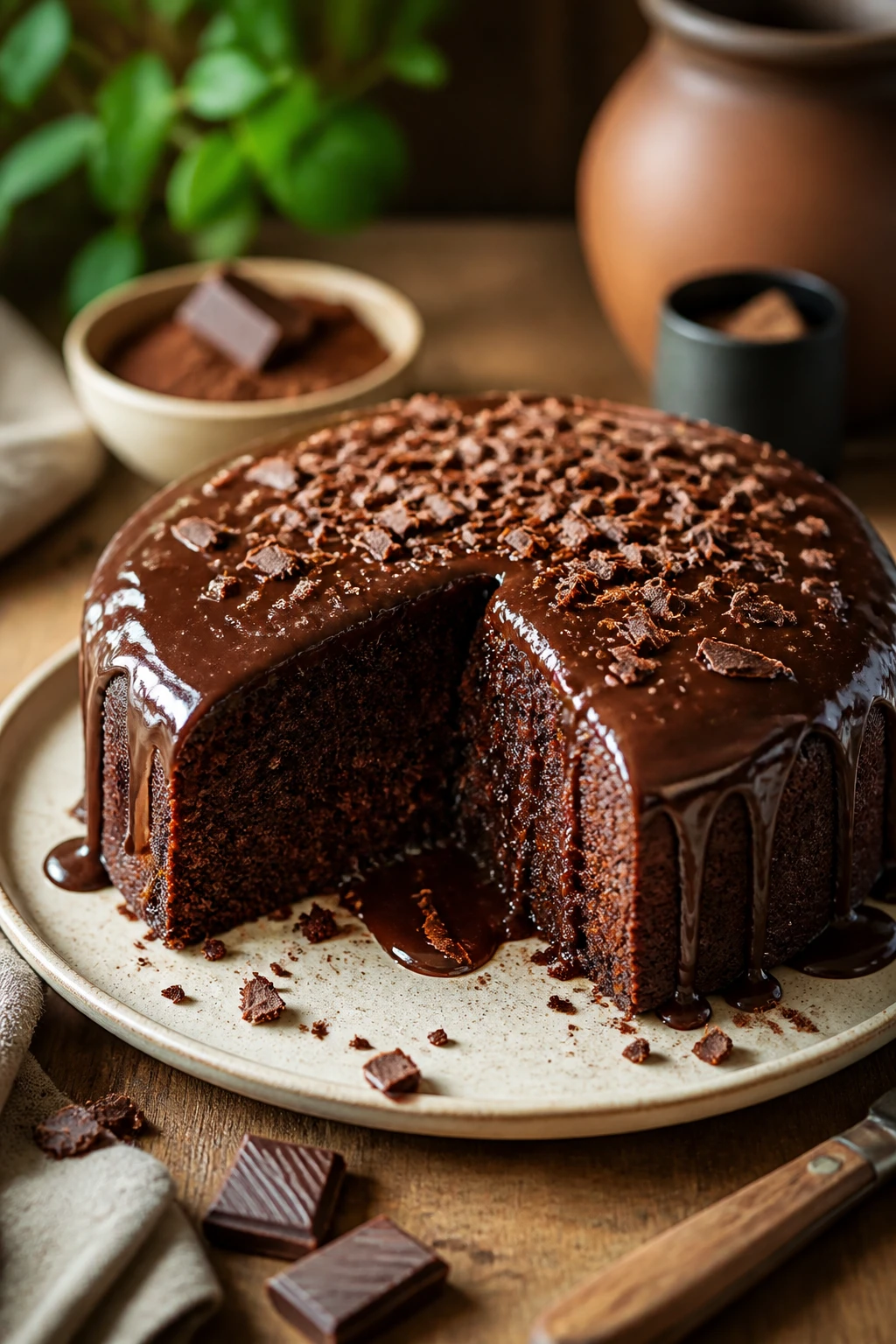
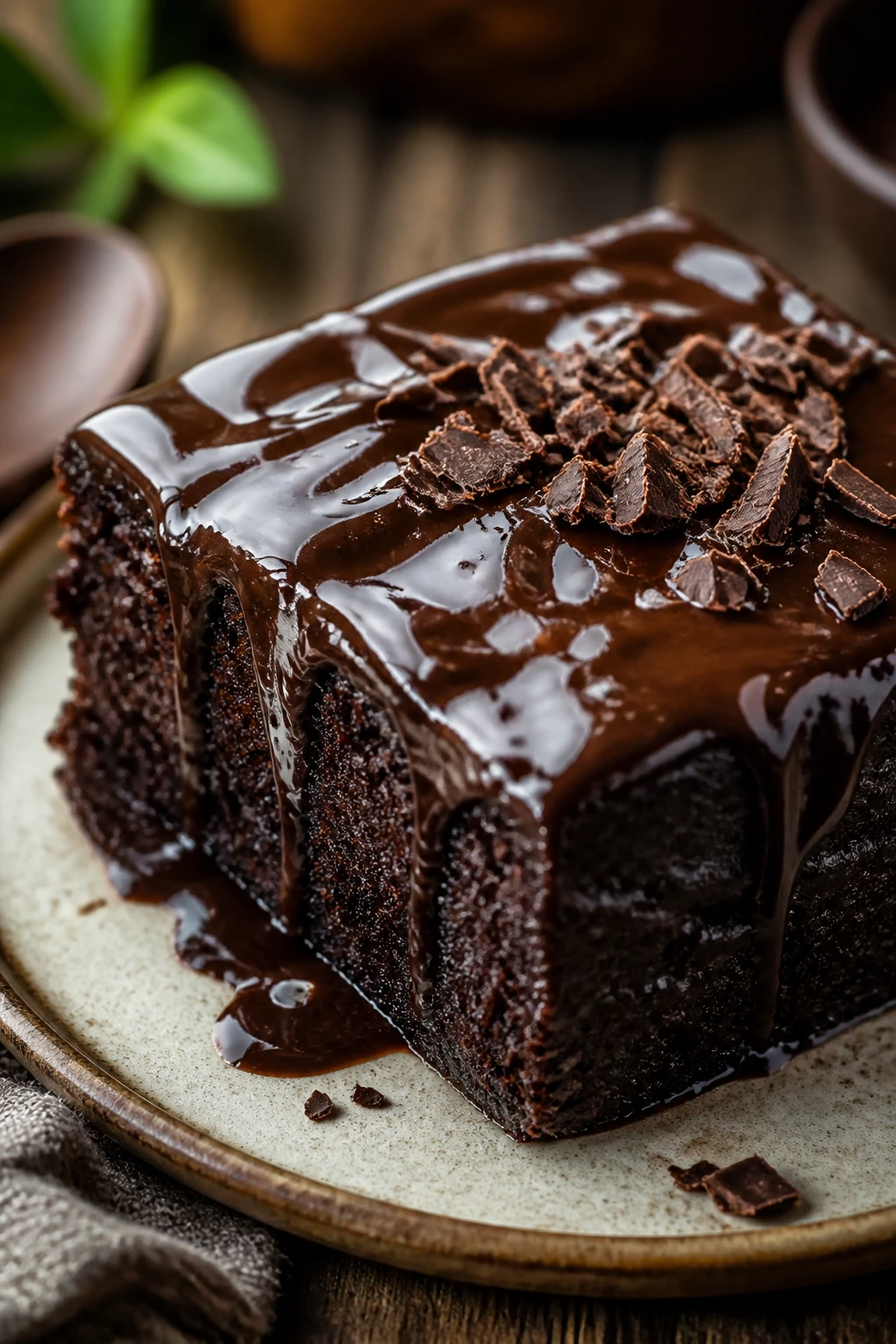
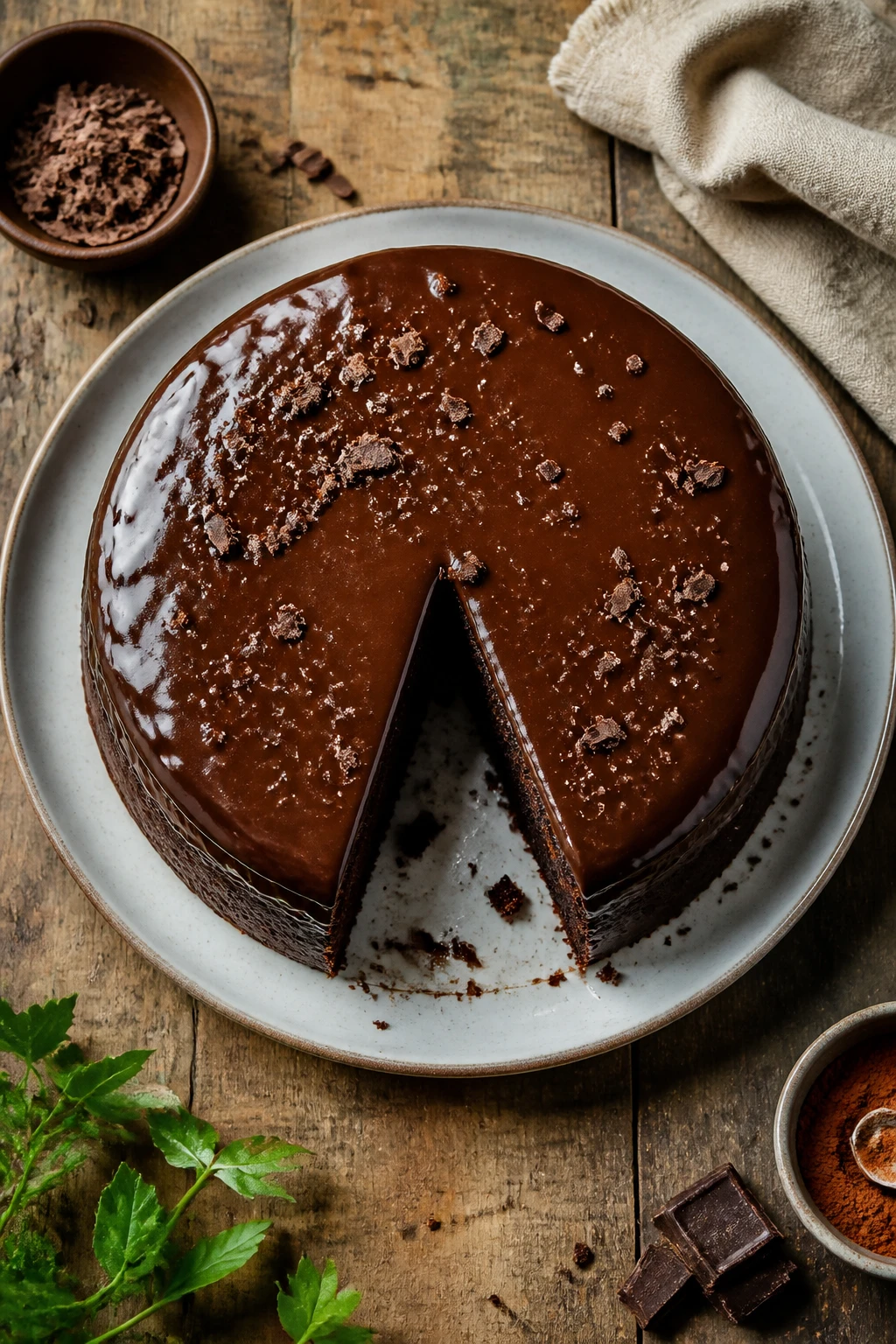
This super moist chocolate cake is a lifesaver when you want something sweet fast. Just five simple ingredients and 30 minutes later, you have a rich, tender treat that's perfect for any occasion.
Introduction
I stumbled upon this 5-ingredient chocolate cake recipe during a weekend when I had zero time but a serious chocolate craving. Honestly, I was skeptical at first—how could something so simple turn out moist and rich? But after my first bite, I was hooked! What sets this cake apart is the boiling water mixed into the batter, which intensifies the cocoa flavor and keeps the crumb tender and moist. Plus, using oil instead of butter makes the texture so much softer and less dense. I've tried many chocolate cakes over the years, but this one is my go-to when I want something quick, fuss-free, and totally satisfying. It’s perfect for last-minute celebrations or just a cozy night in with a cup of tea. The cake bakes up with a beautiful shiny crust and a tender crumb that literally melts in your mouth. Trust me, once you try it, this will be your new favorite simple chocolate cake.
What You'll Need
One 8-inch round cake, 8 servings
- 1 cup all-purpose flour, sifted
- 1 cup granulated sugar
- 1/2 cup unsweetened cocoa powder, sifted
- 1 teaspoon baking powder
- 1/2 cup vegetable oil
- 1/2 cup boiling water
- 2 large eggs
- 1 teaspoon vanilla extract
How To Do It
Step 1
Preheat your oven to 350°F (175°C) and grease an 8-inch round cake pan with a little oil or line it with parchment paper. This ensures the cake won’t stick and will come out cleanly. A well-prepared pan makes all the difference in the final presentation and texture of your cake.
⏱ Time: 5 minutes
✓ Doneness: Pan is evenly greased or parchment paper fits snugly without wrinkles
Step 2
In a large mixing bowl, sift together the flour, sugar, cocoa powder, and baking powder. Sifting helps remove lumps and aerates the dry ingredients, which results in a lighter, more even crumb. Mixing dry ingredients thoroughly at this stage also ensures an even distribution of leavening agents.
⏱ Time: 5 minutes
✓ Doneness: Dry ingredients are lump-free and evenly combined
Step 3
In a separate bowl, whisk the eggs, oil, and vanilla extract until smooth. Combining wet ingredients well at this stage helps with a uniform batter and smooth texture. Using oil instead of butter keeps the cake moist and tender.
⏱ Time: 3 minutes
✓ Doneness: Wet ingredients form a smooth, homogenous mixture without streaks
Step 4
Slowly pour the wet ingredients into the dry, stirring gently with a spatula or wooden spoon until just combined. Avoid overmixing here, as it can develop gluten and make the cake tough. The batter should be thick but smooth with no dry patches.
⏱ Time: 3 minutes
✓ Doneness: Batter is smooth and uniform without streaks of flour
Step 5
Carefully add the boiling water to the batter, stirring slowly to combine. The boiling water intensifies the cocoa flavor and thins out the batter, which helps create a moist, tender crumb. The batter will be thinner than usual—this is expected and key to the cake’s texture.
⏱ Time: 2 minutes
✓ Doneness: Batter is thin and glossy, with no lumps
Step 6
Pour the batter into the prepared pan, smoothing the top with a spatula. This helps the cake bake evenly and rise nicely. Tap the pan gently on the counter to release any air bubbles trapped in the batter.
⏱ Time: 2 minutes
✓ Doneness: Batter evenly spread with a smooth surface and no air bubbles
Step 7
Bake in the preheated oven for 18-22 minutes. Start checking at 18 minutes with a toothpick inserted in the center; it should come out with a few moist crumbs but no wet batter. Baking too long dries the cake, too short leaves it undercooked.
⏱ Time: 18-22 minutes
✓ Doneness: Toothpick comes out mostly clean with a few moist crumbs
Step 8
Remove the cake from the oven and let it cool in the pan for 10 minutes. Cooling slightly before removing prevents the delicate cake from breaking apart. After 10 minutes, gently invert the cake onto a wire rack to cool completely.
⏱ Time: 10 minutes
✓ Doneness: Cake edges pull away slightly from the pan, and it releases easily when inverted
Step 9
Once completely cooled, slice and serve as is or dust with powdered sugar or your favorite frosting. The cake is delicious on its own thanks to its rich cocoa flavor and moist crumb, but feel free to dress it up for special occasions.
⏱ Time: Varies
✓ Doneness: Cake is fully cooled and slices cleanly without crumbling
Pro Tips
Always sift your dry ingredients before mixing.
Sifting aerates the flour and cocoa powder, removing lumps and distributing the baking powder evenly. This ensures a lighter crumb and prevents uneven rising or dense spots in your cake.
Don’t overmix the batter once wet and dry ingredients are combined.
Overmixing develops gluten in the flour, which toughens the cake’s texture. Mix just until no dry streaks remain to keep the crumb soft and tender.
Use room temperature eggs for best incorporation.
Room temperature eggs emulsify better with oil and other wet ingredients, creating a uniform batter that traps air and helps the cake rise evenly.
Add boiling water last and mix gently.
Boiling water blooms the cocoa powder, enhancing flavor and loosening the batter. Stir gently to keep the batter smooth without overworking gluten.
Grease and line your cake pan properly.
This prevents the cake from sticking and breaking apart when removed. A clean release also preserves the cake’s delicate crust.
Check the cake early for doneness with a toothpick.
Ovens vary, so start testing at the minimum bake time. Overbaking dries the cake, so watch for moist crumbs on the toothpick.
Cool the cake in the pan before removing.
Cooling helps the cake set and prevents it from breaking when inverted. It also allows residual steam to finish the baking gently.
Common Mistakes to Avoid
Skipping the boiling water step
Why it happens People often think boiling water is unusual for cake batter and skip it, not realizing its role in flavor and texture.
Fix Always add boiling water last and stir gently. This step blooms the cocoa and thins the batter, ensuring a moist, tender crumb.
Overmixing the batter
Why it happens In a rush, it’s tempting to mix vigorously, but this develops gluten making the cake tough.
Fix Mix just until combined. Stop when no dry streaks remain to keep the crumb soft and tender.
Using expired baking powder
Why it happens Baking powder loses potency over time, which many overlook.
Fix Test baking powder by dropping a teaspoon in hot water to see if it bubbles. Replace if it doesn’t react strongly.
Not preparing the pan properly
Why it happens Skipping greasing or lining makes the cake stick and break apart.
Fix Grease with oil and line with parchment paper for easy release and clean edges.
Baking at incorrect temperature
Why it happens Oven temperature inaccuracies can cause underbaking or drying out.
Fix Use an oven thermometer to ensure 350°F and avoid opening the oven door early.
Variations
Chocolate Coffee Cake
Add 1 tablespoon of instant coffee granules dissolved in the boiling water to enhance the chocolate flavor with a subtle mocha twist. This variation deepens the richness without adding bitterness.
Note: Dissolve coffee granules fully in hot water before mixing into batter for even flavor distribution.
Fudgy Chocolate Cake
Swap half the flour for almond flour to create a denser, fudgier texture. Almond flour adds moisture and a slight nutty flavor, making the cake feel more indulgent.
Note: Almond flour absorbs moisture differently; expect a slightly heavier batter and adjust baking time by a few minutes if needed.
Vegan Chocolate Cake
Replace eggs with 1/2 cup unsweetened applesauce and use plant-based milk instead of water. This keeps the cake moist and tender while making it vegan-friendly.
Note: Applesauce adds moisture and binding; avoid overmixing to maintain light texture.
Chocolate Orange Cake
Add 1 tablespoon of orange zest to the dry ingredients and a splash of orange juice in place of some water for a bright citrus flavor that pairs beautifully with chocolate.
Note: Use fresh zest and adjust liquid amounts to keep batter consistency similar.
Gluten-Free Chocolate Cake
Substitute the all-purpose flour with a gluten-free baking blend that includes xanthan gum. This keeps the cake structure intact and moist without gluten.
Note: Gluten-free batters can be more delicate; handle gently and test doneness carefully.
Nutrition
Per Serving:
Nutritional values are estimates and may vary based on specific ingredients used.
Storage & Tips
Room Temperature
Store the cooled cake covered loosely with a cake dome or plastic wrap at room temperature for up to 2 days. Avoid direct sunlight or heat to keep it moist and prevent drying out.
Refrigerator
Keep the cake in an airtight container in the fridge for up to 5 days. The cake may firm up and lose some softness, so bring it to room temperature before serving or warm briefly.
Freezer
Wrap the cake tightly in plastic wrap and then foil to freeze for up to 2 months. Thaw overnight in the fridge or at room temperature. Reheat gently to restore softness.
Reheating
Warm slices in the microwave for 15-20 seconds or in a low oven (300°F) for 5-7 minutes. Add a splash of milk or water if the cake feels dry to revive moisture.
Make Ahead
You can bake the cake a day ahead and store it covered at room temperature or in the fridge. Add any frosting or toppings the day of serving for the freshest taste.
FAQ
Can I substitute butter for vegetable oil in this recipe?
You can substitute melted butter for the vegetable oil, but note that butter solidifies at cooler temperatures, which may make the cake slightly denser and less moist. If you do use butter, make sure it's melted and cooled before mixing to avoid cooking the eggs.
Why is the batter so thin after adding boiling water?
The boiling water thins the batter intentionally to bloom the cocoa powder and intensify the chocolate flavor. This thinner batter leads to a moist, tender crumb once baked, so don’t worry if it looks runny—it’s supposed to be that way!
How do I know when the cake is done baking?
Start checking the cake at 18 minutes by inserting a toothpick into the center. It should come out with a few moist crumbs but no wet batter. Overbaking dries the cake, so err on the side of slightly underbaked for moistness.
Can I make this cake gluten-free?
Yes! Substitute the all-purpose flour with a gluten-free baking blend that contains xanthan gum for structure. Be gentle when mixing and watch baking time closely, as gluten-free cakes can bake faster or drier.
What’s the best way to store leftover cake?
Store leftover cake in an airtight container at room temperature for up to 2 days or in the fridge for up to 5 days. Bring to room temperature or warm gently before serving to restore softness.
Can I add frosting or toppings to this cake?
Absolutely! This cake pairs well with simple powdered sugar dusting, whipped cream, or your favorite frosting. Add toppings once the cake has completely cooled to prevent melting or sliding.
Is it okay to use Dutch-processed cocoa powder?
This recipe works best with natural unsweetened cocoa powder because it reacts with the baking powder properly. Dutch-processed cocoa is less acidic and may alter the cake’s rise and texture if used here.
How can I make the chocolate flavor stronger?
Try adding a teaspoon of instant espresso powder dissolved in the boiling water. It won’t taste like coffee but will deepen and enhance the chocolate notes beautifully.
Final Thoughts
Give this simple, moist chocolate cake a try—you’ll be amazed at how easy and delicious it is. I’d love to hear how it turns out for you!