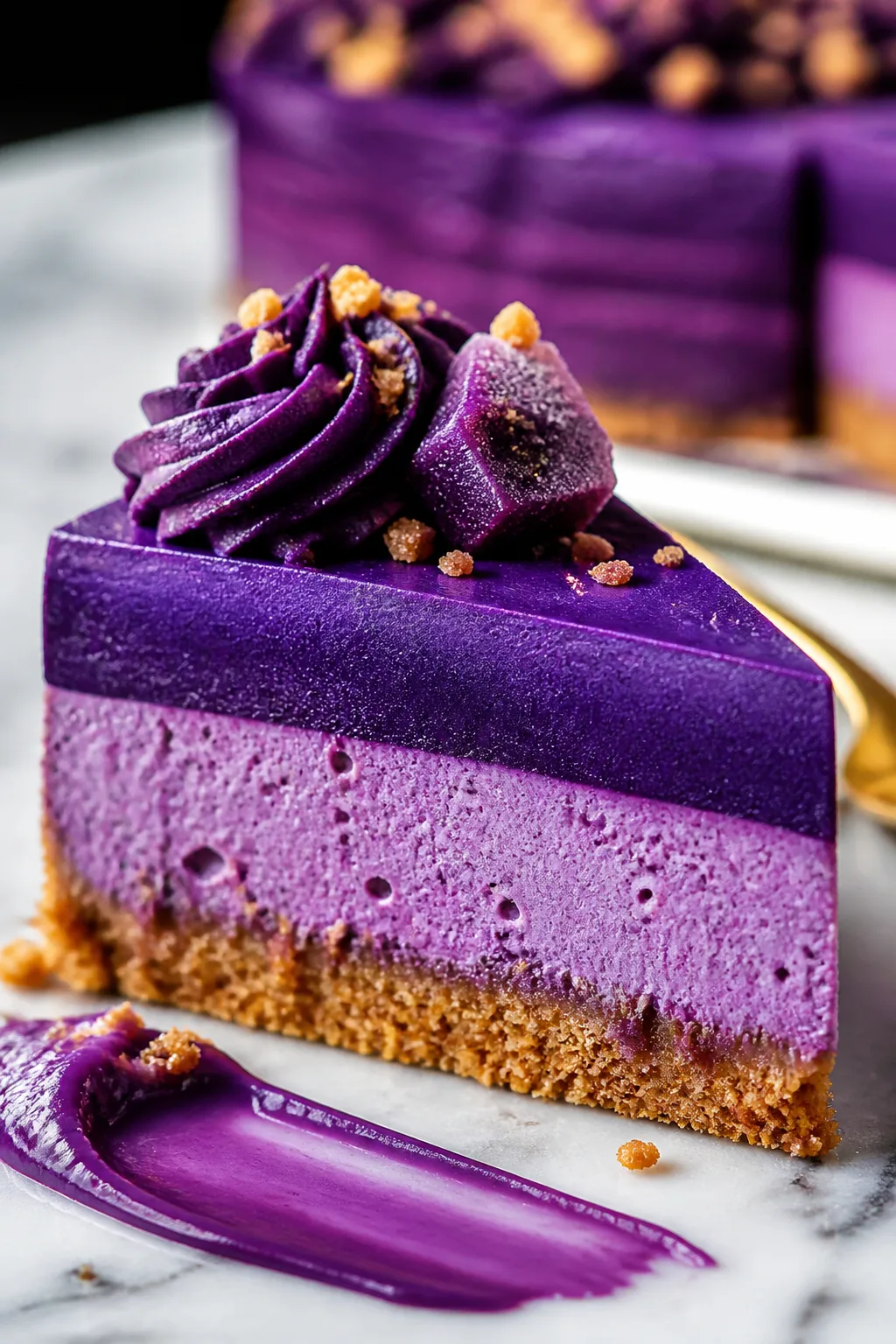
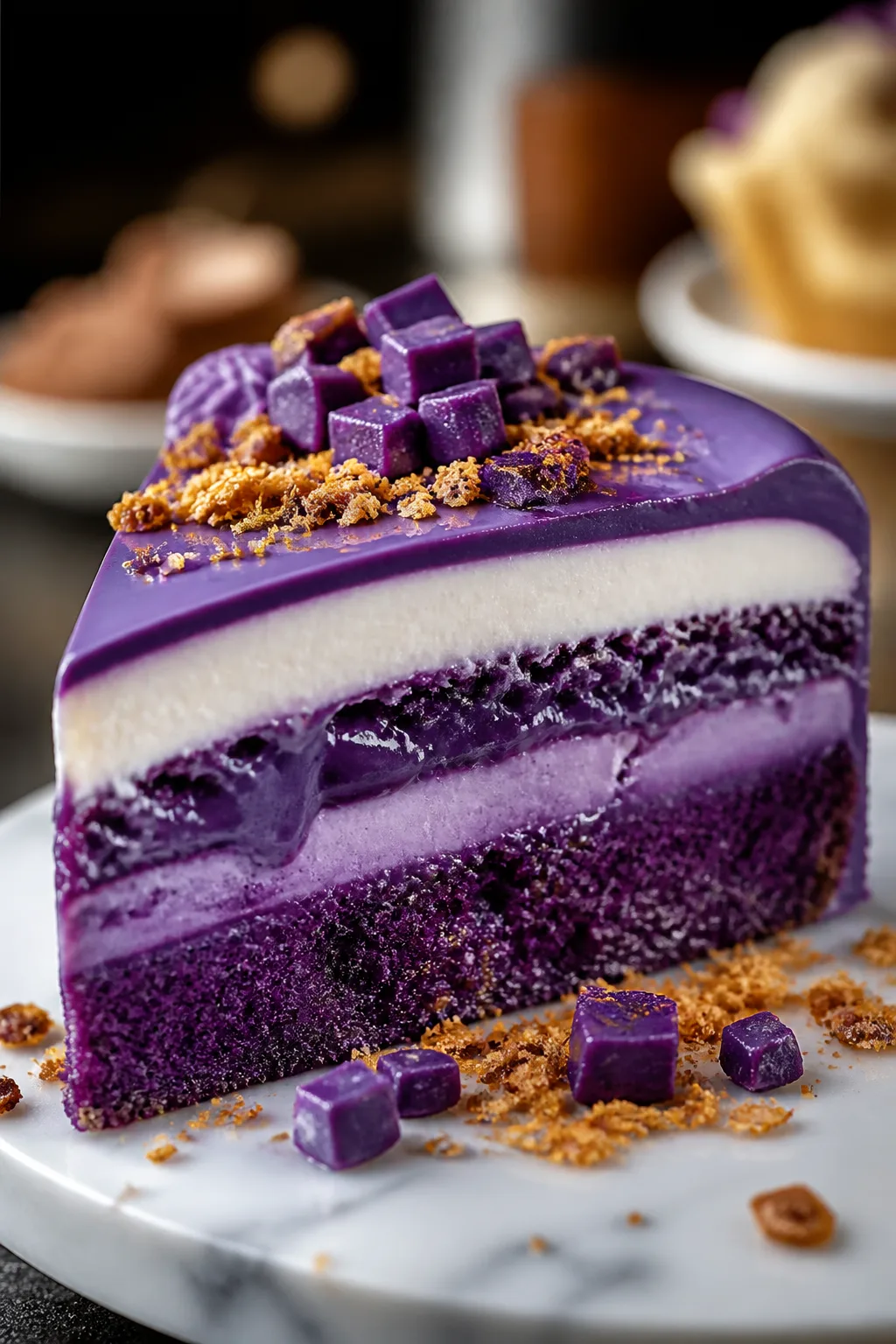
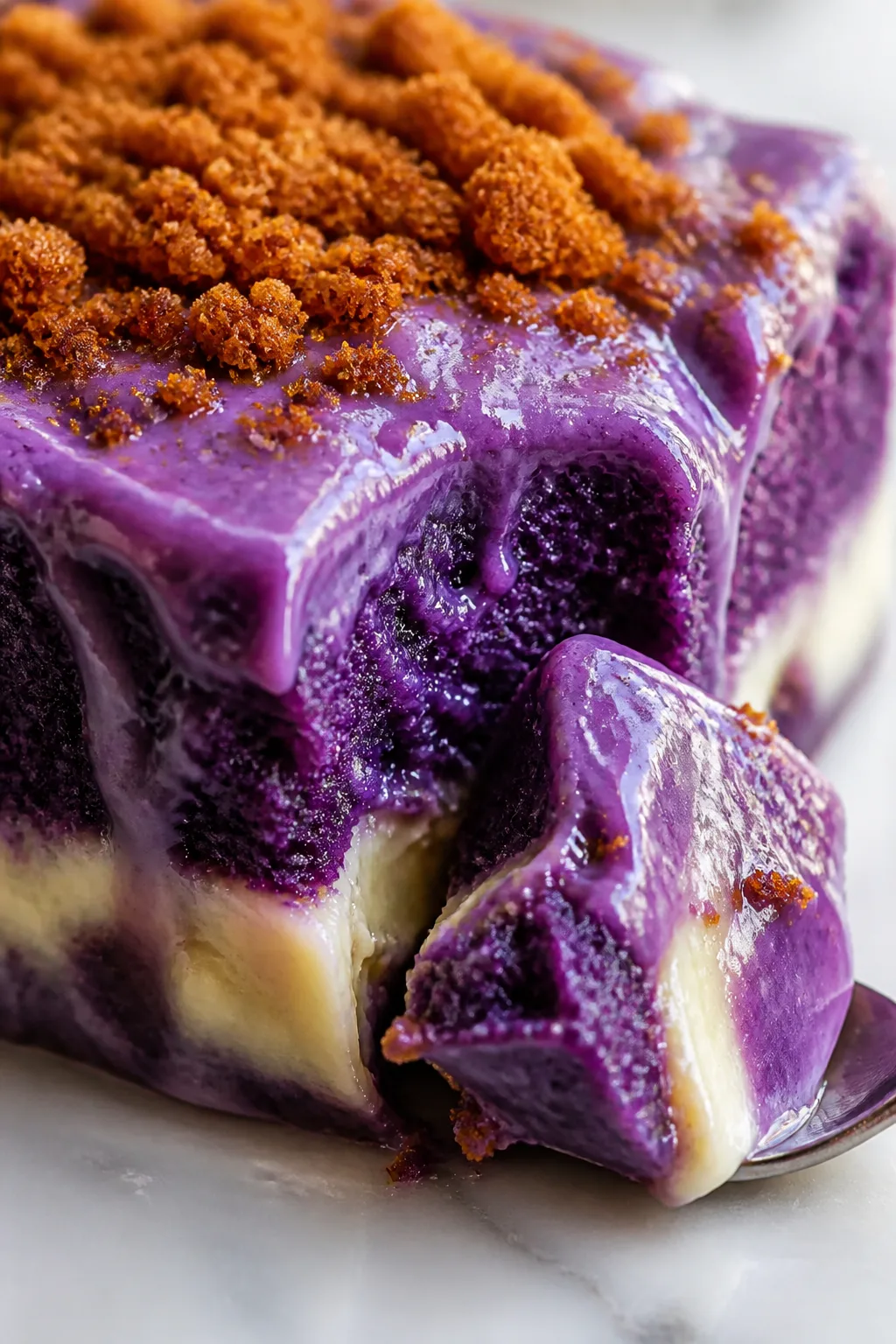
This creamy ube halaya is a classic Filipino dessert made from fresh purple yam. Its naturally vibrant color and smooth texture make it a showstopper. Great for celebrations or a cozy treat anytime!
Introduction
I stumbled upon ube halaya years ago during a family trip to the Philippines, and it instantly became one of my favorite desserts. The natural purple color is so eye-catching, but it’s the creamy, sweet flavor that truly won me over. Over time, I tweaked traditional recipes to get a smoother texture and richer taste by using a combination of coconut milk and evaporated milk. The trick I learned? Cooking the purple yam slowly and mashing it thoroughly before adding the milks, which helps develop that perfect silky consistency. My first attempt was a bit grainy, but once I mastered the mashing technique, the results were incredible. This dessert feels like a warm hug in a bowl — creamy, subtly sweet, and just a little nutty from the coconut milk. It’s perfect for sharing with family or friends during special occasions or whenever you want a comforting treat with a twist.
What You'll Need
Approximately 6 cups, 6 servings
- 2 pounds fresh purple yam (ube), peeled and cubed
- 1 cup coconut milk
- 1 cup condensed milk
- 1/2 cup evaporated milk
- 1/2 cup granulated sugar
- 2 tablespoons butter
- 1 teaspoon vanilla extract
How To Do It
Step 1
Start by peeling and cubing the fresh purple yam into even pieces. Boil the yam in water until it’s fork-tender, about 20-25 minutes. This step is crucial because undercooked yam will make the halaya lumpy and hard to mash smoothly. Watch for the yam to become soft enough that a fork slides through easily without resistance.
⏱ Time: 25
✓ Doneness: Yam cubes are soft and easily pierced with a fork
Step 2
Drain the cooked yam and mash it thoroughly while it’s still hot. Use a potato masher or a fork to break down all lumps. The smoother the mash, the creamier your halaya will be. If you rush this or leave lumps, the final texture won’t be as velvety, so take your time here.
⏱ Time: 10
✓ Doneness: Mash is smooth with no large lumps
Step 3
In a large non-stick pan, combine the mashed yam, coconut milk, condensed milk, evaporated milk, and sugar. Stir everything together over medium heat. This mixture is the base of your halaya’s creamy texture and sweetness, so mixing well ensures even cooking and flavor distribution.
⏱ Time: 5
✓ Doneness: Mixture is well combined and starting to warm
Step 4
Cook the mixture over low to medium heat, stirring constantly with a wooden spoon or silicone spatula to prevent sticking and burning. This slow cooking helps thicken the halaya and develop its signature creamy texture. Be patient here — rushing or turning up the heat can cause it to scorch or become grainy.
⏱ Time: 20
✓ Doneness: Mixture thickens and pulls away from the sides of the pan
Step 5
Once thickened, add the butter and vanilla extract. Stir until the butter melts and fully incorporates. The butter adds richness and a glossy finish, while the vanilla brings a subtle aromatic note that brightens the flavor.
⏱ Time: 3
✓ Doneness: Butter fully melted with shiny, thick mixture
Step 6
Transfer the cooked halaya into a greased container or mold. Smooth the surface with a spatula and allow it to cool completely at room temperature before refrigerating. Cooling helps it set properly and enhances the texture.
⏱ Time: 15
✓ Doneness: Surface is smooth and halaya is warm but not hot
Step 7
Refrigerate the halaya for at least 2 hours or until firm. Chilling allows the flavors to meld and the texture to become denser and sliceable. Avoid skipping this step if you want that classic firm yet creamy bite.
⏱ Time: 120
✓ Doneness: Halaya is firm and holds shape when sliced
Step 8
Serve chilled or at room temperature. You can top it with toasted coconut flakes or a drizzle of latik (coconut caramel) for extra texture and sweetness. These toppings add a lovely contrast to the smooth halaya.
⏱ Time: 5
✓ Doneness: Halaya looks glossy and vibrant purple with optional toppings
Step 9
Store any leftovers in an airtight container in the fridge. It keeps well and the flavors deepen over time. When ready to eat, slice and enjoy as a snack or dessert with coffee or tea.
⏱ Time: 1
✓ Doneness: Properly stored halaya retains color and texture
Pro Tips
Mash the cooked yam thoroughly while hot for smooth texture.
Mashing the yam while it’s still hot prevents lumps from forming and makes the halaya creamier. Cold yam is harder to mash and leads to a grainy texture, which detracts from the overall mouthfeel.
Cook the mixture slowly over low heat with constant stirring.
Slow cooking allows gradual thickening and flavor development without burning. Constant stirring prevents the yam from sticking to the pan and scorching, which would ruin the taste and texture.
Use a non-stick pan to reduce sticking and ease stirring.
A non-stick surface helps prevent the thick halaya from sticking and burning during the long cooking process, making it easier to stir continuously and achieve an even consistency.
Add butter and vanilla extract near the end of cooking.
Butter enriches the halaya’s texture and gives a glossy finish, while vanilla brightens the flavor. Adding them too early can cause the butter to separate or the vanilla to lose its aroma.
Cool the halaya at room temperature before refrigerating.
Cooling slowly prevents condensation inside the storage container, which can make the halaya watery. It also helps the halaya set evenly for a better final texture.
Store in an airtight container to maintain freshness.
Halaya can absorb fridge odors and dry out if exposed to air. Airtight storage preserves its flavor and creamy texture for several days.
Use fresh purple yam rather than artificial flavoring for best taste.
Fresh yam provides natural sweetness, color, and flavor that artificial extracts or powders can’t replicate, making the dessert authentic and more satisfying.
Common Mistakes to Avoid
Not cooking the yam long enough
Why it happens Sometimes people rush boiling to save time or underestimate how long it takes to soften yam fully.
Fix Make sure the yam is fork-tender before mashing. Undercooked yam will cause lumps and a gritty texture. Boil longer if needed, testing every 5 minutes.
Skipping constant stirring during cooking
Why it happens It’s tempting to stir occasionally, especially when busy, but thick mixtures can burn quickly.
Fix Stir continuously over low heat to prevent sticking and scorching. Use a sturdy spoon and scrape the bottom and sides regularly.
Using low-fat or watery coconut milk
Why it happens Some use coconut milk beverages or diluted coconut milk to reduce fat.
Fix Always use canned full-fat coconut milk for richness. Substitutions lead to thinner texture and less flavor.
Adding sugar too early
Why it happens Some add all sugar at once at the beginning, which can affect caramelization and thickening.
Fix Add sugar gradually and stir well to dissolve, allowing it to caramelize naturally during slow cooking.
Not letting halaya cool properly before refrigerating
Why it happens Impatience leads to placing hot halaya in the fridge, causing condensation.
Fix Allow halaya to cool completely at room temperature before refrigerating to avoid watery texture.
Variations
Ube Halaya with Coconut Cream
For extra richness, replace half the coconut milk with thick coconut cream. This variation yields a denser, creamier halaya with a more pronounced coconut flavor, perfect for coconut lovers.
Note: Thicker coconut cream requires slightly longer cooking to prevent curdling and achieve smooth texture.
Vegan Ube Halaya
Use coconut condensed milk and coconut evaporated milk alternatives to make this recipe completely vegan. The texture remains creamy, and flavor is just as delightful without dairy.
Note: Adjust sweetness as plant-based milks vary in sugar content; cook gently to prevent separation.
Ube Halaya with Cheese Topping
Add a sprinkle of grated cheddar cheese on top before serving for a salty contrast that balances the sweet, creamy yam. This is a popular twist in Filipino households.
Note: Serve chilled and add cheese right before eating to maintain texture and flavor.
Ube Halaya with Toasted Coconut Flakes
Mix toasted coconut flakes into the halaya or sprinkle on top for added crunch and a nutty aroma that complements the yam’s sweetness.
Note: Toast coconut flakes lightly to avoid bitterness and add just before serving.
Ube Halaya Ice Cream
Chill the halaya mixture then churn in an ice cream maker for a unique frozen dessert. This gives a creamy, purple yam-flavored ice cream that’s refreshing and rich.
Note: Adjust sugar levels for freezing and ensure halaya base is smooth before churning.
Nutrition
Per Serving:
Nutritional values are estimates and may vary based on specific ingredients used.
Storage & Tips
Room Temperature
Ube halaya can be kept at room temperature for up to 4 hours if covered well to avoid drying out or contamination. However, it’s best served chilled and stored in the fridge for freshness.
Refrigerator
Store halaya in an airtight container in the fridge for up to 5 days. The texture firms up when cold but softens slightly at room temperature before serving. You can enjoy it straight from the fridge or let it sit out for 10 minutes.
Freezer
Freeze halaya for up to 2 months by wrapping tightly in plastic wrap and placing in a freezer-safe container. Thaw overnight in the fridge and stir gently to restore creaminess before serving. Avoid refreezing to maintain texture.
Reheating
Gently warm halaya on low heat in a saucepan or microwave with a splash of coconut milk to loosen it up. Avoid overheating, which can cause separation or graininess. Stir frequently during reheating.
Make Ahead
You can prepare the halaya base a day ahead and refrigerate it partially cooked. Finish cooking and add butter and vanilla the next day before chilling fully. This saves time and improves flavor melding.
FAQ
Can I use frozen purple yam instead of fresh?
Yes, frozen grated ube is a convenient substitute. It may have a slightly different texture and might need less cooking time since it’s pre-cooked. Thaw completely and drain excess moisture before using to avoid a watery halaya.
What if my halaya turns out grainy?
Graininess usually comes from undercooked yam or insufficient mashing. Make sure the yam is fully tender and mash thoroughly while hot. Also, slow cooking with constant stirring helps develop a smooth texture.
Can I make ube halaya without condensed milk?
You can substitute with granulated sugar, but condensed milk adds creaminess and caramel notes that sugar alone can’t provide. If avoiding condensed milk, add sugar gradually and consider extra evaporated milk for creaminess.
How long does ube halaya keep in the fridge?
Properly stored in an airtight container, it keeps well for up to 5 days. The flavor deepens over time, but consume within this period to enjoy the best texture and taste.
Can I freeze ube halaya?
Yes, freezing is possible for up to 2 months. Wrap tightly to prevent freezer burn. Thaw slowly in the fridge and stir gently before serving to revive creaminess.
What’s the best pan to use for cooking halaya?
A heavy-bottomed non-stick pan is ideal to prevent burning and sticking during the long cooking process. Avoid thin pans that heat unevenly and can scorch the mixture.
Can I add other flavors to ube halaya?
Absolutely! Vanilla is classic, but you can experiment with coconut extract, pandan, or even a bit of citrus zest. Just add these near the end of cooking to preserve aroma.
How do I know when the halaya is cooked enough?
It’s ready when it thickens significantly and starts pulling away from the sides of the pan, forming a dense mass that holds its shape when stirred. It should be glossy and not watery.
Final Thoughts
Give this creamy ube halaya a try — it’s a rewarding dessert that’s full of flavor and tradition. I’d love to hear how it turns out for you!