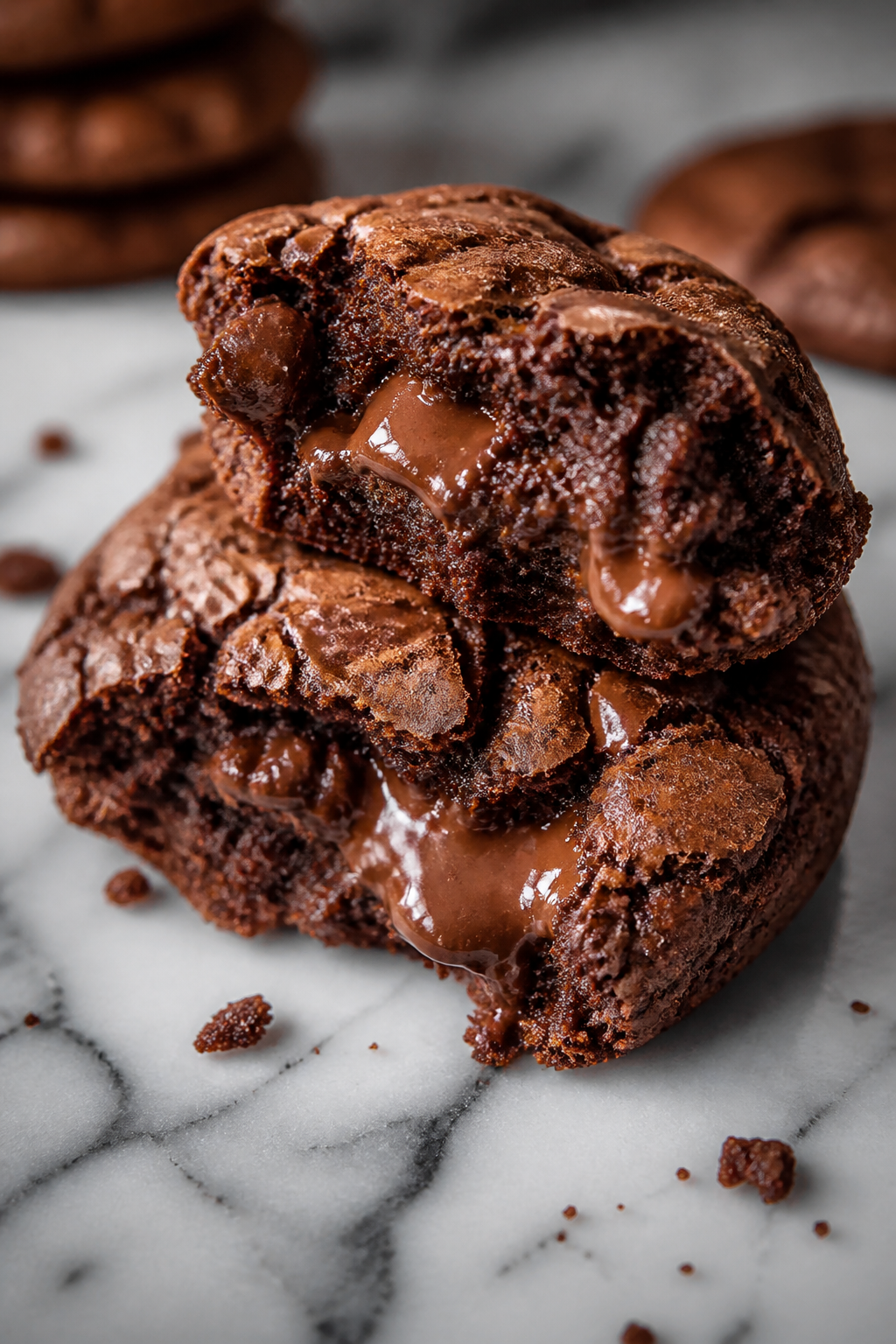
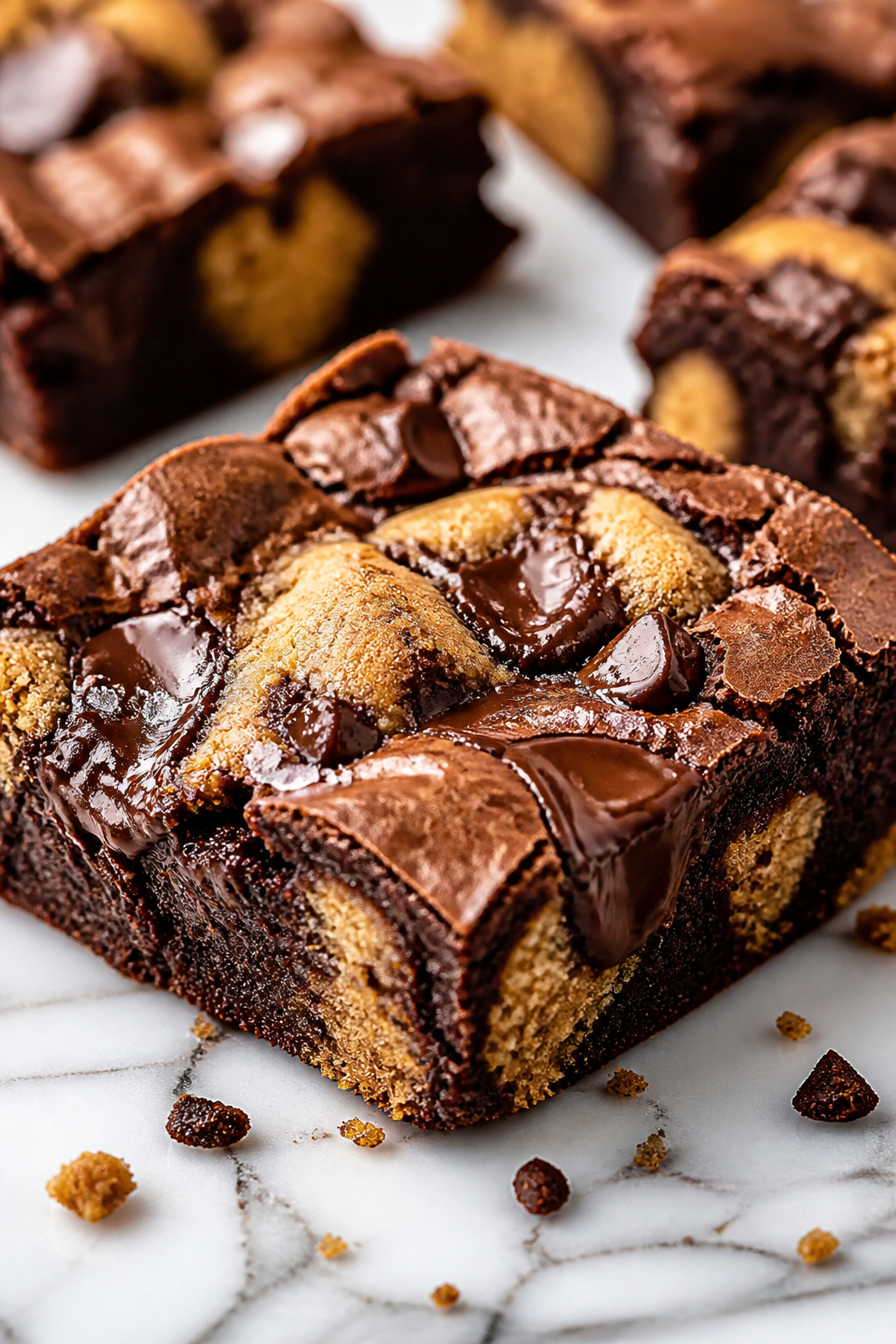
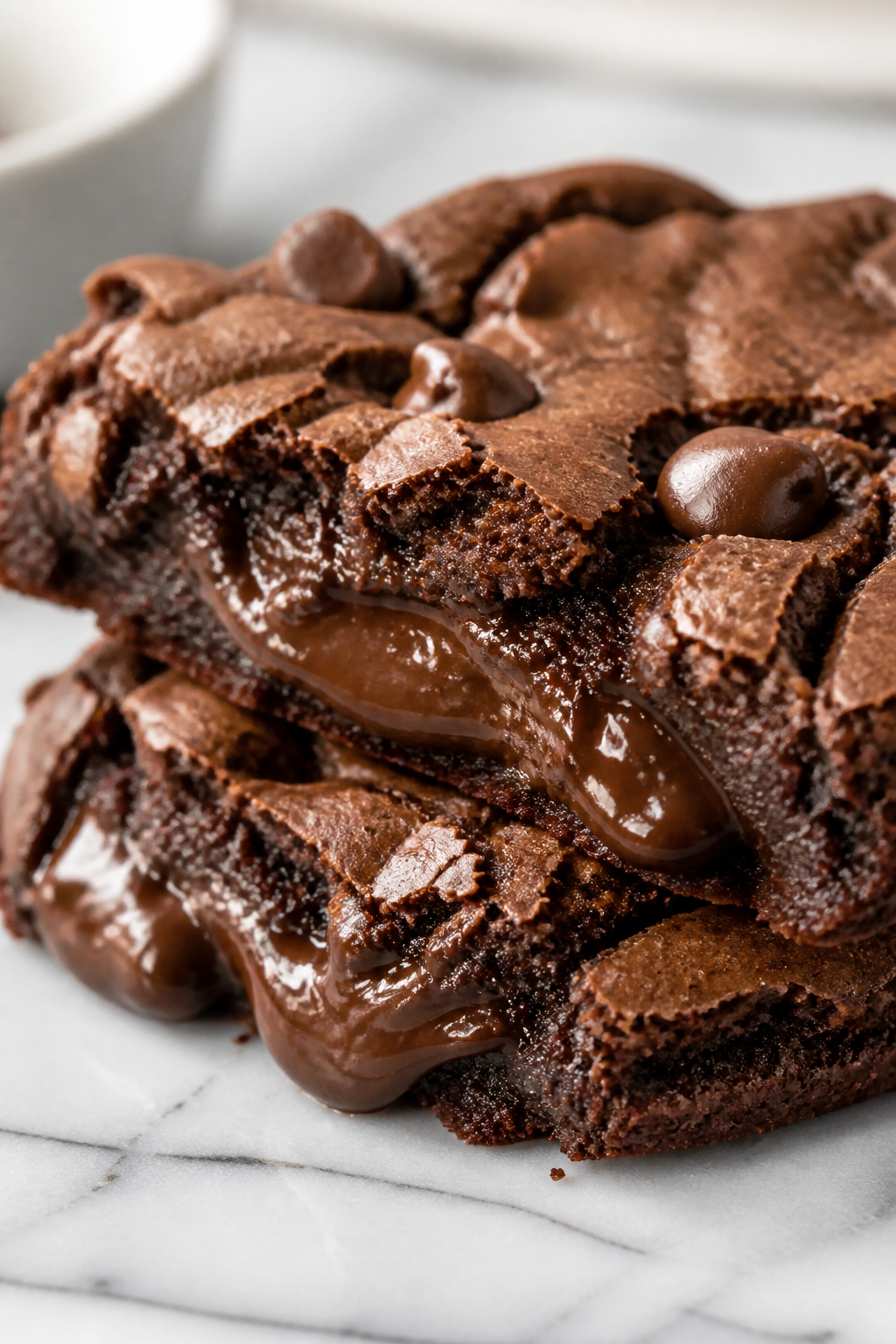
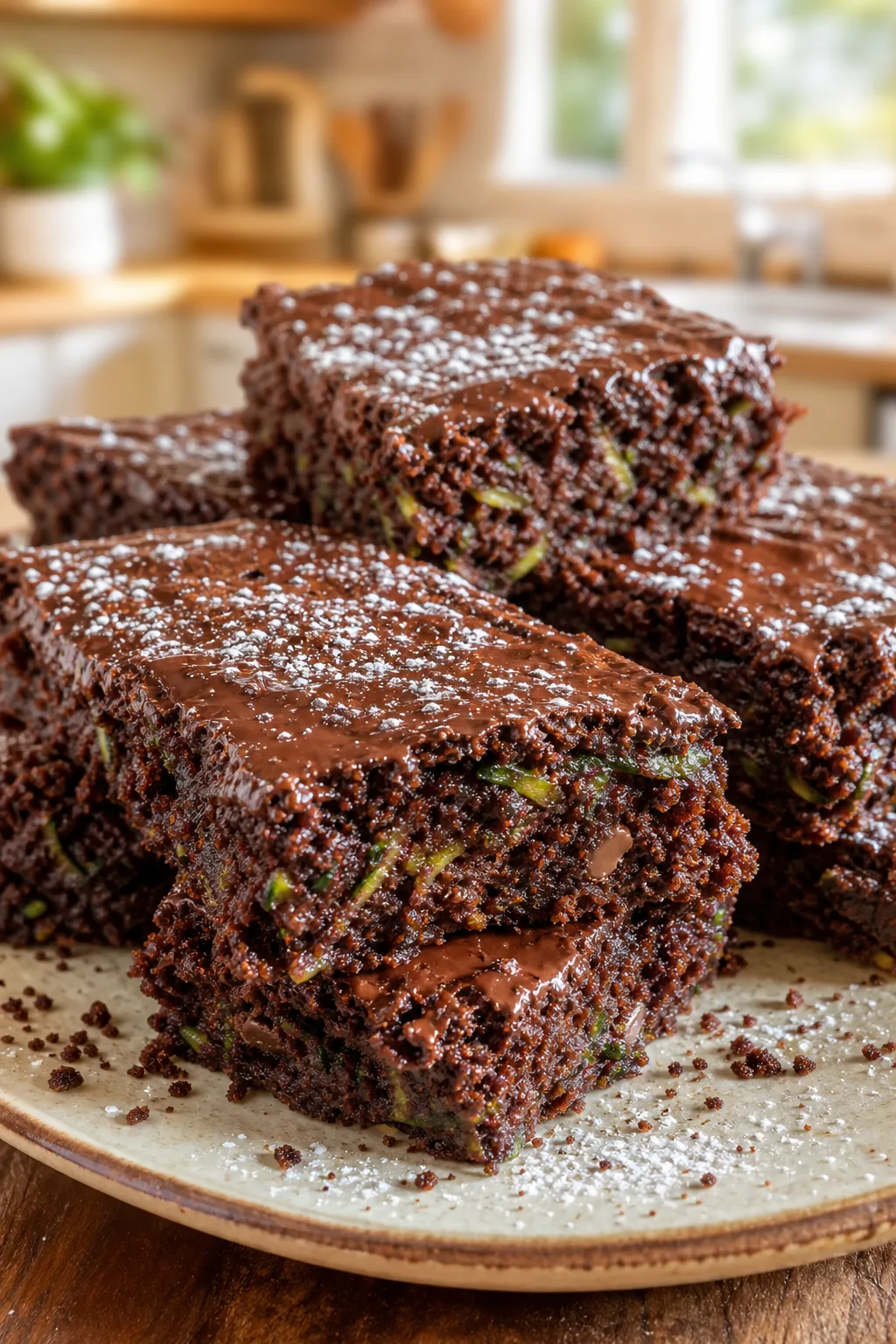
These brownie cookies blend the best of both worlds—rich, fudgy brownie flavor with chewy cookie texture. Melted chocolate in the dough amps up the depth. Perfect for an afternoon snack or sharing at casual get-togethers!
Introduction
I stumbled upon this brownie cookie recipe a few years ago when I wanted something chocolatey but different from regular cookies or brownies. The idea of combining the fudgy richness of brownies with the chewy texture of cookies intrigued me, so I gave it a shot. After a few tries, I realized the trick was melting the chocolate first and folding it into the dough. This step really intensifies the chocolate flavor and keeps the cookies moist and chewy, unlike the typical cookie dough that uses just cocoa powder. My family fell in love with them instantly, especially because they’re quick to whip up and perfect for sharing. What I love most is how these cookies bake up with crackly tops and soft, dense centers—like biting into a mini brownie but with that satisfying cookie chew. They’re a great afternoon pick-me-up or a crowd-pleaser at casual get-togethers. If you’re a chocolate fan, you’re going to want to keep this recipe on hand!
How To Do It
Step 1
Start by melting the chocolate gently—either in a microwave in 30-second bursts, stirring in between, or over a double boiler. It’s important to melt it slowly so it doesn’t scorch or seize, which would ruin the smooth texture. Once melted, let it cool slightly; adding hot chocolate to the dough can cook the eggs prematurely and affect the texture.
⏱ Time: 5 minutes
✓ Doneness: Chocolate is smooth, glossy, and just warm to the touch
Step 2
In a large bowl, cream together the softened butter, granulated sugar, and brown sugar until light and fluffy. This aerates the mixture, helping the cookies have a tender crumb while maintaining chewiness. Rushing this step can make your cookies dense or gritty, so take your time to get a smooth texture.
⏱ Time: 3-5 minutes
✓ Doneness: Mixture is pale, smooth, and slightly fluffy
Step 3
Beat in the eggs one at a time, making sure each is fully incorporated before adding the next. Then stir in the vanilla extract. This gradual mixing helps build a stable dough that holds together well and bakes evenly.
⏱ Time: 2 minutes
✓ Doneness: Dough looks glossy and well combined
Step 4
Add the cooled melted chocolate to the wet ingredients and mix gently until just combined. The melted chocolate enriches the dough, making these cookies fudgier than usual. Avoid overmixing here to keep the texture tender.
⏱ Time: 1-2 minutes
✓ Doneness: Chocolate is evenly incorporated with no streaks
Step 5
In a separate bowl, sift together the flour, cocoa powder, baking powder, and salt. Sifting ensures there are no lumps and helps evenly distribute the leavening and salt, which is key for balanced flavor and proper rise.
⏱ Time: 2 minutes
✓ Doneness: Dry ingredients are light and lump-free
Step 6
Gradually fold the dry ingredients into the wet chocolate mixture using a spatula. Folding gently keeps the dough from developing too much gluten, which would make the cookies tough. Stop mixing as soon as the flour disappears.
⏱ Time: 3 minutes
✓ Doneness: Dough is thick, fudgy, and evenly mixed
Step 7
Cover the dough and chill it in the refrigerator for at least 30 minutes. Chilling firms up the dough, preventing the cookies from spreading too much during baking and concentrating the flavors.
⏱ Time: 30 minutes
✓ Doneness: Dough is firm and cold to touch
Step 8
Preheat your oven to 350°F (175°C). Line baking sheets with parchment paper or silicone mats. Scoop dough using a cookie scoop or spoon, spacing them about 2 inches apart. The dough will be thick, so don’t flatten the scoops; they’ll spread just enough.
⏱ Time: 10 minutes
✓ Doneness: Cookies are spaced evenly on trays, dough mounds intact
Step 9
Bake for 12-15 minutes until the edges are set but the centers still look slightly soft. This ensures a chewy center with a crackly top. Overbaking will dry them out, so keep an eye on them starting at 12 minutes.
⏱ Time: 12-15 minutes
✓ Doneness: Edges are firm and cracked, centers look moist but not wet
Step 10
Let the cookies cool on the baking sheet for 5 minutes before transferring to a wire rack. This resting time helps them firm up without losing chewiness and prevents them from breaking apart.
⏱ Time: 5 minutes
✓ Doneness: Cookies hold shape when lifted, slightly soft inside
Pro Tips
Use room temperature eggs for better mixing.
Room temperature eggs blend more evenly into the dough, resulting in a smoother, more uniform texture. Cold eggs can cause the butter to seize or curdle, leading to uneven baking and dense cookies.
Don’t skip chilling the dough.
Chilling firms the fat in the dough, preventing cookies from spreading too much during baking. It also allows the flavors to meld and develop, giving a richer taste and better chew.
Line baking sheets with parchment paper or silicone mats.
This prevents sticking and promotes even baking by insulating the bottoms of the cookies. It also makes cleanup easier and helps maintain the cookie’s shape.
Use a cookie scoop for uniform size.
Consistent cookie size ensures even baking so all cookies finish at the same time. Uneven sizes can cause some to burn while others remain underbaked.
Avoid overbaking to keep chewiness.
Cookies continue to cook slightly after removal from the oven due to residual heat. Taking them out when edges are set but centers are still soft preserves that fudgy, chewy texture.
Cool cookies on the baking sheet before moving.
Cooling on the sheet lets cookies firm up, reducing breakage. Moving them too soon can cause them to fall apart or lose shape.
Store cookies in an airtight container with a slice of bread.
The bread helps maintain moisture, keeping cookies soft and fresh longer. Without it, cookies can dry out and become hard.
Common Mistakes to Avoid
Not melting chocolate properly
Why it happens Many rush melting chocolate in the microwave at high power, causing it to burn or seize, which ruins texture and flavor.
Fix Melt chocolate slowly in short bursts at medium power or use a double boiler. Stir frequently and remove from heat as soon as smooth and melted.
Skipping chilling the dough
Why it happens Impatience or thinking it’s unnecessary leads to dough spreading too much and flat cookies.
Fix Always chill dough at least 30 minutes to firm up fats and improve texture and flavor.
Overmixing flour
Why it happens Mixing flour too vigorously or too long develops gluten, making cookies tough.
Fix Fold dry ingredients gently until just combined. Stop mixing once no flour streaks remain.
Baking too long
Why it happens Leaving cookies in oven until fully dry results in loss of chewiness and fudginess.
Fix Remove cookies when edges are set but centers still look slightly soft. They’ll firm up as they cool.
Measuring flour incorrectly
Why it happens Scooping flour directly with measuring cup packs it, adding too much flour and drying out cookies.
Fix Spoon flour lightly into measuring cup and level with a knife for accurate measurement.
Variations
Nutty Brownie Cookies
Add 1/2 cup chopped walnuts or pecans to the dough for crunch and a toasty flavor contrast. The nuts complement the chocolate and add texture without changing the fudgy chewiness.
Note: Fold nuts in gently with the dry ingredients to distribute evenly without overmixing.
Espresso Brownie Cookies
Stir 1 teaspoon instant espresso powder into the melted chocolate before mixing. This deepens the chocolate flavor and adds a subtle coffee note that enhances richness.
Note: Make sure espresso powder is fully dissolved to avoid graininess.
Peppermint Brownie Cookies
Add 1/2 teaspoon peppermint extract and sprinkle crushed candy canes on top before baking for a festive twist. These are perfect for holiday gatherings with a refreshing flavor pop.
Note: Don’t add too much peppermint extract or it will overpower the chocolate.
Gluten-Free Brownie Cookies
Swap all-purpose flour with a 1:1 gluten-free baking flour blend. Texture might be slightly different but still fudgy and delicious. Great for those avoiding gluten.
Note: Check your blend contains xanthan gum or add 1/4 teaspoon for structure.
Vegan Brownie Cookies
Use vegan butter and substitute eggs with flax eggs (1 tablespoon ground flax + 3 tablespoons water per egg). Use dairy-free chocolate. These cookies remain fudgy and chewy with a slight difference in texture.
Note: Chill the dough longer if it feels too soft before baking.
Nutrition
Per Serving:
Nutritional values are estimates and may vary based on specific ingredients used.
Storage & Tips
Room Temperature
Store cookies in an airtight container at room temperature for up to 3 days. Keep away from direct sunlight or heat sources to prevent melting or drying out. Adding a slice of bread helps maintain moisture.
Refrigerator
Cookies can be stored in an airtight container in the fridge for up to 7 days. They may firm up and lose a bit of chewiness, so warming slightly in the microwave before serving helps restore softness.
Freezer
Freeze cookies in a sealed container or freezer bag for up to 3 months. Separate layers with parchment paper to prevent sticking. Thaw at room temperature for 30-60 minutes before eating.
Reheating
Warm cookies gently in a microwave for 10-15 seconds or in a 300°F oven for 5 minutes to revive softness. Avoid overheating, which can dry them out. A splash of milk or butter can refresh texture if needed.
Make Ahead
Prepare the dough up to 24 hours ahead and keep refrigerated. Bake fresh when ready to serve for best texture and flavor. Alternatively, bake ahead and freeze baked cookies for convenient treats later.
FAQ
Can I use regular chocolate chips instead of melting chocolate?
Regular chocolate chips won’t melt smoothly into the dough like melted chocolate does, so the texture and flavor won’t be as rich or fudgy. If you only have chips, you can melt them first, but avoid adding them solidly as chips.
Why do my cookies spread too much when baking?
This usually happens if the dough isn’t chilled or if the butter is too soft or melted. Chilling firms up the fat, preventing excessive spreading and helping maintain chewy texture.
Can I substitute brown sugar with all white sugar?
You can, but brown sugar adds moisture and chewiness because of its molasses content. Using only white sugar may result in crisper, less chewy cookies.
My cookies come out cakey instead of fudgy. What should I do?
Make sure you’re using melted chocolate and not just cocoa powder. Also, avoid overmixing the dough and don’t add too much flour. Baking time also affects texture; underbaking slightly keeps them fudgy.
Can I double the recipe?
Yes, but mix in two batches if your bowl or mixer isn’t large enough. Also, bake cookies on multiple sheets to avoid overcrowding which can affect baking consistency.
Is it okay to use salted butter?
You can, but reduce or omit added salt in the recipe to avoid oversalting. Unsalted butter gives you better control over the final salt level.
How do I store leftover cookies to keep them fresh?
Store in an airtight container at room temperature with a slice of bread to maintain moisture. Avoid refrigeration for long-term storage as it can dry them out.
Can I add mix-ins like nuts or chocolate chunks?
Absolutely! Fold in your desired mix-ins gently after combining the dough to keep the texture balanced and avoid overmixing.
Final Thoughts
Give these fudgy brownie cookies a try—you’ll love how easy they are and how perfectly chocolatey they turn out. Don’t forget to share your baking adventure with friends!