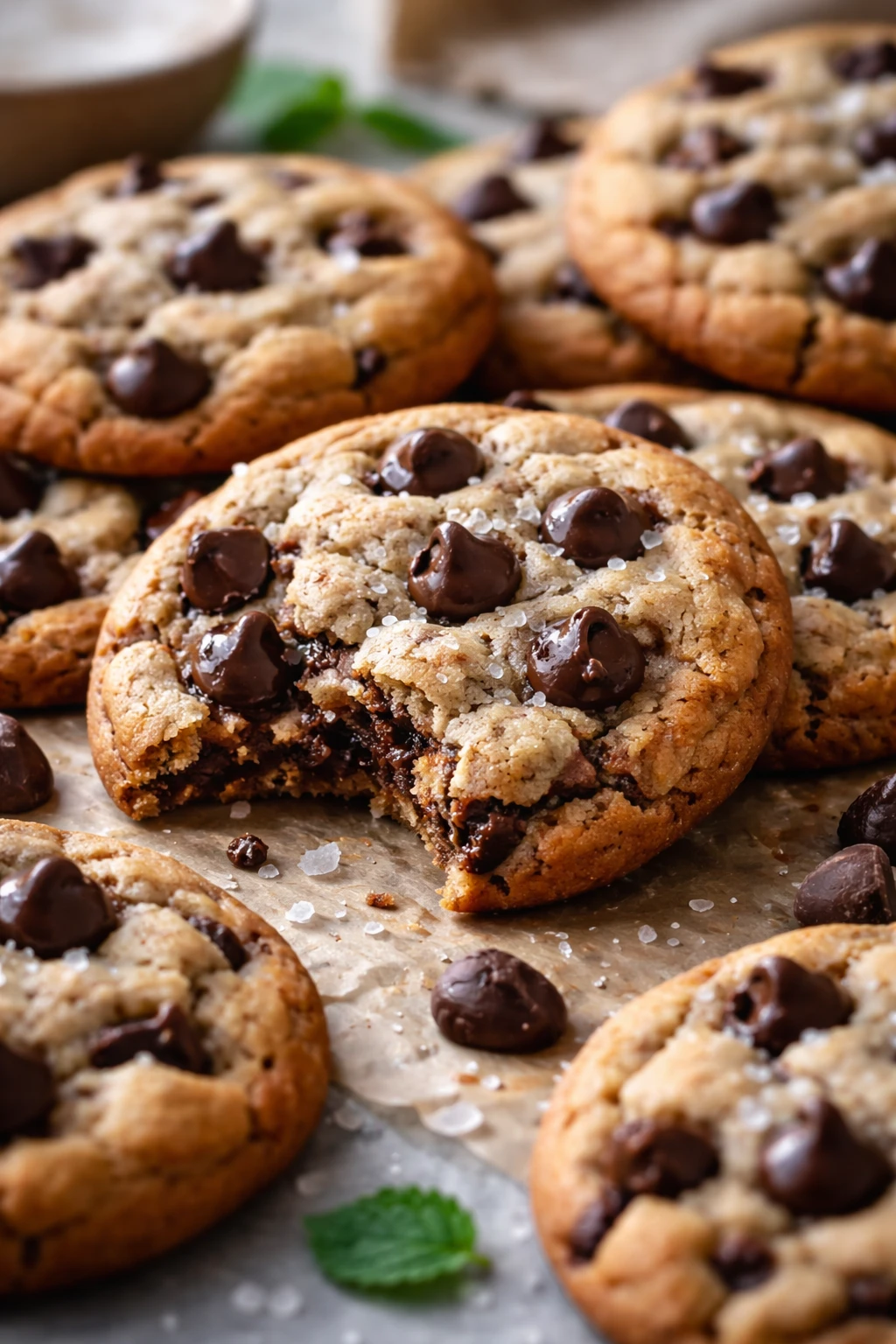
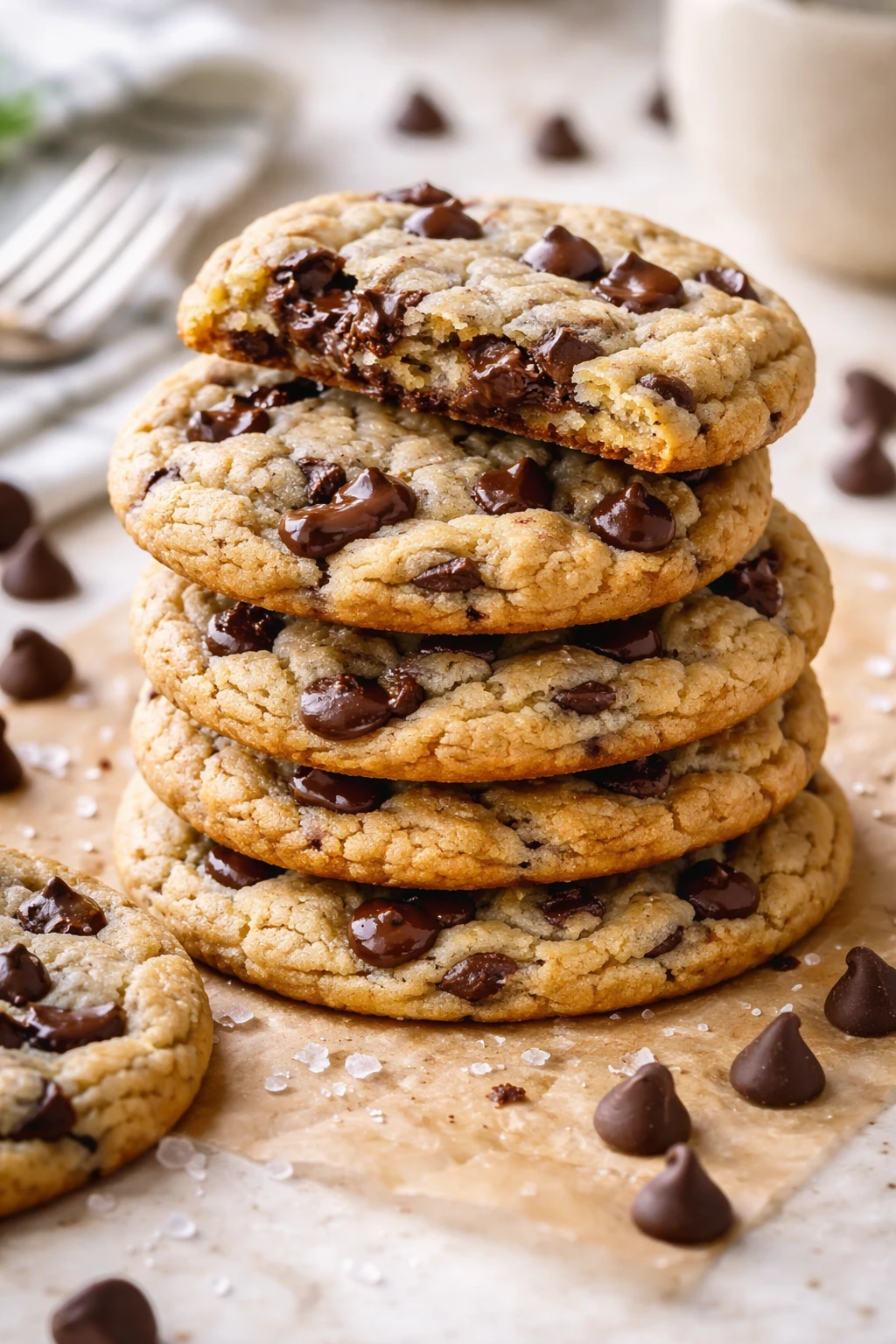
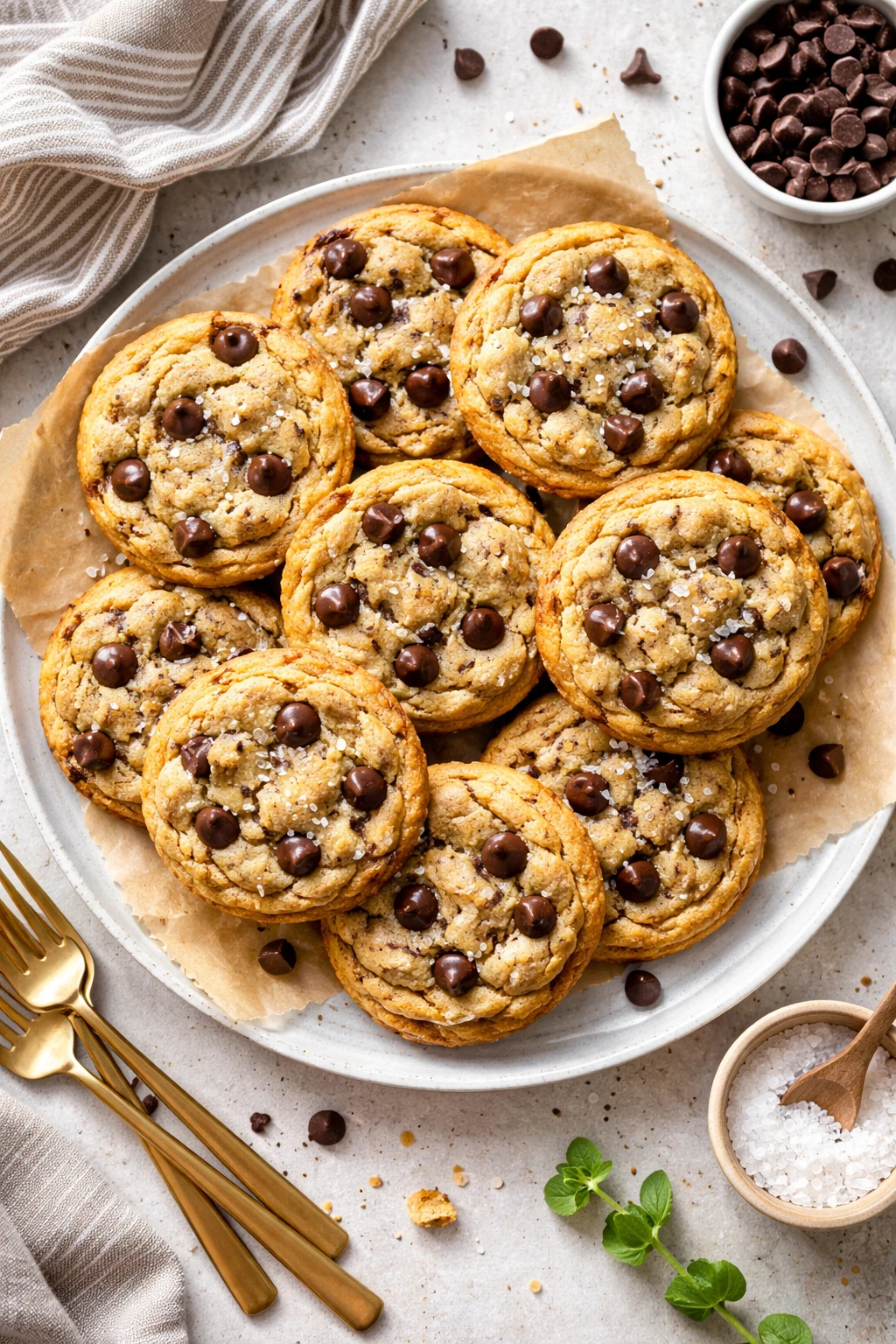
These chocolate chip cookies are soft, chewy, and made with just five ingredients. I swear the brown sugar keeps them perfectly tender. They’re a lifesaver when you need a quick sweet treat!
Introduction
I've been making chocolate chip cookies for years, but it wasn’t until I simplified the recipe to just five ingredients that I found my absolute favorite version. The first time I tried this, I was skeptical that such a simple mix could yield cookies with that perfect chewy texture and rich flavor. What makes this recipe stand out is the generous use of brown sugar, which keeps the cookies soft and moist even after cooling. I also learned that not overbaking is crucial, so the centers stay tender. These cookies have become my go-to for quick baking sessions when I want something comforting without fuss. Plus, the recipe is forgiving enough that even if you’re not a pro baker, you’ll still end up with a treat that feels homemade and special. The result is a batch of golden, chewy cookies dotted with melty chocolate chips that are perfect for sharing or sneaking a few straight from the oven.
How To Do It
Step 1
Start by preheating your oven to 350°F (175°C) and lining a baking sheet with parchment paper. This ensures your cookies bake evenly and don’t stick. Softened butter is key here — it creams better with the sugar, helping create that chewy texture. If your butter’s too cold, the dough won’t come together as smoothly, and your cookies might turn out dense.
⏱ Time: 10
✓ Doneness: Oven preheated to 350°F and butter softened to room temperature
Step 2
In a large bowl, beat the softened butter with the brown sugar until the mixture is smooth and creamy. This process helps dissolve the sugar and aerate the dough, which contributes to the cookie's chewiness. Don’t rush it — take about 2-3 minutes to get a light, fluffy texture, or your cookies may turn out flat.
⏱ Time: 3
✓ Doneness: Mixture looks pale, creamy, and smooth without visible sugar grains
Step 3
Add the egg and beat it into the butter-sugar mixture until fully incorporated. The egg binds everything together and adds moisture, which helps the cookies stay soft. Make sure to mix well but avoid overbeating, which can make the cookies tough.
⏱ Time: 2
✓ Doneness: Smooth, homogeneous dough without streaks of egg or butter
Step 4
Gradually add the flour to the wet ingredients, mixing on low speed or folding with a spatula. Mixing too vigorously can develop gluten, making cookies chewy in a tough way rather than soft and tender. Stop mixing as soon as the flour is combined for best results.
⏱ Time: 3
✓ Doneness: Dough just comes together with no visible streaks of flour
Step 5
Fold in the chocolate chips evenly throughout the dough. This step is simple but important — you want every cookie to have melty pockets of chocolate, so distribute them well without overmixing the dough.
⏱ Time: 2
✓ Doneness: Chocolate chips well distributed but dough still thick and soft
Step 6
Scoop the dough onto the prepared baking sheet using a tablespoon or cookie scoop, spacing them about 2 inches apart. This gives the cookies room to spread without merging. If cookies are too close, they’ll bake into one large cookie, which isn’t as pretty or easy to serve.
⏱ Time: 5
✓ Doneness: Evenly spaced dough balls on parchment paper
Step 7
Bake the cookies in the preheated oven for 9 to 11 minutes. Keep an eye on them starting at 9 minutes — you want the edges to be golden but the centers still soft. Overbaking will dry them out and ruin that chewy texture.
⏱ Time: 10
✓ Doneness: Edges are golden while centers look slightly underbaked and soft
Step 8
Remove the baking sheet from the oven and let the cookies cool on the sheet for 5 minutes. This resting time lets the cookies set up, so they don’t fall apart when you move them. If you try to transfer them too soon, they’ll be fragile and likely break.
⏱ Time: 5
✓ Doneness: Cookies feel firm enough to lift without breaking but still warm
Step 9
Transfer the cookies to a wire rack to cool completely. This prevents the bottoms from becoming soggy from steam trapped under the cookies. Once cooled, they’re ready to enjoy or store in an airtight container to keep fresh.
⏱ Time: 15
✓ Doneness: Cookies fully cooled and slightly firm to the touch
Pro Tips
Use room temperature butter for best creaming results.
Softened butter traps air when creamed with sugar, creating a light dough that bakes into tender, chewy cookies. If butter is too cold, it won’t mix well; too warm or melted, cookies spread too much.
Don’t overmix the flour into the dough.
Overmixing activates gluten, which makes cookies tough and dense. Mixing just until the flour disappears keeps cookies tender and chewy.
Measure flour by spooning into the cup and leveling off.
Scooping flour can compact it, leading to dense cookies. Lightly spooning and leveling ensures you don’t add too much flour, which affects texture.
Chill dough for 30 minutes if you want thicker cookies.
Chilling firms the dough so cookies spread less during baking, resulting in a thicker and chewier cookie.
Use parchment paper or silicone mats for even baking.
These liners prevent sticking and promote even heat distribution, helping cookies bake uniformly without burning bottoms.
Pull cookies out when edges are golden but centers look soft.
This timing prevents overbaking, ensuring chewy centers that firm up as they cool.
Let cookies cool on the baking sheet before moving.
This allows them to set and avoid breaking apart, preserving their chewy texture.
Common Mistakes to Avoid
Using melted butter instead of softened butter
Why it happens Some think melted butter is easier to mix or that it speeds up the process.
Fix Always soften butter to room temperature. Softened butter creams with sugar better, trapping air for tender cookies. Melted butter leads to thin, flat cookies without the right chew.
Overbaking the cookies
Why it happens It’s tempting to bake until fully golden, but cookies continue cooking after removal.
Fix Pull cookies out when edges turn golden but centers still look soft. This keeps them chewy and moist after cooling.
Adding too much flour
Why it happens Measuring flour incorrectly by scooping can pack it tightly.
Fix Spoon flour lightly into the measuring cup and level off with a knife to avoid dense, dry cookies.
Mixing the dough too much after adding flour
Why it happens Overenthusiastic mixing to combine ingredients thoroughly.
Fix Mix just until flour disappears to prevent tough cookies caused by gluten development.
Not spacing cookies enough on baking sheet
Why it happens Trying to fit too many cookies on one sheet.
Fix Leave at least 2 inches between dough balls to allow spreading without merging.
Variations
Walnut Chocolate Chip Cookies
Add 1 cup chopped walnuts to the dough for a nutty crunch that pairs perfectly with the chewy texture. Toast the nuts lightly first to deepen their flavor. Expect a slightly heartier cookie with added texture contrast.
Note: Fold in walnuts gently after chocolate chips to avoid overmixing dough.
Oatmeal Chocolate Chip Cookies
Replace 1/2 cup of flour with rolled oats for a chewier, more rustic cookie. The oats add fiber and a slight nuttiness. These cookies have a bit more texture and a wholesome vibe.
Note: Use old-fashioned rolled oats, not instant, for best texture.
Salted Caramel Chocolate Chip Cookies
Stir in 1/2 cup caramel bits and sprinkle flaky sea salt on top before baking. The sweet-salty combo elevates the flavor and adds a gooey surprise inside each cookie.
Note: Watch baking time closely as caramel bits can brown quickly.
Double Chocolate Chip Cookies
Add 1/4 cup unsweetened cocoa powder to the flour for rich chocolate dough, then fold in chocolate chips. These cookies are fudgy, deep chocolate lovers’ dream with a chewy bite.
Note: Sift cocoa powder with flour to avoid clumps and adjust sugar slightly for balance.
Peanut Butter Chocolate Chip Cookies
Swap half the butter for creamy peanut butter for a nutty twist. The cookies stay chewy but gain a deliciously rich peanut flavor that pairs beautifully with chocolate chips.
Note: Use smooth peanut butter and reduce salt slightly to avoid oversalting.
Nutrition
Per Serving:
Nutritional values are estimates and may vary based on specific ingredients used.
Storage & Tips
Room Temperature
Cookies keep well at room temperature for up to 2 days when stored in an airtight container. Avoid leaving them uncovered or in humid environments, as they can become stale or soggy.
Refrigerator
Store cookies in an airtight container in the fridge for up to 5 days. Refrigerating can make them firmer, so bring to room temperature or warm slightly before eating to restore softness.
Freezer
Freeze cookies in a single layer on a baking sheet, then transfer to a freezer-safe bag or container for up to 3 months. Thaw at room temperature or warm gently in the oven to refresh texture.
Reheating
Reheat cookies in a 300°F oven for 5-7 minutes or microwave for 10-15 seconds with a damp paper towel to keep them soft. Avoid overheating, which can dry them out.
Make Ahead
You can prepare the dough 1-2 days ahead and keep it tightly wrapped in the fridge. This actually enhances flavor and texture. Scoop and bake fresh when ready for best results.
FAQ
Can I substitute white sugar for brown sugar in this recipe?
You can, but it will change the texture and flavor. Brown sugar adds moisture and chewiness thanks to its molasses content. Using white sugar alone tends to produce crisper, less chewy cookies. If you must substitute, try half brown and half white sugar for a closer result.
What happens if I overbake these cookies?
Overbaking dries out the cookies and makes them crunchy instead of chewy. The centers will lose moisture and the texture becomes hard. To avoid this, remove cookies when edges are golden but centers still look soft—they’ll firm up as they cool.
Can I use salted butter instead of unsalted?
Yes, but reduce or omit any added salt in the recipe to balance flavors. Salted butter varies in salt content, so be cautious to avoid overly salty cookies.
How do I store leftover cookies to keep them chewy?
Store in an airtight container at room temperature with a slice of bread or apple to maintain moisture. Avoid refrigerating if you want to keep them soft, as the fridge can dry them out.
Can I freeze the cookie dough?
Absolutely! Freeze dough balls on a tray, then transfer to a freezer bag. Bake from frozen, adding a couple extra minutes to the baking time. This is great for making fresh cookies anytime.
What’s the best way to soften butter quickly?
Cut the butter into small cubes and let it sit at room temperature for about 30 minutes. Alternatively, microwave in very short bursts (5 seconds) but be careful not to melt it.
Why are my cookies spreading too much?
If your cookies spread excessively, check your butter temperature and flour measurement first. Also, chilling the dough before baking can prevent runaway spreading.
Can I add nuts or other mix-ins?
Yes! Nuts, dried fruit, or different types of chocolate chips work well. Just fold them in gently after adding the chocolate chips to avoid overworking the dough.
Final Thoughts
Give these chewy chocolate chip cookies a try — they’re simple, quick, and always a crowd-pleaser. Let me know how your batch turns out!