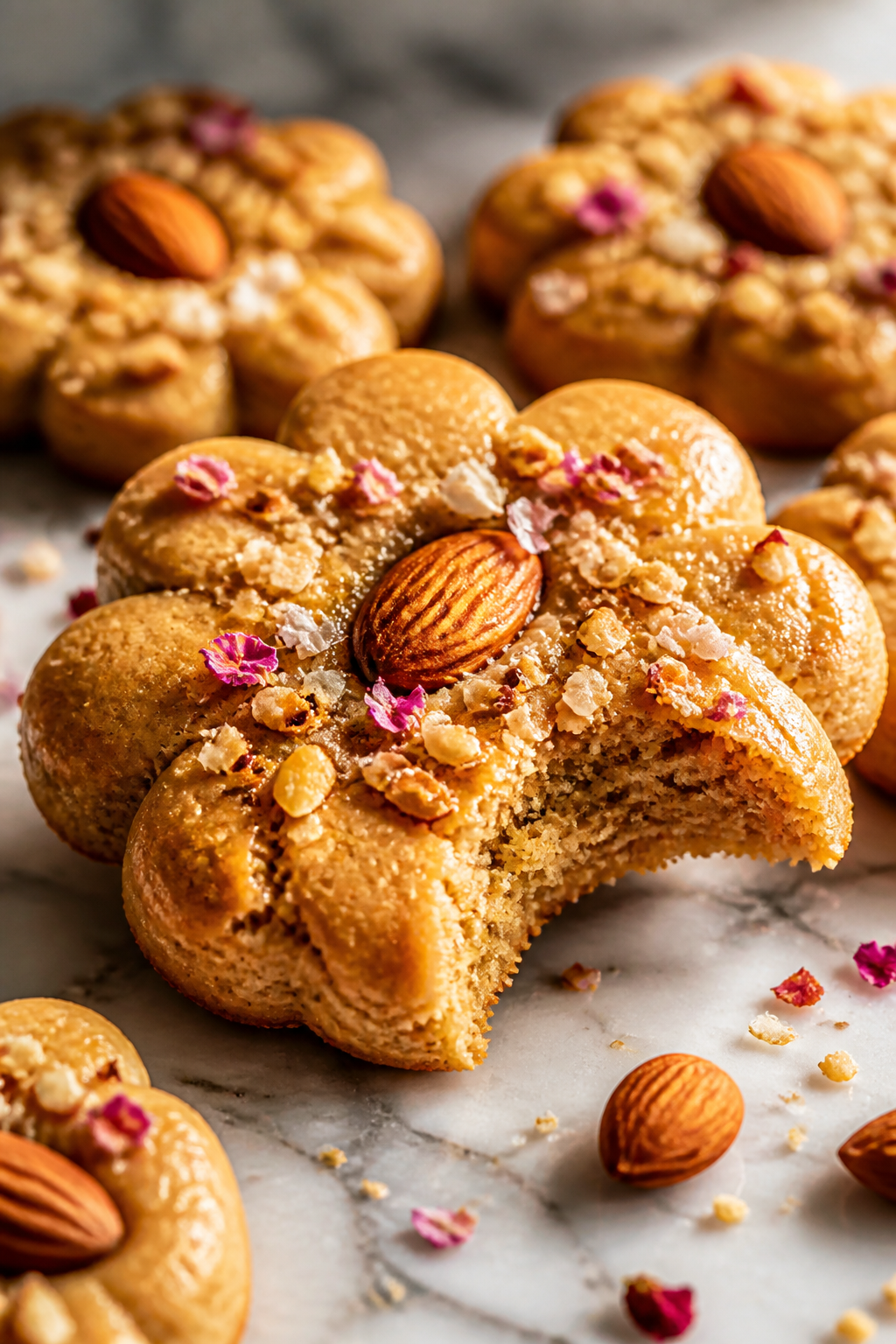
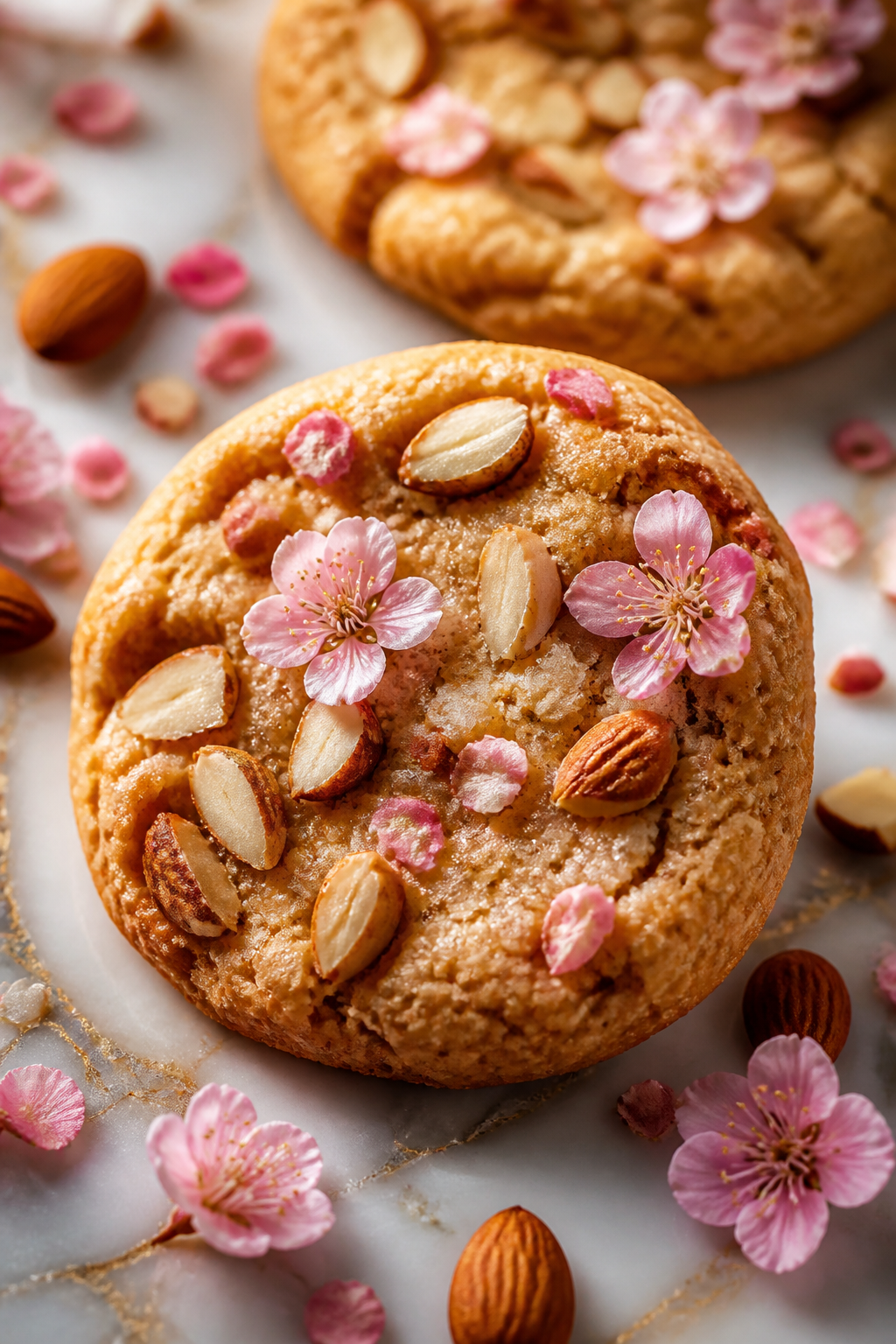
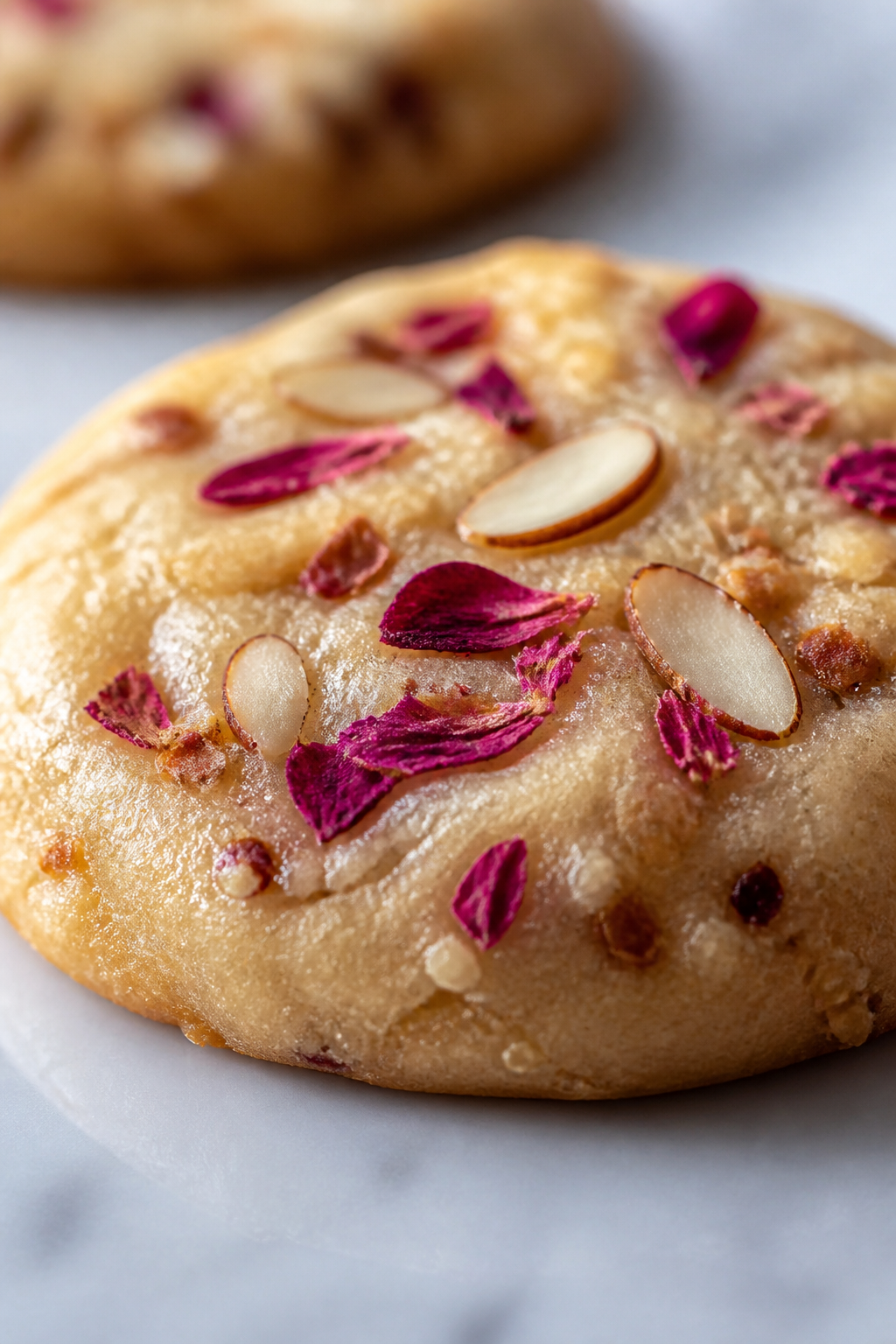
These almond butter cookies are soft, chewy, and just a little nutty, thanks to a splash of honey that keeps them perfectly moist. I love having them with my afternoon tea or as a cozy snack any time.
Introduction
I first made these almond butter cookies on a spring afternoon when I was craving something sweet but not too heavy. I’d tried other recipes before, but they often turned out dry or crumbly. The trick I learned is adding a little honey—it’s such a simple touch, but it keeps the cookies soft and chewy, even after a day or two. I also like using smooth almond butter; it blends beautifully and gives a subtle nutty flavor without overpowering the cookie. When you bite into them, they're tender with just the right amount of chewiness and a gentle sweetness that feels just right. My family loves them with a cup of tea or coffee, and I find they’re perfect for sharing or packing as a little treat on the go. Honestly, these cookies have become my go-to when I want a quick, satisfying snack that feels a little special.
How To Do It
Step 1
Preheat your oven to 350°F (175°C) and line a baking sheet with parchment paper. This step ensures your cookies bake evenly and don’t stick. Using parchment also helps the bottoms stay soft instead of getting too crisp or burnt, which is key for that chewy texture.
⏱ Time: 10
✓ Doneness: Oven preheated and baking sheet ready with parchment
Step 2
In a large bowl, combine the almond butter and brown sugar. Use a sturdy spoon or mixer on low speed to blend them until smooth and creamy. This step is important because properly mixing these ingredients ensures the sugar dissolves a bit and the texture is uniform, which helps the cookies bake evenly.
⏱ Time: 5
✓ Doneness: Mixture is smooth and slightly glossy with no sugar lumps
Step 3
Add the egg, honey, and vanilla extract to the almond butter mixture. Stir well until everything is fully incorporated. The egg helps bind the dough, while honey adds moisture and subtle sweetness. Mixing thoroughly here prevents dense spots in your cookies.
⏱ Time: 3
✓ Doneness: Dough is cohesive and sticky but not runny
Step 4
In a small bowl, whisk together the baking soda and salt. This ensures even distribution of leavening so your cookies rise evenly. Then add these dry ingredients to the wet mixture and fold gently until just combined. Overmixing can make cookies tough, so stop once you see no streaks of flour.
⏱ Time: 4
✓ Doneness: Dough looks uniform, slightly thick, and sticky
Step 5
Scoop the dough with a tablespoon or cookie scoop onto the prepared baking sheet, spacing them about 2 inches apart. Flatten each ball slightly with the back of the spoon to help them spread evenly. This step is key to avoid cookies that are too thick or unevenly baked.
⏱ Time: 5
✓ Doneness: Cookie dough balls evenly spaced and lightly flattened
Step 6
Bake the cookies for 10-12 minutes. Watch for the edges to turn golden but the centers still look slightly soft. This timing locks in moisture so the cookies remain chewy instead of crisping up too much. Avoid overbaking—they'll firm up as they cool.
⏱ Time: 12
✓ Doneness: Edges are golden, centers look set but soft
Step 7
Remove the baking sheet from the oven and let the cookies cool on the sheet for 5 minutes before transferring to a wire rack. Cooling on the sheet allows them to finish setting without breaking apart. If you move them too soon, they might fall apart because they're still tender.
⏱ Time: 5
✓ Doneness: Cookies feel firm enough to lift without crumbling
Step 8
Once cooled completely, store cookies in an airtight container at room temperature. This keeps them soft and fresh for several days. If you want to keep them longer, freezing is a great option—just thaw at room temp before eating.
⏱ Time: 2
✓ Doneness: Cookies fully cooled and stored properly
Step 9
Enjoy your chewy almond butter cookies with a cup of tea or coffee, or pack them as a portable snack. They’re perfect for sharing or a little sweet fix anytime. Trust me, once you try these, they’ll become a favorite go-to treat!
⏱ Time: 0
✓ Doneness: Cookies enjoyed and loved
Pro Tips
Use room temperature ingredients before mixing.
Room temperature almond butter and egg blend more evenly, preventing lumps and ensuring a smooth dough. Cold ingredients can cause uneven mixing and affect the cookie's texture, making some parts dense or dry.
Don’t overmix the dough once you add the dry ingredients.
Overmixing develops gluten in the flour, which can make cookies tough and chewy in an undesirable way. Mixing just until combined keeps the texture tender and soft, preserving the delicate crumb.
Flatten cookie dough balls before baking.
Flattening helps cookies spread uniformly, so they bake evenly and develop that perfect chewy edge with a tender center. Without this, cookies may bake unevenly, with some parts undercooked or overly crisp.
Use parchment paper or silicone mats on your baking sheet.
This prevents sticking and promotes even heat distribution. It also helps the bottoms stay soft rather than burning or crisping too much, which is key for a chewy texture.
Let cookies cool on the baking sheet for a few minutes before transferring.
Cooling on the sheet allows the cookies to set gradually, preventing breakage. They’re still delicate when hot, so moving them too soon can cause them to fall apart.
Store cookies in an airtight container at room temperature.
Proper storage locks in moisture, keeping the cookies soft for several days. Exposure to air dries them out and ruins the chewy texture.
Experiment with mild-flavored honey varieties.
Honey flavor can vary widely. Using a mild honey keeps the almond butter flavor front and center, while strong honeys might overpower the cookies’ subtle nuttiness.
Common Mistakes to Avoid
Overbaking the cookies
Why it happens Many people leave cookies in the oven too long thinking it makes them crispier, but this dries them out and makes them hard instead of chewy.
Fix Watch the edges carefully and remove cookies when they turn golden but centers are still soft. They will firm up as they cool, so don’t worry if they look slightly underdone in the middle right out of the oven.
Using crunchy almond butter
Why it happens Crunchy almond butter is tempting but it doesn’t blend smoothly, causing uneven texture and baking issues.
Fix Always use smooth almond butter for this recipe to ensure the dough is uniform and the cookies bake evenly with the right texture.
Skipping the honey
Why it happens Some skip honey thinking sugar is enough, but honey’s moisture-retaining property is key to chewiness.
Fix Include the honey as it acts as a natural humectant, keeping the cookies soft longer. Substituting with another liquid sweetener may change texture.
Overmixing the dough
Why it happens Overenthusiasm leads to mixing too long, which develops gluten and toughens cookies.
Fix Mix dry ingredients in just until combined. Stop as soon as you see no streaks of flour to keep cookies tender.
Not spacing cookies properly on the baking sheet
Why it happens Crowding cookies causes them to merge or bake unevenly.
Fix Leave at least 2 inches between dough balls to allow spreading and even baking.
Variations
Chocolate Chip Almond Butter Cookies
Add 1/2 cup of mini dark chocolate chips to the dough for a sweet and nutty combo. The melty chocolate adds richness and pairs perfectly with the almond flavor. Expect a slightly softer texture due to the chips’ moisture content.
Note: Fold chips in gently after the dough is mixed to avoid breaking them up. Baking time remains the same.
Gluten-Free Almond Butter Cookies
This recipe is naturally gluten-free since it contains no flour. For extra texture, sprinkle a pinch of finely chopped nuts or seeds on top before baking. These cookies are perfect for gluten-sensitive folks craving a chewy treat.
Note: Ensure all ingredients are certified gluten-free to avoid cross-contamination.
Spiced Almond Butter Cookies
Add 1/2 teaspoon cinnamon and a pinch of nutmeg to the dry ingredients for a warm, cozy flavor twist. These spices complement the almond and honey beautifully and make the cookies perfect for cooler days.
Note: Mix spices with baking soda and salt to distribute evenly.
Vegan Almond Butter Cookies
Replace the egg with a flax egg (1 tablespoon flaxseed meal + 3 tablespoons water) and use maple syrup instead of honey. The texture will be slightly more crumbly but still deliciously chewy and nutty.
Note: Let the flax egg mixture sit for 5 minutes before adding to dough for best binding.
Salted Almond Butter Cookies
Sprinkle flaky sea salt on top of each cookie before baking. The salt enhances the sweetness and nutty flavors, creating a sophisticated balance that’s addictive.
Note: Use a light hand with salt to avoid overpowering the cookies.
Nutrition
Per Serving:
Nutritional values are estimates and may vary based on specific ingredients used.
Storage & Tips
Room Temperature
Cookies keep well at room temperature for up to 3 days when stored in an airtight container. Avoid leaving them uncovered as they will dry out and lose their chewy texture.
Refrigerator
Store cookies in an airtight container in the fridge for up to 7 days. They may firm up when cold but soften quickly at room temperature. Eating them slightly chilled provides a different but enjoyable texture.
Freezer
Freeze cookies in a single layer on a baking sheet, then transfer to a freezer-safe container or bag for up to 3 months. Thaw at room temperature for about 30 minutes before eating to restore softness.
Reheating
Warm cookies in a microwave for 10-15 seconds or in a 300°F oven for 5 minutes to soften. Adding a small piece of bread to the container while warming can help maintain moisture.
Make Ahead
You can prepare the dough up to 24 hours in advance and keep it refrigerated, covered tightly. Scoop and bake fresh the next day for best texture and flavor.
FAQ
Can I use peanut butter instead of almond butter?
Yes, peanut butter works well, but it has a stronger flavor and different oil content, which may change the cookie's texture slightly. Use smooth peanut butter and expect a similar chewy result, though the taste will be distinctly peanutty.
What if I don’t have honey? Can I substitute it?
You can substitute honey with maple syrup or agave nectar in equal amounts. These alternatives also retain moisture but may slightly alter the flavor. Avoid using water or granulated sugar alone as they won’t keep the cookies moist.
Why are my cookies crumbly instead of chewy?
Crumbly cookies often result from overbaking or using crunchy nut butter. Make sure to use smooth almond butter and remove the cookies from the oven as soon as the edges turn golden. Also, don’t skip the honey, which helps maintain softness.
Can I make the dough ahead of time?
Absolutely! Chill the dough in an airtight container for up to 24 hours. This actually helps deepen the flavors. Just scoop and bake straight from the fridge, adding a minute or two to the baking time if needed.
How do I store these cookies to keep them chewy?
Store them in an airtight container at room temperature with a slice of bread or apple to retain moisture. Refrigeration can dry them out unless you warm them before serving.
Can I add mix-ins like chocolate chips or nuts?
Yes! Adding chocolate chips or chopped nuts is a great way to customize. Fold them in gently after mixing the dough. Keep total add-ins to about 1/2 cup to avoid affecting the cookie structure.
Why do my cookies spread too much or too little?
Too much spreading can be caused by warm dough or too much oil in the almond butter. Chill your dough before baking if it’s very soft. Too little spreading means the dough might be too cold or you didn’t flatten the dough balls before baking.
Can I use coconut sugar or white sugar instead of brown sugar?
Coconut sugar can be used but may result in a less moist cookie since it lacks molasses. White sugar will produce a crisper cookie, so brown sugar is best for chewiness and flavor.
Final Thoughts
I hope you enjoy baking and munching these chewy almond butter cookies as much as I do! Let me know how they turn out and if you try any of the variations.