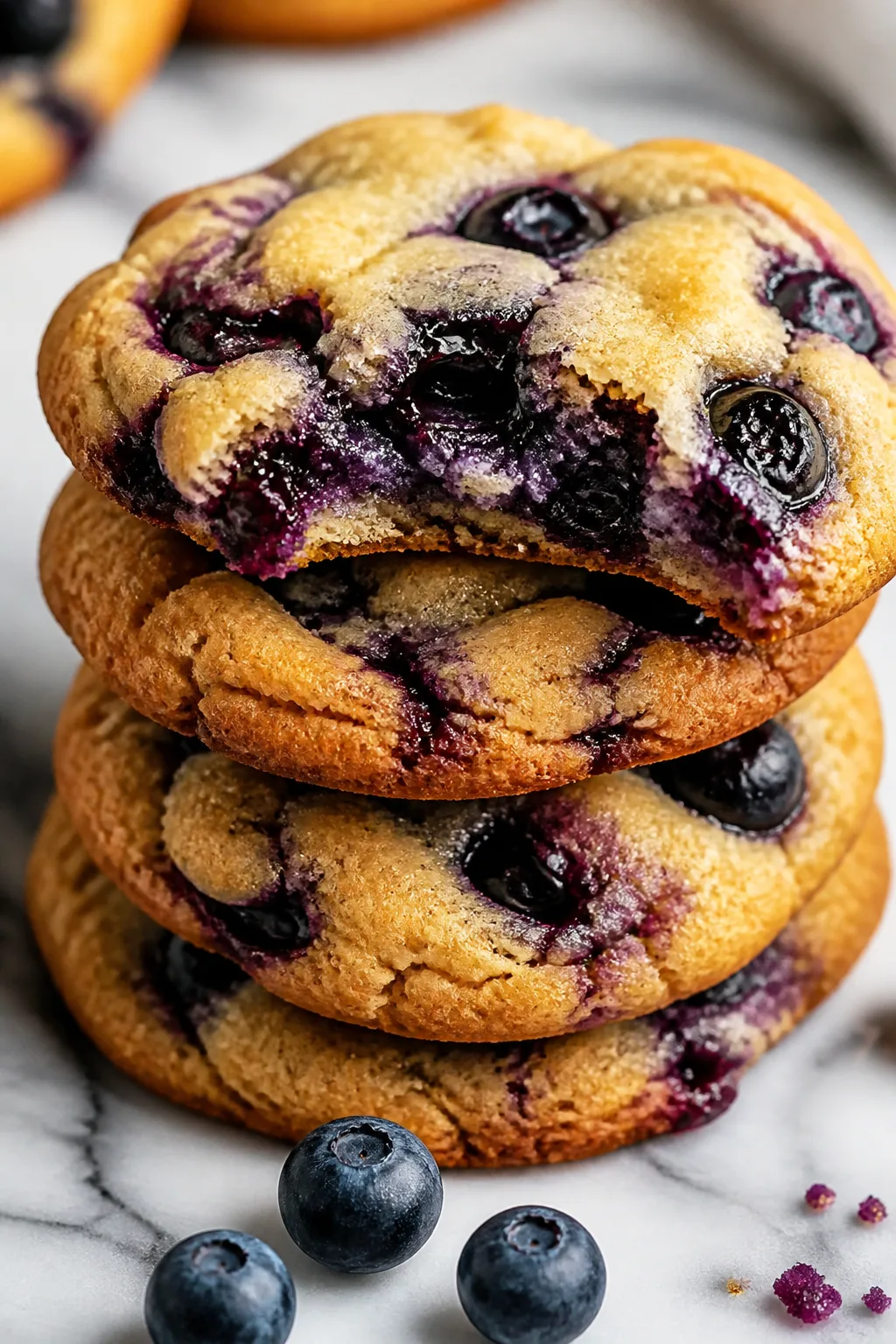
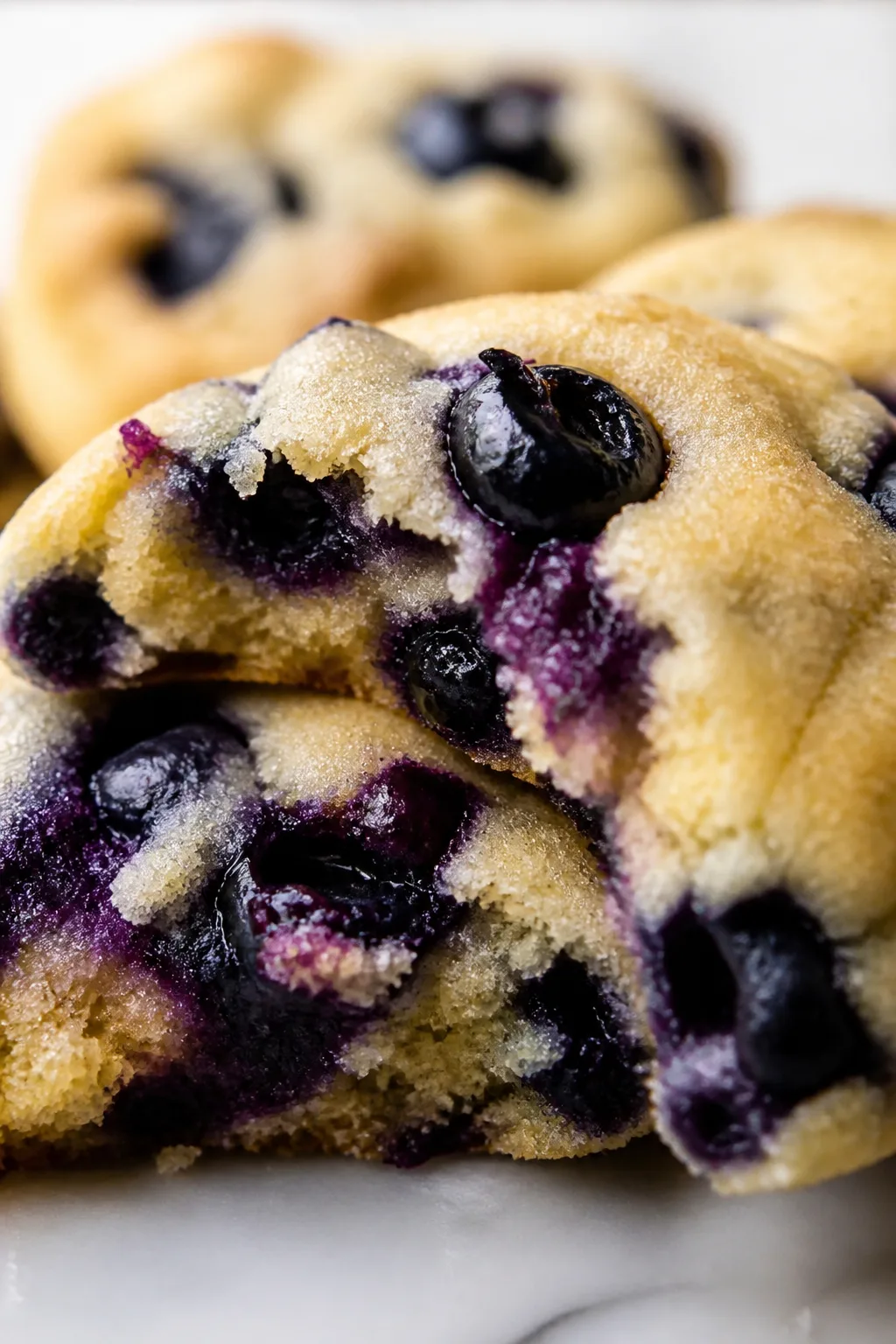
These blueberry cookies are soft and tender with a juicy burst from fresh berries in every bite. I love how they stay moist and perfect for a cozy afternoon snack or tea time treat.
Introduction
I first made these blueberry cookies on a lazy weekend when I had a bunch of fresh berries that needed using up. Honestly, I wasn’t sure how the blueberries would hold up in a cookie, but the result totally surprised me. These cookies are soft and tender, with juicy bursts of fresh blueberry in every bite—so different from your typical cookie. What makes them special is adding the berries gently at the end so they don’t get squished or bleed too much into the dough. I also like to use a mix of granulated and brown sugar for that perfect balance of sweetness and moisture. The cookies come out golden with just a hint of chewiness and the berries add a fresh, natural sweetness that’s irresistible. They’re perfect for an afternoon tea or a cozy snack on the couch. If you’re looking for a simple, comforting treat that feels homemade and a little special, give these a try. I’ve baked these for friends and family and everyone keeps asking for the recipe!
How To Do It
Step 1
Start by creaming the softened butter with both sugars until the mixture is light and fluffy. This usually takes about 3-5 minutes with a hand or stand mixer. Creaming incorporates air into the dough, which helps give the cookies a tender texture and a slight rise. Make sure the butter is softened but not melted, or the texture will suffer. If you rush this step or skip it, your cookies might turn out dense or flat.
⏱ Time: 5
✓ Doneness: The mixture should be pale in color and fluffy to the touch.
Step 2
Beat in the eggs one at a time, mixing well after each addition, then add the vanilla extract. Eggs add moisture and structure to the dough, so incorporating them fully ensures the cookies bake evenly. If you add eggs too quickly or don’t mix well, the dough can curdle or become uneven.
⏱ Time: 3
✓ Doneness: Dough should look smooth and slightly glossy after adding eggs.
Step 3
In a separate bowl, whisk together the flour, baking soda, and salt. This ensures the leavening agent and salt are evenly distributed, so your cookies rise properly and have balanced flavor. Sifting is optional but helps prevent lumps.
⏱ Time: 3
✓ Doneness: Dry ingredients should be uniformly mixed with no clumps.
Step 4
Gradually add the dry ingredients to the wet mixture, mixing on low speed just until combined. Overmixing develops gluten in the flour, which can make cookies tough instead of tender. Stop mixing as soon as you don’t see dry flour.
⏱ Time: 3
✓ Doneness: Dough looks uniform but still soft and slightly sticky.
Step 5
Gently fold in the fresh blueberries with a spatula. Be careful not to break the berries to avoid turning the dough purple. Folding gently preserves the shape and juiciness of the berries, giving those lovely bursts in the baked cookie.
⏱ Time: 2
✓ Doneness: Blueberries are evenly distributed without smearing.
Step 6
Preheat your oven to 350°F (175°C). Line a baking sheet with parchment paper or a silicone mat to prevent sticking and promote even baking. This step ensures your cookies bake evenly without burning on the bottom.
⏱ Time: 10
✓ Doneness: Oven is fully preheated before baking.
Step 7
Scoop dough onto the prepared baking sheet using a cookie scoop or spoon, spacing them about 2 inches apart. This spacing allows cookies to spread without merging. If you put them too close, they’ll bake into one large cookie.
⏱ Time: 5
✓ Doneness: Each dough ball is rounded and evenly sized.
Step 8
Bake the cookies for 12-15 minutes until the edges are lightly golden but the centers still look soft. This timing ensures the cookies stay tender and moist. Overbaking will dry them out, so watch carefully toward the end.
⏱ Time: 15
✓ Doneness: Edges are golden and centers look set but soft.
Step 9
Let the cookies cool on the baking sheet for 5 minutes before transferring to a wire rack. This resting time lets them firm up slightly and prevents them from breaking apart. Cooling completely on the rack helps maintain their soft texture.
⏱ Time: 10
✓ Doneness: Cookies feel set but still soft when touched.
Pro Tips
Use room temperature ingredients for even mixing.
When butter and eggs are at room temperature, they blend more smoothly with sugars and flour, creating a uniform dough. Cold ingredients can cause the dough to curdle or mix unevenly, leading to inconsistent texture and appearance in the final cookie.
Don’t overmix once you add flour.
Overmixing develops gluten in the flour, which makes cookies tough and dense. Mixing just until the flour disappears keeps the texture tender and soft, which is what you want for these blueberry cookies.
Fold in blueberries gently at the end.
Blueberries are delicate; rough mixing breaks them, releasing juice that colors and wets the dough excessively. Gentle folding preserves berry shape and ensures pleasing bursts of juice in the baked cookie.
Use parchment paper or silicone mats for baking.
These liners prevent sticking and promote even heat distribution, which helps cookies bake evenly and develop a nice golden edge without burning on the bottom.
Chill the dough for 30 minutes if it feels too soft.
Chilling firms the dough, reducing spread during baking. This is helpful if your kitchen is warm or if the dough seems runny, ensuring the cookies keep a nice shape.
Space cookies properly on the baking sheet.
Cookies spread as they bake. Leaving 2 inches between dough balls prevents them from merging into one large cookie, keeping each cookie distinct and evenly baked.
Let cookies cool on the sheet before moving.
Cookies are fragile when hot. Cooling on the baking sheet allows them to set up and firm slightly, reducing breakage when transferring to a rack.
Common Mistakes to Avoid
Using frozen blueberries without thawing
Why it happens People often grab frozen berries for convenience, not realizing they release excess moisture that can make dough soggy.
Fix If using frozen berries, thaw and drain them well before folding in. Pat dry gently with paper towels to remove extra moisture and prevent dough from becoming too wet.
Overbaking cookies
Why it happens It’s tempting to bake until cookies look fully firm, but they continue cooking after removal.
Fix Remove cookies when edges are golden but centers still look soft. They’ll firm up as they cool, keeping them tender and moist.
Overmixing after adding flour
Why it happens Some think mixing longer improves dough uniformity, but it develops gluten and toughens cookies.
Fix Mix only until no flour streaks remain. Stop immediately to keep cookies soft.
Not spacing cookies enough on the sheet
Why it happens Crowding leads to cookies spreading into each other.
Fix Place dough balls 2 inches apart to allow space for spreading.
Using melted butter instead of softened
Why it happens Some think melted butter is easier to mix, but it changes dough texture.
Fix Use butter softened to room temperature for proper creaming and airy texture.
Variations
Lemon Blueberry Cookies
Add 1 tablespoon of fresh lemon zest to the dough for a bright citrus twist that complements the blueberries beautifully. This adds a fresh, zesty aroma and flavor that elevates the cookies to a springtime favorite.
Note: Lemon zest is folded in with the dry ingredients to evenly distribute its oils without affecting dough consistency.
Oatmeal Blueberry Cookies
Replace 1 cup of flour with rolled oats for a heartier texture and nutty flavor. These cookies have extra chew and a rustic feel, perfect for a wholesome snack.
Note: Oats absorb moisture differently, so you might need to chill the dough longer to prevent spreading.
White Chocolate Blueberry Cookies
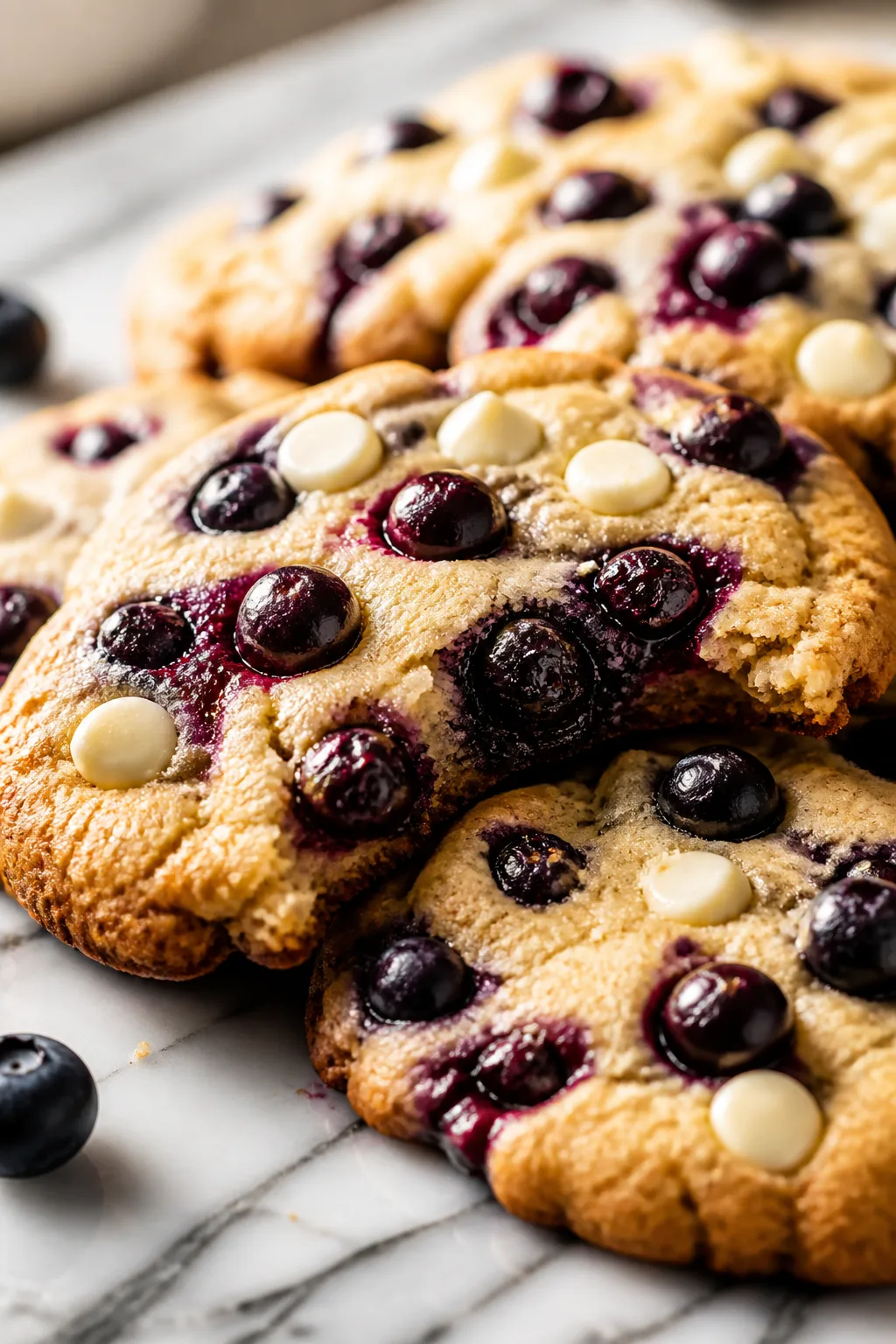
Add 1 cup of white chocolate chips to the dough for a sweet, creamy contrast to the tart blueberries. The melt-in-your-mouth sweetness balances the berry bursts perfectly.
Note: Fold chips in last with the blueberries to avoid melting during mixing.
Gluten-Free Blueberry Cookies
Swap all-purpose flour for a 1:1 gluten-free baking blend. These cookies keep the same texture and flavor but are safe for gluten-sensitive eaters. Expect a slightly different crumb but still soft and tender.
Note: Ensure your gluten-free blend contains xanthan gum or add 1/4 teaspoon for structure.
Vegan Blueberry Cookies
Use coconut oil instead of butter and flax eggs (1 tablespoon flaxseed meal + 3 tablespoons water) to replace eggs. These cookies turn out slightly denser but still moist with delicious blueberry bursts.
Note: Chill dough longer to firm up due to coconut oil’s softer texture.
Nutrition
Per Serving:
Nutritional values are estimates and may vary based on specific ingredients used.
Storage & Tips
Room Temperature
Store cookies in an airtight container at room temperature for up to 3 days. Keep them away from heat or direct sunlight to maintain softness. If left uncovered, they will dry out quickly.
Refrigerator
Cookies can be stored in an airtight container in the fridge for up to 7 days. They may firm up and lose some softness but can be warmed gently before serving to refresh texture.
Freezer
Freeze cookies in a single layer on a baking sheet, then transfer to a freezer-safe bag or container for up to 3 months. Thaw at room temperature for 30 minutes before serving to restore softness.
Reheating
Warm cookies in a microwave for 10-15 seconds or in a 300°F oven for 5 minutes to revive softness. Avoid overheating which can dry them out. Adding a small piece of bread in the container helps maintain moisture.
Make Ahead
Prepare the dough 1-2 days ahead and keep it tightly wrapped in the fridge. This resting time improves flavor and texture. Bake fresh on the day you want to serve for best results.
FAQ
Can I use frozen blueberries instead of fresh?
You can, but frozen berries release more juice which can make the dough wetter and the cookies more purple. To avoid this, thaw and drain the berries well, then pat dry before folding them in. This helps maintain the dough consistency and prevents excessive spreading.
Why are my cookies turning out flat and greasy?
This often happens if the butter was too warm or melted when creamed, or if the dough was overmixed. Use softened (not melted) butter and mix just until ingredients combine. Also, chilling the dough before baking helps prevent spreading.
Can I substitute the butter with oil or margarine?
Butter provides flavor and structure that oil or margarine can’t fully replicate. Using oil can make cookies greasy and flatter. Margarine may work but choose one with high fat content. Expect a difference in texture and flavor if you substitute.
How do I keep the blueberries from bleeding into the dough?
Fold in the blueberries gently at the very end and avoid crushing them. Using fresh, firm berries also helps. If you overmix or use frozen berries without draining, the juice will color the dough.
Can I make the dough ahead of time?
Yes! Dough can be made 1-2 days ahead and refrigerated tightly wrapped. This resting period actually improves flavor and texture. Just scoop and bake straight from the fridge when ready.
Why do my cookies sometimes turn out dry?
Dry cookies usually result from overbaking or using too much flour. Watch your oven closely and remove cookies when edges are golden but centers still look soft. Also, measure flour carefully by spooning and leveling, not scooping directly with the cup.
Can I double the recipe?
Absolutely! Just be sure to mix ingredients evenly and bake on multiple sheets if needed, rotating trays for even baking. Avoid overcrowding the oven which can affect rise and texture.
What’s the best way to store leftover cookies?
Store in an airtight container at room temperature for up to 3 days. For longer storage, freeze as described. Avoid refrigeration for long periods as it can dry them out.
Final Thoughts
I hope you enjoy baking and snacking on these soft blueberry cookies as much as I do! Don’t forget to share your baking stories and tweaks with me.