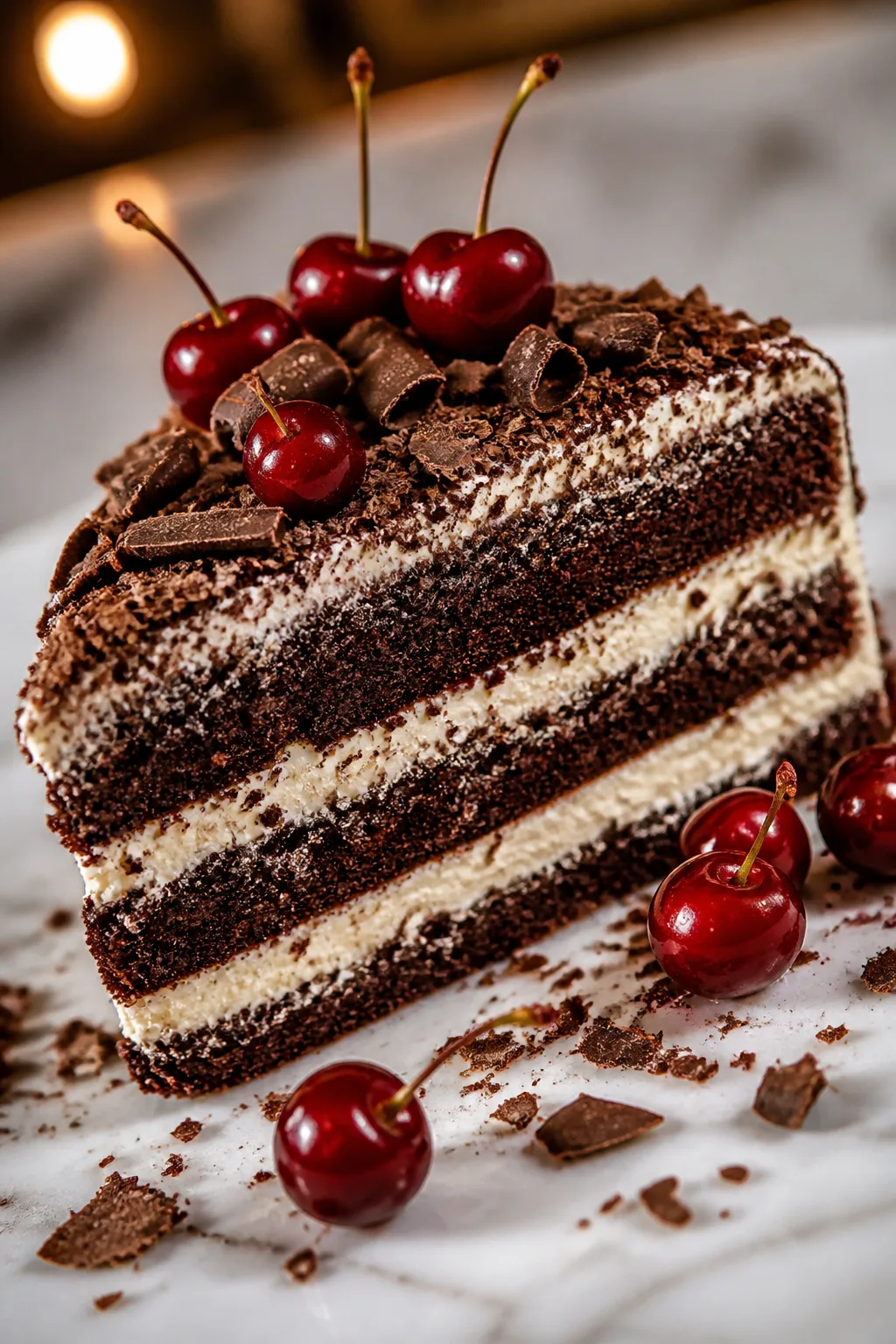
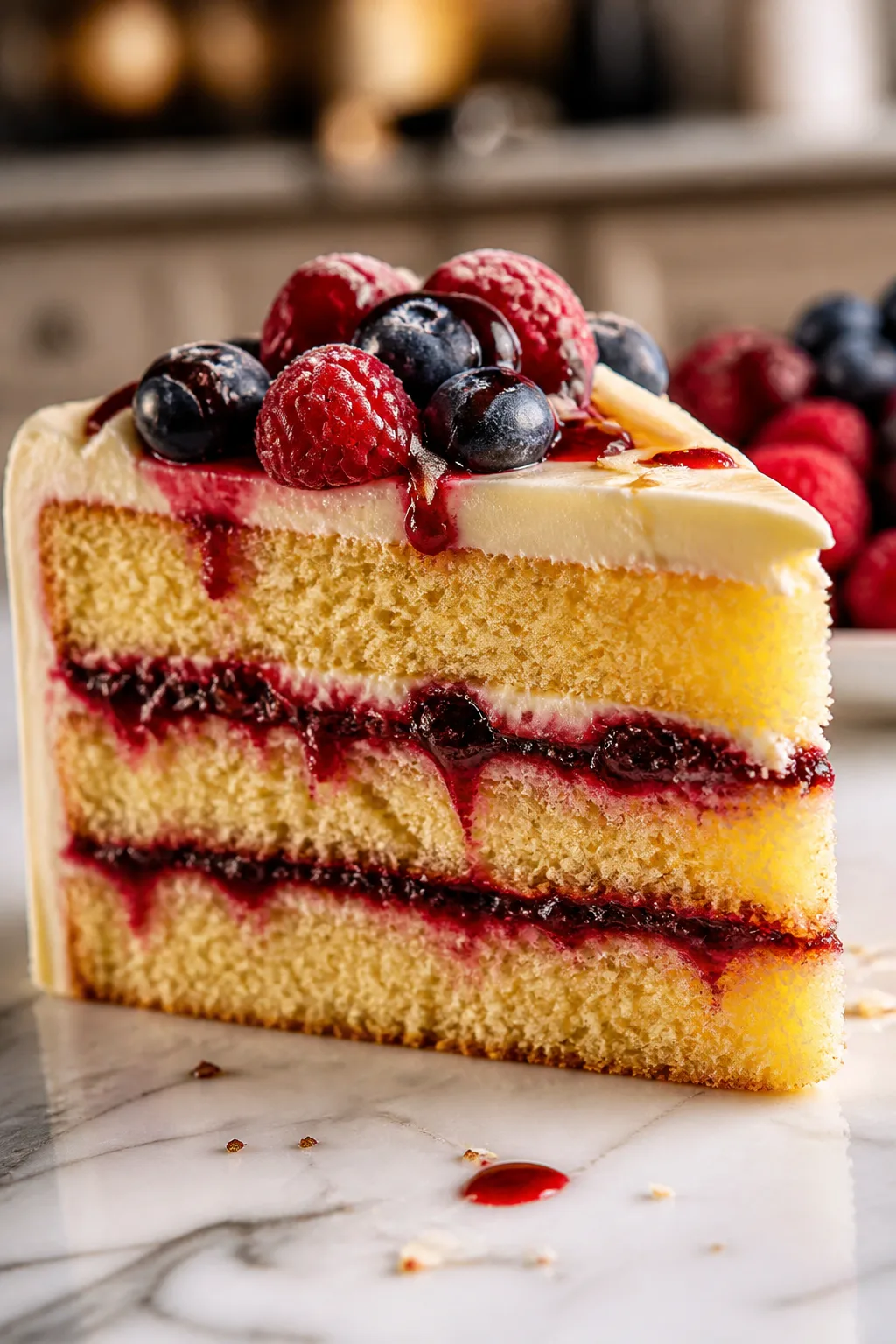
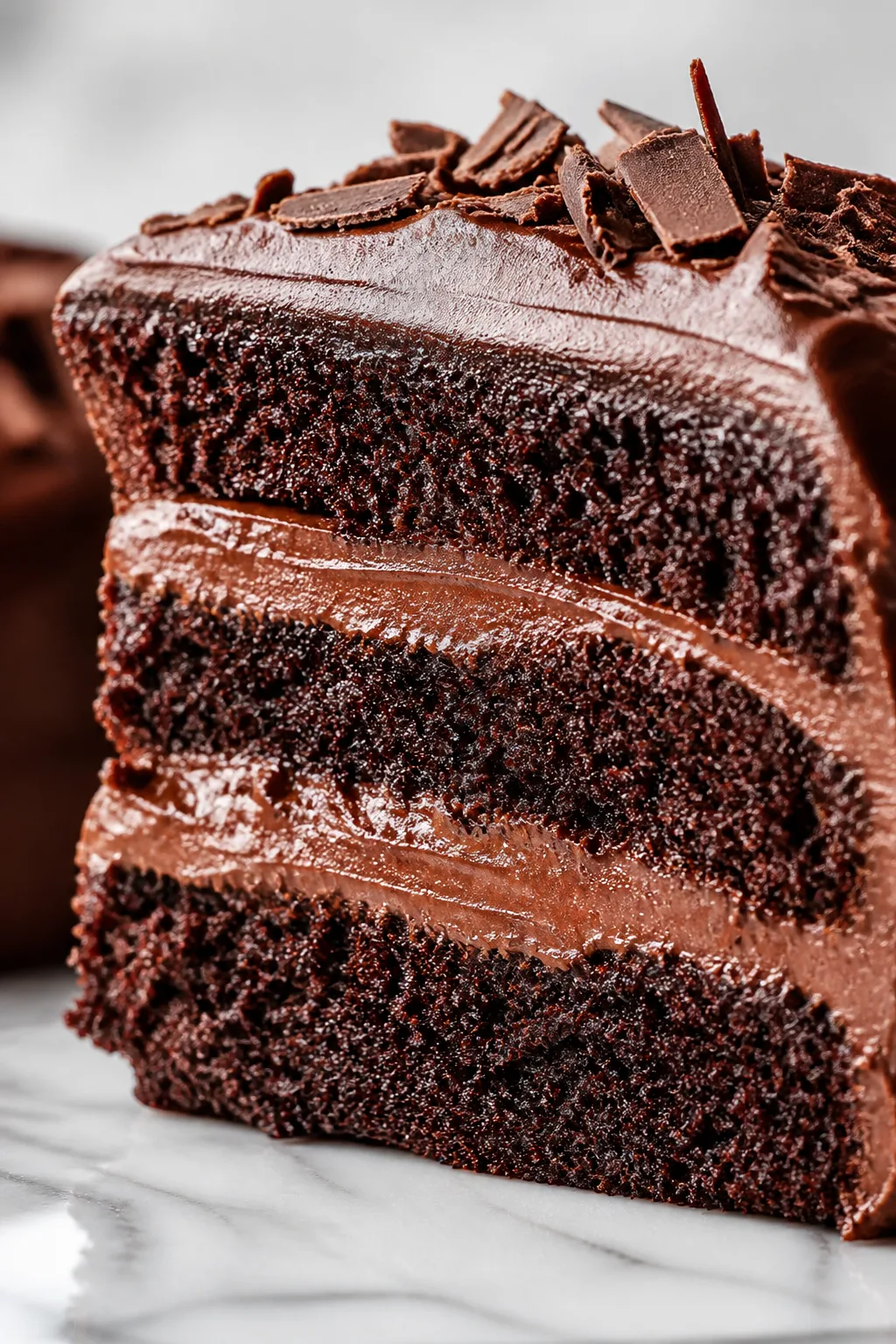
This vanilla cake is a timeless favorite—soft, fluffy, and just sweet enough. The secret is a quick whipped egg white fold that makes it extra airy. Ideal for birthday parties or casual family gatherings.
Introduction
I remember the first time I baked this vanilla cake—it was for my niece’s birthday, and I wanted something simple but special. I’d tried so many recipes before, but they always turned out a little dense or dry. Then I discovered the trick of whipping the egg whites separately and folding them gently into the batter. That little step changed everything. The cake came out so airy and soft, almost like biting into a cloud. It’s become my go-to recipe whenever I want a classic, comforting cake that feels homemade but a little elevated. I love that it doesn’t rely on any fancy ingredients—just good vanilla and a bit of patience. The texture is moist, tender, and perfectly balanced with just the right sweetness. Plus, it’s a great canvas for any frosting or decoration you want to add. Whether you’re celebrating a birthday, hosting a casual tea, or just craving something nostalgic, this cake always hits the spot. I think you’ll find it’s easier than it looks, and it’ll definitely impress your family and friends!
What You'll Need
One 9-inch round cake, 8 servings
- 2 ½ cups all-purpose flour, sifted
- 2 ½ tsp baking powder
- ½ tsp salt
- 1 cup unsalted butter, softened
- 1 ¾ cups granulated sugar
- 4 large eggs, separated
- 1 cup whole milk, room temperature
- 2 tsp pure vanilla extract
- ¼ tsp cream of tartar
How To Do It
Step 1
Start by preheating your oven to 350°F (175°C) and greasing your 9-inch round cake pans. Sifting the flour, baking powder, and salt together ensures even distribution and prevents lumps, which helps the cake rise uniformly. Set this dry mixture aside while you prepare the wet ingredients.
⏱ Time: 10 minutes
✓ Doneness: Dry ingredients are well combined, light, and lump-free.
Step 2
In a large bowl, cream the softened butter and granulated sugar together until the mixture is pale and fluffy. This process incorporates air into the batter, which contributes to the cake’s light texture. Use a stand mixer or hand mixer on medium speed for about 4-5 minutes. Avoid rushing this step because under-creamed butter results in a denser cake.
⏱ Time: 5 minutes
✓ Doneness: Butter and sugar are light in color and airy in texture.
Step 3
Add the egg yolks one at a time into the creamed butter mixture, beating well after each addition. This gradual incorporation helps emulsify the batter, creating a smooth texture. If you add the yolks too quickly, the batter might curdle, affecting the final crumb.
⏱ Time: 3 minutes
✓ Doneness: Batter looks smooth, slightly thickened, and glossy.
Step 4
Mix in the vanilla extract to the wet ingredients for that classic aromatic flavor. Vanilla is what makes this cake comforting and nostalgic, so don’t skip it or use imitation vanilla. Real vanilla extract adds depth and warmth.
⏱ Time: 1 minute
✓ Doneness: Vanilla is evenly blended with no streaks.
Step 5
In a separate bowl, whip the egg whites with the cream of tartar until stiff peaks form. The cream of tartar stabilizes the egg whites, helping them hold their airiness and volume. Make sure your bowl and beaters are clean and dry, or the whites won’t whip properly.
⏱ Time: 5 minutes
✓ Doneness: Egg whites stand up stiffly when you lift the beaters.
Step 6
Alternate adding the dry flour mixture and the milk to the butter mixture, starting and ending with the flour. Mixing in small batches prevents overworking the batter, which could make the cake tough. Stir gently to combine without overmixing.
⏱ Time: 4 minutes
✓ Doneness: Batter is smooth, no flour pockets, but still light.
Step 7
Gently fold about one-third of the whipped egg whites into the batter to lighten it. Then fold in the remaining whites carefully with a spatula, using a gentle lifting motion. This folding technique preserves the air bubbles that make the cake fluffy. Avoid stirring vigorously or the batter will deflate.
⏱ Time: 5 minutes
✓ Doneness: Batter has an airy, slightly fluffy texture without streaks.
Step 8
Pour the batter evenly into the prepared pans and smooth the tops with a spatula. Tap the pans lightly on the counter to release any large air bubbles that could cause tunnels in the cake. This also helps the batter settle evenly for a uniform rise.
⏱ Time: 3 minutes
✓ Doneness: Batter surface is smooth and even in the pans.
Step 9
Bake the cakes in the preheated oven for about 28-32 minutes or until a toothpick inserted in the center comes out clean. Avoid opening the oven door early to prevent the cakes from sinking. Once done, let them cool in the pans for 10 minutes before transferring to a wire rack to cool completely. This prevents cracking and keeps the crumb tender.
⏱ Time: 30 minutes
✓ Doneness: Cake springs back lightly when pressed and toothpick is clean.
Pro Tips
Always use room temperature ingredients.
Room temperature butter, eggs, and milk blend more easily, creating a smoother batter that traps air better. Cold ingredients can cause the batter to curdle or mix unevenly, resulting in a denser cake.
Don’t overmix once flour is added.
Overmixing flour develops gluten, which makes cakes tough and chewy instead of tender. Mix just until ingredients are combined to keep the crumb light.
Fold egg whites gently with a spatula.
The folding motion preserves the air bubbles whipped into the whites. Vigorous stirring deflates them, losing volume and resulting in a flat cake.
Use fresh baking powder for reliable rise.
Using fresh baking powder ensures the cake rises properly and achieves the ideal fluffy texture.
Avoid opening the oven door early.
Opening the door before the cake is set lets heat escape, which can cause the cake to collapse. Wait until the last 5 minutes of baking before checking doneness.
Level your cake pans before baking.
Uneven pans cause batter to bake unevenly, leading to lopsided cakes. Use a kitchen level or gently shake the pans to distribute batter evenly.
Cool cake in pans briefly before removing.
Letting the cake cool for 10 minutes prevents it from breaking apart when removed. It also allows the crumb to set for easier handling.
Common Mistakes to Avoid
Skipping the egg white whipping step
Why it happens People often want to save time or think it’s unnecessary, assuming just mixing everything together is enough.
Fix Whip the egg whites with cream of tartar until stiff peaks form, then fold gently into the batter. This step traps air and is crucial for the fluffy texture everyone loves.
Overmixing the batter after adding flour
Why it happens It’s natural to want to fully combine ingredients, but mixing too much develops gluten.
Fix Mix just until no dry flour remains. Stop as soon as the batter looks uniform to keep the cake tender and light.
Using cold eggs or milk
Why it happens Some cooks forget to bring ingredients to room temperature, especially when in a hurry.
Fix Plan ahead and let eggs and milk sit out for 30 minutes before baking. This helps ingredients blend smoothly and traps air better.
Opening the oven door too early
Why it happens Curiosity or impatience can cause premature checking.
Fix Resist the urge! Wait until the last 5 minutes of baking to peek, so the cake sets properly and doesn’t sink.
Not sifting the dry ingredients
Why it happens Skipping sifting saves time but can leave lumps and uneven distribution.
Fix Always sift flour, baking powder, and salt together. This ensures even rising and a smooth batter.
Variations
Lemon Vanilla Cake
Add 1 tablespoon of fresh lemon zest and replace half the milk with lemon juice for a bright, citrus twist. The cake remains fluffy but gains a refreshing tang, perfect for spring celebrations.
Note: Reduce baking powder slightly to balance acidity and avoid over-rising.
Chocolate Swirl Vanilla Cake
Mix ¼ cup cocoa powder with ¼ cup sugar and swirl into half the batter before folding. This adds a marbled chocolate flavor that pairs beautifully with vanilla.
Note: Be careful not to overmix the swirl to keep the distinct pattern intact.
Gluten-Free Vanilla Cake
Swap all-purpose flour with a gluten-free blend that includes xanthan gum. The texture will be slightly different but still moist and delicious for those with gluten sensitivities.
Note: Add an extra ½ teaspoon baking powder to help with lift.
Vegan Vanilla Cake
Use flax eggs (1 tbsp ground flaxseed + 3 tbsp water per egg) and coconut oil instead of butter. Replace milk with almond or oat milk. The cake will be a bit denser but still tender and flavorful.
Note: Whip aquafaba (chickpea water) as a substitute for egg whites to maintain fluffiness.
Coffee-Infused Vanilla Cake
Replace half the milk with cooled strong brewed coffee for a subtle mocha flavor. This variation pairs wonderfully with chocolate or mocha frosting.
Note: Ensure coffee is cooled to avoid curdling the batter.
Nutrition
Per Serving:
Nutritional values are estimates and may vary based on specific ingredients used.
Storage & Tips
Room Temperature
Store the cooled cake covered loosely with a cake dome or plastic wrap at room temperature for up to 2 days. Avoid direct sunlight or heat to prevent drying out.
Refrigerator
Keep the cake in an airtight container or wrapped tightly in plastic wrap in the fridge for up to 5 days. The texture may firm up slightly but it tastes great once brought back to room temperature.
Freezer
Wrap the cake layers tightly in plastic wrap and then foil. Freeze for up to 3 months. To thaw, move to the fridge overnight, then bring to room temperature before serving.
Reheating
If refrigerated or frozen, warm slices gently in a microwave for 15-20 seconds or in a 300°F oven for 5-7 minutes to restore softness. Avoid overheating as it can dry the cake.
Make Ahead
Bake the layers 1-2 days ahead, cool completely, and wrap tightly. Assemble and frost the day of serving for the freshest appearance and texture.
FAQ
Can I use cake flour instead of all-purpose flour?
Yes, cake flour will make the cake even more tender and delicate due to its lower protein content. You can substitute it cup-for-cup, but reduce the baking powder slightly if you want to avoid over-rising.
What if I don’t have cream of tartar?
You can replace cream of tartar with an equal amount of lemon juice or white vinegar when whipping egg whites. These acids stabilize the meringue and help maintain volume.
How do I know when the cake is fully baked?
Insert a toothpick or cake tester into the center of the cake. If it comes out clean or with a few moist crumbs (not wet batter), the cake is done. The cake should also spring back lightly when pressed.
Can I double the recipe for a larger cake?
Absolutely! Just make sure to use larger pans or multiple pans, and adjust the baking time accordingly. The cake may take longer, so start checking doneness around 35 minutes.
Why did my cake turn out dense?
Common causes include overmixing after adding flour, not whipping egg whites properly, or using cold ingredients. Following the folding technique and using room temperature ingredients helps prevent this.
Can I add frosting before the cake is completely cool?
It’s best to let the cake cool completely to room temperature before frosting. Frosting warm cake can melt and slide off, ruining the appearance and texture.
How can I make this cake vegan?
Replace eggs with flax eggs or aquafaba, butter with coconut oil or vegan margarine, and milk with plant-based milk. Use aquafaba to whip like egg whites for fluffiness.
Is it okay to substitute vanilla extract with vanilla bean?
Yes! Scrape seeds from one vanilla bean pod and add them to the batter for a more intense and natural vanilla flavor. You can reduce or omit the extract accordingly.
Final Thoughts
Give this vanilla cake a try, and I’m sure it’ll become a favorite in your home too. Don’t forget to share your baking stories—I love hearing how it turns out for you!