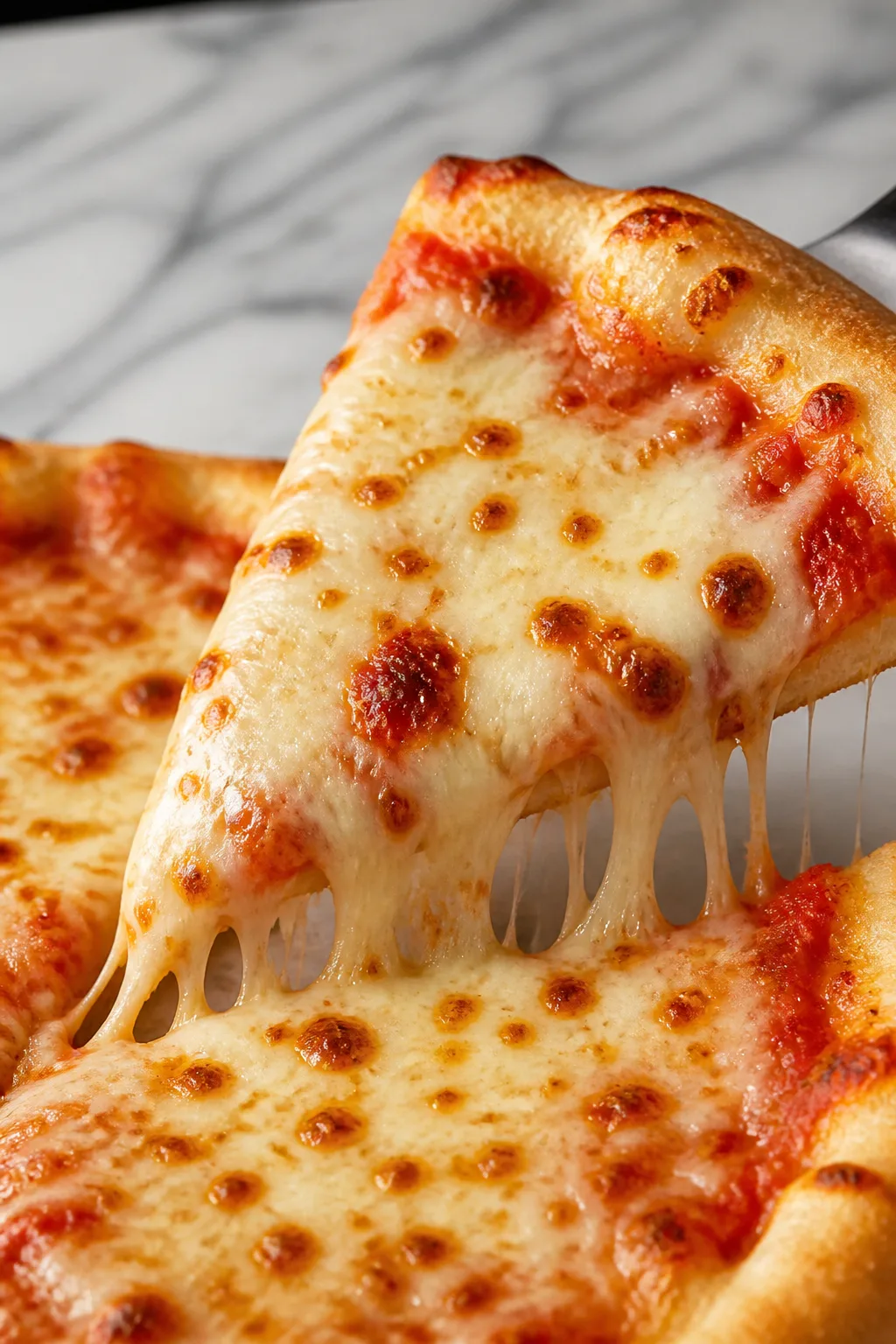
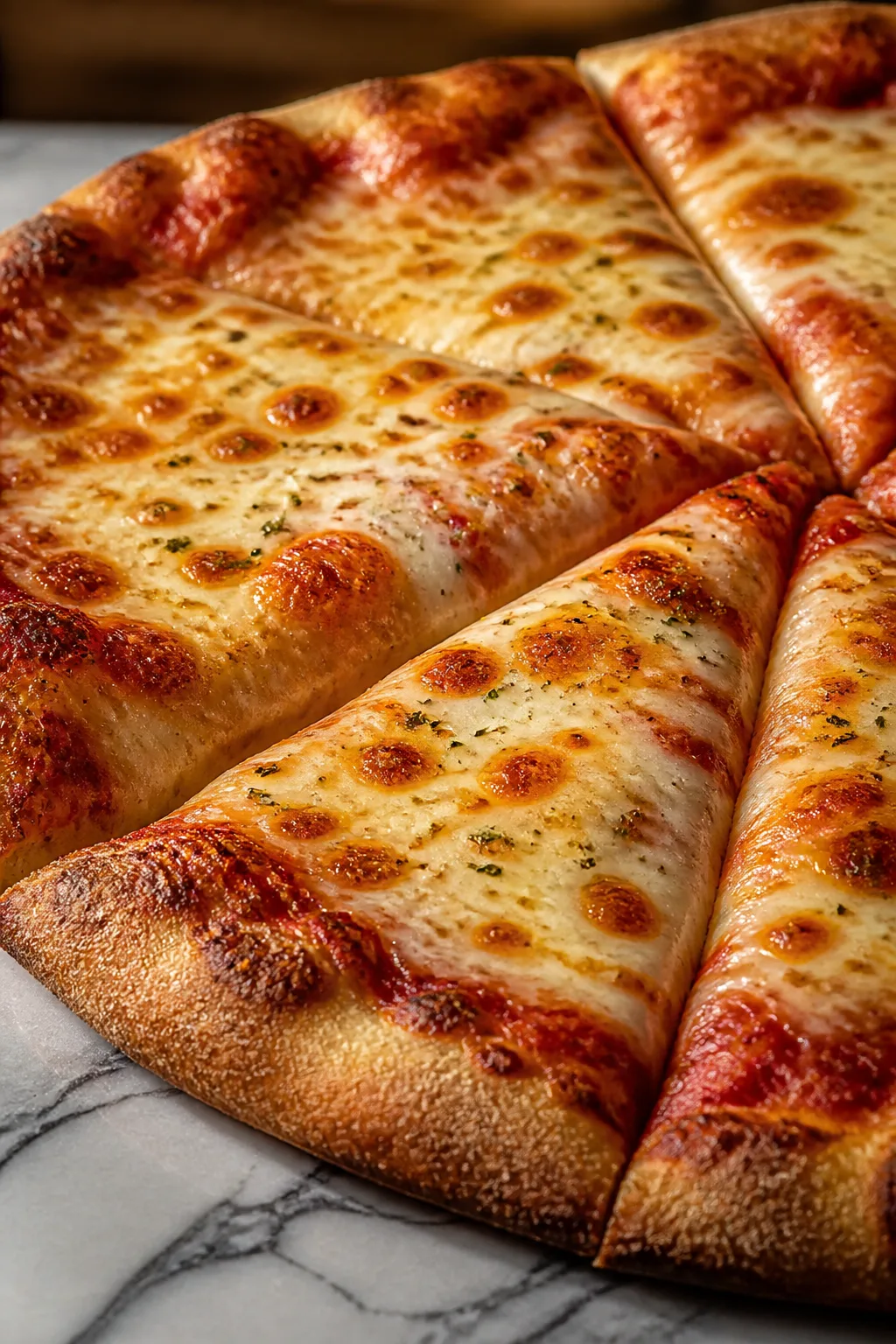
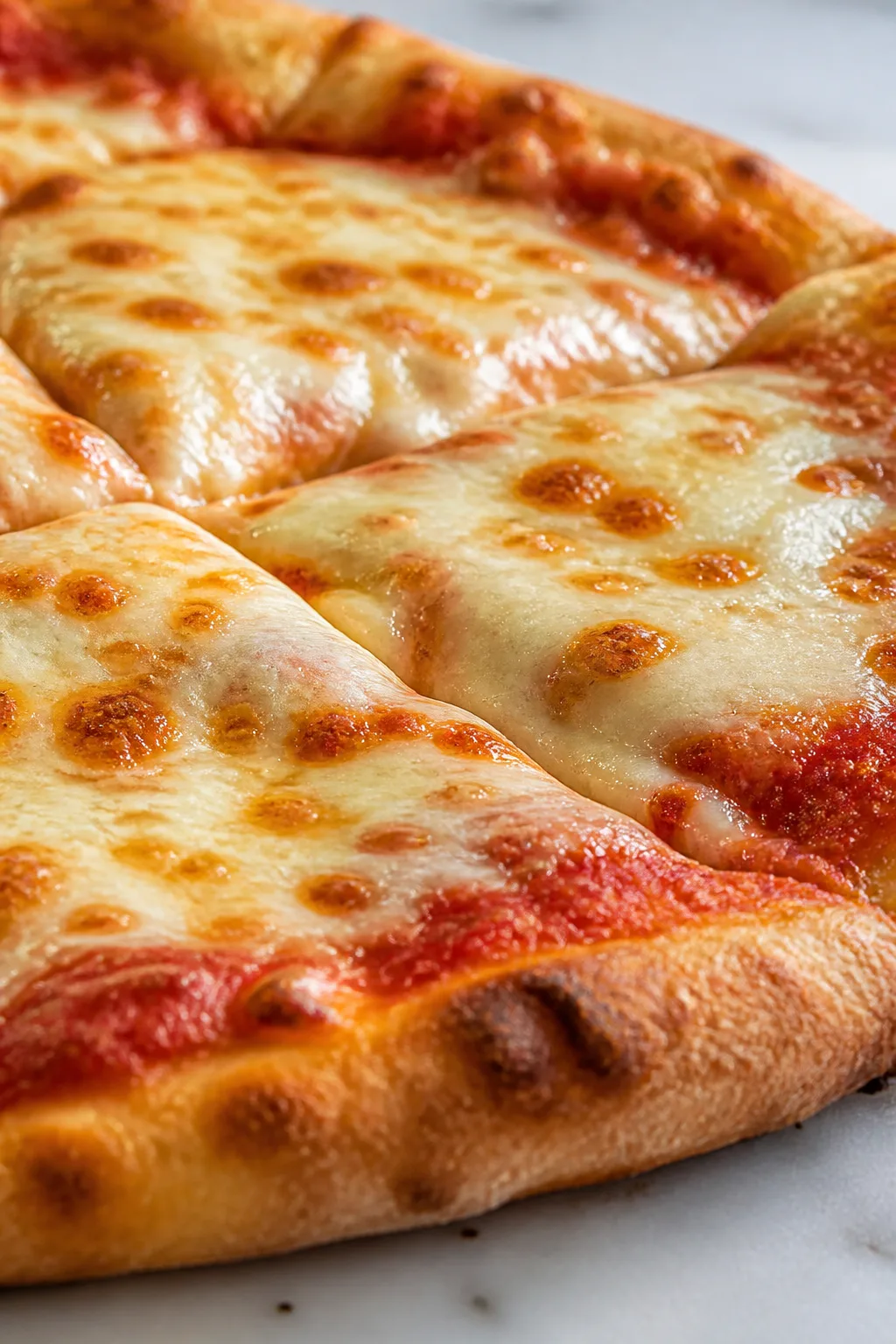
This cheese pizza hits all the comfort food marks—crispy crust, melty cheese, and a bright tomato sauce. It’s super easy to make from scratch and perfect for cozy nights in or casual get-togethers.
Introduction
I still remember the first time I made homemade pizza—it was a total game changer. I’d always thought pizza dough was tricky, but this simple recipe changed my mind. The dough comes together quickly and is surprisingly easy to work with, even if you’re not a pro. What makes this pizza stand out for me is the crispy yet tender crust and that gooey mozzarella that stretches with every bite. I like to keep the sauce straightforward—just crushed tomatoes seasoned lightly with oregano and garlic powder, so the cheese really shines. One trick I learned along the way is to let the dough rest enough to develop flavor but not so long that it gets too sticky. The finished pizza looks rustic with bubbling cheese and a golden crust, and it’s always a hit whether it’s a weeknight dinner or a casual weekend treat. Plus, making it at home means you can control the ingredients and customize it to your liking. I hope you enjoy making this as much as I do—it’s truly comfort food at its best!
What You'll Need
One 12-inch pizza, 4 servings
- 2 1/4 teaspoons active dry yeast (one packet), room temperature
- 1 1/2 cups warm water (110°F/45°C)
- 3 1/2 cups all-purpose flour, plus extra for dusting
- 2 tablespoons olive oil, plus extra for bowl
- 1 teaspoon sugar
- 1 teaspoon salt
- 1 1/2 cups canned crushed tomatoes
- 1 teaspoon dried oregano
- 1 teaspoon garlic powder
- 1/2 teaspoon salt (for sauce)
- 2 cups shredded mozzarella cheese
How To Do It
Step 1
Start by proofing the yeast to make sure it’s active. Mix the yeast with warm water and the sugar in a bowl and let it sit for about 5-10 minutes until it becomes frothy. This step is crucial because if the yeast doesn’t bubble up, your dough won’t rise properly. Using water that’s too hot can kill the yeast, so keep it warm but not scalding. If it doesn’t foam, it’s best to start over with fresh yeast.
⏱ Time: 10
✓ Doneness: Yeast mixture looks foamy and bubbly on top
Step 2
In a large bowl, combine the flour and salt. Make a well in the center and pour in the yeast mixture along with the olive oil. Stir with a wooden spoon or your hand until the dough starts to come together. Knead the dough on a floured surface for about 8-10 minutes until it’s smooth and elastic. Proper kneading develops gluten, which gives the crust its chewy texture. Avoid adding too much flour during kneading to keep the dough soft.
⏱ Time: 10
✓ Doneness: Dough is smooth, elastic, and slightly tacky but not sticky
Step 3
Lightly oil a clean bowl and place the dough inside, turning it to coat all sides with oil. Cover with a damp cloth or plastic wrap and let it rise in a warm spot for about 1 to 1.5 hours, until it doubles in size. This resting period allows the yeast to ferment, producing gas that makes the dough airy and light. Don’t rush this step; a proper rise is key for a fluffy crust.
⏱ Time: 60
✓ Doneness: Dough has doubled in size and looks puffy
Step 4
Preheat your oven to 475°F (245°C). If you have a pizza stone, place it in the oven to heat up as well. Punch down the dough gently to release air bubbles and transfer it to a floured surface. Roll or stretch the dough into a 12-inch circle. Be gentle to keep some air in the dough for that nice crust texture. If the dough resists stretching, let it rest a few more minutes.
⏱ Time: 10
✓ Doneness: Dough forms a roughly 12-inch circle without tearing
Step 5
Spread the seasoned crushed tomato sauce evenly over the dough, leaving about an inch border for the crust. The sauce should be thin enough to not weigh down the dough but flavorful enough to complement the cheese. Overloading with sauce can make the crust soggy, so keep it light and even.
⏱ Time: 5
✓ Doneness: Sauce is evenly spread with no thick puddles
Step 6
Sprinkle the shredded mozzarella cheese generously over the sauce. Use fresh, good-quality mozzarella if possible for the best melt and flavor. Don’t overload or the pizza might get greasy and heavy. The cheese layer should be thick enough to melt into a gooey blanket but not so thick that it overwhelms the crust.
⏱ Time: 5
✓ Doneness: Cheese covers sauce evenly with no bare spots
Step 7
Transfer the pizza onto the preheated pizza stone or a baking sheet and bake for 12-15 minutes. The high heat helps achieve a crispy crust and bubbly cheese. Keep an eye on the pizza to avoid burning; the crust should be golden brown and the cheese melted with some brown spots.
⏱ Time: 15
✓ Doneness: Crust is golden and cheese is bubbly and lightly browned
Step 8
Once baked, remove the pizza from the oven and let it rest for 3-5 minutes before slicing. This resting time lets the cheese set a bit, making it easier to cut and eat without the cheese sliding off. Cutting too early can cause a mess and lose those perfect cheese strings.
⏱ Time: 5
✓ Doneness: Pizza slightly cool but cheese still melty
Step 9
Slice the pizza with a sharp pizza cutter or large knife. Serve immediately for the best taste and texture. Enjoy the crispy crust, gooey cheese, and fresh tomato sauce all in one bite. This pizza is best eaten warm and fresh, though leftovers reheat nicely.
⏱ Time: 2
✓ Doneness: Slices hold shape and cheese stretches nicely
Pro Tips
Use a pizza stone or preheated baking steel for the best crust.
A pizza stone or steel retains high heat and evenly distributes it, mimicking professional pizza ovens. This helps the crust crisp quickly without drying out, producing a superior texture. Baking on a cold surface results in a soggy, undercooked bottom.
Don’t overload the pizza with sauce or cheese.
Too much sauce or cheese adds excess moisture and weight, causing the dough to become soggy and heavy. A thin, even layer allows the crust to crisp and the flavors to balance perfectly. It also prevents greasy spots and ensures the pizza cooks evenly.
Let the dough rise in a warm, draft-free spot.
Yeast activity depends on consistent warmth. A cold environment slows fermentation and can result in dense dough. Avoid drafts that cool the dough surface. A warm kitchen counter or inside an off oven with the light on works well for steady rising.
Use room temperature ingredients for even dough mixing.
Cold ingredients can slow down yeast activation and make the dough harder to knead. Room temperature water and oil blend better with flour, promoting uniform gluten development and a smoother dough. This helps achieve a consistent rise and texture.
Rest the dough briefly if it resists stretching.
If the dough snaps back when stretched, it means the gluten is too tight. Letting it rest for 5-10 minutes relaxes the gluten strands, making it easier to shape without tearing. Skipping this can make shaping frustrating and result in a tough crust.
Bake pizza immediately after shaping for best results.
Once shaped, the dough begins to dry out and lose its airy texture. Baking right away preserves the lightness and crispness of the crust. Waiting too long can cause a tough or chewy crust and uneven cooking.
Use a sharp pizza cutter for clean slices.
A dull knife can drag the cheese and toppings, making slices messy and uneven. A sharp wheel cutter cuts cleanly through the crust and melted cheese, preserving the pizza’s structure and appearance for a better eating experience.
Common Mistakes to Avoid
Using water that’s too hot to proof yeast.
Why it happens Many cooks think hotter water speeds up yeast activation, but water above 120°F kills yeast cells, preventing the dough from rising.
Fix Always test water temperature with a thermometer or by touch (should feel warm, not hot). Use 105-110°F water to activate yeast effectively and ensure a good rise.
Adding too much flour during kneading.
Why it happens Sticky dough can be intimidating, so cooks often add flour aggressively to make it manageable, but this dries out the dough.
Fix Use just enough flour to keep the dough from sticking to your hands and surface. The dough should be tacky but not sticky. Over-flouring leads to a dense, dry crust.
Skipping the dough resting period after kneading.
Why it happens Eager cooks want to move fast and skip resting, but this short rest lets gluten relax and makes shaping easier.
Fix Even a brief 10-15 minute rest after kneading helps the dough become more elastic and easier to stretch, preventing tearing and improving texture.
Using low-quality or pre-shredded cheese.
Why it happens Pre-shredded cheese is convenient but often contains anti-caking agents that prevent smooth melting.
Fix Use freshly shredded mozzarella for the best melt and flavor. It creates that perfect gooey texture and browns nicely.
Not preheating the oven or pizza stone properly.
Why it happens Some skip preheating to save time, but pizza cooks best on a very hot surface.
Fix Preheat the oven and pizza stone for at least 30 minutes to ensure the crust crisps quickly and cooks evenly.
Variations
Add Fresh Basil and Garlic for a Classic Margherita Twist
Top your cheese pizza with fresh basil leaves and thinly sliced garlic before baking. This adds a fragrant herbal note and a little zing that elevates the simple cheese pizza to something special. Expect a bright, fresh flavor with the same satisfying crust and cheese melt.
Note: Add fresh basil after baking to avoid burning. Garlic can be gently sautéed or added raw for a more intense flavor, but avoid overpowering the cheese.
Use Whole Wheat Flour for a Healthier Crust
Swap half or all of the all-purpose flour with whole wheat flour for added fiber and a nuttier flavor. The crust will be heartier and slightly denser but still delicious. This variation is great if you want a wholesome twist without sacrificing texture.
Note: Whole wheat flour absorbs more water, so you may need to adjust hydration slightly. Knead well to develop gluten and allow a longer rise time.
Make a Spicy Cheese Pizza with Red Pepper Flakes and Jalapeños
Add a kick by sprinkling red pepper flakes over the cheese and topping with sliced jalapeños before baking. This spicy variation pairs beautifully with the creamy mozzarella and tangy tomato sauce for a bold flavor profile.
Note: Adjust the amount of chili to your heat preference. Remove seeds from jalapeños to reduce spiciness if desired.
Try a Four Cheese Blend Instead of Just Mozzarella
Mix mozzarella with parmesan, fontina, and provolone for a richer, more complex cheese flavor. This combination melts beautifully and adds depth, making the pizza taste gourmet while keeping it homey and comforting.
Note: Grate all cheeses finely and mix evenly. Be mindful of salt levels as parmesan is quite salty.
Make Mini Cheese Pizzas for Fun Individual Servings
Divide the dough into smaller balls and make mini pizzas perfect for parties or kids. These cook faster and allow everyone to customize their toppings. The crust stays crispy and the cheese melty, just in a cute, handheld size.
Note: Reduce baking time to 8-10 minutes and watch closely to avoid burning due to smaller size.
Nutrition
Per Serving:
Nutritional values are estimates and may vary based on specific ingredients used.
Storage & Tips
Room Temperature
You can keep leftover pizza at room temperature for up to 2 hours if covered loosely with foil or a clean kitchen towel. Beyond that, bacteria can grow, so refrigerate leftovers promptly.
Refrigerator
Store pizza slices in an airtight container or wrapped tightly in plastic wrap for up to 3 days. The crust may become a bit chewy when cold, so reheat before eating for best texture and flavor.
Freezer
Freeze leftover pizza slices individually wrapped in plastic wrap and foil for up to 2 months. Thaw in the fridge overnight before reheating to preserve texture and prevent sogginess.
Reheating
Reheat pizza on a baking sheet in a 375°F oven for 8-10 minutes until warmed through and the crust crisps up again. Avoid microwaving as it makes the crust soggy. You can add a splash of water on a pan and cover to steam slightly if cheese feels dry.
Make Ahead
Prepare the dough 1 day ahead and refrigerate it tightly wrapped. Let it come to room temperature before shaping. You can also make the sauce a day in advance to deepen flavors. Assemble and bake right before serving for freshest pizza.
FAQ
Can I use instant yeast instead of active dry yeast?
Yes, you can substitute instant yeast for active dry yeast, usually using about 25% less. Instant yeast can be mixed directly with flour without proofing, which can save time. However, proofing active dry yeast ensures it’s alive and gives you a chance to catch any inactive yeast before mixing.
Why is my pizza crust tough instead of crispy?
Tough crust often results from over-kneading, too much flour, or under-hydrated dough. Also, baking at too low a temperature or not using a preheated stone can prevent proper crisping. Follow the recipe’s kneading and baking instructions closely, and use a hot oven for a crispy crust.
Can I make the dough without a stand mixer?
Absolutely! This recipe is designed for hand kneading. Use a large bowl and your hands to mix and knead the dough on a floured surface. It might take a bit more effort, but you’ll get a great result with a little patience.
How do I store leftover pizza dough?
Wrap the dough tightly in plastic wrap or place in an airtight container and refrigerate for up to 3 days. For longer storage, freeze the dough for up to 3 months. Thaw overnight in the fridge before using and let come to room temperature before shaping.
Can I substitute fresh tomatoes for canned crushed tomatoes?
You can, but fresh tomatoes need to be peeled, seeded, and cooked down to a sauce consistency, which takes more time. Canned crushed tomatoes provide consistent flavor and texture, making them more convenient and reliable for pizza sauce.
What’s the best way to reheat leftover pizza?
Reheating in the oven on a baking sheet at 375°F for about 8-10 minutes crisps the crust nicely and melts the cheese without drying it out. Avoid microwaving to prevent soggy crust. Adding a little water to a pan and covering can help steam the cheese if it feels dry.
How can I make my pizza spicier?
Try adding red pepper flakes to the sauce or sprinkling them over the cheese before baking. You can also add sliced jalapeños or other hot peppers. Adjust amounts to your heat tolerance and add fresh herbs afterward to balance flavors.
Why does my dough stick so much when shaping?
Sticky dough usually means it’s too wet or hasn’t rested enough. Use flour sparingly on your hands and surface to prevent sticking but avoid over-flouring. Letting the dough rest relaxes gluten and makes it easier to handle.
Final Thoughts
I hope you enjoy making and eating this classic cheese pizza as much as I do! Don’t forget to share your pizza pics and let me know how it turns out.