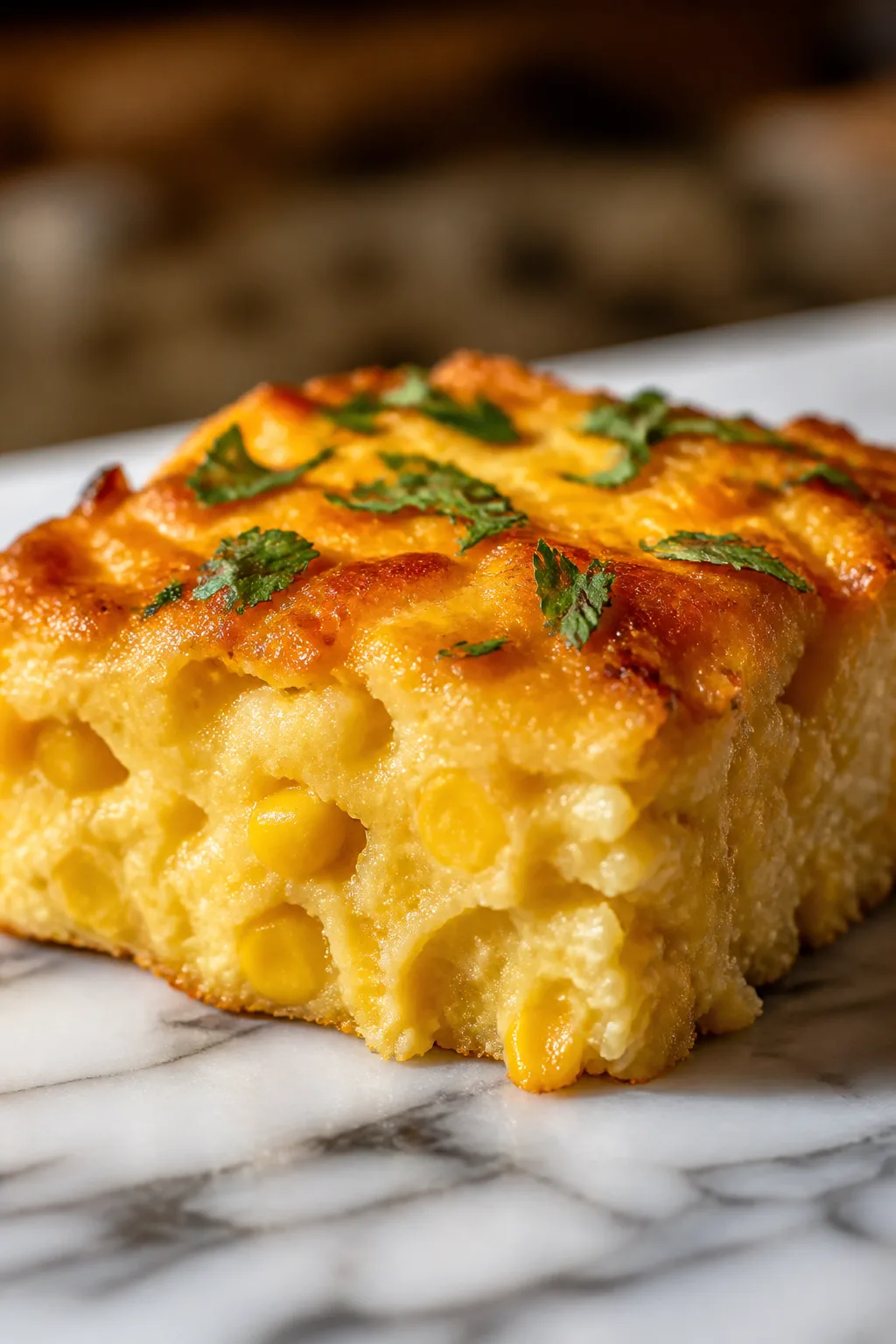
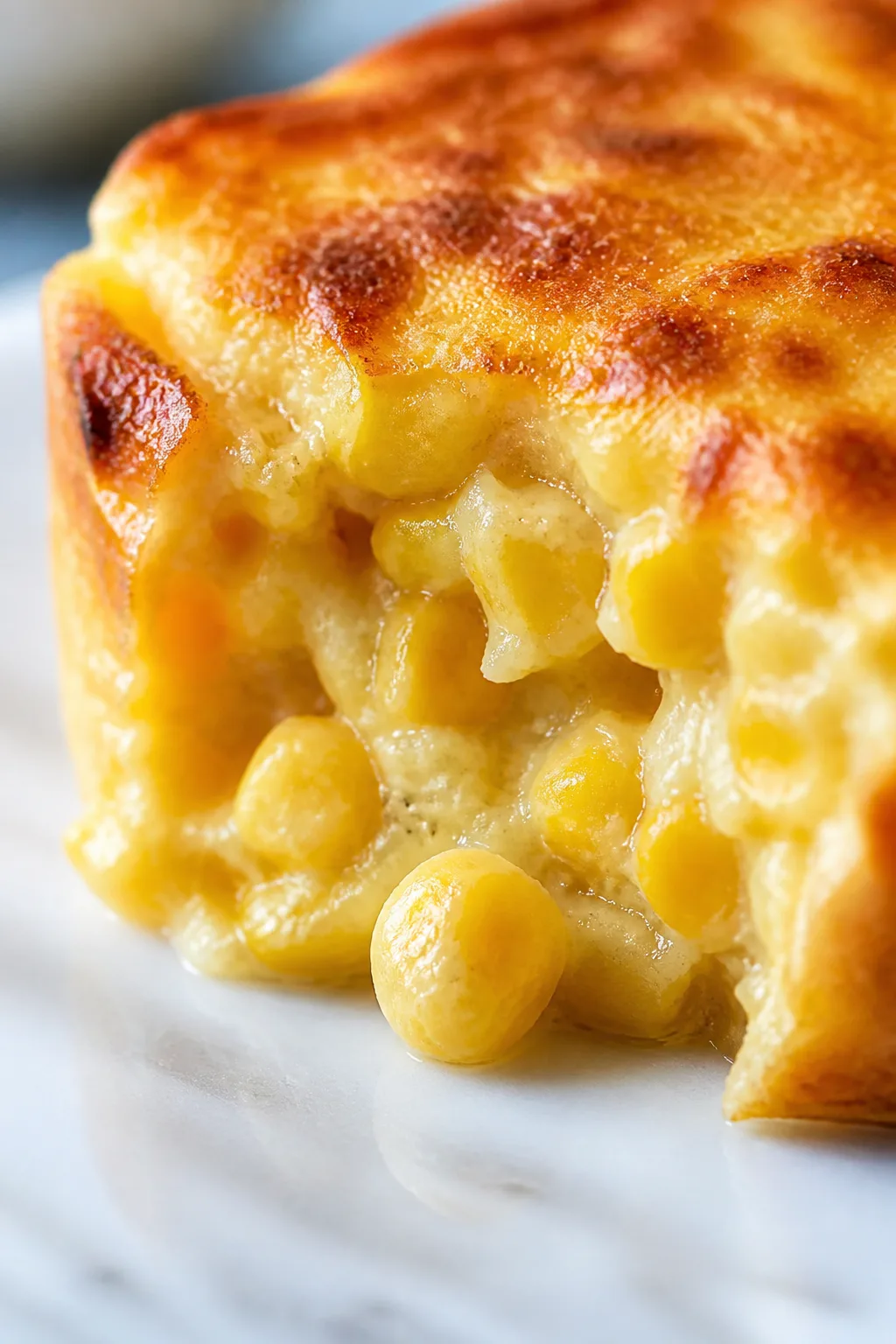
This corn pudding is a creamy, comforting side that’s been a staple in my family for years. The custardy texture with sweet corn kernels makes it perfect for holiday dinners or chilly nights.
Introduction
I first stumbled upon this corn pudding recipe during a chilly Thanksgiving a few years back, and it instantly became a family favorite. What I love most is how it balances the natural sweetness of corn with a rich, custardy texture that feels like a warm hug. Unlike other versions that can feel too dense or overly sweet, this one is light but creamy, thanks to the blend of milk and heavy cream. The secret I learned was to whisk the eggs gently into the milk and cream mixture before combining with the dry ingredients, which keeps it silky smooth without any lumps. Also, using a bit of baking powder gives it just the right lift so it’s not flat. When it comes out of the oven, it’s golden on top with a soft, almost pudding-like center, making it perfect as a comforting side for holiday dinners or any time you want a little cozy indulgence. Honestly, I’ve tried other recipes, but this one always wins me over with its simplicity and that nostalgic homemade feel.
What You'll Need
Approximately 6 cups, 6 servings
- 2 cups fresh or frozen corn kernels, thawed if frozen
- 1 cup whole milk
- 1/2 cup heavy cream
- 3 large eggs
- 1/4 cup unsalted butter, melted
- 1/4 cup all-purpose flour
- 2 tablespoons granulated sugar
- 1 teaspoon salt
- 1/2 teaspoon black pepper
- 1/2 teaspoon baking powder
How To Do It
Step 1
Preheat your oven to 350°F (175°C) and lightly grease a 2-quart baking dish. This step ensures the pudding won’t stick and will brown evenly. Using a good-quality baking dish helps distribute heat properly, so your pudding cooks through without drying out or burning on the edges.
⏱ Time: 10 minutes
✓ Doneness: Oven preheated and baking dish greased evenly
Step 2
In a large bowl, whisk together the eggs, milk, and heavy cream until fully combined and smooth. This mixture forms the custard base, so whisking well ensures a silky texture without lumps. If you rush this step, the eggs might cook unevenly later, causing curdling.
⏱ Time: 5 minutes
✓ Doneness: Mixture is pale, smooth, and homogenous
Step 3
Stir in the melted butter and sugar to the egg mixture. The butter adds richness and moisture, while the sugar enhances the natural sweetness of the corn. Make sure the butter isn’t too hot to avoid scrambling the eggs.
⏱ Time: 3 minutes
✓ Doneness: Mixture is glossy and slightly thickened
Step 4
In a separate bowl, sift together the flour, baking powder, salt, and black pepper. Sifting removes lumps and incorporates air, which helps the pudding rise and stay light. Skipping this can lead to dense or uneven texture.
⏱ Time: 5 minutes
✓ Doneness: Dry ingredients are well combined and aerated
Step 5
Gradually fold the dry ingredients into the wet custard mixture, mixing gently just until combined. Overmixing develops gluten, which can make the pudding tough instead of tender and creamy.
⏱ Time: 4 minutes
✓ Doneness: Batter is smooth with no flour streaks
Step 6
Fold in the corn kernels carefully, distributing them evenly throughout the batter. This ensures every bite has a nice burst of corn flavor and texture. Avoid stirring too vigorously to keep the batter light.
⏱ Time: 3 minutes
✓ Doneness: Corn is evenly dispersed without breaking kernels
Step 7
Pour the mixture into the prepared baking dish, smoothing the top with a spatula. This helps the pudding bake evenly and develop a nice golden crust on top.
⏱ Time: 2 minutes
✓ Doneness: Batter is evenly spread with a smooth surface
Step 8
Bake uncovered in the preheated oven for 30-35 minutes. The heat will gently set the custard while allowing the top to turn golden and slightly crisp. Avoid opening the oven door frequently to keep the temperature stable.
⏱ Time: 30-35 minutes
✓ Doneness: Top is golden brown and a knife inserted comes out mostly clean
Step 9
Let the pudding rest for 10 minutes before serving. This allows it to firm up slightly and makes it easier to slice. The resting also helps the flavors meld and the texture become perfectly creamy.
⏱ Time: 10 minutes
✓ Doneness: Pudding is set but still soft and creamy inside
Pro Tips
Use room temperature eggs and dairy for smooth custard.
Cold ingredients can cause the eggs to seize when mixed, resulting in curdling or lumps. Bringing them to room temperature helps everything blend evenly, producing a silky custard without graininess.
Don’t overmix the batter once you add flour.
Overmixing flour develops gluten, which toughens the pudding. Gently fold just until combined to keep the texture tender and creamy.
Let the pudding rest after baking before slicing.
Resting allows the custard to set fully and moisture to redistribute, making it easier to cut and enhancing the creamy texture.
Use fresh or thawed frozen corn for best flavor and texture.
Fresh corn has a natural sweetness and snap that canned corn lacks. Frozen corn retains flavor well if properly thawed and drained, preventing watery pudding.
Grease your baking dish well to prevent sticking.
A well-greased dish ensures the pudding releases easily, preserving its shape and making serving cleaner.
Avoid opening the oven door frequently while baking.
Oven temperature fluctuations can cause the custard to cook unevenly or collapse, affecting texture and appearance.
Use a shallow baking dish for even cooking.
A shallow dish allows heat to penetrate evenly, ensuring the pudding cooks through without drying out or undercooked centers.
Common Mistakes to Avoid
Skipping the baking powder
Why it happens Some cooks assume baking powder isn’t necessary in custards, thinking eggs alone will set it. This leads to a dense, flat pudding.
Fix Always include the baking powder to add lightness and lift. It reacts during baking to create tiny air pockets, resulting in a tender, fluffy texture.
Using canned corn instead of fresh or frozen
Why it happens Canned corn is convenient, so cooks often default to it without realizing it affects texture.
Fix Opt for fresh or frozen corn to retain that sweet, crisp bite. If canned is your only option, drain thoroughly and reduce added liquid slightly.
Overmixing after adding flour
Why it happens In the rush to combine, it’s easy to stir vigorously, which develops gluten.
Fix Fold gently and stop as soon as the flour disappears to keep the pudding tender and creamy.
Not letting the pudding rest before serving
Why it happens Impatience or lack of awareness leads to slicing immediately, causing it to fall apart.
Fix Allow at least 10 minutes to rest so the custard firms up and slices cleanly.
Using cold ingredients straight from the fridge
Why it happens Many forget to bring eggs and dairy to room temperature, leading to uneven mixing.
Fix Set ingredients out 20-30 minutes before starting to ensure smooth custard and even baking.
Variations
Cheesy Corn Pudding
Add 1 cup of shredded sharp cheddar cheese to the batter for a savory twist. This adds richness and depth, balancing the sweetness with a tangy note. Expect a slightly thicker texture and more robust flavor.
Note: Incorporate cheese after mixing wet and dry ingredients and fold gently to distribute evenly without overworking the batter.
Spicy Jalapeño Corn Pudding
Stir in 1-2 finely chopped jalapeños and a pinch of cayenne pepper for a subtle heat that complements the sweetness. This variation livens up the classic and pairs well with grilled meats.
Note: Add jalapeños along with corn kernels, and adjust spice level based on preference to avoid overpowering the custard.
Herbed Corn Pudding
Mix in fresh herbs like thyme, parsley, or chives for a fresh, aromatic flavor. This brightens the dish and adds complexity, making it perfect for spring or summer meals.
Note: Fold herbs in at the end to preserve their color and flavor without wilting.
Vegan Corn Pudding
Replace eggs with flax eggs and use coconut milk instead of dairy for a plant-based version. The texture will be slightly different—less custardy but still creamy and satisfying.
Note: Flax eggs require longer resting time to gel; bake at a slightly lower temperature to prevent drying.
Sweet Corn and Bacon Pudding
Add crispy cooked bacon bits for a smoky, salty crunch that contrasts beautifully with the sweet corn. This makes the pudding heartier and perfect for brunch or casual dinners.
Note: Sprinkle bacon on top halfway through baking to keep it crisp and flavorful.
Nutrition
Per Serving:
Nutritional values are estimates and may vary based on specific ingredients used.
Storage & Tips
Room Temperature
The corn pudding can safely sit at room temperature for up to 2 hours if covered loosely with foil or a clean cloth. Beyond that, bacteria growth increases, so refrigerate promptly.
Refrigerator
Store leftovers in an airtight container for up to 4 days. The pudding may firm up and lose some creaminess when cold, but reheating gently restores texture nicely.
Freezer
Freeze in a sealed container for up to 2 months. Wrap tightly with plastic wrap and foil to prevent freezer burn. Thaw overnight in the fridge before reheating to retain moisture.
Reheating
Reheat gently in a 325°F oven for 15-20 minutes, covered with foil to prevent drying out. Alternatively, microwave in short bursts with a splash of milk to revive creaminess. Avoid overheating, which can cause curdling.
Make Ahead
You can prepare the batter 1 day ahead and keep it covered in the fridge. Pour into the baking dish and bake just before serving. This saves time and helps flavors meld.
FAQ
Can I use canned corn instead of fresh or frozen?
While canned corn can be used in a pinch, it tends to be softer and less sweet, which can make the pudding watery or mushy. If you do use canned, drain it very well and reduce the liquid slightly in the recipe to compensate.
Why is my corn pudding watery after baking?
This often happens if the corn was not drained properly or if the custard wasn’t set fully. Make sure to thaw and drain frozen corn thoroughly and bake until the pudding is golden and a knife inserted comes out mostly clean.
Can I make this recipe gluten-free?
Yes! Substitute the all-purpose flour with a gluten-free flour blend or cornstarch. Keep in mind that texture may be slightly different, but it will still be delicious and creamy.
What’s the best way to reheat leftovers?
The oven is best for reheating to keep the texture intact—cover with foil to avoid drying out. Microwave works for quick reheats but add a splash of milk and heat in short intervals to prevent curdling.
Can I prepare the batter in advance?
Absolutely! You can mix the batter a day ahead and keep it covered in the fridge. Just give it a gentle stir before pouring into the baking dish and baking as usual.
Why does my pudding sometimes crack on top?
Cracking usually happens if the oven temperature is too high or the pudding is overbaked. Bake at the recommended temperature and check doneness early to prevent drying out.
Can I add cheese to this recipe?
Yes, adding cheese like cheddar can give a lovely savory depth. Fold in shredded cheese after combining wet and dry ingredients, and expect a slightly thicker, richer pudding.
Is it possible to make this vegan?
You can substitute eggs with flax eggs and use coconut or almond milk instead of dairy. The texture will be less custardy but still tasty. Adjust baking time slightly to accommodate these changes.
Final Thoughts
I hope you enjoy this cozy corn pudding as much as my family does! Give it a try and let me know how it turns out—sharing food memories is the best part.