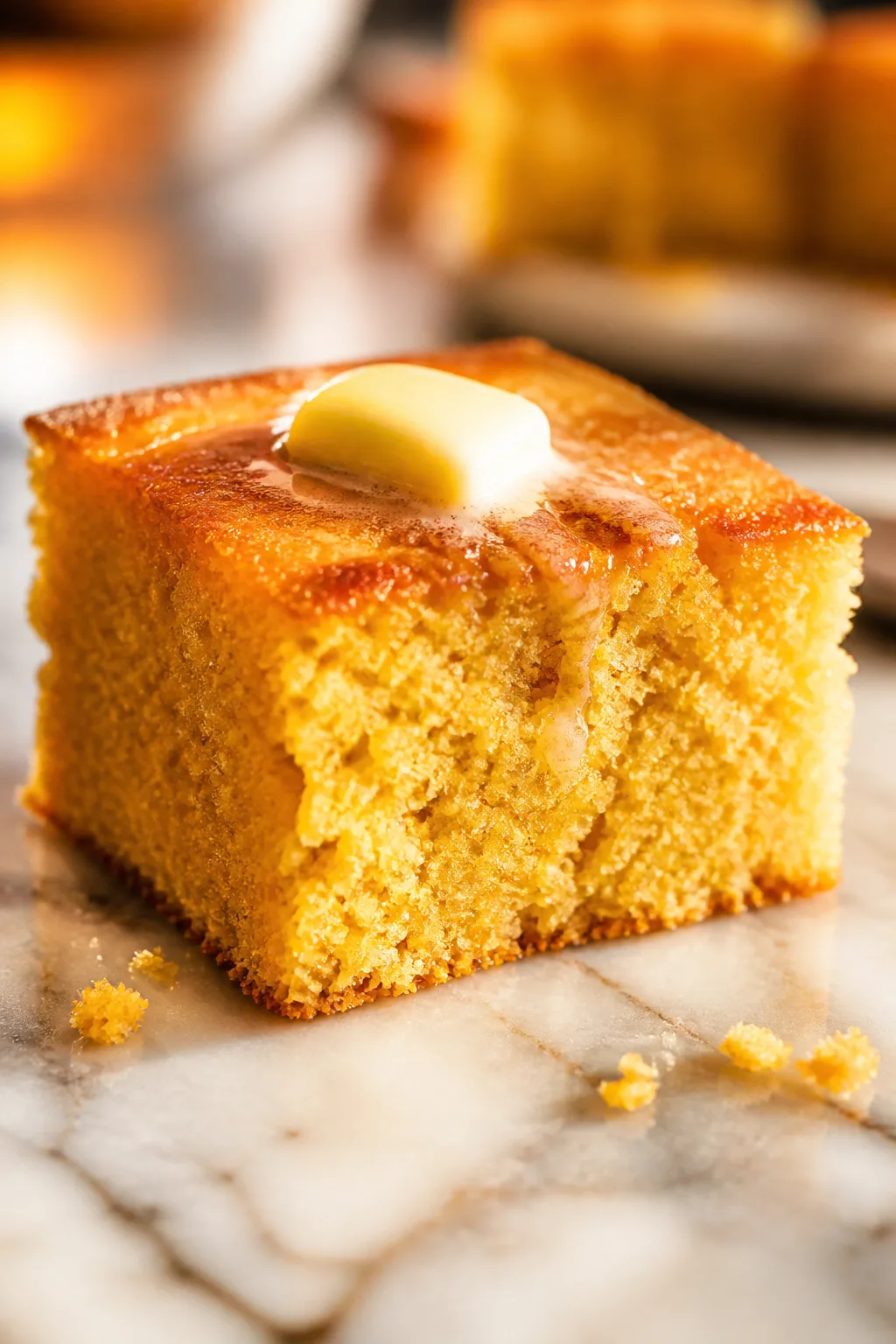
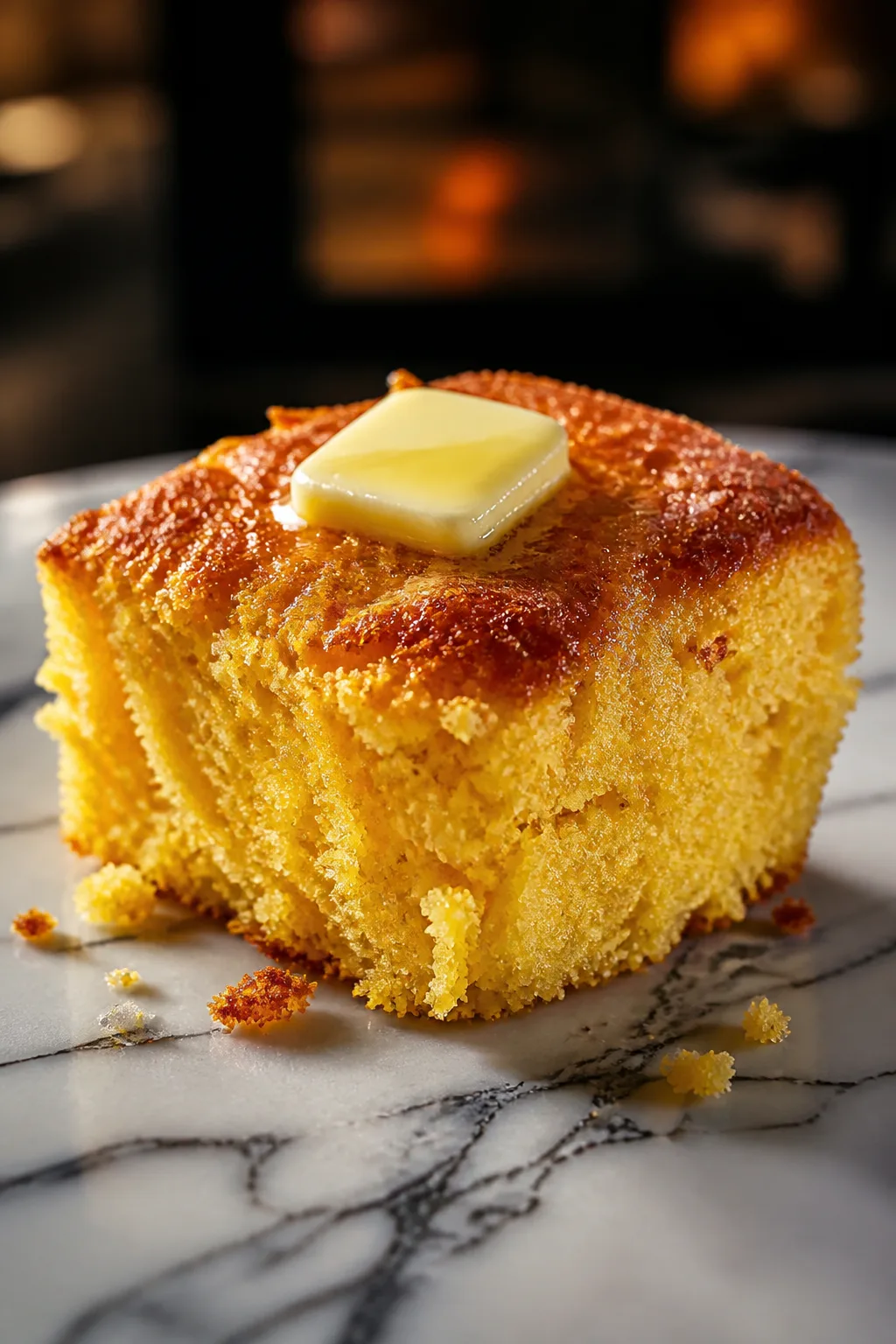
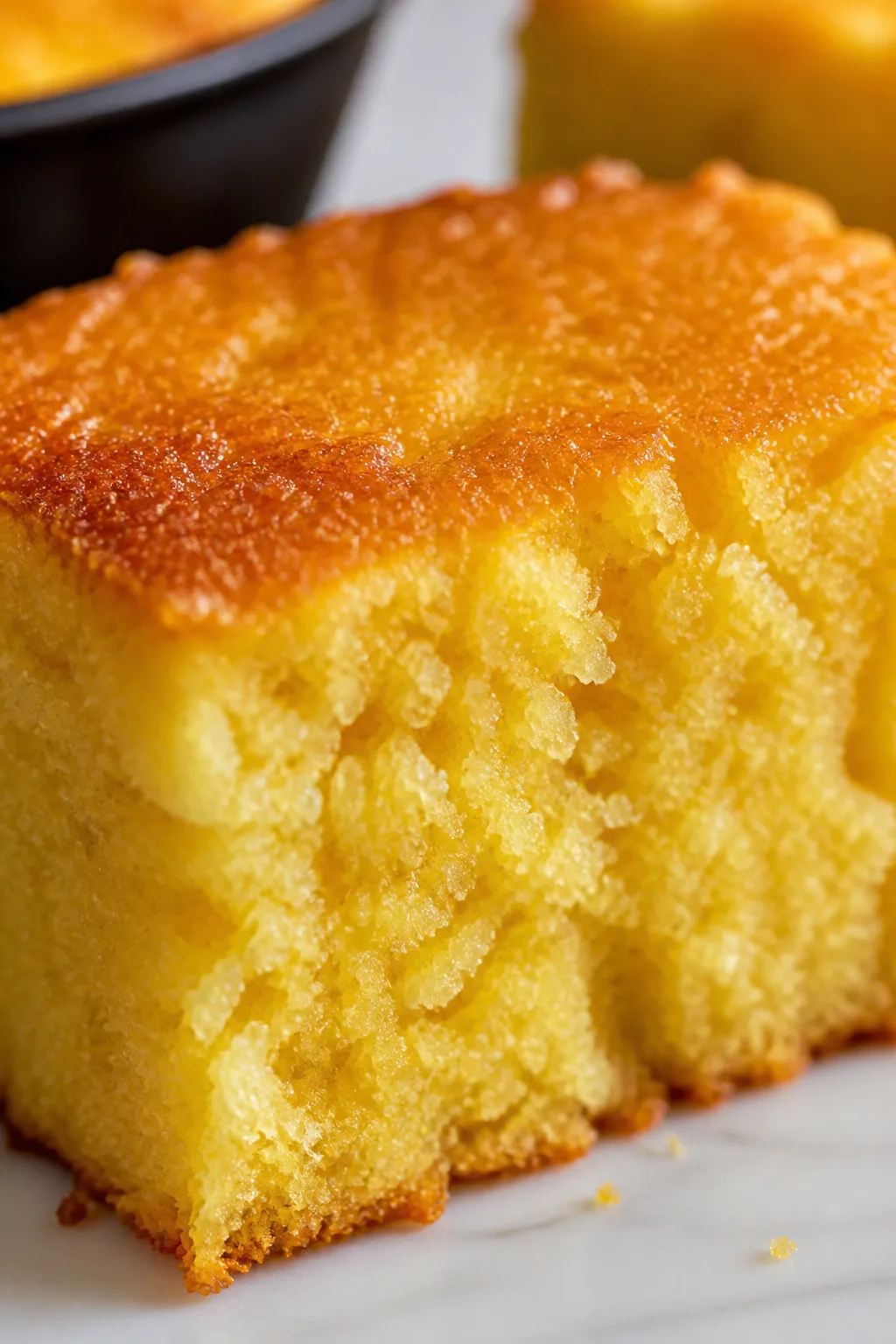
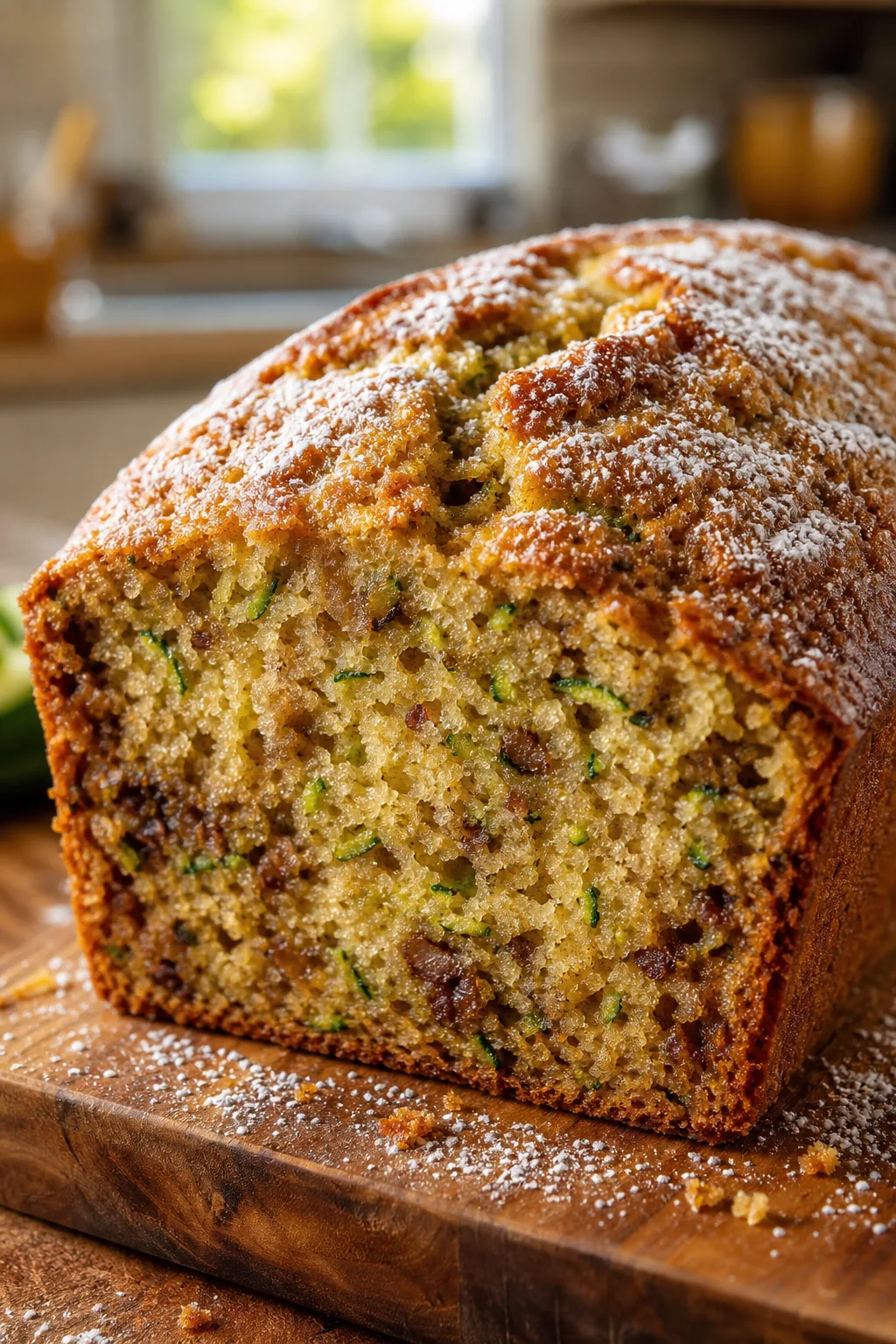
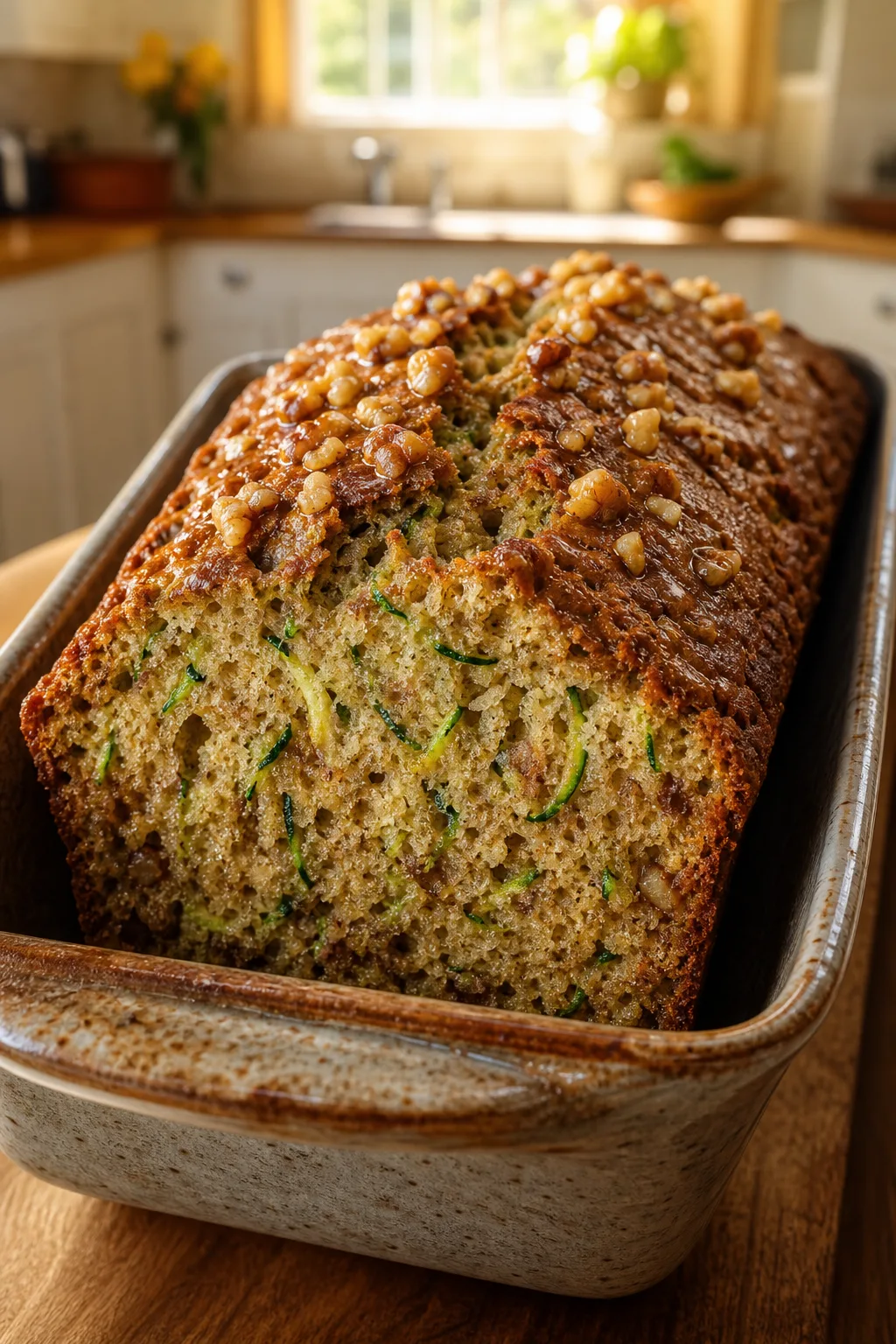
This cornbread is exactly what you want when you need that perfect balance of crispy edges and soft, moist inside. The buttermilk adds a subtle tang that keeps it from being dry. Great with chili or any cozy meal!
Introduction
I've been making this cornbread recipe for years, and it’s a real crowd-pleaser every time. I first stumbled upon it when looking for something that wasn’t dry or crumbly, which is a common problem with cornbread. What makes this version stand out is the use of buttermilk—it adds just the right amount of tang and moisture, giving the crumb a tender, almost cake-like softness without losing that classic cornbread bite. Another trick I learned is melting the butter and mixing it in with the wet ingredients instead of just pouring it on top; it helps the crust develop that beautiful golden color and slight crispness. When it comes out of the oven, you get this irresistible contrast of crunchy edges and a melt-in-your-mouth center. It’s perfect alongside a bowl of chili or just slathered with butter and honey for a cozy snack. Honestly, I’ve tried other recipes but always come back to this one because it’s reliable and delicious every time.
What You'll Need
Approximately 8 servings (1 9-inch square pan)
- 1 cup yellow cornmeal, medium grind
- 1 cup all-purpose flour
- 1/4 cup granulated sugar
- 1 tablespoon baking powder
- 1/2 teaspoon baking soda
- 1/2 teaspoon salt
- 1 cup buttermilk, cold
- 2 large eggs
- 1/4 cup unsalted butter, melted, plus extra for the pan
How To Do It
Step 1
Preheat your oven to 400°F (205°C) and generously butter a 9-inch square baking pan or cast-iron skillet. This step is crucial because the butter not only prevents sticking but also helps create a golden, crispy crust as the fat fries the edges of the batter while baking. Make sure the butter coats every corner to avoid any sticking spots.
⏱ Time: 10 minutes
✓ Doneness: Pan is evenly coated with melted butter and slightly warm to the touch.
Step 2
In a large bowl, whisk together the cornmeal, flour, sugar, baking powder, baking soda, and salt. Mixing these dry ingredients thoroughly ensures even distribution of the leavening agents, which helps the cornbread rise uniformly. Avoid sifting here to keep the texture hearty.
⏱ Time: 5 minutes
✓ Doneness: Dry ingredients are fully combined with no clumps.
Step 3
In a separate bowl, whisk the cold buttermilk and eggs until smooth. The cold buttermilk helps react with the baking soda for lift, while the eggs add structure and richness. Whisking well ensures the eggs are fully incorporated, preventing streaks in the batter.
⏱ Time: 3 minutes
✓ Doneness: Wet ingredients are smooth and uniform in color.
Step 4
Slowly pour the melted butter into the buttermilk and egg mixture, whisking constantly. This emulsifies the fat with the liquids, creating a smooth batter that bakes evenly. If you add the butter too quickly or pour it straight into the dry mix, you risk greasy pockets or uneven texture.
⏱ Time: 3 minutes
✓ Doneness: Batter looks smooth and slightly glossy.
Step 5
Pour the wet ingredients into the dry ingredients and gently fold together using a spatula. Mix just until combined—overmixing will develop gluten and make the cornbread tough. You want some small lumps for a tender crumb. Stop mixing as soon as you see no more dry flour.
⏱ Time: 2 minutes
✓ Doneness: Batter is thick but smooth with tiny lumps present.
Step 6
Transfer the batter to the prepared pan, spreading it evenly with a spatula. Smooth the top gently to ensure even rising. Don’t press too hard or you’ll compress the batter, affecting the crumb texture.
⏱ Time: 2 minutes
✓ Doneness: Batter is level and evenly spread in the pan.
Step 7
Bake in the preheated oven for 20-25 minutes. The high heat encourages a crispy crust while cooking the inside through. Avoid opening the oven door too often as it can cause the cornbread to collapse. Start checking at 20 minutes by inserting a toothpick in the center—it should come out clean or with a few moist crumbs.
⏱ Time: 20-25 minutes
✓ Doneness: Golden brown crust with toothpick coming out mostly clean.
Step 8
Remove the cornbread from the oven and let it cool in the pan for about 10 minutes. This resting time allows the crumb to set and makes slicing easier without crumbling. If you cut too soon, the cornbread may fall apart.
⏱ Time: 10 minutes
✓ Doneness: Cornbread feels firm to the touch but still warm.
Step 9
Slice into squares and serve warm with butter, honey, or alongside your favorite chili. The contrast of the crisp edges and soft interior is best enjoyed fresh, but leftovers can be reheated gently. Enjoy!
⏱ Time: Immediate
✓ Doneness: Slices hold shape and have a golden crust on edges.
Pro Tips
Always preheat your oven fully before baking cornbread.
A hot oven ensures the batter starts cooking immediately, which helps create that coveted crispy crust while keeping the interior moist. If the oven isn’t hot enough, the bread may bake unevenly and result in a pale, dense texture.
Don’t overmix the batter once you combine wet and dry ingredients.
Overmixing activates gluten in the flour, making the cornbread tough and chewy instead of tender. Mixing just until combined preserves the light crumb and keeps the bread from becoming dense.
Use a cast-iron skillet for baking if possible.
Cast iron distributes heat evenly and retains it well, which helps develop a wonderfully crisp crust all around. It also adds a rustic presentation that’s hard to beat. If you don’t have one, a well-buttered baking pan works fine.
Let the cornbread rest for 10 minutes before slicing.
Resting allows the crumb to set and moisture to redistribute, making the bread easier to cut without crumbling. Cutting immediately can cause the bread to fall apart or feel gummy.
Use fresh baking powder and baking soda.
Leavening agents lose potency over time, which can cause the bread to rise poorly and be dense. Test baking powder by mixing a small amount in warm water to see if it bubbles vigorously.
Add a little honey or sugar for a subtle sweetness.
Sweetness balances the cornmeal’s natural earthiness and the buttermilk’s tang, making the flavor more rounded and appealing. Adjust sugar to taste but don’t overdo it or you lose the classic cornbread character.
Use room temperature eggs for better mixing.
Room temperature eggs blend more easily into the batter, helping create a uniform mixture. Cold eggs can cause the melted butter to seize or curdle the mixture.
Common Mistakes to Avoid
Skipping buttering the pan
Why it happens Sometimes cooks assume non-stick pans don’t need extra fat, or they want to cut calories.
Fix Always butter your pan generously. The butter not only prevents sticking but also fries the edges during baking, creating the signature crispy crust essential to great cornbread.
Overmixing the batter
Why it happens It’s natural to want a smooth batter, but overmixing activates gluten.
Fix Mix just until the flour disappears. Some lumps are fine and actually help keep the crumb tender and light.
Using expired baking powder or baking soda
Why it happens Leavening agents lose potency over time, and it’s easy to forget to check freshness.
Fix Test your baking powder and soda before use. Replace if bubbles don’t form quickly in warm water to ensure proper rise.
Not preheating the oven
Why it happens Sometimes to save time, cooks put the batter in a cold oven.
Fix Always preheat your oven fully to 400°F. This jumpstarts the Maillard reaction for that golden crust and ensures even baking.
Cutting the cornbread when it’s too hot
Why it happens It’s tempting to dig in right away, but the bread is fragile when fresh out of the oven.
Fix Let the cornbread rest 10 minutes to set the crumb. This prevents crumbling and helps retain moisture.
Variations
Jalapeño Cheddar Cornbread
Add 1-2 diced jalapeños and 1 cup shredded sharp cheddar cheese to the batter for a spicy, cheesy twist. This variation adds a punch of flavor and pairs wonderfully with BBQ dishes or chili.
Note: Fold in jalapeños and cheese gently to avoid overmixing. Bake as usual but watch closely as cheese can brown quickly.
Honey Cornbread
Replace the granulated sugar with 1/4 cup honey for natural sweetness and a moist texture. Honey also helps brown the crust beautifully and adds a floral note.
Note: Reduce oven temperature by 25°F to prevent overbrowning due to honey’s sugars.
Gluten-Free Cornbread
Use a 1:1 gluten-free baking flour blend instead of all-purpose flour. The texture will be slightly different but still moist and tender, suitable for gluten-sensitive eaters.
Note: Add 1/2 teaspoon xanthan gum if your blend doesn’t contain it to improve structure.
Sweet Corn Kernels Cornbread
Fold in 1 cup fresh or frozen corn kernels for bursts of sweetness and texture. This adds a fresh, summery feel to the classic recipe.
Note: Drain frozen corn well to avoid adding excess moisture which can alter baking time.
Buttermilk Cornbread Muffins
Spoon the batter into a greased muffin tin for individual servings. These bake faster and are perfect for portion control or picnics.
Note: Reduce baking time to about 15-18 minutes and check with a toothpick for doneness.
Nutrition
Per Serving:
Nutritional values are estimates and may vary based on specific ingredients used.
Storage & Tips
Room Temperature
Cornbread can safely sit at room temperature for up to 2 hours when covered loosely with a clean towel or foil. Beyond this, it may dry out or become stale. Keep it covered to maintain moisture.
Refrigerator
Store leftover cornbread in an airtight container or wrapped tightly in plastic wrap for up to 4 days. The cornbread may firm up in the fridge, so reheat gently before serving to restore softness.
Freezer
Wrap cornbread tightly in plastic wrap and then foil to freeze for up to 3 months. To thaw, leave it overnight in the fridge or at room temperature for a few hours. Reheat in the oven to freshen the crust.
Reheating
Best reheated in a 350°F oven for about 10 minutes, uncovered, to revive the crust. You can also microwave slices for 20-30 seconds but the crust won’t be crisp. Adding a small pat of butter before reheating enhances moisture.
Make Ahead
You can mix the dry and wet ingredients separately and store them in airtight containers 1 day ahead. Combine and bake fresh the day of serving for best texture and flavor.
FAQ
Can I substitute regular milk for buttermilk?
Yes, you can make a buttermilk substitute by adding 1 tablespoon of lemon juice or white vinegar to 1 cup of milk and letting it sit for 5 minutes. This acidity is important for reacting with baking soda to make the cornbread rise and become tender. Using plain milk without acidity will result in a denser, less flavorful bread.
Why is my cornbread dry or crumbly?
Dryness usually happens if you overbake or overmix the batter. Overbaking removes moisture, and overmixing develops gluten, making it tough. Also, not using enough fat or buttermilk can cause dryness. Make sure to follow the timing closely and mix gently until just combined.
Can I make this cornbread vegan?
You can try substituting eggs with flax eggs (1 tablespoon ground flaxseed + 3 tablespoons water per egg) and use a plant-based milk with a splash of vinegar as buttermilk. Replace butter with vegan margarine or oil. Texture may vary slightly but it’s a good alternative.
How do I get a crispy crust on my cornbread?
Using melted butter to grease the pan and baking at a higher temperature (around 400°F) helps form a golden, crispy crust. Using a cast-iron skillet also improves crust texture by distributing heat evenly.
Can I add other flavors or ingredients to this cornbread?
Absolutely! Ingredients like cheese, herbs, jalapeños, or corn kernels add great flavor and texture. Just fold them in gently before baking to keep the batter light and adjust baking time if needed.
What’s the best way to store leftover cornbread?
Wrap leftovers tightly in plastic wrap or store in an airtight container. It keeps well in the fridge for 4 days and can be frozen for up to 3 months. Reheat in the oven to refresh the texture.
Can I bake this in muffin tins instead of a pan?
Yes, baking in muffin tins works well and produces individual servings. Reduce baking time to about 15-18 minutes. Keep an eye on them so they don’t dry out.
Why did my cornbread turn out dense and heavy?
Dense cornbread often means not enough leavening or overmixing. Make sure your baking powder and baking soda are fresh, and mix the batter gently. Also, measure ingredients accurately—too much flour or cornmeal can make it heavy.
Final Thoughts
Give this comforting cornbread a try and enjoy the perfect balance of crispy crust and tender crumb. I’d love to hear how it turns out for you—don’t forget to share your baking stories!