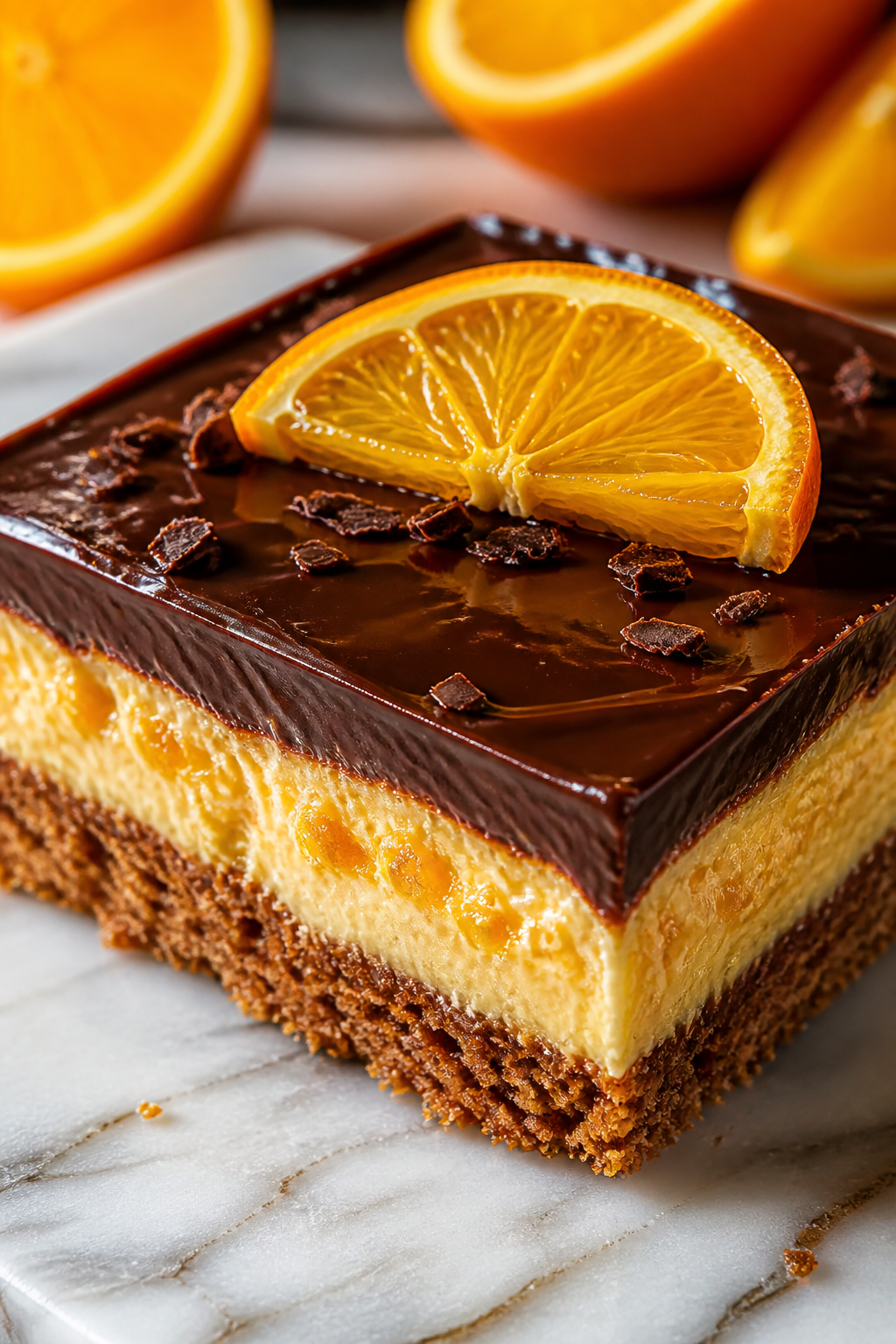
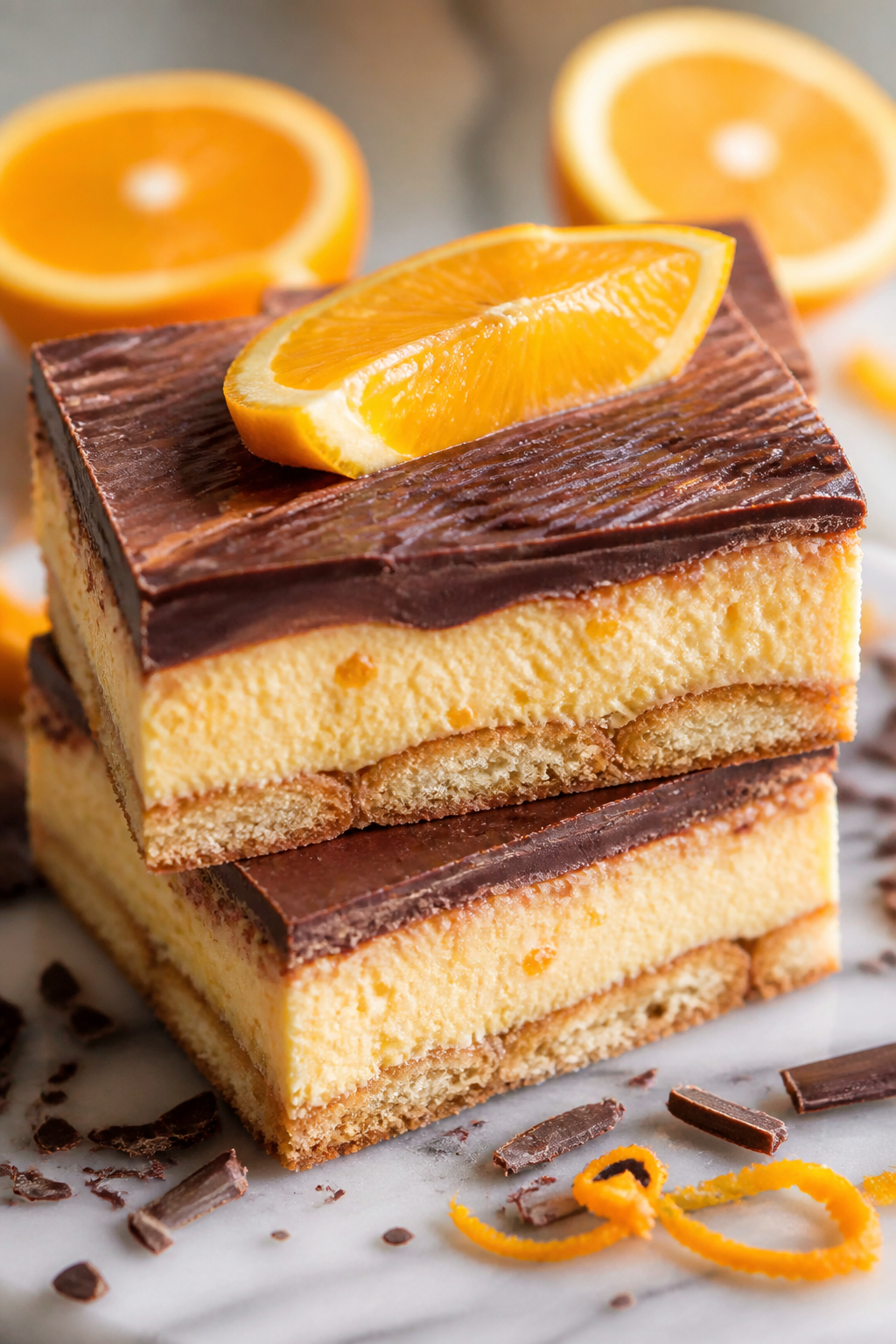
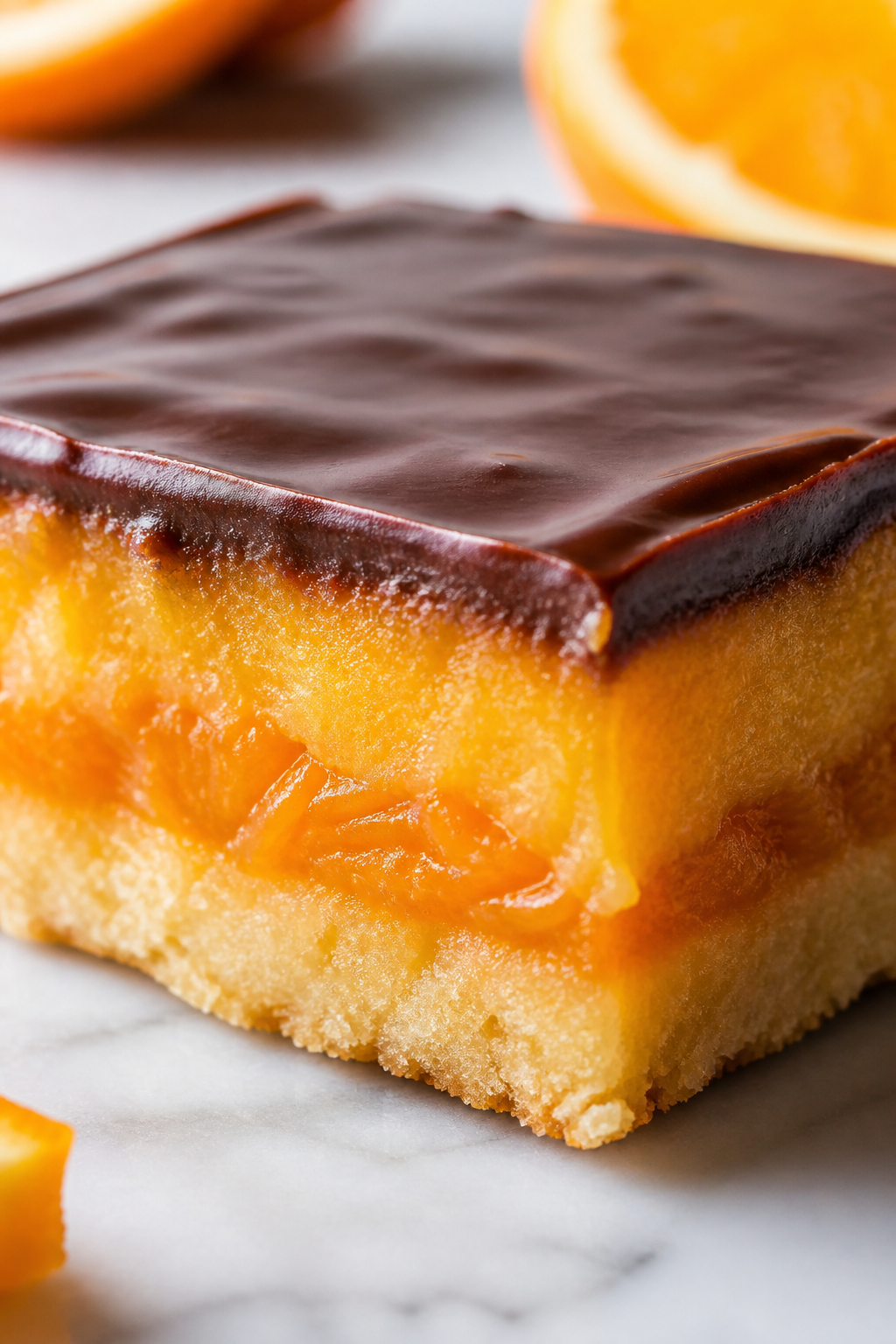
This orange slice is a throwback treat with a zesty citrus jelly sitting atop a sweet coconut base. The fresh orange zest really lifts the flavor, making it perfect for a cozy afternoon tea or simple dessert.
Introduction
I first discovered this orange slice recipe during a family gathering years ago, and it instantly became a favorite with everyone. What I love about this version is how the fresh orange zest truly makes the citrus flavor pop, giving it a brightness that store-bought jelly just can’t match. The base is a simple coconut layer that’s creamy and sweet without being overpowering. I’ve tried other recipes before, but the key trick here is melting the butter and mixing it well with the coconut and condensed milk to get that perfect chewy texture. Plus, letting the jelly set slowly in the fridge makes sure it’s firm enough to slice cleanly but still tender on the tongue. When you bite into one of these slices, you get this lovely contrast between the tangy, slightly tart jelly on top and the rich coconut base underneath. It’s the kind of treat that’s perfect with an afternoon cup of tea or as a light dessert after dinner. Honestly, it’s pretty forgiving too, so even if you’re new to making jelly slices, you’ll find this recipe straightforward and rewarding. I hope you enjoy making it as much as I do!
How To Do It
Step 1
Start by preparing the coconut base. In a mixing bowl, combine the desiccated coconut, sweetened condensed milk, melted butter, and fresh orange zest. Mix everything thoroughly until the coconut is evenly coated and the mixture feels sticky but pliable. This step is crucial because the butter and condensed milk bind the coconut together, giving the base a chewy texture that holds its shape once chilled. Avoid adding too much butter, or it might become greasy. Also, make sure the butter is just melted, not hot, to prevent curdling the condensed milk.
⏱ Time: 10 minutes
✓ Doneness: Mixture should feel moist, sticky, and hold together when pressed
Step 2
Press the coconut mixture firmly into a lined 8-inch square baking pan, ensuring the surface is level and compact. You can use the back of a spoon or your hands to smooth it out. Compacting well is important because it prevents the base from crumbling when sliced later. Place the pan in the fridge to chill while you prepare the jelly layer. Chilling the base first helps the jelly set faster and keeps the layers distinct.
⏱ Time: 5 minutes
✓ Doneness: Base is firm to the touch and evenly spread without cracks
Step 3
Pour the orange-flavored jelly crystals into a heatproof bowl and add the boiling water. Stir well until the jelly crystals are completely dissolved; this usually takes about 2-3 minutes. If the crystals aren’t fully dissolved, the jelly might set with a grainy texture. Let the mixture cool slightly before adding lemon juice. The lemon juice balances the sweetness and enhances the citrus flavor, but adding it while the jelly is too hot can affect the setting process.
⏱ Time: 7 minutes
✓ Doneness: Jelly mixture is clear with no visible granules and slightly cooled but still liquid
Step 4
Add the tablespoon of lemon juice to the cooled jelly mixture and stir gently. Then carefully pour the jelly over the chilled coconut base in the pan. Pour slowly to avoid disturbing the base layer. If the base is not cold enough, the jelly may mix in and ruin the layers. Refrigerate immediately to let the jelly set fully. This step ensures a clean, defined layer of jelly that holds its shape and contrasts nicely with the coconut base.
⏱ Time: 3 minutes
✓ Doneness: Jelly layer is evenly poured and smooth on top, no bubbles or mixing
Step 5
Place the pan back in the fridge and let the jelly set for at least 3 hours, preferably overnight. Patience here is key—if you try to cut the slices too soon, the jelly will be too soft and runny, ruining the neat slices. The jelly should be firm but still tender. This slow setting also helps the flavors meld beautifully.
⏱ Time: 3 hours
✓ Doneness: Jelly is firm to the touch and slightly wobbly but doesn’t jiggle excessively
Step 6
Once set, remove the orange slice from the pan by lifting the lining paper. Place it on a cutting board and use a sharp knife to cut into squares or rectangles. To get clean cuts, dip the knife in hot water and wipe it dry between slices. This prevents the jelly from sticking and tearing. Cutting neatly enhances the presentation and makes serving easier.
⏱ Time: 10 minutes
✓ Doneness: Slices cut cleanly with smooth edges and intact layers
Step 7
Arrange the slices on a serving plate and optionally garnish with a little extra orange zest or a light dusting of desiccated coconut for a pretty finish. This adds a fresh look and a bit more texture. Serve chilled for the best flavor contrast between the cool jelly and creamy coconut base.
⏱ Time: 5 minutes
✓ Doneness: Slices look vibrant with visible layers and fresh zest garnish
Step 8
Store any leftovers in an airtight container in the fridge. Leaving them uncovered will dry out the jelly and the coconut base, making the slices less enjoyable. Proper storage keeps the texture just right for a couple of days. When ready to eat, you can serve them cold or let sit for 10 minutes to soften slightly.
⏱ Time: N/A
✓ Doneness: Slices remain moist and fresh without drying or cracking
Step 9
If you want to freeze the slices, wrap them individually in cling film and place in a freezer-safe container. Thaw in the fridge overnight before serving. Freezing might slightly change the jelly’s texture, making it a bit softer but still tasty. Avoid refreezing to keep the best quality.
⏱ Time: N/A
✓ Doneness: Slices thawed fully with intact layers and good texture
Pro Tips
Always chill the coconut base before pouring the jelly layer.
Chilling the base first prevents the hot jelly from melting into it, keeping the layers distinct. If you skip this, the jelly can seep into the coconut, making the layers blend and ruining the slice’s neat appearance.
Use a sharp knife dipped in hot water for slicing.
A hot knife cuts cleanly through the jelly without tearing or sticking. Wiping the blade between cuts keeps slices neat and prevents the jelly from dragging, which can cause rough edges or broken pieces.
Don’t rush the jelly setting time.
Allowing the jelly to set fully in the fridge ensures it firms up enough to hold its shape when sliced. Cutting too early results in runny, sticky slices that lose their structure and look messy.
Grate your orange zest finely just before mixing.
Freshly grated zest releases essential oils that add vibrant flavor and aroma. Zesting too early or using dried zest loses this freshness, dulling the citrus punch in the base.
Use unsalted butter to control salt levels.
Salted butter can make the dessert too salty or interfere with the sweet balance. Using unsalted butter lets you adjust seasoning precisely and keeps the flavor clean and balanced.
Mix the coconut base ingredients thoroughly but gently.
Overmixing can break down the coconut texture too much, while undermixing leaves clumps. A gentle but thorough mix ensures an even, chewy base that binds well and tastes consistent.
Line your pan with parchment paper for easy removal.
Parchment paper prevents sticking and makes it simple to lift the entire slice out for neat cutting. Without lining, the base can stick to the pan, causing breakage or mess.
Common Mistakes to Avoid
Pouring jelly over a warm or room-temperature base.
Why it happens Sometimes you get impatient and skip chilling the base, thinking it’s fine to pour the jelly immediately. This causes the jelly to melt into the base, ruining the layers.
Fix Always refrigerate the coconut base until firm before adding the jelly. This keeps layers separate and the slice looking sharp.
Not dissolving jelly crystals fully.
Why it happens Hurrying the jelly preparation can leave granules undissolved, leading to a gritty texture.
Fix Stir the jelly crystals in boiling water until completely dissolved with no graininess. Let it cool slightly before adding lemon juice.
Cutting the slice before jelly is fully set.
Why it happens Impatience or misjudging timing can lead to cutting when jelly is soft and runny.
Fix Chill the slice for at least 3 hours or overnight to ensure firm jelly that slices cleanly.
Using dry or old desiccated coconut.
Why it happens Sometimes old coconut is used because it’s on hand, but it affects texture and flavor negatively.
Fix Use fresh, unsweetened desiccated coconut to get the best chewy texture and mild coconut flavor.
Not pressing the coconut base firmly.
Why it happens Rushing this step or being gentle results in a crumbly base that falls apart.
Fix Press the base firmly into the pan to compact it well, ensuring it holds together when sliced.
Variations
Lemon Slice Variation
Swap the orange jelly crystals for lemon-flavored ones and add lemon zest to the base instead of orange. This gives a bright, tart twist that’s equally refreshing and perfect for summer afternoons.
Note: The setting time and texture remain the same, but lemon zest can be slightly more bitter, so use sparingly.
Chocolate Coconut Orange Slice
Add 2 tablespoons of cocoa powder to the coconut base mixture for a chocolatey depth that pairs beautifully with the citrus jelly. This makes the slice richer and more dessert-like.
Note: Mix cocoa powder evenly to avoid clumps and slightly reduce butter to balance moisture.
Vegan Orange Slice
Use coconut condensed milk and coconut oil instead of dairy condensed milk and butter. Choose a vegan gelatin alternative like agar agar for the jelly. The flavor stays vibrant but with a plant-based twist.
Note: Agar agar sets firmer and faster, so adjust jelly setting time accordingly.
Tropical Orange Slice with Pineapple
Mix finely chopped dried pineapple into the coconut base for a tropical surprise. The pineapple adds chewiness and sweetness that complements the orange jelly beautifully.
Note: Drain any excess moisture from dried pineapple to prevent sogginess.
Spiced Orange Slice
Add a pinch of ground cinnamon and nutmeg to the coconut base for a warm spice note that pairs nicely with the citrus jelly. It’s perfect for cooler months or holiday gatherings.
Note: Use spices sparingly to avoid overpowering the fresh orange zest.
Nutrition
Per Serving:
Nutritional values are estimates and may vary based on specific ingredients used.
Storage & Tips
Room Temperature
Orange slices can be kept at room temperature for up to 4 hours if covered to prevent drying out. Beyond that, refrigeration is recommended to maintain texture and freshness.
Refrigerator
Store in an airtight container for up to 3 days. The jelly layer stays firm, but the coconut base may firm up slightly more. Serve chilled or allow to sit at room temperature for 10 minutes before eating for softer texture.
Freezer
Freeze slices wrapped individually in cling film and placed in a freezer-safe container for up to 1 month. Thaw in the fridge overnight. The jelly texture may become slightly softer but remains tasty.
Reheating
No reheating needed. Serve chilled or at room temperature. Avoid microwaving as it melts the jelly layer and alters texture.
Make Ahead
Prepare the coconut base up to 1 day ahead and chill. Prepare and cool the jelly mixture the day of serving, then pour over the base and refrigerate until set. This saves time and keeps layers fresh.
FAQ
Can I use fresh orange juice instead of jelly crystals?
Fresh orange juice alone won’t set like jelly crystals because it lacks gelatin or agar. You’d need to add gelatin or agar agar to fresh juice to create a jelly layer. Using jelly crystals is simpler and guarantees a firm set.
What if my jelly doesn’t set properly?
If jelly doesn’t set, it might be due to incorrect water ratios, expired jelly powder, or adding acidic ingredients too early. Always follow packet instructions, add lemon juice after dissolving crystals, and refrigerate long enough.
Can I make this gluten-free?
Yes! This recipe is naturally gluten-free as it uses coconut, condensed milk, and jelly. Just ensure your jelly crystals are gluten-free, as some brands may contain additives.
How do I prevent the coconut base from being too dry?
Ensure you use enough condensed milk and melted butter to bind the coconut. If it feels crumbly, add a little more condensed milk, a teaspoon at a time, until it holds together well.
Can I substitute butter with oil?
Yes, coconut oil works well as a substitute and complements the coconut flavor. Use it melted and in the same quantity, but the texture might be slightly different—softer and less rich.
Why is my jelly layer mixing with the base?
This usually happens if the base isn’t cold enough or the jelly is poured while still too hot. Always chill the base thoroughly and let the jelly cool slightly before pouring to keep layers separate.
How long does this dessert keep in the fridge?
Stored in an airtight container, it stays fresh for up to 3 days. After that, the jelly may start to weep and the coconut base can dry out, so it’s best eaten fresh.
Can I double the recipe?
Absolutely! Just double all ingredients and use a larger pan. Keep the same proportions and chilling times, though setting may take slightly longer with a thicker jelly layer.
Is it okay to use frozen desiccated coconut?
Yes, frozen coconut can be used if thawed and drained well. Ensure it’s not watery, as excess moisture affects the base texture.
What’s the best way to serve these slices?
Serve chilled with a cup of tea or coffee. They’re great as a light dessert or snack. Garnishing with extra zest or a sprinkle of coconut flakes adds a nice touch.
Final Thoughts
I hope you enjoy making this nostalgic orange slice as much as I do—it's such a simple yet delightful treat. Don’t forget to share your results and any tweaks you try!