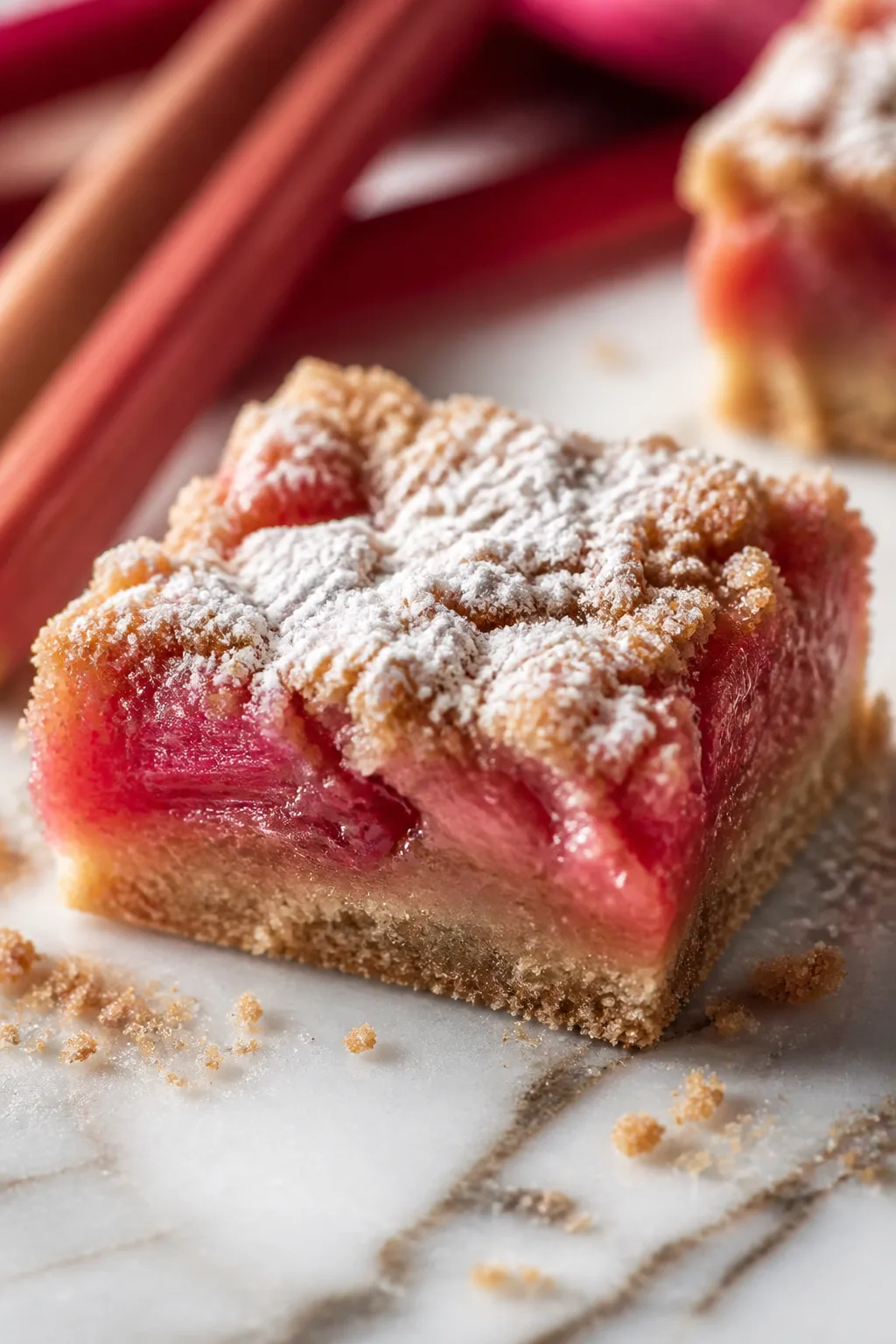
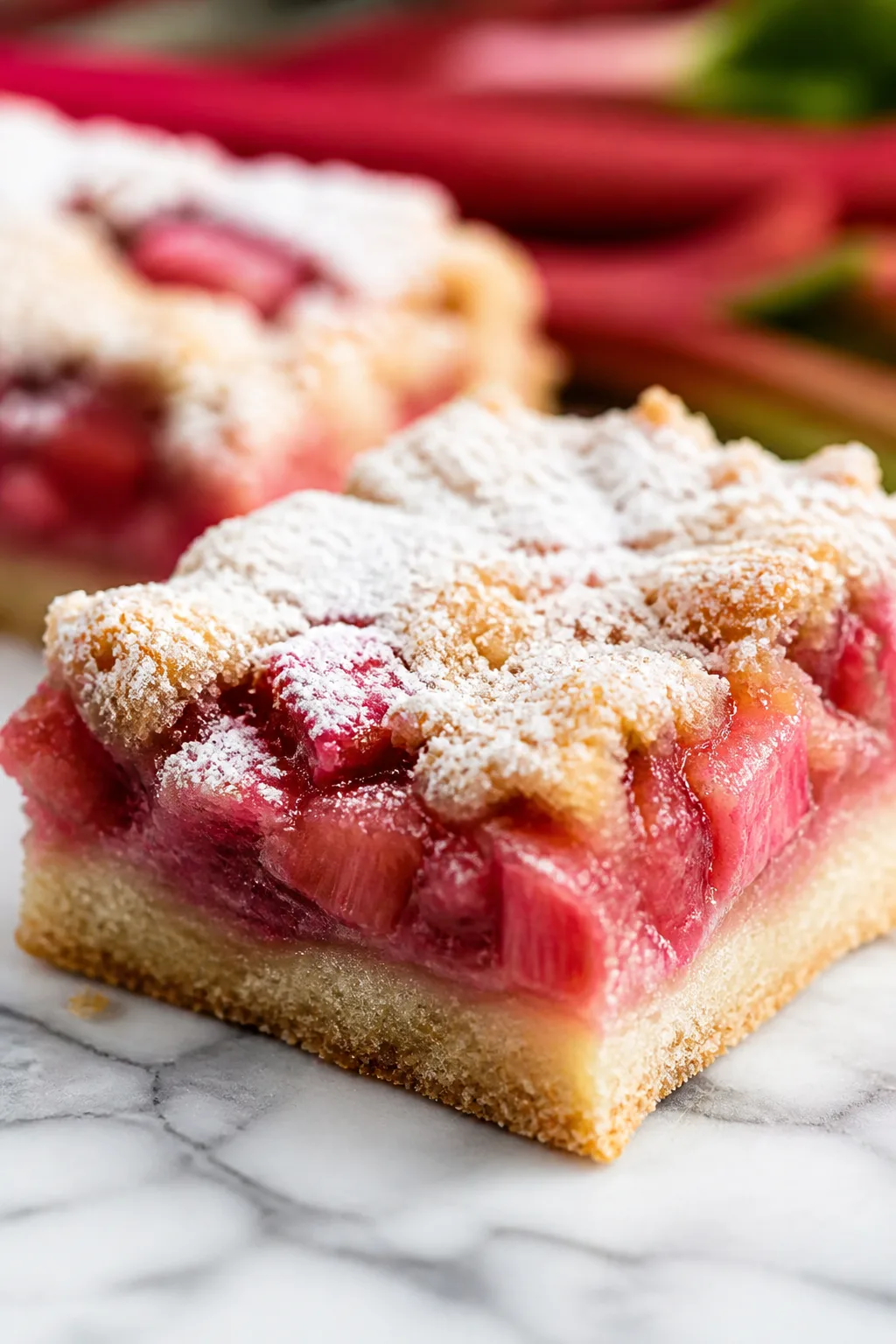
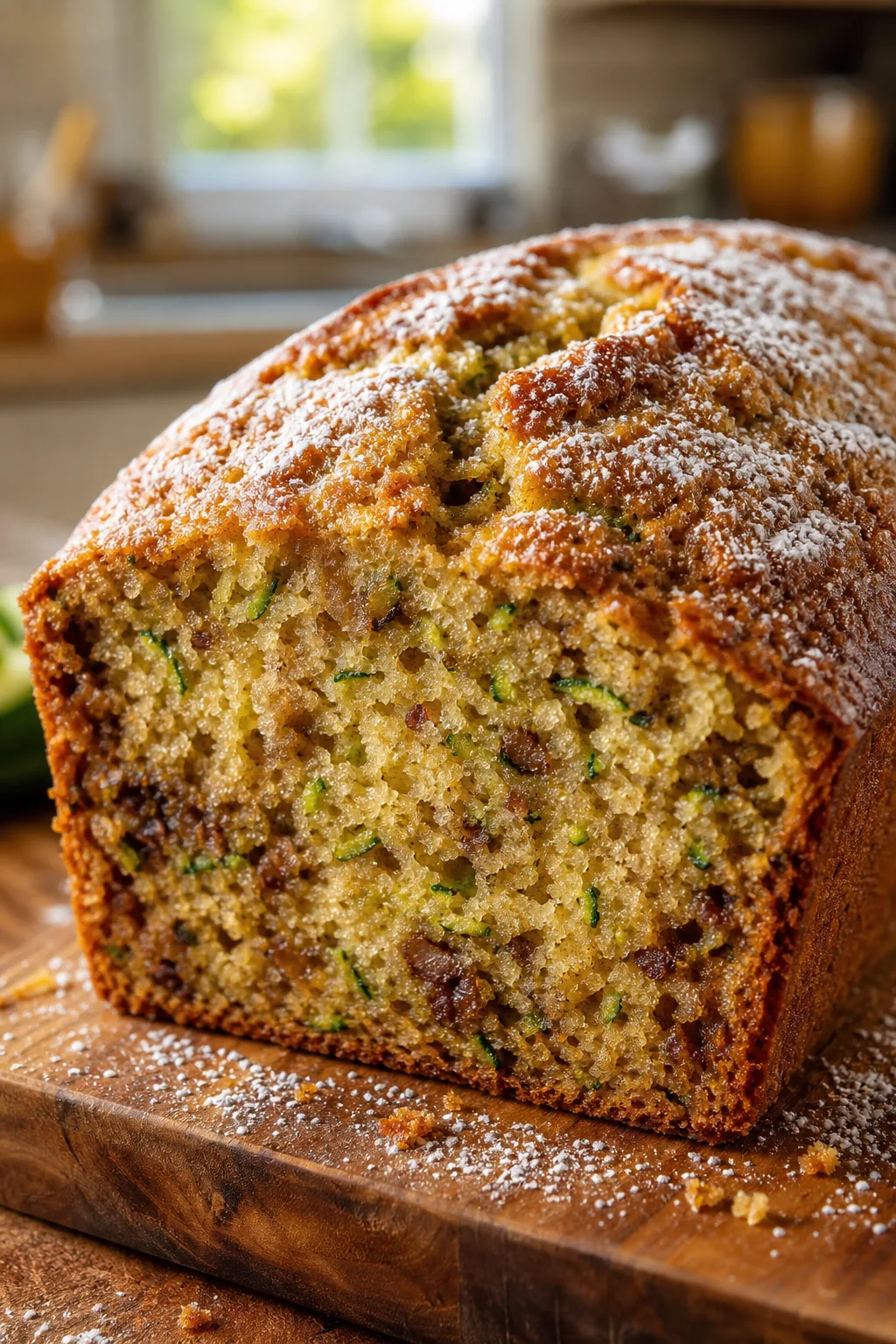
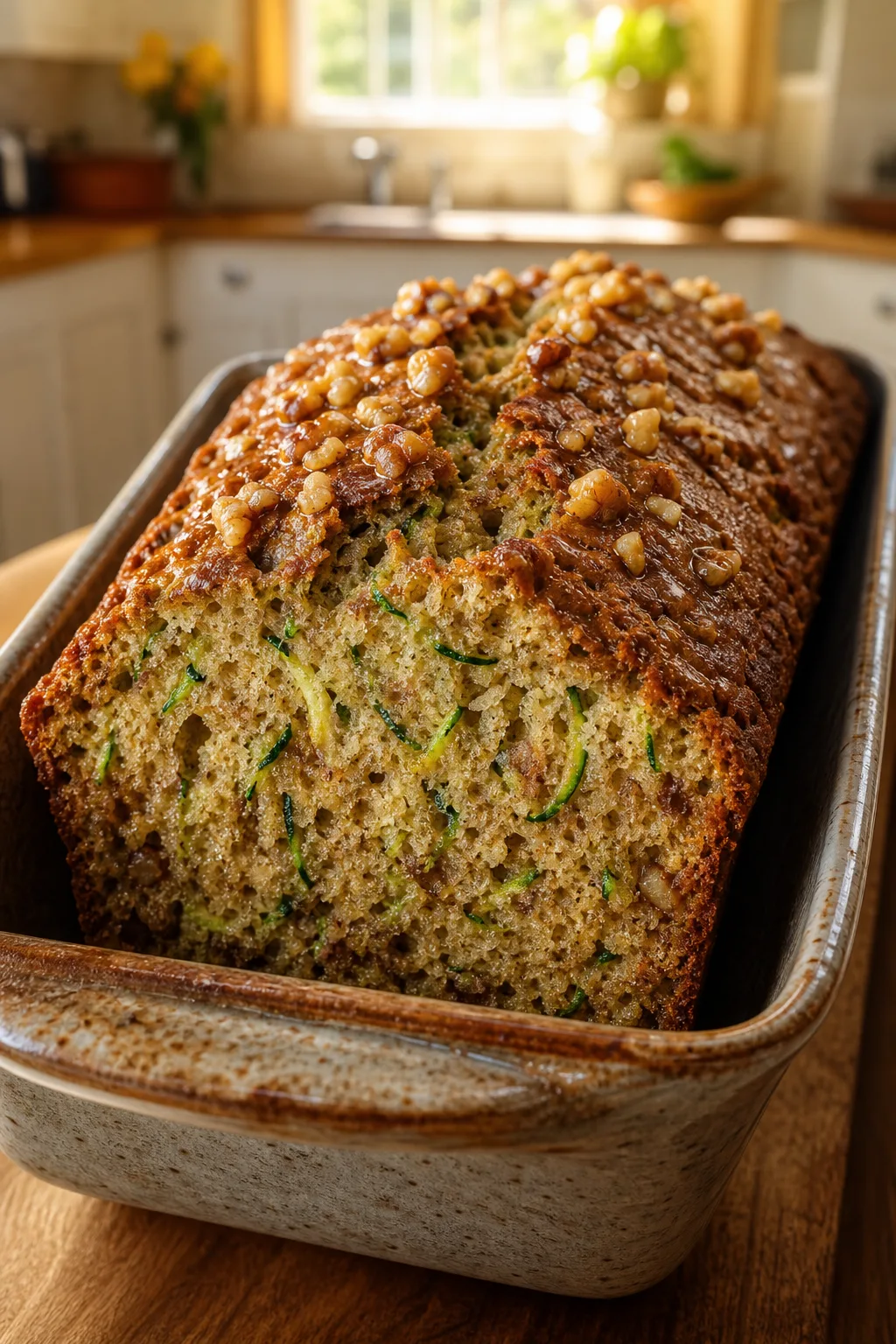
These rhubarb bars blend tart rhubarb with a buttery shortbread crust and just a pinch of cinnamon. They’re perfect for cozy afternoons or a simple dessert that feels like a warm hug.
Introduction
I first made these rhubarb bars a few years ago when I stumbled upon a box of fresh rhubarb at the farmers market. Growing up, my grandma used to make rhubarb desserts, but her crust was always a little too crumbly or dry. So I set out to perfect a shortbread crust that was buttery, tender, and just the right amount of crumbly to hold the tart rhubarb filling without getting soggy. The trick I learned was using cold butter cut into the flour mixture until it resembled coarse crumbs, which gives the crust that melt-in-your-mouth texture.
What really sets this recipe apart is the touch of cinnamon added to the rhubarb filling. It’s subtle but adds a warm, comforting layer of flavor that balances the tartness perfectly. I love serving these bars with a cup of tea on chilly afternoons or as a simple dessert after dinner. They’re nostalgic and cozy, reminding me of lazy weekends and family gatherings.
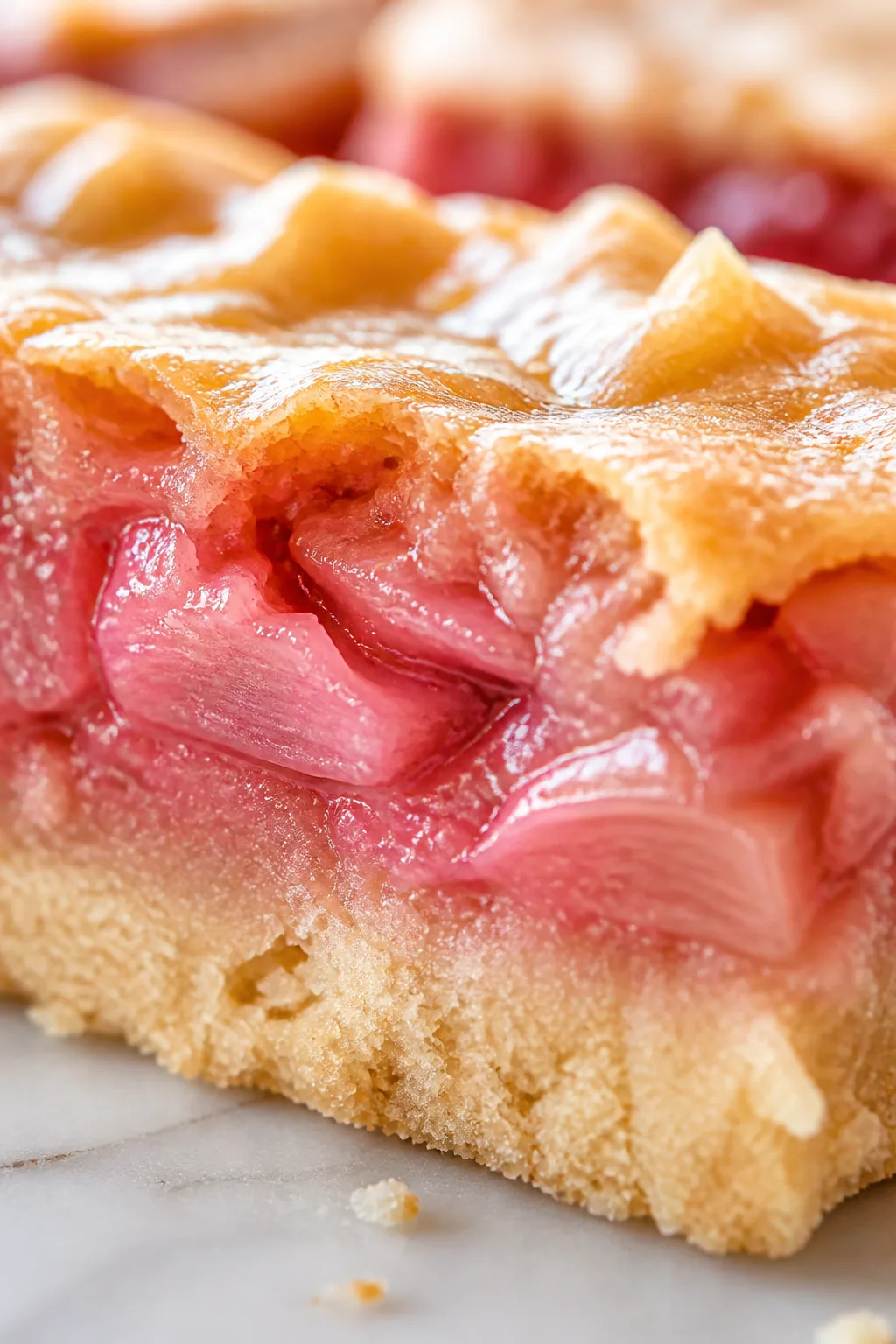
The finished bars have a crisp, buttery crust with a soft, slightly tangy center that isn’t too sweet. Plus, they’re easy enough to whip up even on busy days, but special enough to impress guests. I think you’ll love how effortlessly they come together and how quickly they disappear from the tray!
What You'll Need
Approximately 9 bars, 8 servings
- 1 1/2 cups all-purpose flour, sifted
- 1/2 cup granulated sugar
- 1/4 teaspoon salt
- 3/4 cup unsalted butter, cold and cubed
- 3 cups fresh rhubarb, chopped into 1/2-inch pieces
- 1 cup granulated sugar
- 2 tablespoons cornstarch
- 1/2 teaspoon ground cinnamon
- 1 teaspoon vanilla extract
- 1 large egg, beaten (for egg wash)
- Powdered sugar for dusting (optional)
How To Do It
Step 1
Start by making the shortbread crust. In a large bowl, whisk together the sifted flour, sugar, and salt. Add the cold, cubed butter and use a pastry cutter or your fingers to work it into the dry ingredients until the mixture looks like coarse crumbs with some pea-sized bits. This step is key to a tender, flaky crust because the cold butter creates steam pockets as it melts during baking, giving the crust its delicate texture. Avoid overworking the dough, or the crust can become tough.
⏱ Time: 10 minutes
✓ Doneness: The mixture should resemble coarse sand with small chunks of butter visible.
Step 2
Press about two-thirds of the shortbread mixture evenly into the bottom of a greased 9x9-inch baking pan to form the crust. Use the bottom of a measuring cup or your fingers to create a smooth, even layer. This ensures the crust cooks evenly and supports the filling without crumbling apart. Bake it in a preheated 350°F (175°C) oven for about 15 minutes, or until it just starts to turn golden around the edges. Par-baking the crust prevents it from becoming soggy once the filling is added.
⏱ Time: 15 minutes
✓ Doneness: The crust edges should be lightly golden, and the surface feels set but not browned.
Step 3
While the crust bakes, prepare the rhubarb filling. In a medium bowl, combine the chopped rhubarb, granulated sugar, cornstarch, ground cinnamon, and vanilla extract. The cornstarch thickens the filling as the rhubarb cooks down, preventing it from being watery. Cinnamon adds a subtle warmth that complements the tart rhubarb beautifully. Toss everything gently to coat the rhubarb evenly.
⏱ Time: 5 minutes
✓ Doneness: The rhubarb pieces should be well coated and slightly glossy.
Step 4
Once the crust has par-baked and cooled slightly, spread the rhubarb filling evenly over the crust. Distribute it gently to avoid pressing down too hard, which could break the crust. The filling layer should be thick but even to ensure balanced bites of crust and fruit. This layering is important so each bar has that perfect contrast between crumbly base and juicy topping.
⏱ Time: 5 minutes
✓ Doneness: Filling covers the crust in a smooth, even layer with no bare spots.
Step 5
Sprinkle the remaining shortbread mixture evenly over the rhubarb filling, breaking it up into small chunks as you go. This topping creates a crisp, buttery finish that contrasts nicely with the soft filling below. Don’t press it down; leaving some chunks intact gives a lovely texture once baked. If you like, brush the top lightly with the beaten egg to help it brown beautifully.
⏱ Time: 5 minutes
✓ Doneness: Topping looks scattered and crumbly, with some chunks visible.
Step 6
Bake the assembled bars in the 350°F (175°C) oven for 25-30 minutes, or until the topping is golden brown and the filling is bubbling slightly around the edges. Keep an eye on the bars: if the topping browns too quickly, tent loosely with foil to prevent burning. Baking fully ensures the filling sets up, so the bars hold together when sliced.
⏱ Time: 25-30 minutes
✓ Doneness: Top is golden brown and firm; filling bubbles gently at edges.
Step 7
Remove the bars from the oven and let them cool completely in the pan on a wire rack. Cooling is essential because the filling needs time to thicken and set. If you cut them too soon, the bars might fall apart or be too juicy. Patience here pays off with neat, sliceable bars.
⏱ Time: 1-2 hours
✓ Doneness: Bars are firm to the touch and filling is no longer runny.
Step 8
Once cooled, use a sharp knife to cut the rhubarb bars into squares or rectangles. For cleaner edges, wipe the knife between cuts. If you want, dust the tops lightly with powdered sugar for a pretty finish. These bars store well and taste even better the next day once flavors meld.
⏱ Time: 10 minutes
✓ Doneness: Clean slices with distinct layers visible.
Step 9
Serve the rhubarb bars at room temperature or slightly chilled, alongside tea or coffee. They’re perfect for an afternoon snack or a simple dessert. Leftovers can be stored covered in the fridge for several days or frozen for longer storage.
⏱ Time: 0 minutes
✓ Doneness: Bars are at preferred serving temperature and texture.
Pro Tips
Keep the butter cold until mixing to get a flaky crust.
Cold butter stays solid longer during mixing, creating small pockets of fat in the dough. When baked, these pockets turn to steam and puff up the crust, making it tender and flaky instead of dense or greasy.
Par-bake the crust before adding filling.
Par-baking sets the crust’s structure and prevents sogginess by cooking the bottom layer partially. Without this step, the moisture from the fruit filling seeps into the crust, making it soft and less enjoyable.
Use cornstarch to thicken the rhubarb filling.
Cornstarch binds the juices released by rhubarb as it cooks, thickening the filling and preventing it from becoming runny. This keeps the bars neat and sliceable.
Don’t overmix the dough when cutting in butter.
Overmixing melts the butter prematurely and develops gluten, making the crust tough rather than crumbly and tender. Mix just until you see pea-sized butter chunks.
Let the bars cool completely before slicing.
Cooling allows the filling to thicken and set, which makes cutting easier and helps bars hold their shape. Warm bars tend to crumble or ooze filling.
Use a sharp knife wiped clean between cuts.
A sharp, clean knife makes clean edges without dragging filling or crumbs, resulting in prettier bars and less mess.
Add a bit of cinnamon to enhance the rhubarb flavor.
Cinnamon’s warm spice complements rhubarb’s tartness perfectly, adding depth without overpowering the fruit. It balances the flavors and makes the bars feel cozy.
Common Mistakes to Avoid
Using warm butter in the crust
Why it happens Some cooks melt butter or use room temperature butter thinking it’s easier to mix, but this causes the dough to become greasy and the crust dense.
Fix Always chill your butter thoroughly and cut it into small cubes before mixing. Use a pastry cutter or fingers quickly to keep the butter cold and avoid overworking the dough.
Skipping the par-bake step
Why it happens Rushing or wanting to save time leads to skipping par-baking, but this results in a soggy, undercooked crust.
Fix Set a timer and bake the crust for the recommended time before adding filling. This step is essential for a crisp base.
Not letting bars cool before cutting
Why it happens Impatience causes cutting while bars are still warm, causing the filling to spill and bars to crumble.
Fix Plan ahead and allow bars to cool completely at room temperature or in the fridge so the filling sets firmly.
Using too much cinnamon
Why it happens Adding extra cinnamon thinking it will enhance flavor can overpower the delicate rhubarb taste.
Fix Stick to the recipe amount. Cinnamon should enhance, not dominate, the filling.
Not draining frozen rhubarb properly
Why it happens Frozen rhubarb holds extra water, and if not drained or patted dry, it makes the filling watery and the crust soggy.
Fix Thaw frozen rhubarb fully and squeeze out excess moisture using a clean kitchen towel before using.
Variations
Strawberry Rhubarb Bars
Add 1 cup chopped fresh strawberries to the rhubarb filling for a sweeter, juicier twist. The strawberries mellow the tartness and add beautiful color. Expect a slightly softer filling with a lovely fruity balance.
Note: Because strawberries release more juice, increase cornstarch by 1 tablespoon to maintain filling thickness.
Oatmeal Crumb Topping
Replace the remaining shortbread topping with a crumbly oat topping made from oats, brown sugar, butter, and cinnamon. This adds a nutty texture and heartier crunch to the bars.
Note: Bake the oat topping slightly longer if it browns too quickly; watch closely to prevent burning.
Gluten-Free Rhubarb Bars
Use a gluten-free all-purpose flour blend in place of regular flour. The texture will be slightly different but still tender and delicious. Perfect for gluten-sensitive eaters.
Note: Add 1/4 teaspoon xanthan gum if your flour blend doesn't include it, to help with structure.
Vegan Rhubarb Bars
Swap butter for vegan margarine or coconut oil and use a flax egg (1 tablespoon ground flaxseed + 3 tablespoons water) instead of the egg wash. The bars remain rich and flavorful with a slight coconut hint.
Note: Chill the dough longer since vegan fats melt faster; this helps keep the crust crumbly.
Spiced Rhubarb Bars with Ginger
Add 1/4 teaspoon ground ginger and a pinch of nutmeg to the filling for a warming spice blend. This variation is great for fall and winter desserts, adding complexity to the tart rhubarb.
Note: Adjust spices carefully to avoid overpowering the rhubarb; start small and taste.
Nutrition
Per Serving:
Nutritional values are estimates and may vary based on specific ingredients used.
Storage & Tips
Room Temperature
These rhubarb bars can safely stay at room temperature for up to 2 days if covered tightly with plastic wrap or stored in an airtight container. Keep them away from direct sunlight or heat to prevent the filling from spoiling.
Refrigerator
Store the bars in an airtight container in the fridge for up to 5 days. The texture firms up when chilled, making them easier to cut. They taste great cold or at room temperature, though warming slightly can revive the buttery crust.
Freezer
Freeze the bars wrapped tightly in plastic wrap and then aluminum foil for up to 3 months. To thaw, leave them overnight in the fridge or at room temperature for a few hours. Avoid microwaving frozen bars directly to prevent sogginess.
Reheating
Reheat bars gently in a preheated 325°F oven for 8-10 minutes to restore crispness. Avoid microwaving as it can make the crust chewy and the filling watery. A splash of cream or a scoop of ice cream on the side is a nice touch.
Make Ahead
You can prepare the crust and filling separately 1-2 days ahead. Store the crust dough wrapped in the fridge and the filling in a sealed container. Assemble and bake on the day you plan to serve for freshest texture.
FAQ
Can I use frozen rhubarb for this recipe?
Yes, frozen rhubarb works well but make sure to thaw it completely and drain any excess liquid before using to prevent a watery filling. Patting the rhubarb dry with paper towels helps keep the crust from getting soggy.
What can I substitute for cornstarch?
You can use arrowroot powder or tapioca starch as a thickener in equal amounts. These alternatives also help absorb moisture and thicken the filling, maintaining the right consistency without affecting flavor.
How do I store leftover rhubarb bars?
Store leftovers in an airtight container in the fridge for up to 5 days. They can also be frozen for longer storage. When ready to eat, bring them to room temperature or warm slightly in the oven for best texture.
Can I make this recipe vegan?
Absolutely! Replace the butter with vegan margarine or coconut oil and use a flax egg instead of the egg wash. The texture and flavor remain delicious, just be sure to chill the dough well before baking.
Why is my crust tough instead of crumbly?
This usually happens if the butter is too warm or you overworked the dough, developing gluten. Use cold butter and mix just until combined to keep the crust tender and flaky.
Can I add other fruits to the rhubarb filling?
Yes! Strawberries, raspberries, or blueberries pair beautifully with rhubarb. Just remember to adjust the thickener slightly if adding juicy fruits to keep the filling from becoming too runny.
Is it necessary to par-bake the crust?
Par-baking is highly recommended to prevent a soggy bottom crust. It gives the crust a head start on baking and creates a barrier that keeps moisture from the filling from soaking in.
How do I get a more golden crust?
Brushing the crust and topping with a lightly beaten egg before baking helps achieve a beautiful golden color and adds a subtle shine.
Final Thoughts
I hope you enjoy making and sharing these rhubarb bars as much as I do! They’re a simple, cozy treat perfect for any occasion—let me know how yours turn out!