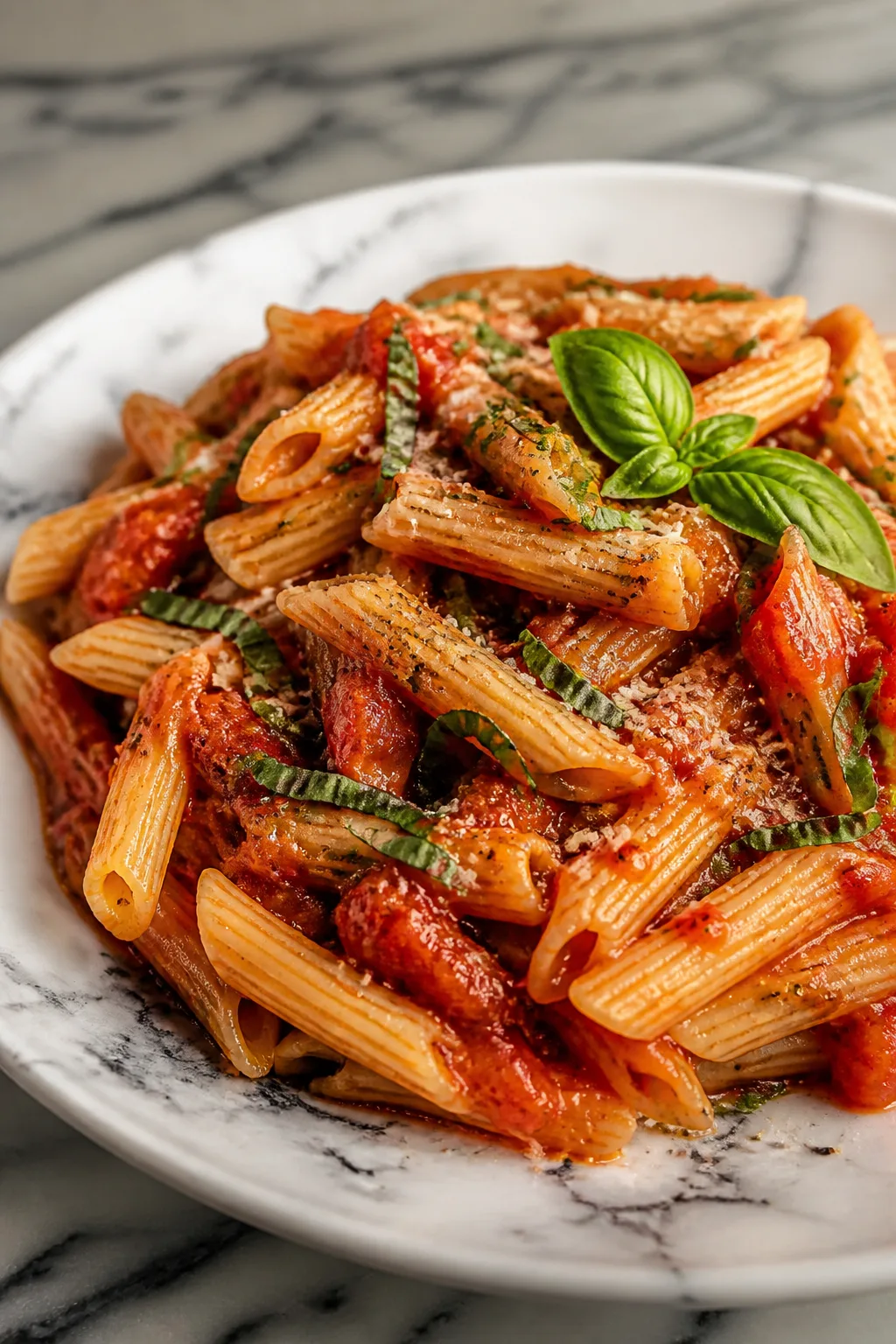
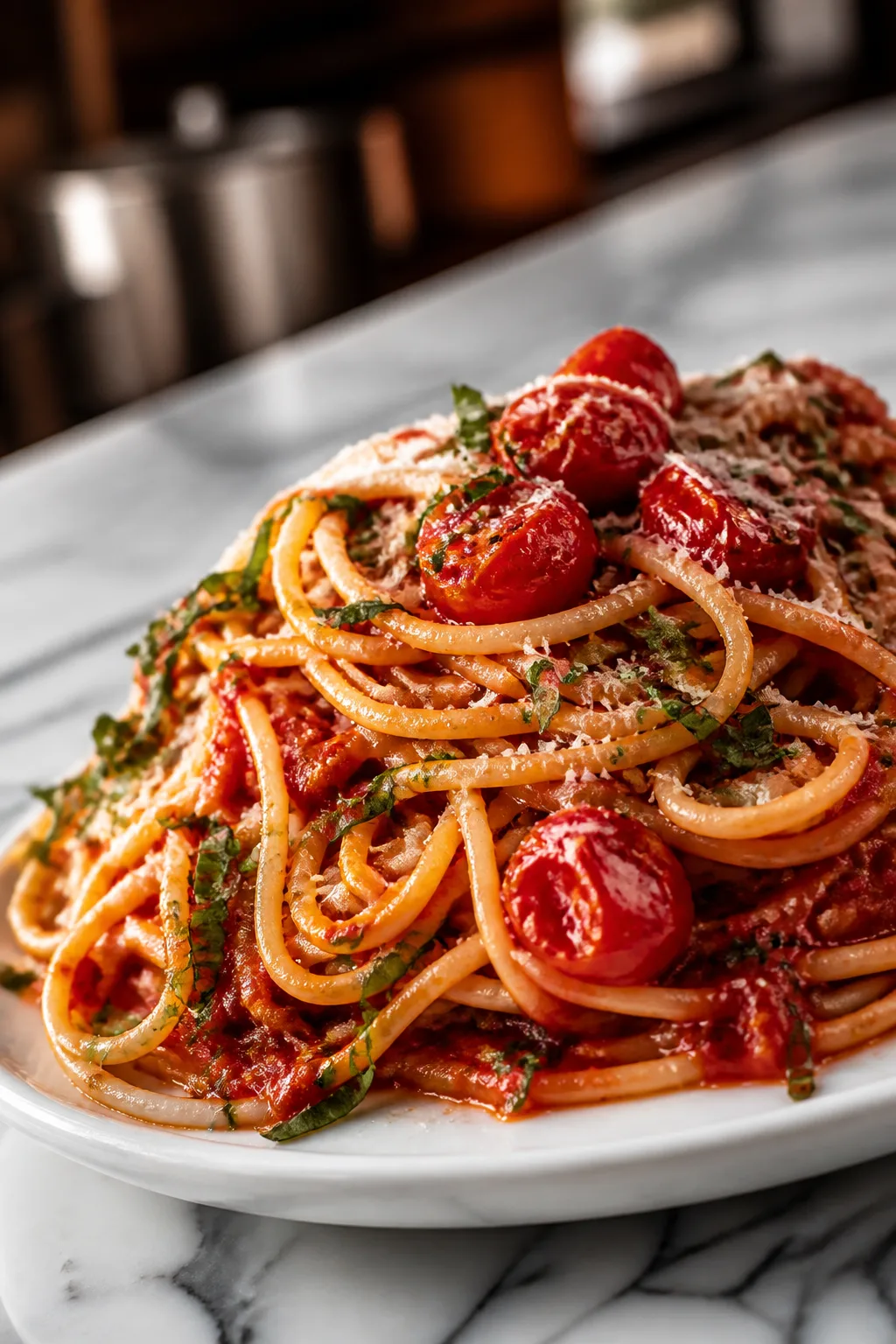
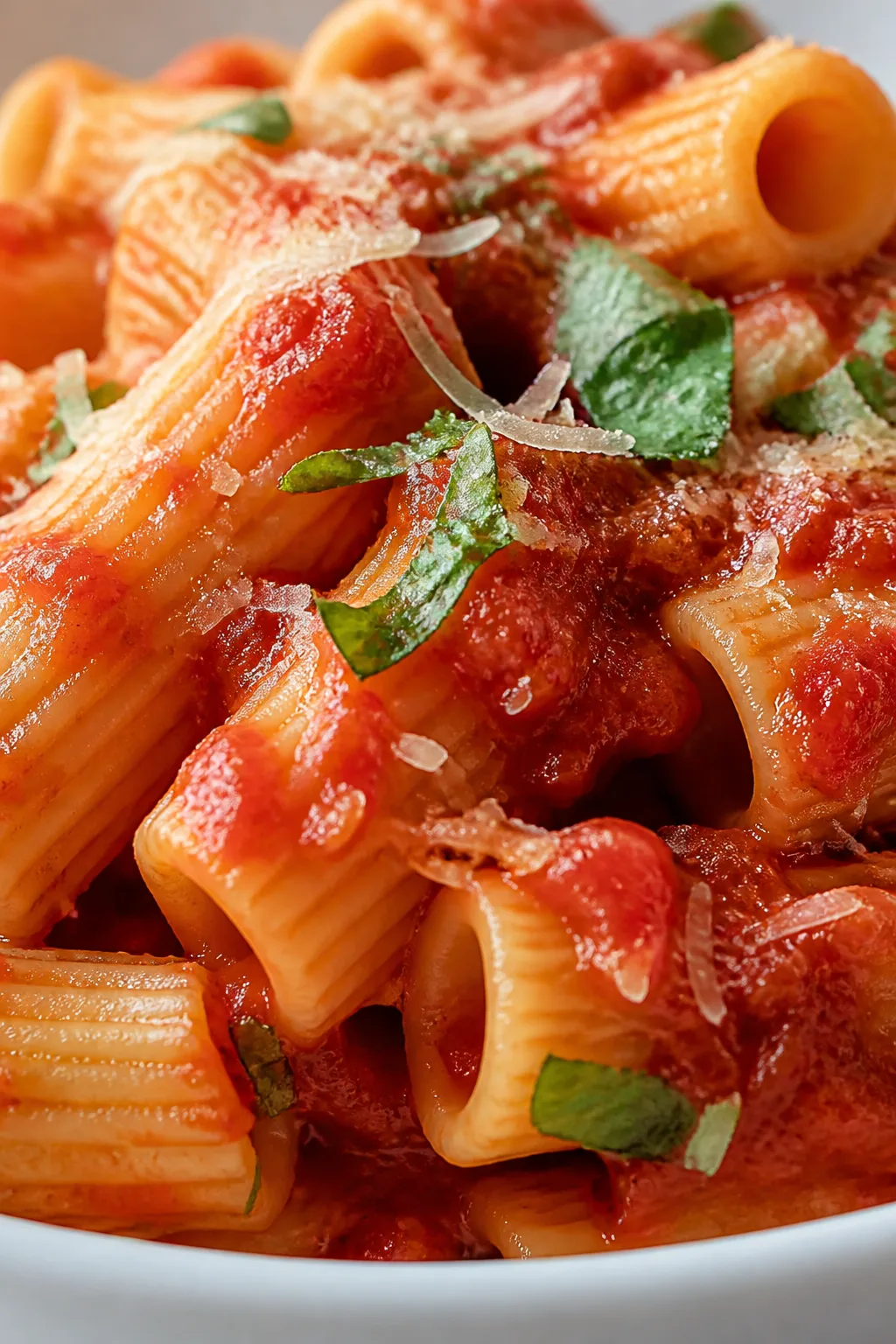
This tomato garlic pasta is a quick and comforting dish that feels like a warm hug. Fresh tomatoes and a hint of garlic bring out natural flavors. Great for casual weeknight dinners with loved ones.
Introduction
I first stumbled upon this tomato garlic pasta on a lazy Sunday afternoon when all I had were some fresh garden tomatoes and garlic. It quickly became my go-to comfort meal because it’s so straightforward yet bursting with flavor. Unlike heavy tomato sauces that can feel overwhelming, this one is light and fresh, letting the natural sweetness of the tomatoes shine. The trick I learned along the way is to sauté the garlic gently in olive oil until fragrant but not browned, which adds a mellow depth without bitterness. Also, adding fresh basil at the end brightens everything up beautifully. The finished dish has this cozy, homey feel with just the right balance of savory and sweet, perfect for unwinding after a busy day. I love how easy it is to make, and my family always asks for seconds. It’s the kind of recipe that feels like a warm hug on a plate and works great whether you’re cooking for yourself or a crowd.
How To Do It
Step 1
Bring a large pot of salted water to a boil. Cooking pasta in well-salted water is crucial because it seasons the pasta from the inside out. Use about 1 tablespoon of salt per 4 quarts of water. Once boiling, add the pasta and cook according to package instructions until al dente—usually about 8 to 10 minutes. Avoid overcooking as the pasta will continue to cook slightly when combined with the sauce later. Drain the pasta, reserving about a cup of the starchy cooking water which will help loosen the sauce if needed.
⏱ Time: 10 minutes
✓ Doneness: Pasta should be tender yet still firm to the bite, not mushy
Step 2
While the pasta cooks, heat olive oil in a large skillet over medium heat. Add the minced garlic and sauté gently for 1 to 2 minutes until fragrant but not browned. Browning garlic can create bitterness, so keep the heat moderate and stir frequently. If you like a little heat, sprinkle in red pepper flakes now to release their flavor. This step infuses the oil with garlic aroma, creating a flavorful base for the tomatoes.
⏱ Time: 3 minutes
✓ Doneness: Garlic should be soft and aromatic without any golden or dark spots
Step 3
Add the chopped fresh tomatoes to the skillet. Cook over medium heat, stirring occasionally, until the tomatoes soften and release their juices, about 10 to 12 minutes. This gentle simmer helps break down the tomatoes into a light sauce. Avoid stirring too vigorously to keep some texture in the sauce. Season with salt and pepper to taste. The tomatoes should look saucy but still chunky, not completely pureed.
⏱ Time: 12 minutes
✓ Doneness: Sauce should be slightly thickened with visible soft tomato pieces
Step 4
Add the drained pasta directly into the skillet with the tomato sauce. Toss gently to coat the pasta evenly. If the sauce feels too thick, add reserved pasta water a little at a time to loosen it and help the sauce cling better. This starchy water acts as a natural emulsifier, binding the sauce to the pasta. Tossing the pasta and sauce together allows flavors to meld nicely.
⏱ Time: 3 minutes
✓ Doneness: Pasta should be evenly coated and glossy without excess liquid pooling
Step 5
Remove the skillet from heat and stir in the chopped fresh basil leaves. Adding basil last preserves its bright, fresh flavor and vibrant color. This herbaceous note lifts the whole dish and adds a lovely aroma. Give everything one last gentle toss to distribute the basil evenly throughout the pasta.
⏱ Time: 1 minute
✓ Doneness: Basil should look fresh and vibrant, not wilted or darkened
Step 6
Serve the pasta hot with a generous sprinkle of freshly grated Parmesan cheese on top. The salty, nutty cheese complements the sweet tomato sauce perfectly. You can also add a drizzle of good-quality olive oil for extra richness. This final touch rounds out the flavors and gives the dish a satisfying finish.
⏱ Time: 2 minutes
✓ Doneness: Cheese should melt slightly on the hot pasta, blending with the sauce
Step 7
Optional: Garnish with extra fresh basil leaves or a pinch of freshly cracked black pepper for an added layer of flavor and visual appeal. These small touches make the dish feel special and inviting, especially if serving guests or family.
⏱ Time: 1 minute
✓ Doneness: Garnishes should look fresh and vibrant, enhancing the dish’s presentation
Step 8
If you want to add protein, lightly sauté some shrimp or chicken strips separately and fold them into the pasta at the end. Cooking proteins separately ensures they don’t overcook or dry out in the sauce. This step adds heartiness and makes the meal more filling.
⏱ Time: 5-7 minutes
✓ Doneness: Protein should be cooked through but still juicy and tender
Step 9
Let the pasta rest for a couple of minutes before serving to allow the flavors to meld even more. This short resting time helps the sauce thicken slightly and the dish cools to a perfect eating temperature. Serve with crusty bread or a simple green salad for a complete meal.
⏱ Time: 2 minutes
✓ Doneness: Pasta should be warm and sauce thickened slightly but still saucy
Pro Tips
Don’t rush sautéing the garlic; keep the heat moderate.
Sautéing garlic too quickly or at high heat causes it to burn, resulting in a bitter flavor that can overpower the dish. Cooking it slowly allows the garlic to infuse the oil with mellow, sweet aromas, creating a flavorful base without harshness.
Reserve some pasta water before draining.
The starchy pasta water is a natural thickener and emulsifier. Adding it to the sauce helps it cling better to the noodles and prevents the sauce from becoming watery. This simple trick enhances texture and flavor integration.
Add fresh basil at the very end.
Basil’s delicate oils evaporate quickly when cooked too long, losing their fresh aroma and vibrant color. Stirring basil in after removing the pan from heat preserves its brightness and adds a fresh herbal lift.
Use ripe, fresh tomatoes for the best sauce flavor.
Fresh tomatoes bring natural sweetness and acidity that canned tomatoes can’t fully match. Their juicy texture breaks down into a lighter, fresher sauce that feels homemade and bright.
Salt the pasta water generously.
Salting the water seasons the pasta internally, enhancing its flavor. Under-salted water leads to bland noodles, which dulls the overall dish.
Don’t overcook the pasta; aim for al dente.
Al dente pasta has a slight firmness that holds up well when tossed in sauce. Overcooked pasta becomes mushy and can cause the sauce to become gluey or watery.
Use high-quality extra virgin olive oil.
Good olive oil adds fruity, grassy notes and richness that elevate the sauce. Lower-quality oils lack flavor and can result in a dull sauce.
Common Mistakes to Avoid
Burning the garlic during sautéing
Why it happens Many cooks turn the heat too high or leave garlic unattended, causing it to brown quickly and become bitter.
Fix Maintain medium or medium-low heat and stir the garlic frequently. Remove from heat as soon as it becomes fragrant and lightly golden to avoid bitterness.
Skipping salting the pasta water
Why it happens Some assume the sauce will provide enough seasoning, but unsalted pasta is bland inside.
Fix Add about 1 tablespoon of salt per 4 quarts of water before boiling. This seasons the pasta from within, enhancing overall flavor.
Overcooking the pasta
Why it happens Rushing or not timing the pasta correctly leads to mushy noodles that ruin texture.
Fix Follow package instructions closely and taste for al dente texture. Drain immediately to stop cooking and toss with sauce while hot.
Using canned tomatoes instead of fresh without adjusting
Why it happens Canned tomatoes have more liquid and acidity, which can alter sauce texture and flavor.
Fix If using canned, reduce cooking liquid by simmering longer and adjust seasoning accordingly.
Adding basil too early
Why it happens Cooking basil for too long diminishes its vibrant flavor and color.
Fix Add basil after removing the pan from heat to preserve freshness and aroma.
Variations
Spicy Tomato Garlic Pasta
Add extra red pepper flakes or a dash of cayenne pepper during garlic sautéing for a spicy kick. You can also top with sliced jalapeños or chili oil before serving. This variation adds warmth and depth without overpowering the fresh tomato flavor.
Note: Be cautious with spice levels; add gradually and taste to avoid overwhelming the dish.
Creamy Tomato Garlic Pasta
Stir in 1/4 cup of heavy cream or crème fraîche at the end of cooking for a rich, velvety sauce. This adds a luscious texture and softens the acidity of the tomatoes, making it feel more indulgent.
Note: Add cream off the heat to prevent curdling and gently warm through before serving.
Tomato Garlic Pasta with Roasted Vegetables
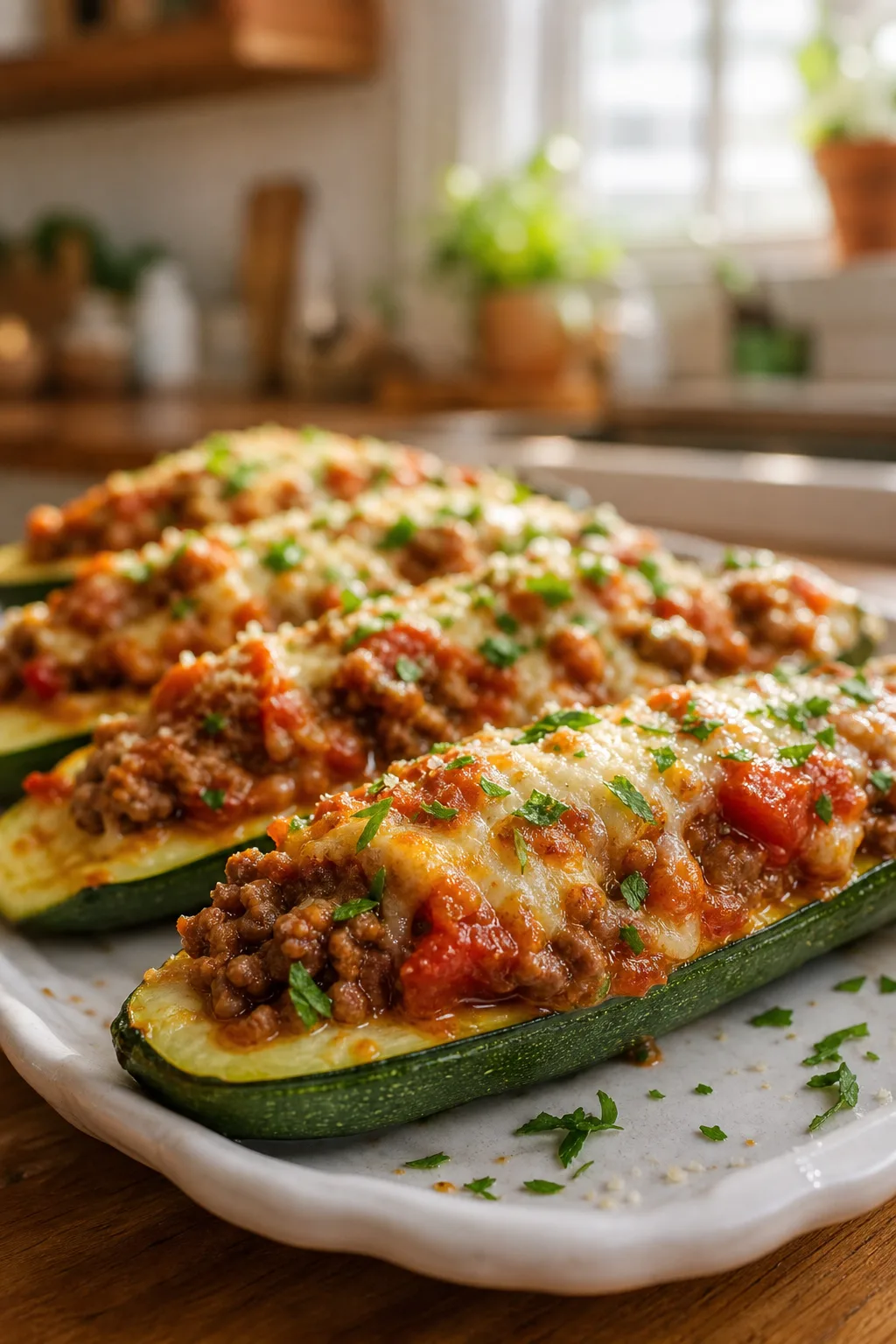
Roast vegetables like zucchini, bell peppers, and eggplant separately and fold them into the pasta at the end. This adds heartiness, texture, and extra nutrition for a more substantial meal.
Note: Roast veggies at 425°F for 20-25 minutes until caramelized but still tender.
Whole Wheat or Gluten-Free Pasta Version
Swap regular pasta with whole wheat or gluten-free alternatives to suit dietary needs. Cooking times may vary slightly, so check package instructions and taste for al dente doneness.
Note: Whole wheat pasta has a nuttier flavor and firmer texture; gluten-free pasta can be more fragile.
Add Protein with Grilled Chicken or Shrimp
Sear seasoned chicken strips or shrimp separately and toss them into the pasta before serving. This makes the dish more filling and adds savory flavor that complements the fresh tomato sauce.
Note: Cook proteins over high heat quickly to retain juiciness and avoid drying out.
Nutrition
Per Serving:
Nutritional values are estimates and may vary based on specific ingredients used.
Storage & Tips
Room Temperature
This pasta can be kept at room temperature for up to 2 hours if covered to avoid drying out or contamination. Beyond that, bacteria growth increases, so refrigeration is recommended.
Refrigerator
Store leftovers in an airtight container for up to 3 days. The flavors may deepen but the pasta might absorb some sauce, making it thicker. Reheat gently to avoid drying out or overcooking.
Freezer
Freeze the pasta in a freezer-safe container for up to 2 months. Use airtight wrapping to prevent freezer burn. Thaw overnight in the fridge before reheating to preserve texture and flavor.
Reheating
Reheat on the stovetop over low heat with a splash of water or broth to loosen the sauce. Alternatively, microwave in short bursts stirring in-between. Avoid overheating to prevent drying or toughening the pasta.
Make Ahead
You can prepare the tomato sauce a day ahead and refrigerate it. Cook the pasta fresh when ready to serve and toss together. This keeps the pasta texture perfect and saves time on busy nights.
FAQ
Can I use canned tomatoes instead of fresh?
Yes, you can substitute canned whole or diced tomatoes if fresh aren’t available. Use good-quality canned tomatoes like San Marzano for best flavor. Since canned tomatoes contain more liquid, simmer the sauce longer to reduce excess water and concentrate flavors. Adjust seasoning as needed.
How do I avoid watery sauce?
To prevent watery sauce, cook the tomatoes down until juices reduce and thicken slightly. Also, reserve pasta water before draining and add only as needed to loosen the sauce. Avoid adding too much water or skipping the simmer step.
Can I make this pasta vegan?
Absolutely! Simply omit the Parmesan cheese or use a vegan cheese alternative. The sauce itself is naturally vegan since it’s based on olive oil, tomatoes, and garlic.
What type of pasta works best?
Spaghetti or linguine are classic choices for this sauce because their shape holds the sauce nicely. However, you can use any pasta you like, including penne or fusilli. Just adjust cooking time accordingly.
How do I store leftovers to keep them fresh?
Store leftovers in an airtight container in the fridge for up to 3 days. Reheat gently to avoid drying out. Avoid freezing pasta with sauce if possible, as texture may degrade.
Can I add protein to this dish?
Yes, grilled chicken, shrimp, or sautéed mushrooms make great additions. Cook proteins separately to retain texture and fold them in just before serving.
Why is it important to add pasta water to the sauce?
The starchy pasta water helps emulsify the sauce and pasta, creating a cohesive, silky texture. It also loosens the sauce without diluting flavor, helping it cling better to the noodles.
How do I keep the basil fresh and flavorful?
Add fresh basil at the end of cooking, off the heat. This preserves its bright color and fresh aroma. Adding it too early causes it to wilt and lose flavor.
Final Thoughts
I hope you give this tomato garlic pasta a try soon—it’s simple, fresh, and just so comforting. Let me know how it turns out and if it becomes your new favorite weeknight dinner!