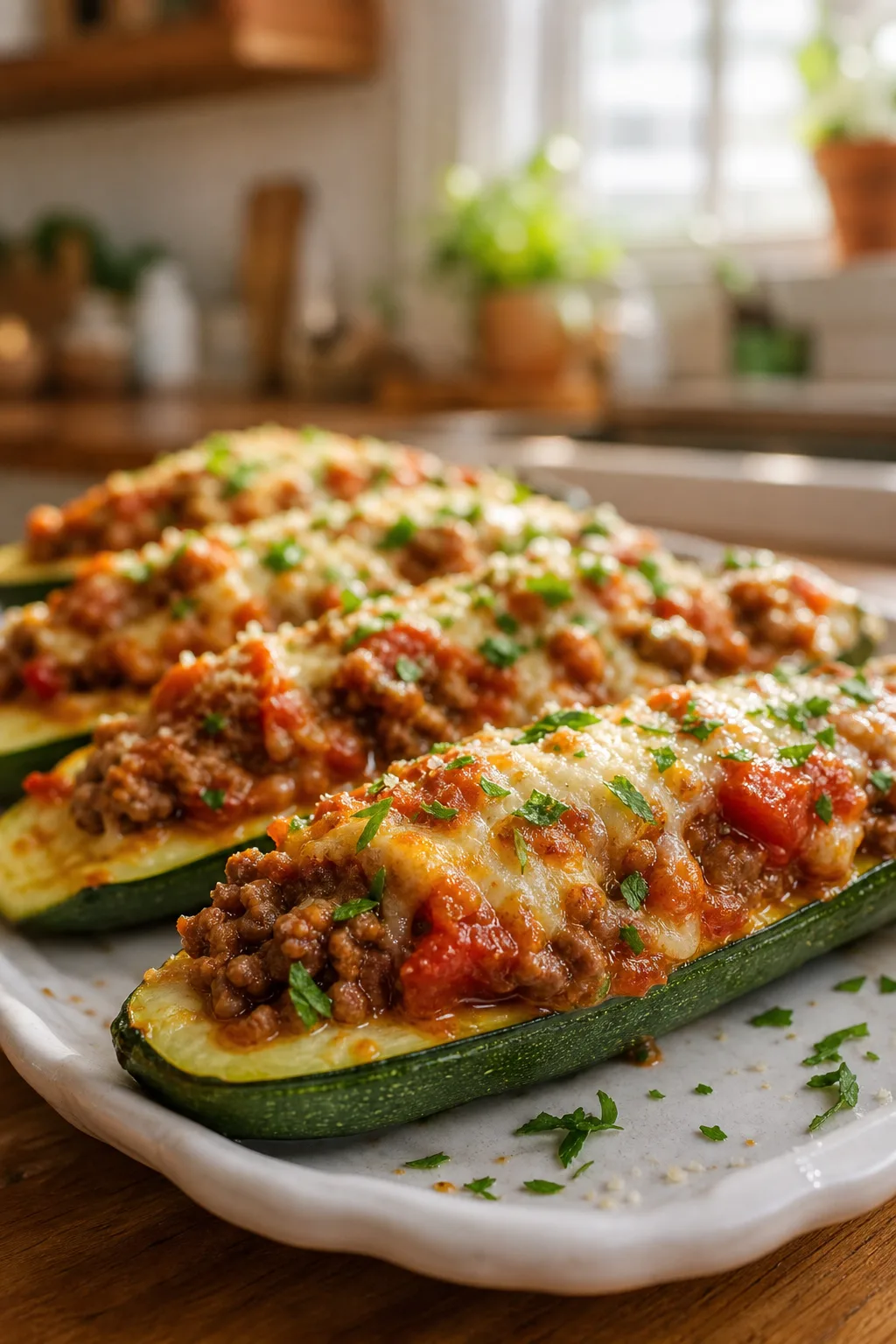
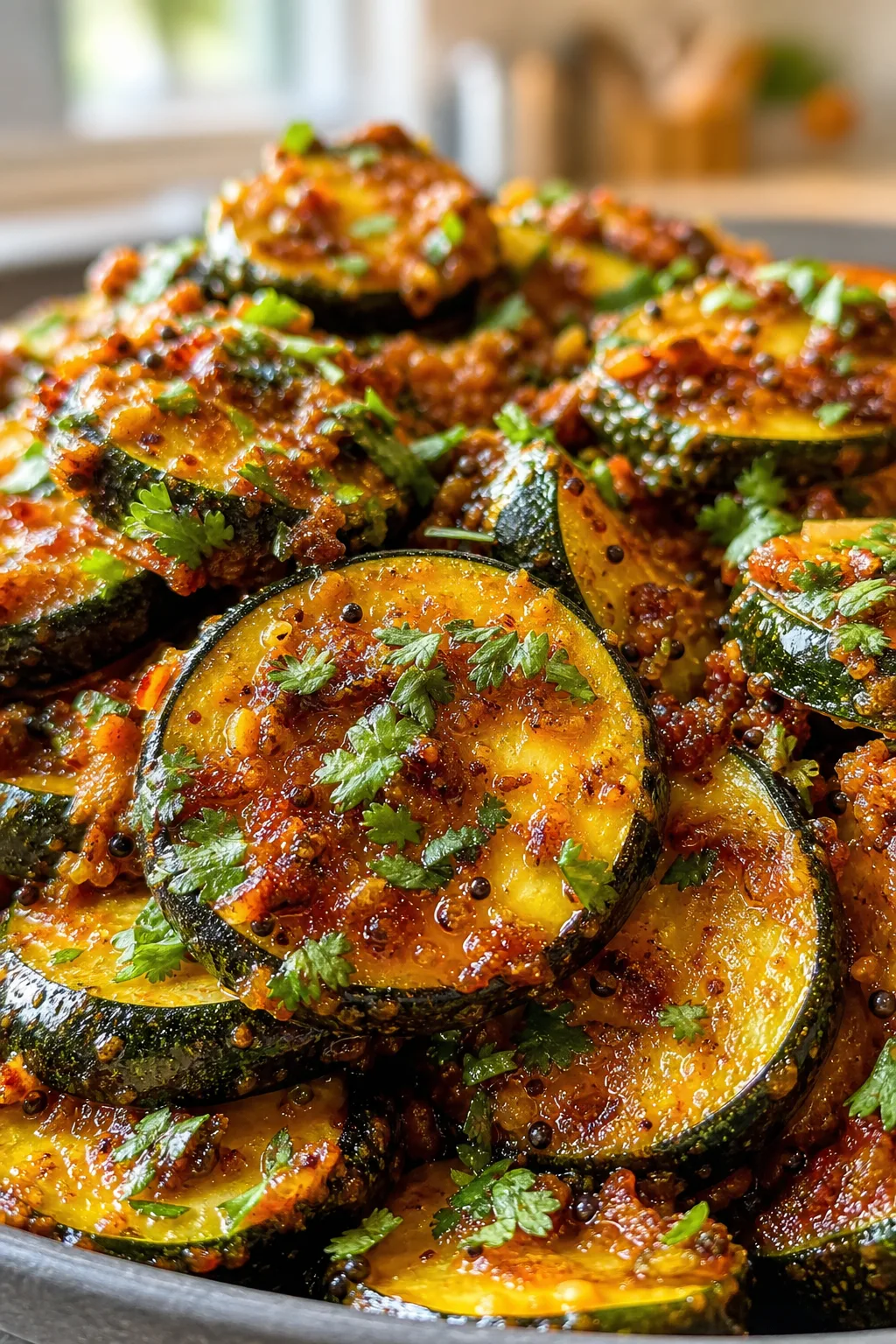
This baked casserole blends tender veggies with a luscious, creamy béchamel sauce and melty cheese. It’s cozy, comforting, and perfect for a simple family dinner or when you want something hearty but not fussy.
Introduction
I stumbled upon this baked veggie casserole recipe years ago when I was craving something warm and comforting but packed with fresh vegetables. What makes this version stand out is the creamy béchamel sauce that gently hugs every veggie piece, keeping the dish moist and rich without being heavy. I learned that making the béchamel slowly and whisking constantly is key to avoiding lumps and achieving that smooth, velvety texture. Also, I add a pinch of nutmeg to the sauce—it sounds old-fashioned but really elevates the flavor in a subtle way. The final casserole comes out golden and bubbling with cheese, with tender veggies that still have a little bite. It’s perfect for family dinners or casual gatherings when you want something hearty yet homey. I’ve had my share of casseroles that turn out dry or mushy, but this one strikes the perfect balance every time. Plus, it’s a great way to sneak some extra greens into your meal without anyone complaining!
How To Do It
Step 1
Preheat your oven to 375°F (190°C). Start by prepping your vegetables: wash and cut the broccoli into small florets, slice the mushrooms, dice the carrots, and finely chop the onion. This ensures even cooking later. Lightly steam or blanch the broccoli and carrots for about 3-4 minutes until slightly tender but still crisp. This step prevents the veggies from becoming mushy during baking and helps them retain their vibrant color and nutrients.
⏱ Time: 10
✓ Doneness: Broccoli and carrots should be bright and just tender, not soft or falling apart.
Step 2
In a medium saucepan, melt the butter over medium heat. Once melted, whisk in the flour to create a roux. Stir constantly for about 2 minutes until it turns a light golden color—this cooks out the raw flour taste. Slowly pour in the warmed milk in a steady stream while whisking vigorously to avoid lumps. Continue stirring until the sauce thickens and coats the back of a spoon. This béchamel sauce is the creamy base that binds the casserole together and keeps it moist.
⏱ Time: 8
✓ Doneness: The sauce should be smooth, thick enough to coat a spoon, and free of lumps.
Step 3
Season the béchamel sauce with salt, pepper, and a pinch of nutmeg. Stir well to incorporate the flavors. Nutmeg adds a warm, subtle depth that perfectly complements the cheese and vegetables. Remove the sauce from heat and gently fold in half of the shredded cheddar and all the Parmesan cheese, stirring until melted and smooth. This cheesy béchamel will make the casserole extra rich and flavorful.
⏱ Time: 5
✓ Doneness: Cheese should be fully melted and sauce silky without separation.
Step 4
In a large mixing bowl, combine the steamed broccoli, carrots, raw sliced mushrooms, and chopped onion. Pour the cheesy béchamel sauce over the veggies and gently fold everything together to coat evenly. The raw mushrooms will cook during baking, adding earthiness and moisture. Mixing thoroughly ensures every bite has that creamy texture and balanced flavor.
⏱ Time: 5
✓ Doneness: All veggies are evenly coated with a smooth, creamy sauce.
Step 5
Transfer the vegetable mixture into a greased 9x13-inch baking dish. Spread it out evenly for uniform cooking. Sprinkle the remaining shredded cheddar cheese over the top. Then, mix breadcrumbs with olive oil and sprinkle over the cheese layer. This topping will bake into a crunchy golden crust that contrasts beautifully with the creamy interior.
⏱ Time: 7
✓ Doneness: Topping should be evenly distributed and look ready to crisp up.
Step 6
Bake the casserole in the preheated oven for 30-35 minutes. Keep an eye on the top: it should turn a golden brown and start bubbling around the edges. Baking melts the cheese fully and allows the flavors to meld while cooking the mushrooms and onions through. Avoid opening the oven frequently to maintain even heat.
⏱ Time: 35
✓ Doneness: Top is golden and bubbly, and the casserole is heated through.
Step 7
Remove the casserole from the oven and let it rest for about 10 minutes before serving. This resting time helps the sauce thicken slightly and makes it easier to scoop without falling apart. It also allows the flavors to settle and deepen, so the dish tastes even better.
⏱ Time: 10
✓ Doneness: Casserole is warm but not too hot to serve, and holds its shape when cut.
Step 8
Serve the casserole warm alongside a crisp green salad or crusty bread for a complete meal. I love how the cheesy, creamy sauce pairs with fresh, crunchy veggies. Plus, leftovers reheat beautifully, making this dish great for meal prep or busy nights.
⏱ Time: 0
✓ Doneness: Dish is plated attractively with contrasting textures and colors.
Step 9
For an extra touch, sprinkle fresh chopped parsley or chives over the casserole before serving. This adds a pop of color and a fresh herbal note that brightens the rich flavors. It’s a simple garnish but makes a big difference in presentation and taste.
⏱ Time: 0
✓ Doneness: Fresh herbs look vibrant and add a fragrant finish.
Pro Tips
Warm the milk before adding it to the roux.
Adding warm milk prevents the sauce from developing lumps, ensuring a smooth and creamy béchamel. Cold milk shocks the roux and causes clumps, which are tough to fix later.
Don’t skip steaming the broccoli and carrots.
Steaming partially cooks these vegetables, so they bake evenly without becoming mushy. It also helps retain their vibrant color and nutrients, making the casserole more appealing.
Use freshly grated cheese instead of pre-shredded.
Pre-shredded cheese often contains anti-caking additives that can prevent proper melting, resulting in a grainy texture. Freshly grated cheese melts smoothly, giving a creamier sauce.
Whisk continuously when making the roux and adding milk.
Constant whisking prevents lumps and ensures the flour cooks evenly, producing a velvety béchamel sauce that coats the veggies perfectly.
Let the casserole rest before serving.
Resting allows the sauce to thicken slightly and the casserole to set, making it easier to serve and enhancing the flavors as they meld together.
Use a mix of cheeses for depth of flavor.
Combining sharp cheddar with Parmesan adds complexity—the cheddar gives boldness, while Parmesan brings nuttiness and helps form a tasty crust.
Don’t overload the casserole with too many watery vegetables.
Too many high-moisture veggies can make the casserole watery and prevent the béchamel sauce from thickening properly. Balance with firmer vegetables for the best texture.
Common Mistakes to Avoid
Lumpy béchamel sauce
Why it happens Often caused by adding cold milk too quickly or not whisking continuously, which causes flour to clump.
Fix Warm your milk before adding it slowly to the roux while whisking constantly. If lumps form, strain the sauce or use an immersion blender to smooth it out.
Vegetables too mushy or overcooked
Why it happens Skipping the steaming step or baking too long can cause veggies to lose texture.
Fix Steam firmer vegetables briefly before assembling. Monitor baking time and avoid overbaking to keep veggies tender-crisp.
Dry casserole
Why it happens Not enough béchamel sauce or overbaking can dry out the dish.
Fix Ensure béchamel is thick but still pourable, and don’t bake longer than recommended. Cover with foil if browning too fast.
Cheese topping burns before casserole is cooked
Why it happens Oven temperature too high or placing dish too close to heating element.
Fix Bake at moderate temperature and position rack in the middle of the oven. If browning too fast, loosely cover with foil.
Sauce separates or is grainy
Why it happens Overheating or curdling milk during béchamel preparation.
Fix Cook sauce on medium heat and stir constantly. Avoid boiling the sauce to keep it smooth.
Variations
Add Protein with Cooked Chicken
For a heartier meal, stir in 2 cups of shredded cooked chicken into the vegetable mixture before baking. This adds protein and makes the casserole more filling without changing the creamy texture.
Note: No timing changes needed, but ensure chicken is fully cooked and shredded finely to blend well.
Use Cauliflower Instead of Broccoli
Swap broccoli florets for cauliflower for a milder flavor and creamier texture. Cauliflower pairs beautifully with béchamel and cheese, offering a slightly different but equally delicious casserole.
Note: Steam cauliflower similarly to broccoli; texture will be slightly softer but holds well.
Make It Vegan with Plant-Based Milk and Cheese
Use unsweetened almond or oat milk and vegan butter to make the béchamel. Substitute vegan cheese shreds for cheddar and Parmesan. The casserole remains creamy and flavorful without dairy.
Note: Plant-based milk may thin the sauce slightly; add a bit more flour to thicken if needed.
Spicy Kick with Red Pepper Flakes
Add 1/2 teaspoon of red pepper flakes into the béchamel sauce for a subtle heat that complements the creamy cheese and veggies. Great if you want a little extra zing.
Note: Adjust spice level to taste; too much can overpower the delicate béchamel.
Top with Crushed Potato Chips
For a fun twist on the breadcrumb topping, sprinkle crushed potato chips mixed with cheese over the casserole before baking. It adds a salty crunch that’s addictive.
Note: Use plain or flavored chips, but avoid overly greasy ones to prevent sogginess.
Nutrition
Per Serving:
Nutritional values are estimates and may vary based on specific ingredients used.
Storage & Tips
Room Temperature
This casserole can safely sit at room temperature for up to 2 hours. Cover it loosely with foil or plastic wrap to prevent drying out and contamination.
Refrigerator
Store leftovers in an airtight container for up to 4 days. The casserole may firm up and thicken when cold; reheat gently to restore creaminess without overcooking.
Freezer
Freeze the casserole in a sealed container or heavy-duty freezer bag for up to 3 months. Wrap tightly to prevent freezer burn. Thaw overnight in the refrigerator before reheating.
Reheating
Reheat in the oven at 350°F (175°C) covered with foil for 20-25 minutes until warmed through. For stovetop, reheat gently on low heat with a splash of milk to loosen the sauce. Avoid microwaving too long as cheese can separate.
Make Ahead
Prepare the béchamel sauce and chop veggies 1-2 days ahead, storing separately in the fridge. Assemble the casserole the day of baking for freshest texture and flavor.
FAQ
Can I use frozen vegetables instead of fresh?
Yes, frozen veggies can be used but they tend to release more water, which might thin out the béchamel sauce and make the casserole less creamy. To compensate, drain frozen veggies well and reduce the milk slightly or add a little extra flour to thicken the sauce.
How do I prevent the béchamel sauce from getting lumpy?
The key is to whisk constantly while gradually adding warm milk to the roux. Adding cold milk too quickly causes lumps. Also, cooking the flour and butter long enough before adding milk removes the raw flour taste and helps smooth texture.
Can I make this casserole gluten-free?
Absolutely! Use gluten-free all-purpose flour or cornstarch to make the béchamel sauce, and substitute gluten-free breadcrumbs for the topping. Just be sure to check all ingredients for gluten content.
Is it okay to use low-fat milk for the béchamel?
You can, but the sauce will be less rich and creamy. Whole milk provides the best texture and flavor. If using low-fat milk, consider adding a bit more butter or cheese to boost creaminess.
How do I keep the breadcrumb topping crunchy after baking?
Mix breadcrumbs with olive oil before sprinkling on top to help them brown evenly and stay crisp. Also, avoid covering the casserole with foil during the last 10 minutes of baking so the topping can crisp up nicely.
Can I prepare this casserole entirely ahead and bake later?
Yes! Assemble the casserole in the baking dish, cover tightly with plastic wrap, and refrigerate for up to 24 hours before baking. Add an extra 5-10 minutes to the baking time if baking straight from the fridge.
What can I serve with this casserole?
It pairs wonderfully with a simple green salad or crusty bread to soak up the creamy sauce. For a heartier meal, add a protein like grilled chicken or serve alongside roasted potatoes.
Why does my casserole sometimes turn watery?
Watery casseroles usually happen if too many high-moisture vegetables are used or if the béchamel sauce is too thin. Pre-steaming veggies and making sure the sauce is thick enough before mixing helps prevent this issue.
Final Thoughts
I hope you enjoy making this cozy cheesy veggie casserole as much as I do! It’s a comforting, crowd-pleasing dish that’s easy to customize and share—let me know how yours turns out!