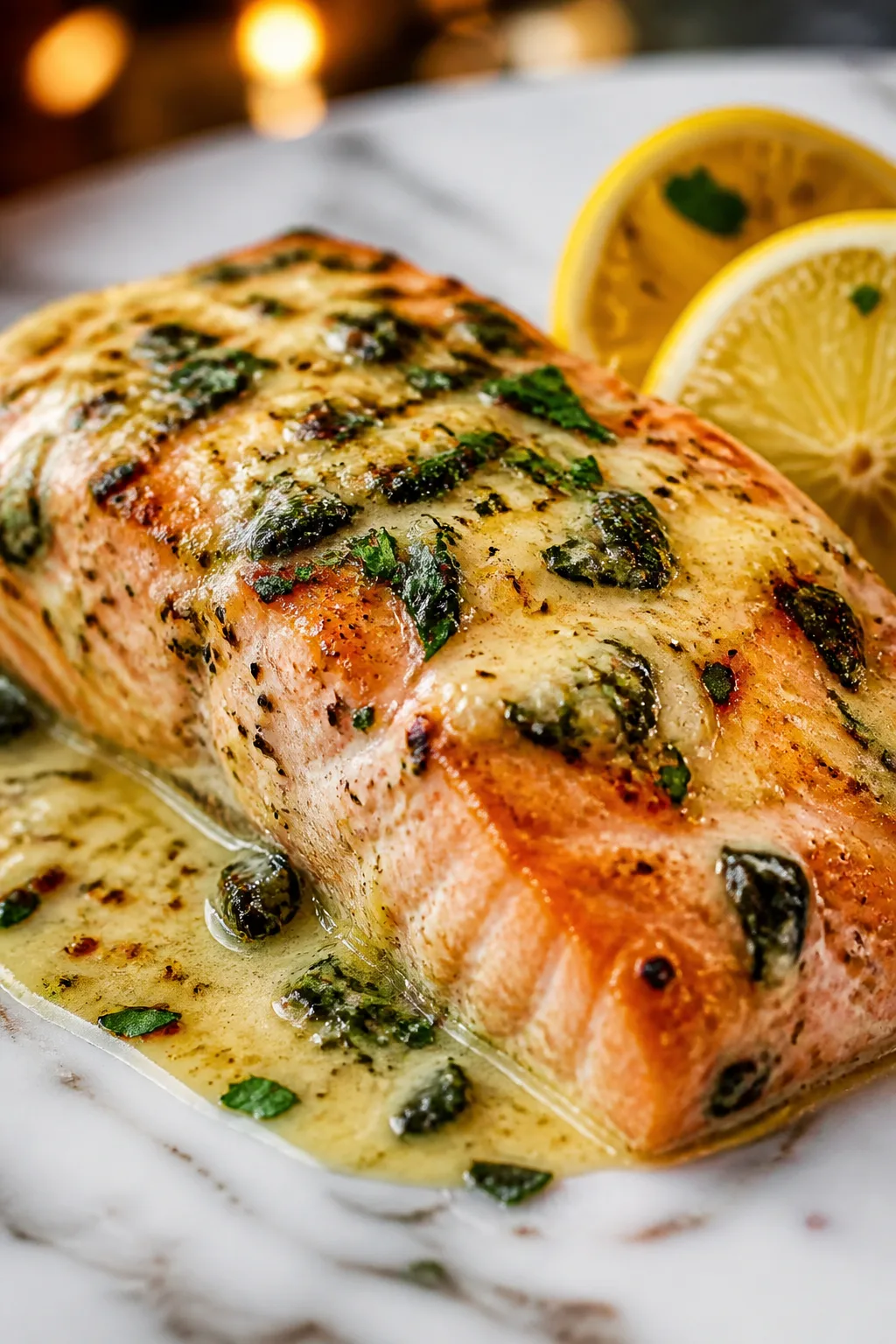
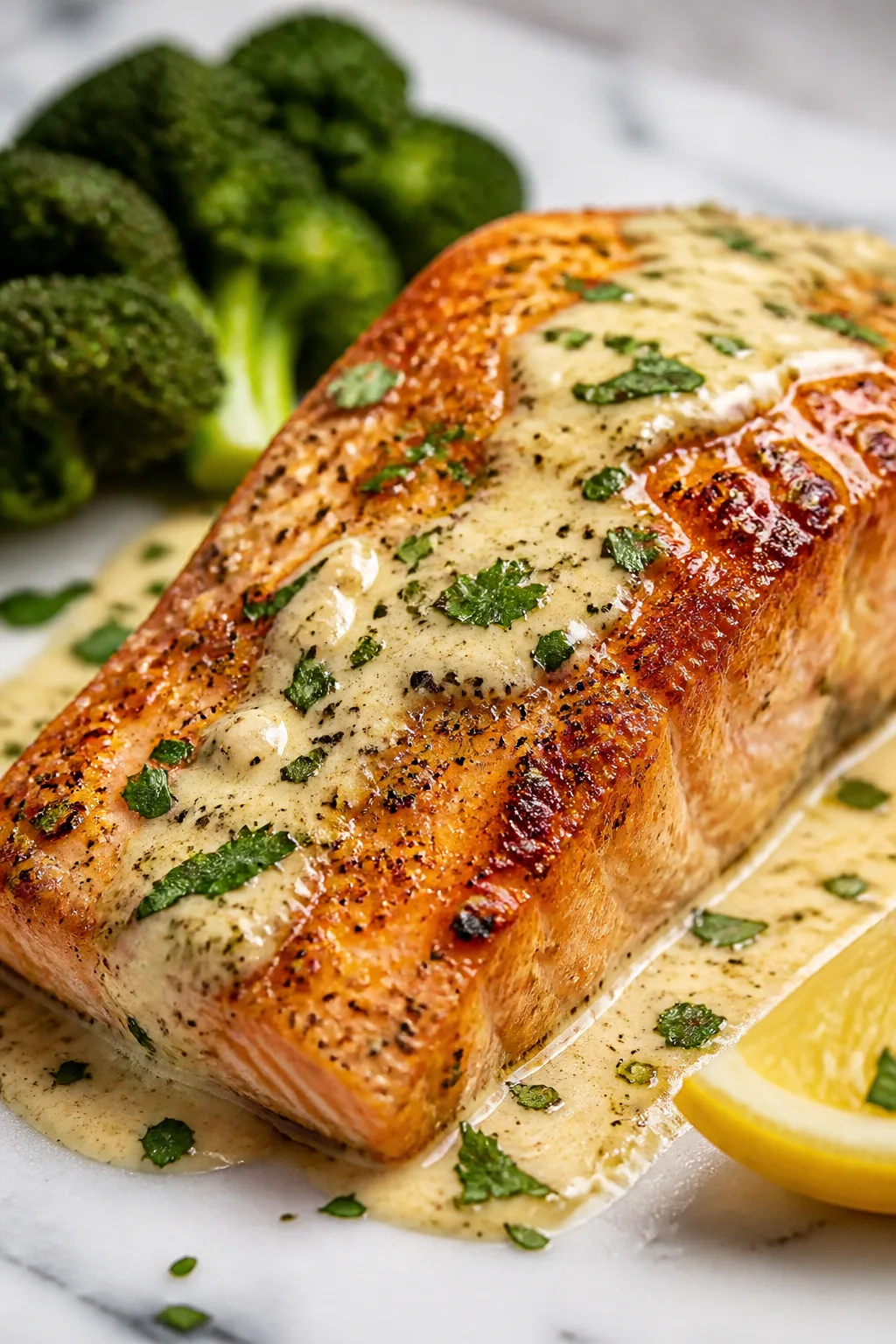
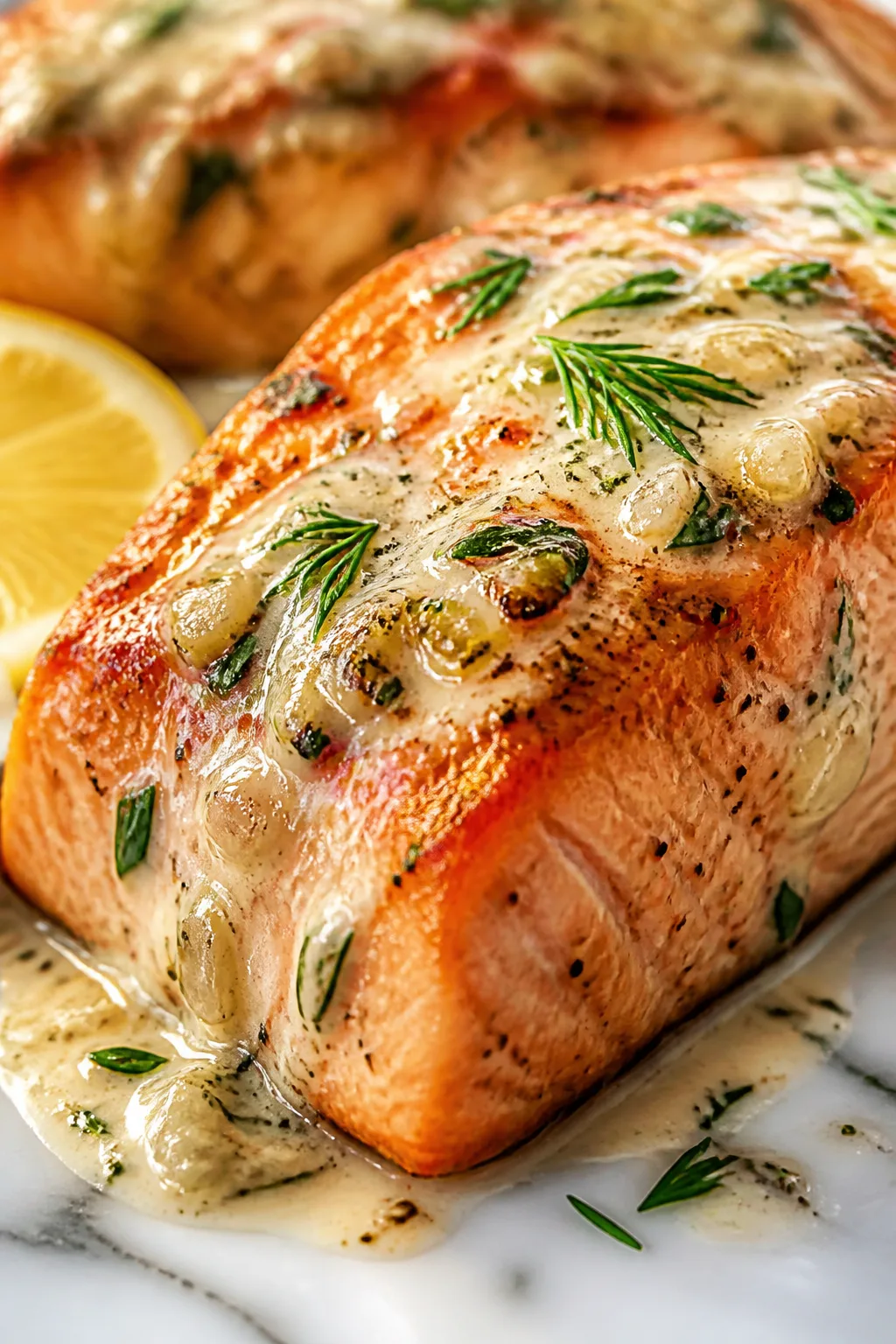
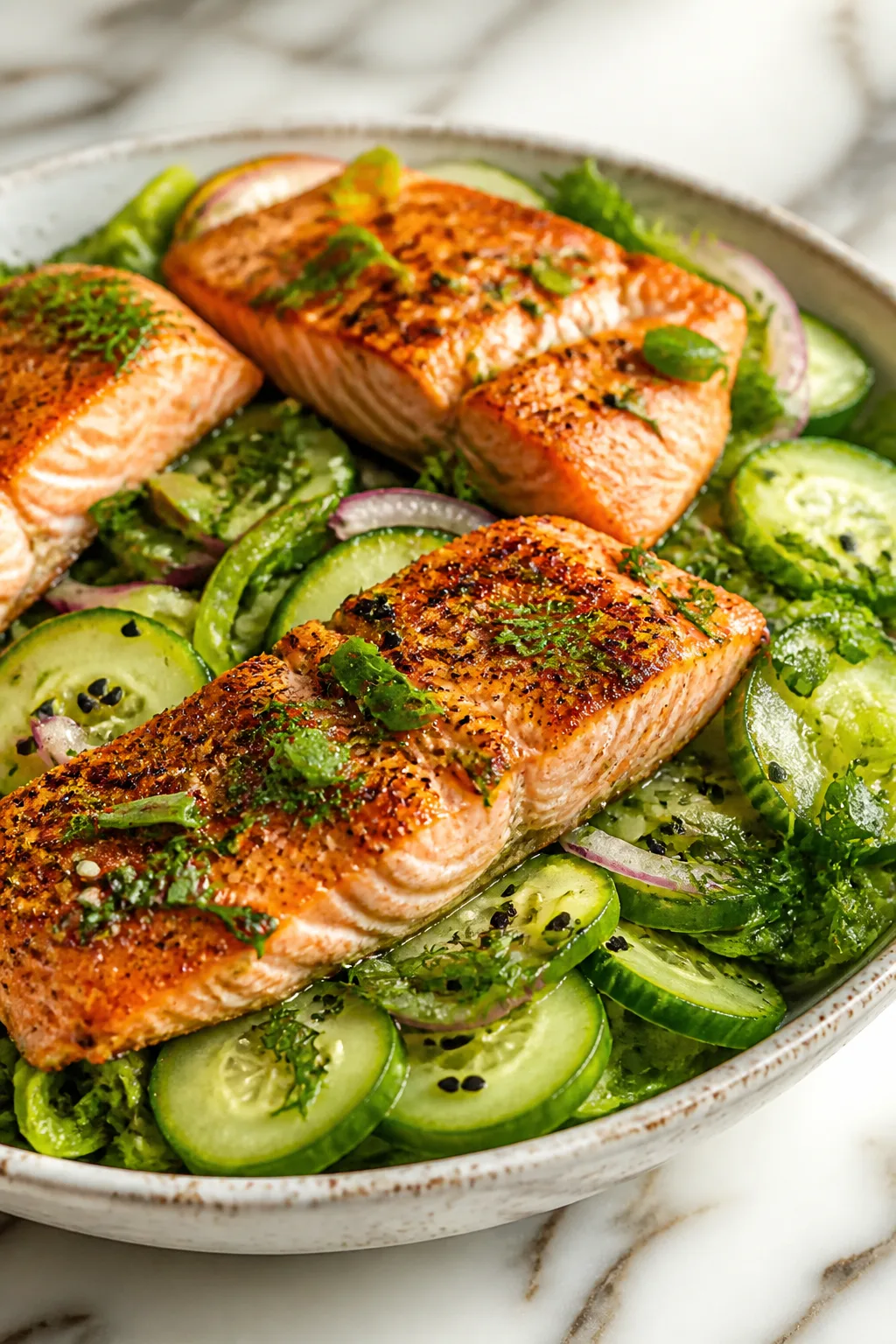
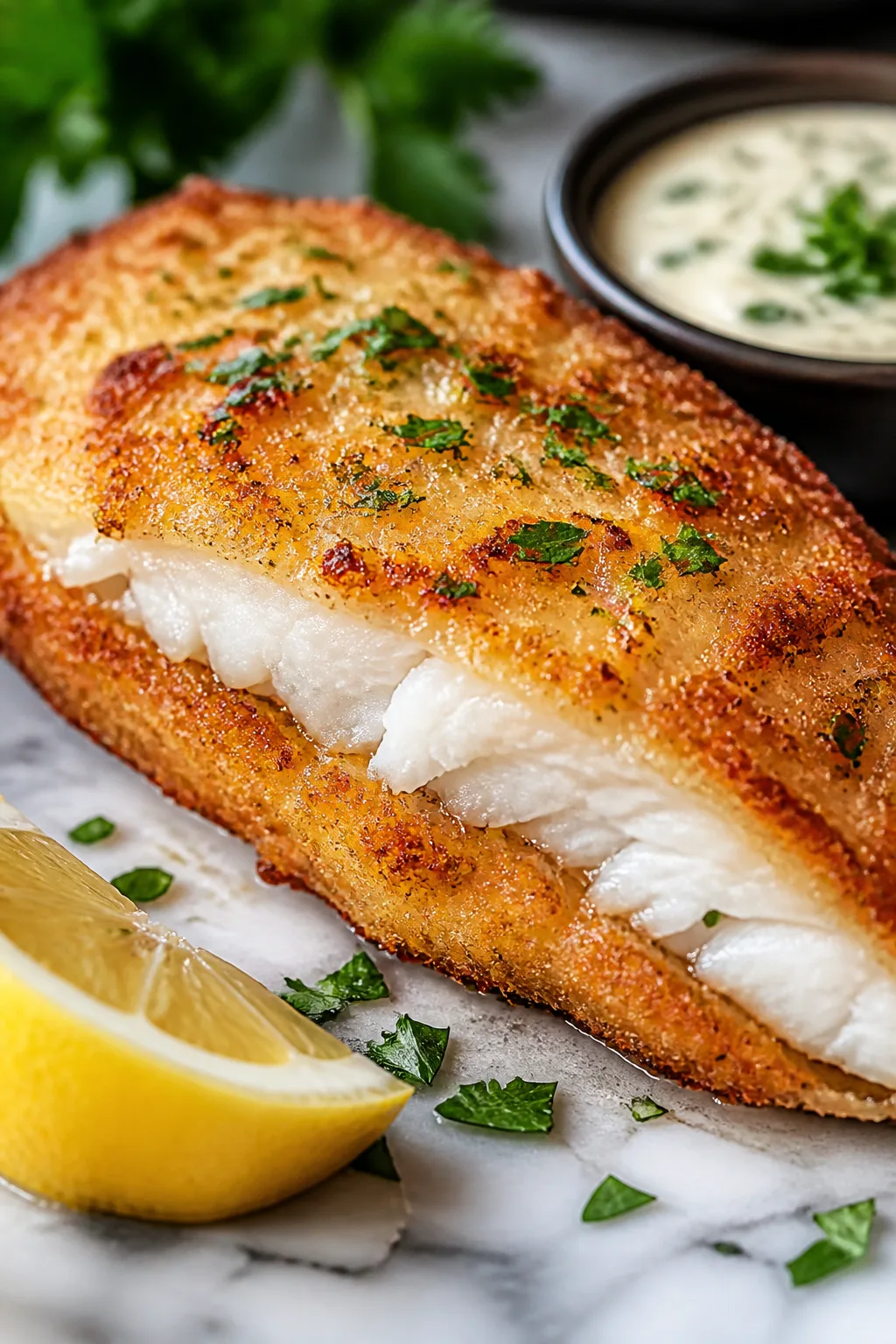
This creamy garlic salmon is a total game-changer for busy nights. The air fryer keeps the fish tender and juicy, while the garlicky cream sauce adds richness. Perfect for a cozy dinner that feels fancy but comes together fast!
Introduction
I first tried making salmon in my air fryer a few years ago, and honestly, it completely changed how I cook fish at home. The air fryer seals in moisture so well, making the salmon super tender without drying out. What really makes this recipe special is the creamy garlic sauce that I whip up while the salmon cooks—it’s rich, garlicky, and brightened with a splash of lemon, which balances everything beautifully. I’ve tried simpler versions before, but adding Parmesan and dill to the sauce really lifts the flavor to something a bit more indulgent but still easy enough for a weeknight. The trick I learned is to not overcook the salmon; the air fryer’s quick cooking time makes it foolproof but you have to watch it closely. The finished dish looks vibrant, with golden salmon and a silky sauce that’s perfect spooned over rice or steamed veggies. I love serving this when I want a comforting meal that feels a little fancy but doesn’t take hours, especially when life gets hectic and fast dinners are a must.
How To Do It
Step 1
Pat the salmon fillets dry with a paper towel to remove excess moisture. This helps the olive oil and seasoning stick better and ensures the skin crisps up nicely in the air fryer. Rub each fillet with olive oil, then season generously with salt and pepper on both sides. Drying the surface also promotes even cooking and browning, which adds flavor and texture. Avoid skipping this step because wet fish can steam instead of crisp, leading to a less appealing texture.
⏱ Time: 5
✓ Doneness: Salmon surface feels slightly tacky but not wet; olive oil evenly coats fillets
Step 2
Preheat your air fryer to 400°F (200°C) for about 3 minutes. This ensures a hot environment so the salmon cooks evenly and quickly, locking in juices. Place the fillets skin-side down in the basket without overcrowding to allow air circulation. Cook for 10-12 minutes depending on thickness. Rushing this step or overcrowding can cause uneven cooking and less crispy skin. The salmon should flake easily with a fork but still look moist inside when done.
⏱ Time: 12
✓ Doneness: Salmon is opaque and flakes apart easily but remains moist; skin is crisped
Step 3
While the salmon cooks, melt butter in a small saucepan over medium heat. Add minced garlic and sauté gently for 1-2 minutes until fragrant but not browned. This step builds the base flavor for the sauce; garlic burns quickly and becomes bitter, so keep the heat moderate and stir often. Sautéing garlic releases its oils and mellows its sharpness, making the sauce creamy and aromatic.
⏱ Time: 3
✓ Doneness: Garlic is soft and fragrant with a golden hue, not browned
Step 4
Pour in the heavy cream and increase heat to medium-high. Stir constantly as the mixture warms and thickens slightly, about 3-4 minutes. The cream reduces and concentrates flavor, creating a luscious sauce. If you skip this or rush it, the sauce might be too thin or lack depth. Keep an eye on it so it doesn’t boil over or scorch.
⏱ Time: 4
✓ Doneness: Sauce coats the back of a spoon and has thickened slightly
Step 5
Stir in grated Parmesan cheese and lemon juice. The Parmesan melts into the sauce, adding umami and richness, while the lemon juice brightens and balances the creaminess. Mix until cheese is fully incorporated and sauce is smooth. Avoid adding cheese too early as it might clump. This step makes the sauce silky and flavorful, perfect for pairing with salmon.
⏱ Time: 2
✓ Doneness: Sauce is smooth, glossy, and evenly mixed with no lumps
Step 6
Remove the sauce from heat and stir in fresh or dried dill. Dill adds a fresh, slightly herbal note that complements the richness of the cream and salmon beautifully. Adding it off heat preserves its delicate flavor. If you add dill too early, it can turn bitter or lose aroma.
⏱ Time: 1
✓ Doneness: Dill is evenly distributed with a fresh green fleck throughout the sauce
Step 7
Once the salmon is cooked, carefully remove fillets from the air fryer using a spatula to keep the skin intact. Place them on serving plates and spoon the warm garlic cream sauce generously over the top. The contrast of the crispy skin with the creamy sauce is what makes this dish so satisfying. Handle the fillets gently to avoid breaking them apart before serving.
⏱ Time: 3
✓ Doneness: Salmon fillets remain whole with crispy skin and creamy sauce coating
Step 8
Serve immediately with your choice of sides like steamed veggies, rice, or a fresh salad. The sauce is best enjoyed warm and fresh, so timing your sides to be ready simultaneously is key. Leftover sauce can be gently reheated but may thicken, so add a splash of cream or water if needed.
⏱ Time: 0
✓ Doneness: Meal plated attractively with hot sauce and sides ready to eat
Step 9
Clean your air fryer basket promptly after use to prevent stuck-on bits from hardening. Wipe down the exterior and let the appliance cool before storing. Regular maintenance keeps your air fryer working efficiently and extends its life.
⏱ Time: 5
✓ Doneness: Basket is clean and dry with no leftover residue
Pro Tips
Pat the salmon completely dry before seasoning.
Removing moisture from the salmon surface ensures the olive oil and seasonings adhere better and promotes crisp skin. If the fish is wet, it will steam rather than crisp in the air fryer, leading to a less desirable texture.
Don’t overcrowd the air fryer basket.
Air fryers rely on proper air circulation to cook food evenly and create crispiness. Crowding the basket traps steam and prevents the skin from crisping, resulting in uneven cooking and soggy texture.
Cook the garlic gently over medium heat.
Garlic burns quickly and becomes bitter if cooked too hot or too fast. Sautéing it slowly releases mellow, aromatic oils that enhance the sauce without overpowering it or adding bitterness.
Use freshly grated Parmesan cheese.
Pre-grated Parmesan often contains anti-caking agents that prevent it from melting smoothly. Freshly grated cheese melts into the sauce, creating a creamy, velvety texture and richer flavor.
Add lemon juice at the end of cooking the sauce.
Adding lemon juice too early can cause the sauce to curdle or lose its bright flavor. Adding it last preserves the fresh acidity that balances the richness of the cream perfectly.
Check salmon doneness with a fork gently.
Salmon should flake easily but still feel moist inside. Overcooking makes it dry and rubbery, while undercooked fish can be unsafe and unappealing. The fork test helps you get perfect texture every time.
Serve the sauce warm immediately after making.
The cream sauce thickens as it cools and can become less smooth. Serving it warm ensures the best silky texture and flavor impact when paired with the salmon.
Common Mistakes to Avoid
Overcooking the salmon
Why it happens Many cooks assume salmon needs a long cooking time or high heat to be done, but salmon is delicate and cooks quickly, especially in an air fryer.
Fix Use a timer and check for doneness early. The salmon should flake easily but remain moist. Removing it from heat just before it looks fully opaque allows residual heat to finish cooking gently.
Burning the garlic in the sauce
Why it happens Garlic cooks very fast and can burn if the heat is too high or if left unattended.
Fix Cook garlic over medium or medium-low heat, stirring often. Remove from heat once fragrant and lightly golden to avoid bitterness.
Skipping drying the salmon before cooking
Why it happens People often rinse salmon and start cooking immediately, leaving moisture on the surface.
Fix Pat the fish dry with paper towels thoroughly before seasoning. This helps the skin crisp up and prevents steaming.
Overcrowding the air fryer basket
Why it happens Trying to cook too many fillets at once limits airflow.
Fix Cook in batches if needed, ensuring space between fillets for crispy skin and even cooking.
Adding lemon juice too early to the sauce
Why it happens Some add lemon at the start, causing the cream to curdle.
Fix Add lemon juice after removing the sauce from heat to maintain smoothness and fresh flavor.
Variations
Spicy Cajun Creamy Salmon
Add 1 teaspoon of Cajun seasoning to the salmon before air frying and a pinch of cayenne to the cream sauce for a spicy kick. This variation brings warmth and bold flavor, perfect if you like a little heat.
Note: Be careful not to overpower the delicate salmon; adjust spice levels to taste and monitor sauce thickness as spices can affect it slightly.
Lemon Herb Cream Sauce
Swap dill for a mix of fresh parsley, thyme, and chives in the cream sauce for a bright, herbaceous flavor. Adding lemon zest along with juice intensifies citrus notes, giving a fresher profile.
Note: Use fresh herbs finely chopped and add at the end off-heat to preserve brightness and avoid bitterness.
Dairy-Free Coconut Cream Salmon
Replace heavy cream with full-fat coconut milk and use nutritional yeast instead of Parmesan for a dairy-free, vegan-friendly twist. The coconut milk gives a subtle sweetness that pairs beautifully with salmon.
Note: Coconut milk has a thinner consistency; simmer longer to thicken sauce or add a small slurry of cornstarch.
Mustard Dill Cream Sauce
Stir in 1 tablespoon Dijon mustard into the cream sauce along with dill for a tangy, savory flavor boost. This variation adds complexity and a slight tang that complements the salmon.
Note: Add mustard after cream has thickened and stir well; avoid boiling after adding mustard to prevent bitterness.
Garlic Butter Salmon with Roasted Vegetables
Serve salmon with a side of air-fried or roasted veggies like asparagus or Brussels sprouts tossed in the same garlic butter sauce for a complete meal with minimal cleanup.
Note: Cook vegetables slightly longer if roasting together; adjust timing so salmon remains tender and veggies are crisp-tender.
Nutrition
Per Serving:
Nutritional values are estimates and may vary based on specific ingredients used.
Storage & Tips
Room Temperature
Salmon dishes with cream sauce should not be left out at room temperature for more than 2 hours to prevent bacterial growth. Cover loosely if serving buffet style for short periods.
Refrigerator
Store leftovers in an airtight container in the fridge for up to 3 days. The sauce may thicken and the salmon will firm up; reheat gently to avoid drying out. Adding a splash of cream or water helps restore sauce consistency.
Freezer
Freeze cooked salmon and sauce separately in airtight containers for up to 2 months. Wrap salmon tightly in plastic wrap then foil to prevent freezer burn. Thaw overnight in the fridge before reheating gently.
Reheating
Reheat in a skillet over low heat or microwave on medium power in short bursts, stirring the sauce and adding a splash of cream if it becomes too thick. Avoid high heat to keep salmon moist and sauce smooth.
Make Ahead
Prepare the cream sauce up to 1 day ahead and refrigerate. Season salmon and keep covered until ready to air fry. Cook salmon fresh for best texture, then combine with warmed sauce before serving.
FAQ
Can I use frozen salmon fillets for this recipe?
Yes, but thaw them completely in the fridge overnight before cooking. Cooking frozen salmon directly in the air fryer will lead to uneven cooking and dry edges. Pat the fillets dry after thawing for best results.
What if I don’t have an air fryer? Can I bake the salmon instead?
Absolutely! Preheat your oven to 400°F (200°C) and bake the salmon skin-side down on a lined baking sheet for 12-15 minutes, depending on thickness. The texture will be slightly different, less crispy skin but still tender inside.
How do I know when the salmon is perfectly cooked?
Salmon is done when it flakes easily with a fork but still looks moist and slightly translucent in the center. Overcooked salmon becomes dry and tough, so check early and remove from heat as soon as it flakes.
Can I substitute the heavy cream with a lighter option?
You can use half-and-half or a mix of milk and cream, but the sauce will be thinner and less rich. To thicken, simmer longer or add a small amount of cornstarch slurry. Avoid skim milk as it may curdle.
Is it okay to use pre-minced garlic or garlic powder instead of fresh garlic?
Fresh garlic offers the best flavor and aroma for this sauce. Pre-minced garlic can work but may lack brightness and can be more bitter when cooked. Garlic powder won’t give the same texture or richness.
Can I prepare this dish ahead and reheat?
You can make the sauce ahead and refrigerate. Cook salmon fresh for best texture. When reheating, warm sauce gently and add a splash of cream to loosen it. Reheat salmon carefully to avoid drying out.
What sides go well with creamy garlic salmon?
Steamed or roasted vegetables like asparagus, green beans, or broccoli are great. Rice, quinoa, or mashed potatoes also pair nicely to soak up the sauce and create a filling meal.
How do I prevent the cream sauce from curdling?
Avoid boiling the sauce once cream and lemon juice are added. Cook gently over medium heat and add acidic ingredients like lemon juice off the heat to keep the sauce smooth and silky.
Final Thoughts
I hope you give this creamy garlic salmon a try soon—it's one of those dishes that feels special but is actually super simple. Let me know how it turns out!