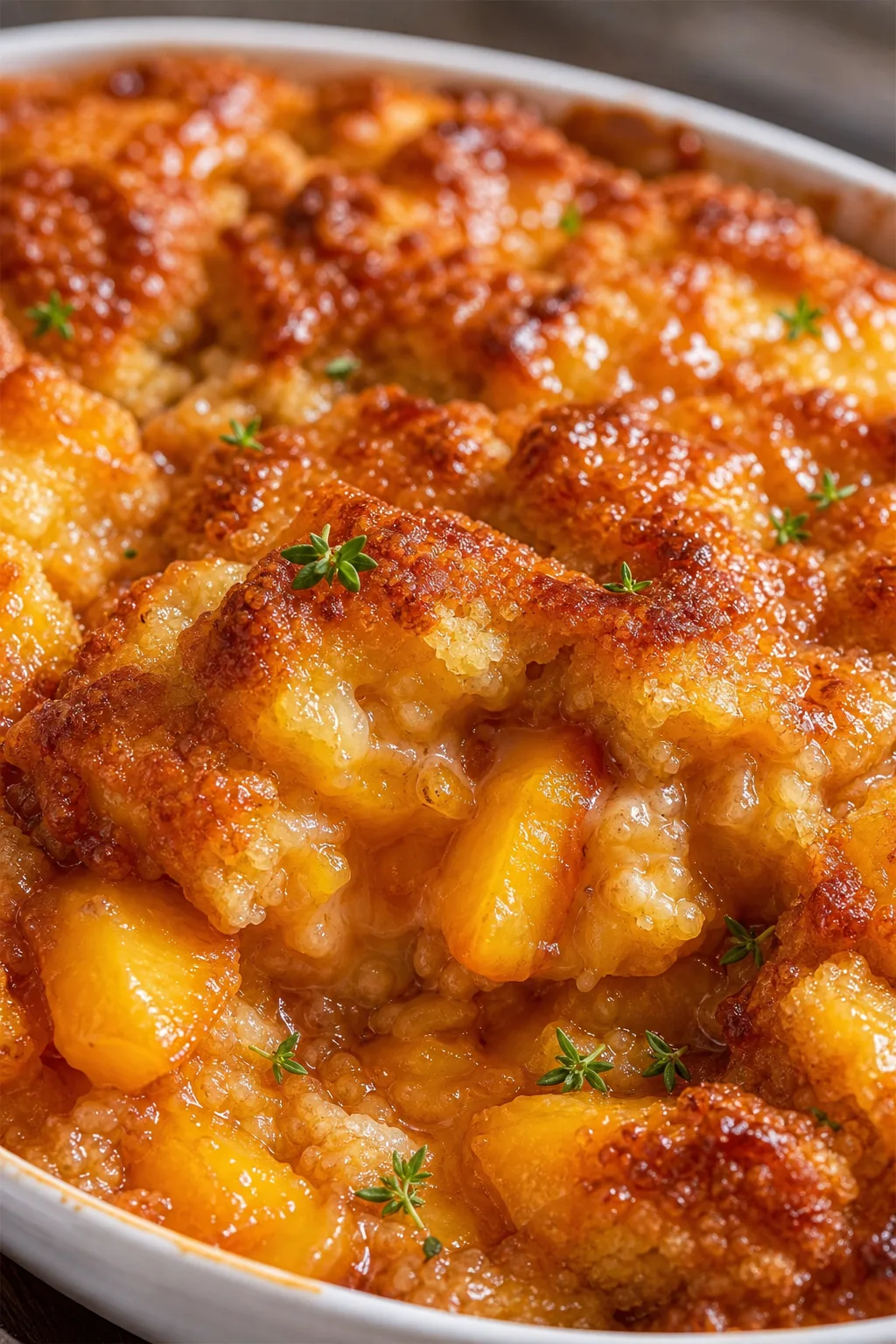
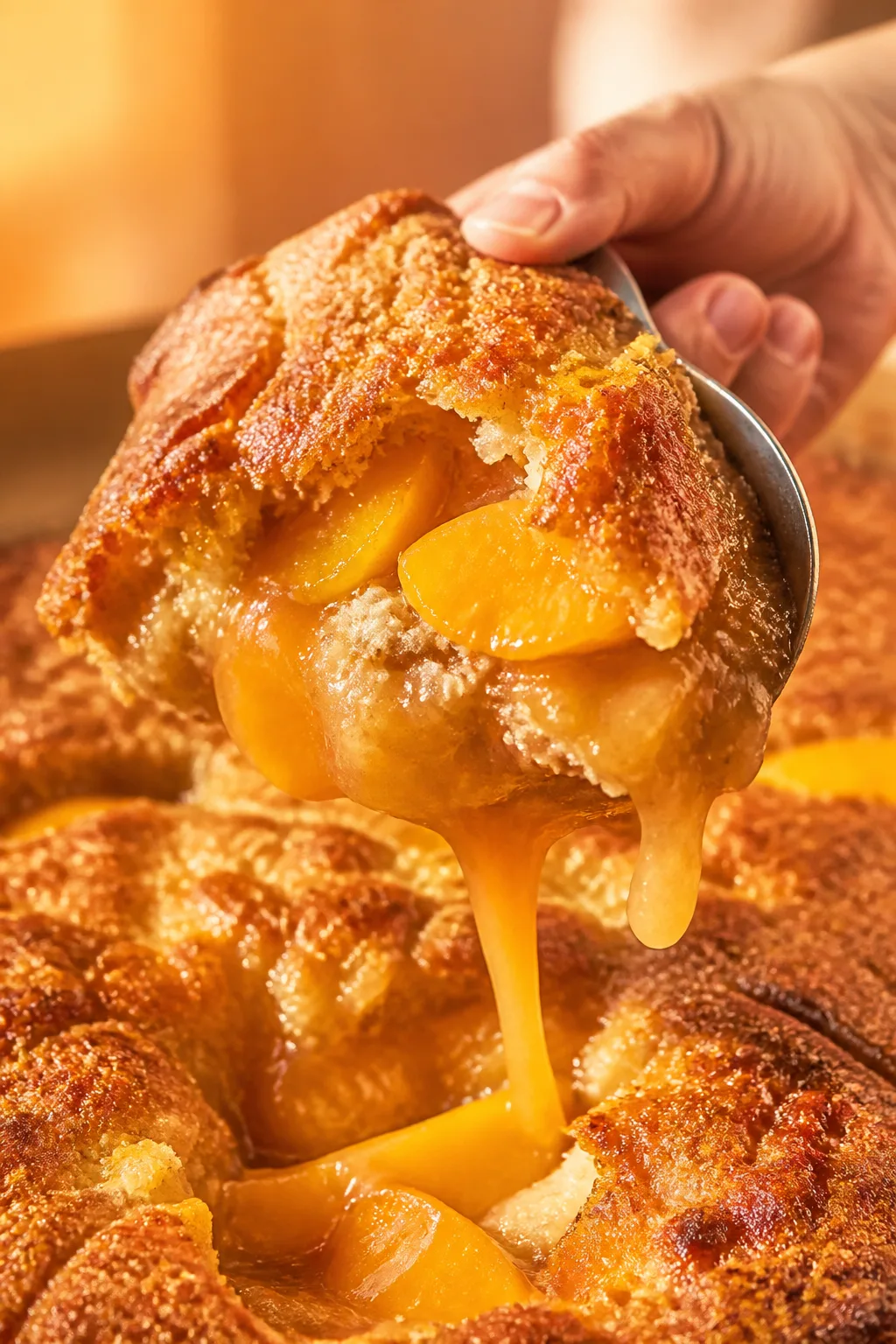
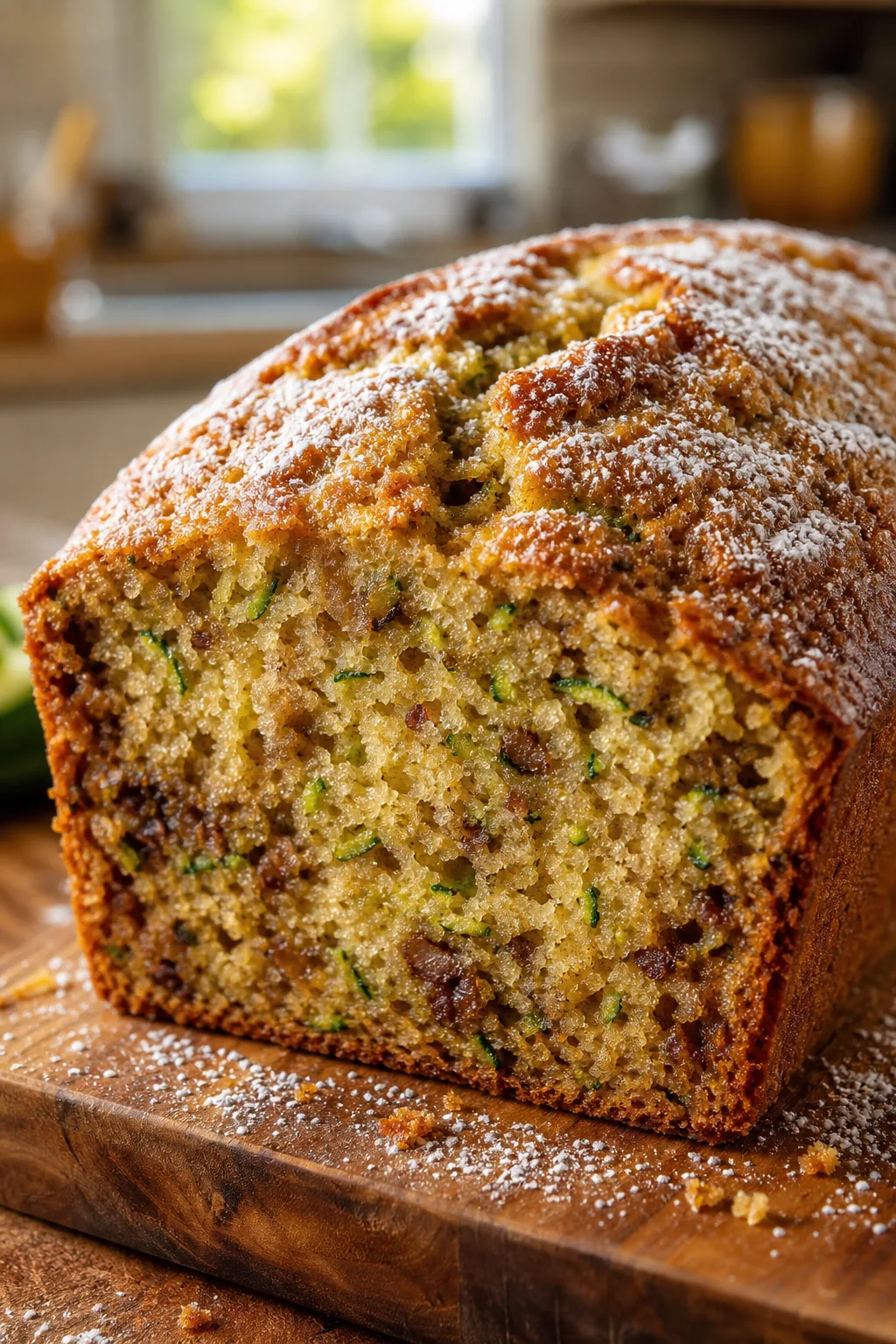
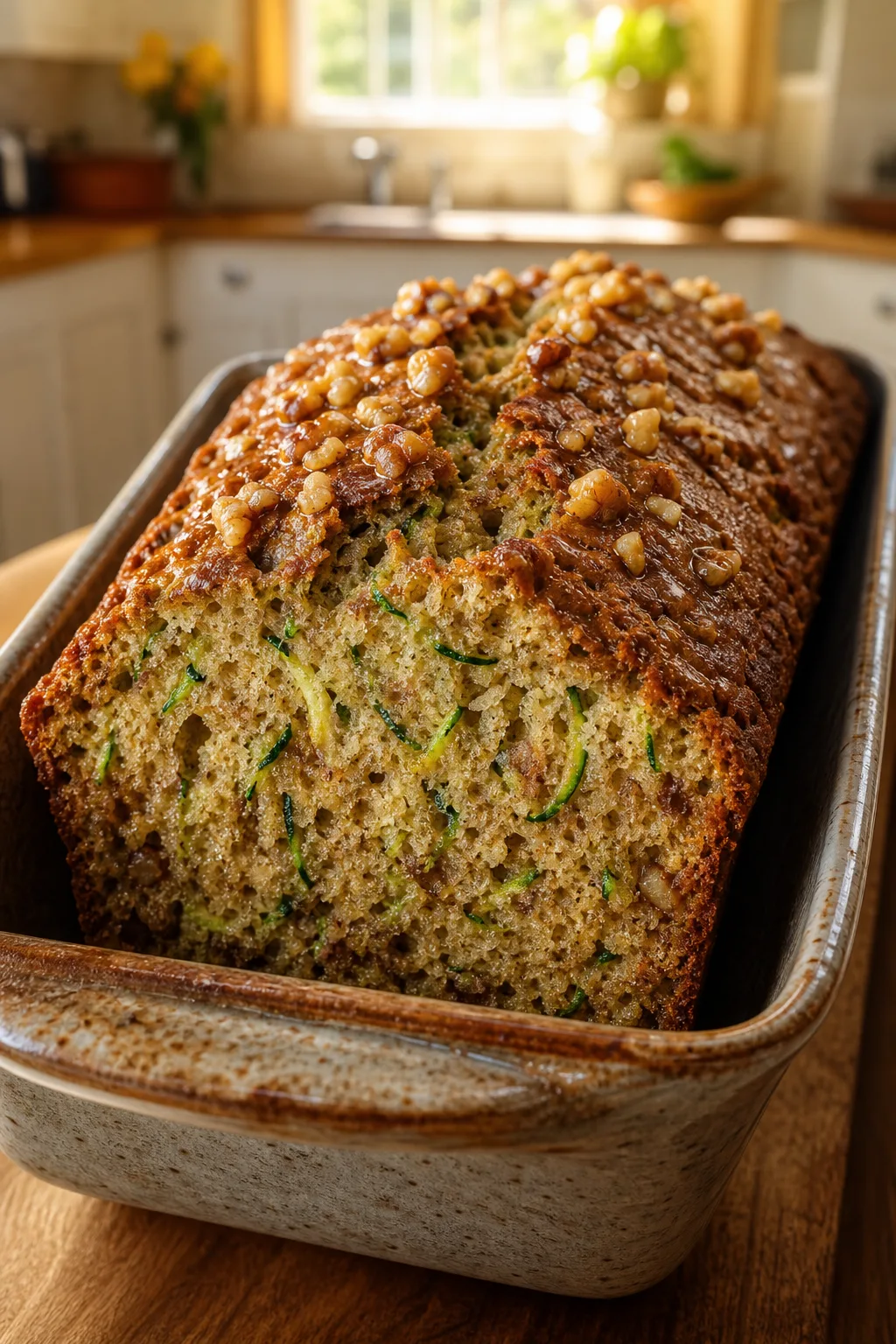
This peach cobbler is all about that crunchy sugar topping paired with juicy, tender peaches inside. It’s my go-to for sunny afternoons or casual family dinners. The secret? A sprinkle of sugar that crisps up beautifully in the oven.
Introduction
I first made this peach cobbler a few summers ago after stumbling upon a recipe from a favorite food blog, and it quickly became a family favorite. What makes this version stand out is the perfectly crunchy sugar topping that contrasts beautifully with the tender, juicy peaches inside. I’ve tried a few cobbler recipes, but this one nails the balance between crispy and soft every time. One trick I learned early on is to sprinkle coarse sugar on top before baking — it’s what gives the crust that irresistible crunch. Plus, using a mix of granulated and brown sugar in the filling adds depth and warmth to the peaches. When it comes out of the oven, it’s golden, bubbly, and smells like summer in a pan. I love serving it warm with a scoop of vanilla ice cream for a simple yet unforgettable dessert. Whether you’re baking for a weekend treat or a casual family dinner, this cobbler is a total crowd-pleaser that’s surprisingly easy to whip up.
How To Do It
Step 1
Preheat your oven to 375°F (190°C). This ensures the oven is hot enough to create a crispy crust without overcooking the peaches. While it heats, peel and slice the peaches evenly. The uniform slices help them cook at the same rate, preventing mushy bits or undercooked chunks. Toss the peaches with half the granulated sugar, brown sugar, lemon juice, cinnamon, and nutmeg. The sugar draws out the juices, creating a syrupy filling, while the spices add warmth and complexity. Let this mixture sit for about 10 minutes; this maceration step intensifies the peach flavor and sweetness.
⏱ Time: 15 minutes
✓ Doneness: Peaches should be softened slightly and syrupy but not mushy
Step 2
In a separate bowl, whisk together the flour, remaining granulated sugar, baking powder, and salt. Adding baking powder is key for a light, tender crust that isn’t dense or heavy. Then stir in the melted butter and milk until just combined. The batter will be thick but pourable. Avoid overmixing here because it can make the crust tough instead of tender. This batter forms the base of the cobbler crust and will bake up golden and flaky, complementing the juicy peach filling.
⏱ Time: 5 minutes
✓ Doneness: Batter should be smooth with no large lumps, slightly thick
Step 3
Pour the peach mixture into a greased 9x9-inch baking dish, spreading it out evenly so every bite has plenty of fruit. Then dollop the batter over the peaches in spoonfuls, trying to cover as much surface as possible but allowing some fruit to peek through. This layering ensures the crust crisps up beautifully on top while the peaches bubble underneath. If you spread the batter too thinly, the crust won’t be as noticeable; if too thick, it may undercook.
⏱ Time: 5 minutes
✓ Doneness: Filling evenly distributed with batter dollops covering most of the surface
Step 4
Sprinkle the coarse sugar evenly over the batter. This step is crucial because the coarse sugar caramelizes in the oven, creating that signature crunchy, golden topping that sets this cobbler apart. Don’t skip this or substitute with fine sugar, as it won’t give the same texture or sparkle. Once sugared, place the dish in the preheated oven.
⏱ Time: 2 minutes
✓ Doneness: Even coating of coarse sugar visible on batter surface
Step 5
Bake the cobbler for about 30 minutes, or until the top is golden brown and the peach filling is bubbling around the edges. That bubbling is a great sign the peaches are cooked through and the juices have thickened nicely. Avoid opening the oven frequently as the heat drop can prevent proper browning. If the crust is browning too quickly but the filling isn’t bubbly yet, loosely cover with foil to prevent burning while finishing cooking.
⏱ Time: 30 minutes
✓ Doneness: Golden crust and bubbling peach juices visible on sides
Step 6
Remove the cobbler from the oven and let it rest for at least 10 minutes before serving. This resting time allows the filling to thicken further and makes it easier to scoop. The crust will also firm up slightly, enhancing the contrast between crunchy topping and soft fruit. Serving it too hot can cause the filling to be runny and the crust to fall apart.
⏱ Time: 10 minutes
✓ Doneness: Filling thickened and crust set but still warm
Step 7
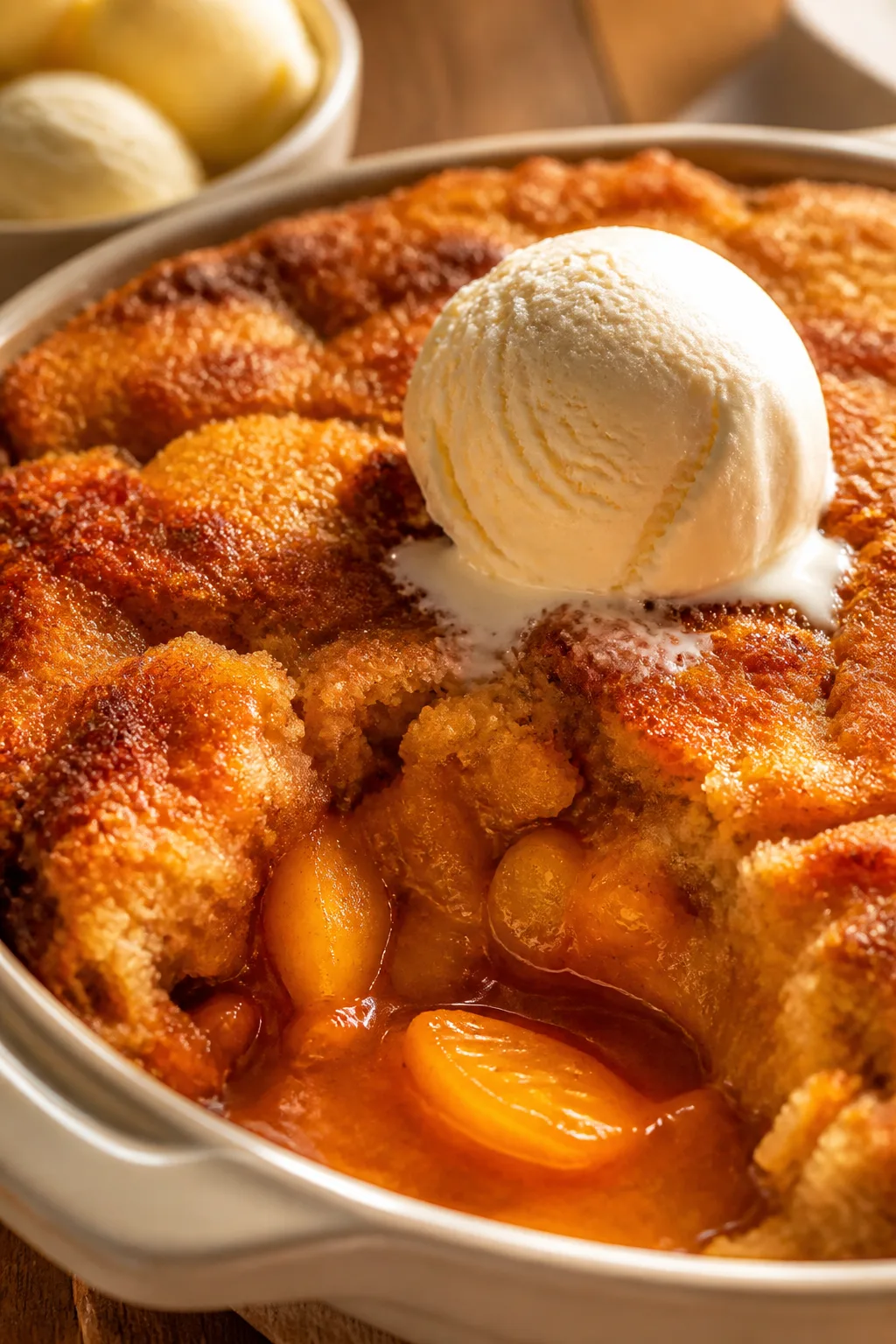
Serve the cobbler warm, ideally with a scoop of vanilla ice cream or a dollop of whipped cream. The cold creaminess complements the warm, spiced peaches and crunchy crust perfectly, creating a delightful mix of textures and temperatures. If you prefer, a drizzle of heavy cream or crème fraîche also works beautifully.
⏱ Time: 5 minutes
✓ Doneness: Ice cream slightly melting over warm cobbler
Step 8
If you have leftovers, cover the cobbler tightly with plastic wrap or foil and refrigerate. When reheating, warm it gently in the oven to restore crispness to the crust. Avoid microwaving as it can make the crust soggy and the filling watery. Reheating slowly at 300°F (150°C) for 10-15 minutes usually does the trick.
⏱ Time: Varies
✓ Doneness: Cobbler warmed through with crust regaining some crispness
Step 9
For an extra touch of flavor, try adding a splash of bourbon or vanilla extract to the peach mixture before baking. This adds depth and a subtle warmth that elevates the dessert. Just be careful not to add too much liquid, which could make the filling runny. A teaspoon or two is enough to enhance flavor without affecting texture.
⏱ Time: 2 minutes
✓ Doneness: Peach mixture fragrant with added notes before baking
Pro Tips
Let the peach mixture macerate for at least 10 minutes before baking.
Allowing the peaches to sit with sugar and spices draws out natural juices, intensifies flavor, and creates a syrupy filling. Skipping this step may result in less flavorful fruit and a dryer cobbler.
Use coarse sugar on top of the batter for a crunchy crust.
Coarse sugar caramelizes during baking, forming a distinctive crunchy crust that contrasts with the soft peaches. Fine sugar won’t create the same texture or sparkle.
Avoid overmixing the batter to keep the crust tender.
Overmixing develops gluten, which can make the crust tough. Mixing just until combined ensures a light, flaky texture.
Bake at a consistent 375°F (190°C) for even cooking.
A steady oven temperature crisps the crust while allowing the filling to bubble and thicken. Oven temperature fluctuations can cause uneven baking.
Let the cobbler rest after baking before serving.
Resting allows the juices to thicken and the crust to set, making it easier to serve without the filling running.
Use fresh, ripe peaches for the best flavor and texture.
Fresh peaches provide natural sweetness and firm texture. Overripe or underripe peaches can affect the consistency and taste.
Serve warm with vanilla ice cream or whipped cream.
The cold cream contrasts with warm peaches and crispy crust, creating a delightful balance of temperatures and textures.
Common Mistakes to Avoid
Using underripe or overripe peaches
Why it happens Sometimes people use peaches that are too firm or too soft, assuming all peaches work the same. This affects texture and sweetness.
Fix Choose peaches that are fragrant and slightly soft but not mushy. Peel and slice evenly. If using frozen, thaw and drain excess liquid before baking.
Skipping the maceration step
Why it happens Impatience or not knowing this step enhances flavor leads to skipping it.
Fix Let the peach-sugar mixture sit for at least 10 minutes before baking to draw out juices and intensify flavor.
Overmixing the batter
Why it happens Trying to get a perfectly smooth batter can lead to overworking the flour.
Fix Mix just until ingredients come together; some lumps are fine. This keeps the crust tender and flaky.
Not using coarse sugar on top
Why it happens Using regular sugar or skipping topping sugar results in a soft crust.
Fix Always sprinkle coarse sugar on top before baking for that signature crunch.
Opening the oven door frequently while baking
Why it happens Curiosity or rushing the process causes heat loss.
Fix Resist opening the oven to maintain temperature for even browning and bubbling filling.
Variations
Spiced Bourbon Peach Cobbler
Add 2 tablespoons of bourbon and a pinch of ground cloves to the peach mixture for a boozy, spiced twist. The bourbon adds warmth and depth, perfect for evening desserts or special occasions.
Note: Reduce other liquids slightly to prevent the filling from becoming too runny; baking time remains the same.
Gluten-Free Peach Cobbler
Substitute the all-purpose flour with a gluten-free baking blend. This version is just as delicious and keeps the same crunchy topping and juicy filling, great for gluten-sensitive diets.
Note: Gluten-free blends may require slightly more liquid; adjust milk quantity as needed for batter consistency.
Peach and Blueberry Cobbler
Mix in 1 cup fresh blueberries with the peaches for added color and a burst of tartness that complements the sweet peaches beautifully.
Note: Because blueberries release more juice, add an extra tablespoon of flour to the fruit mixture to help thicken the filling.
Vegan Peach Cobbler
Use coconut oil instead of butter and a plant-based milk like almond or oat milk to make this cobbler vegan-friendly without sacrificing flavor or texture.
Note: Coconut oil melts differently than butter; ensure it’s fully melted and cool before mixing to avoid greasy batter.
Peach Cobbler with Oat Topping
Replace half the flour in the batter with rolled oats for a heartier, more rustic topping that adds chewiness and extra fiber.
Note: Oats absorb more moisture, so the batter will be thicker; bake as usual but watch for browning.
Nutrition
Per Serving:
Nutritional values are estimates and may vary based on specific ingredients used.
Storage & Tips
Room Temperature
The cobbler can safely sit at room temperature for up to 2 hours covered loosely with foil or plastic wrap. Beyond that, refrigeration is recommended to prevent spoilage.
Refrigerator
Store leftovers in an airtight container in the fridge for up to 4 days. The crust may soften but reheating in the oven restores some crispness. It’s still delicious served cold, especially with cream.
Freezer
Freeze cobbler in a sealed container or wrapped tightly in plastic wrap and foil for up to 3 months. Thaw overnight in the fridge before reheating. Freezing may soften the crust slightly.
Reheating
Reheat cobbler in a 300°F oven for 10-15 minutes until warmed through and crust is crisp again. Avoid microwaving as it makes the crust soggy. Add a splash of milk if the filling seems dry.
Make Ahead
Prepare the peach filling a day ahead and refrigerate. Assemble the batter and topping just before baking for a fresher crust. This saves time on busy days while keeping flavors vibrant.
FAQ
Can I use canned peaches instead of fresh?
You can, but canned peaches are softer and often packed in syrup, which can make the filling too sweet or watery. Drain them well and reduce added sugar to balance. Fresh peaches provide the best texture and flavor.
Why is my cobbler crust soggy instead of crispy?
Usually, it’s because coarse sugar wasn’t used on top or the oven temperature was too low. Make sure to sprinkle coarse sugar and bake at the right temperature for crispiness.
Can I make this cobbler gluten-free?
Yes! Substitute all-purpose flour with a gluten-free baking blend. You might need to adjust the liquid slightly, but the texture and taste will remain delicious.
How do I store leftover cobbler?
Cover leftovers tightly and refrigerate for up to 4 days. Reheat in the oven to restore the crust’s crunch. Avoid microwaving if you want to keep the texture crisp.
Can I prepare the cobbler ahead of time?
You can mix the peaches with sugar and spices a day ahead and keep refrigerated. Prepare batter fresh before baking to keep the crust tender and flaky.
What if my peaches aren’t very sweet?
Add an extra tablespoon of sugar to the filling to balance tartness. You can also add a splash of vanilla or a pinch of cinnamon for extra warmth.
Why is the filling watery after baking?
This can happen if the peaches weren’t macerated or if too much liquid was added. Also, baking long enough for the juices to thicken is key. Letting the cobbler rest helps the filling set.
Can I use frozen peaches?
Yes, but thaw and drain them well first. Frozen peaches release more water, so consider adding a bit more flour to the filling to prevent sogginess.
Final Thoughts
I hope you enjoy making this peach cobbler as much as my family does! It’s a simple, delicious way to celebrate summer — be sure to share your baking stories with me.