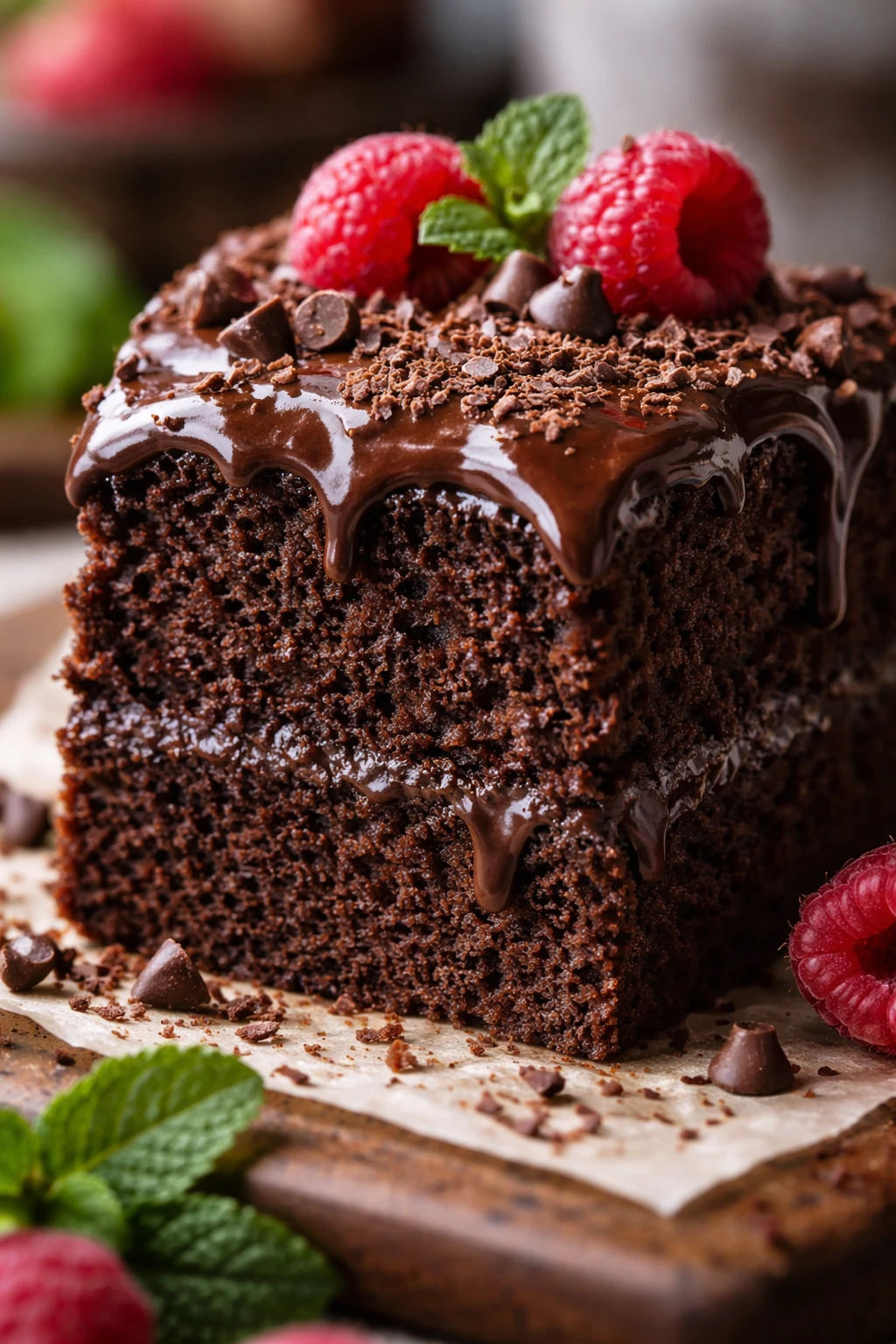
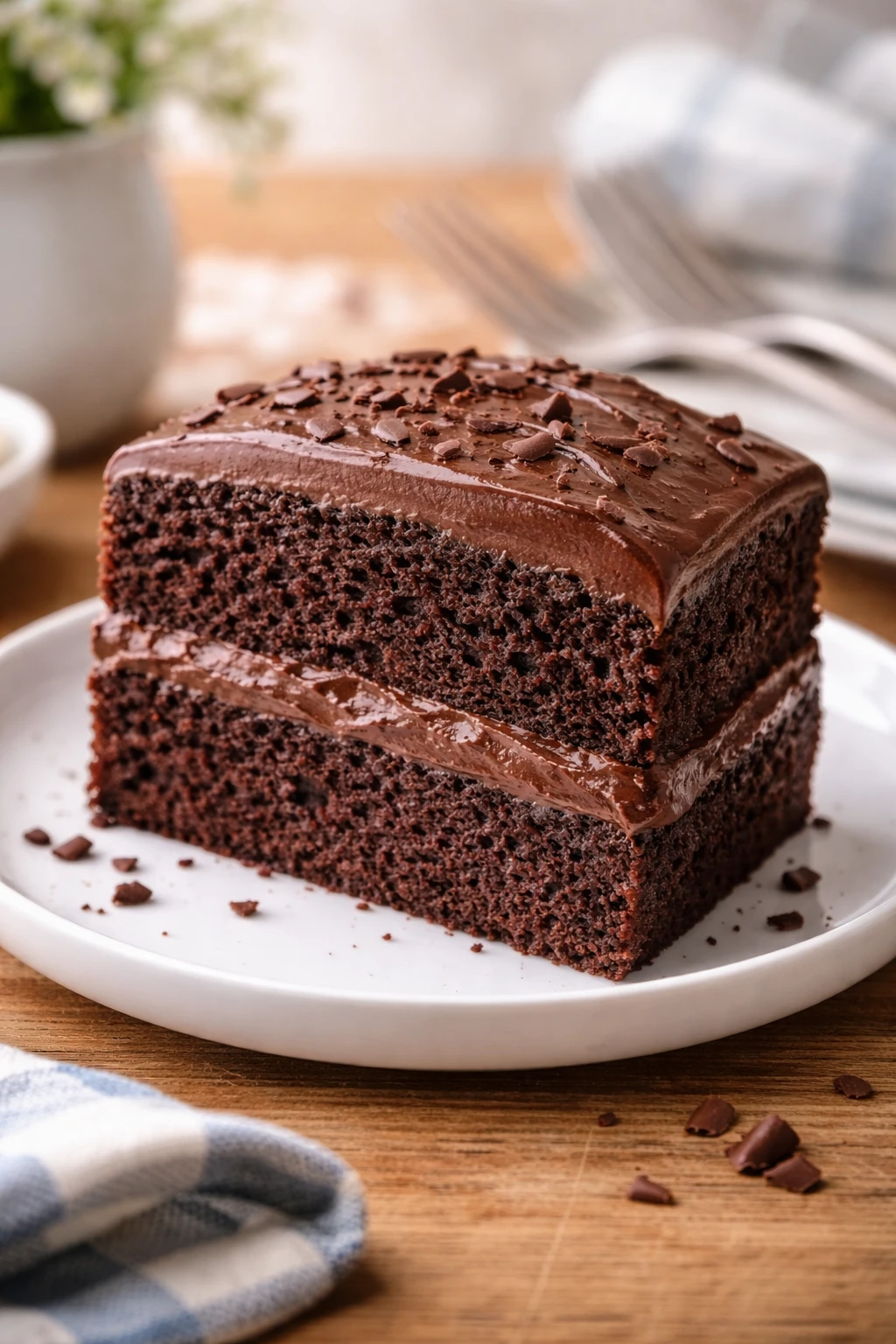
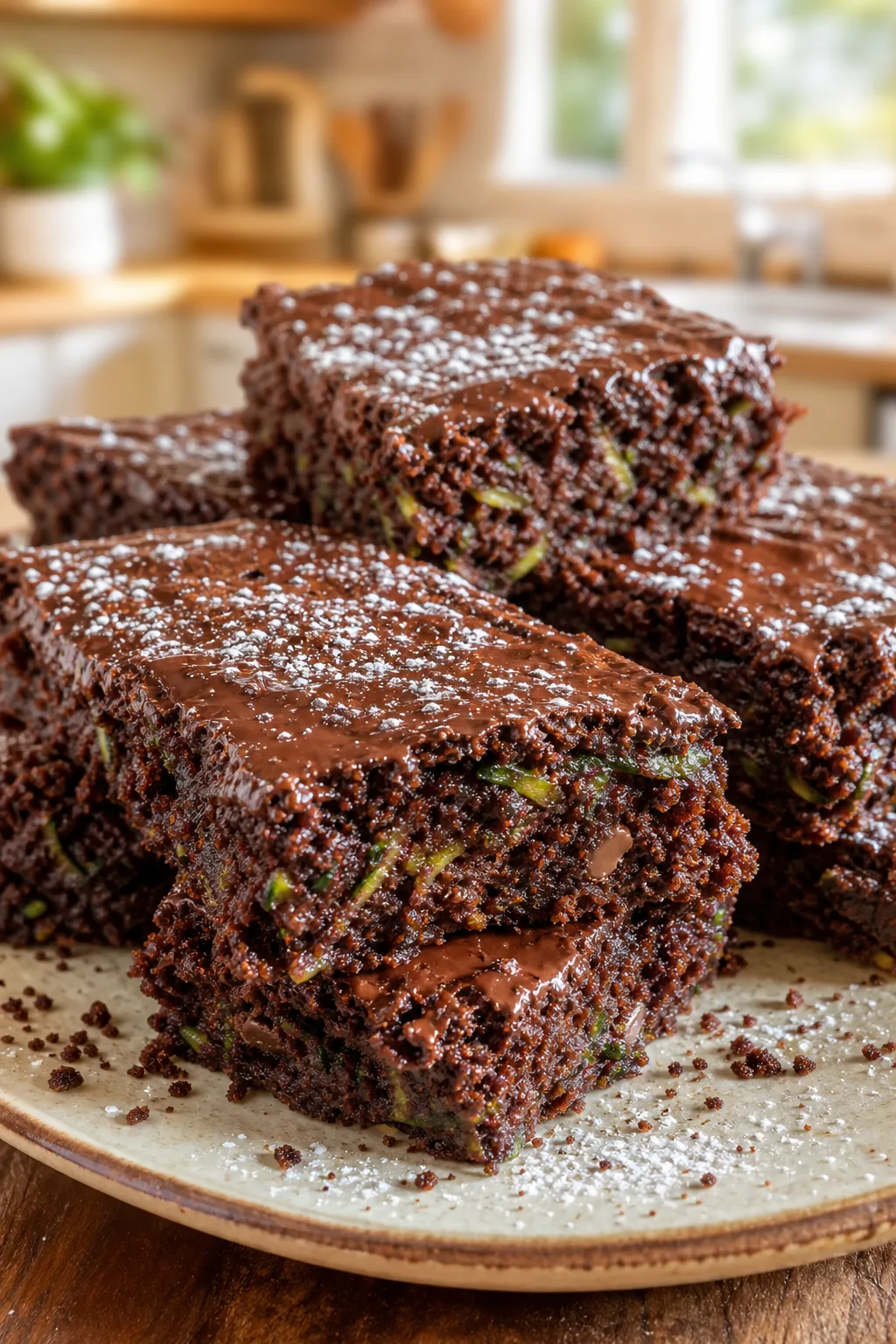
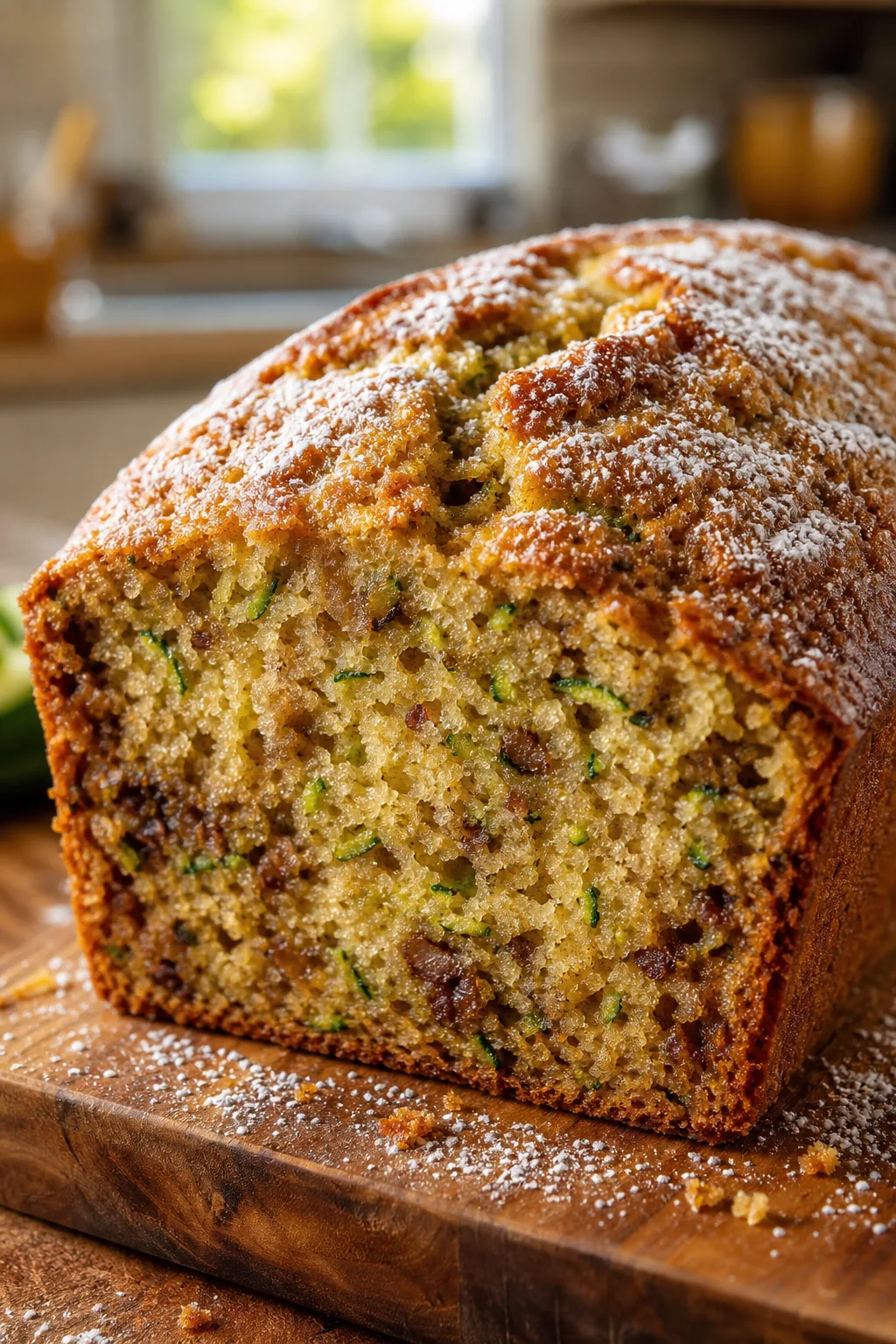
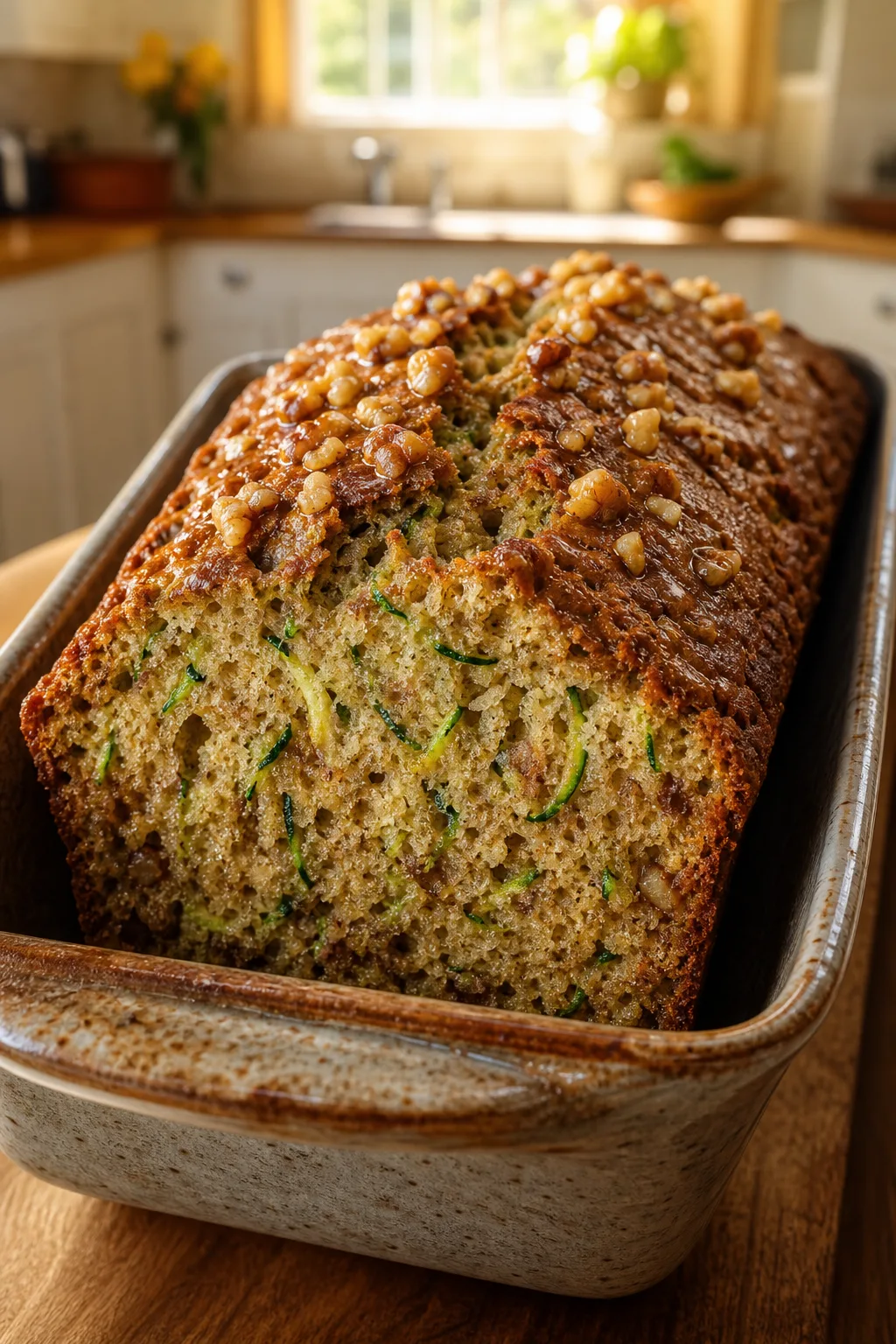
This chocolate cake is my quick fix when I want something homemade but don’t have hours to bake. Just five ingredients, no complicated steps, and it’s ready in under an hour. Great for a cozy dessert any night!
Introduction
I first stumbled upon this chocolate cake recipe on a hectic weeknight when I wanted something sweet but didn’t have the energy for a complicated bake. It’s a lifesaver — just five simple ingredients from my pantry, no mixer needed, and it comes together in under an hour. What makes this cake special is how it manages to be both super moist and deeply chocolatey without any fancy ingredients or steps. I think the key is sifting the dry ingredients well and gently folding in the wet ones to keep it light. I’ve tried richer recipes, but this one wins for ease and comfort every time. The finished cake has a tender crumb with a subtle chocolate bite that’s perfect on its own or with a scoop of vanilla ice cream. Honestly, it feels like a warm hug on a plate — exactly what I want after a long day. Plus, since it’s so quick, I often bake it spontaneously when friends drop by or when my family needs a little pick-me-up. It’s become a staple in my kitchen, and I hope you’ll find it just as satisfying and simple to make.
What You'll Need
One 8-inch round cake, serves 6
- 1 cup all-purpose flour, sifted
- 1/2 cup granulated sugar
- 1/4 cup unsweetened cocoa powder, sifted
- 1/2 cup milk, room temperature
- 1/4 cup vegetable oil
How To Do It
Step 1
Preheat your oven to 350°F (175°C) and grease an 8-inch round cake pan with a little oil or butter, then lightly dust it with flour. This step ensures your cake won’t stick to the pan, making it easy to remove once baked. Sifting the flour and cocoa powder together here helps prevent lumps and makes sure the dry ingredients are evenly combined, which is crucial for a smooth batter. Avoid skipping the sifting because it can lead to a denser texture with clumps of cocoa or flour in the final cake.
⏱ Time: 10 minutes
✓ Doneness: Pan is evenly greased and dusted with no visible patches; dry ingredients are lump-free and well mixed
Step 2
In a mixing bowl, combine the sugar, sifted flour, and cocoa powder. Then add the milk and vegetable oil. Use a whisk or fork to gently stir everything together until just combined. It’s important not to overmix here because overworking the batter can develop gluten, making the cake tough instead of tender. The batter should be smooth but still a bit thick. If you rush this step or mix too vigorously, you might end up with a dense cake rather than a light, moist one.
⏱ Time: 5 minutes
✓ Doneness: Batter is smooth with no flour pockets but not overly runny or thin
Step 3
Pour the batter into your prepared cake pan and gently tap the pan on the counter a couple of times to release any air bubbles trapped inside. This helps create an even crumb without large holes or tunnels. Then place the pan in the center of the preheated oven to ensure even cooking. If the oven rack is too low or too high, the cake might cook unevenly or brown too fast on one side.
⏱ Time: 2 minutes
✓ Doneness: Batter evenly spread in pan with no large bubbles visible on surface
Step 4
Bake for about 25 to 30 minutes. Around the 25-minute mark, start checking the cake by inserting a toothpick or skewer into the center. If it comes out clean or with just a few moist crumbs, the cake is done. Don’t open the oven too often while baking because temperature changes can cause the cake to deflate or bake unevenly. If you skip the toothpick test, you risk underbaking, which results in a gooey center.
⏱ Time: 25-30 minutes
✓ Doneness: Toothpick inserted into center comes out clean or with a few moist crumbs
Step 5
Once done, remove the cake from the oven and let it cool in the pan for about 10 minutes. This resting time lets the cake firm up slightly, making it easier to remove from the pan without breaking. If you try to unmold it too soon, it might crumble or stick. After 10 minutes, run a knife around the edges to loosen the cake and invert it onto a wire rack to cool completely.
⏱ Time: 10 minutes
✓ Doneness: Edges slightly pulling away from pan; cake feels firm but still soft
Step 6
While the cake cools, you can prepare a simple dusting of powdered sugar or whip up a quick chocolate glaze if you like. I often keep it plain because the cake’s natural texture and flavor stand out without extra fuss. But if you want to dress it up, a thin layer of glaze adds a lovely shine and extra chocolate punch.
⏱ Time: Optional, 5 minutes
✓ Doneness: Glaze is smooth and shiny or powdered sugar is evenly dusted
Step 7
Slice the cake with a sharp serrated knife for clean edges. Wipe the knife between cuts if needed to keep slices neat. Serving it slightly warm brings out the soft texture, but it’s also delicious at room temperature. Pair with ice cream, fresh berries, or just a cup of coffee for a perfect simple dessert.
⏱ Time: 5 minutes
✓ Doneness: Slices hold shape cleanly without crumbling excessively
Step 8
Store any leftovers covered at room temperature for up to two days. If you want to keep it longer, wrap tightly and refrigerate or freeze. When reheating, a quick zap in the microwave or warming in a low oven with a little foil keeps it moist and fresh.
⏱ Time: Storage instructions
✓ Doneness: Cake remains moist and tender after reheating
Step 9
Enjoy your homemade chocolate cake with friends or family! This recipe is perfect for last-minute desserts or casual get-togethers. Don’t hesitate to experiment with add-ins like nuts or chocolate chips next time for a fun twist.
⏱ Time: Serving
✓ Doneness: Cake is enjoyed with smiles and satisfied appetites
Pro Tips
Always sift your dry ingredients together before mixing.
Sifting aerates the flour and cocoa powder, removing lumps and ensuring even distribution. This step helps create a lighter, more tender crumb by preventing clumps of dry ingredients that would cause dense spots.
Use room temperature milk for the best batter consistency.
Room temperature milk mixes more evenly with other ingredients, preventing clumping and ensuring smooth batter. Cold milk can cause uneven mixing and affect how the cake rises and bakes.
Don’t overmix the batter once wet and dry ingredients combine.
Overmixing develops gluten in the flour, which makes cakes tough and chewy rather than soft and tender. Mix just until no dry flour remains for the best texture.
Tap the cake pan gently before baking to release air bubbles.
This prevents large holes or tunnels in the cake crumb by allowing trapped air to escape. It helps create an even texture and appearance in the finished cake.
Check doneness with a toothpick starting at 25 minutes.
Ovens vary, so checking early helps avoid overbaking which leads to dryness. A toothpick that comes out clean or with moist crumbs signals the cake is perfectly baked.
Let the cake cool in the pan for 10 minutes before removing.
Cooling slightly firms up the cake, reducing the risk of it breaking or sticking when unmolding. This also helps the crumb set nicely.
Use a serrated knife for slicing to keep edges neat.
A serrated knife cuts through the tender crumb cleanly without compressing or tearing the cake, giving you beautiful slices.
Common Mistakes to Avoid
Skipping sifting dry ingredients
Why it happens Many cooks skip sifting to save time or because they underestimate its impact, assuming it’s unnecessary.
Fix Always sift flour and cocoa powder together to remove lumps and aerate. It prevents dense clumps in the batter and ensures even mixing. If you don’t have a sifter, use a fine mesh sieve or whisk the dry ingredients thoroughly.
Overmixing the batter
Why it happens It’s tempting to mix until perfectly smooth, but overmixing develops gluten and toughens the cake.
Fix Mix just until the ingredients are combined and no dry streaks remain. It’s okay if the batter looks slightly lumpy but no dry flour should be visible.
Baking at too high a temperature
Why it happens Some ovens run hot or cooks increase temperature to speed up baking, causing uneven cooking.
Fix Stick to 350°F (175°C) for even baking. If your oven runs hot, consider lowering temperature slightly. This prevents a burnt crust with an undercooked center.
Removing cake from pan too soon
Why it happens Impatience or fear of overcooking leads to unmolding while cake is still too warm and fragile.
Fix Let the cake cool in the pan for at least 10 minutes before removing. This allows it to firm up and reduces sticking or breaking.
Not checking cake doneness early enough
Why it happens Relying solely on baking time can cause overbaking since ovens vary.
Fix Start checking with a toothpick at 25 minutes. Remove cake as soon as the toothpick comes out clean or with moist crumbs for perfect texture.
Variations
Add Chocolate Chips
Fold in 1/3 cup of semi-sweet chocolate chips to the batter before pouring into the pan. This adds bursts of melty chocolate throughout the cake, making it extra indulgent without changing the texture much.
Note: Fold gently to avoid breaking the chips and keep the batter light. No change in baking time needed.
Use Buttermilk Instead of Milk
Swap the milk for buttermilk to add a subtle tang and extra tenderness to the cake. The acidity reacts with baking soda (if added) to create a lighter crumb.
Note: If using buttermilk, reduce baking powder slightly or add 1/4 tsp baking soda for proper rise.
Make It Vegan
Replace milk with almond or oat milk and use flaxseed 'egg' (1 tbsp flaxseed meal + 3 tbsp water) instead of eggs if your recipe includes them. Use vegetable oil as is for moisture.
Note: Mix flaxseed mixture before adding and allow to thicken. Baking time remains the same, but texture may be slightly denser.
Add Espresso Powder
Mix 1 tsp instant espresso powder into the dry ingredients to deepen the chocolate flavor and add a subtle coffee undertone without bitterness.
Note: Espresso powder dissolves quickly; ensure it’s evenly mixed with cocoa powder before adding wet ingredients.
Top with Fresh Berries
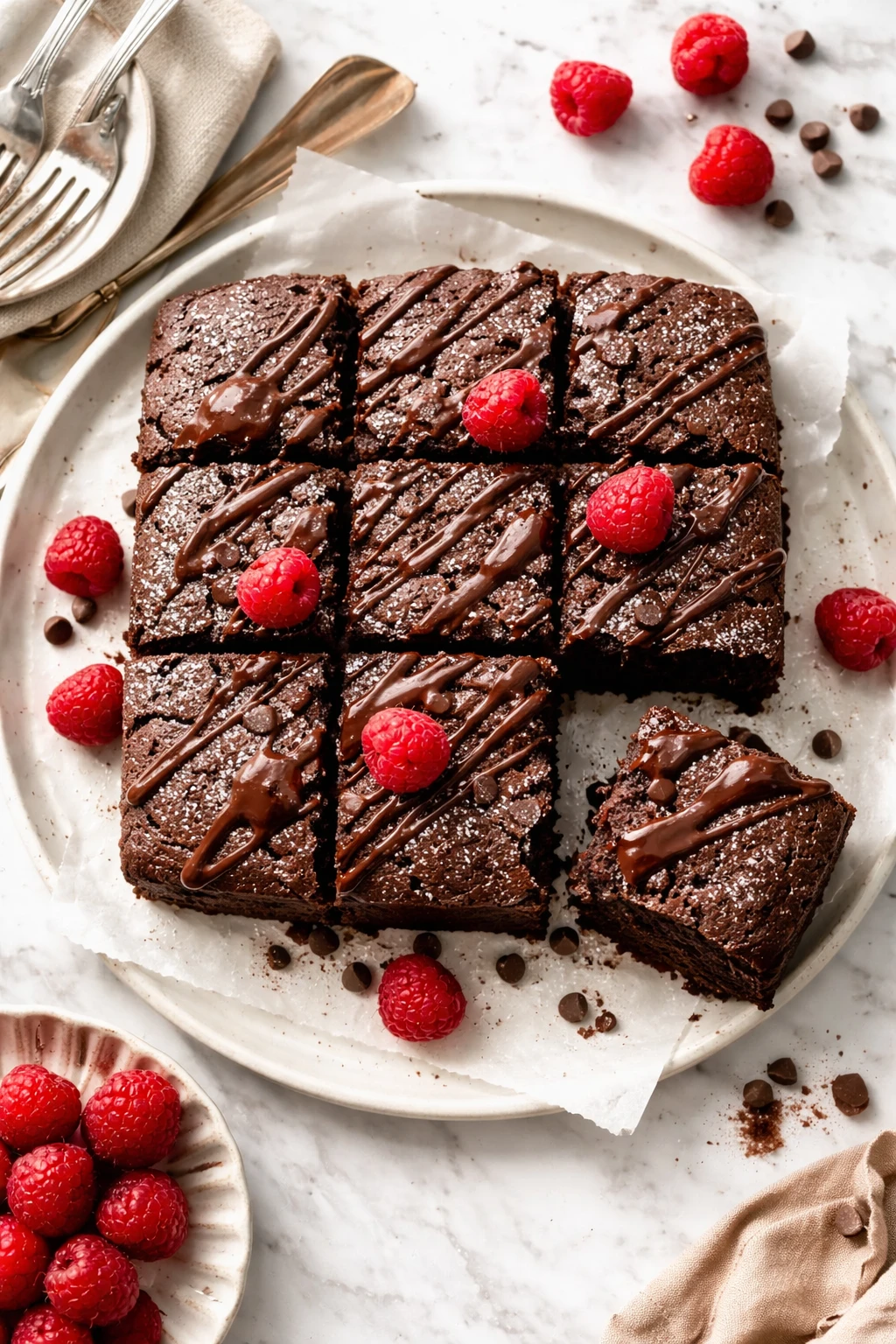
After cooling, top the cake with fresh raspberries or strawberries and a dusting of powdered sugar for a fresh, bright contrast to the rich chocolate.
Note: Serve immediately after adding berries to prevent moisture from seeping into the cake.
Nutrition
Per Serving:
Nutritional values are estimates and may vary based on specific ingredients used.
Storage & Tips
Room Temperature
Store the cake covered with plastic wrap or in an airtight container at room temperature for up to 2 days. Keeping it covered prevents drying out while maintaining softness.
Refrigerator
Keep leftovers in an airtight container in the fridge for up to 5 days. The cake may firm up and dry slightly when chilled, so bring to room temperature or warm briefly before serving.
Freezer
Wrap the cake tightly in plastic wrap and then foil to freeze for up to 2 months. Thaw overnight in the fridge or at room temperature. Reheat gently to restore softness.
Reheating
Warm slices in the microwave for 15-20 seconds or in a 300°F oven wrapped in foil for 10 minutes. Adding a small splash of milk or water before reheating can help maintain moisture.
Make Ahead
You can prepare the batter up to 1 day ahead and keep it covered in the fridge. Bake fresh on the day of serving for best texture. The baked cake can also be made a day ahead and stored covered at room temperature.
FAQ
Can I substitute butter for vegetable oil?
Yes, you can replace the vegetable oil with melted butter for a richer flavor, but the cake may be slightly less moist. Butter solidifies at room temperature, which can affect the texture. Melt the butter and cool it before mixing to avoid cooking the eggs or batter prematurely.
What if I don’t have cocoa powder?
Cocoa powder is essential for the chocolate flavor and texture in this cake. If you don’t have any, you could try substituting with melted dark chocolate, but you’ll need to adjust sugar and fat amounts accordingly. For best results, stick to cocoa powder or find a quick alternative recipe.
How do I know when the cake is fully baked?
Use a toothpick or skewer inserted into the center. It should come out clean or with a few moist crumbs but no wet batter. Also, the cake will pull away slightly from the pan edges and feel springy to the touch.
Can I use gluten-free flour?
Yes, but results may vary. Use a gluten-free flour blend designed for baking and expect a slightly different texture—often more crumbly or dense. You might also need to add a binding agent like xanthan gum if your blend doesn’t include it.
Why is my cake dense or heavy?
Common causes include overmixing the batter, not sifting dry ingredients, or incorrect oven temperature. Overmixing develops gluten making the cake tough. Make sure to sift ingredients and bake at the right temperature for a light crumb.
Can I add eggs to this recipe?
This particular recipe is designed without eggs for simplicity and moisture from oil and milk. Adding eggs will change the texture and may require adjusting other ingredients. If you want a more traditional cake, look for a recipe that includes eggs.
How do I store leftover cake to keep it moist?
Store the cake in an airtight container or wrapped tightly in plastic wrap at room temperature for up to 2 days. For longer storage, refrigerate or freeze. Adding a slice of bread in the container can help keep moisture in.
Can I double this recipe?
Yes, doubling works fine. Use a larger pan or divide the batter into two pans. Baking time may increase by 5-10 minutes; check doneness with a toothpick starting at the original time.
Final Thoughts
I hope you enjoy making this simple chocolate cake as much as I do. It’s a quick, comforting treat that feels like a homemade hug—please share how yours turns out!