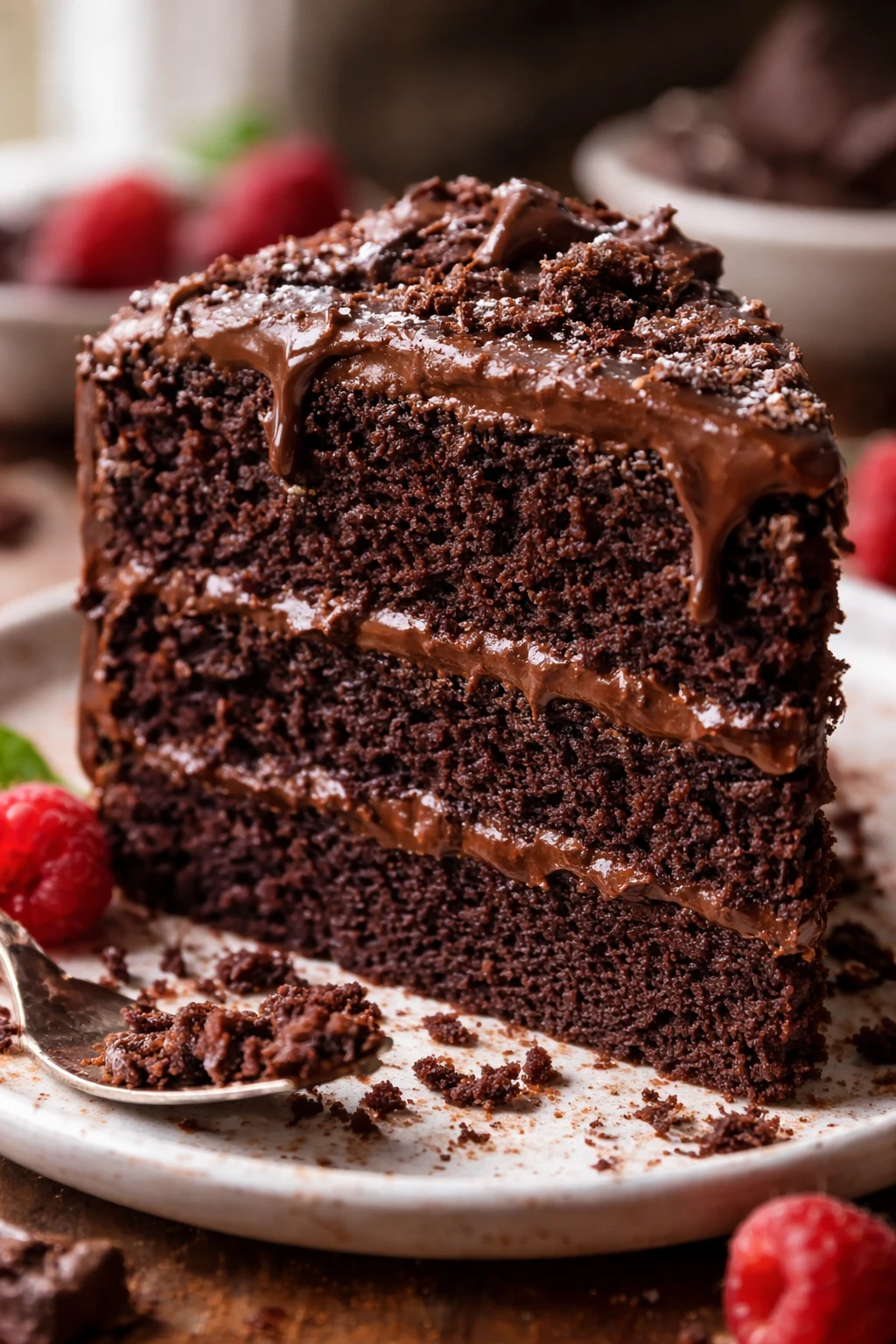
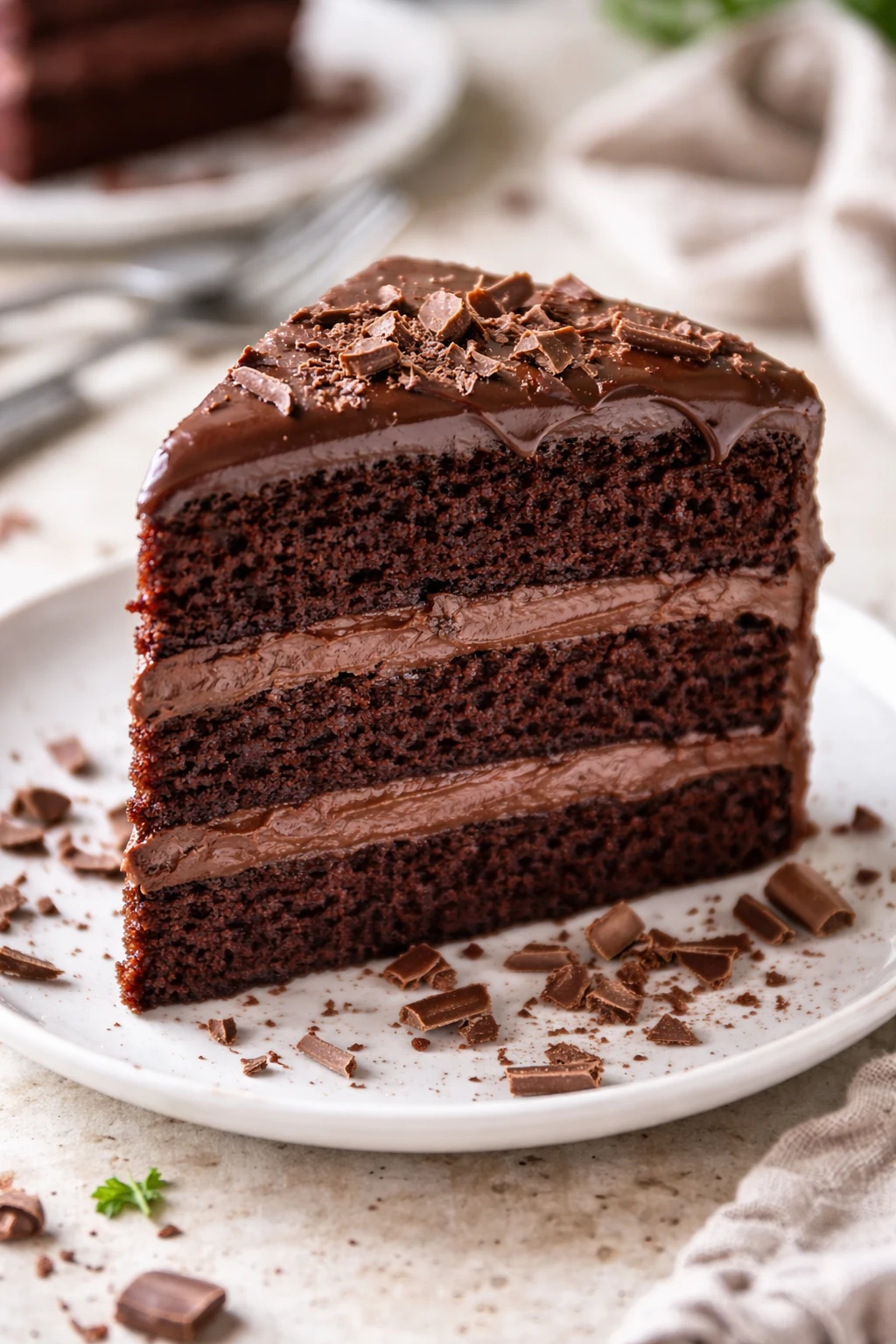
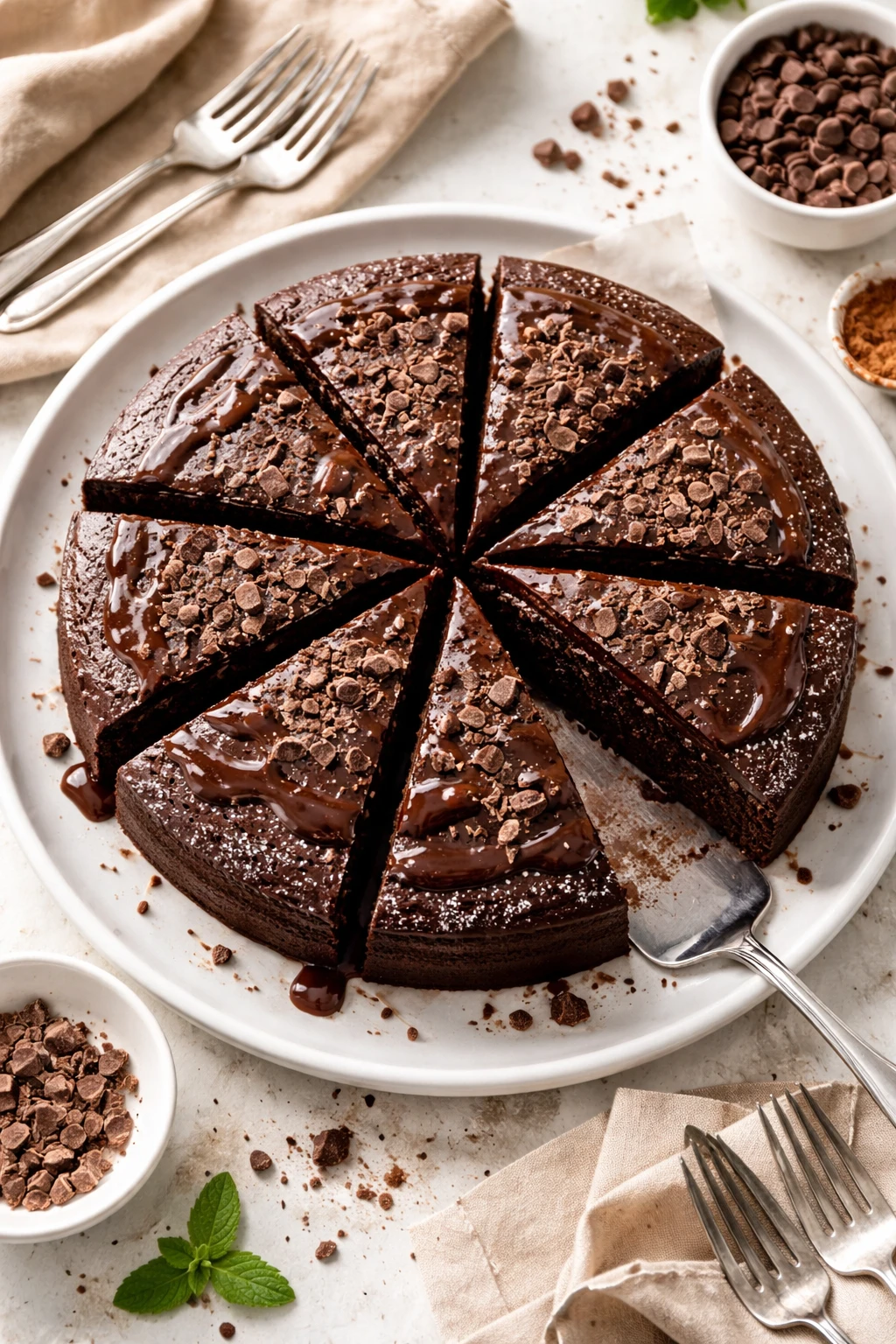
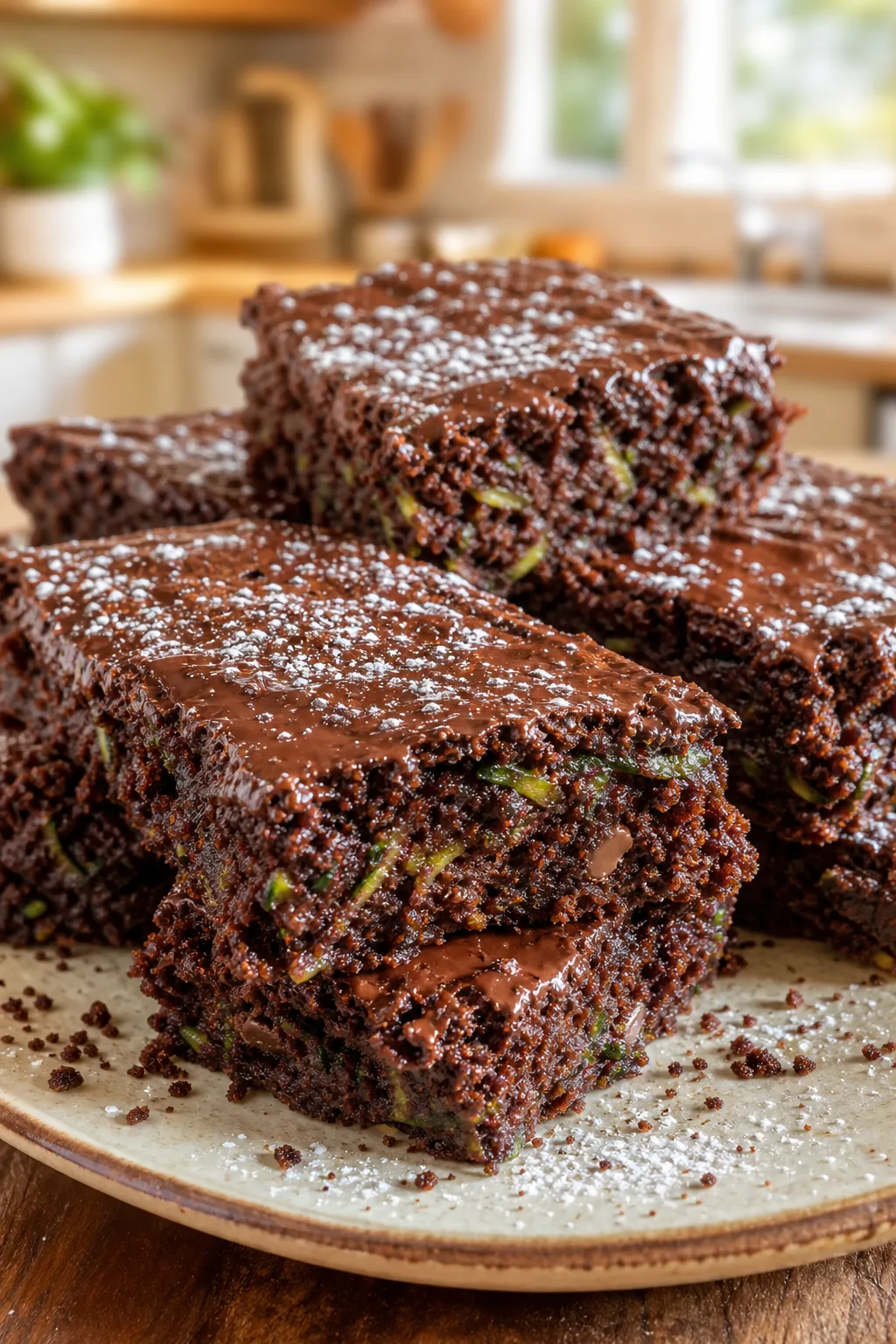
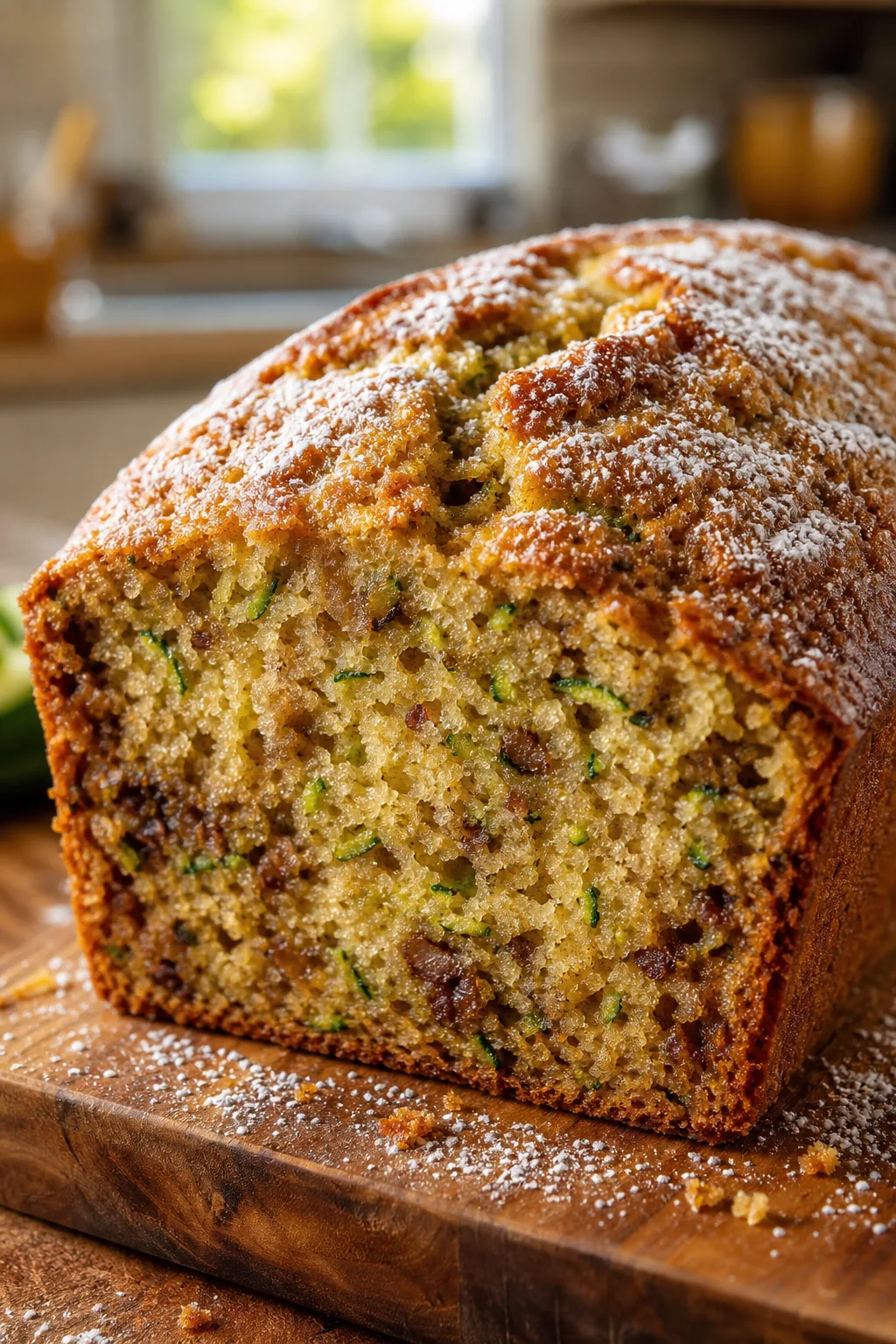
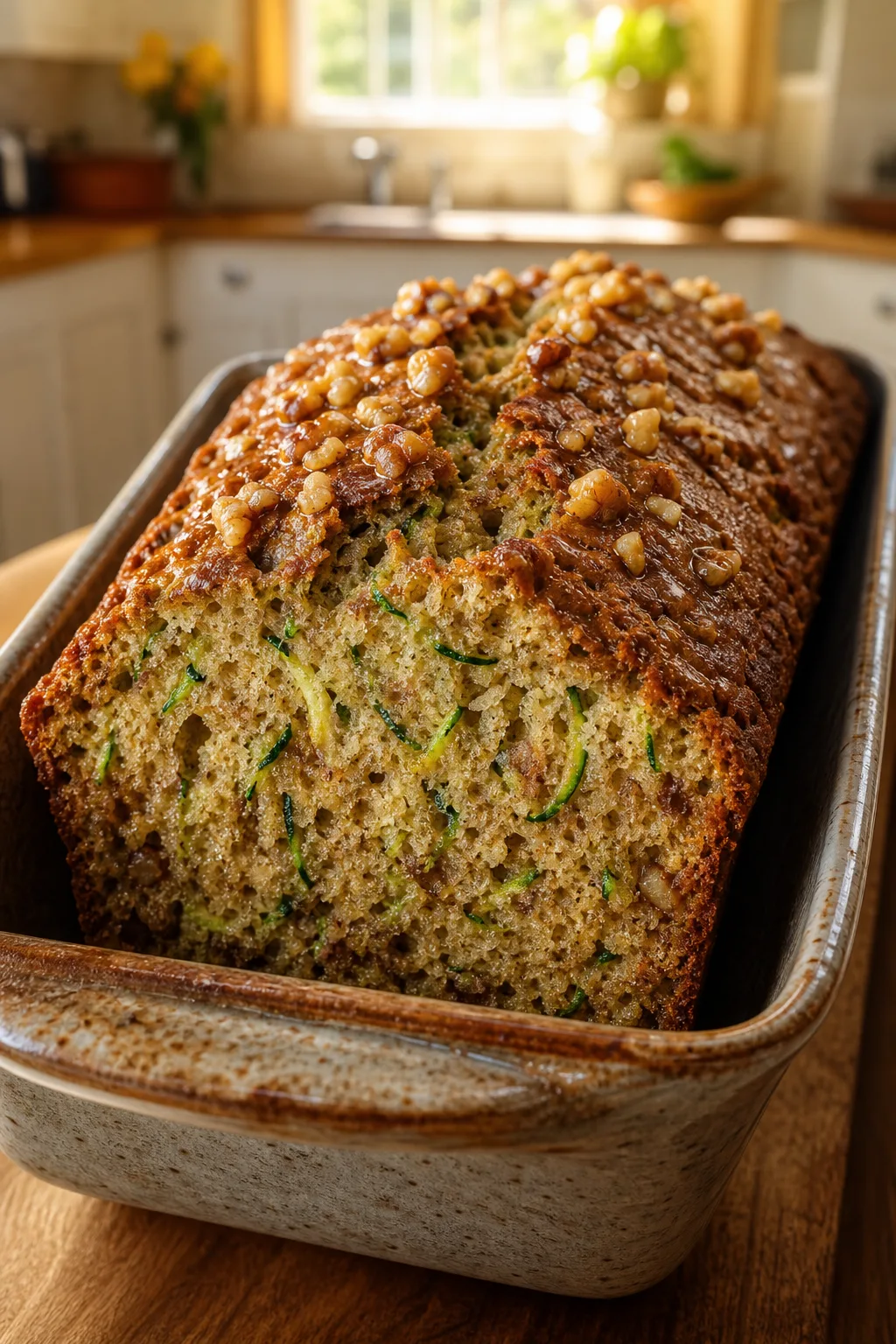
This chocolate cake is super moist and rich thanks to a little sour cream magic. It’s simple, quick, and perfect for a casual dessert or last-minute gathering. You'll love how soft and tender it turns out!
Introduction
I remember the first time I made this chocolate cake—it was a last-minute idea when I wanted something rich but didn't want to fuss with complicated ingredients. What really makes this cake stand out is the sour cream. It adds this incredible moisture and a tender crumb that you just don’t get with regular oil or butter alone. Over time, I've tweaked the balance of cocoa and sugar to get it perfectly rich without being bitter or overly sweet. One trick I learned is adding hot coffee to the batter; it intensifies the chocolate flavor without making the cake taste like coffee. The result is a cake that’s soft, moist, and deeply chocolatey—ideal for casual dinners or a quick dessert fix. Honestly, it’s hard not to eat the whole thing in one sitting! Plus, it’s surprisingly easy to make, which is perfect for those days when you want to impress without spending hours in the kitchen.
What You'll Need
One 9-inch round cake, 8 servings
- 1 and 3/4 cups all-purpose flour, sifted
- 3/4 cup unsweetened cocoa powder
- 1 and 1/2 teaspoons baking soda
- 1 cup granulated sugar
- 1/2 teaspoon salt
- 1 cup sour cream, room temperature
- 2 large eggs
- 1/2 cup vegetable oil
- 1 teaspoon vanilla extract
- 1 cup hot water or hot coffee
How To Do It
Step 1
Preheat your oven to 350°F (175°C) and grease a 9-inch round cake pan. Greasing and lightly flouring the pan ensures the cake releases easily after baking, preventing any sticking that could ruin the edges. Using parchment paper on the bottom is another great option if you want a super clean release. Make sure your oven is fully preheated before putting the cake in—this helps it rise evenly from the start.
⏱ Time: 10
✓ Doneness: Oven is preheated and pan is fully greased with no bare spots
Step 2
In a large bowl, whisk together the sifted flour, cocoa powder, baking soda, sugar, and salt. Sifting removes lumps and aerates the dry ingredients, which helps the cake rise better and have a lighter texture. Mix these ingredients well so the cocoa and soda are evenly distributed, avoiding any bitter pockets in the cake.
⏱ Time: 5
✓ Doneness: Dry mixture is smooth, evenly combined, and free of clumps
Step 3
In a separate bowl, combine the sour cream, eggs, vegetable oil, and vanilla extract. Whisk them until smooth and homogenous. The sour cream adds moisture and a slight tang that balances the sweetness, while the eggs and oil contribute to the cake’s tenderness. Mixing these wet ingredients well ensures they’ll blend seamlessly into the dry mix.
⏱ Time: 5
✓ Doneness: Wet mixture is smooth, creamy, and uniform in color
Step 4
Slowly pour the wet ingredients into the dry ingredients, stirring gently with a spatula or wooden spoon. Mix just until combined; overmixing can develop gluten and make the cake dense. The batter should be thick but pourable. This gentle folding keeps the cake tender and soft after baking.
⏱ Time: 3
✓ Doneness: Batter is smooth with no visible streaks of flour, but not overmixed
Step 5
Carefully add the hot water or hot coffee to the batter, stirring gently until fully incorporated. The heat helps bloom the cocoa powder, intensifying the chocolate flavor, while thinning the batter slightly for a moist crumb. Using coffee is optional but highly recommended for a deeper chocolate taste.
⏱ Time: 2
✓ Doneness: Batter is thinner and glossy, fully combined without lumps
Step 6
Pour the batter into the prepared pan, smoothing the top with a spatula. Tap the pan gently on the counter to release any large air bubbles trapped inside. This step helps the cake bake evenly and prevents large holes or tunnels in the crumb.
⏱ Time: 3
✓ Doneness: Batter is evenly spread with a smooth surface and no large bubbles
Step 7
Bake the cake in the preheated oven for 30 to 35 minutes. Start checking at 30 minutes by inserting a toothpick in the center; it should come out with a few moist crumbs but no wet batter. Avoid overbaking as that dries out the cake. The sour cream helps keep it moist, but timing is still key.
⏱ Time: 30
✓ Doneness: Toothpick inserted in center comes out mostly clean with a few moist crumbs
Step 8
Remove the cake from the oven and let it cool in the pan for 10 minutes. Cooling slightly allows the cake to firm up so it doesn’t crumble when you remove it from the pan. Don’t skip this step or the cake might break apart.
⏱ Time: 10
✓ Doneness: Edges pull slightly away from the pan, and cake feels set but warm
Step 9
Run a knife around the edges and invert the cake onto a wire rack to cool completely. Once cool, you can frost or serve it as is. Cooling fully prevents the frosting from melting and helps the cake slice cleanly. This final step ensures your cake looks as good as it tastes.
⏱ Time: 20
✓ Doneness: Cake is completely cool to the touch and ready to frost or serve
Pro Tips
Always sift your dry ingredients before mixing.
Sifting aerates the flour and cocoa powder, removing lumps and ensuring an even distribution of baking soda and salt. This helps the cake rise evenly and results in a finer crumb texture.
Use hot coffee instead of water for a flavor boost.
Hot coffee enhances the chocolate flavor by blooming the cocoa powder, intensifying the taste without adding bitterness. It’s a simple way to deepen the richness without changing the recipe.
Don’t overmix the batter once wet and dry ingredients are combined.
Overmixing develops gluten in the flour, which can make the cake dense and tough. Mixing just until combined keeps the crumb tender and soft.
Let the cake cool in the pan before removing.
Cooling slightly allows the cake to set so it doesn’t break apart when you remove it. This step helps maintain the cake’s shape and results in cleaner slices.
Use room temperature sour cream and eggs.
Cold ingredients can cause the batter to curdle or mix unevenly. Room temperature ingredients blend better, creating a smooth batter and more even texture.
Grease and flour your cake pan well.
Properly preparing the pan ensures the cake releases easily after baking, preventing sticking and maintaining a smooth surface.
Check the cake early for doneness with a toothpick.
Ovens vary, so checking a few minutes before the suggested baking time prevents overbaking, which dries out the cake.
Common Mistakes to Avoid
Skipping the sour cream or substituting with yogurt.
Why it happens Some think yogurt is a direct substitute, but it’s often thinner and less fatty, which can affect moisture and texture.
Fix Use full-fat sour cream as called for to maintain the cake’s moisture and tenderness. If substituting, choose thick Greek yogurt and reduce other liquids slightly.
Overmixing the batter after adding wet and dry ingredients.
Why it happens It’s tempting to mix thoroughly to remove lumps, but this develops gluten, leading to a dense cake.
Fix Mix just until no dry streaks remain. A few small lumps are okay and will disappear during baking.
Using cold ingredients straight from the fridge.
Why it happens Cold eggs or sour cream can cause the batter to separate or mix unevenly.
Fix Bring eggs and sour cream to room temperature before mixing to ensure smooth batter and even texture.
Not preheating the oven fully before baking.
Why it happens Putting the cake in a cold or warming oven affects rise and texture.
Fix Always preheat the oven to 350°F (175°C) and wait until it reaches temperature before baking.
Skipping greasing and flouring the pan.
Why it happens This can cause the cake to stick and break when removed.
Fix Grease thoroughly and dust with flour, or use parchment paper on the bottom for easy release.
Variations
Chocolate Cake with Espresso Powder
Add a teaspoon of espresso powder to the dry ingredients for a subtle coffee flavor that enhances the chocolate notes even more. This variation is perfect for coffee lovers who want a richer taste without overpowering the cake.
Note: Espresso powder dissolves easily in the batter and won’t affect texture; just be sure to adjust the coffee amount if using.
Gluten-Free Chocolate Cake
Swap all-purpose flour with a gluten-free baking blend that includes xanthan gum. This makes the cake accessible for gluten-sensitive eaters while keeping the moist texture intact.
Note: Gluten-free flours absorb more liquid, so you may need to slightly increase sour cream or water for the right batter consistency.
Vegan Chocolate Cake
Replace eggs with flax eggs and use a plant-based sour cream alternative. Use coconut oil instead of vegetable oil. This version is dairy and egg-free but still moist and tasty.
Note: Flax eggs may slightly change the texture, making it a bit denser, so bake slightly longer and check doneness carefully.
Chocolate Bundt Cake with Chocolate Glaze
Bake the batter in a bundt pan and drizzle with a simple chocolate glaze made from melted chocolate and cream. This creates an elegant presentation for special occasions.
Note: Bundt pans need extra greasing, especially in the crevices, to prevent sticking.
Spiced Chocolate Cake
Add a teaspoon of cinnamon and a pinch of cayenne pepper to the dry ingredients for a warm, spicy kick that pairs beautifully with the rich chocolate flavor.
Note: Spices intensify during baking, so start with small amounts and adjust to taste.
Nutrition
Per Serving:
Nutritional values are estimates and may vary based on specific ingredients used.
Storage & Tips
Room Temperature
This cake can safely sit covered at room temperature for up to 2 days. To keep it moist, cover with a cake dome or wrap tightly with plastic wrap to prevent drying out.
Refrigerator
Store leftovers in an airtight container for up to 5 days. The cake may firm up and the texture will be denser when cold; bring to room temperature before serving or warm slightly in the microwave.
Freezer
Freeze the cake wrapped tightly in plastic wrap and then foil for up to 3 months. Thaw overnight in the refrigerator or at room temperature. To refresh texture, warm slices briefly in the microwave or oven.
Reheating
Reheat slices in the microwave for 15-20 seconds or in a 300°F oven for 5-7 minutes. To prevent dryness, add a small splash of milk or cover loosely with foil while warming.
Make Ahead
You can bake the cake 1-2 days ahead and store it wrapped at room temperature or refrigerated. If frosting, apply it just before serving for the best texture and appearance.
FAQ
Can I substitute sour cream with yogurt?
You can use thick Greek yogurt as a substitute, but it may slightly alter the texture and moisture level. Sour cream has higher fat and acidity which help tenderize the crumb and activate baking soda. If using yogurt, opt for full-fat and reduce other liquids slightly.
What if I don’t have baking soda?
Baking soda is essential here because it reacts with the sour cream’s acidity to leaven the cake. If you don’t have it, you can try baking powder but you’ll need about three times more and the texture might be different—less tender and less rise.
Why is my cake dense and not moist?
Common causes include overmixing the batter, under-measuring sour cream or oil, or overbaking. Be gentle when mixing and stick to the recipe amounts. Also, check your oven temperature with a thermometer as too hot ovens dry out cakes quickly.
Can I make this cake gluten-free?
Yes! Use a gluten-free flour blend designed for baking. You might need to adjust liquids slightly and add xanthan gum if your blend doesn’t include it. Expect a slightly different texture but still delicious.
How do I store leftover cake?
Store the cake in an airtight container at room temperature for up to 2 days or in the fridge for up to 5 days. For longer storage, freeze it wrapped tightly for up to 3 months.
Can I add frosting or glaze?
Absolutely! This cake pairs well with chocolate ganache, cream cheese frosting, or a simple dusting of powdered sugar. Just ensure the cake is completely cool before frosting to avoid melting.
Why add hot coffee or water to the batter?
The hot liquid blooms the cocoa powder, releasing deeper chocolate flavor, and thins the batter slightly for a moist crumb. Coffee adds richness without a coffee taste; water works fine if you prefer.
Can I make this cake vegan?
You can substitute eggs with flax eggs and use plant-based sour cream and oil. Texture may be slightly different and baking time might vary, so check doneness carefully.
Final Thoughts
I hope you give this moist chocolate cake a try—it’s one of my favorites for a reason! Let me know how it turns out and what variations you love.