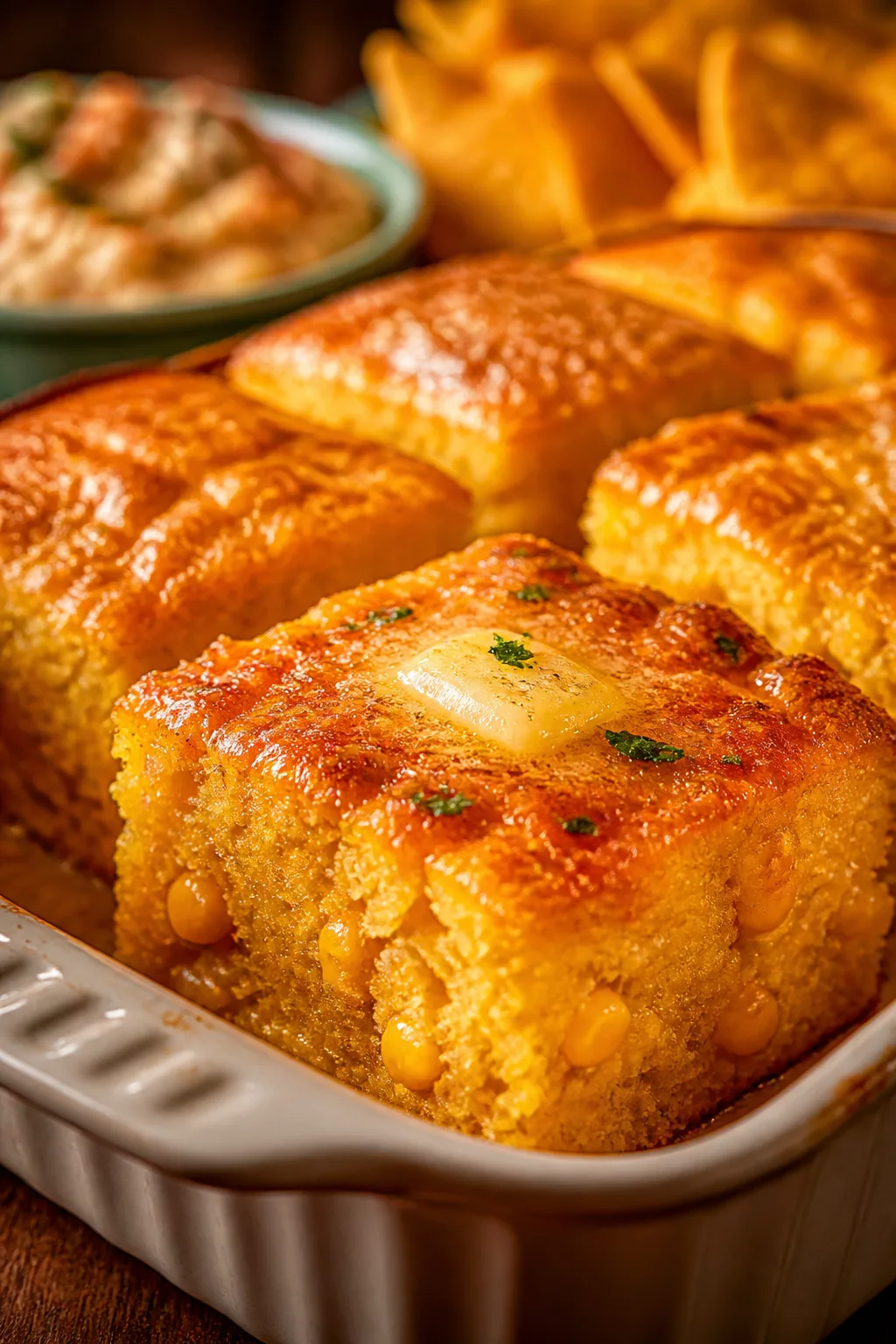
This baked corn casserole is a cozy, creamy side dish that’s super easy to whip up. The buttery, crispy top with sweet corn inside makes it a family favorite for holidays or weeknights. Trust me, it’s a crowd-pleaser!
Introduction
I remember the first time I made this baked corn casserole with Jiffy mix—it was for a family holiday dinner, and honestly, I was a bit nervous. But the buttery, slightly crispy top combined with the creamy, sweet corn inside won everyone over instantly. Since then, it’s become a staple at our table, especially when I need a comforting side that’s easy and fuss-free. What I love about this recipe is that it’s a bit different from your usual corn sides; the mix of whole kernel and cream-style corn gives it a luscious texture, while the melted butter and cheddar add richness and a lovely golden crust. The trick I learned is not to overmix the batter—just enough to combine, so it stays light and fluffy. The finished dish is always creamy, cheesy, and has that perfect crust that makes it irresistible. It’s great for holidays but also works beautifully on a simple weeknight. I honestly think this casserole brings a little extra warmth and nostalgia to the dinner table every time I make it.
How To Do It
Step 1
Preheat your oven to 350°F (175°C) and grease a 9x13 inch baking dish with butter or cooking spray. This step is key because starting with a properly greased dish ensures the casserole won’t stick and makes serving easier. A well-preheated oven also guarantees even cooking, so your casserole bakes uniformly with that perfect golden crust. Avoid skipping the greasing, or you might struggle to get clean slices later on.
⏱ Time: 10 minutes
✓ Doneness: Oven is fully preheated and baking dish is evenly coated with butter
Step 2
In a large mixing bowl, combine the Jiffy corn muffin mix, whole kernel corn, cream-style corn, sour cream, melted butter, shredded cheddar cheese, beaten eggs, salt, and pepper. Stir gently just until everything is incorporated—overmixing can make the casserole dense instead of light and fluffy. The combination of the two types of corn adds texture and moisture, while the sour cream gives it tang and richness. If you rush this step or mix too vigorously, you risk a tough texture.
⏱ Time: 5 minutes
✓ Doneness: Batter is slightly lumpy but well combined, no flour pockets visible
Step 3
Pour the batter into the prepared baking dish and spread it evenly with a spatula. Spreading evenly ensures uniform cooking and a consistent texture throughout the casserole. Don’t press it down too much; you want it to stay airy for a soft interior. This step sets the stage for the perfect contrast between the creamy inside and crispy top.
⏱ Time: 5 minutes
✓ Doneness: Batter is level and covers the bottom of the dish smoothly
Step 4
Place the dish in the preheated oven and bake for about 45 minutes. During baking, the mixture will set and the top will turn golden brown and slightly crispy. Resist the urge to open the oven door frequently, as this can lower the temperature and affect baking. The heat helps create the Maillard reaction on top, giving that irresistible crust.
⏱ Time: 45 minutes
✓ Doneness: Top is golden brown and a toothpick inserted in the center comes out mostly clean
Step 5
After baking, let the casserole rest for 10 minutes before serving. This resting time allows the casserole to firm up, making it easier to cut and serve without falling apart. Plus, it helps the flavors meld together. Skipping this step can result in a runny texture and messy plating.
⏱ Time: 10 minutes
✓ Doneness: Casserole feels set and slightly firm to the touch
Step 6
Serve warm as a comforting side dish alongside your favorite mains like roasted chicken or ham. This casserole holds its texture well and pairs beautifully with savory proteins. If you want, garnish with fresh herbs like parsley for a pop of color and freshness.
⏱ Time: 0 minutes
✓ Doneness: Dish plated, warm and ready to enjoy
Step 7
If you want a cheesier top, sprinkle a little extra shredded cheddar on the casserole about 10 minutes before it’s done baking. This step adds a lovely melted cheese layer that enhances the flavor and texture. Just be careful not to add too much or it might overpower the delicate corn flavor.
⏱ Time: 5 minutes
✓ Doneness: Cheese on top is melted and bubbly with light browning
Step 8
For an extra crispy crust, switch your oven to broil for the last 2-3 minutes. Watch it closely to prevent burning. This quick broil step intensifies the golden color and crunch on top, making the casserole even more irresistible. Don’t leave it unattended as it can go from perfect to burnt very fast.
⏱ Time: 2-3 minutes
✓ Doneness: Top is deeply golden and crisp without black spots
Step 9
To reheat leftovers, cover the casserole with foil and warm it in a 350°F oven for 15-20 minutes. This method helps maintain moisture so the casserole doesn’t dry out. Avoid microwaving if possible, as it can make the texture rubbery and unevenly heated.
⏱ Time: 15-20 minutes
✓ Doneness: Casserole is heated through and steaming hot
Pro Tips
Don’t overmix the batter; stir just until combined.
Overmixing develops gluten in the flour, which can make the casserole tough or rubbery instead of tender and fluffy. Stirring gently preserves the light texture and allows the corn kernels to remain intact, giving a better mouthfeel.
Use room temperature sour cream and eggs before mixing.
Ingredients at room temperature blend more smoothly, preventing lumps and ensuring an even texture. Cold ingredients can cause the batter to seize or mix unevenly, leading to inconsistent baking results.
Grease your baking dish thoroughly with butter or oil.
A well-greased dish prevents sticking and helps the crust brown evenly. Butter adds flavor and promotes Maillard browning, giving a more appetizing golden crust compared to non-stick sprays alone.
Let the casserole rest before slicing.
Resting allows the custard to firm up and the flavors to meld. Cutting too soon can cause it to be runny and messy, while resting gives clean slices and better presentation.
Add a little extra cheese on top near the end of baking.
Sprinkling cheese during the last 10 minutes encourages a bubbly, browned cheese crust that adds flavor and texture contrast. Adding it too early might cause the cheese to burn or dry out.
Use a toothpick to test doneness rather than relying on time alone.
Ovens vary, so testing with a toothpick in the center ensures the casserole is cooked through without overbaking. A mostly clean toothpick with a few moist crumbs means it’s perfectly done.
Avoid opening the oven door frequently while baking.
Opening the door lets heat escape and causes temperature fluctuations, which can affect rising and browning. Keeping the oven closed ensures even cooking and a stable environment for the casserole to set.
Common Mistakes to Avoid
Overmixing the batter
Why it happens Many cooks think mixing longer will make ingredients blend better, but it actually develops gluten, making the casserole dense and rubbery.
Fix Mix ingredients gently and only until just combined. Stop as soon as you see no more dry flour to keep the texture light and tender.
Not greasing the baking dish well enough
Why it happens Sometimes people underestimate how much butter or spray they need, thinking a light coat is fine.
Fix Generously grease the dish with butter or oil. This prevents sticking and helps create a golden crust. Butter also adds flavor and aids browning.
Skipping the resting period after baking
Why it happens Impatience or forgetting to wait leads to cutting the casserole too soon, causing it to be runny.
Fix Allow the casserole to rest for at least 10 minutes. This lets it firm up for neat slices and better texture.
Using cold sour cream or eggs
Why it happens Some skip bringing ingredients to room temperature, which can cause lumps and uneven mixing.
Fix Take sour cream and eggs out of the fridge ahead of time to warm slightly. This ensures smooth batter and even cooking.
Overbaking until the casserole is dry
Why it happens Leaving the casserole in too long to get more browning can dry it out.
Fix Watch the casserole closely near the end of baking and test doneness with a toothpick. Remove it once set and golden to keep moist and creamy.
Variations
Spicy Jalapeño Corn Casserole
Add diced jalapeños and a pinch of cayenne pepper to the batter for a spicy kick. This variation adds warmth and depth while keeping the creamy texture intact. It’s perfect if you want a little heat without overpowering the corn flavor.
Note: Adjust baking time slightly if adding extra moist ingredients; watch for bubbling edges and test with a toothpick.
Bacon and Cheddar Corn Casserole
Mix in cooked, crumbled bacon and extra sharp cheddar cheese for a smoky, savory twist. The bacon fat adds richness and a crunchy texture that contrasts nicely with the creamy corn base.
Note: Pre-cook bacon until crisp and drain well to avoid sogginess. Fold in gently to maintain texture.
Herbed Corn Casserole
Incorporate fresh herbs like thyme, rosemary, or chives into the batter for a fragrant, garden-fresh flavor. This elevates the dish making it feel more sophisticated without complicating the recipe.
Note: Chop herbs finely and mix in just before baking to preserve their aroma and flavor.
Vegan Corn Casserole
Replace eggs with flax eggs, use vegan sour cream, and substitute butter with a plant-based alternative to make this casserole vegan-friendly. The texture will be slightly different but still creamy and delicious.
Note: Flax eggs take a few minutes to thicken before mixing. Baking time might be a bit longer to set properly.
Cheesy Jalapeño Popper Corn Casserole
Add diced jalapeños, cream cheese dollops, and shredded pepper jack cheese for a fun, spicy popper-inspired side. It’s creamy and cheesy with just the right amount of heat.
Note: Distribute cream cheese evenly to avoid large pockets; bake until bubbly and golden.
Nutrition
Per Serving:
Nutritional values are estimates and may vary based on specific ingredients used.
Storage & Tips
Room Temperature
This casserole can safely sit out covered for up to 2 hours. Make sure to cover it with foil or plastic wrap to prevent drying out and contamination.
Refrigerator
Store leftovers in an airtight container for up to 4 days. The casserole may firm up and lose some crispiness on top when cold but reheats well in the oven to restore texture.
Freezer
Freeze leftovers in a freezer-safe container or wrapped tightly in foil for up to 3 months. To avoid freezer burn, wrap twice and remove as much air as possible. Thaw overnight in the fridge before reheating.
Reheating
Reheat covered in a 350°F oven for 15-20 minutes until warmed through. Add a splash of milk or butter if it seems dry. Avoid microwaving to keep the texture creamy without rubberiness.
Make Ahead
You can prepare the batter up to 1 day ahead and keep it refrigerated. Pour into the baking dish and bake fresh the next day. This makes weeknight dinners super convenient without sacrificing flavor or texture.
FAQ
Can I use fresh corn instead of canned?
Absolutely! Fresh corn kernels add a bright, natural sweetness and crunch. Use about 1 1/2 cups of fresh corn cut from the cob. You might need to reduce any added liquid slightly since fresh corn can be juicier. The casserole may have a fresher flavor but otherwise bake as directed.
What if I don’t have sour cream?
You can substitute sour cream with plain Greek yogurt or crème fraîche in equal amounts. Both will add creaminess and a slight tang. Avoid using low-fat or flavored versions as they can alter the texture and flavor of the casserole.
Can I make this gluten-free?
Standard Jiffy mix contains wheat flour, so it’s not gluten-free. You can substitute with a gluten-free corn muffin mix, but make sure it has similar leavening agents. The texture might be a bit different, so watch baking time and test doneness carefully.
How do I know when the casserole is done?
Look for a golden brown top and a mostly firm texture. Insert a toothpick in the center; it should come out with a few moist crumbs but no wet batter. The edges will pull slightly away from the dish when fully baked.
Can I double the recipe for a larger crowd?
Yes! Double all ingredients and use a larger baking dish or two standard dishes. Baking time might increase slightly, so check doneness with a toothpick. Cover the casserole with foil if the top browns too quickly.
Why is my casserole watery after baking?
Excess liquid often comes from not draining the canned corn well or overmixing, which releases moisture. Make sure to drain the whole kernel corn thoroughly and gently fold ingredients to avoid breaking kernels and releasing juice.
Can I add other vegetables?
Definitely! Diced bell peppers, green chilies, or sautéed onions can add flavor and color. Just keep added vegetables finely chopped and avoid watery ones that could make the casserole soggy. Adjust baking time if adding large amounts.
What’s the best way to reheat leftovers?
Oven reheating at 350°F covered with foil is best to maintain moisture and re-crisp the top. Microwaving can make the texture rubbery and unevenly heated. A splash of milk or butter before reheating helps keep it creamy.
Final Thoughts
I hope you give this baked corn casserole a try—it’s one of those dishes that feels like a warm hug at the dinner table. Let me know how it turns out and what your family thinks!