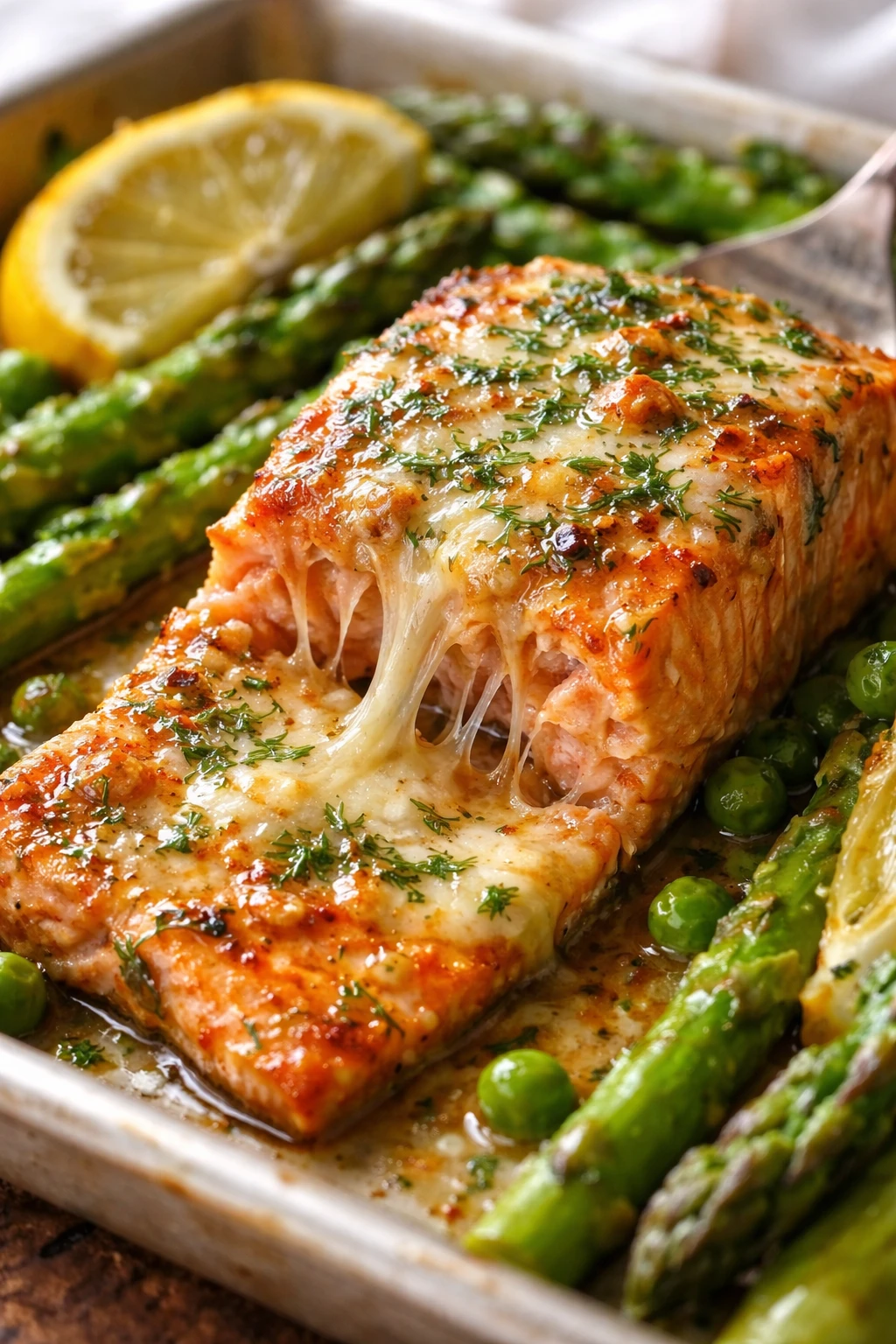
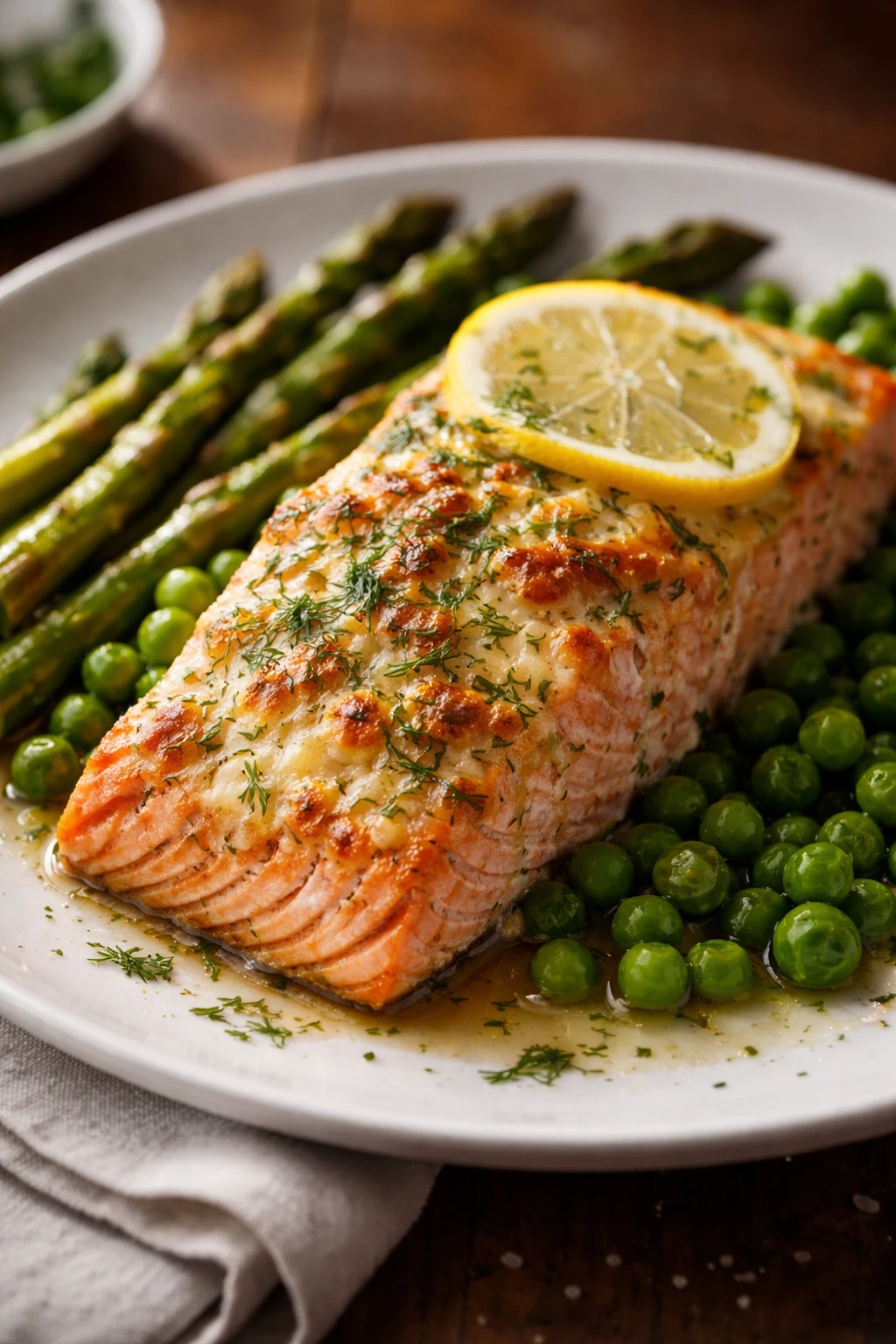
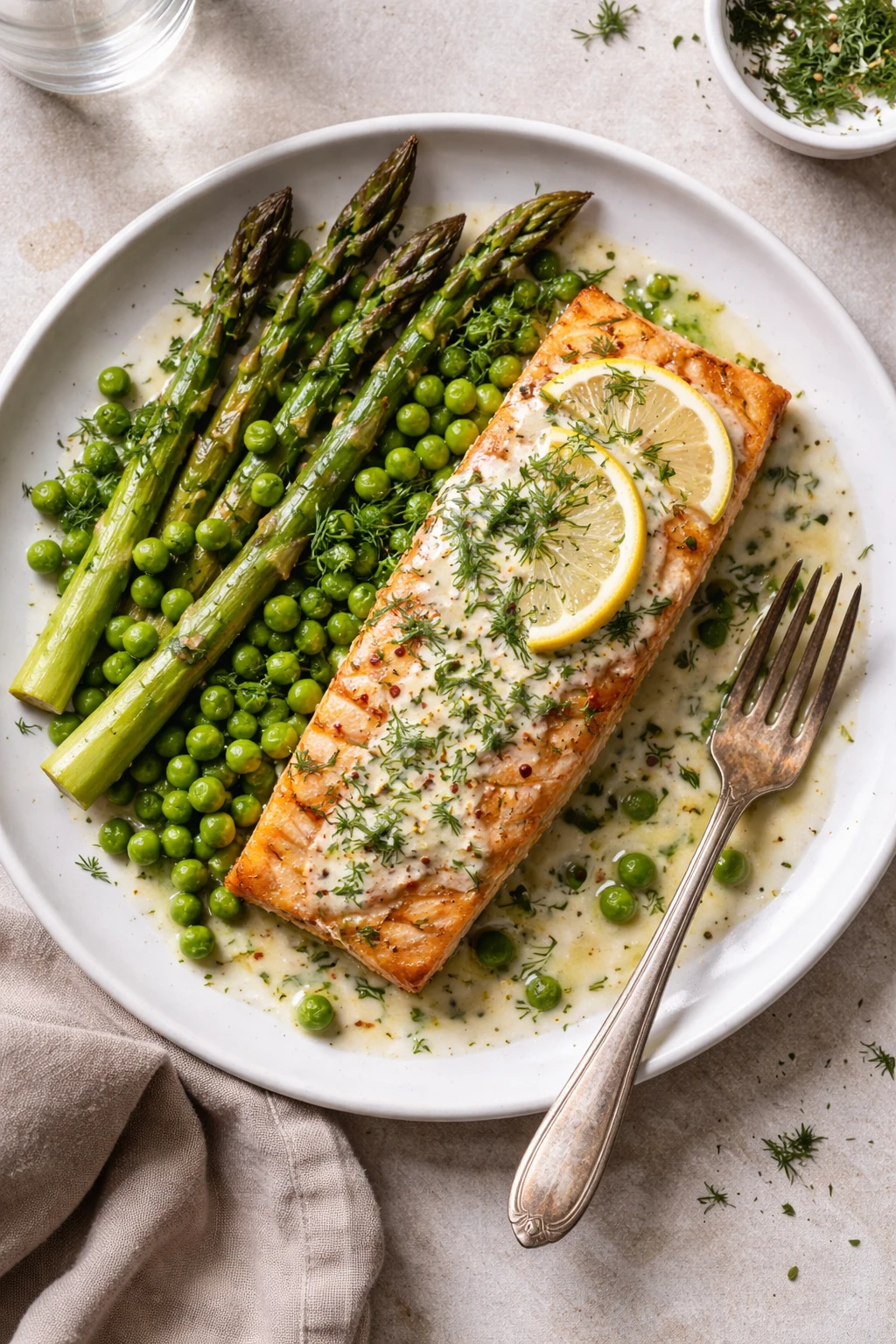
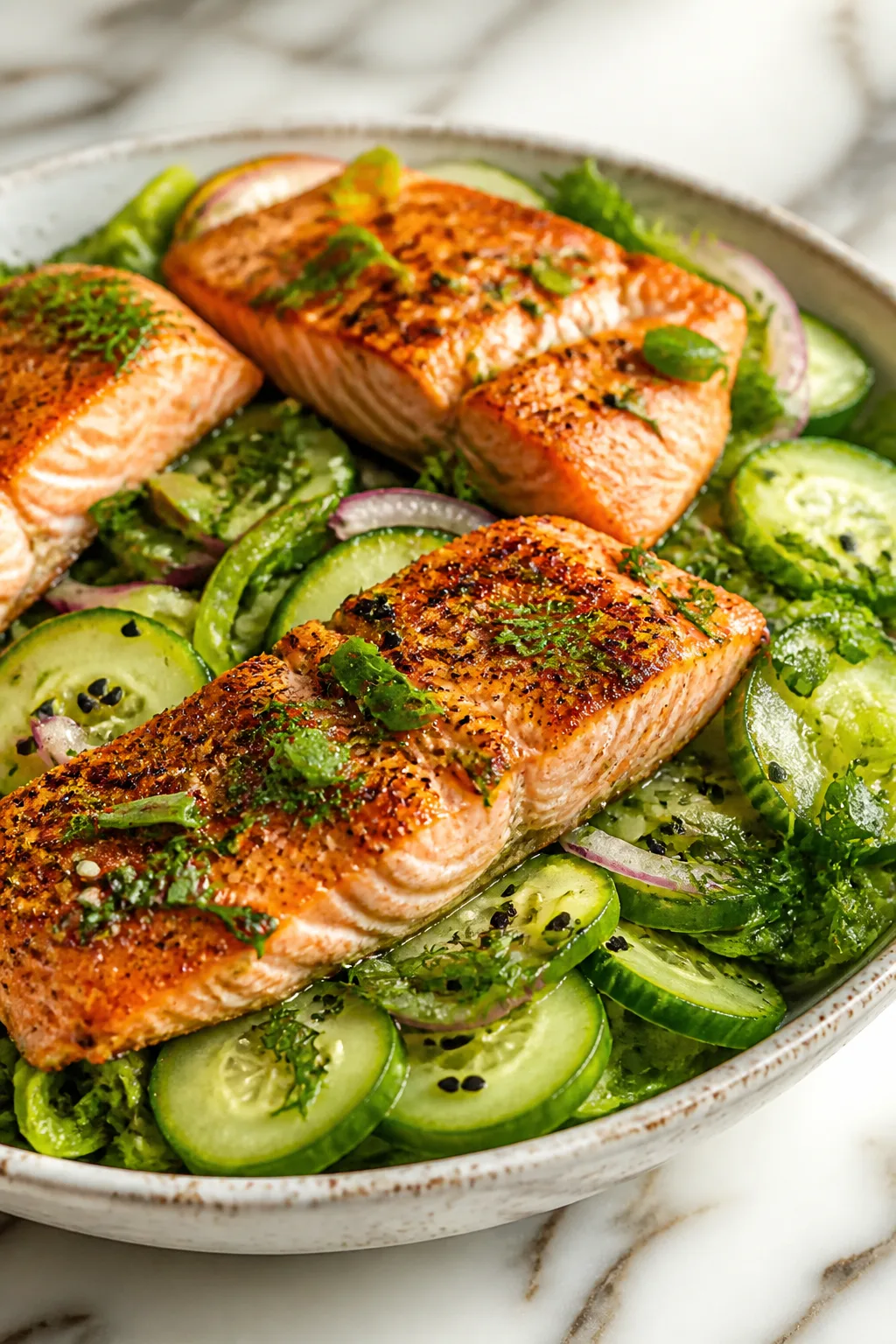
This baked salmon is super fresh and light, perfect for a quick and healthy dinner. The zing of lemon and dill lifts the fish, while tender asparagus and sweet peas make it feel like spring on a plate. Great for busy nights when you want something wholesome but simple.
Introduction
I first made this baked salmon recipe on a busy weeknight when I wanted something healthy but quick. The lemon and dill combo instantly brightened the fish, making it taste fresh and vibrant. What I love about this version is how the asparagus and peas add a nice pop of texture and color without any extra fuss. I’ve tried a bunch of salmon recipes, but this one stands out because I bake everything together on one sheet pan — less cleanup and all those flavors mingle perfectly. The trick I learned was to not overcook the salmon. Keeping the skin on helps lock in moisture and creates a nice texture contrast. When it’s done, the salmon is tender and flaky, the veggies are just crisp-tender, and the lemon-dill aroma is irresistible. It’s exactly the kind of meal I turn to when I want something nourishing but don’t have a ton of time. Plus, it feels light enough to enjoy any night of the week without feeling heavy. I hope you love it as much as I do!
How To Do It
Step 1
Preheat your oven to 400°F (200°C). Line a baking sheet with parchment paper or lightly grease it to prevent sticking. This step ensures even cooking and easy cleanup. Using a hot oven helps the salmon cook quickly while keeping it moist inside. Don't rush this part; a well-preheated oven is key to getting a nicely roasted exterior without drying out the fish.
⏱ Time: 10 minutes
✓ Doneness: Oven fully preheated to 400°F with baking sheet ready
Step 2
Arrange the asparagus and peas on the baking sheet in a single layer. Drizzle with 1 tablespoon olive oil, sprinkle with salt and pepper, and toss gently to coat. Spreading the veggies evenly allows them to roast properly, developing a tender yet slightly crisp texture. If you pile them up, they’ll steam instead of roast, losing that delicious caramelization.
⏱ Time: 5 minutes
✓ Doneness: Veggies evenly coated and spread out flat on the baking sheet
Step 3
Place the salmon fillets skin-side down on top of the vegetables. Drizzle the remaining olive oil over the salmon and season with salt and pepper. Adding the fish on top helps the juices drip down and flavor the veggies as everything cooks together. Be gentle placing the fillets to keep them intact.
⏱ Time: 3 minutes
✓ Doneness: Salmon fillets evenly spaced and seasoned on the baking sheet
Step 4
Sprinkle the minced garlic and chopped dill evenly over the salmon and vegetables. Top each fillet with 2-3 lemon slices and drizzle the lemon juice over everything. The fresh herbs and citrus brighten the dish and infuse the fish and veggies with vibrant flavor during baking. Don’t skip the fresh dill — it’s what makes this recipe special.
⏱ Time: 3 minutes
✓ Doneness: Garlic, dill, and lemon slices evenly distributed over salmon and veggies
Step 5
Place the baking sheet in the preheated oven and bake for about 12-15 minutes. The salmon should be just cooked through and the vegetables tender but still vibrant. Overbaking will dry out the fish, so check at 12 minutes by gently pressing the thickest part; it should flake easily but still feel moist inside.
⏱ Time: 12-15 minutes
✓ Doneness: Salmon flakes easily with a fork and veggies are tender-crisp
Step 6
If you like a bit of golden color on your salmon, switch the oven to broil for the last 2 minutes. Watch carefully to avoid burning. This adds a lovely caramelized finish and enhances the flavor. Skip this step if you prefer a softer, more delicate texture.
⏱ Time: 2 minutes
✓ Doneness: Light golden crust forms on salmon surface without charring
Step 7
Remove the baking sheet from the oven and let the salmon rest for a few minutes before serving. Resting helps the juices redistribute, keeping the fish moist and flavorful. Serve straight from the pan with the roasted vegetables for a simple, beautiful presentation.
⏱ Time: 5 minutes
✓ Doneness: Fish feels tender and juicy when gently pressed, veggies look vibrant
Step 8
Optional: garnish with extra fresh dill or a squeeze of lemon before plating. This adds a fresh pop of color and a little extra zing. It’s those finishing touches that make the dish feel special and restaurant-worthy at home.
⏱ Time: 2 minutes
✓ Doneness: Bright green dill and fresh lemon juice enhance the plated dish
Step 9
Serve immediately with your favorite side or a simple green salad. This meal shines with minimal extras, so keep it light to enjoy the fresh flavors of the salmon and spring vegetables. Enjoy the balance of tender fish, crisp veggies, and zesty lemon in every bite!
⏱ Time: 0 minutes
✓ Doneness: Dish plated and ready to enjoy warm and fresh
Pro Tips
Keep the salmon skin on during baking.
The skin acts as a natural moisture barrier, preventing the delicate flesh from drying out. It also crisps up nicely, adding a textural contrast that makes the dish more interesting. Removing the skin before cooking often leads to flaky, dry salmon.
Don’t overcrowd the baking sheet.
Spreading the salmon and veggies out ensures even heat circulation and proper roasting. Crowding traps steam, causing the asparagus and peas to become soggy rather than crisp-tender. A little space between ingredients is key for the best texture.
Use fresh herbs and citrus just before baking.
Fresh dill and lemon release their essential oils and bright flavors when exposed to heat. Adding them too early or using dried herbs dulls their impact. The fresh aromatics elevate the salmon, making it taste vibrant and balanced.
Watch the salmon closely during broiling.
Broiling quickly browns the surface but can burn easily due to the high heat. Keep the oven door slightly open if possible and check every minute to achieve the perfect golden crust without charring.
Let the salmon rest a few minutes after baking.
Resting allows the juices to redistribute inside the fish, keeping it moist and flavorful. Cutting into it immediately can cause the juices to escape, resulting in drier salmon. A short rest makes a big difference.
Trim woody ends off asparagus before roasting.
The tough bottom parts don’t soften well and can be unpleasant to eat. Trimming ensures every bite is tender and enjoyable, maintaining the dish's fresh, light character.
Use a light hand with salt before baking.
Salmon and fresh veggies can become overly salty if seasoned too heavily at the start. You can always add more salt at the table if needed. This helps preserve the natural flavors and balance.
Common Mistakes to Avoid
Overcooking the salmon.
Why it happens Many cooks fear undercooked fish, so they leave it in the oven too long. This dries out the salmon and toughens the texture.
Fix Check the salmon at the minimum cooking time by gently pressing the thickest part; it should flake easily but still feel moist. Remove from the oven promptly to avoid dryness.
Using dried dill instead of fresh.
Why it happens Dried herbs are convenient and often used as substitutes, but they lack the bright aroma and flavor fresh dill provides.
Fix Use fresh dill chopped just before baking for maximum flavor. If fresh isn’t available, add dried dill after cooking to boost flavor, but expect less vibrancy.
Crowding the pan with too many veggies.
Why it happens Trying to save time or dishes, cooks might pile everything together, causing steaming instead of roasting.
Fix Use a large enough baking sheet to spread ingredients evenly. This ensures proper roasting and caramelization for better taste and texture.
Skipping resting after baking.
Why it happens Impatience to eat leads to cutting into the fish immediately, causing juices to run out.
Fix Let the salmon rest 5 minutes off the heat, allowing juices to redistribute and resulting in moist, tender fish.
Not trimming asparagus ends.
Why it happens Some think the entire stalk is edible, but the woody ends remain tough and unpleasant.
Fix Snap or cut off the bottom inch or so of asparagus before roasting to ensure tender, enjoyable bites.
Variations
Spicy Lemon Dill Salmon
Add a pinch of crushed red pepper flakes to the garlic and dill mixture before baking. This gives the salmon a gentle heat that contrasts nicely with the fresh lemon and herbs. The veggies stay the same, but the dish feels a bit bolder and livelier.
Note: Be cautious with the amount of chili to avoid overpowering the delicate fish. Start with a small pinch and adjust to taste.
Creamy Dill Sauce Salmon
Serve the baked salmon with a dollop of homemade dill yogurt sauce made from Greek yogurt, lemon juice, and fresh dill. This adds a creamy, tangy element that complements the roasted flavors beautifully while keeping the dish light.
Note: Prepare the sauce while the salmon bakes to save time. Keep it chilled until serving to maintain freshness.
Herb-Crusted Salmon with Panko
Top the salmon with a mixture of panko breadcrumbs, dill, garlic, and lemon zest before baking. This creates a crunchy, golden crust that adds texture and a toasty flavor. The veggies remain the same but get a hint of the crust’s crispiness.
Note: Sprinkle the breadcrumb mixture evenly and press lightly to adhere before baking. Watch closely to avoid burning.
Mediterranean Style Salmon
Swap the dill for oregano and add halved cherry tomatoes and sliced olives to the vegetables. This variation brings a Mediterranean twist with briny and sweet notes, making the dish feel vibrant and colorful.
Note: Add tomatoes and olives at the start to roast evenly. Oregano can be fresh or dried depending on availability.
Maple Glazed Salmon with Lemon Dill
Brush the salmon with a mixture of maple syrup and lemon juice before baking for a sweet and tangy glaze. It caramelizes slightly in the oven, balancing the dill’s herbal notes and adding depth to the flavor profile.
Note: Use a light glaze to avoid overpowering the fish. Add the glaze halfway through baking for best results.
Nutrition
Per Serving:
Nutritional values are estimates and may vary based on specific ingredients used.
Storage & Tips
Room Temperature
This baked salmon dish should not be left out at room temperature for more than 2 hours. Cover it loosely with foil if you need to hold it briefly before serving to keep the flavors fresh and prevent drying.
Refrigerator
Store leftovers in an airtight container in the fridge for up to 3 days. The salmon and veggies may firm up when cold, so it’s best reheated gently to restore moisture and texture.
Freezer
Freeze cooked salmon and veggies in airtight containers or freezer bags for up to 2 months. Wrap tightly to prevent freezer burn. Thaw overnight in the fridge before reheating to maintain flavor and texture.
Reheating
Reheat gently in a low oven (about 300°F) for 10-15 minutes or in the microwave at medium power, covered to retain moisture. Add a splash of water or lemon juice if the fish seems dry. Avoid overcooking during reheating to keep it tender.
Make Ahead
You can prep the vegetables and season the salmon a day ahead, storing them separately in the fridge. Assemble and bake just before serving to keep everything fresh and vibrant. This saves time and makes weeknight dinners easier.
FAQ
Can I use frozen salmon fillets for this recipe?
Yes, you can use frozen salmon, but be sure to thaw it completely in the refrigerator overnight before baking. This ensures even cooking and prevents the fish from drying out. Avoid cooking from frozen as it may lead to uneven texture.
What if I don’t have fresh dill? Can I use dried?
While fresh dill is best for its bright flavor, you can substitute dried dill. Add it sparingly (about 1 teaspoon) since dried herbs are more concentrated. For best results, sprinkle dried dill after cooking to preserve its aroma.
Can I swap asparagus and peas for other vegetables?
Absolutely! Feel free to use green beans, broccoli florets, or snap peas. Just adjust cooking times accordingly, as some veggies roast faster or slower. The key is to keep the veggies tender-crisp to complement the salmon.
Is it necessary to broil at the end?
Broiling is optional but adds a lovely golden crust and enhances flavor. If you prefer a softer texture or worry about burning, skip this step. The salmon will still be delicious and moist without broiling.
Can I make this recipe gluten-free?
Yes, this recipe is naturally gluten-free as is. Just ensure any added ingredients or garnishes (like bread crumbs in variations) are gluten-free if used.
What’s the best way to store leftovers?
Store leftovers in an airtight container in the fridge for up to 3 days. Reheat gently to maintain moisture. Avoid leaving cooked salmon at room temperature for long to prevent spoilage.
How do I prevent the salmon from sticking to the pan?
Line your baking sheet with parchment paper or lightly oil it before placing the salmon. Also, keeping the skin on helps prevent sticking and makes flipping or serving easier.
Can I add other herbs besides dill?
Yes, herbs like parsley, tarragon, or chives work well. Dill pairs best with lemon and salmon, but feel free to experiment based on your taste preferences.
Final Thoughts
I hope you enjoy this fresh, simple baked salmon as much as my family does! Don’t forget to share how it turns out — I’d love to hear your thoughts and tweaks.