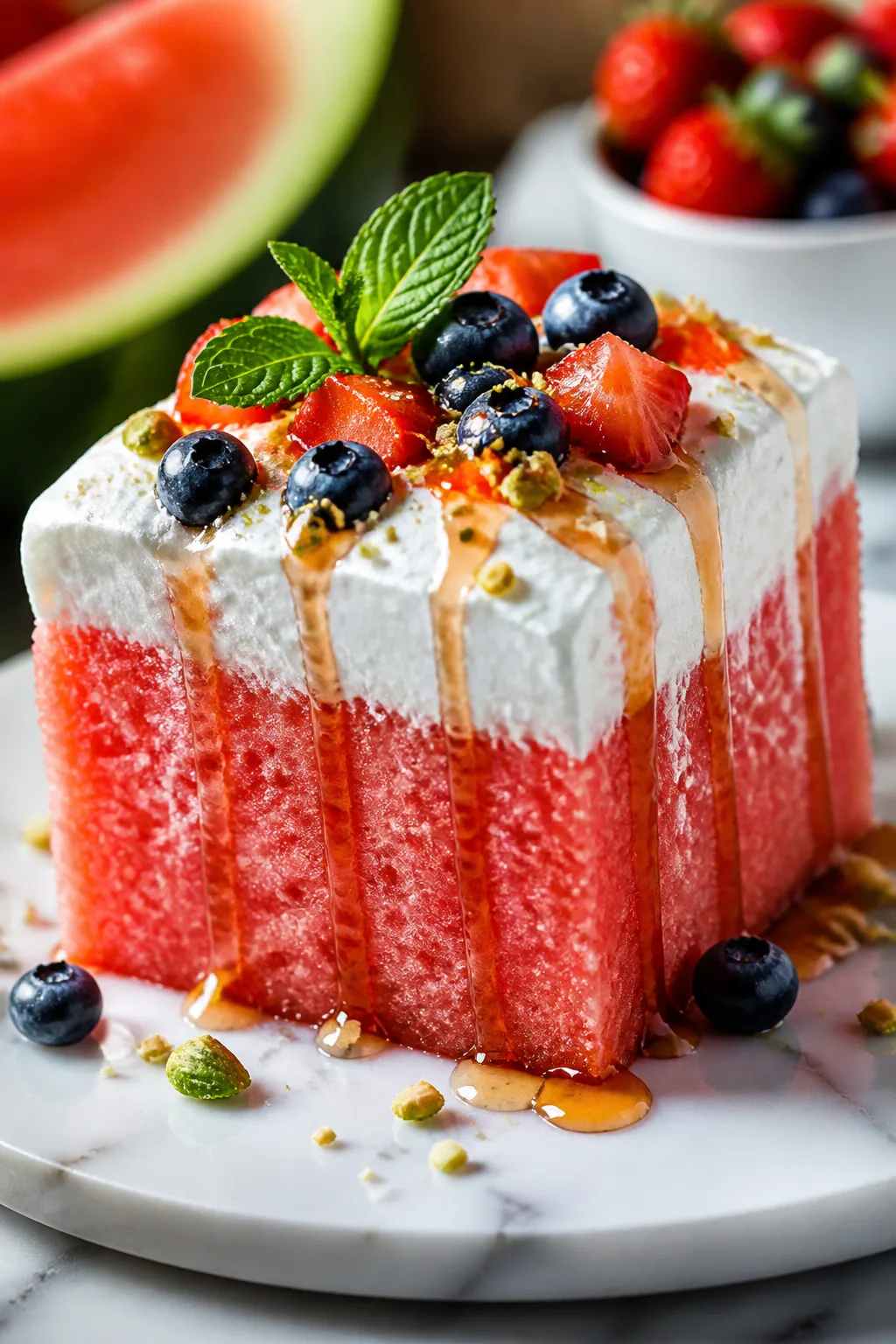
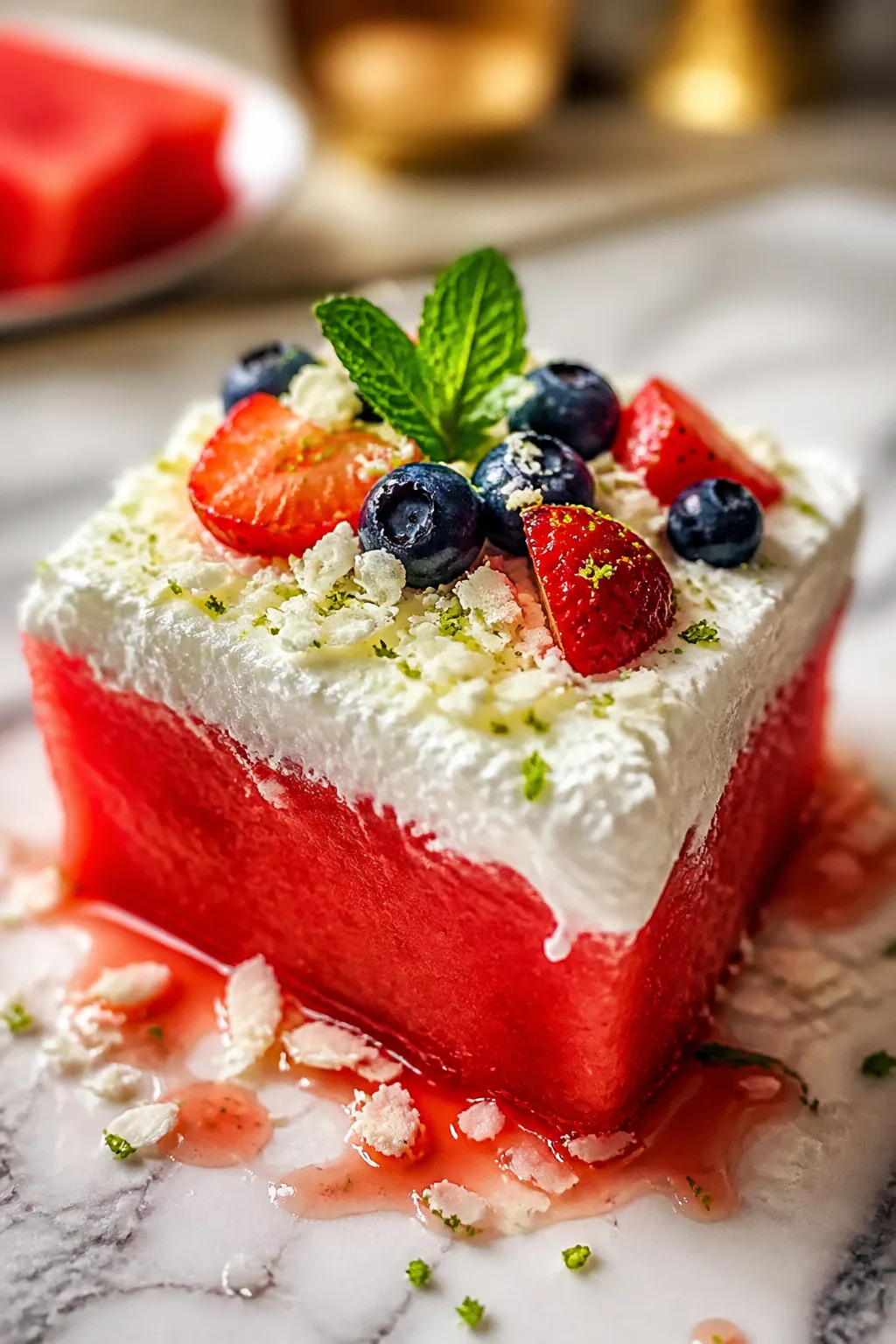
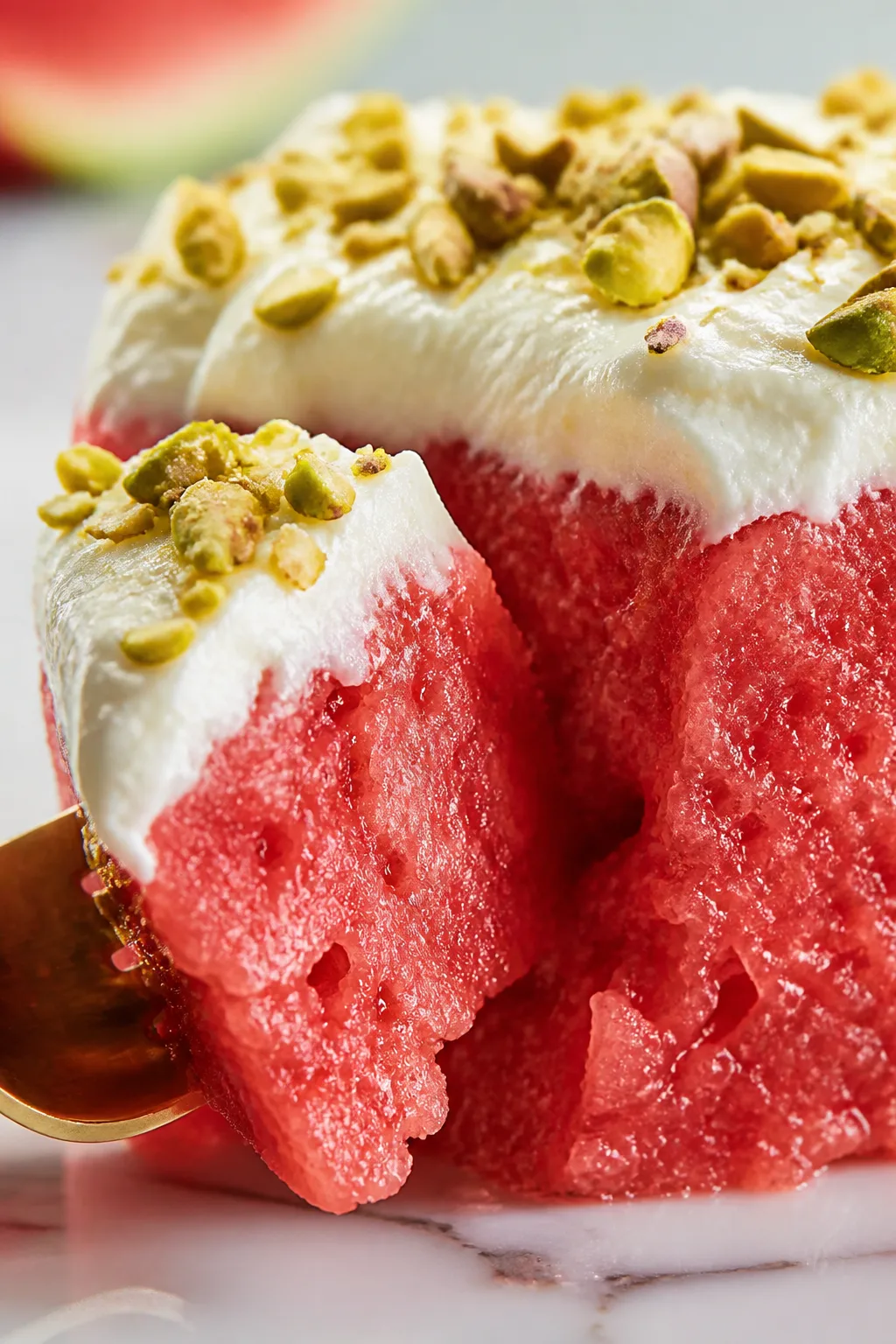
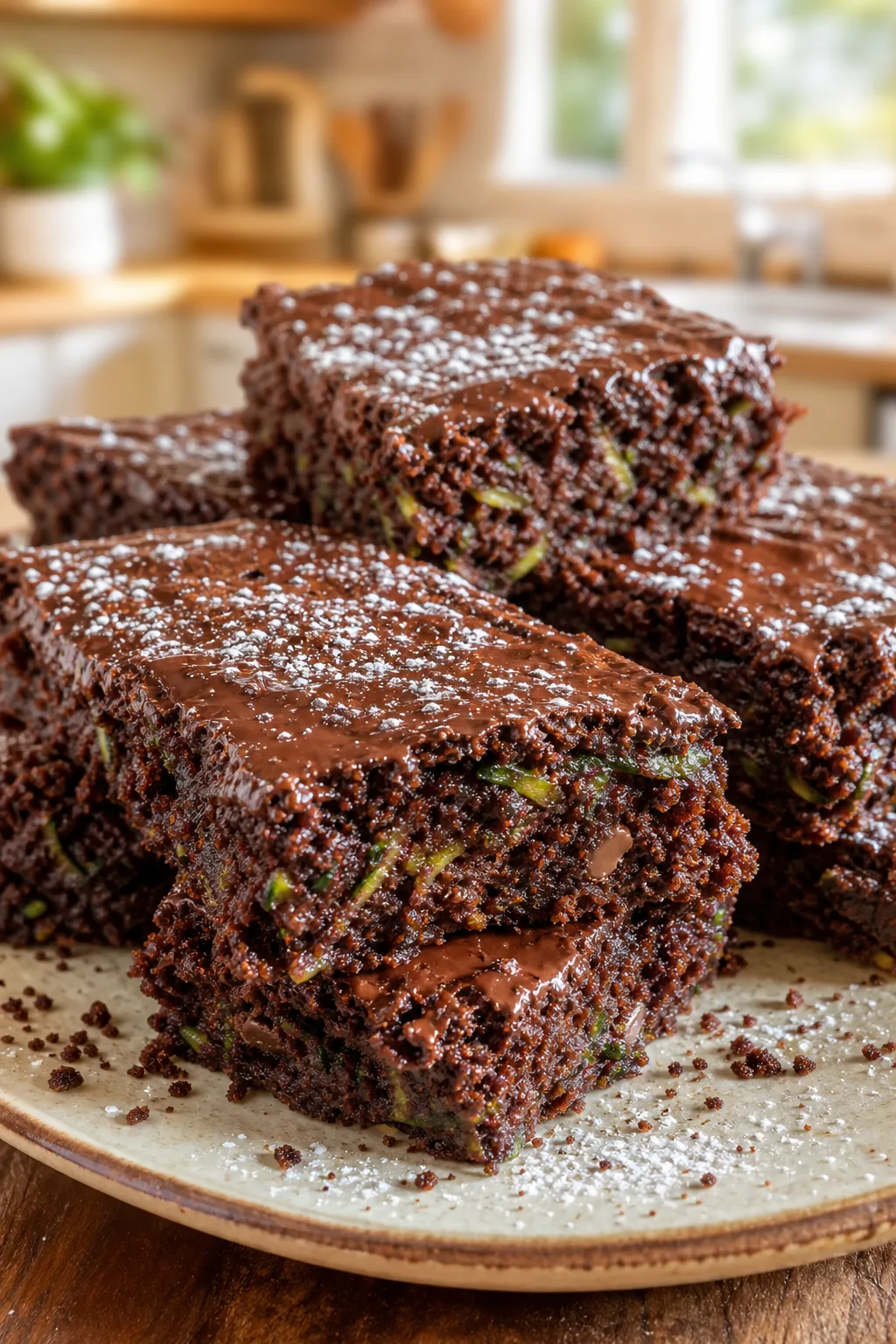
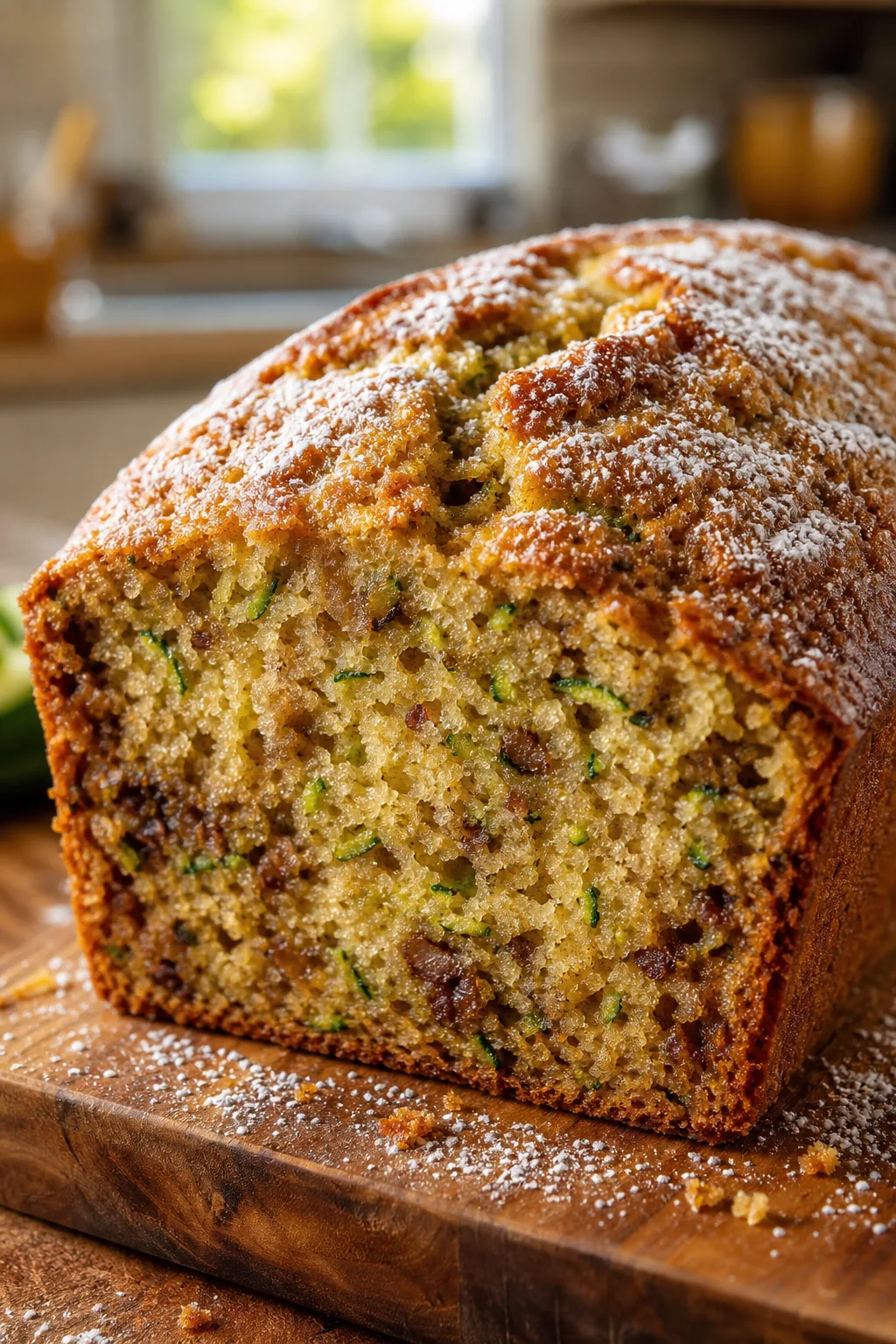
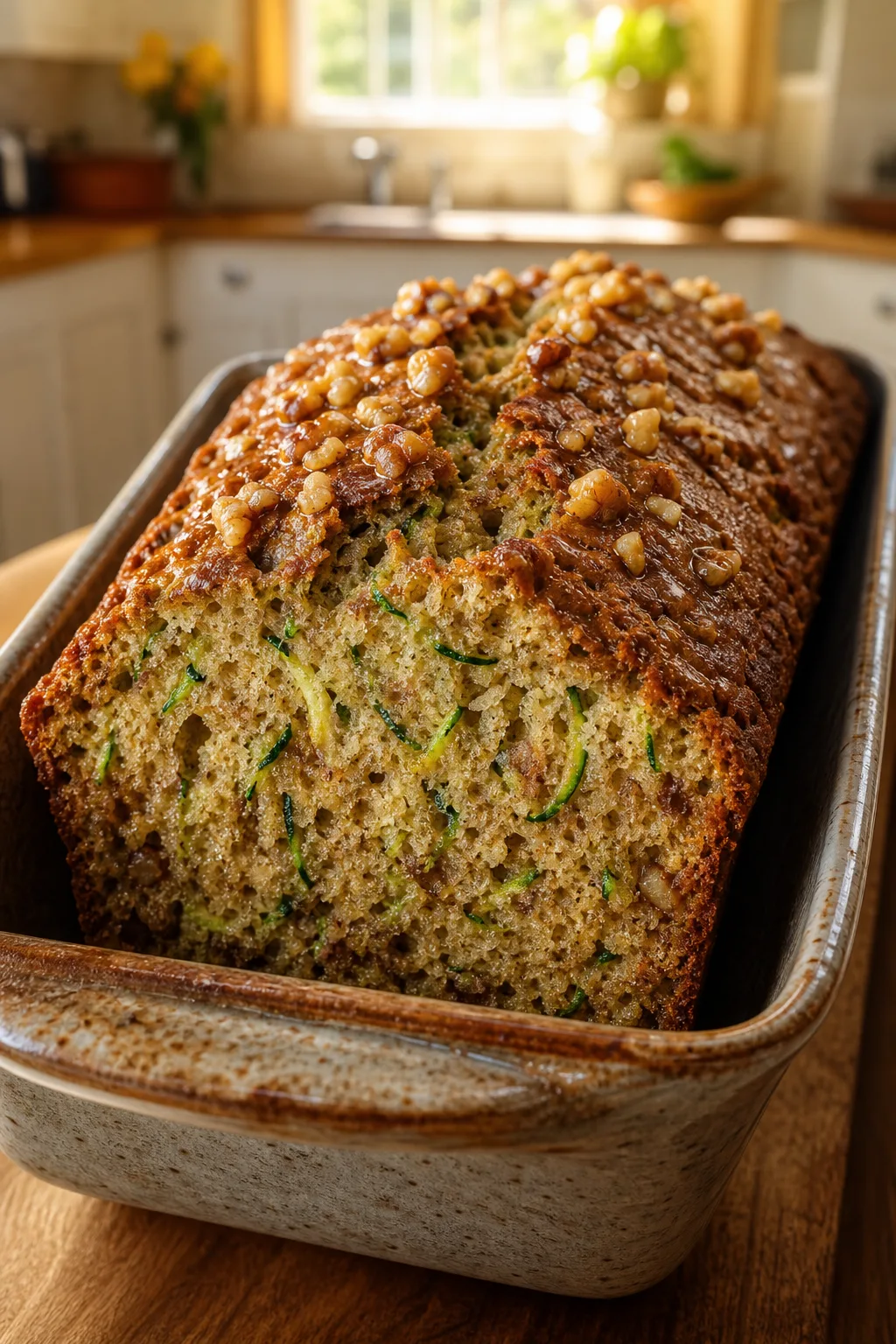
This roasted watermelon cake is a fun twist that brings out deep, caramelized flavors you wouldn't expect from watermelon. It's perfect for hot summer days or casual backyard parties when you want something fresh but with a little extra wow.
Introduction
I stumbled upon this roasted watermelon cake recipe during a hot summer when I wanted to do something different with watermelon besides the usual slices. The idea of roasting watermelon sounded odd at first, but the result blew me away—its sweetness deepened, and it developed this subtle caramelized flavor that’s surprisingly rich. What makes this cake stand apart is how the roasting concentrates the fruit’s natural sugars without losing its juicy texture. I’ve tried a few versions, but adding a touch of cinnamon and vanilla really rounds out the flavor beautifully. Plus, the Greek yogurt in the batter keeps the cake moist and tender, which is a game-changer compared to other fruit cakes I’ve made. When it's done, the watermelon rounds turn golden and soft yet still hold their shape, making a stunning centerpiece for any summer get-together. It tastes fresh but with a warm, cozy twist—perfect for backyard barbecues or casual dinners. Honestly, I was skeptical at first, but now it’s become a favorite summer dessert to share with friends and family.
How To Do It
Step 1
Preheat your oven to 350°F (175°C). While the oven warms up, prepare the watermelon by slicing it into 1-inch thick rounds. Brush both sides lightly with olive oil to help with roasting and caramelization. This step is crucial because the oil encourages browning and prevents the watermelon from drying out. Place the slices on a parchment-lined baking sheet, ensuring they’re spaced evenly. Roasting the watermelon concentrates its natural sugars and softens the flesh without turning it mushy, so don’t skip this step or roast at too high a temperature.
⏱ Time: 10 minutes
✓ Doneness: Watermelon slices should be golden on the edges and slightly caramelized but still firm enough to hold their shape.
Step 2
Roast the watermelon slices in the preheated oven for about 15-20 minutes, flipping them halfway through for even caramelization. Keep an eye on them so they don’t overcook—the goal is a tender, juicy texture with a light golden crust. If you rush this step or set the temperature too high, the watermelon could dry out or become mushy, losing its fresh appeal. Once done, let them cool slightly while you prepare the cake batter.
⏱ Time: 20 minutes
✓ Doneness: Slices should have a deep golden color with caramelized spots and emit a sweet, fragrant aroma.
Step 3
In a large mixing bowl, whisk together the flour, sugar, baking powder, salt, and cinnamon. This dry mix ensures even distribution of leavening and spices. Mixing these ingredients well helps the cake rise properly and gives it a subtle warmth from the cinnamon. Don’t rush this step; thorough mixing prevents clumps and uneven baking.
⏱ Time: 5 minutes
✓ Doneness: Dry ingredients should be evenly combined without lumps.
Step 4
In another bowl, whisk the eggs, Greek yogurt, honey, and vanilla extract until smooth. This wet mixture adds moisture and richness to the cake. The Greek yogurt keeps the crumb tender and adds a slight tang that balances the watermelon’s sweetness. If you skip the yogurt or replace it with milk, the texture will be less moist and more dense.
⏱ Time: 5 minutes
✓ Doneness: Wet ingredients should be fully blended and slightly thick.
Step 5
Slowly pour the wet ingredients into the dry ingredients, folding gently with a spatula to combine. Be careful not to overmix; overworking the batter can make the cake tough. The mixture should be just combined with no large streaks of flour remaining. This gentle folding helps maintain a light texture in the final cake.
⏱ Time: 3 minutes
✓ Doneness: Batter is smooth and slightly thick but not overworked.
Step 6
Cut the roasted watermelon slices into smaller pieces or cubes and fold them gently into the batter, reserving a few for decoration on top. Incorporating the roasted watermelon at this stage ensures the fruit remains tender and juicy inside the cake without breaking down the batter. Too much stirring here can crush the watermelon and make the batter watery.
⏱ Time: 3 minutes
✓ Doneness: Watermelon pieces are evenly distributed without breaking apart.
Step 7
Grease a 9-inch round cake pan and pour the batter in evenly. Arrange the reserved roasted watermelon slices on top for a pretty finish. This presentation step adds visual appeal and lets the caramelized fruit shine. Using a greased pan prevents sticking and helps the cake release cleanly after baking.
⏱ Time: 5 minutes
✓ Doneness: Batter is level, and watermelon slices are attractively placed on top.
Step 8
Bake the cake at 350°F (175°C) for 25-30 minutes, or until a toothpick inserted into the center comes out clean. Baking time can vary slightly depending on your oven, so start checking around 25 minutes. Avoid opening the oven door too often, as this can cause the cake to sink. The cake should be golden brown on top and spring back slightly to the touch.
⏱ Time: 25-30 minutes
✓ Doneness: Toothpick comes out clean, and cake surface is golden and springy.
Step 9
Let the cake cool in the pan for 10 minutes before transferring it to a wire rack to cool completely. Cooling allows the cake to set and prevents it from breaking apart when sliced. Dust with powdered sugar before serving if desired for a touch of sweetness and pretty finish. This cake tastes best at room temperature, where the flavors meld beautifully.
⏱ Time: 15 minutes
✓ Doneness: Cake is firm enough to slice cleanly and cooled to room temperature.
Pro Tips
Don’t skip brushing the watermelon with olive oil before roasting.
This step helps the fruit caramelize evenly and retain moisture, preventing drying out. Without the oil, the watermelon can become watery and fail to develop the rich, roasted flavors that make this cake special.
Use Greek yogurt instead of regular yogurt or milk.
Greek yogurt’s thicker texture adds moisture and tenderness while its acidity activates the baking powder, giving the cake a better rise and lighter crumb. Regular yogurt or milk won’t provide the same balance.
Fold the roasted watermelon gently into the batter.
Overmixing breaks down the fruit and releases excess juice, which can make the batter too wet and affect the cake’s texture. Gentle folding keeps the watermelon intact and ensures even distribution.
Check the cake with a toothpick starting at 25 minutes.
Ovens vary, so testing early prevents overbaking, which can dry out the cake. The toothpick should come out clean or with a few moist crumbs but no wet batter.
Let the cake cool completely before slicing.
Cooling allows the cake’s structure to set, making it easier to cut without crumbling. Warm cake tends to be fragile and may fall apart.
Use fresh baking powder for best results.
Old or expired baking powder loses its potency, leading to dense, flat cakes. Baking powder is essential for the cake’s rise, so freshness impacts texture significantly.
Dust with powdered sugar just before serving.
This adds a pretty finishing touch and a hint of extra sweetness without overpowering the cake’s natural flavors. Adding it too early can cause it to dissolve or clump.
Common Mistakes to Avoid
Skipping the olive oil on watermelon before roasting.
Why it happens People often overlook this step thinking it’s unnecessary for fruit, assuming it’s only for savory roasting.
Fix Always brush the watermelon slices lightly with olive oil before roasting to encourage caramelization and prevent drying. This simple step makes a big difference in flavor and texture.
Overmixing the batter after adding wet and dry ingredients.
Why it happens It’s common to think mixing longer makes the batter smoother, but overmixing develops gluten and toughens the cake.
Fix Mix just until the ingredients are combined. Use gentle folding motions, especially after adding the roasted watermelon, to preserve texture and tenderness.
Using underripe or watery watermelon.
Why it happens Sometimes people grab any watermelon without checking ripeness, expecting roasting to fix flavor.
Fix Select a ripe, firm watermelon with deep color and sweetness. Roasting enhances flavor but can’t fix watery or bland fruit.
Baking at too high a temperature.
Why it happens Rushing the baking process by increasing temperature is tempting but can dry out the cake or burn the fruit.
Fix Stick to 350°F and allow the cake to bake fully. This temperature balances thorough cooking with moisture retention.
Not letting the cake cool before slicing.
Why it happens Impatience leads to cutting warm cake, which is fragile and crumbly.
Fix Let the cake rest for at least 15 minutes out of the pan, then cool completely on a rack before slicing for clean cuts.
Variations
Add Fresh Mint and Lime Zest
For a refreshing twist, fold in chopped fresh mint leaves and a teaspoon of lime zest into the batter. This adds a bright, herbal note that pairs beautifully with the caramelized watermelon and cinnamon, giving the cake a lively summer vibe.
Note: Add mint and zest at the same time as the roasted watermelon, folding gently to avoid bruising the fruit.
Use Coconut Sugar Instead of White Sugar
Swap white sugar for coconut sugar to give the cake a deeper, caramel-like sweetness and a hint of nuttiness. This variation adds complexity and pairs nicely with the roasted fruit’s natural sugars.
Note: Coconut sugar absorbs moisture differently, so you might need to slightly reduce the Greek yogurt to maintain batter consistency.
Make Mini Watermelon Cakes in Muffin Tins
Divide the batter into greased muffin tins and top each with a small roasted watermelon chunk for individual servings. These mini cakes bake faster and are perfect for parties or packed lunches.
Note: Reduce baking time to 15-20 minutes and check doneness early to avoid overbaking.
Add Chopped Nuts for Crunch
Stir in 1/2 cup chopped toasted pecans or walnuts to the batter to add texture and a toasty flavor that contrasts the soft watermelon. Nuts also add a nice richness and make the cake more filling.
Note: Fold nuts in with the watermelon pieces to distribute evenly without overmixing.
Top with Whipped Cream and Fresh Berries
Serve the cooled cake with a dollop of lightly sweetened whipped cream and fresh summer berries like blueberries or raspberries. This adds freshness and a creamy element that complements the roasted flavors.
Note: Prepare whipped cream just before serving to maintain its light texture.
Nutrition
Per Serving:
Nutritional values are estimates and may vary based on specific ingredients used.
Storage & Tips
Room Temperature
This watermelon cake keeps well at room temperature for up to 6 hours if covered loosely with a cake dome or foil to prevent drying out. Avoid leaving it out longer in warm conditions to prevent spoilage due to the fresh fruit content.
Refrigerator
Store the cake in an airtight container in the fridge for up to 3 days. The cake may firm up and the watermelon can become denser when chilled. Let it come to room temperature before serving or add a few seconds in the microwave to soften slightly.
Freezer
Wrap the cooled cake tightly in plastic wrap and then foil before freezing for up to 2 months. Thaw overnight in the refrigerator and bring to room temperature before serving. Texture may be slightly different but still delicious.
Reheating
Reheat slices gently in a microwave for 15-20 seconds or in a low oven (300°F) for 5-7 minutes to warm through. Avoid overheating to prevent drying out. Adding a splash of water or covering with foil helps retain moisture.
Make Ahead
You can roast the watermelon slices 1-2 days ahead and keep them refrigerated in an airtight container. Prepare the batter fresh on the day you plan to bake. This saves time and keeps the cake texture optimal.
FAQ
Can I use regular watermelon with seeds for this cake?
You can, but it’s best to seed the watermelon as much as possible before roasting. Seeds can be unpleasant in the cake texture and affect presentation. Using seedless watermelon makes preparation easier and gives a smoother final result.
What if I don’t have Greek yogurt? Can I substitute it?
Plain Greek yogurt is preferred for its thickness and acidity. You can substitute with sour cream or strained plain yogurt, but avoid flavored or low-fat versions as they may impact moisture and flavor. Milk won’t give the same tender crumb.
Why does the cake sometimes come out soggy?
Sogginess usually results from excess moisture from the watermelon or overmixing the batter. Make sure to roast the watermelon well to reduce water content and fold the fruit in gently. Also, don’t overbake as this can cause structural issues.
Can I make this cake gluten-free?
Yes, swap the all-purpose flour for a gluten-free blend that includes xanthan gum for structure. The texture might be slightly different, but the flavor remains delicious. Be sure to check the baking powder is gluten-free as well.
How do I know when the cake is fully baked?
Insert a toothpick in the center; it should come out clean or with a few moist crumbs, but no wet batter. The top should be golden brown and spring back lightly when pressed. If the cake jiggles or is wet, it needs more time.
Can I prepare this cake entirely ahead of time?
You can roast the watermelon a day or two ahead and keep it refrigerated. The cake batter is best made fresh to ensure proper rise and texture. The baked cake can be stored and reheated as needed.
What’s the best way to slice the cake without it falling apart?
Allow the cake to cool completely to room temperature before slicing. Use a sharp serrated knife and wipe it clean between cuts. Cooling helps the crumb set and prevents crumbling.
Can I add other fruits to this cake?
Yes, but be mindful of moisture content. Berries or chopped stone fruits can work if roasted or drained well before adding. Too much watery fruit can affect the cake’s structure.
Final Thoughts
I hope you’ll give this roasted watermelon cake a try—it's such a fun way to enjoy summer fruit with a twist. Let me know how it turns out and if your friends love it as much as mine do!