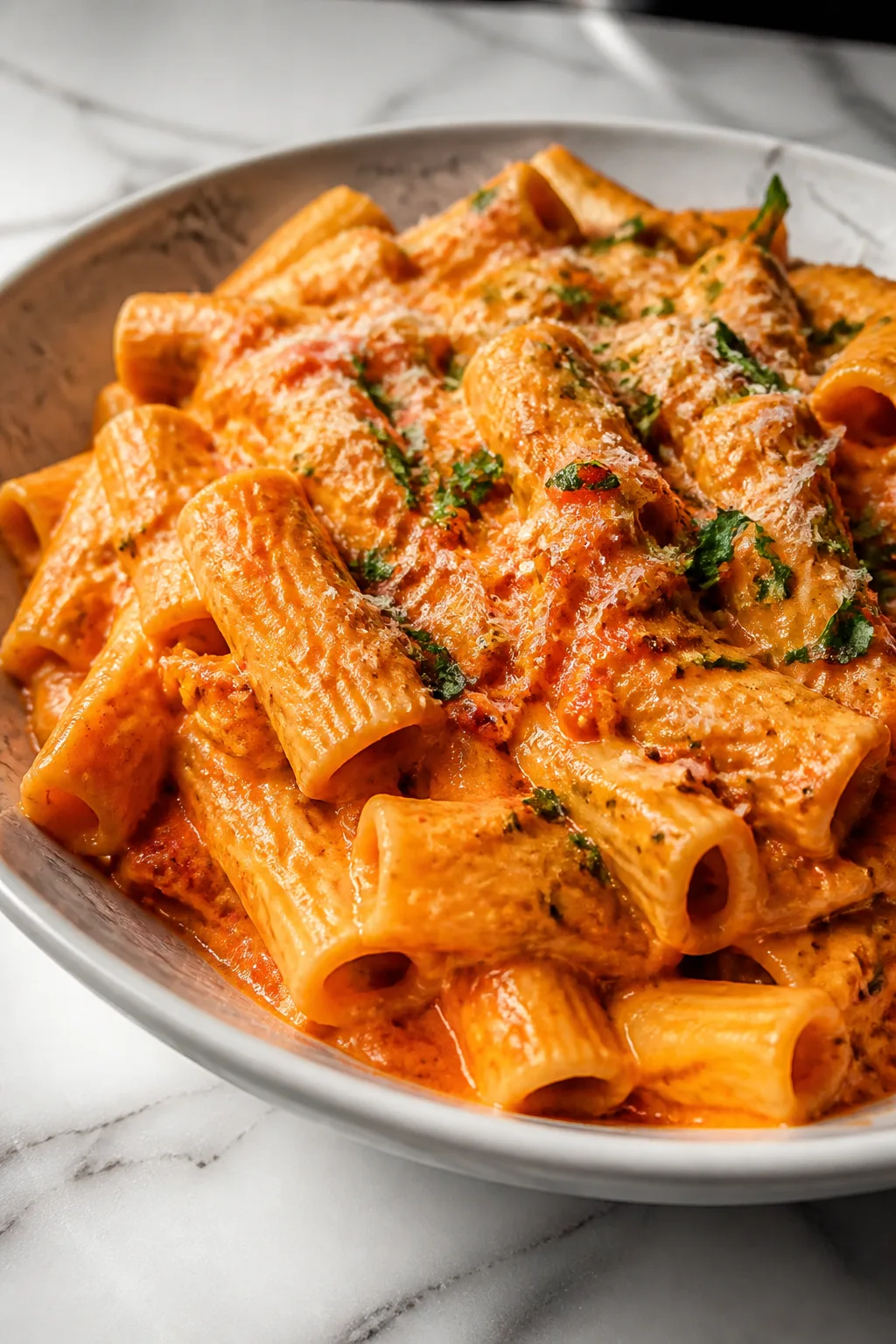
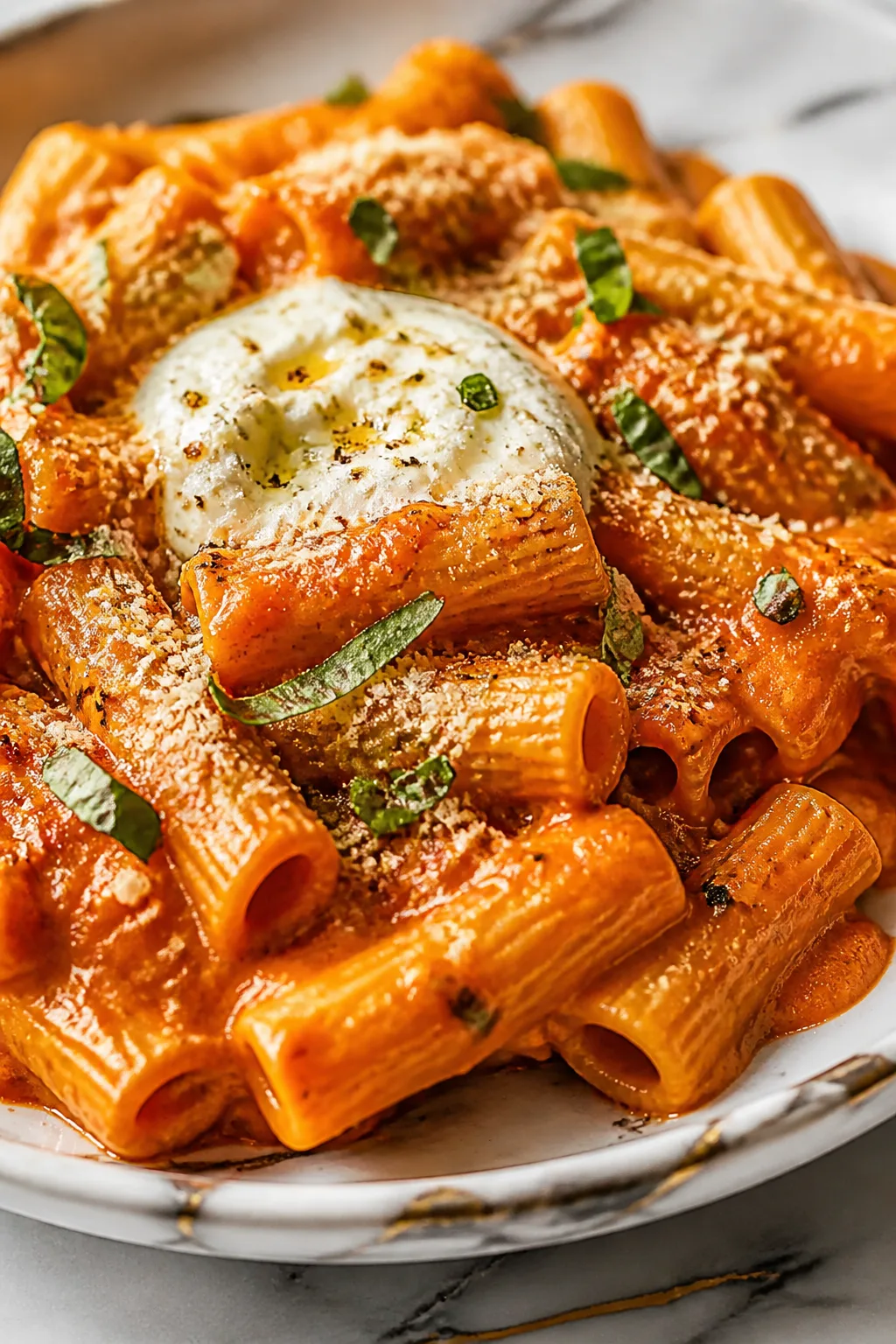
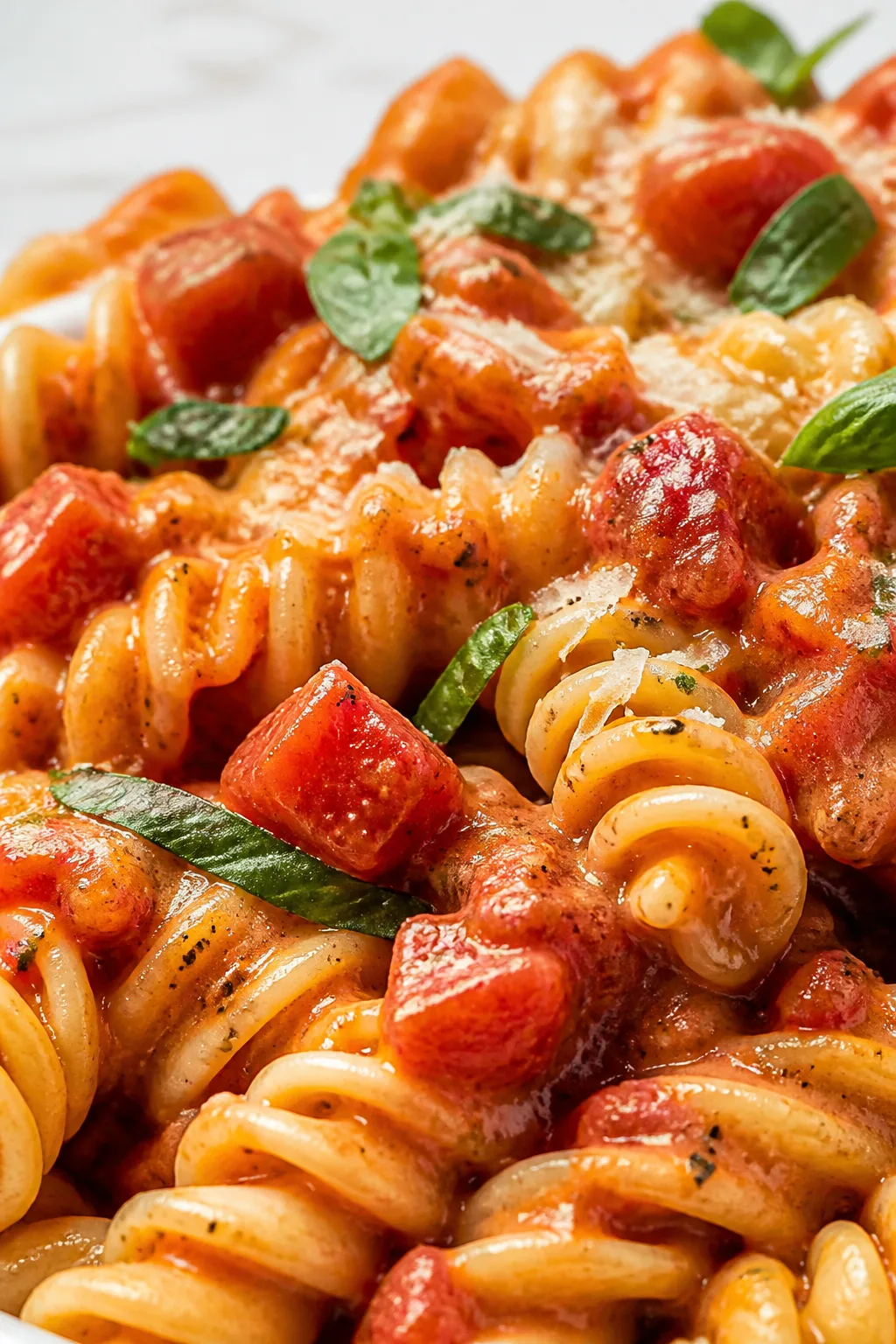
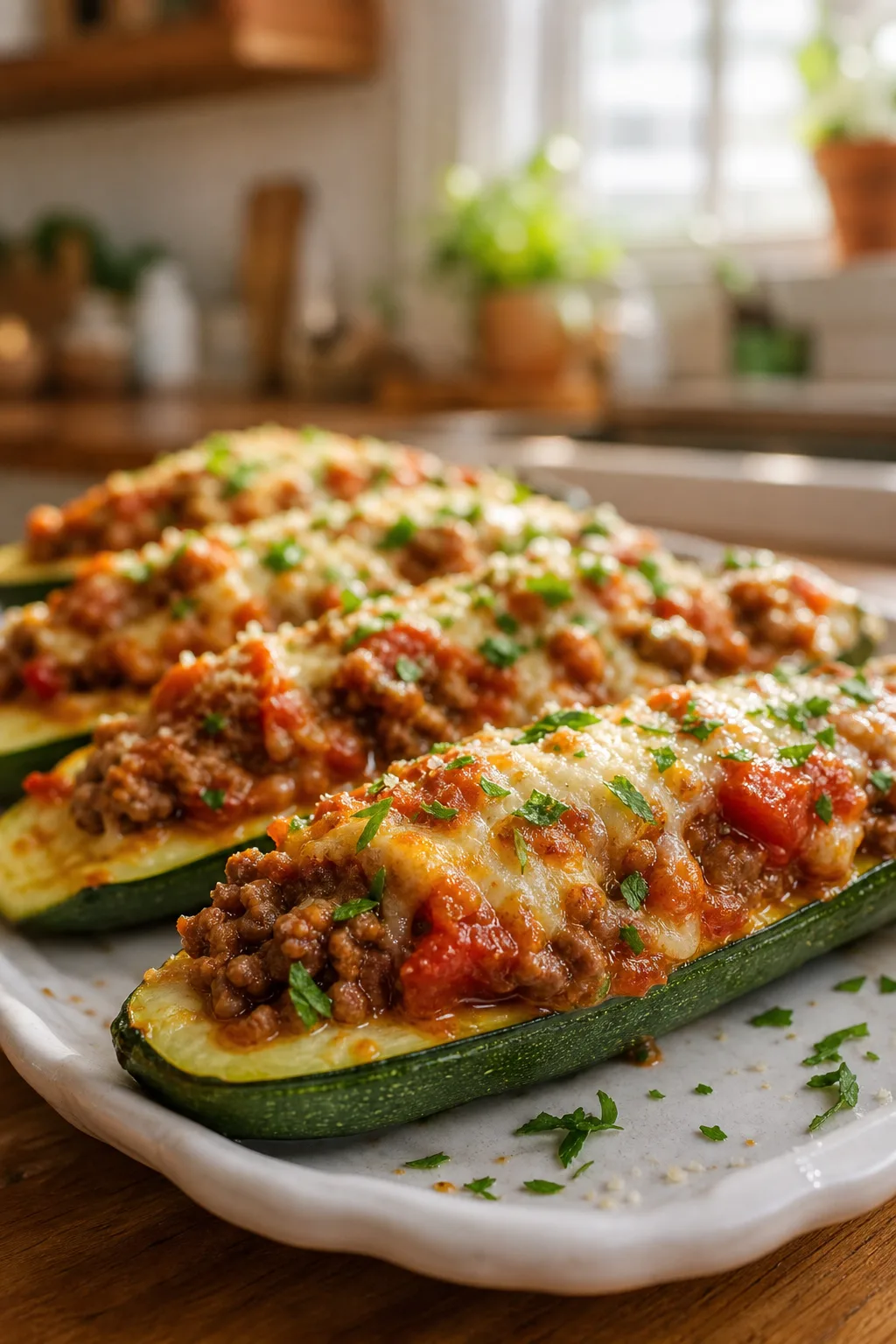
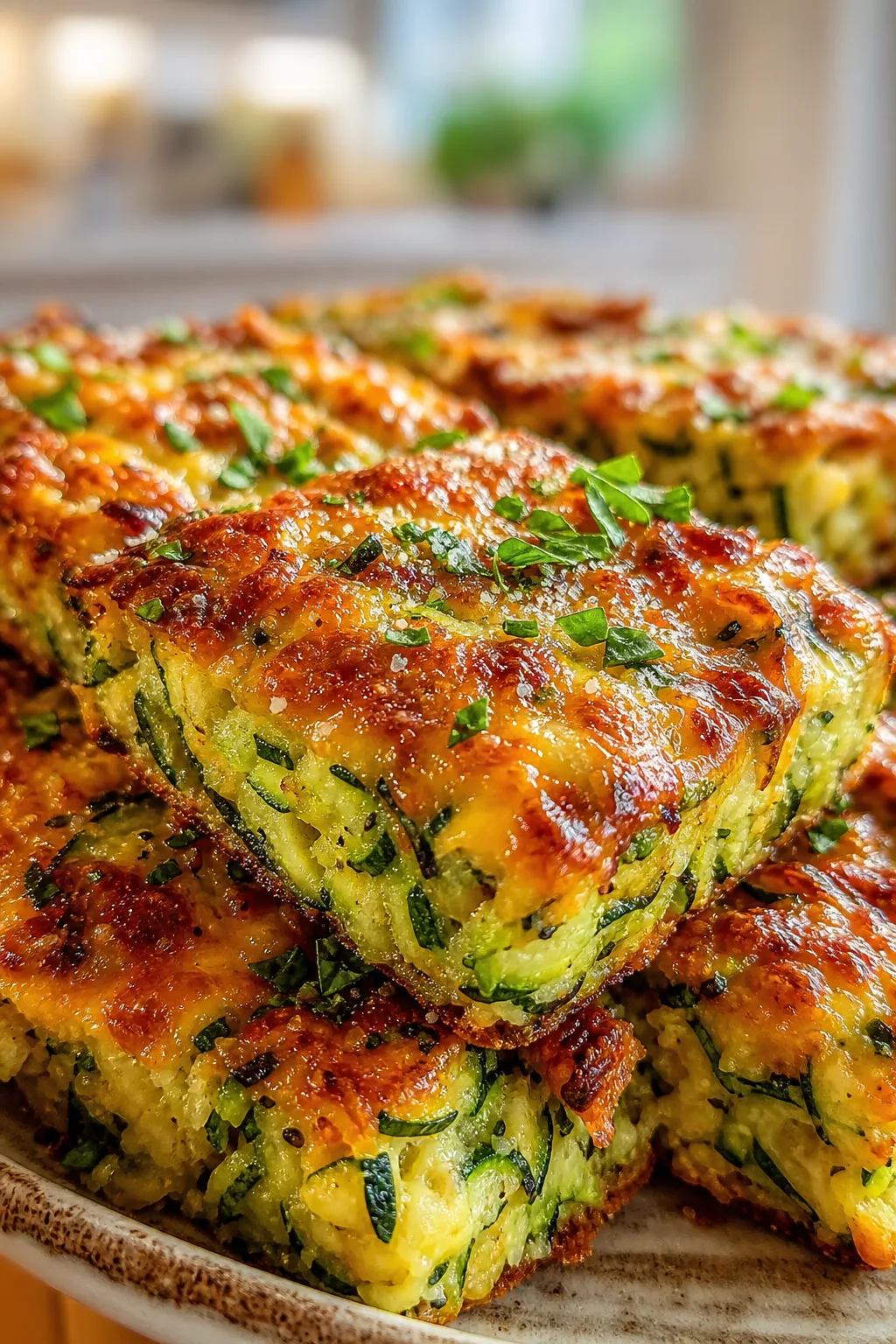
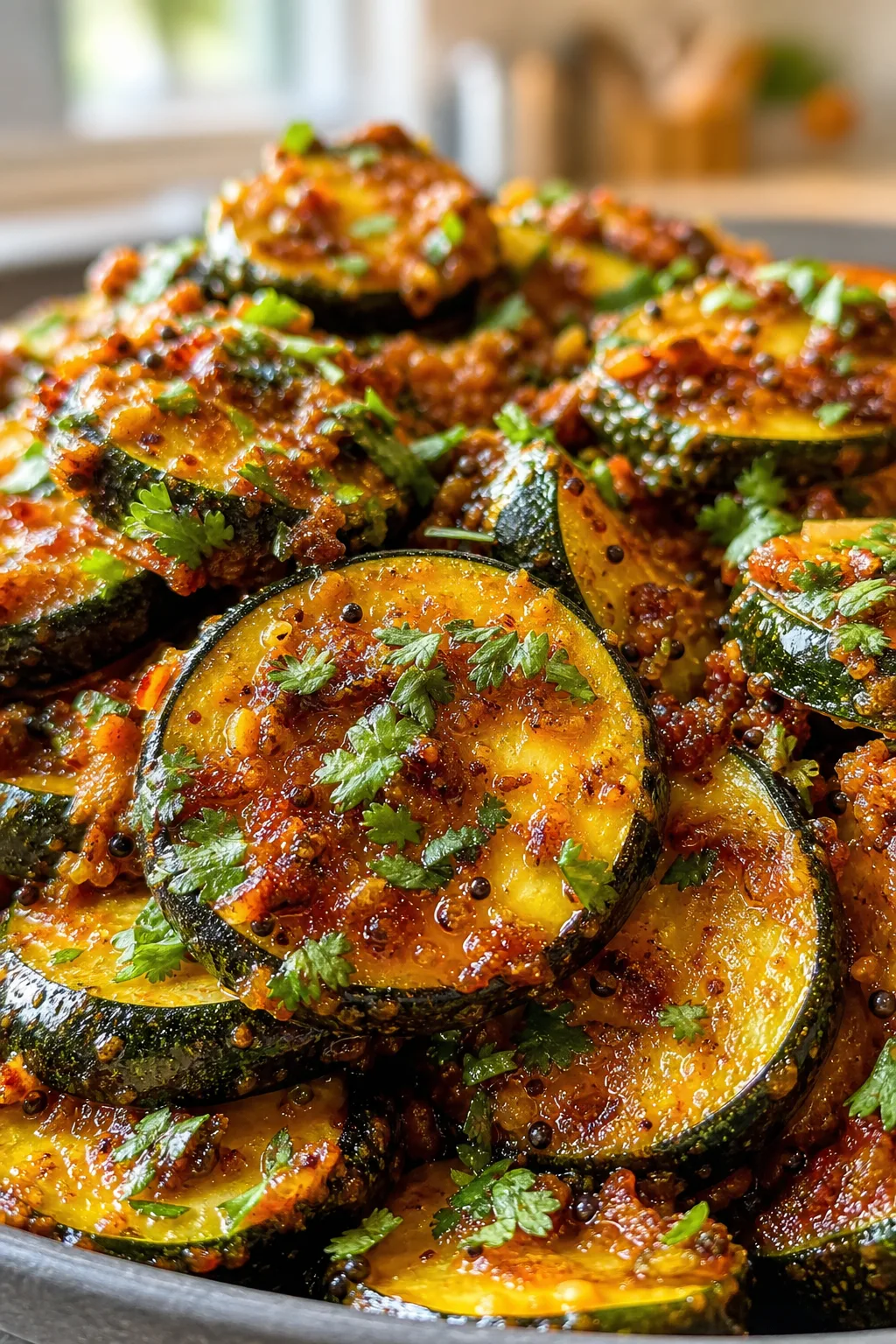
This cheesy tomato sauce is my go-to for cozy dinners. It’s rich, creamy, and has just the right tang from fresh tomatoes. Great for a quick pasta or dipping bread when you want something comforting fast.
Introduction
I stumbled upon this creamy cheesy tomato sauce when I was craving something warm and comforting but didn’t want to spend hours in the kitchen. It’s become my absolute favorite because it’s quick, packed with flavor, and has this wonderful tang from fresh tomatoes that really lifts the whole dish. I’ve tried a few variations over time, but adding both mozzarella and Parmesan cheeses gives it that perfect balance of gooey richness and sharpness. One trick I learned is to simmer the sauce gently to let the flavors meld without losing that fresh tomato brightness. The result is a velvety, luscious sauce that clings beautifully to pasta or makes an irresistible dip for crusty bread. It’s the kind of recipe I turn to when I want something cozy but fuss-free, especially on busy weeknights or lazy weekends. Plus, it’s incredibly forgiving, so even if you’re not a pro in the kitchen, you’ll nail it. I love how it fills the kitchen with the smell of garlic and basil, making it feel like a little Italian escape at home. Trust me, once you try this, it’ll become your go-to too!
What You'll Need
Approximately 4 cups, serves 4
- 2 tablespoons olive oil, extra virgin
- 3 cloves garlic, minced
- 1 small onion, finely chopped
- 4 cups fresh tomatoes, diced
- 1 teaspoon sugar
- 1/2 teaspoon salt
- 1/4 teaspoon black pepper
- 1/2 cup heavy cream
- 1 cup shredded mozzarella cheese
- 1/4 cup grated Parmesan cheese
- Fresh basil leaves, for garnish
How To Do It
Step 1
Heat the olive oil in a large skillet over medium heat. Add the minced garlic and chopped onion, sautéing gently until they become translucent and fragrant, about 5 minutes. This step is crucial because it builds the flavor base for your sauce. Avoid browning the garlic too much, as it can turn bitter and overpower the delicate tomato flavor.
⏱ Time: 5
✓ Doneness: Onions are soft and translucent, garlic is fragrant but not browned
Step 2
Add the diced fresh tomatoes to the skillet along with sugar, salt, and black pepper. Stir well to combine. Let the mixture simmer over low-medium heat for about 15 minutes, stirring occasionally. This slow simmer breaks down the tomatoes, concentrates their natural sweetness, and develops a rich, tangy flavor. Rushing this step can leave the sauce watery and under-flavored.
⏱ Time: 15
✓ Doneness: Tomatoes have softened and the sauce has thickened slightly
Step 3
Pour in the heavy cream and stir gently to incorporate. The cream adds a beautiful silkiness and balances the acidity of the tomatoes. Keep the heat low to prevent the cream from curdling. Stir constantly for about 3 minutes until the sauce turns a lovely pale pink and feels smooth.
⏱ Time: 3
✓ Doneness: Sauce is creamy, smooth, and pale pink in color
Step 4
Lower the heat to a gentle simmer and add the shredded mozzarella cheese gradually, stirring constantly. This slow melting ensures the cheese incorporates evenly without clumping. Mozzarella gives the sauce a stretchy, melty texture that’s super comforting. Avoid adding cheese all at once to prevent it from separating.
⏱ Time: 5
✓ Doneness: Cheese is fully melted and sauce is thickened to a creamy consistency
Step 5
Stir in the grated Parmesan cheese and mix well. Parmesan adds a sharp, nutty depth that complements the mozzarella’s mildness. Keep the heat low and stir until the cheese is completely melted. This step enriches the sauce and rounds out the flavor beautifully.
⏱ Time: 2
✓ Doneness: Sauce is thick, glossy, and cheesy with no graininess
Step 6
Taste the sauce and adjust seasoning with more salt or pepper if needed. This final taste check is important since tomatoes can vary in sweetness and acidity. Don’t skip this step to make sure your sauce is perfectly balanced.
⏱ Time: 2
✓ Doneness: Sauce flavor is balanced with a nice blend of tangy, creamy, and savory notes
Step 7
Remove the sauce from heat and let it rest for a few minutes. This resting time helps the flavors marry and the sauce to thicken slightly. It also cools down so it won’t separate when served.
⏱ Time: 5
✓ Doneness: Sauce is slightly thicker and flavors taste more harmonious
Step 8
Serve the sauce immediately over your favorite cooked pasta or as a dip with warm crusty bread. Garnish with fresh basil leaves for a pop of color and freshness. The herbs add a lovely aromatic lift that brightens the rich sauce.
⏱ Time: 0
✓ Doneness: Dish looks vibrant with green basil contrast and sauce clings to pasta or bread
Step 9
For leftovers, let the sauce cool completely before storing it in an airtight container in the fridge. Reheat gently on the stove with a splash of cream or water to bring back its creamy texture. Avoid microwaving directly to prevent curdling and separation.
⏱ Time: 0
✓ Doneness: Sauce reheated smoothly without graininess or separation
Pro Tips
Simmer the tomatoes slowly to develop richer flavor.
Slow simmering evaporates excess water and intensifies the tomato’s natural sweetness and acidity balance. Rushing this step leaves the sauce watery and less flavorful, so patience here pays off with a deeper, more concentrated sauce.
Add cheeses gradually over low heat to ensure smooth melting.
Slowly incorporating mozzarella and Parmesan prevents them from clumping or separating. High heat or rapid addition can cause grainy texture or oily separation, ruining the sauce’s creamy consistency.
Use freshly grated Parmesan for best melting and flavor.
Pre-grated Parmesan often contains additives that affect melting and texture. Freshly grated cheese melts more evenly and imparts a sharper, nuttier flavor that elevates the sauce.
Don’t skip the sugar to balance tomato acidity.
Tomatoes can be quite acidic, which might make the sauce taste sharp or sour. A small amount of sugar rounds out the flavor, creating a harmonious balance that feels naturally sweet without tasting sugary.
Garnish with fresh basil just before serving.
Fresh basil adds a bright, herbal note that cuts through the richness of the cheese and cream. Adding it too early can cause it to lose its vibrant color and flavor.
Use low-moisture mozzarella for less watery sauce.
Fresh mozzarella has high moisture content that can thin the sauce. Low-moisture shredded mozzarella melts cleanly and helps maintain a thick, creamy texture.
Rest the sauce off the heat before serving.
Allowing the sauce to sit briefly lets the flavors meld and the texture thicken slightly. Serving immediately can sometimes mean a thinner sauce that hasn’t fully developed.
Common Mistakes to Avoid
Cooking garlic at too high heat until brown or burnt.
Why it happens Many cooks rush the sautéing step or use high heat, thinking it speeds up the process. Burnt garlic tastes bitter and can overpower the sauce.
Fix Use medium or medium-low heat and watch garlic carefully. Stir frequently and remove from heat as soon as it’s fragrant and lightly translucent to avoid bitterness.
Adding cheese all at once leading to clumps.
Why it happens Trying to melt cheese too quickly or in a large quantity can cause it to clump or separate.
Fix Add cheese gradually over low heat, stirring constantly to ensure smooth melting and avoid grainy texture.
Skipping sugar and ending with overly acidic sauce.
Why it happens Assuming tomatoes alone are balanced can lead to sharp, sour flavors.
Fix Add a teaspoon of sugar during tomato simmering to balance acidity and enhance natural sweetness.
Using fresh mozzarella instead of low-moisture.
Why it happens Fresh mozzarella is more watery and can thin the sauce unexpectedly.
Fix Choose low-moisture shredded mozzarella for a thicker, creamier sauce.
Not letting the sauce rest before serving.
Why it happens Impatience leads to serving sauce that hasn’t thickened or developed full flavor.
Fix Remove from heat and let the sauce sit for 5 minutes to thicken and allow flavors to meld.
Variations
Spicy Cheesy Tomato Sauce
Add crushed red pepper flakes or a diced chili during the garlic sauté step for a spicy kick. This variation brings warmth and depth, perfect if you love a little heat. The creaminess helps balance the spice without overpowering the cheese flavor.
Note: Adjust the amount of chili to taste. Keep heat low when adding spices to avoid burning.
Herbed Cheesy Tomato Sauce
Incorporate fresh herbs like oregano, thyme, or rosemary during simmering. This adds complexity and an earthy aroma that pairs beautifully with the tomato base. Great for a more rustic, garden-fresh flavor profile.
Note: Add herbs early in the simmering process to allow flavors to infuse fully.
Vegan Cheesy Tomato Sauce
Swap heavy cream for coconut cream and use vegan cheese alternatives. This keeps the sauce creamy and cheesy without dairy, perfect for plant-based diets. The coconut cream adds a slight sweetness that complements the tomatoes nicely.
Note: Use mild-flavored vegan cheeses that melt well. Adjust seasoning to balance coconut flavor.
Roasted Tomato and Garlic Sauce
Roast the tomatoes and garlic before adding to the pan for a deeper, smoky flavor. This variation intensifies the sauce’s richness and adds a subtle caramelized sweetness. It’s a bit more hands-on but worth the extra effort.
Note: Roast at 400°F for 20-25 minutes until tomatoes are soft and slightly charred.
Chunky Cheesy Tomato Sauce
Leave some tomato pieces larger and stir in less cream for a chunkier texture. This version feels more rustic and hearty, perfect for spooning over polenta or grilled meats instead of pasta.
Note: Simmer tomatoes for less time to retain some texture and add cream slowly to keep sauce less smooth.
Nutrition
Per Serving:
Nutritional values are estimates and may vary based on specific ingredients used.
Storage & Tips
Room Temperature
This sauce can safely sit at room temperature for up to 2 hours when covered. Beyond that, bacteria growth risk increases, so refrigerate promptly. Cover with a lid or plastic wrap to prevent drying and contamination.
Refrigerator
Store in an airtight container in the fridge for up to 4 days. The sauce may thicken and flavors deepen. Reheat gently on the stove with a splash of water or cream to loosen before serving. Avoid reheating multiple times to maintain texture.
Freezer
Freeze the sauce in a freezer-safe container or heavy-duty zip-top bag for up to 3 months. Leave some headspace for expansion. Thaw in the fridge overnight and reheat slowly on the stove, stirring frequently to restore creaminess.
Reheating
Reheat on low-medium heat on the stovetop, stirring often. Add a splash of cream or water to loosen if it thickens too much. Avoid microwaving directly as it can cause curdling and uneven heating.
Make Ahead
You can prepare the sauce up to 2 days ahead. Store it in the fridge and reheat gently when ready to serve. Cook pasta fresh and toss with warm sauce just before serving for best texture.
FAQ
Can I use canned tomatoes instead of fresh?
Yes, canned whole peeled or crushed tomatoes can substitute fresh ones. They provide consistent flavor and texture year-round. Just drain excess liquid to avoid a watery sauce and adjust sugar to balance acidity if needed.
What if my sauce is too thick or too thin?
If too thick, add a splash of cream, water, or broth to loosen it gently while reheating. If too thin, simmer uncovered a bit longer to reduce and thicken. Avoid adding too much liquid at once to prevent watery sauce.
Can I make this sauce ahead and freeze it?
Absolutely! Freeze it in airtight containers for up to 3 months. Thaw overnight in the fridge and reheat slowly on the stove with a splash of cream or water to restore texture.
How do I prevent the cream from curdling?
Add cream slowly over low heat and avoid boiling once it’s in the sauce. Gentle simmering keeps the cream stable and smooth. High heat or rapid temperature changes cause curdling.
What’s the best cheese to use if I can’t find mozzarella?
Low-moisture mozzarella is ideal, but mild provolone or fontina can work as substitutes. They melt well and provide a similar creamy texture. Avoid fresh mozzarella as it’s too watery for this sauce.
Can I make this sauce spicy?
Yes! Add crushed red pepper flakes or a pinch of cayenne during the garlic sauté. Start with a small amount and adjust to your heat preference. The creaminess balances the spice nicely.
Is this sauce suitable for pasta other than spaghetti?
Definitely! It pairs well with penne, rigatoni, fusilli, or even gnocchi. The creamy texture clings well to ridged or shaped pastas, making every bite delicious.
How should I store leftovers to keep the best flavor?
Store leftovers in airtight containers in the fridge within 2 hours of cooking. This prevents bacterial growth and preserves flavor. Reheat gently to maintain creamy texture and avoid dryness.
Final Thoughts
Give this creamy cheesy tomato sauce a try—you’ll love how easy it is and how comforting it tastes. Don’t forget to share your cozy dinner moments with me!