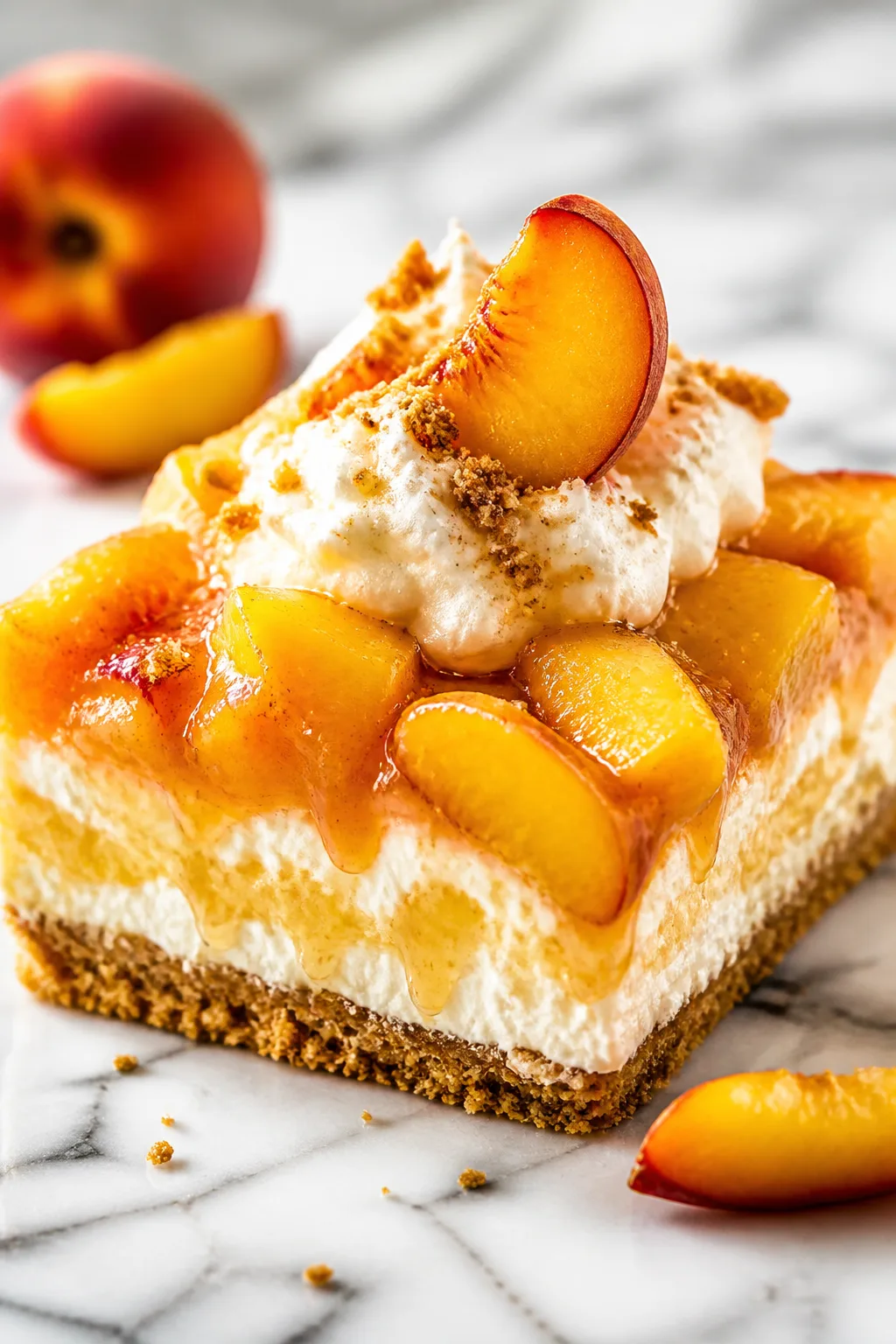
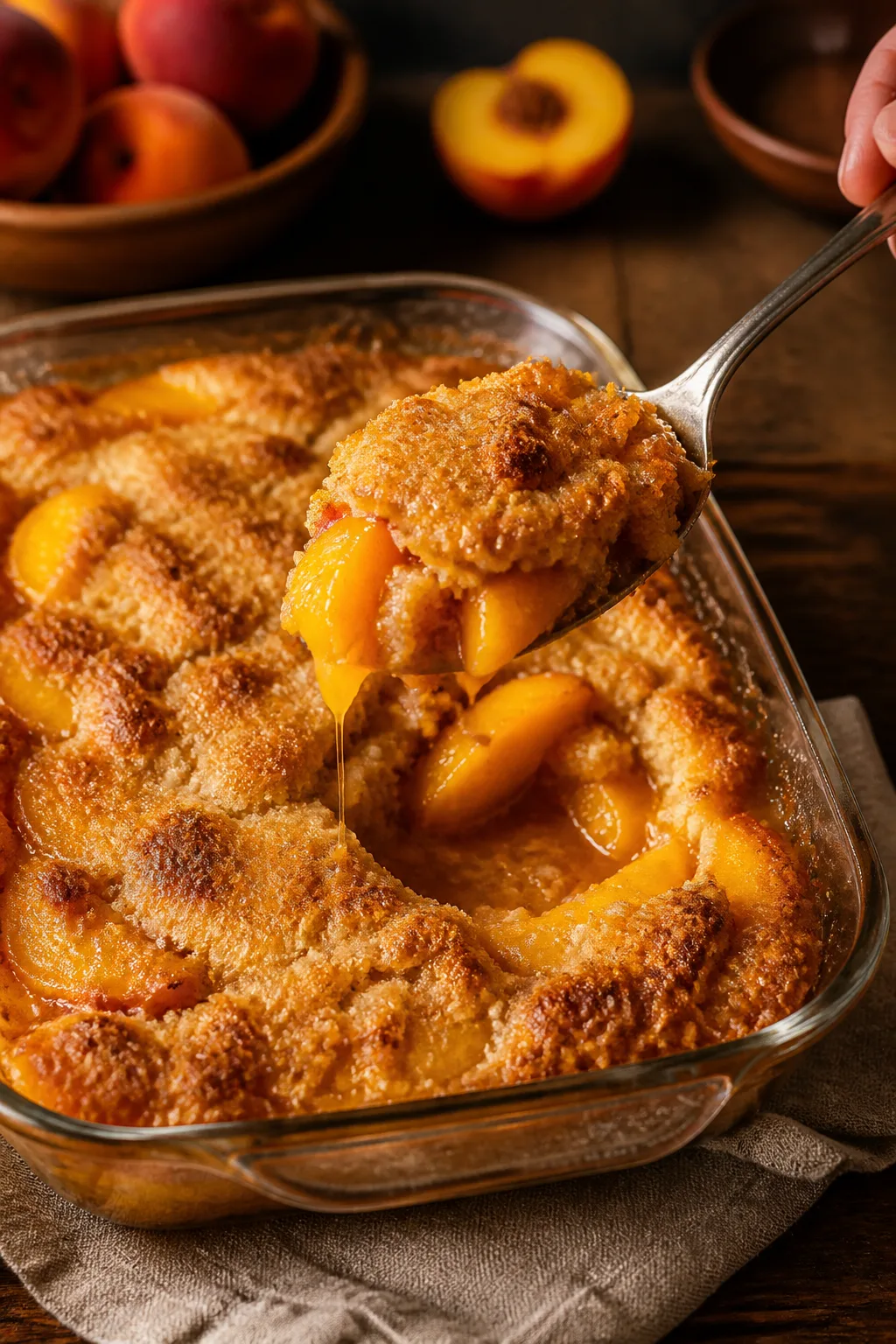
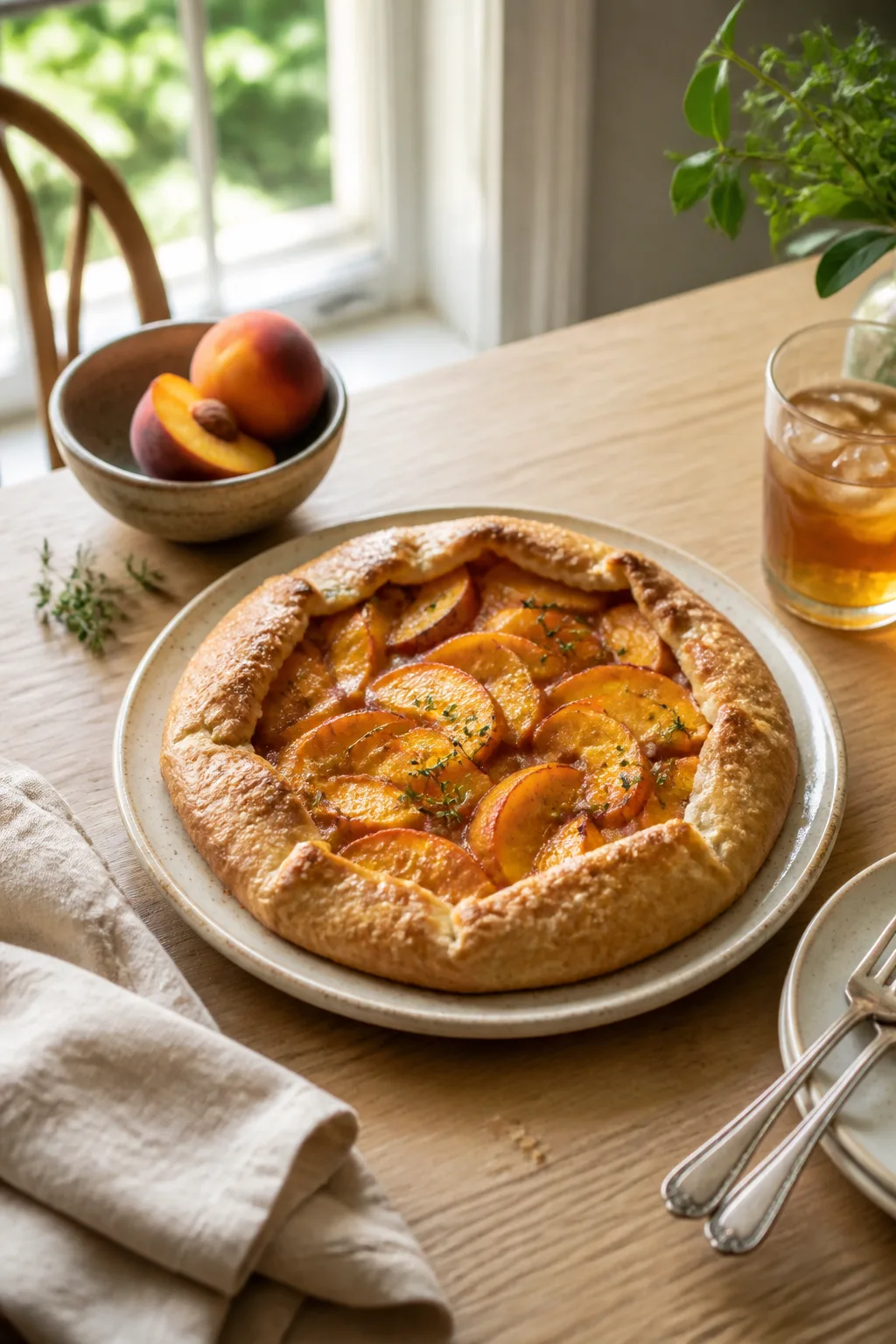
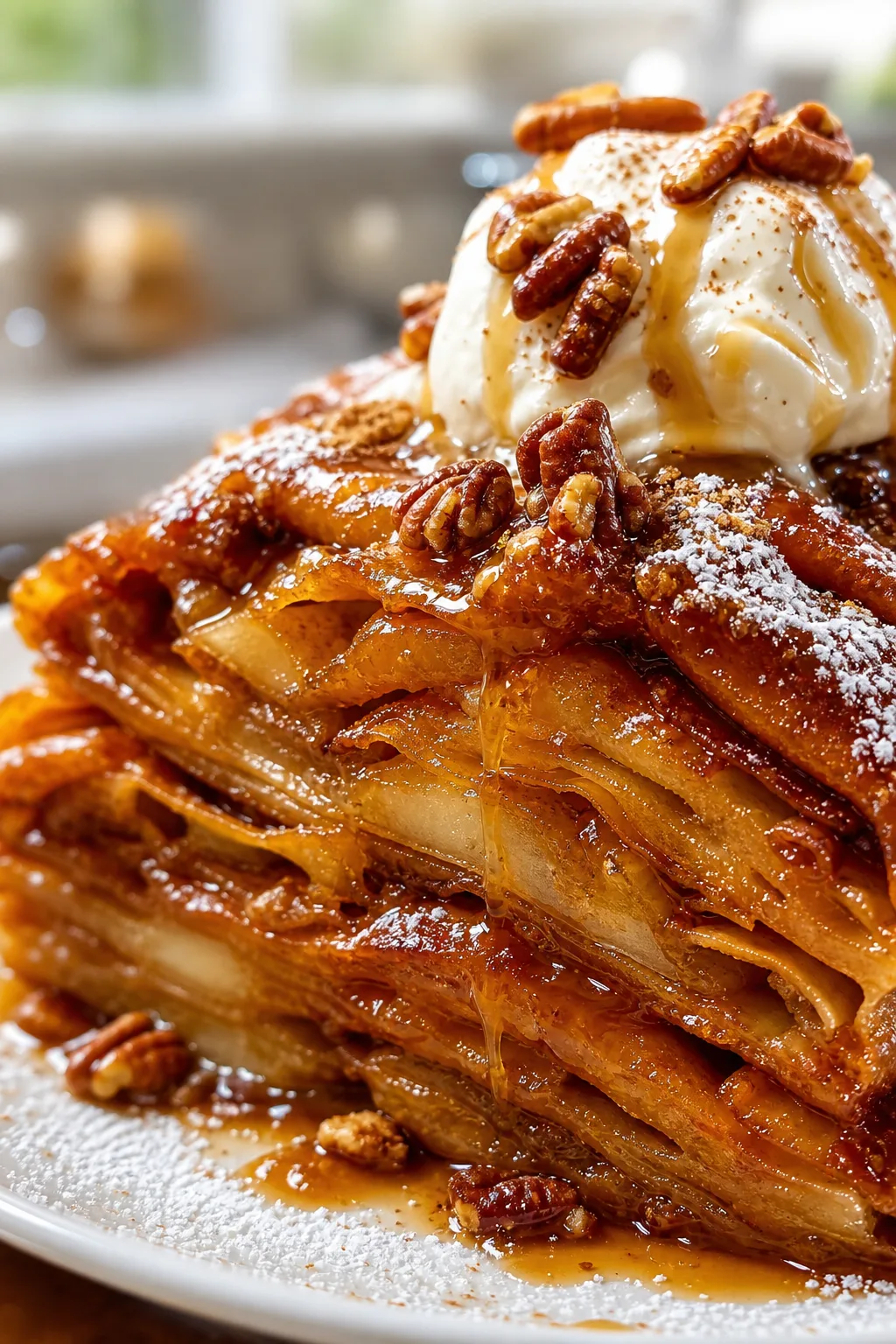
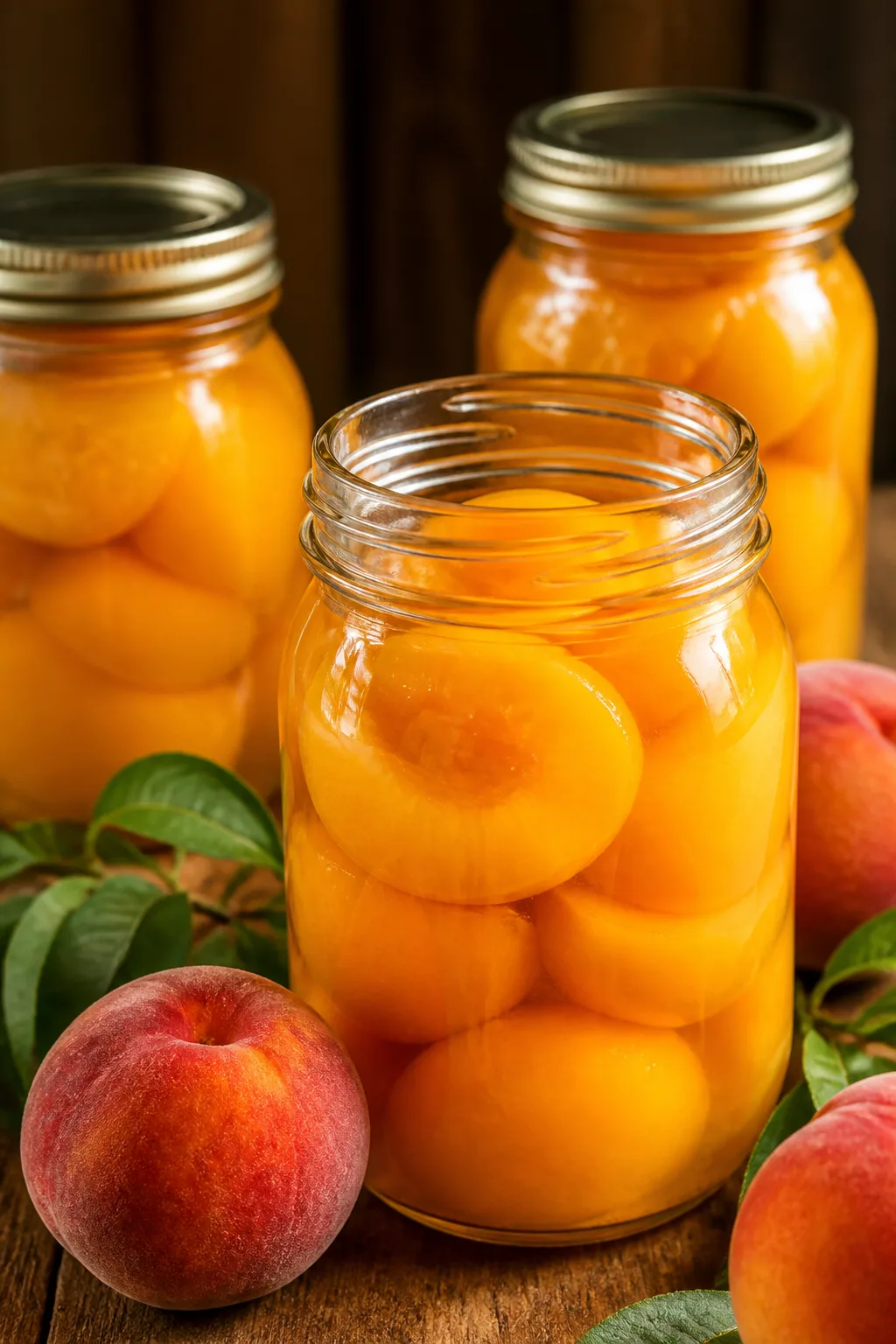
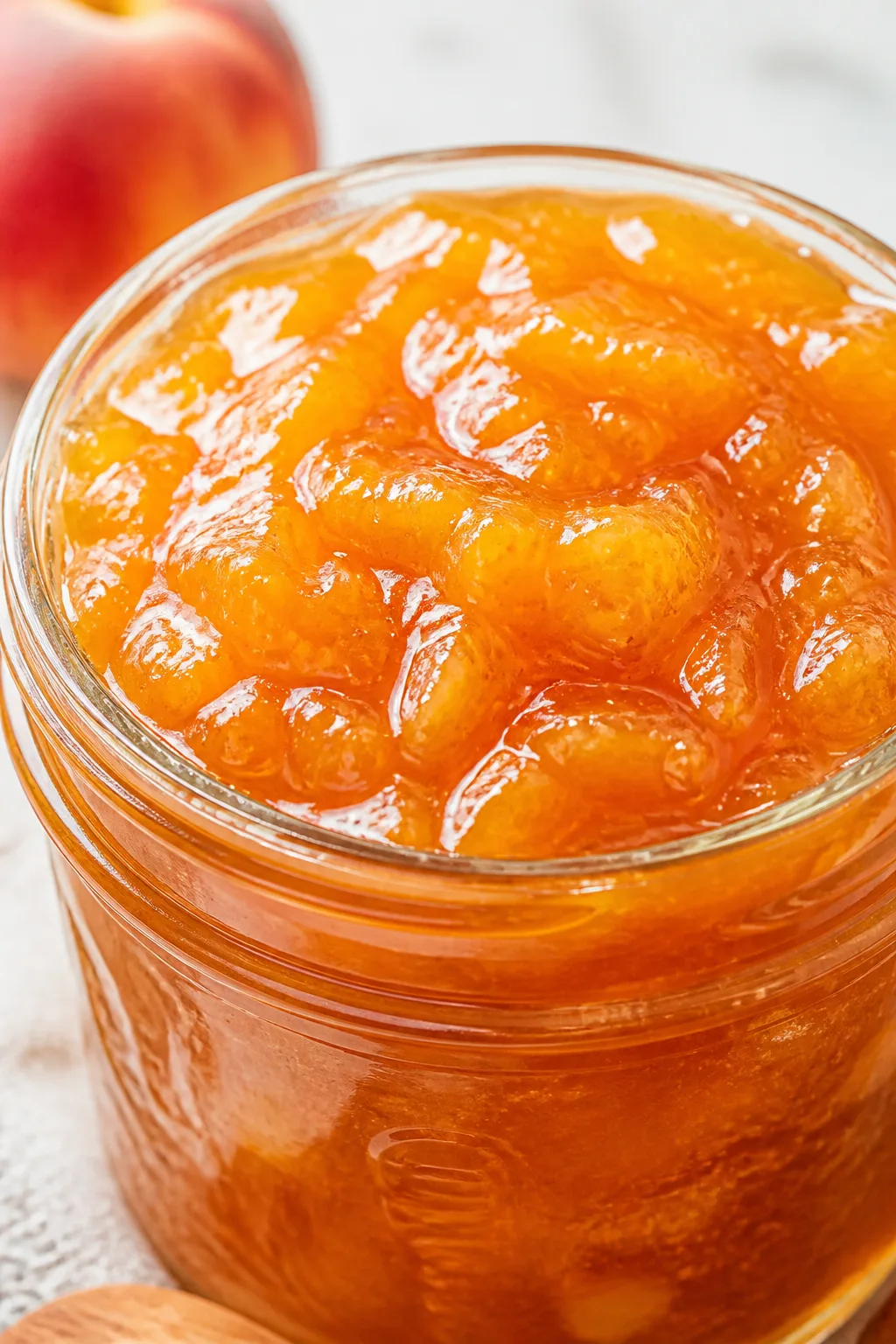
This peach cobbler captures the juicy sweetness of summer peaches with a flaky buttery crust. It’s super simple to make and perfect for a cozy weekend dessert or an easy after-dinner treat.
Introduction
I still remember the first time I made peach cobbler from scratch—it was during a summer weekend with my family, and the kitchen was filled with the sweet aroma of fresh peaches bubbling away. I’d always loved peach desserts, but making this one myself was a game changer. What makes this version special is the buttery crust that’s not only flaky but melts in your mouth, paired with juicy, perfectly spiced peaches. The trick I learned early on is to let the peaches sit with sugar and lemon juice before baking; it helps release their natural juices and balances the sweetness beautifully. Also, I use melted butter poured under the batter rather than mixed in, which creates that signature crisp, golden crust on the bottom and edges. When it’s done, the cobbler is bubbly and golden with peaches that taste like summer itself. It’s a simple, comforting dessert that’s perfect for casual weekends or sharing with friends after dinner. I love how it feels like a warm hug in dessert form—totally nostalgic but easy enough to whip up anytime.
How To Do It
Step 1
Start by prepping your peaches: peel and slice them evenly, about a half-inch thick. Toss the slices with sugar, cinnamon, and lemon juice in a large bowl. This step is crucial because the sugar draws out the peach juices, creating a luscious syrup during baking. The lemon juice brightens the flavor and prevents the peaches from browning. Let this mixture sit for about 15 minutes while you prepare the batter. Avoid rushing this step or skipping the lemon juice, as it can affect the final taste and color.
⏱ Time: 15 minutes
✓ Doneness: Peaches should look juicy and slightly softened with a syrupy liquid forming.
Step 2
While the peaches rest, preheat your oven to 375°F (190°C). In a separate bowl, whisk together the flour, sugar, baking powder, and salt. Slowly add the melted butter, milk, and vanilla extract, mixing gently until just combined. This batter is slightly thick but pourable—the key is not to overmix to keep the crust tender. If you mix too much, the crust can become tough instead of flaky. The melted butter in the batter makes the crust rich and golden.
⏱ Time: 10 minutes
✓ Doneness: Batter should be smooth with no lumps and pourable but thick.
Step 3
Pour the melted butter into the bottom of your baking dish first—this is what forms the crispy, buttery crust underneath. Then spoon the peach mixture evenly over the butter. Finally, pour the batter on top, spreading it gently with a spatula to cover the peaches but don’t mix. The batter will rise and bake around the peaches, creating layers of texture. This layering technique is what makes the cobbler so special and avoids sogginess.
⏱ Time: 5 minutes
✓ Doneness: The batter should cover the peaches completely but not be stirred in.
Step 4
Bake the cobbler for about 40-45 minutes until the top is golden brown and the peach juices are bubbling around the edges. The bubbling is a sign that the peaches are cooked through and the syrup is thickened nicely. Keep an eye on the crust color to avoid burning; if it browns too fast, loosely cover the top with foil for the last 10 minutes.
⏱ Time: 40-45 minutes
✓ Doneness: Golden crust on top and bubbling peach juices visible at edges.
Step 5
Once baked, remove the cobbler from the oven and let it cool for at least 15 minutes. This resting time allows the juices to thicken up and the crust to set slightly, making it easier to serve. If you try to cut it while piping hot, the juices may run and make the cobbler watery. Patience here really pays off for perfect slices.
⏱ Time: 15 minutes
✓ Doneness: Juices thicken and crust firms up, but still warm to the touch.
Step 6
Serve the peach cobbler warm, ideally with a scoop of vanilla ice cream or a dollop of whipped cream. The contrast between the warm fruit and cold cream is heavenly. If you want to store leftovers, cover them tightly and refrigerate. Reheat gently in the oven or microwave to revive that fresh-baked warmth.
⏱ Time: Immediate serving or storage
✓ Doneness: Ice cream starts to melt slightly when placed on warm cobbler.
Step 7
For an extra touch, sprinkle a little raw sugar or cinnamon sugar on top of the batter before baking. This creates a delicate crunchy topping that adds texture and a hint of caramelization. It’s a small step but really elevates the cobbler’s look and taste.
⏱ Time: 1-2 minutes
✓ Doneness: Sugar crystals melt and form a shiny, slightly crispy crust.
Step 8
If you prefer a thicker filling, you can toss the peaches with a tablespoon of cornstarch along with the sugar and lemon juice. The cornstarch helps thicken the juices as it bakes. Just be careful not to add too much or the filling can become gummy. A light dusting is enough to keep the texture just right.
⏱ Time: 5 minutes
✓ Doneness: Filling should be thick but still juicy and spoonable.
Step 9
Use a rimmed baking dish to prevent juices from spilling over during baking. A 9x9 or 8x8 inch dish works well. The rim helps contain the bubbling juices and keeps your oven clean. If you use a shallow dish, place a baking sheet underneath to catch any drips.
⏱ Time: Preparation step
✓ Doneness: Batter and peaches contained within dish with no overflow.
Pro Tips
Let the peaches macerate for at least 15 minutes before baking.
Allowing the peaches to sit with sugar and lemon juice draws out their natural juices, creating a syrup that keeps the filling moist and flavorful. Skipping this step can result in dry or bland fruit inside the cobbler.
Pour melted butter into the baking dish before adding batter and fruit.
This creates a crispy, caramelized crust on the bottom and edges. Mixing butter directly into the batter won’t produce the same texture or flavor contrast that makes this cobbler so special.
Use a rimmed baking dish and place a baking sheet underneath.
Peach juices bubble and can overflow during baking. A rimmed dish contains the filling, and the baking sheet catches drips to keep your oven clean, preventing smoke or burnt sugar smells.
Don’t overmix the batter; stir until just combined.
Overmixing develops gluten, making the crust tough instead of tender and flaky. A light hand ensures a soft, delicate texture in the finished cobbler.
Let the cobbler cool for 15 minutes before serving.
Cooling allows the filling to thicken and the crust to set, making it easier to slice and preventing the juices from running too much. Serving immediately can lead to a watery mess.
Add a sprinkle of raw sugar on top before baking for extra crunch.
The sugar caramelizes during baking, giving the crust a beautiful golden sheen and a subtle crunchy texture that contrasts nicely with the soft peaches.
Use fresh, ripe peaches for best flavor and texture.
Ripe peaches have natural sweetness and juiciness that frozen or underripe peaches lack. They produce a more flavorful and moist cobbler with better overall texture.
Common Mistakes to Avoid
Skipping the maceration step
Why it happens Some cooks rush to bake immediately, thinking it saves time or isn’t needed.
Fix Take the extra 15 minutes to let peaches sit with sugar and lemon juice. This step is essential for juicy, flavorful filling and prevents dry or bland fruit.
Mixing the butter into the batter instead of pouring melted butter first
Why it happens Assuming butter should always be mixed in batter for richness.
Fix Pour melted butter into the baking dish before adding batter and fruit. This technique creates the signature crispy crust and richer texture.
Overmixing the batter
Why it happens Trying to get a perfectly smooth batter or not knowing about gluten development.
Fix Mix just until ingredients are combined. Overmixing toughens the crust by developing too much gluten.
Using underripe or unripe peaches
Why it happens Using what’s available without checking ripeness.
Fix Choose peaches that are soft and fragrant for best sweetness and juiciness. If fresh aren’t available, thaw frozen peaches and drain excess liquid before using.
Serving the cobbler immediately after baking
Why it happens Eager to eat hot dessert right away.
Fix Let it cool 15 minutes so juices thicken and crust firms up, ensuring clean slices and better texture.
Variations
Peach Blueberry Cobbler
Add 1 cup fresh blueberries to the peach mixture for a burst of tartness and color. The berries add complexity without changing the baking time much. Expect a slightly more juicy filling and a pretty purple hue in parts of the cobbler.
Note: Blueberries release extra juice, so add a tablespoon of cornstarch to the fruit mix to help thicken the filling.
Gluten-Free Peach Cobbler
Swap all-purpose flour with a 1:1 gluten-free baking flour blend. The texture will be slightly different—less chewy and a bit more crumbly—but still delicious. Use xanthan gum if your blend doesn’t contain it to help bind the crust.
Note: Watch the batter consistency; gluten-free flour may need a touch more milk to achieve the right thickness.
Vegan Peach Cobbler
Replace butter with coconut oil and use almond or oat milk instead of dairy milk. The coconut oil adds a subtle tropical flavor that pairs nicely with peaches. This version is great for dairy-free diets and still yields a tender crust.
Note: Use refined coconut oil for a neutral flavor if you prefer less coconut taste.
Spiced Peach Cobbler
Add 1/4 teaspoon ground nutmeg and a pinch of ground cloves to the peach mixture for warm, cozy spice notes. This variation is perfect for late summer and early fall when you want a little extra depth in your dessert.
Note: Be careful not to over-spice; these spices are potent and can overwhelm the peaches if used in excess.
Peach Cobbler with Oat Topping
Replace the batter topping with an oat crumble made from rolled oats, brown sugar, flour, and butter. This adds a crunchy texture contrast and rustic feel to the cobbler. Expect a more textured topping rather than a cakey crust.
Note: Bake until crumble topping is golden and peaches are bubbly, about the same time as original recipe.
Nutrition
Per Serving:
Nutritional values are estimates and may vary based on specific ingredients used.
Storage & Tips
Room Temperature
You can keep the cobbler covered at room temperature for up to 2 hours. After that, it’s best to refrigerate to maintain safety and freshness. Cover with foil or plastic wrap to prevent drying out.
Refrigerator
Store leftovers in an airtight container in the fridge for up to 4 days. The crust may soften when chilled, so reheat before serving for best texture. It can be enjoyed cold but is less flavorful.
Freezer
Freeze cobbler portions in airtight containers or wrapped tightly with foil and plastic wrap for up to 3 months. To prevent freezer burn, remove as much air as possible. Thaw overnight in the fridge before reheating.
Reheating
Reheat cobbler in a 350°F oven for 15-20 minutes until warmed through and crust crisp again. You can also microwave portions for 1-2 minutes, but oven reheating preserves texture better. Add a splash of milk if the crust feels dry.
Make Ahead
Prepare the peach mixture and batter separately up to a day ahead. Keep peaches refrigerated after macerating. Assemble the cobbler just before baking to maintain crust texture and freshness.
FAQ
Can I use canned peaches instead of fresh?
You can, but canned peaches are softer and often packed in syrup, which can make the cobbler too sweet or watery. Drain them well and reduce added sugar in the recipe to balance. The texture won’t be as fresh and juicy as with ripe fresh peaches.
How do I prevent a soggy crust?
The key is pouring melted butter under the batter and not mixing it in. Also, macerating the peaches lets them release juices that thicken during baking. Avoid overloading with too much fruit or juice, and let the cobbler rest before cutting to firm up the filling.
Can I make this cobbler gluten-free?
Yes! Use a 1:1 gluten-free flour blend with xanthan gum. The texture will be slightly different—crumbly rather than chewy—but still delicious. You might need to adjust liquid amounts to get the batter consistency right.
What’s the best way to peel peaches easily?
Score an X on the bottom of each peach and blanch them in boiling water for about 30 seconds, then transfer to ice water. The skins will slip off easily. This saves time and keeps the peach flesh intact.
Can I substitute butter with oil?
Butter gives a unique flavor and crust texture that oil can’t replicate. Using oil will produce a softer, less flavorful crust. If you must substitute, use a mild-flavored oil and add a bit of extra sugar for richness.
How do I store leftover cobbler?
Keep leftovers in an airtight container in the fridge for up to 4 days. Reheat in the oven to bring back the crisp crust. You can also freeze portions for up to 3 months; thaw overnight before reheating.
Is it okay to add cornstarch to thicken the filling?
Absolutely! Adding 1 tablespoon of cornstarch to the peach mixture helps thicken the juices and prevents a runny filling. Just don’t add too much or the texture can become gummy.
Can I make this recipe vegan?
Yes, swap butter for coconut oil and use plant-based milk like almond or oat milk. The texture and flavor will be slightly different but still delicious and tender.
Final Thoughts
I hope you give this peach cobbler a try and enjoy its warm, summery flavors as much as I do. Don’t forget to share how it turns out!