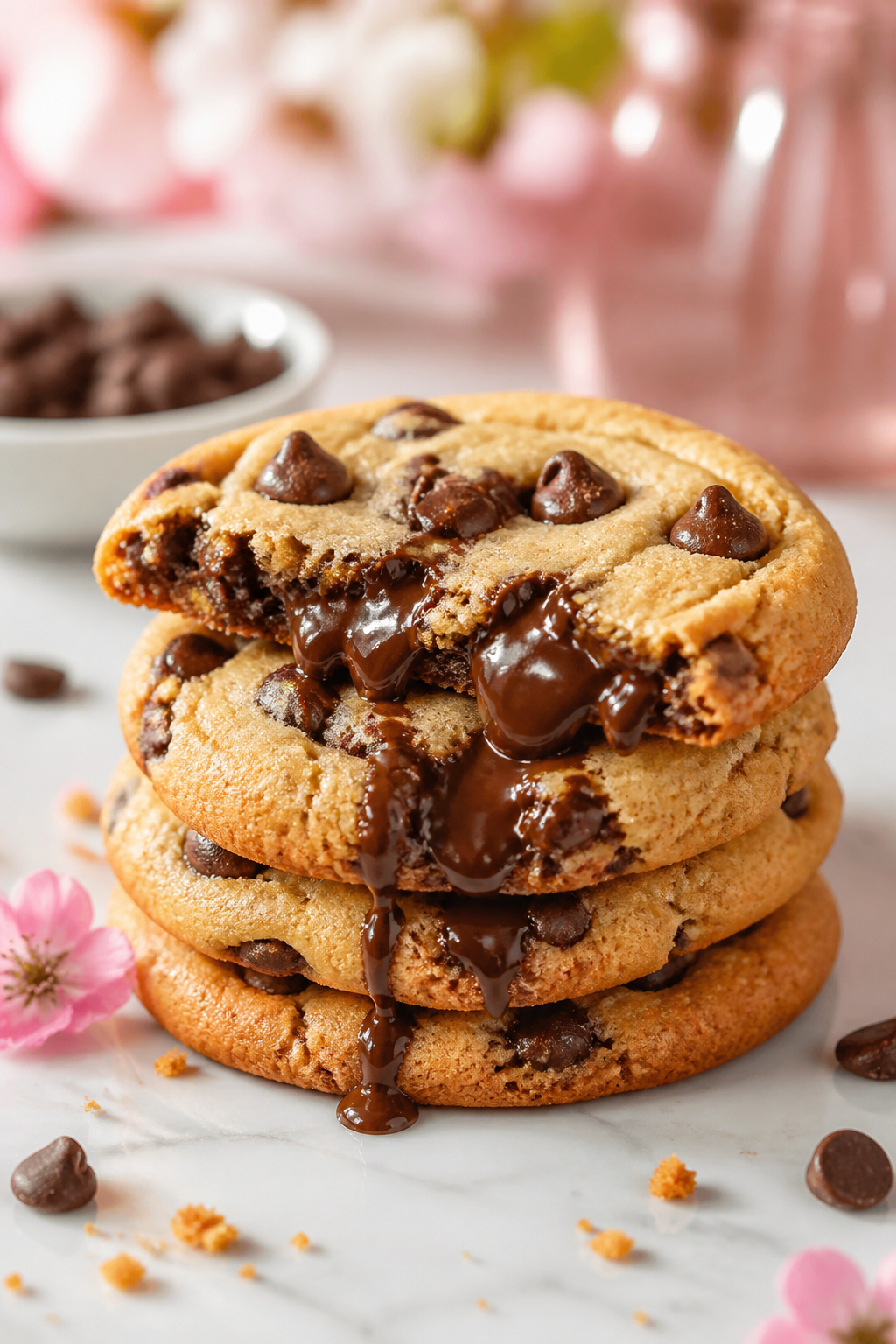
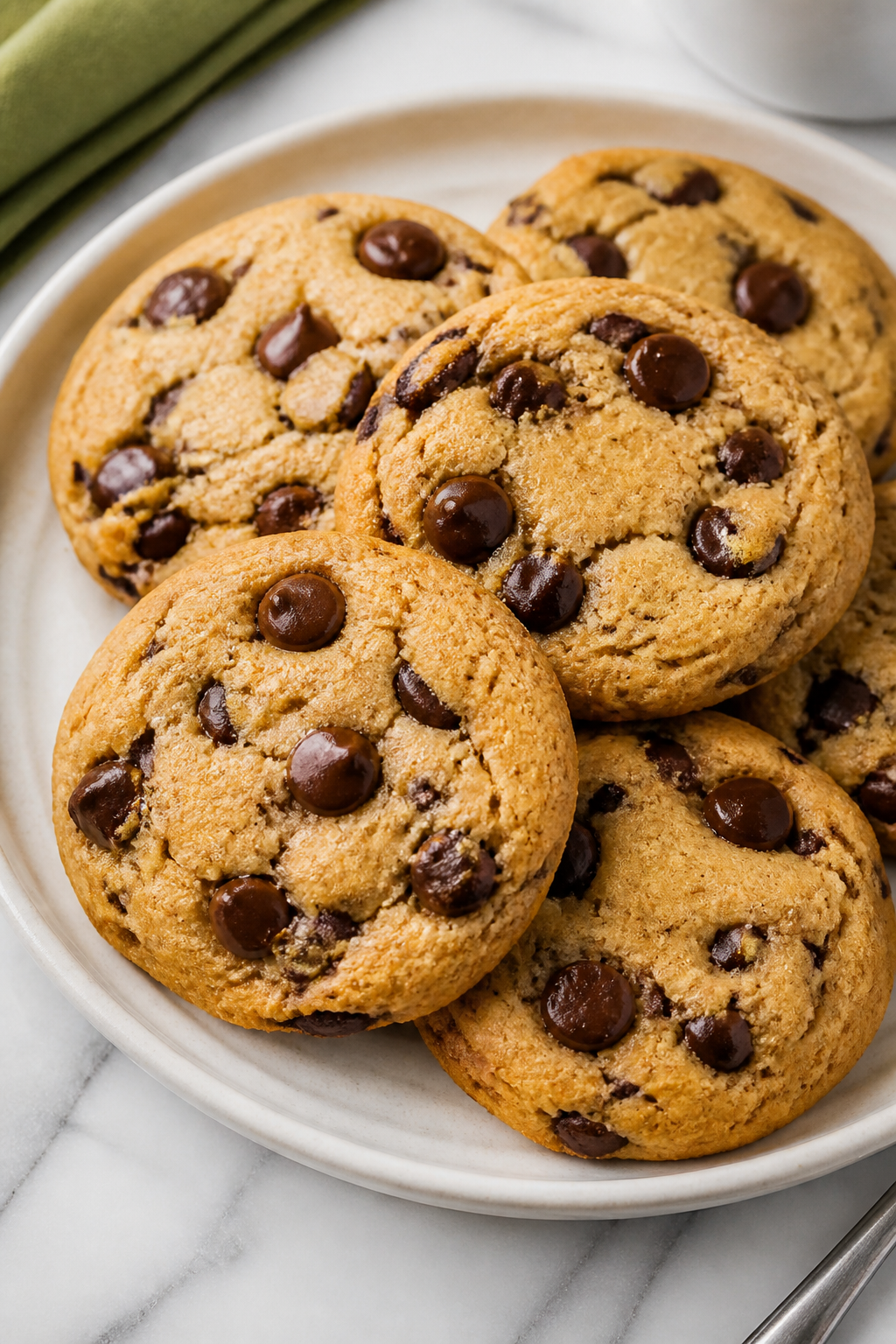
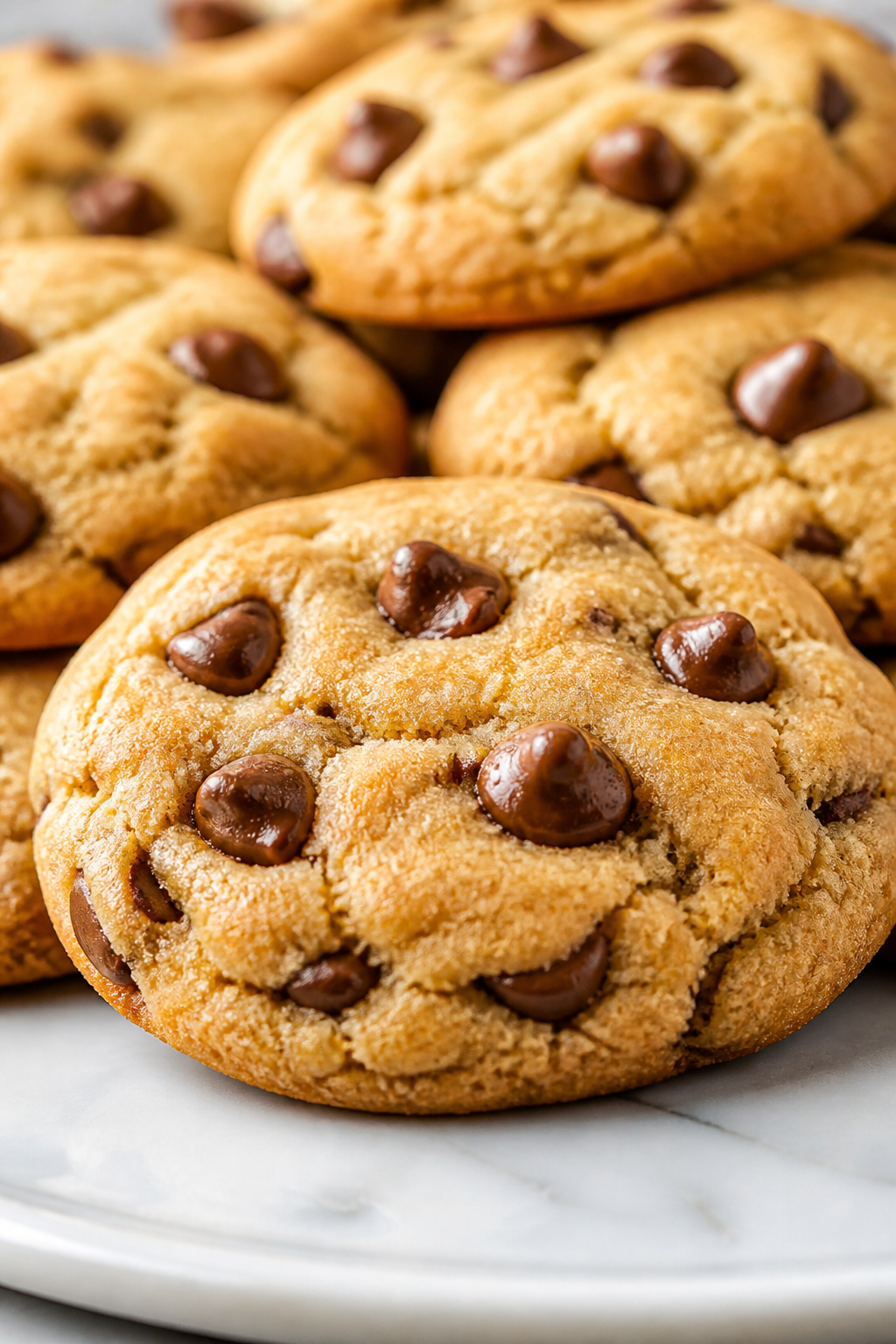
These gluten free chocolate chip cookies are delightfully soft and chewy, with a subtle nutty twist thanks to almond flour. They’re perfect for spring afternoons when you want something sweet but not too heavy. I love sharing these with friends!
Introduction
I first made these gluten free chocolate chip cookies when a close friend asked for a treat she could enjoy without worrying about gluten. I’ve tried a bunch of recipes over the years, but this one stands out because it’s soft and chewy, not crumbly or dry like many gluten free cookies. The trick I learned was using almond flour instead of a gluten free blend. It adds a subtle nutty flavor and keeps the texture just right. Plus, swapping butter for coconut oil makes these cookies a little lighter and dairy-free friendly. What I love most is how these cookies hold their softness even days later, which isn’t always the case with gluten free baking. They’re perfect for spring get-togethers or just a cozy afternoon snack with coffee. Honestly, the first time I made them, I was worried the maple syrup would make them too sweet, but it balances beautifully with the chocolate chips. If you’ve struggled to find a gluten free cookie recipe that feels like a real treat, give this one a try. You won’t miss the gluten at all!
How To Do It
Step 1
Preheat your oven to 350°F (175°C) and line two baking sheets with parchment paper. This ensures your cookies bake evenly and don’t stick. It’s important to have the oven fully heated before baking so the cookies spread properly and develop a nice golden edge without drying out.
⏱ Time: 10
✓ Doneness: Oven is fully preheated and baking sheets are ready
Step 2
In a large bowl, whisk together the almond flour, baking soda, and salt. This step evenly distributes the leavening agent and salt throughout the flour, which helps the cookies rise slightly and enhances flavor balance. Make sure there are no lumps for an even texture.
⏱ Time: 5
✓ Doneness: Dry ingredients are well combined with no clumps
Step 3
In a separate bowl, combine the melted coconut oil, maple syrup, egg, and vanilla extract. Whisk until smooth and well blended. The coconut oil must be cooled slightly so it doesn’t cook the egg or cause separation. This wet mix provides moisture and sweetness while binding everything together.
⏱ Time: 5
✓ Doneness: Wet ingredients form a smooth, homogenous mixture
Step 4
Pour the wet ingredients into the dry ingredients and stir gently with a spatula until just combined. Avoid overmixing here to keep the cookies tender. The batter will be thick and slightly sticky. Overworking the batter can cause dense cookies.
⏱ Time: 3
✓ Doneness: No dry flour patches remain but batter isn’t overworked
Step 5
Fold in the chocolate chips evenly throughout the dough. This ensures every cookie has that perfect burst of chocolate in every bite. Use a gentle folding motion to keep the dough texture intact.
⏱ Time: 2
✓ Doneness: Chocolate chips are evenly distributed in the dough
Step 6
Use a tablespoon or small cookie scoop to drop dough balls about 2 inches apart on the prepared baking sheets. Spacing is key since the cookies will spread a little. If they’re too close, they’ll bake into each other and lose shape.
⏱ Time: 5
✓ Doneness: Evenly spaced dough balls on baking sheets
Step 7
Bake the cookies in the preheated oven for 10 to 12 minutes. Keep an eye on them toward the end; they should be golden around the edges but still soft in the center. Baking too long will dry them out and lose that chewy texture.
⏱ Time: 12
✓ Doneness: Edges are golden and centers look set but soft
Step 8
Remove the cookies from the oven and let them cool on the baking sheets for about 10 minutes. This cooling time allows the cookies to firm up so they don’t break when transferring. They’ll still be soft but won’t fall apart.
⏱ Time: 10
✓ Doneness: Cookies feel set enough to handle without breaking
Step 9
Transfer the cookies to a wire rack to cool completely. This final step prevents sogginess by allowing air to circulate around the cookies. Once cooled, store them in an airtight container to maintain softness.
⏱ Time: 15
✓ Doneness: Cookies are completely cooled and firm but chewy
Pro Tips
Use room temperature ingredients for even mixing.
When ingredients like eggs and oils are at room temperature, they combine more smoothly, preventing clumps or separation. This leads to a consistent dough texture and helps the cookies bake evenly without dry spots.
Don’t overmix the dough after adding wet ingredients.
Overmixing activates any remaining starches and can cause dense, tough cookies. Mixing just until combined preserves the tender crumb and keeps the cookies soft and chewy.
Chill the dough for 10-15 minutes before baking.
Chilling firms up the dough so cookies spread less during baking, resulting in a thicker, chewier texture. This step also helps meld flavors and improves overall cookie shape.
Use parchment paper or silicone mats to prevent sticking.
These liners create a non-stick surface that ensures cookies bake evenly and release easily without breaking. They also allow air to circulate beneath, promoting even browning.
Watch the cookies closely in the last few minutes of baking.
Gluten free cookies can go from perfect to dry quickly. Pulling them out as soon as edges are golden but centers are still soft preserves moisture and chewiness.
Store cookies in an airtight container with a slice of bread.
The bread adds moisture back into the container, helping keep cookies soft for days. Without it, cookies tend to harden and lose their chewy texture.
Use a cookie scoop for uniform size and baking.
Evenly sized cookies bake at the same rate, preventing some from burning while others remain undercooked. This makes timing simpler and results more consistent.
Common Mistakes to Avoid
Using coarse almond meal instead of fine almond flour
Why it happens Sometimes people grab regular almond meal thinking it’s the same, but it has larger pieces that affect texture.
Fix Always use finely ground almond flour to ensure a smooth, tender cookie. If you only have almond meal, pulse it in a food processor until fine before measuring.
Skipping the parchment paper or silicone mat
Why it happens It’s tempting to just grease the pan, but this often leads to cookies sticking and breaking.
Fix Line your baking sheets with parchment or mats. This prevents sticking and promotes even baking and browning.
Overbaking the cookies until fully firm
Why it happens People want to be sure cookies are done, but gluten free treats dry out quickly.
Fix Remove cookies when edges are golden but centers still look soft. They’ll firm up as they cool and stay chewy.
Mixing too vigorously after adding wet ingredients
Why it happens Some think mixing more will improve texture, but it activates starches and toughens dough.
Fix Stir gently until just combined. This keeps cookies tender and soft.
Using cold eggs or oil straight from the fridge
Why it happens Cold ingredients don’t mix well and cause uneven batter.
Fix Bring eggs and oil to room temperature before mixing for smooth, homogeneous dough.
Variations
Vegan Version
Swap the egg for a flax egg (1 tbsp ground flaxseed + 3 tbsp water) and use maple syrup and coconut oil as is. This keeps the cookies soft and chewy while making them entirely plant-based.
Note: Flax eggs add moisture and binding but may slightly change texture, making cookies a bit denser.
Add Toasted Walnuts
Fold in 1/2 cup chopped toasted walnuts for extra crunch and nutty flavor. Toasting nuts enhances their aroma and adds a satisfying contrast to the chewy cookie base.
Note: Add nuts with chocolate chips at the end to keep even distribution.
Dairy-Free White Chocolate Chip Cookies
Replace semi-sweet chips with dairy-free white chocolate chips for a sweeter, creamier bite. This variation is perfect if you want a milder chocolate flavor that pairs beautifully with almond flour.
Note: Use high-quality dairy-free chips to avoid waxy texture.
Spiced Chocolate Chip Cookies
Add 1/2 teaspoon cinnamon and a pinch of nutmeg to the dry ingredients for a warm, cozy flavor twist. These spices complement the nuttiness of almond flour and the sweetness of maple syrup.
Note: Spices do not affect baking time but enhance aroma and depth.
Chunky Peanut Butter Chocolate Chip Cookies
Stir in 1/4 cup creamy peanut butter with the wet ingredients and add chopped peanuts with the chocolate chips. This adds richness and a salty-sweet balance that’s irresistible.
Note: Peanut butter increases fat content, which may slightly soften the cookies.
Nutrition
Per Serving:
Nutritional values are estimates and may vary based on specific ingredients used.
Storage & Tips
Room Temperature
Cookies can safely sit at room temperature for up to 2 days if stored in an airtight container. Keep them away from direct sunlight or heat sources to prevent melting of chocolate chips or drying out.
Refrigerator
Store in an airtight container in the fridge for up to 5 days. The cookies may firm up when chilled but will soften quickly at room temperature or with a brief microwave zap. Refrigeration helps extend freshness if your kitchen is warm.
Freezer
Freeze cookies in a single layer on a baking sheet, then transfer to a freezer-safe container or bag for up to 3 months. Wrap tightly to prevent freezer burn. Thaw at room temperature or warm gently in the oven for a few minutes to restore softness.
Reheating
Warm cookies in a 300°F oven for 5-7 minutes or microwave for 10-15 seconds with a damp paper towel to keep them moist. Avoid overheating as it can make cookies dry and crumbly.
Make Ahead
You can prepare the dough 1 day ahead and keep it refrigerated, covered tightly. This resting time enhances flavor and texture. Shape and bake cookies fresh on baking day for best results.
FAQ
Can I substitute almond flour with another gluten free flour?
You can try other gluten free flours, but almond flour provides unique moisture and texture that others lack. Using rice or oat flour may result in drier, crumblier cookies. If substituting, consider adding an extra egg or some oil to compensate for moisture loss.
Can I make these cookies vegan?
Yes! Replace the egg with a flax or chia egg by mixing 1 tablespoon ground seeds with 3 tablespoons water and letting it sit for 5 minutes. This binds the dough similarly and keeps the texture tender.
How do I keep cookies from spreading too much?
Chill the dough for 10-15 minutes before baking and space dough balls well apart on the baking sheet. Using room temperature coconut oil instead of melted butter also helps control spread.
Can I use regular sugar instead of maple syrup?
You can, but maple syrup adds moisture and flavor that sugar doesn’t. If using granulated sugar, add a tablespoon of water or another liquid to compensate, or the cookies may turn out dry.
Why do my cookies turn out flat?
Flat cookies often result from too much oil, too warm dough, or expired baking soda. Make sure to measure ingredients carefully and check the freshness of your leavening agent.
Can I freeze the cookie dough?
Yes, cookie dough freezes well. Scoop dough balls onto a tray, freeze until solid, then transfer to a freezer bag. Bake directly from frozen, adding a couple extra minutes to baking time.
How do I store leftover cookies to keep them soft?
Store in an airtight container with a slice of fresh bread or a damp paper towel inside. The moisture from the bread helps keep cookies soft for several days.
Are these cookies nut-free?
No, almond flour is made from almonds, so these cookies are not nut-free. For a nut-free version, try oat flour or a gluten free blend, but expect a different texture.
Final Thoughts
I hope you enjoy making and sharing these soft, chewy gluten free cookies as much as I do. Let me know how they turn out and if you try any of the variations!