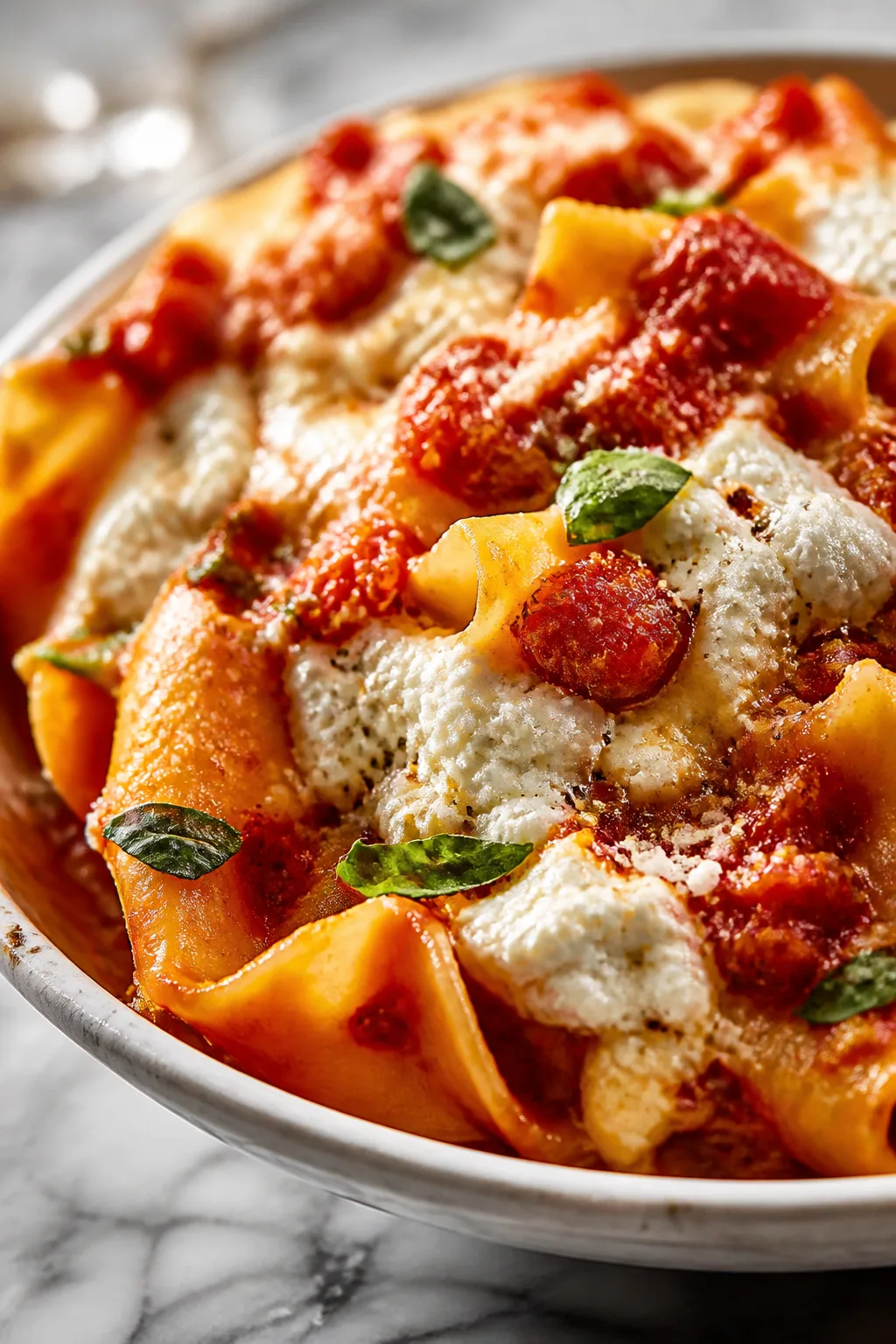
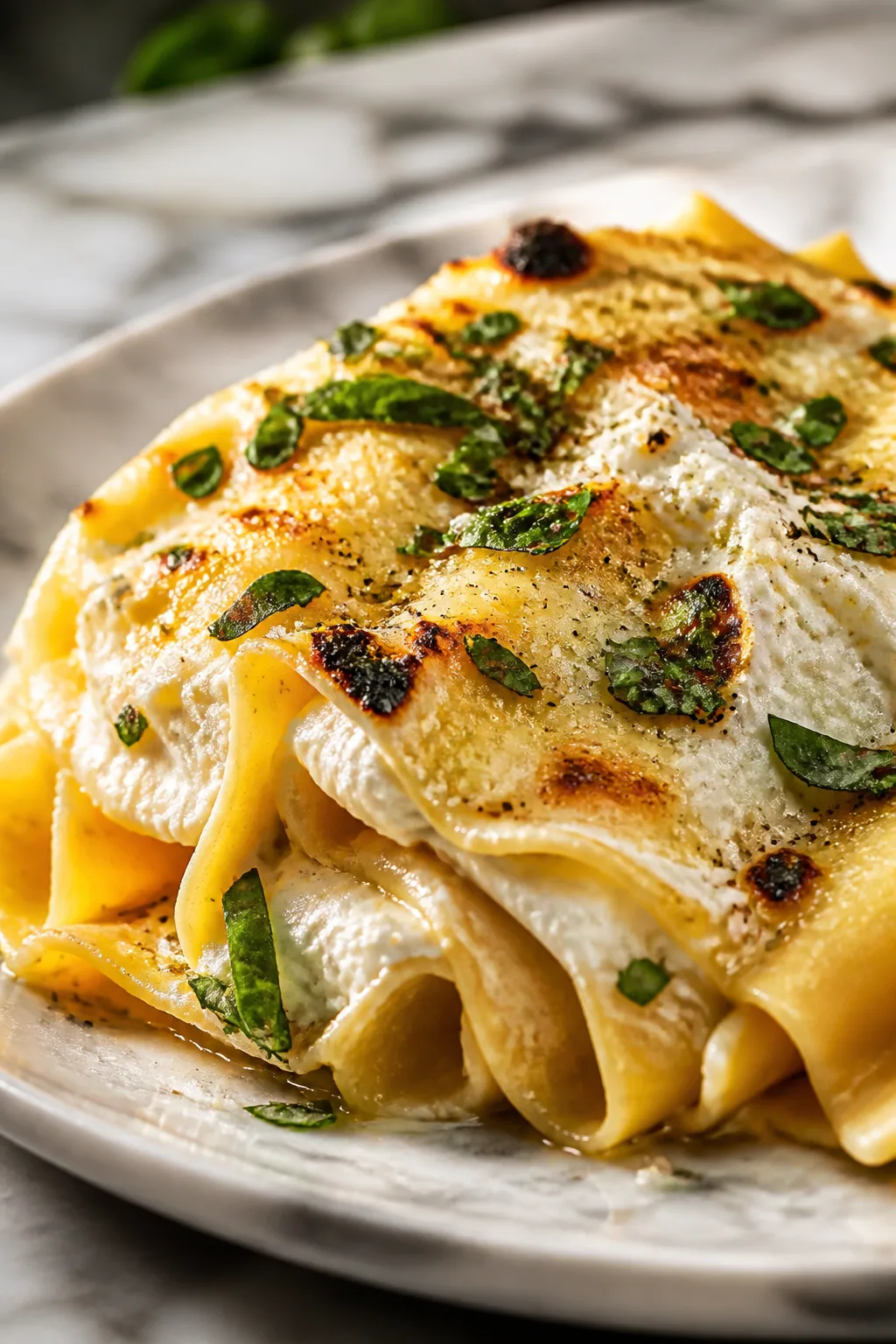
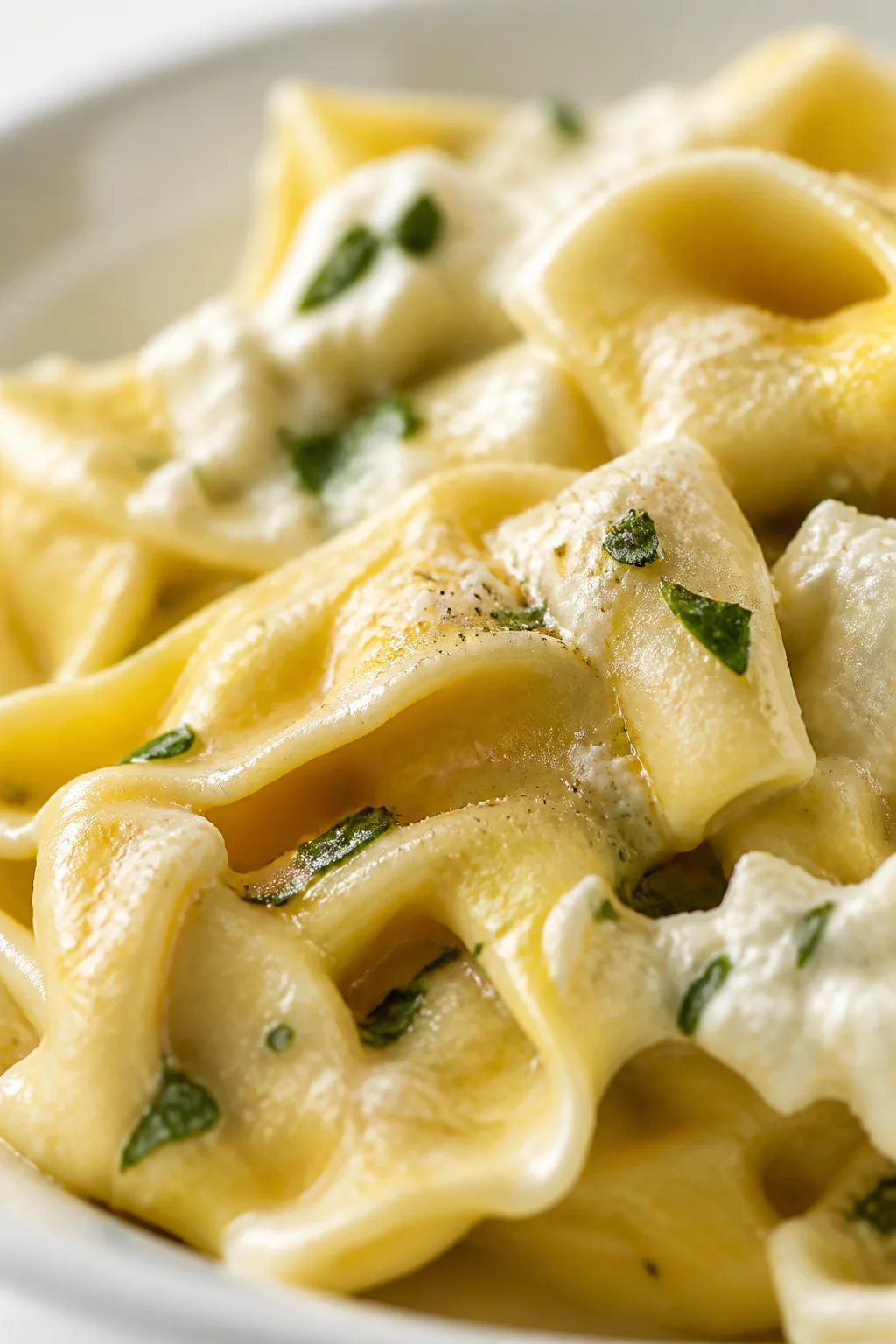
This pasta with fresh ricotta is the ultimate comfort food—light, creamy, and ready in minutes. The ricotta’s fluffiness makes it feel special without fuss. Great for cozy dinners or when you want something quick and satisfying.
Introduction
I first stumbled on this creamy ricotta pasta recipe during a hectic week when I wanted something comforting but fast. I’d always thought creamy pasta meant heavy cream sauces, but this version surprised me with its lightness and fluffy texture thanks to fresh ricotta. What makes it special is how the ricotta blends with just a bit of pasta water and olive oil to create a silky sauce without any heaviness. I remember initially overcooking the pasta and ending up with a watery sauce—that was a learning moment! Now I’m careful to save the right amount of pasta water and gently mix everything off the heat, which keeps the sauce perfectly creamy and smooth. The end result is this luscious, cozy dish that feels like a warm hug from Italy but comes together in under 30 minutes. It’s perfect for weeknight dinners when you want something satisfying but fuss-free, and it’s always a hit with my family. Plus, it’s super adaptable if you want to add veggies or a squeeze of lemon for brightness. You’ll love how simple ingredients come together for a truly comforting meal.
How To Do It
Step 1
Bring a large pot of salted water to a boil and cook the pasta according to package instructions until al dente. It’s important not to overcook here because the pasta will continue to soften slightly when mixed with the sauce. Al dente pasta provides the best texture and helps the sauce cling better. Also, reserve about 1/4 cup of the starchy pasta water before draining—the water’s starch is key to creating a creamy emulsion with the ricotta later. Avoid rinsing the pasta or the sauce won’t stick well.
⏱ Time: 10-12 minutes
✓ Doneness: Pasta should be tender but still firm when bitten (al dente), and reserved water should be cloudy from starch
Step 2
While the pasta cooks, heat olive oil in a large skillet over medium heat and gently sauté the minced garlic until fragrant and lightly golden, about 1-2 minutes. Be careful not to burn the garlic as it will turn bitter and ruin the dish’s delicate flavor. This step infuses the oil with garlic’s aroma, which adds depth to the simple sauce. Once done, remove from heat to prevent further cooking while you finish the pasta.
⏱ Time: 2 minutes
✓ Doneness: Garlic should be golden and fragrant but not browned or crispy
Step 3
Add the drained pasta to the skillet with the garlic oil and toss gently to coat. Then, reduce heat to low and add the fresh ricotta cheese along with the Parmesan. Slowly pour in the reserved pasta water a little at a time while stirring constantly. This gradual mixing helps the ricotta melt smoothly into a creamy sauce without lumps. The pasta water’s starch acts as a natural thickener and binder, creating a silky texture. If you add the water too quickly, the sauce won’t emulsify properly and can become watery.
⏱ Time: 3-4 minutes
✓ Doneness: Sauce should look creamy, smooth, and cling evenly to each pasta piece
Step 4
Season the pasta generously with salt and freshly ground black pepper. Taste and adjust seasoning as needed. The salt enhances the ricotta’s mild flavor and balances the richness, while pepper adds a subtle kick. Don’t be shy here because a well-seasoned sauce makes all the difference. Toss everything again to combine and warm through gently over low heat for a minute or two. Avoid overheating or boiling, as that can cause the ricotta to separate and become grainy.
⏱ Time: 2-3 minutes
✓ Doneness: Sauce remains smooth and creamy without curdling, and pasta tastes well-seasoned
Step 5
Serve the pasta immediately, garnished with freshly chopped basil or parsley if you like. The fresh herbs add a pop of color and a bright, fresh note that complements the creamy sauce beautifully. This dish is best enjoyed right away because the sauce tends to thicken as it cools. If you need to hold it briefly, gently reheat with a splash of pasta water to loosen the sauce.
⏱ Time: 1 minute
✓ Doneness: Pasta looks glossy with sauce and herbs fresh and vibrant
Step 6
For a little extra flavor, you can add a squeeze of fresh lemon juice or a pinch of red pepper flakes before serving. The acidity from lemon brightens the creamy ricotta and balances richness, while red pepper flakes add a subtle heat that wakes up the dish. These add-ons are optional but elevate the pasta from simple to special. Just be sure to add them last so the flavors stay fresh and distinct.
⏱ Time: 1 minute
✓ Doneness: Sauce maintains creaminess with a fresh, bright aroma
Step 7
If you want to add veggies, toss in sautéed spinach or roasted cherry tomatoes during the final mixing stage. These add color, texture, and nutrition without overpowering the delicate ricotta sauce. Cook the veggies separately to control their doneness and add at the end to keep them vibrant. This way, the pasta stays creamy and the veggies retain their fresh taste.
⏱ Time: 3-5 minutes
✓ Doneness: Veggies are tender but still hold shape and complement the pasta
Step 8
Avoid using cold ricotta straight from the fridge as it won’t incorporate smoothly and can cause lumps. Always let it come to room temperature before mixing. This step ensures the cheese blends evenly into the warm pasta and creates that luscious, silky sauce we want. If you forget, you can warm the ricotta gently in a bowl over hot water to soften it.
⏱ Time: 5 minutes (prep)
✓ Doneness: Ricotta is soft and spreadable, no cold lumps
Step 9
Finally, resist the temptation to over-stir or mash the pasta when mixing the ricotta sauce. Gentle folding preserves the pasta’s shape and prevents the sauce from breaking. Overworking can cause the sauce to separate and the pasta to become mushy. Use a large spoon or tongs and fold carefully until everything is combined.
⏱ Time: 2 minutes
✓ Doneness: Pasta remains intact and sauce coats evenly without curdling
Pro Tips
Always reserve some pasta water before draining.
The starchy pasta water acts as a natural thickener and helps emulsify the ricotta into a creamy sauce. Without it, the sauce can be lumpy or watery. The starch binds the sauce to the pasta, creating that luscious, cohesive texture.
Let ricotta come to room temperature before mixing.
Cold ricotta straight from the fridge won’t blend smoothly and can cause lumps or curdling. Softened ricotta mixes easily with pasta and pasta water, producing a silky sauce that's light and fluffy.
Use gentle heat when combining ricotta with pasta.
High heat can cause the ricotta to separate and become grainy. Low heat or off-heat mixing preserves the cheese’s creamy texture and prevents the sauce from breaking.
Cook pasta al dente for best texture.
Al dente pasta has a slight firmness that contrasts nicely with the creamy sauce. Overcooked pasta becomes mushy and releases too much starch, which can thicken the sauce excessively or make it gummy.
Don’t rinse the pasta after draining.
Rinsing removes the surface starch that helps the sauce cling to the noodles. Leaving the starch intact ensures a better sauce-to-pasta adhesion.
Sauté garlic gently to avoid bitterness.
Burnt garlic tastes bitter and can overpower the delicate ricotta flavor. Cooking it slowly in olive oil releases sweet, aromatic notes that enhance the sauce.
Toss pasta and sauce gently to preserve shape.
Over-mixing or mashing pasta can break it and cause the sauce to separate. Gentle folding keeps the pasta intact and the sauce smooth.
Common Mistakes to Avoid
Overcooking the pasta
Why it happens Many people assume pasta should be very soft, but this leads to mushy noodles and watery sauce.
Fix Cook pasta just until al dente—firm to the bite but cooked through. This texture holds up better when mixed with sauce and prevents the dish from becoming gummy.
Not reserving pasta water
Why it happens It’s easy to forget or overlook this step, but it’s crucial for the sauce’s texture.
Fix Always scoop out about 1/4 cup of pasta water before draining. Use this starchy water to loosen and emulsify the ricotta sauce for creaminess.
Using cold ricotta straight from the fridge
Why it happens People often add cheeses cold without thinking about texture, causing lumps.
Fix Let ricotta sit at room temperature for at least 20 minutes before mixing. This helps it blend smoothly and prevents curdling.
Burning the garlic
Why it happens High heat or inattentiveness can quickly turn garlic bitter.
Fix Sauté garlic over medium or medium-low heat and watch carefully. Remove from heat as soon as it’s fragrant and lightly golden.
Over-mixing or stirring too vigorously
Why it happens Rushing to combine everything can break pasta and separate the sauce.
Fix Use gentle folding motions to combine the pasta and sauce. This keeps the pasta intact and the sauce creamy.
Variations
Spinach and Lemon Ricotta Pasta
Add sautéed spinach and a squeeze of fresh lemon juice to brighten the dish. The spinach adds color and nutrition, while lemon cuts through the creaminess for a fresh finish.
Note: Add spinach after garlic is cooked and wilt it briefly before mixing with pasta. Add lemon juice off heat to keep its brightness.
Sun-Dried Tomato and Basil Ricotta Pasta
Mix in chopped sun-dried tomatoes and fresh basil for a flavorful twist. The tomatoes add a sweet tang while basil brings herbal freshness.
Note: Fold in tomatoes and basil at the end to preserve their texture and aroma.
Mushroom and Thyme Ricotta Pasta
Sauté mushrooms with thyme and garlic, then toss with the ricotta pasta for an earthy, aromatic upgrade. Great for a heartier meal.
Note: Cook mushrooms separately until golden and add to the pasta just before serving.
Spicy Ricotta Pasta with Red Pepper Flakes
Add a pinch of red pepper flakes when sautéing garlic for some heat. This spicy kick balances the creamy ricotta perfectly.
Note: Adjust red pepper flakes to taste and add early with garlic to infuse the oil.
Vegan Ricotta Pasta
Use a plant-based ricotta alternative made from tofu or cashews. The technique remains the same, creating a creamy vegan-friendly pasta.
Note: Ensure vegan ricotta is smooth and at room temperature for best blending.
Nutrition
Per Serving:
Nutritional values are estimates and may vary based on specific ingredients used.
Storage & Tips
Room Temperature
This pasta is best enjoyed immediately. If left at room temperature, keep it covered and consume within 2 hours to avoid bacterial growth.
Refrigerator
Store leftovers in an airtight container for up to 3 days. The sauce may thicken and the pasta absorb moisture, so reheat gently with a splash of water or broth to loosen the sauce.
Freezer
You can freeze ricotta pasta for up to 1 month. Pack it tightly in freezer-safe containers or bags to prevent freezer burn. Thaw overnight in the fridge and reheat gently to restore creaminess.
Reheating
Warm the pasta gently on the stovetop over low heat or in the microwave with a splash of pasta water or broth. Avoid high heat to prevent the ricotta from separating or curdling.
Make Ahead
You can prepare the sauce mixture ahead, store it separately, and cook the pasta fresh. Combine just before serving for best texture and flavor.
FAQ
Can I use frozen ricotta for this recipe?
Frozen ricotta tends to become watery and grainy once thawed, which affects the sauce’s texture. It’s best to use fresh ricotta at room temperature. If you must use frozen, thaw it slowly in the fridge and drain any excess liquid before using.
What pasta shape works best with ricotta sauce?
Short tubular pastas like penne, rigatoni, or farfalle are ideal because their ridges and hollow centers hold the creamy sauce well. Thin pastas like spaghetti can work but may not cling as effectively.
How do I prevent the ricotta sauce from curdling?
Avoid cooking the ricotta over high heat or boiling it. Mix the ricotta into warm pasta off heat or on very low heat and add pasta water gradually. This gentle approach keeps the sauce smooth and creamy.
Can I add vegetables to this pasta?
Absolutely! Sautéed spinach, mushrooms, or roasted cherry tomatoes work wonderfully. Cook veggies separately and fold them in at the end to keep their texture and flavor fresh.
Is it okay to use pre-grated Parmesan?
Pre-grated Parmesan often contains anti-caking agents that affect melting and sauce texture. Freshly grated Parmesan melts better and adds richer flavor, so it’s preferred for this recipe.
How long can I keep leftovers?
Store leftovers in an airtight container in the fridge for up to 3 days. The sauce may thicken, so reheat gently with a splash of water to loosen it before serving.
Can I make this recipe vegan?
Yes! Use a plant-based ricotta alternative made from tofu, cashews, or almonds. The technique is the same, but texture and flavor will vary slightly depending on the substitute.
What if I don’t have pasta water reserved?
You can use warm water or vegetable broth as a substitute, but it won’t have the same starch content to emulsify the sauce. The result may be less creamy and more watery.
Final Thoughts
Give this creamy ricotta pasta a try—it's simple, satisfying, and perfect for any night you want a little Italian comfort. I’d love to hear how it turns out for you!