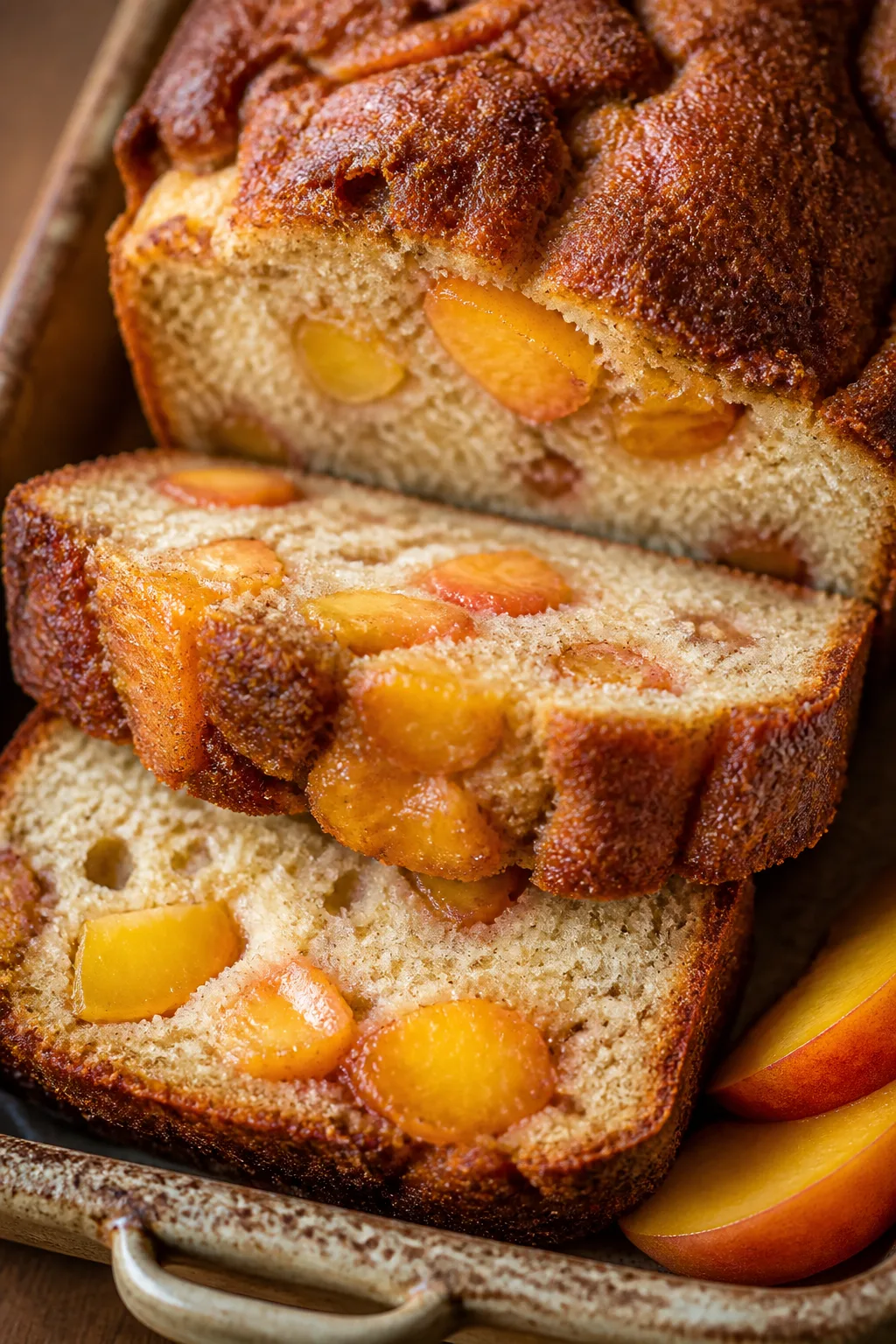
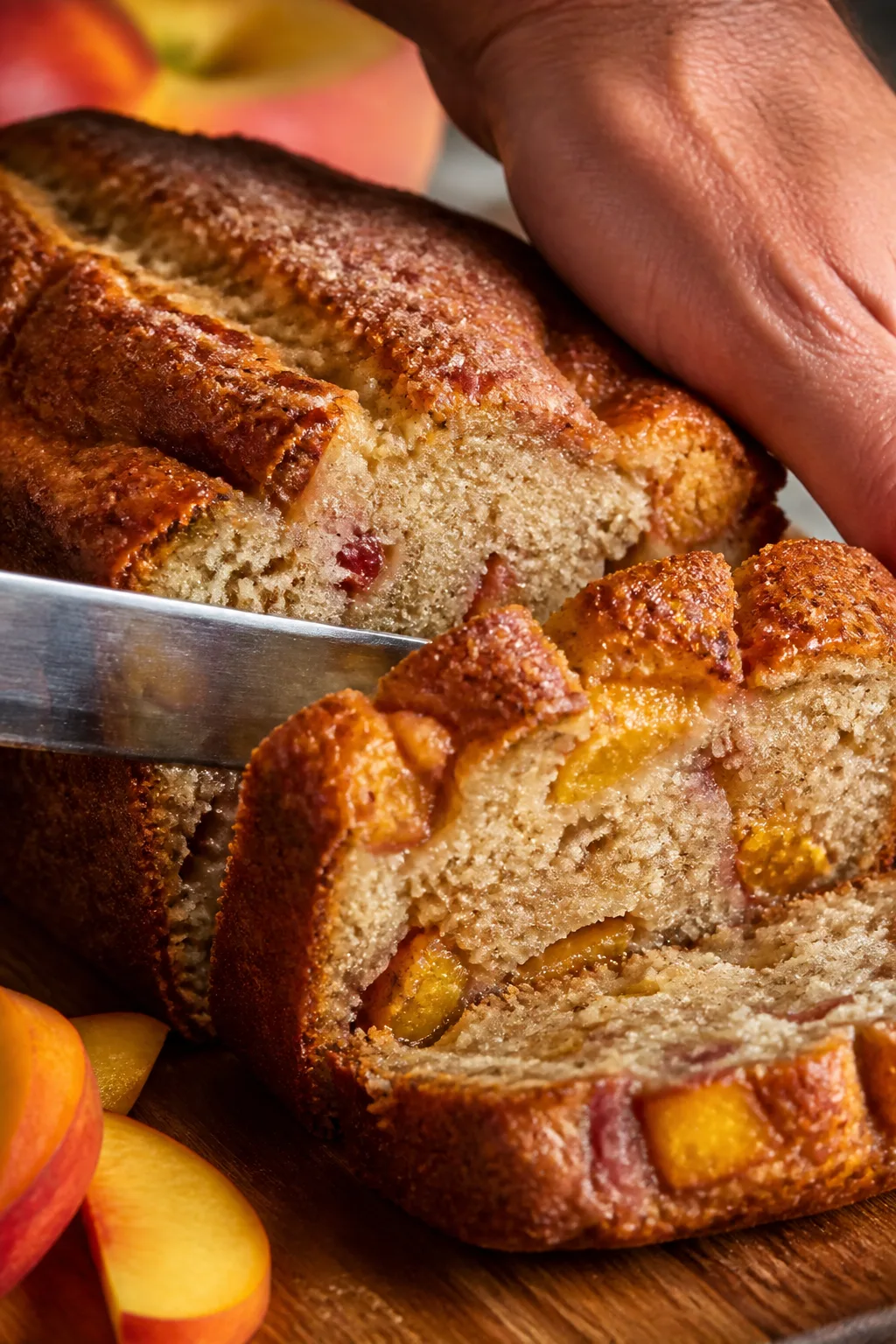
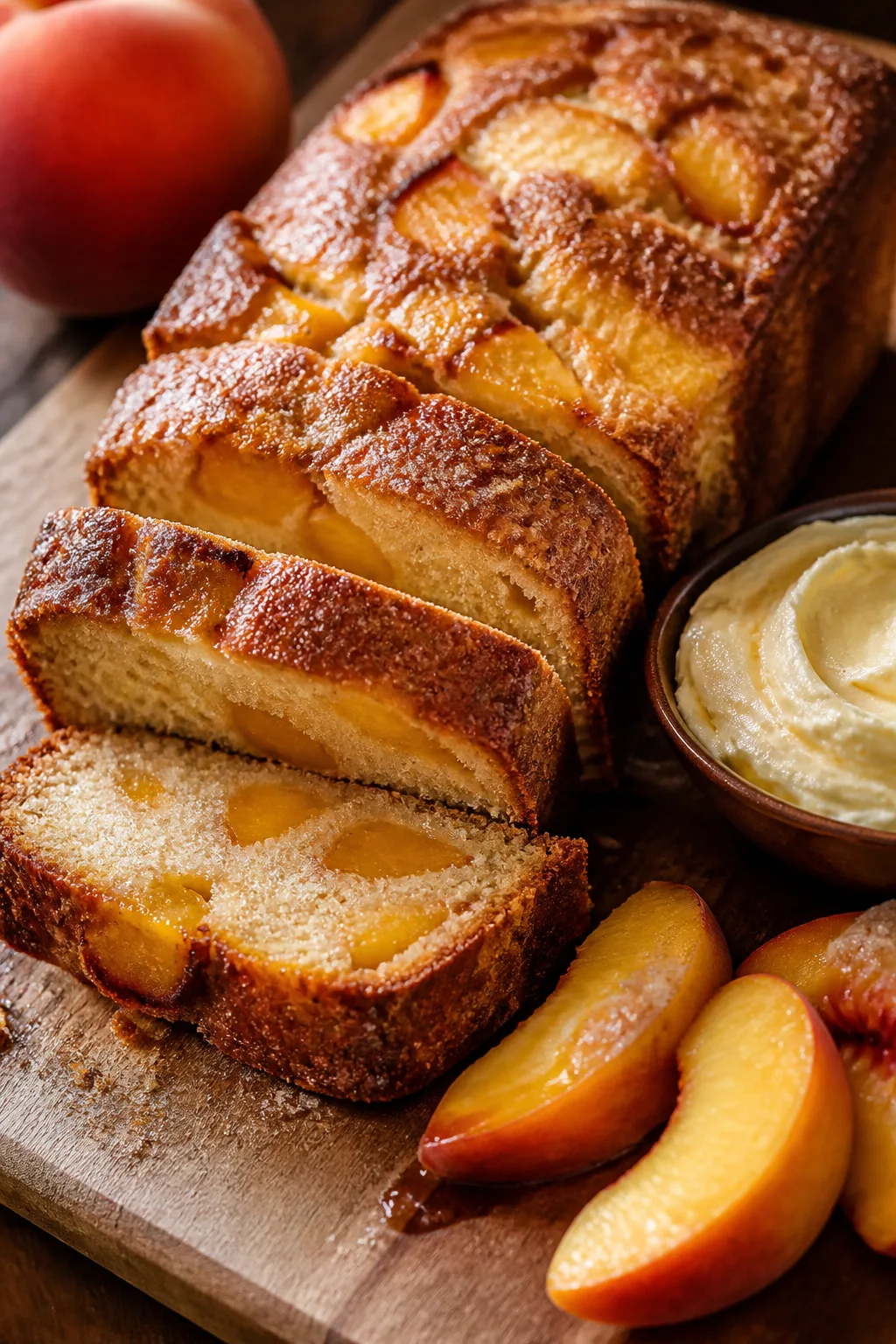
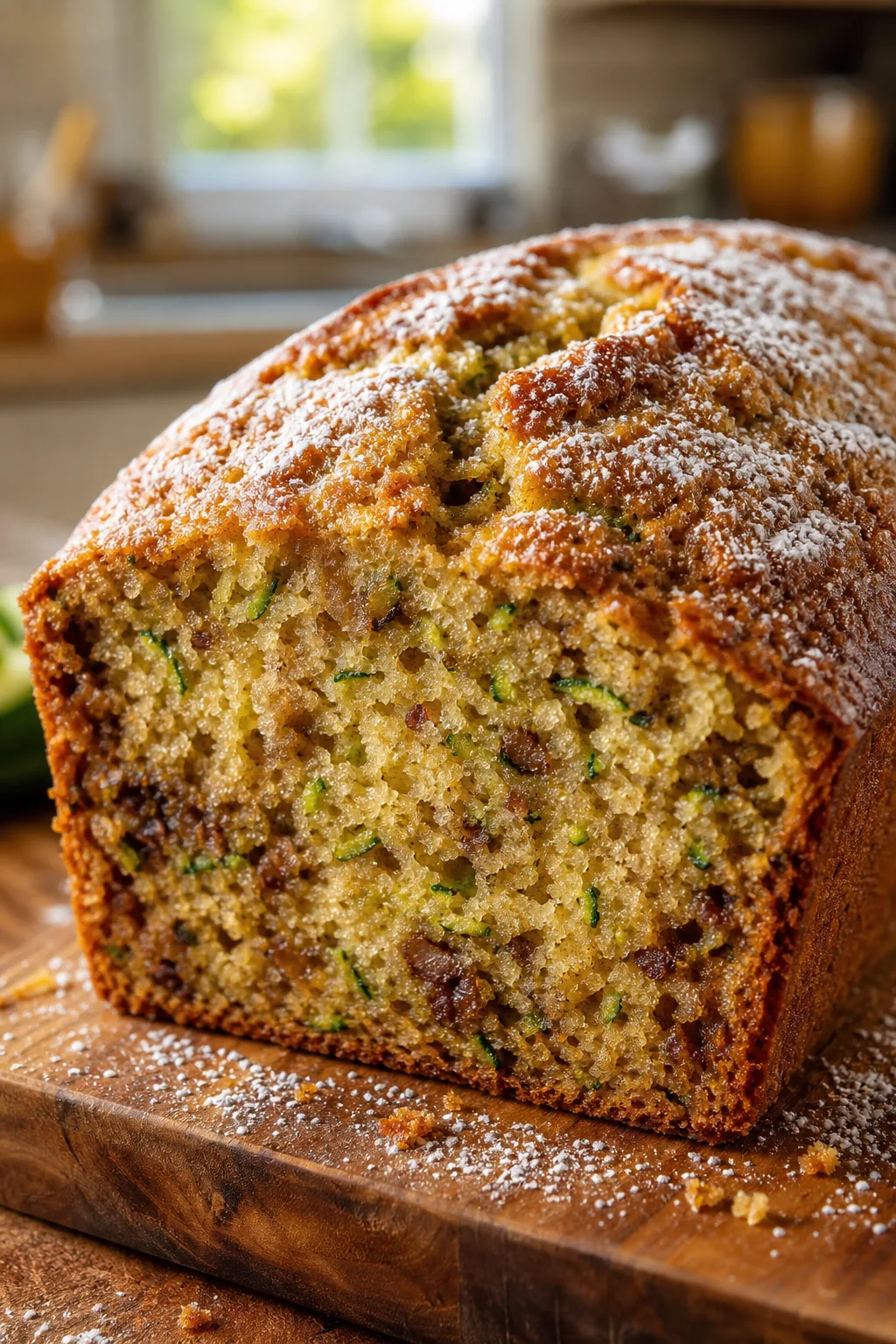
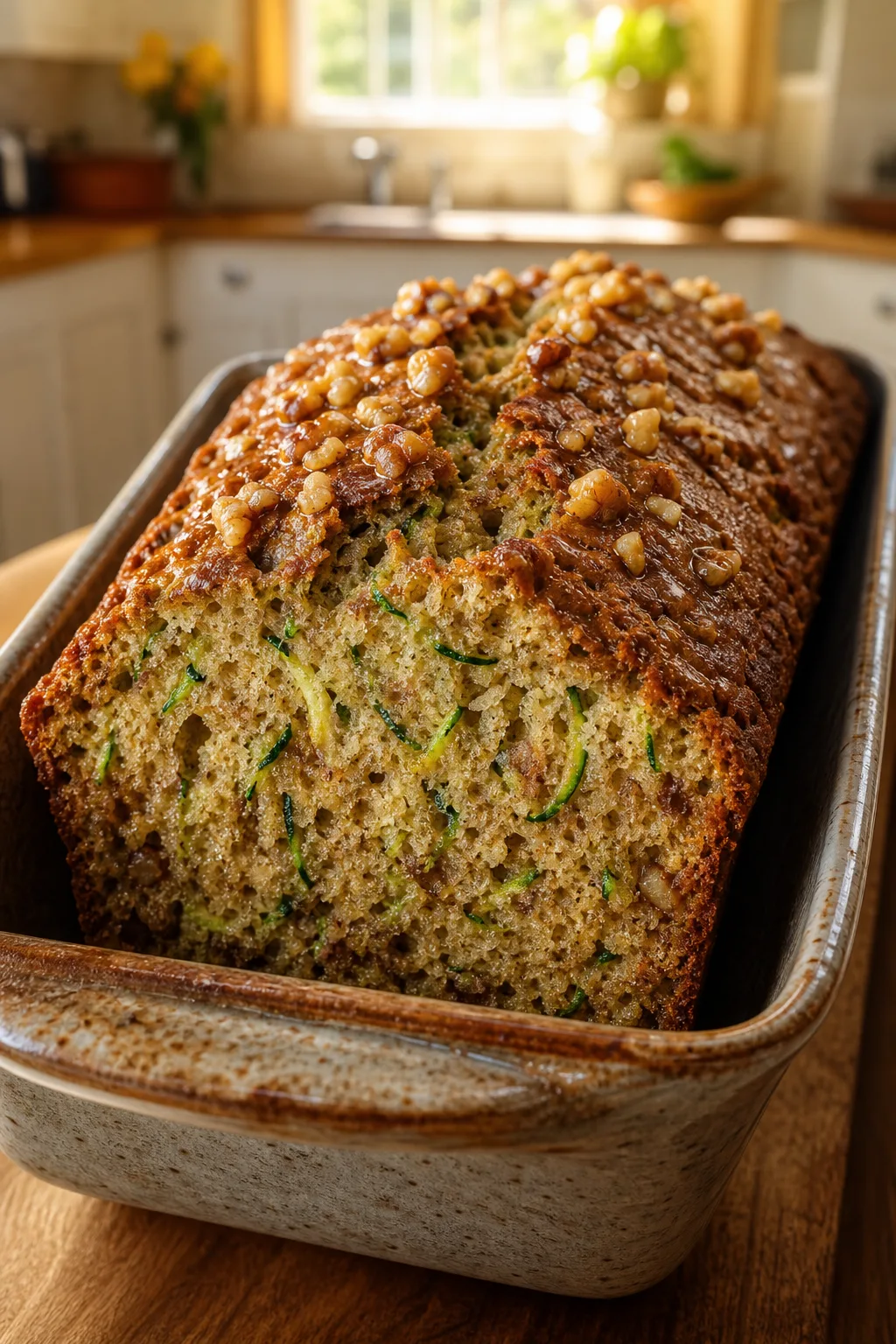
This peach bread is a cozy, moist loaf bursting with fresh peaches and warm spices. It’s my go-to for a sweet breakfast or an afternoon pick-me-up when I want a little taste of summer.
Introduction
I first made this peach bread a few summers ago when I found myself with a bounty of fresh peaches and wanted to bake something that really celebrated their juicy sweetness. The bread turned out so moist and flavorful that it quickly became a family favorite. What makes this version stand out is the combination of warm spices like cinnamon and nutmeg that perfectly complement the peaches without overpowering them. Also, I use sour cream in the batter—it’s a little trick I learned that adds extra moisture and tenderness, making the loaf super soft and rich. I’ve tried other peach breads before, but this one always feels better, especially when the peaches are perfectly ripe and juicy. The crust forms a lovely golden brown, while the inside stays soft and packed with fruit in every bite. It’s great for breakfast with a cup of coffee or as a cozy afternoon snack. Honestly, sometimes I just eat it plain because the flavors are so satisfying on their own. If you love quick breads that feel like a hug from summer, you’ll really enjoy this one!
What You'll Need
One 9x5 inch loaf, 8 servings
- 1 1/2 cups all-purpose flour, sifted
- 1 teaspoon baking powder
- 1/2 teaspoon baking soda
- 1/2 teaspoon salt
- 1 teaspoon ground cinnamon
- 1/4 teaspoon ground nutmeg
- 1/2 cup unsalted butter, softened
- 3/4 cup granulated sugar
- 2 large eggs
- 1 teaspoon vanilla extract
- 1/2 cup sour cream
- 1 1/2 cups fresh peaches, peeled and diced
How To Do It
Step 1
Preheat your oven to 350°F (175°C). Grease and flour a 9x5 inch loaf pan to prevent sticking. This step ensures your bread will release easily once baked and helps create a nice crust on the outside. Skipping this can cause your bread to tear when removing it from the pan, which is frustrating after all the effort.
⏱ Time: 10 minutes
✓ Doneness: Loaf pan is evenly greased with no dry spots
Step 2
In a medium bowl, whisk together the flour, baking powder, baking soda, salt, cinnamon, and nutmeg. This dry mix is crucial because it evenly distributes the leavening agents and spices, ensuring your bread rises properly and has a consistent flavor throughout. Be gentle when mixing to avoid overworking the flour, which can make your bread tough.
⏱ Time: 5 minutes
✓ Doneness: Dry ingredients are well combined with no clumps
Step 3
In a large bowl, beat the softened butter and sugar until light and fluffy using a hand mixer or stand mixer. This aerates the butter, which helps the bread rise and gives it a lighter texture. If the butter isn’t softened enough, you’ll struggle to get the right consistency, so let it sit at room temp for at least 30 minutes before starting.
⏱ Time: 5 minutes
✓ Doneness: Butter and sugar mixture is pale and fluffy
Step 4
Add eggs one at a time to the butter-sugar mixture, beating well after each addition. This helps emulsify the batter and incorporates air, which is important for a tender crumb. Adding eggs too quickly or all at once can cause the batter to curdle, so take your time here.
⏱ Time: 3 minutes
✓ Doneness: Batter looks smooth and glossy without separation
Step 5
Mix in the vanilla extract and sour cream until just combined. The sour cream adds moisture and a subtle tang that balances the sweetness of the peaches. Overmixing at this stage can develop gluten and make the bread dense, so fold gently.
⏱ Time: 2 minutes
✓ Doneness: Batter is creamy and slightly thick but smooth
Step 6
Carefully fold the dry ingredients into the wet ingredients in two additions. Use a spatula and fold gently to keep the batter airy. Overmixing will make the bread tough and heavy. Stop mixing as soon as you see no more streaks of flour.
⏱ Time: 3 minutes
✓ Doneness: Batter is thick, smooth, with no visible flour
Step 7
Fold in the diced peaches gently, distributing them evenly without breaking them down. Peaches add moisture so handle them with care to avoid turning the batter watery. Fresh, ripe peaches work best for flavor and texture.
⏱ Time: 2 minutes
✓ Doneness: Peach pieces are evenly spread throughout batter
Step 8
Pour the batter into the prepared loaf pan and smooth the top with a spatula. This helps the bread bake evenly and develop a nice crust. Tap the pan gently on the counter to remove any large air bubbles.
⏱ Time: 2 minutes
✓ Doneness: Batter is level and fills pan evenly
Step 9
Bake in the preheated oven for 45-50 minutes until a toothpick inserted in the center comes out clean or with just a few moist crumbs. Avoid opening the oven door too early, or the bread might sink. If the top browns too quickly, tent loosely with foil halfway through baking.
⏱ Time: 45-50 minutes
✓ Doneness: Golden brown crust with clean toothpick test
Step 10
Let the bread cool in the pan for about 15 minutes before transferring it to a wire rack to cool completely. This helps the bread set and keeps the crumb from becoming soggy. Cutting too soon can cause the bread to crumble.
⏱ Time: 20 minutes
✓ Doneness: Loaf is firm and slightly warm to the touch
Pro Tips
Always soften your butter before mixing.
Softened butter creams more easily with sugar, trapping air that helps the bread rise and creates a lighter texture. Using cold butter can result in uneven mixing and dense bread.
Don’t overmix the batter once the flour is added.
Overmixing develops gluten, which makes quick breads tough and chewy rather than tender. Fold gently just until the flour disappears to keep the crumb soft.
Peel your peaches for a smoother texture.
Peach skin can be tough and fibrous, which affects the bread’s mouthfeel. Peeling ensures each bite is soft and luscious without any chewy bits.
Use fresh leavening agents for best rise.
Old baking powder or soda loses potency over time, resulting in a dense loaf. Test by mixing a small amount with vinegar or hot water to see if it fizzes before using.
Let the bread cool completely before slicing.
Cutting too soon can cause the bread to crumble and lose its shape. Cooling allows the crumb to set properly, giving clean slices.
Add a little lemon zest for a bright twist.
A touch of lemon zest enhances the peach flavor and adds freshness, balancing the warm spices and sweetness nicely.
Store the bread wrapped tightly to keep moisture in.
Exposing the bread to air dries it out quickly. Wrapping in plastic wrap or foil preserves softness and freshness for longer.
Common Mistakes to Avoid
Using overripe or watery peaches
Why it happens It’s tempting to use overly soft peaches because they’re very sweet, but their excess moisture can make the batter too wet.
Fix Choose peaches that are ripe but still firm to the touch. If peaches are very juicy, drain excess liquid before folding them into the batter to avoid soggy bread.
Skipping the sour cream
Why it happens Sometimes people substitute sour cream with milk or omit it for convenience, not realizing its role.
Fix Use sour cream or full-fat Greek yogurt as specified. They add acidity and fat that tenderize the crumb and react with baking soda for proper rise.
Overmixing after adding flour
Why it happens In a rush, some mix vigorously to combine ingredients quickly.
Fix Mix gently and only until the flour disappears. This prevents tough, dense bread caused by overdeveloped gluten.
Not greasing the pan properly
Why it happens Skipping or lightly greasing can cause sticking and tearing when removing bread.
Fix Generously butter and flour the pan or use parchment paper. This ensures the bread releases cleanly.
Baking at incorrect temperature
Why it happens Oven temperatures vary and some set it too high or low.
Fix Use an oven thermometer to confirm 350°F. Baking too hot can brown crust too fast; too low can cause dense, undercooked bread.
Variations
Peach Walnut Bread
Add 1/2 cup chopped walnuts for a crunchy texture that pairs beautifully with warm peaches and spices. Toast the nuts lightly before folding them in to boost their flavor.
Note: Folding nuts in gently prevents batter deflation; baking time remains the same.
Gluten-Free Peach Bread
Swap all-purpose flour for a gluten-free blend designed for baking. Add 1/4 teaspoon xanthan gum if your blend doesn’t contain it to help with structure.
Note: Gluten-free batters are often thicker; avoid overmixing and check doneness with toothpick.
Vegan Peach Bread
Replace butter with coconut oil, eggs with flax eggs (1 tbsp ground flax + 3 tbsp water per egg), and sour cream with coconut yogurt. Expect a slightly denser loaf but still moist and flavorful.
Note: Flax eggs need time to thicken; ensure all ingredients are well combined but don’t overmix.
Peach and Blueberry Bread
Add 1 cup fresh blueberries along with the peaches for a colorful, juicy twist. Blueberries add sweetness and a slight tartness that brightens the flavor.
Note: Fold berries in gently to avoid crushing; may need an extra minute baking.
Spiced Peach and Ginger Bread
Add 1 teaspoon ground ginger and 1/2 teaspoon ground cloves to the spice mix for a warmer, spicier loaf. This is perfect for cool evenings or holiday baking.
Note: Spices intensify during baking; adjust amounts to taste if preferred milder.
Nutrition
Per Serving:
Nutritional values are estimates and may vary based on specific ingredients used.
Storage & Tips
Room Temperature
Store the cooled bread wrapped tightly in plastic wrap or in an airtight container at room temperature for up to 2 days. Keeping it sealed prevents it from drying out. Avoid leaving it uncovered as it will become stale quickly.
Refrigerator
You can refrigerate the bread wrapped well for up to 5 days. The texture might firm up slightly, but it still tastes great. For best enjoyment, warm slices briefly before serving to soften the crumb.
Freezer
Freeze the bread tightly wrapped in plastic and aluminum foil for up to 3 months. To prevent freezer burn, make sure no air pockets remain. Thaw overnight in the refrigerator or at room temperature wrapped. Reheat gently to restore softness.
Reheating
Warm slices in a toaster oven or microwave for 20-30 seconds with a light cover to keep moisture in. Avoid overheating as it can dry out the bread. Adding a small dab of butter or a splash of milk before warming can enhance softness.
Make Ahead
You can prepare the batter a day ahead and keep it covered in the fridge. Let it come to room temperature before baking. Alternatively, bake the bread fully and freeze for later; slice and thaw individual portions as needed.
FAQ
Can I use canned peaches instead of fresh?
You can use canned peaches, but be sure to drain them very well and pat dry to avoid excess moisture that can make the bread soggy. Fresh peaches provide the best texture and flavor, but well-drained canned peaches work in a pinch.
What can I substitute for sour cream?
Plain Greek yogurt is the best substitute for sour cream in this recipe because it has a similar consistency and acidity. You can also use buttermilk, but reduce the liquid slightly to keep batter consistency right.
How do I know when the bread is done baking?
Insert a toothpick into the center of the loaf. If it comes out clean or with a few moist crumbs, the bread is done. If it has wet batter, it needs more time. Also, the top should be golden brown and spring back slightly when pressed.
Why is my peach bread dense instead of light?
Common causes are overmixing the batter, using too much liquid, or expired leavening agents. Mix gently and check your baking powder and soda are fresh. Also, make sure peaches aren’t too watery.
Can I make this bread gluten-free?
Yes, use a gluten-free flour blend suitable for baking and add xanthan gum if your blend doesn’t include it. The texture may be slightly different but still delicious.
How should I store leftover bread?
Wrap leftovers tightly in plastic wrap or store in an airtight container at room temperature for up to 2 days. For longer storage, refrigerate or freeze as described in the storage section.
Can I add nuts or other fruits?
Absolutely! Walnuts, pecans, or blueberries are great additions. Fold them in gently to avoid breaking fruit or nuts apart and adjust baking time if needed.
What if I don’t have sour cream or yogurt?
You can use milk or cream, but the bread might be less moist and tender. Adding a tablespoon of lemon juice or vinegar to milk can mimic the acidity of sour cream, helping the leavening.
Final Thoughts
I hope you love baking and sharing this peach bread as much as I do. It’s such a simple way to brighten any day—please let me know how yours turns out!