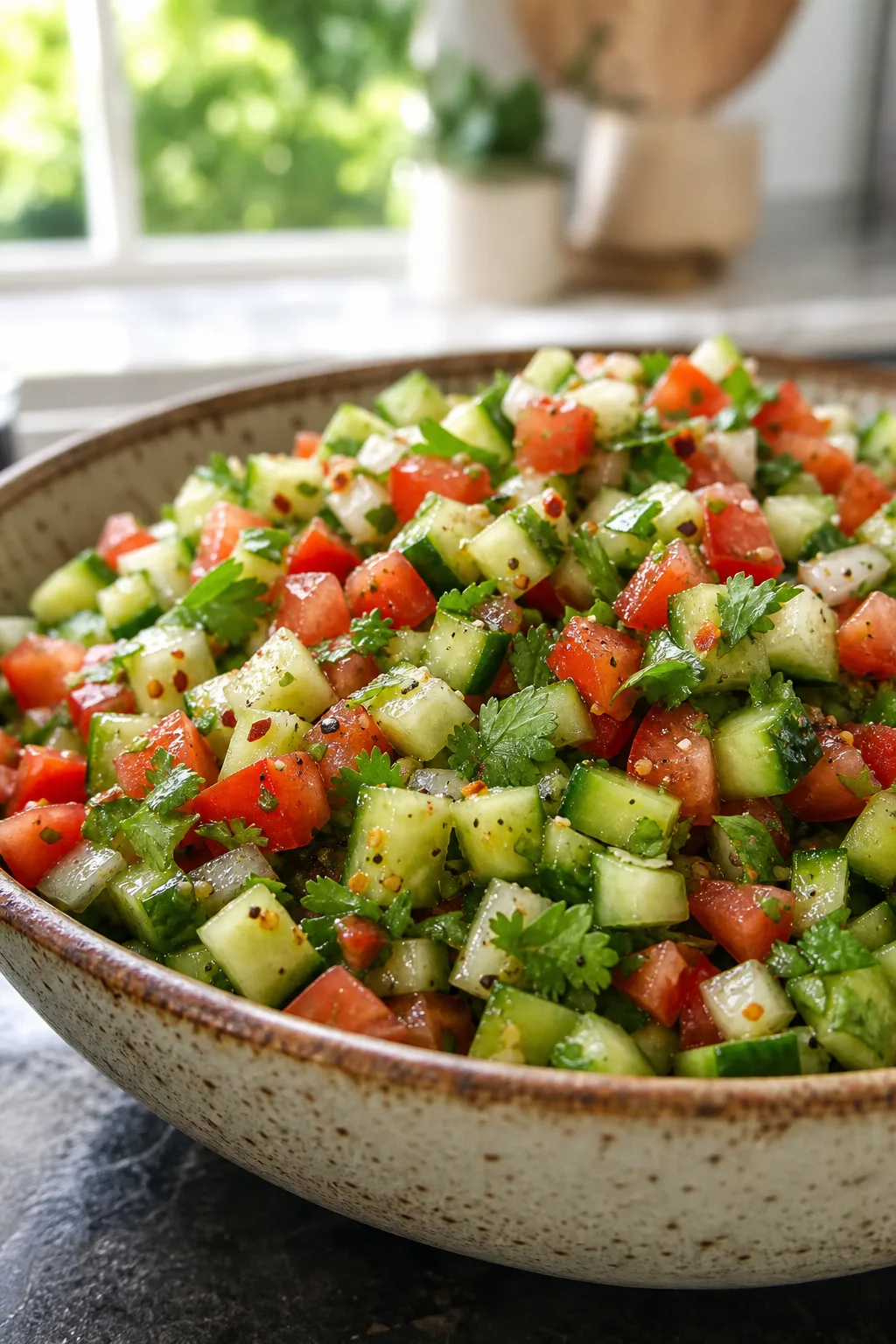
This vibrant zucchini and carrot sauté is a quick, healthy dinner that really lets the veggies shine. A simple seasoning blend brings out their natural sweetness. Perfect for busy weeknights or a light lunch!
Introduction
I’ve always loved simple veggie dishes that come together quickly, especially on hectic weeknights. This zucchini and carrot sauté is one of my favorites because it’s colorful, fresh, and packed with flavor without a ton of fuss. The first time I made it, I was surprised how such basic ingredients could taste so vibrant. It’s all about letting those natural veggie flavors shine with just a touch of garlic, thyme, and lemon. I used to overcook veggies, losing that lovely crunch and brightness, but the trick I learned is to sauté them just until tender-crisp. That way, they maintain their texture and a little bite, which I think makes all the difference. When you plate this dish, you’ll notice how the carrots add a hint of sweetness, balancing the mild zucchini perfectly. Plus, it’s so versatile — great as a side or even tossed with quinoa or pasta for a light main. I love serving this when I want something healthy but satisfying, and it never disappoints!
How To Do It
Step 1
Heat the olive oil in a large skillet over medium heat. Once hot, add the minced garlic and sauté for about 30 seconds until fragrant but not browned. This step infuses the oil with garlic flavor, which will coat the veggies and add depth. Be careful not to burn the garlic as it turns bitter quickly, so keep the heat moderate and stir constantly.
⏱ Time: 2 minutes
✓ Doneness: You’ll see small bubbles in the oil and smell a strong garlic aroma without any dark spots on the garlic.
Step 2
Add the sliced zucchini and julienned carrots to the skillet. Stir to combine with the garlic oil, then sprinkle the dried thyme evenly over the veggies. The thyme adds a subtle earthiness that complements the sweetness of the carrots and the mild zucchini. Cooking the veggies together ensures they soften evenly without one overcooking or undercooking.
⏱ Time: 10 minutes
✓ Doneness: The vegetables should be tender but still have a slight bite, and the carrots will brighten in color.
Step 3
Season the sauté with salt and freshly ground black pepper. Taste the veggies and adjust seasoning as needed. Adding salt helps draw out moisture and enhances natural sweetness, while pepper adds a gentle heat and complexity. Stir well to evenly distribute the seasoning.
⏱ Time: 1 minute
✓ Doneness: The seasoning should smell fresh and balanced without overpowering the veggies.
Step 4
Turn off the heat and drizzle fresh lemon juice over the sauté. The acidity brightens the dish and balances the richness from the olive oil. Stir gently to coat all the vegetables. Adding lemon at the end preserves its fresh flavor and prevents it from cooking off.
⏱ Time: 1 minute
✓ Doneness: You’ll notice a fresh citrus aroma and the veggies glisten with a light sheen.
Step 5
Transfer the zucchini and carrot sauté to a serving dish and garnish with chopped fresh parsley if desired. The parsley adds a pop of color and a fresh herbal note that brightens every bite. Serve immediately to enjoy the veggies at their peak texture and flavor.
⏱ Time: 1 minute
✓ Doneness: The dish looks vibrant with bright orange and green colors, and the parsley adds a fresh contrast.
Pro Tips
Don’t overcrowd the pan when sautéing veggies.
Overcrowding traps steam and causes the vegetables to steam rather than sauté, resulting in soggy texture. Giving the veggies enough space allows moisture to evaporate quickly, helping them brown slightly and develop better flavor.
Use a sharp knife to julienne carrots evenly.
Evenly sized pieces cook at the same rate, preventing some from being undercooked while others are mushy. A sharp knife also reduces bruising and preserves the carrot’s bright color and crisp texture.
Add lemon juice off the heat.
Adding lemon juice after cooking preserves its fresh, bright flavor and prevents it from turning bitter due to heat. This step lifts the dish and balances the richness of the olive oil.
Use fresh herbs for garnish.
Fresh herbs add a pop of color and fresh aroma that dried herbs can’t match. They also provide a contrast in texture and a refreshing finish to the sauté.
Cook garlic gently and watch closely.
Garlic burns quickly and turns bitter, so cooking it over moderate heat and stirring constantly ensures it flavors the oil without ruining the dish’s taste.
Serve the sauté immediately.
Vegetables retain their best texture and vibrant color when served right away. Sitting too long causes them to soften and lose appeal.
Use a wide skillet for better cooking.
A wide pan provides more surface area, allowing vegetables to cook evenly and brown slightly instead of steaming. This enhances flavor and texture.
Common Mistakes to Avoid
Overcooking the vegetables until mushy
Why it happens Many cooks leave the veggies on heat too long, thinking softer means better cooked. This often happens when multitasking or not paying close attention during sautéing.
Fix Keep the heat medium and stir frequently, checking texture after about 8 minutes. Remove from heat as soon as veggies are tender but still have a little crunch for best flavor and appearance.
Burning the garlic at the start
Why it happens Garlic cooks very quickly and can go from fragrant to burnt in seconds, especially if the heat is too high or it’s left unattended.
Fix Use medium heat and stir constantly while sautéing garlic. Remove from heat if it starts turning brown too fast. Adding the garlic after oil is hot but not smoking helps control timing.
Not seasoning enough
Why it happens Some assume fresh veggies don’t need much salt, but without proper seasoning, the dish tastes flat.
Fix Season generously with salt and pepper during cooking and taste before serving. Salt enhances natural sweetness and balances flavors.
Adding lemon juice too early
Why it happens Adding acidic lemon juice during cooking can cause bitterness and dull the bright flavor.
Fix Always add lemon juice off the heat, just before serving, to preserve its fresh, tangy aroma.
Using old or bruised vegetables
Why it happens Old veggies lose flavor and texture, resulting in a less vibrant dish.
Fix Choose fresh, firm zucchini and carrots with no soft spots or discoloration for the best taste and appearance.
Variations
Add Red Pepper Flakes for a Spicy Kick
Sprinkle in 1/4 teaspoon of red pepper flakes when adding the thyme for a subtle heat that livens up the sauté. This adds a warming spice without overpowering the veggies, perfect for those who like a little kick.
Note: Add the red pepper flakes early in cooking to infuse the oil and flavor the entire dish evenly.
Toss with Cooked Quinoa for a Complete Meal
After sautéing, mix in 1 cup of cooked quinoa for a protein-packed, filling main dish. The quinoa’s nutty flavor pairs well with the tender veggies, making this a balanced, healthy dinner on its own.
Note: Add the quinoa off the heat to keep its fluffy texture intact.
Use Fresh Basil Instead of Thyme
Swap dried thyme for fresh basil leaves added at the end of cooking for a bright, aromatic twist. Basil’s sweet and peppery notes complement the veggies differently, giving a fresh summer vibe.
Note: Add fresh basil just off the heat to prevent wilting and preserve its flavor.
Include Sliced Mushrooms for Earthiness
Add 1 cup sliced mushrooms along with the garlic for a deeper, earthier flavor. Mushrooms absorb the garlic oil and release their juices, enriching the dish’s texture and complexity.
Note: Sauté mushrooms first until they release moisture and start browning before adding the other veggies.
Finish with Toasted Pine Nuts for Crunch
Sprinkle toasted pine nuts over the finished sauté for a delightful crunch and nutty flavor. This adds texture contrast and a touch of richness without heaviness.
Note: Toast pine nuts separately in a dry pan over medium heat until golden and aromatic, then sprinkle just before serving.
Nutrition
Per Serving:
Nutritional values are estimates and may vary based on specific ingredients used.
Storage & Tips
Room Temperature
This sauté is best eaten fresh but can safely sit at room temperature for up to 2 hours if covered to protect from contaminants.
Refrigerator
Store leftovers in an airtight container for up to 3 days. The texture may soften slightly when cold; reheat gently to restore some crispness or enjoy chilled as a salad.
Freezer
Freezing is not recommended as the high water content in zucchini and carrots leads to a mushy texture upon thawing.
Reheating
Reheat gently over low-medium heat in a skillet with a splash of olive oil to revive texture and flavor. Avoid microwaving on high as it can make the veggies soggy.
Make Ahead
You can prep and slice the vegetables 1 day ahead and store them in the fridge. Cook the sauté fresh for best texture and flavor, adding lemon juice just before serving.
FAQ
Can I use frozen vegetables for this sauté?
Frozen zucchini and carrots tend to release a lot of water when cooked, which can make the sauté watery and mushy. If you must use frozen, thaw and pat them dry thoroughly before cooking, and reduce added oil to avoid greasiness.
What can I substitute for lemon juice?
You can use a splash of white wine vinegar or apple cider vinegar as a substitute for lemon juice. These will add acidity and brightness but have a slightly different flavor profile. Add just before serving to keep the fresh taste.
How do I keep the vegetables from getting soggy?
Cook the vegetables over medium heat without overcrowding the pan. Stir frequently and remove from heat as soon as they’re tender but still crisp. Overcooking or steaming causes sogginess.
Can I add other vegetables to this dish?
Absolutely! Bell peppers, mushrooms, or snap peas work well. Just adjust cooking times accordingly—add firmer veggies first to ensure everything finishes together.
Is this recipe suitable for meal prep?
Yes, but keep in mind the texture softens after refrigeration. To maintain freshness, store veggies and lemon juice separately and combine just before eating or reheating.
How long does this dish take to make?
From start to finish, including prep and cooking, it takes about 30 minutes. It’s perfect for a quick, healthy weeknight meal.
Can I make this vegan or gluten-free?
This recipe is naturally vegan and gluten-free, using only fresh vegetables and olive oil, making it suitable for most dietary preferences.
What kind of olive oil is best for sautéing?
Use extra virgin olive oil for its flavor and health benefits, but keep the heat moderate to avoid burning. Light or refined olive oil has a higher smoke point if you prefer higher heat cooking.
Final Thoughts
I hope you enjoy this simple zucchini and carrot sauté as much as my family does. Give it a try and let me know how it turns out!