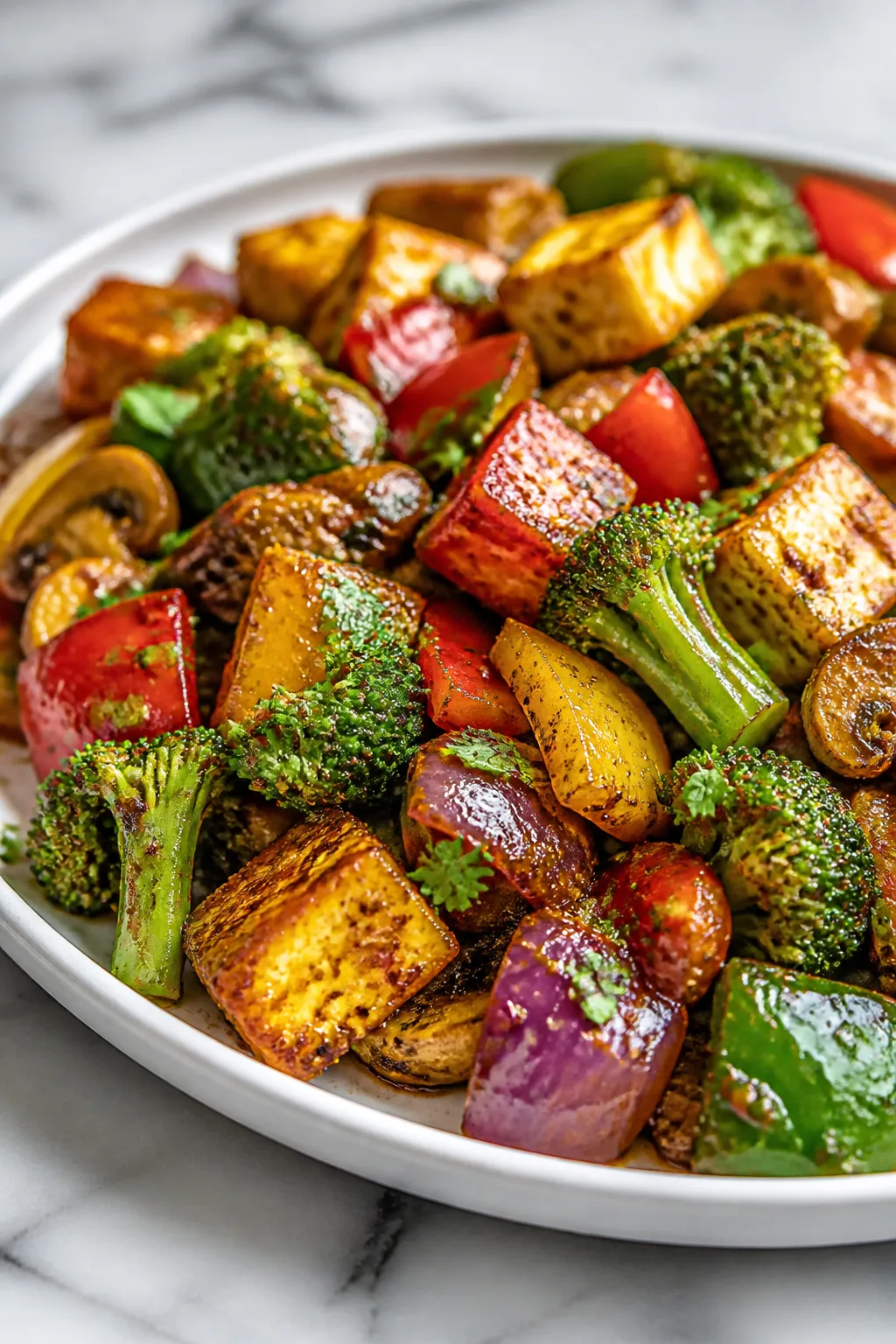
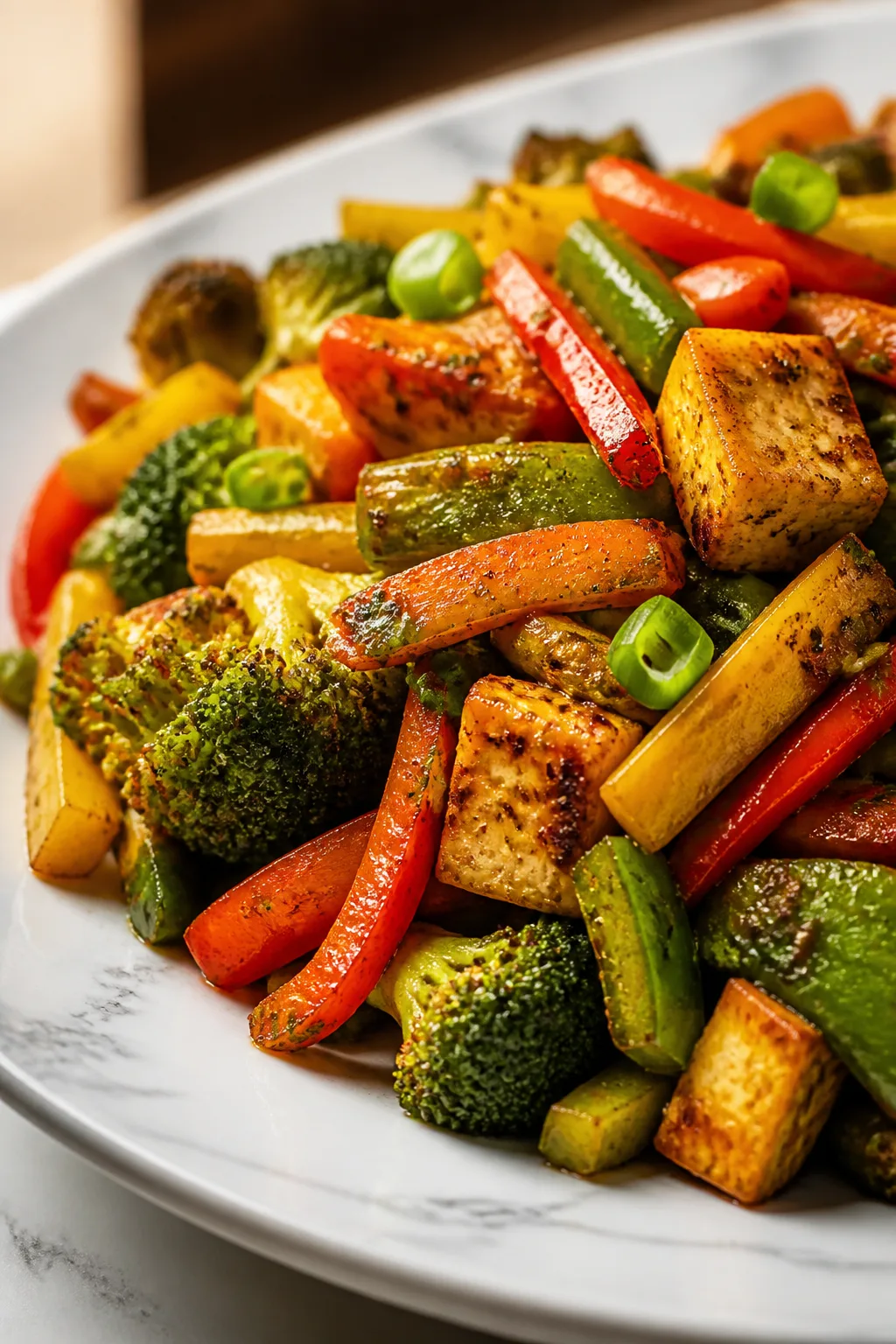
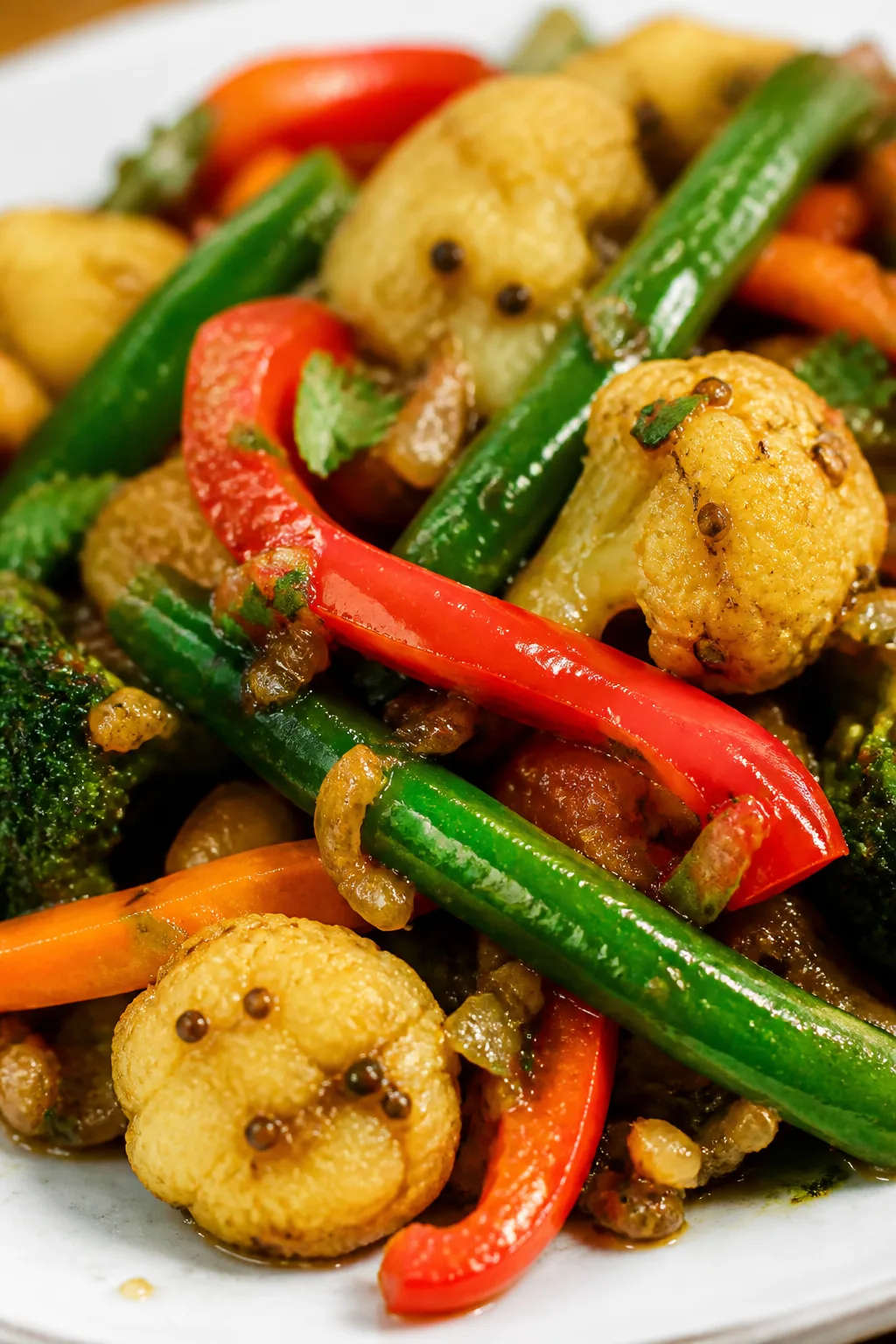
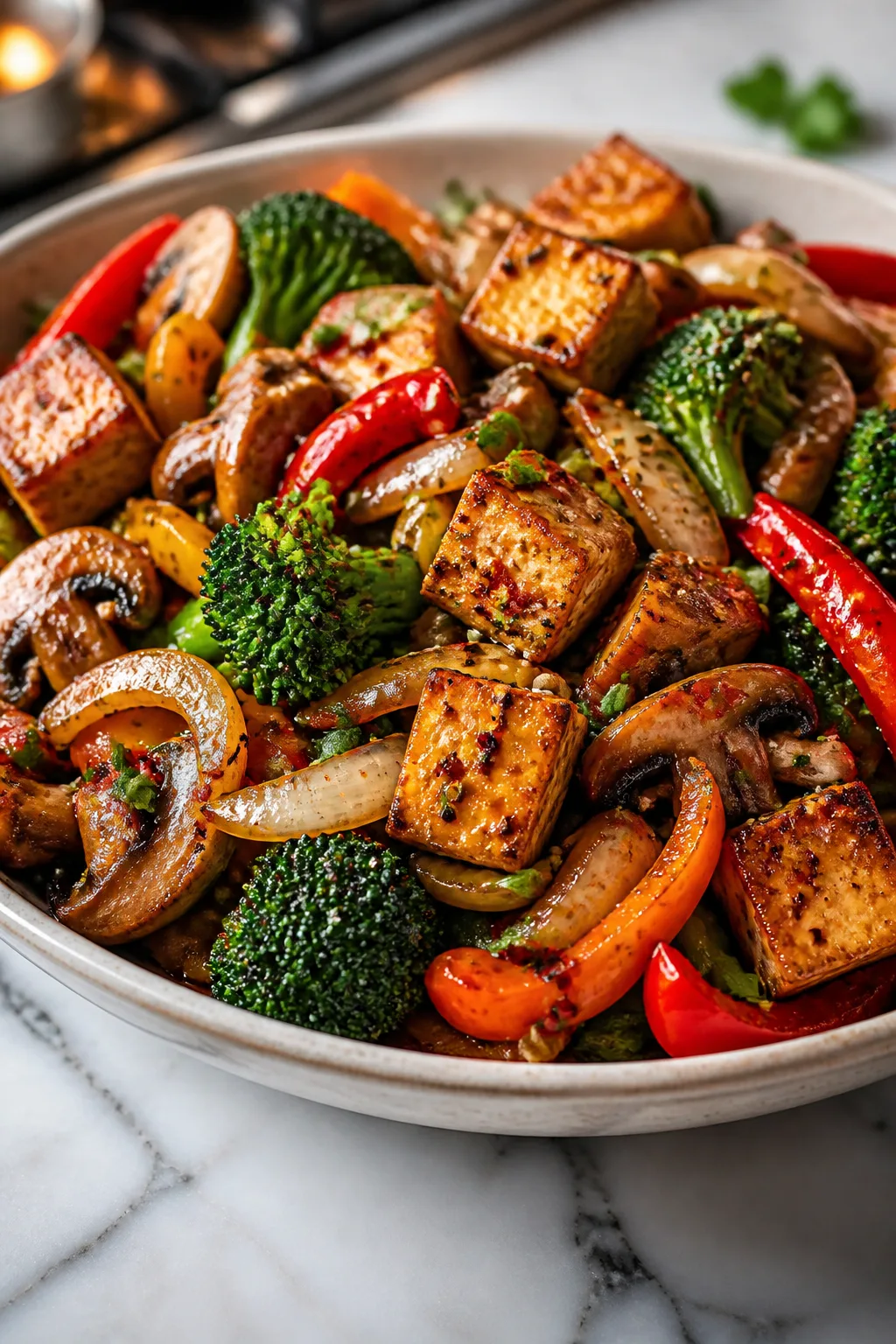
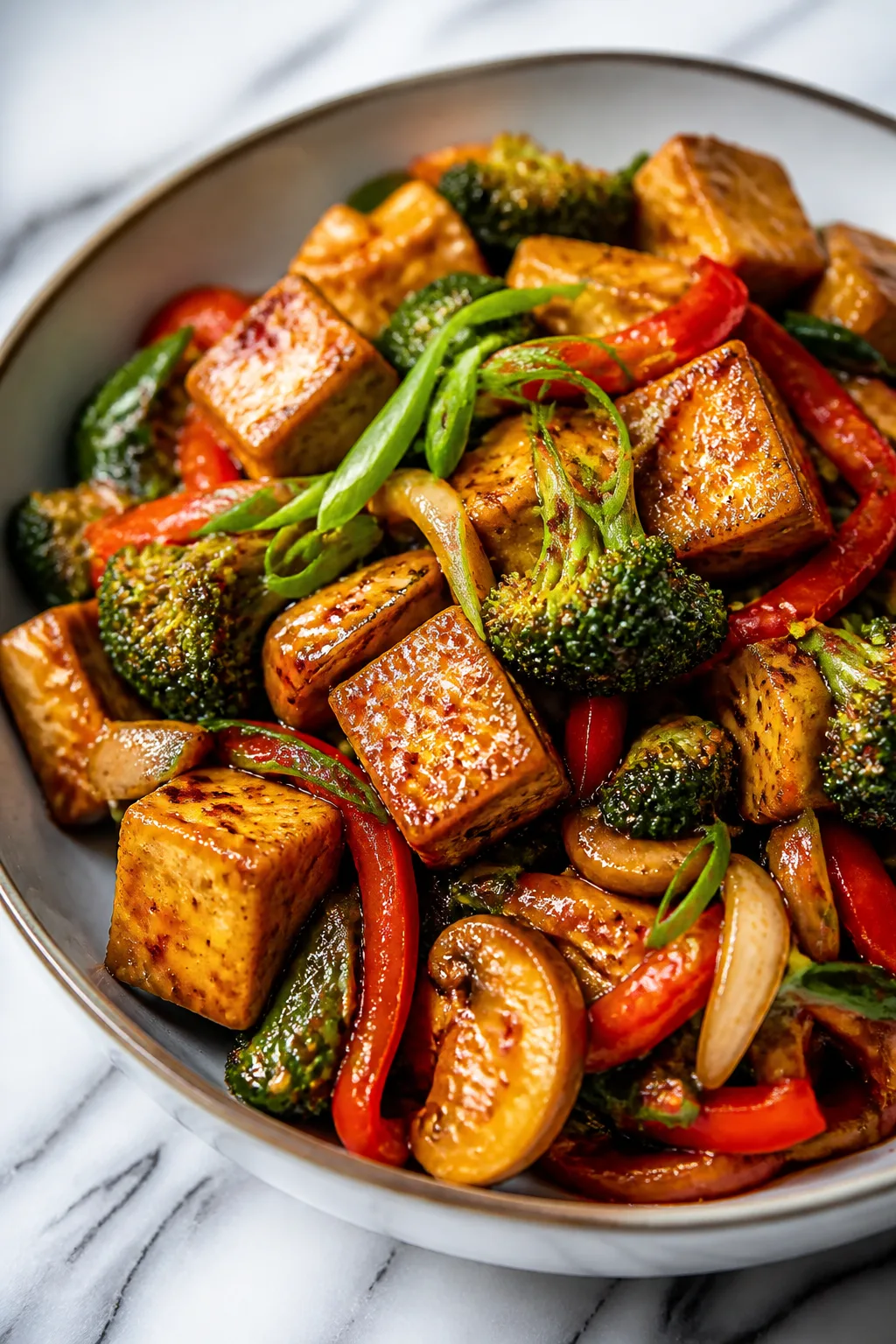
This Indian veg stir fry bursts with fresh spices and crisp vegetables. The mustard seeds and curry leaves give it that authentic South Indian vibe. Perfect for a speedy weeknight dinner when you want something vibrant and healthy.
Introduction
I first stumbled upon this Indian veg stir fry during a quick weeknight dinner at a friend's house. What caught my attention was how effortlessly the mustard seeds and curry leaves infused the veggies with that unmistakable South Indian aroma. Since then, it’s become my go-to dish when I want something healthy, speedy, and full of character. What I love about this version is the balance between crisp-tender vegetables and the toasted mustard seeds popping in your mouth — it’s such a simple trick but makes a huge flavor difference. Plus, the curry leaves add a subtle, almost citrusy fragrance that you don’t find in many stir fries. Over time, I tweaked the spice levels and included fresh ginger and garlic to deepen the flavor without overpowering the veggies. The end result is colorful, fresh, and vibrant — perfect for dinner when you’re short on time but still want something satisfying and wholesome. It’s a dish that feels both comforting and exciting because of those little aromatic touches. Honestly, the first time I tried to make it without mustard seeds, it just felt flat, so don’t skip that step! I think you’ll love how the veggies stay crisp but soak up all those fragrant spices. It’s a small dish that makes a big impact, especially paired with warm rice or flatbread.
How To Do It
Step 1
Heat the vegetable oil in a large skillet or wok over medium heat. Once the oil is hot but not smoking, add the mustard seeds. You'll see them begin to pop and crackle—that’s the magic starting here. This step is crucial because it releases the seeds' nutty, pungent aroma which forms the base flavor of the dish. Be ready to stir quickly so they don’t burn, as burnt mustard seeds add bitterness. When most seeds have popped, add the fresh curry leaves immediately. You’ll notice the oil gets infused with their fragrant, citrusy scent right away, setting the authentic South Indian tone.
⏱ Time: 2
✓ Doneness: Mustard seeds have popped and curry leaves are sizzling and fragrant
Step 2
Add the thinly sliced onions to the pan and sauté, stirring often, until they soften and turn translucent—about 4 to 5 minutes. This slow cooking helps develop sweetness, balancing the spicy and earthy notes from the seeds and leaves. Avoid rushing this step by turning up the heat, or the onions might brown too quickly and become bitter. Soft, translucent onions create a mellow base that lets the spices shine without overpowering the veggies.
⏱ Time: 5
✓ Doneness: Onions are soft, translucent, and lightly fragrant without browning
Step 3
Stir in the minced garlic, grated ginger, and sliced green chili (if using). Cook for another 1 to 2 minutes until fragrant. These aromatics add depth and a subtle heat that complements the mustard seeds and curry leaves perfectly. Be careful not to let the garlic burn, as it can turn bitter quickly. Keeping the heat moderate and stirring frequently helps release their fresh flavors without any harsh notes.
⏱ Time: 2
✓ Doneness: Garlic and ginger smell fragrant and fresh but not browned
Step 4
Add the julienned carrot and chopped green beans to the pan. Stir well to coat them in the spiced oil and aromatics. Sauté for about 5 minutes, keeping the veggies crisp-tender. This timing ensures they retain a little bite and vibrant color rather than becoming mushy. Stir regularly to cook evenly and prevent sticking. The carrots and beans add crunch and sweetness that contrast beautifully with the spices.
⏱ Time: 5
✓ Doneness: Vegetables are bright, slightly softened but still crisp
Step 5
Next, toss in the sliced bell pepper and chopped tomato. Cook everything together for another 3 to 4 minutes. The bell pepper adds a juicy sweetness and vibrant color, while the tomato softens and melds with the spices, creating a subtle tangy backdrop. If you skip this step or rush it, the tomato won’t break down enough to add that nice moisture balance. Stir gently to keep the veggies intact but evenly cooked.
⏱ Time: 4
✓ Doneness: Bell pepper is tender-crisp and tomato looks soft but not mushy
Step 6
Sprinkle turmeric powder, red chili powder, and salt over the vegetables. Stir thoroughly to distribute the spices evenly. These powders brighten the dish with color and add warmth and heat. Be mindful not to add too much chili powder unless you like it spicy. Mixing spices at this stage ensures they cook slightly and lose any raw edge, blending perfectly with the veggies.
⏱ Time: 1
✓ Doneness: Spices are evenly coated on vegetables with a warm golden hue
Step 7
Lower the heat to medium-low, cover the pan, and let the vegetables steam in their own juices for 3 to 4 minutes. This step helps meld the flavors and softens the veggies just enough without losing crunch. Keep an eye to avoid overcooking, which would make the dish soggy. The gentle steaming locks in moisture and intensifies the spice aroma.
⏱ Time: 4
✓ Doneness: Vegetables are tender but still hold shape; aroma is rich and inviting
Step 8
Remove the lid and give the stir fry a final stir. Taste and adjust salt or chili if needed. If it looks a bit dry, splash a teaspoon of water to loosen it up. Freshly chopped coriander leaves are stirred in last to add a fresh herbal brightness and color contrast. This finishing touch lifts the whole dish and adds a subtle freshness that balances the spices.
⏱ Time: 1
✓ Doneness: Dish looks glossy with fresh green coriander mixed in
Step 9
Transfer the stir fry to a serving dish and enjoy immediately with steamed rice or flatbread. The dish is best eaten fresh to appreciate the contrast of crisp veggies and aromatic spices. Leftovers can be reheated but might lose some crunch. Serving it right away ensures the vibrant colors and fresh flavors shine through. It’s a simple yet deeply satisfying meal that brings a taste of South India to your table.
⏱ Time: 0
✓ Doneness: Dish is hot, aromatic, and vibrant in color
Pro Tips
Always heat the oil until shimmering before adding mustard seeds.
Hot oil ensures the mustard seeds pop quickly, releasing their essential oils and aroma. If the oil isn’t hot enough, the seeds won’t pop and can taste raw or bitter, diminishing the dish’s flavor base.
Slice vegetables uniformly to ensure even cooking.
Uniform cuts prevent some veggies from overcooking while others stay underdone. This consistency preserves texture and helps the dish look appealing, enhancing the eating experience.
Don’t skip the curry leaves—they’re key to authentic flavor.
Curry leaves release unique citrusy oils when fried, which can’t be replicated by other herbs. They add depth and brighten the dish, making it unmistakably South Indian.
Cook vegetables in stages based on their firmness.
Hard vegetables need more cooking time to become tender but still crisp, while softer ones require less. Staggering cooking times prevents mushiness and keeps the dish vibrant.
Add fresh coriander leaves right before serving.
Coriander’s delicate flavor dissipates with heat. Adding it last preserves its freshness and aroma, balancing the warm spices with a bright herbal note.
Use moderate heat throughout to avoid burning spices and aromatics.
High heat can quickly burn garlic, ginger, or spices, creating bitterness. Moderate heat ensures gradual flavor release and even cooking.
Cover the pan briefly to steam the veggies after adding spices.
Steaming locks in moisture and melds flavors without overcooking. This technique softens vegetables gently and enhances spice infusion.
Common Mistakes to Avoid
Burning the mustard seeds during tempering.
Why it happens Many cooks leave the seeds in hot oil too long or use too high heat, causing them to burn quickly and taste bitter.
Fix Heat oil on medium and watch closely. Add seeds when oil is hot but not smoking, and remove from heat or add curry leaves as soon as most seeds pop to prevent burning.
Overcooking vegetables until mushy.
Why it happens Rushing the cooking or not staggering vegetable additions leads to soft, unappealing textures.
Fix Add harder veggies like carrots first and softer ones like bell pepper last. Cook just until crisp-tender, usually 3-5 minutes per batch.
Skipping curry leaves or using dried ones.
Why it happens Sometimes fresh curry leaves aren’t available, or cooks don’t realize their importance.
Fix Use fresh or frozen curry leaves for best flavor. Avoid dried as they lack aroma. If unavailable, increase coriander or add a small pinch of lime zest to mimic brightness.
Adding salt too early.
Why it happens Salt draws moisture out of vegetables, which can make them soggy if added too soon.
Fix Add salt after sautéing onions and aromatics, just before the final steaming step, to preserve texture.
Not stirring enough during cooking.
Why it happens Vegetables can stick or cook unevenly if left unattended, causing burning or inconsistent texture.
Fix Stir frequently but gently to coat vegetables evenly and prevent sticking or burning.
Variations
Spicy Indian Veg Stir Fry
Add extra green chilies or a pinch of garam masala to amp up the heat and complexity. This variation is perfect if you love bold, spicy flavors. The veggies stay crisp but with a fiery kick.
Note: Increase chili powder cautiously and add garam masala towards the end to avoid burning the spices.
Coconut-Infused Veg Stir Fry
Stir in freshly grated coconut or a splash of coconut milk at the end for a creamy, tropical twist. This adds richness and a subtle sweetness that balances the spices beautifully.
Note: Add coconut last and gently fold in to avoid breaking down the veggies.
Mixed Lentil and Veg Stir Fry
Incorporate cooked lentils like moong dal or toor dal for added protein and texture. This variation turns the stir fry into a hearty, nutritious meal that’s still light and flavorful.
Note: Add cooked lentils in the final step and mix gently to combine.
Paneer and Veg Stir Fry
Add cubes of paneer cheese for a creamy, chewy contrast to the crisp vegetables. It makes the dish more filling and adds a mild, milky flavor that pairs well with the spices.
Note: Fry paneer cubes separately until golden and fold in at the end to maintain texture.
Winter Root Veg Stir Fry
Use seasonal root vegetables like sweet potatoes, parsnips, and beets instead of regular veggies. This gives the dish a sweet, earthy flavor and a heartier texture perfect for colder months.
Note: Roast root vegetables first or parboil them before stir frying to ensure even cooking.
Nutrition
Per Serving:
Nutritional values are estimates and may vary based on specific ingredients used.
Storage & Tips
Room Temperature
This stir fry can be kept at room temperature for up to 2 hours if covered properly to avoid drying out or contamination. Beyond that, it's safer to refrigerate.
Refrigerator
Store in an airtight container for up to 3 days. The flavors deepen but the vegetables may soften further. Reheat gently to avoid overcooking, or enjoy cold as a salad.
Freezer
Freeze the stir fry for up to 1 month in a sealed container or freezer bag. To prevent freezer burn, remove excess air and wrap tightly. Thaw overnight in the fridge before reheating.
Reheating
Reheat on the stovetop over low heat with a splash of water or oil to restore moisture. Avoid microwave reheating at high power which can make vegetables mushy. Stir frequently until heated through.
Make Ahead
Prep the vegetables and aromatics 1-2 days ahead and store separately. Temper the mustard seeds and curry leaves fresh before cooking to maintain aroma. Assemble and cook on the day of serving for best flavor and texture.
FAQ
Can I use dried curry leaves instead of fresh ones?
Dried curry leaves don’t have the same vibrant aroma as fresh or frozen ones. They can be used in a pinch but expect a milder flavor. To compensate, you might add a splash of lemon juice or lime zest to brighten the dish.
What if I don’t have mustard seeds?
Mustard seeds are key to the authentic flavor and texture, but if unavailable, you can try substituting with cumin seeds for a different but pleasant aroma. Keep in mind the dish won’t have the same pungency or popping texture.
How do I make this dish vegan?
This recipe is naturally vegan as it uses only vegetables, oil, and spices. Just ensure the oil you use is plant-based and avoid adding dairy like ghee or paneer.
Can I add other vegetables?
Absolutely! Feel free to add zucchini, peas, cauliflower, or any seasonal veggies. Just adjust cooking times to keep everything crisp-tender and avoid overcooking.
How spicy is this stir fry?
This recipe is mildly spicy but you can easily adjust by adding or reducing green chilies and red chili powder. For no heat, omit chilies altogether and use mild paprika instead.
What should I serve it with?
It pairs wonderfully with steamed basmati rice, chapati, or even quinoa for a wholesome meal. You can also enjoy it as a side dish with dal or lentil curry.
Can I make this ahead of time?
You can prep vegetables a day ahead but temper mustard seeds and curry leaves fresh before cooking to preserve their aroma. Cook and serve the stir fry the same day for best results.
How do I store leftovers?
Store leftovers in an airtight container in the fridge for up to 3 days. Reheat gently on the stovetop with a splash of water or oil to keep veggies from drying out.
Final Thoughts
Give this Indian veg stir fry a try—you’ll love how quick, flavorful, and fresh it feels. Don’t forget to share your cooking experience; I’d love to hear how it turns out!