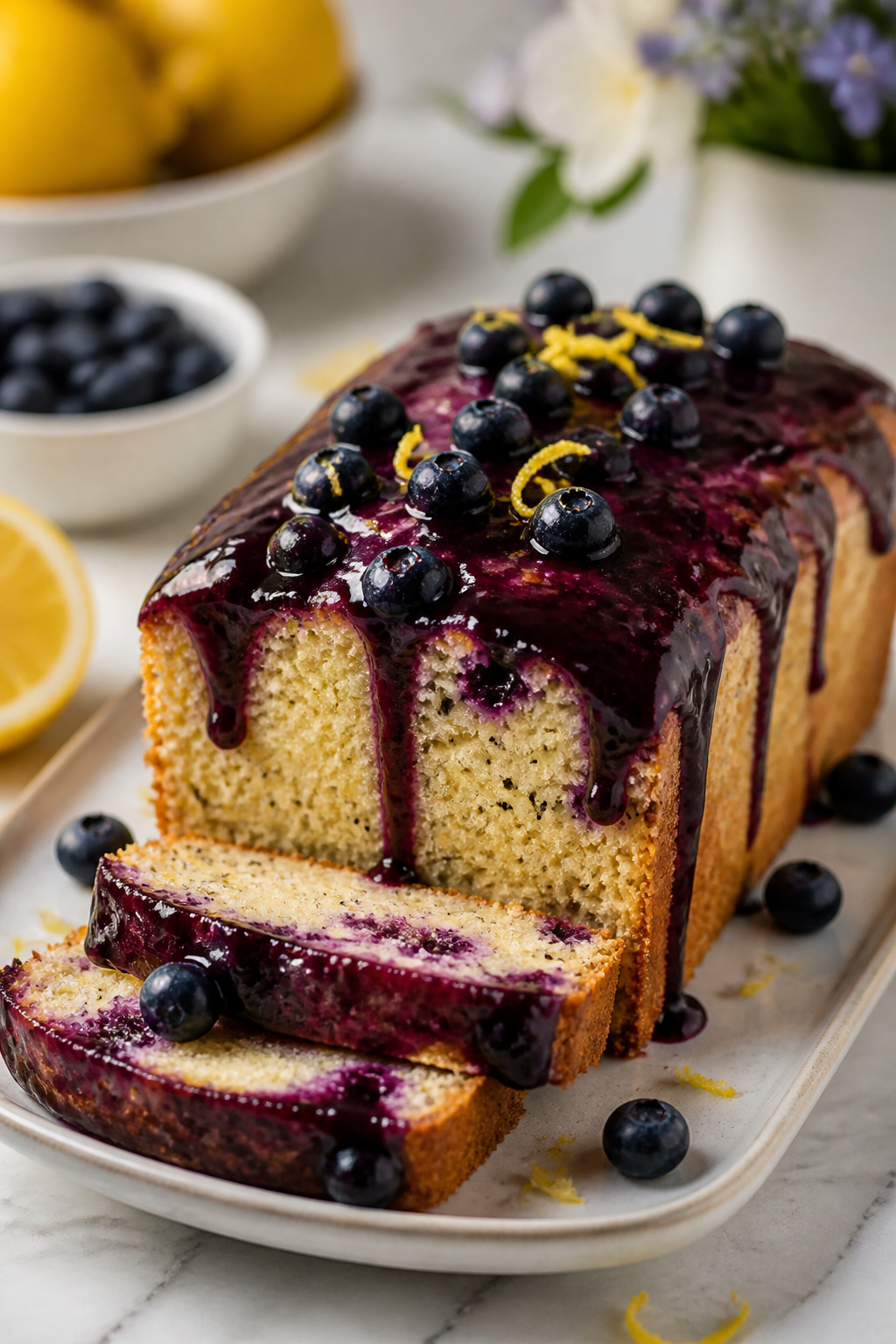
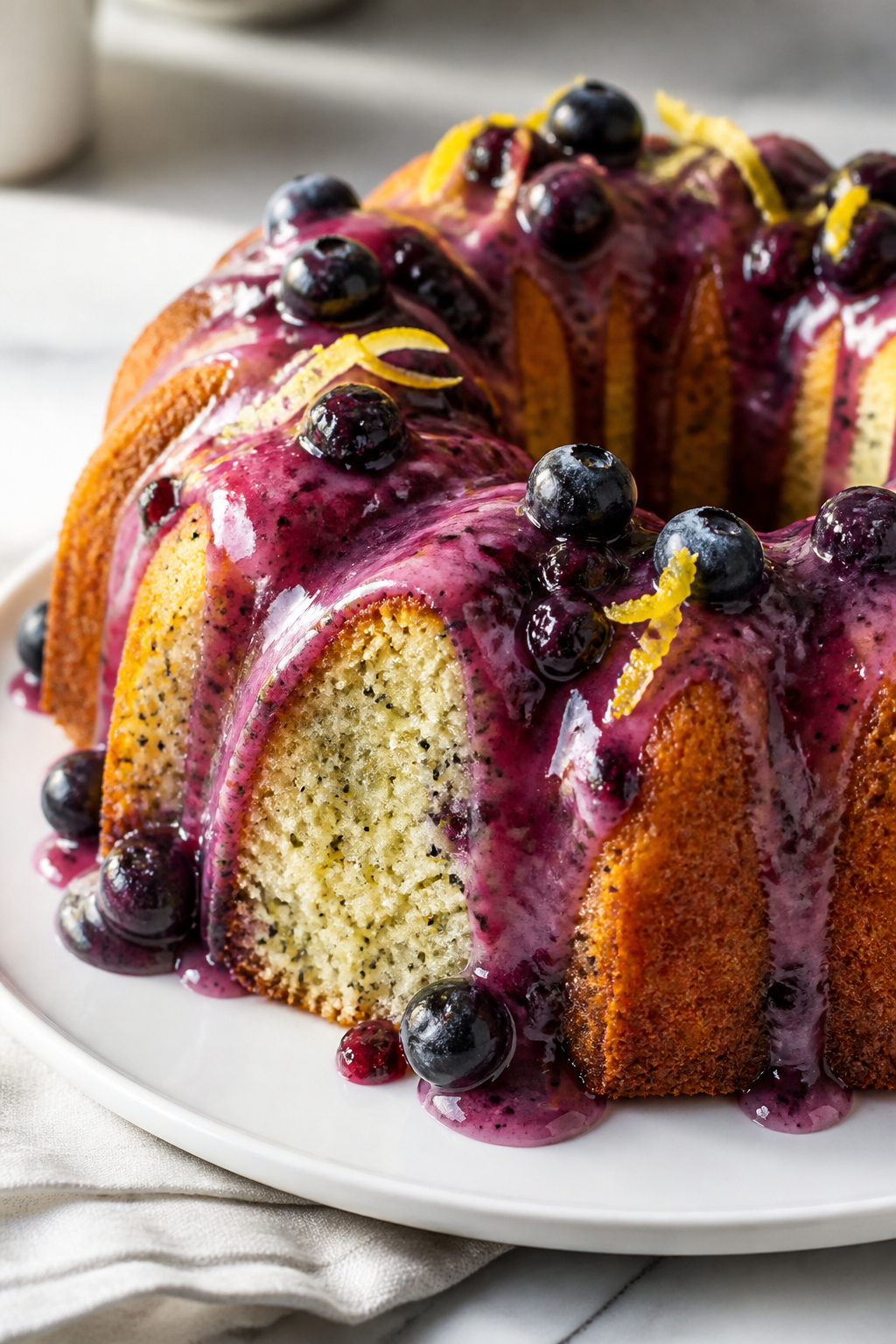
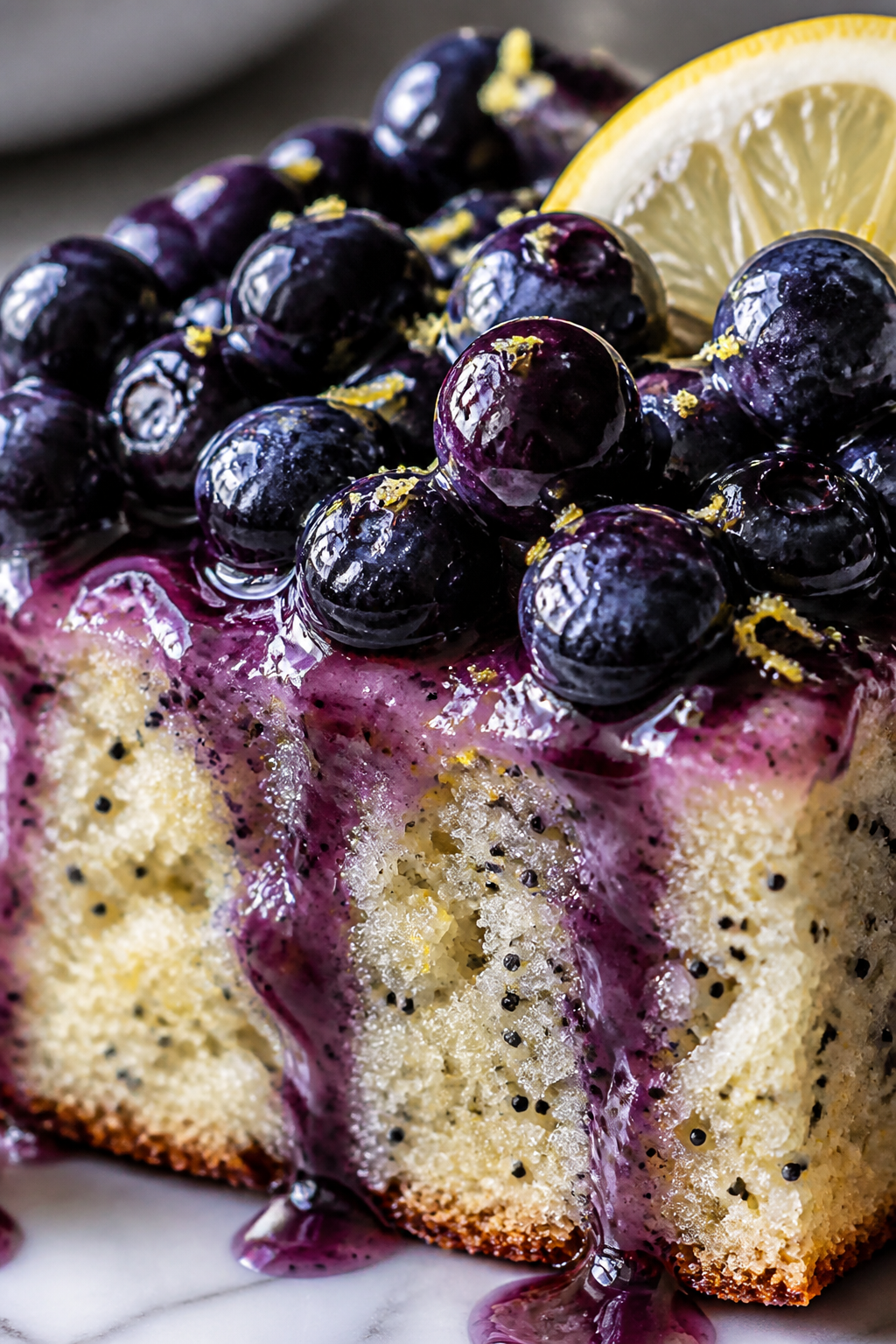
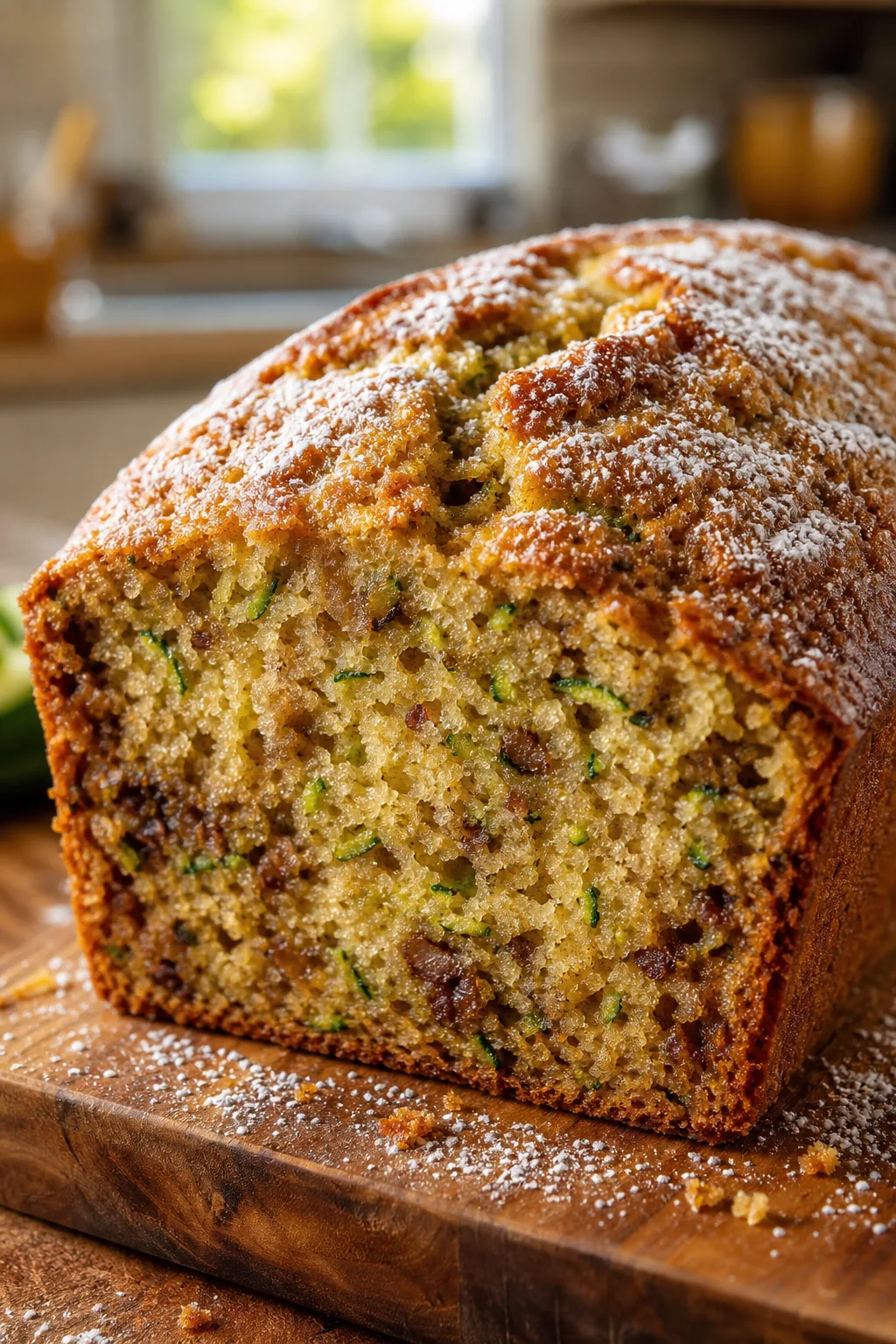
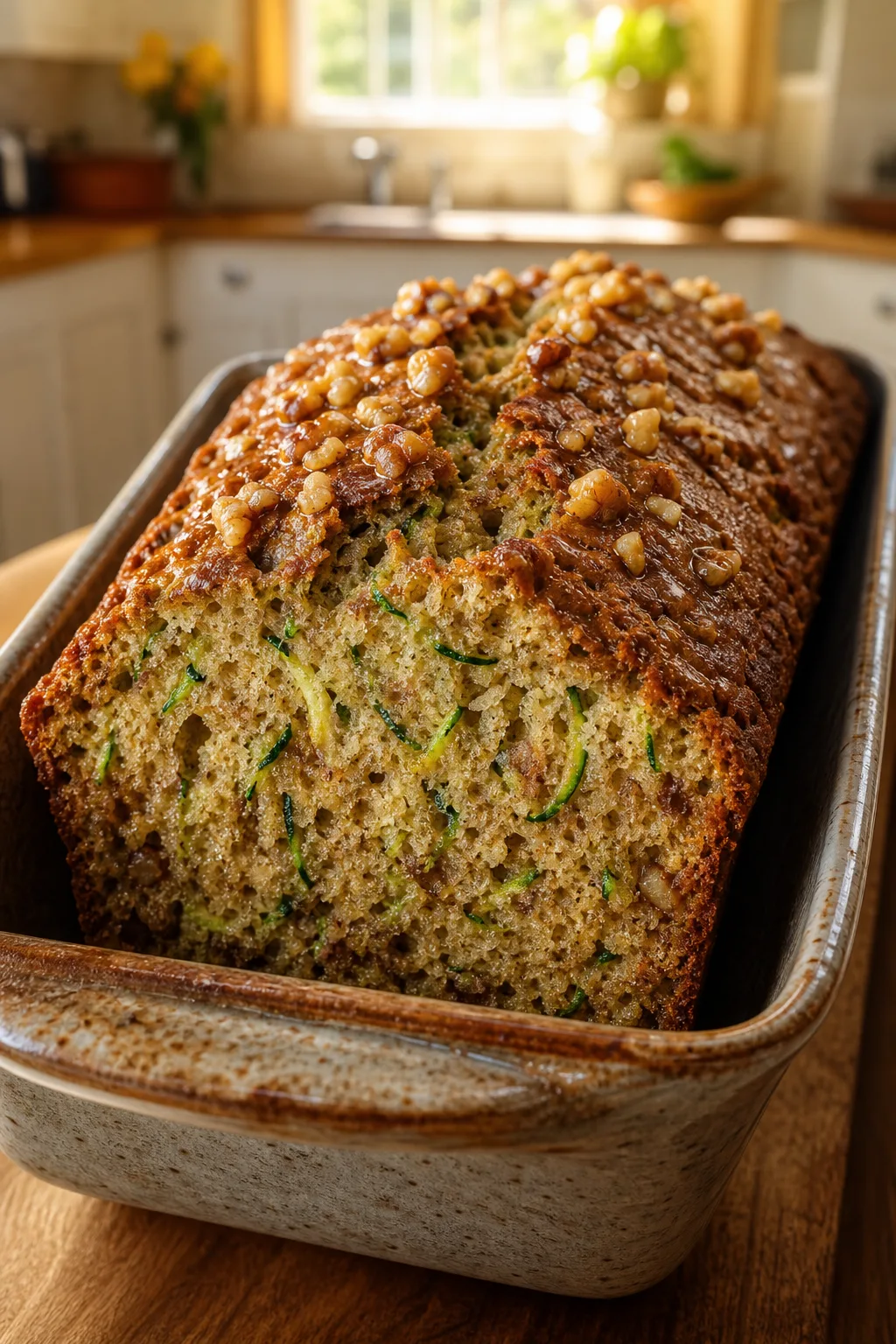
This lemon poppy seed cake is delightfully light with a fresh blueberry glaze that adds a perfect sweet-tart finish. The poppy seeds add a subtle crunch, making it ideal for spring brunches or afternoon tea.
Introduction
I first stumbled upon this lemon poppy seed cake recipe a few springs ago when I was craving something bright and fresh but not too heavy. I’d tried a few versions before, but they always felt a bit dry or overly sweet. What really makes this cake stand out for me is the combination of Greek yogurt and fresh lemon juice in the batter—it keeps the crumb moist while giving it that signature tang. Plus, the poppy seeds add a subtle crunch that’s just delightful with every bite. The blueberry glaze on top? That was a happy accident when I had some leftover berries and wanted to add a little something extra. It balances the tartness of the lemon and adds a beautiful color contrast. The cake is perfect for spring brunches or afternoon tea with friends. It’s light, flavorful, and not too fussy, so I love making it when I want to impress without stress. You’ll notice the crumb is tender and moist, and the glaze adds a fresh, fruity finish that really lifts the whole thing. I think you’ll love how simple yet special this cake feels.
What You'll Need
One 9-inch round cake, about 8 servings
- 1 1/2 cups all-purpose flour, sifted
- 1 teaspoon baking powder
- 1/2 teaspoon baking soda
- 1/4 teaspoon salt
- 2 tablespoons poppy seeds
- 1/2 cup unsalted butter, softened
- 1 cup granulated sugar
- 2 large eggs, room temperature
- 1/2 cup plain Greek yogurt
- 1/4 cup fresh lemon juice
- 1 tablespoon lemon zest
- 1 teaspoon vanilla extract
- For the glaze:
- 1 cup fresh blueberries
- 1/4 cup powdered sugar
- 1 tablespoon lemon juice
How To Do It
Step 1
Preheat your oven to 350°F (175°C) and grease a 9-inch round cake pan. Greasing well is crucial for easy release later, so make sure to butter the pan thoroughly and lightly dust with flour or use parchment paper on the bottom. This prevents your cake from sticking, which can ruin the edges when you try to remove it. While the oven heats, get your pans ready and your ingredients measured out for a smooth workflow.
⏱ Time: 10 minutes
✓ Doneness: Pan is fully greased and dusted, oven is at temperature
Step 2
In a medium bowl, whisk together the sifted flour, baking powder, baking soda, salt, and poppy seeds. Sifting the flour and mixing these dry ingredients well ensures even distribution of the leavening agents and poppy seeds, which helps the cake rise uniformly and prevents clumping. The poppy seeds also add texture, so be sure they’re evenly mixed to get that crunch in every bite.
⏱ Time: 5 minutes
✓ Doneness: Dry ingredients are evenly combined with no lumps
Step 3
In a large bowl, cream the softened butter and granulated sugar together until light and fluffy using a hand mixer or stand mixer on medium speed. This step is key because creaming incorporates air into the batter, which helps create a tender, airy crumb. Don’t rush this; it usually takes about 3-5 minutes to reach the right texture—if you stop too soon, the cake may turn out dense.
⏱ Time: 5 minutes
✓ Doneness: Butter and sugar mixture is pale, smooth, and fluffy
Step 4
Add the eggs one at a time, beating well after each addition. This helps the eggs fully incorporate and prevents the batter from curdling. If you add eggs too quickly, the mixture can split and affect texture. Once combined, mix in the vanilla extract and lemon zest for that fresh citrus aroma.
⏱ Time: 3 minutes
✓ Doneness: Batter is smooth and glossy with no streaks of egg
Step 5
Alternately add the dry ingredients and Greek yogurt to the butter mixture, starting and ending with the dry ingredients. Mix gently on low speed just until combined after each addition. Overmixing here can develop gluten, making the cake tough, so be careful to stop as soon as you see no streaks of flour. The yogurt adds moisture and a subtle tang that brightens the flavor.
⏱ Time: 4 minutes
✓ Doneness: Batter is smooth with no visible flour, slightly thick but pourable
Step 6
Slowly stir in the fresh lemon juice by hand with a spatula. Adding it last preserves the lemon’s brightness and prevents the batter from becoming too thin. The acid also reacts gently with the baking soda to help the cake rise and adds that fresh zing that makes this cake so special.
⏱ Time: 1 minute
✓ Doneness: Batter has a fresh lemon scent and smooth texture
Step 7
Pour the batter into the prepared pan and smooth the top with an offset spatula. Tap the pan gently on the counter to release any large air bubbles, which helps the cake bake evenly without large holes or tunnels. This simple step improves texture and appearance.
⏱ Time: 3 minutes
✓ Doneness: Batter is evenly spread and surface is smooth
Step 8
Bake for 28-32 minutes or until a toothpick inserted in the center comes out clean or with just a few moist crumbs. Ovens vary, so start checking around 28 minutes to avoid overbaking. Overbaking dries out the cake and dulls the lemon flavor. Once baked, let the cake cool in the pan for 10 minutes before transferring it to a wire rack to cool completely.
⏱ Time: 30 minutes
✓ Doneness: Toothpick test passes, cake edges pull slightly away from pan
Step 9
While the cake cools, prepare the blueberry glaze by blending fresh blueberries with powdered sugar and lemon juice until smooth. Strain to remove seeds if desired for a silky finish. Drizzle the glaze over the cooled cake evenly. The glaze adds a sweet-tart contrast and vibrant color that makes this cake pop visually and flavor-wise.
⏱ Time: 10 minutes
✓ Doneness: Glaze is smooth, glossy, and evenly coats the cake
Pro Tips
Always use room temperature ingredients for better mixing.
Room temperature butter, eggs, and yogurt blend more smoothly, allowing the batter to emulsify properly. Cold ingredients can cause the batter to curdle or mix unevenly, resulting in a dense or uneven crumb.
Don’t overmix the batter once the dry ingredients are added.
Overmixing develops gluten, which makes the cake tough instead of tender. Mix just until ingredients are combined to keep the crumb soft and light.
Use fresh lemon zest and juice for maximum flavor.
Lemon zest contains essential oils that provide intense citrus aroma, and fresh juice adds brightness and acidity. Using bottled lemon juice or dried zest can make the flavor dull and flat.
Tap the pan gently before baking to release air bubbles.
This prevents large holes or tunnels inside the cake, ensuring an even crumb and better texture.
Cool the cake completely before glazing.
If the cake is warm, the glaze will melt and run off, losing its glossy finish and vibrant look. Cooling allows the glaze to set nicely on top.
Strain the blueberry glaze to remove seeds if you prefer a smooth finish.
While seeds add texture, straining creates a glossy, silky glaze that looks beautiful and melts smoothly over the cake.
Use an offset spatula to spread batter evenly in the pan.
This tool helps create a smooth surface, ensuring even baking and a professional appearance.
Common Mistakes to Avoid
Overbaking the cake
Why it happens Many home bakers leave the cake in too long, thinking it needs extra time to set, but overbaking dries it out.
Fix Check the cake starting at 28 minutes by inserting a toothpick in the center. Remove it from the oven as soon as it comes out clean or with a few moist crumbs to keep it moist and tender.
Skipping the sifting of dry ingredients
Why it happens It’s tempting to just mix dry ingredients quickly, but skipping sifting can cause lumps and uneven rising.
Fix Always sift flour, baking powder, and baking soda together to aerate and distribute them evenly for a uniform crumb.
Adding eggs too quickly
Why it happens Rushing eggs into the batter can cause it to curdle, resulting in an uneven texture.
Fix Add eggs one at a time, beating well between additions to fully incorporate and keep the batter smooth.
Using cold ingredients
Why it happens Cold butter or eggs don’t blend well, making it harder to cream ingredients properly.
Fix Bring butter, eggs, and yogurt to room temperature before mixing for a smooth, well-emulsified batter.
Applying glaze to a warm cake
Why it happens Warm cakes cause the glaze to melt and run off, losing its texture and appearance.
Fix Let the cake cool completely before drizzling the blueberry glaze to ensure it sets nicely.
Variations
Almond Lemon Poppy Seed Cake
Add 1/2 teaspoon almond extract to the batter and sprinkle sliced almonds on top before baking. This adds a nutty depth that pairs beautifully with lemon’s brightness. The almonds add crunch and a subtle sweetness.
Note: Be careful not to add too many almonds on top to avoid uneven baking or burning.
Gluten-Free Lemon Poppy Seed Cake
Replace all-purpose flour with a 1:1 gluten-free baking flour blend. The cake will be slightly denser but still moist and flavorful, perfect for gluten-sensitive guests.
Note: Ensure the blend contains xanthan gum or add 1/2 teaspoon separately for structure.
Vegan Lemon Poppy Seed Cake
Use flax eggs (2 tbsp ground flaxseed + 6 tbsp water) instead of eggs, coconut oil instead of butter, and a plant-based yogurt. The texture will be a bit different—more tender and moist—but still delicious and bright.
Note: Mix flax eggs for 10 minutes before adding to ensure proper gel formation.
Blueberry Swirl Lemon Poppy Seed Cake
Fold 1/2 cup fresh blueberries into the batter before baking for bursts of juicy fruit inside the cake. This adds moisture and a pretty swirl effect when sliced.
Note: Coat blueberries lightly in flour before folding to prevent sinking.
Lemon Poppy Seed Muffins
Divide the batter into a lined muffin tin and bake for 18-20 minutes for portable, individual treats. Great for breakfast or snacks on the go.
Note: Check doneness earlier as muffins bake faster than cakes.
Nutrition
Per Serving:
Nutritional values are estimates and may vary based on specific ingredients used.
Storage & Tips
Room Temperature
Keep the cake covered loosely with a cake dome or foil at room temperature for up to 2 days. Avoid airtight containers at room temp as they can trap moisture and make the glaze runny.
Refrigerator
Store in an airtight container for up to 5 days. The glaze may firm up in the fridge, so bring the cake to room temperature before serving for best flavor and texture.
Freezer
Freeze the unglazed cake tightly wrapped in plastic wrap and foil for up to 3 months. Thaw overnight in the fridge and apply glaze fresh before serving to keep the topping fresh and vibrant.
Reheating
Warm slices gently in a microwave for 15-20 seconds or in a low oven (300°F) for 5-7 minutes. Avoid overheating as it can dry out the cake. Add a splash of lemon juice or a small dab of butter if dry.
Make Ahead
You can bake the cake a day ahead and keep it wrapped at room temperature. Make the blueberry glaze the morning of serving and drizzle just before guests arrive to keep it fresh and glossy.
FAQ
Can I use frozen blueberries for the glaze?
Yes, you can use frozen blueberries, but thaw and drain them first to avoid excess water in the glaze. The color might be a little less vibrant, and the glaze could be thinner, so reduce lemon juice slightly to keep balance.
What can I substitute for Greek yogurt?
You can use sour cream or buttermilk as a substitute. Both add moisture and acidity to the cake, though the texture might be slightly different. Avoid plain yogurt with high water content as it can make the batter too thin.
How do I know when the cake is done baking?
Insert a toothpick in the center; it should come out clean or with just a few moist crumbs. The edges will also start to pull away slightly from the pan, and the cake will feel springy to the touch.
Can I make this cake dairy-free?
Yes, swap the butter for a plant-based alternative and use coconut or almond yogurt instead of Greek yogurt. The texture will be a bit different but still moist and flavorful.
Why do I need to add eggs one at a time?
Adding eggs slowly allows them to incorporate fully into the batter, preventing curdling or separation which can cause a dense texture. It helps ensure a smooth, emulsified batter.
What’s the best way to store leftovers?
Store leftover cake in an airtight container in the fridge for up to 5 days. Bring it to room temperature before serving for the best taste and texture.
Can I make this cake in a loaf pan?
Yes, but the baking time will increase to about 45-55 minutes. Check doneness with a toothpick starting at 40 minutes to avoid overbaking.
How can I make the cake more lemony?
Add an extra teaspoon of lemon zest or a tablespoon more lemon juice to the batter. Just be careful not to add too much liquid or it can affect the texture.
Final Thoughts
I hope you give this lemon poppy seed cake a try soon — it’s one of those recipes that feels special but comes together so easily. Let me know how it turns out!