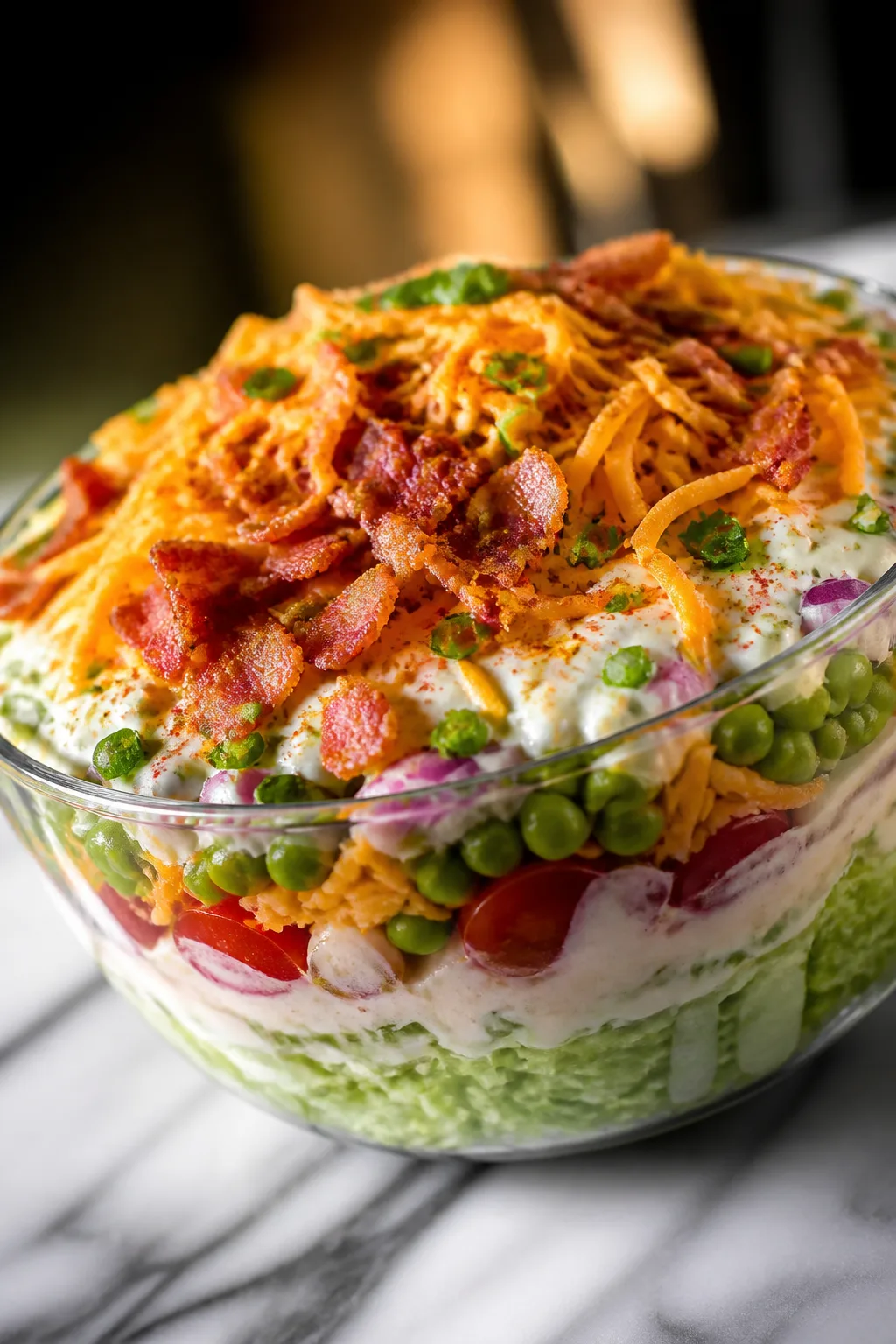
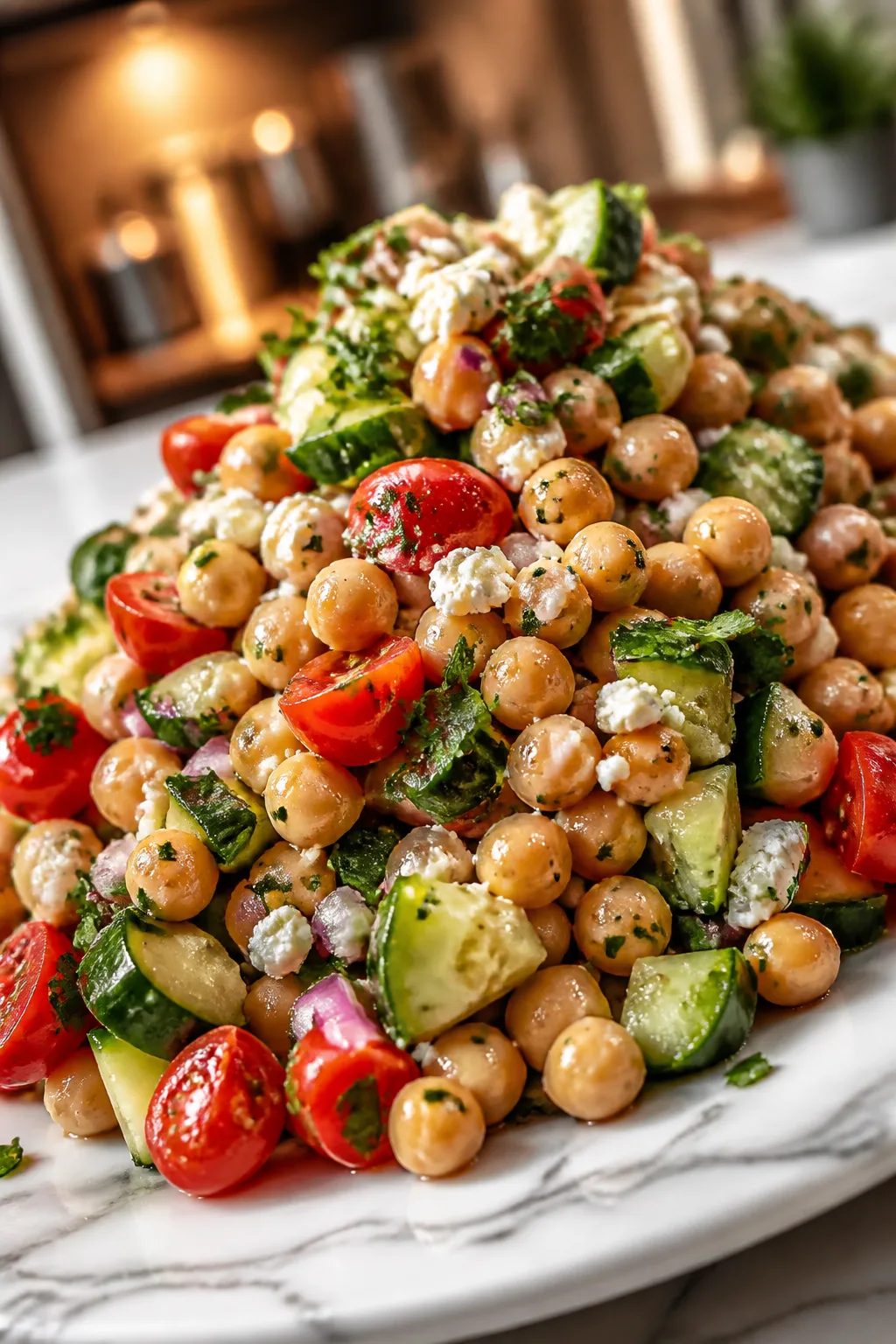
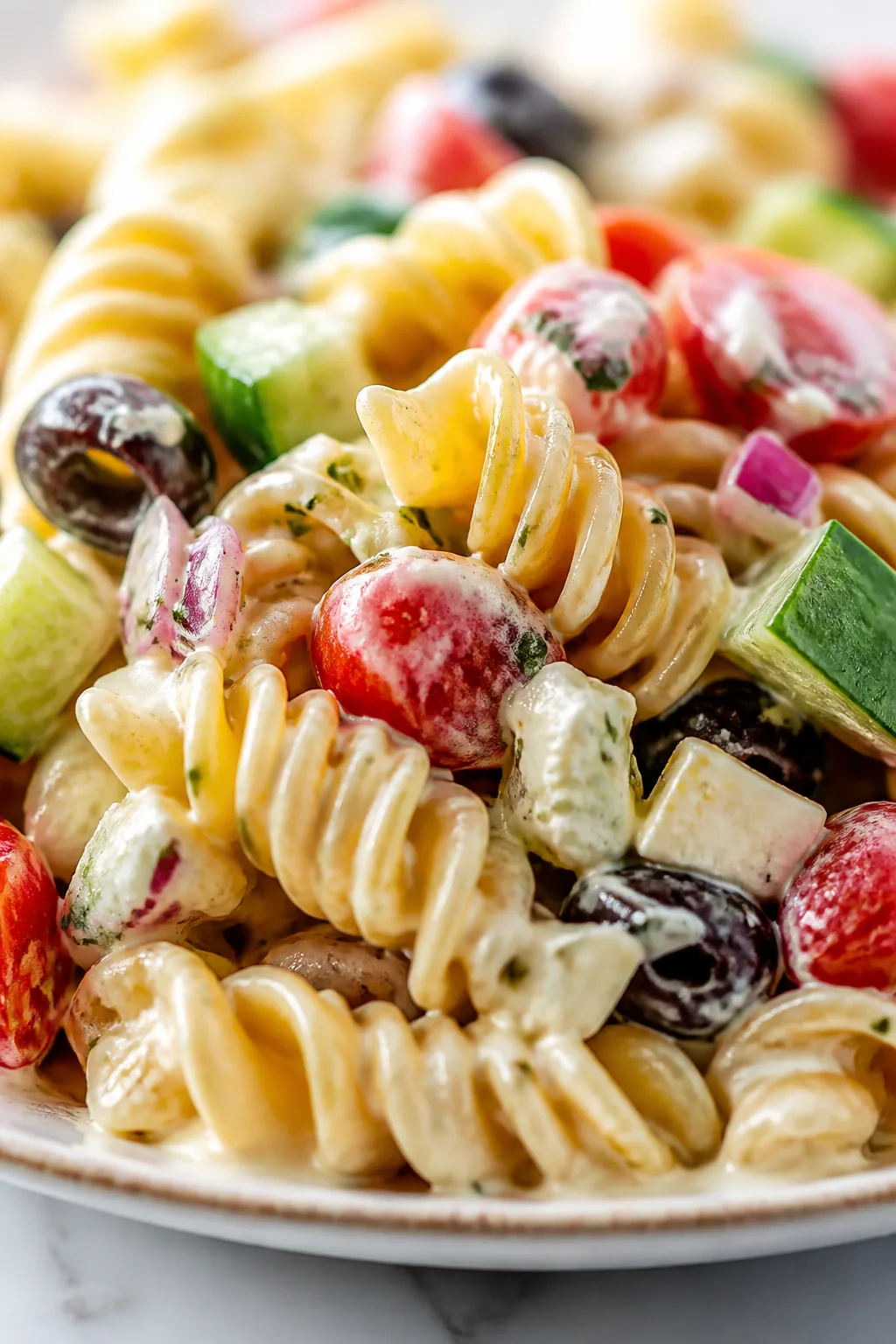
This no-cook salad is my go-to for hot days when the last thing I want is to turn on the stove. The lemon juice adds a fresh zing that really wakes up the flavors. Great for quick lunches or a light dinner!
Introduction
I first stumbled upon this no-cook salad during a particularly hot summer when I just didn’t want to stand over a stove. It quickly became a favorite because it’s so fresh and satisfying without heating up the kitchen. What makes this version stand out is the bright lemon juice dressing that really ties all the veggies together. Plus, I like to use fresh parsley for a little herbal punch that feels light but flavorful. One trick I’ve learned is to slice the veggies just right—not too thick—so every bite is crisp and refreshing. This salad is perfect for quick lunches or light dinners when you want something easy but tasty. Honestly, it’s become my go-to when I’m craving freshness with zero fuss. The colors alone make it feel like a mini celebration on your plate, and the zing from the lemon just wakes everything up. If you’re looking for something fast, healthy, and delicious, this salad won’t disappoint.
How To Do It
Step 1
Start by preparing all your vegetables. Halve the cherry tomatoes, dice the cucumber and red bell pepper, and thinly slice the red onion. Cutting the veggies uniformly ensures an even texture and makes the salad easier to eat. Be careful not to slice the onion too thickly as it can overpower the other flavors. Taking your time here really pays off because the freshness and crispness of the veggies are the stars of this no-cook dish.
⏱ Time: 10 minutes
✓ Doneness: Vegetables are evenly cut with consistent size and texture.
Step 2
In a large mixing bowl, combine the chopped parsley with the prepared vegetables. Parsley adds a fresh, slightly peppery note that brightens the salad. Toss gently to distribute the herbs evenly without bruising the leaves. This step is important because it layers the flavors and makes sure every bite has a bit of that herby freshness.
⏱ Time: 3 minutes
✓ Doneness: Herbs are evenly mixed in without wilting or bruising.
Step 3
Whisk together the freshly squeezed lemon juice, extra virgin olive oil, salt, and pepper in a small bowl. The lemon juice should be fresh for the brightest flavor; bottled lemon juice won’t give the same zing. The olive oil balances the acidity and adds a smooth mouthfeel. Season carefully with salt and pepper—you want the dressing to enhance but not overpower the veggies.
⏱ Time: 2 minutes
✓ Doneness: Dressing is emulsified with a smooth, bright appearance.
Step 4
Pour the lemon dressing over the vegetable mix and toss gently but thoroughly to coat all the pieces. Tossing evenly is key so every bite gets the bright lemon flavor. Avoid over-tossing, which can bruise the vegetables and make the salad watery. The goal is a light, fresh coating that enhances the natural crunch and taste of the veggies.
⏱ Time: 2 minutes
✓ Doneness: Salad is evenly coated with dressing and looks vibrant.
Step 5
Let the salad sit for about 10 minutes at room temperature before serving. This resting time allows the flavors to meld and the lemon to slightly soften the vegetables without losing their crunch. Skipping this step means the flavors might be a bit sharp and less integrated, so it’s worth the wait!
⏱ Time: 10 minutes
✓ Doneness: Salad looks vibrant and smells fresh with a hint of lemon.
Step 6
Taste the salad before serving and adjust seasoning if needed. Sometimes the lemon juice can mellow out, so a little extra salt or pepper might be necessary. This final tasting step ensures the salad is perfectly balanced and suits your palate.
⏱ Time: 2 minutes
✓ Doneness: Flavors are balanced with a pleasant tang and seasoning.
Step 7
Serve the salad chilled or at room temperature. It pairs wonderfully with grilled meats or can stand alone as a light meal. If you’re packing it for lunch, keep the dressing separate until just before eating to maintain maximum freshness and crunch.
⏱ Time: 0 minutes
✓ Doneness: Salad served fresh with crisp texture intact.
Step 8
If making ahead, store the salad and dressing separately in airtight containers. This prevents sogginess and keeps the veggies crisp. Combine just before serving for the best texture and flavor experience.
⏱ Time: 0 minutes
✓ Doneness: Salad and dressing stored separately and fresh.
Step 9
Garnish with extra parsley or a sprinkle of freshly cracked black pepper if desired for an extra pop of flavor and color. These little finishing touches make the salad feel special and inviting.
⏱ Time: 1 minute
✓ Doneness: Salad looks vibrant and appetizing with fresh garnish.
Pro Tips
Use freshly squeezed lemon juice for the dressing.
Fresh lemon juice contains volatile oils and bright aromatics that bottled juice lacks, which really makes the dressing pop. Using bottled juice can result in a dull, flat flavor that won’t brighten the salad effectively.
Chop all vegetables uniformly for consistent texture.
Uniform chopping ensures every bite has the same crunch and flavor balance. If pieces are too large or uneven, some bites can be overwhelmingly juicy or tough, which disrupts the eating experience.
Let the salad rest for 10 minutes before serving.
This resting time allows the lemon to slightly soften the vegetables and the flavors to meld, creating a more harmonious and balanced taste. Serving immediately can feel sharp and less integrated.
Toss the salad gently to avoid bruising.
Vigorous tossing can break down the vegetables and release too much moisture, making the salad watery and less crisp. A gentle toss ensures even dressing coverage without damaging the texture.
Store dressing separately if making ahead.
Keeping the lemon dressing separate until serving prevents the vegetables from becoming soggy and losing their crisp texture, especially if the salad will be stored for several hours.
Use a good quality extra virgin olive oil.
High-quality olive oil adds a fruity, peppery richness that complements the lemon and vegetables. Lower quality oils can taste bitter or flat, detracting from the salad’s freshness.
Thinly slice red onion to balance sharpness.
Thin slices mellow the onion’s pungency and integrate better with the other ingredients. Thick slices can overpower the salad’s delicate flavors and create an unbalanced bite.
Common Mistakes to Avoid
Using bottled lemon juice instead of fresh
Why it happens Many people grab bottled lemon juice for convenience, not realizing it lacks the fresh brightness and aromatic qualities of fresh lemons.
Fix Always squeeze fresh lemons for the dressing. It takes just a minute and dramatically improves the salad’s flavor with vibrant acidity and fresh citrus notes.
Chopping vegetables unevenly
Why it happens Rushing or not paying attention to size leads to uneven pieces, which affects texture and flavor distribution.
Fix Take your time to cut vegetables into uniform pieces. This ensures balanced bites and consistent texture throughout the salad.
Skipping the resting time before serving
Why it happens Impatience or thinking the salad is ready right after tossing can lead to sharp, unbalanced flavors.
Fix Let the salad rest 10 minutes after tossing to allow flavors to meld and the lemon to soften the vegetables slightly for a better taste experience.
Over-tossing and bruising the salad
Why it happens Vigorous tossing can break down delicate vegetables, releasing too much moisture and making the salad soggy.
Fix Toss gently just enough to coat the ingredients evenly with dressing without damaging their texture.
Adding too much salt initially
Why it happens Salting without tasting can lead to over-seasoning, making the salad too salty.
Fix Add salt gradually and taste as you go, adjusting seasoning at the end for perfect balance.
Variations
Add Feta Cheese for Creamy Tang
Sprinkle crumbled feta cheese over the salad for a creamy, salty contrast that pairs beautifully with the lemon dressing. This addition makes the salad heartier and perfect as a light main dish.
Note: Add feta just before serving to prevent it from becoming soggy or overpowering the fresh vegetable flavors.
Include Avocado for Extra Creaminess
Dice ripe avocado and gently fold it into the salad for a smooth texture and mild flavor that balances the lemon’s acidity. It adds healthy fats and makes the salad more filling.
Note: Add avocado last and toss gently to avoid mashing it; serve immediately to prevent browning.
Spicy Kick with Red Pepper Flakes
Sprinkle a pinch of red pepper flakes into the dressing to add a subtle heat that livens up the fresh flavors. Great if you like a bit of spice without overpowering the salad.
Note: Adjust the amount of red pepper flakes to taste; start small as it can quickly become too spicy.
Swap Parsley for Fresh Basil
Replace parsley with fresh basil for a sweeter, aromatic herbal note that changes the salad’s flavor profile. Basil adds a summery vibe and pairs well with the lemon and tomatoes.
Note: Chop basil just before tossing to retain its fragrance and prevent wilting.
Add Cooked Quinoa for Protein Boost
Mix in cooked and cooled quinoa to turn this salad into a more substantial meal with extra protein and fiber. It’s a great option for vegetarians or those wanting a filling lunch.
Note: Ensure quinoa is fully cooled before mixing to keep the salad crisp and prevent wilting.
Nutrition
Per Serving:
Nutritional values are estimates and may vary based on specific ingredients used.
Storage & Tips
Room Temperature
This salad can safely sit at room temperature for up to 2 hours when covered. Beyond that, refrigeration is recommended to maintain freshness and food safety.
Refrigerator
Store the salad in an airtight container for up to 2 days. Note that the vegetables may soften and lose some crispness when chilled. For best texture, serve at room temperature or add fresh lemon juice before serving.
Freezer
Freezing is not recommended for this salad as the fresh vegetables will become mushy and lose their texture once thawed.
Reheating
No reheating needed or recommended since this is a fresh, no-cook salad. Serve chilled or at room temperature for best flavor and texture.
Make Ahead
Prepare and chop the vegetables up to 1 day ahead and store them separately in airtight containers. Make the dressing fresh on the day of serving and toss just before eating to keep the salad crisp and vibrant.
FAQ
Can I use bottled lemon juice instead of fresh?
While bottled lemon juice can work in a pinch, it lacks the bright, fresh flavor and aromatic oils of fresh lemon juice. For the best taste and brightness, I highly recommend using freshly squeezed lemon juice. It makes a noticeable difference in the salad’s flavor.
How long can I store this salad before it gets soggy?
The salad is best eaten within 1-2 days if stored properly in the fridge. To avoid sogginess, keep the dressing separate and toss just before serving. The vegetables will soften over time once dressed, so fresh tossing preserves crispness.
Can I add proteins like chicken or beans to this salad?
Absolutely! Adding cooked chicken, chickpeas, or beans can make this salad more filling and turn it into a complete meal. Just add them fresh and toss with the dressing to keep everything balanced.
What’s the best way to slice the onion to avoid strong pungency?
Thinly slicing the red onion helps mellow its sharpness and integrate smoothly with the other ingredients. You can also soak the slices in cold water for 10 minutes to reduce pungency before adding to the salad.
Can I substitute parsley with other herbs?
Yes, fresh basil, cilantro, or mint work well as substitutes depending on your flavor preference. Each herb changes the flavor profile slightly, so choose one that complements the lemon and veggies.
Is it okay to add the dressing earlier than 10 minutes before serving?
You can add the dressing earlier, but letting the salad rest at least 10 minutes helps the flavors meld and the lemon soften the veggies slightly. If you add the dressing too early, the salad might become soggy.
How do I keep the salad from becoming watery?
Avoid over-tossing and chopping vegetables too finely. Also, keep the dressing separate until just before serving, and don’t let the salad sit too long after dressing to maintain crispness.
Can I use other types of tomatoes?
Yes, grape tomatoes or diced regular tomatoes can work, but cherry tomatoes are preferred for their sweetness and firm texture that hold up well in a no-cook salad.
Final Thoughts
I hope you give this refreshing no-cook salad a try—it’s such a simple way to enjoy fresh veggies with a bright lemon kick. Let me know how it turns out and what variations you love!