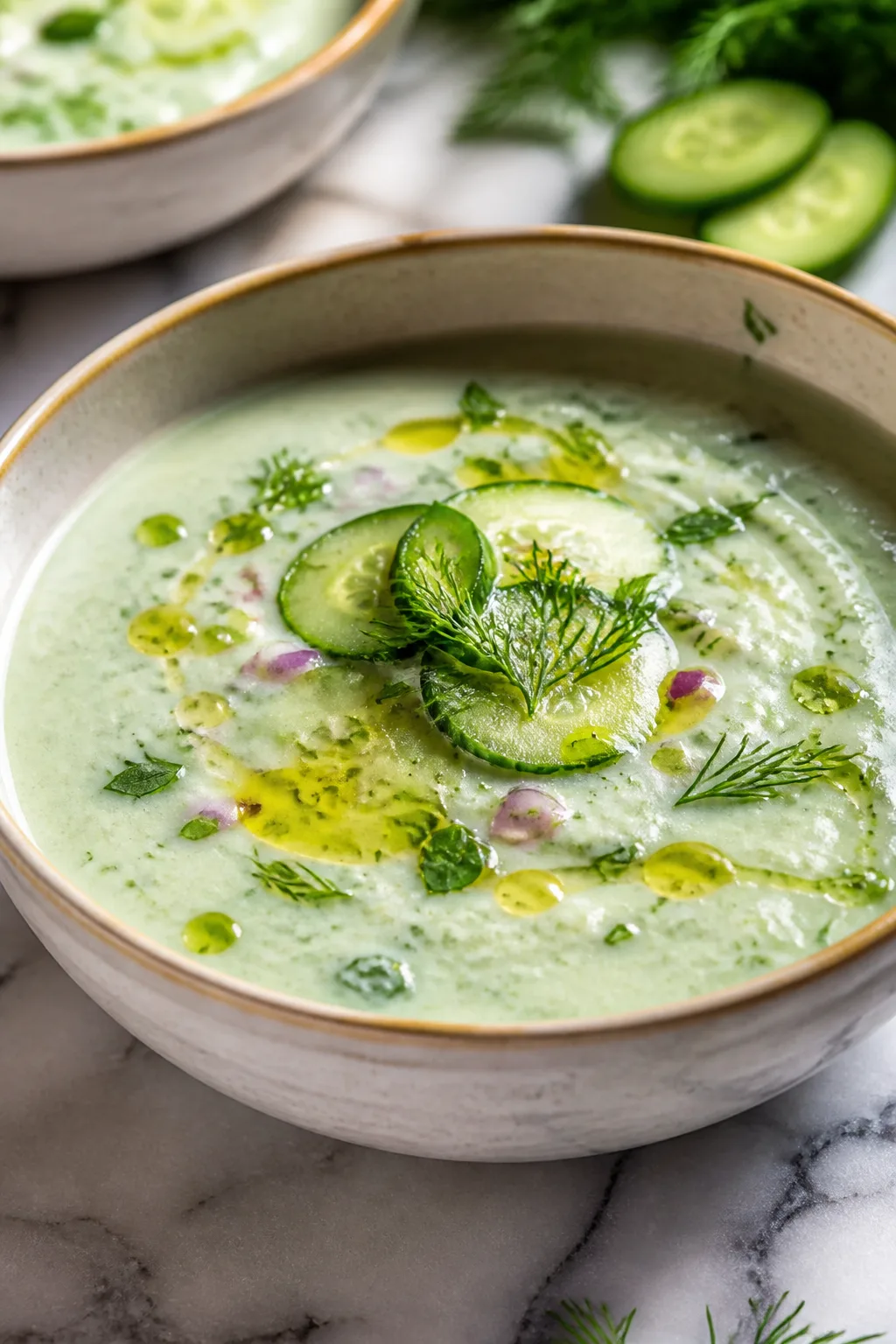
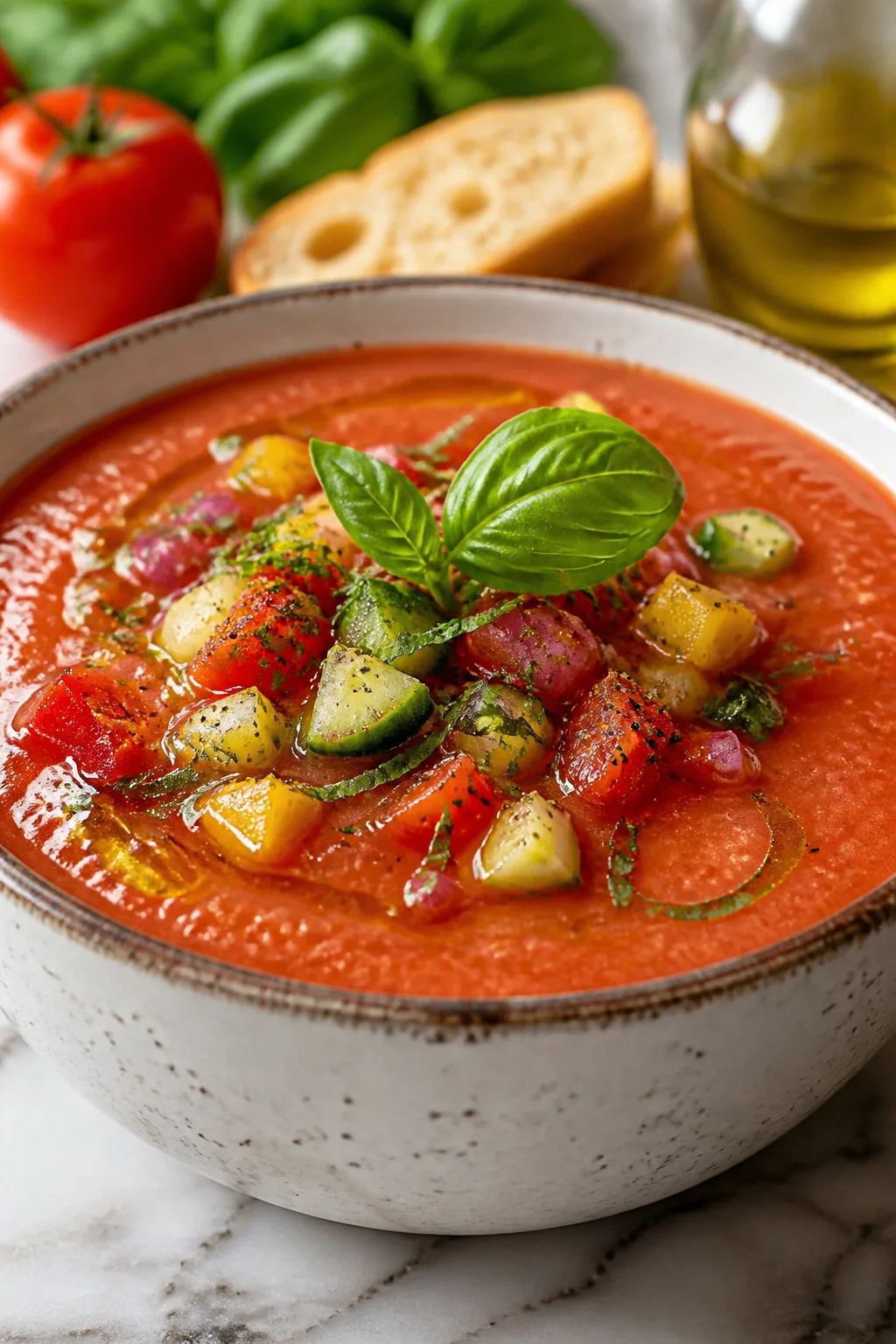
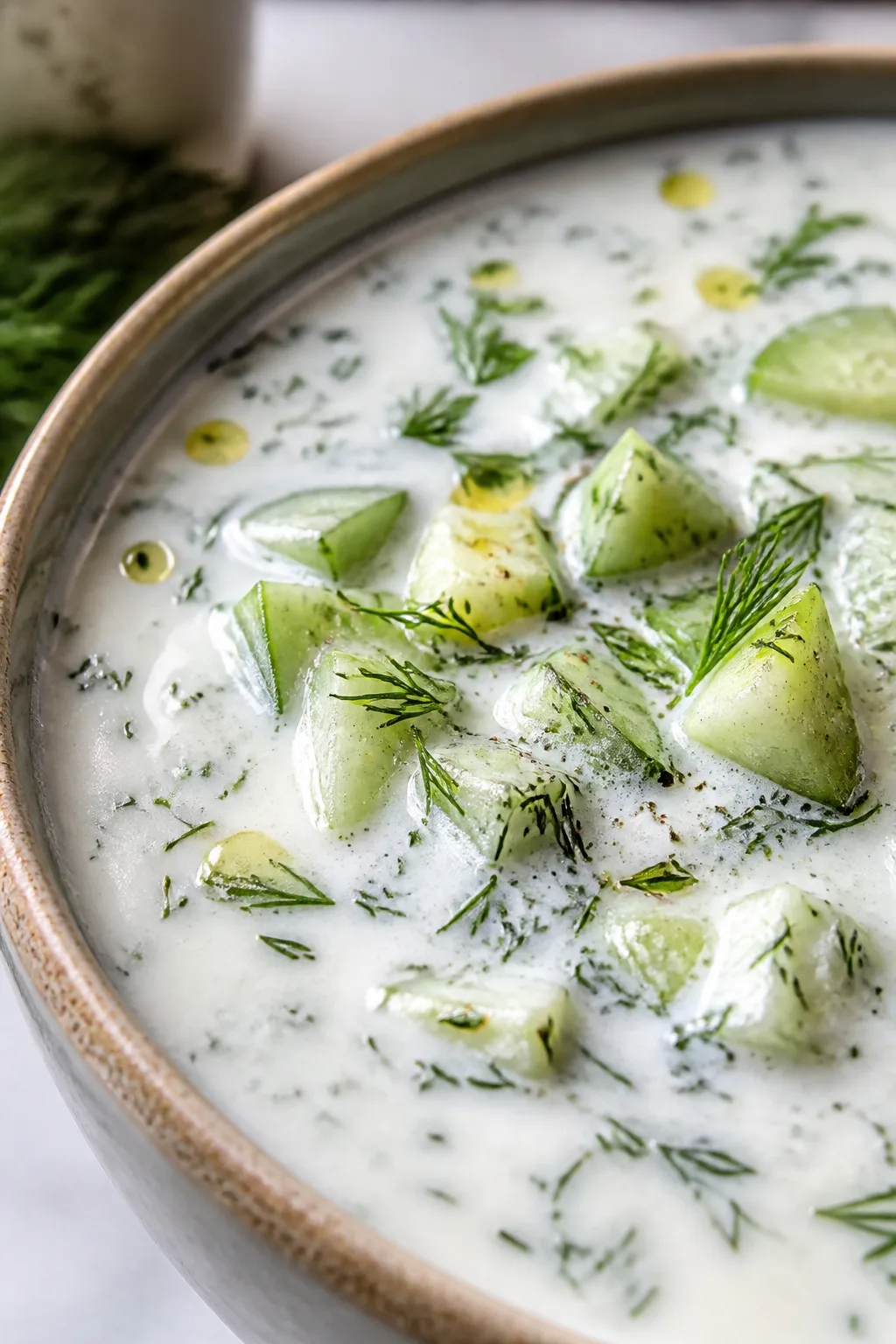
This no-cook gazpacho is a vibrant, fresh soup that’s super easy and fast to whip up. I love how the raw veggies blend into a cool, tangy bowl of summer goodness—perfect for a quick lunch or light dinner!
Introduction
I first stumbled upon this no-cook gazpacho recipe during a particularly hot summer when I just couldn't bear turning on the stove. It quickly became a staple in my kitchen because it’s so refreshingly simple yet packed with flavor. Unlike traditional gazpachos that sometimes call for blending and then cooking briefly, this version is just about tossing fresh ingredients together and letting the flavors mingle. One trick I learned is to let the soup chill for at least an hour before serving — this really helps the flavors develop and meld into something vibrant and balanced. I also like peeling the cucumber to keep the texture silky smooth, which makes each spoonful feel like a cool breeze on a scorching day. The finished soup is bright red and slightly chunky, with a lovely tang from the vinegar and a gentle kick from the garlic. It’s perfect for a light lunch or a refreshing starter when you want to keep things healthy and hassle-free. Honestly, it’s saved me many times from the heat and hunger combo!
What You'll Need
Approximately 4 cups, 4 servings
- 4 large ripe tomatoes, chopped
- 1 cucumber, peeled and diced
- 1 red bell pepper, seeded and chopped
- 1 small red onion, chopped
- 2 cloves garlic, minced
- 3 tablespoons extra virgin olive oil
- 2 tablespoons red wine vinegar
- 1 cup cold water
- Salt and freshly ground black pepper, to taste
- Fresh basil or parsley for garnish
How To Do It
Step 1
Start by preparing all your vegetables. Chop the tomatoes, cucumber, red bell pepper, and onion into small, uniform pieces. This not only helps the flavors combine better but also makes the soup easier to eat. Avoid cutting them too large, or the soup will feel chunky and uneven. Make sure to peel the cucumber to avoid any bitterness and to keep the texture smooth. This prep step is important because fresh, evenly chopped veggies are the foundation of this soup’s refreshing character.
⏱ Time: 10 minutes
✓ Doneness: Vegetables should be uniformly chopped into small pieces, about ¼ inch in size, with cucumber peeled
Step 2
In a large bowl, combine the chopped tomatoes, cucumber, red bell pepper, and onion. Add the minced garlic, olive oil, and red wine vinegar. Pour in the cold water to loosen the mixture and help blend the flavors. Stir everything gently but thoroughly to make sure the oil emulsifies slightly with the vinegar and liquids. This step is crucial because the olive oil adds richness while the vinegar brightens the soup, creating a balanced flavor profile. Don’t rush here; letting the ingredients sit and mingle is key.
⏱ Time: 5 minutes
✓ Doneness: Soup mixture should look slightly emulsified with a consistent, vibrant color throughout
Step 3
Season the soup with salt and freshly ground black pepper to taste. Start with a small amount and adjust after chilling because flavors often intensify as the soup rests. Taste the mixture and add more seasoning if needed. This step is important because proper seasoning brings out the natural sweetness of the tomatoes and balances the acidity of the vinegar. Remember, seasoning at this stage sets the foundation for the entire dish.
⏱ Time: 2 minutes
✓ Doneness: Soup tastes balanced with a slight tang, not overly salty or bland
Step 4
Cover the bowl with plastic wrap or a lid and refrigerate the soup for at least one hour. This chilling time allows the flavors to meld beautifully and the soup to become deliciously cold. Skipping this step means the flavors won’t develop fully, and the soup may taste flat or harsh. Also, serving it cold makes it much more refreshing, especially on a hot day.
⏱ Time: 60 minutes
✓ Doneness: Soup is chilled through and flavors taste well combined and mellowed
Step 5
Before serving, give the soup a gentle stir and taste again for seasoning. Adjust salt or vinegar if necessary. Ladle the soup into bowls and garnish with fresh basil or parsley leaves for a pop of color and herbaceous freshness. This final step adds a lovely aroma and enhances the presentation, making it feel special and inviting.
⏱ Time: 3 minutes
✓ Doneness: Soup is well mixed, garnished, and smells fresh and inviting
Step 6
Serve the gazpacho chilled, ideally with crusty bread or a light salad. The soup’s cool, tangy nature pairs wonderfully with crunchy bread that can soak up the flavors. This pairing makes it a satisfying yet light meal perfect for warm weather. Enjoy immediately for the best taste and texture.
⏱ Time: 2 minutes
✓ Doneness: Soup served cold with garnishes and accompaniments
Step 7
If you want a smoother texture, you can pulse the soup a few times in a blender before chilling. This creates a more uniform consistency but still keeps it fresh and vibrant. Be careful not to over-blend, or you’ll lose the delightful chunkiness that makes gazpacho so enjoyable. This technique is optional and depends on your texture preference.
⏱ Time: 3 minutes
✓ Doneness: Soup texture is slightly chunky but blended evenly when pulsed
Step 8
For extra flavor depth, try adding a splash of fresh lemon juice or a pinch of smoked paprika before chilling. These additions can brighten the soup or add a subtle smoky note, enhancing the complexity without overpowering the fresh veggies. Experiment to find your favorite twist!
⏱ Time: 2 minutes
✓ Doneness: Soup has an added flavor note but remains balanced and fresh
Step 9
Lastly, if you want to make this ahead for a gathering, prepare it the night before and keep it covered in the fridge. The flavors actually get better after sitting overnight. Just stir well before serving and garnish freshly. This makes it a fantastic make-ahead summer soup that’s stress-free and always a crowd-pleaser.
⏱ Time: 2 minutes
✓ Doneness: Soup tastes harmonious and fresh even after overnight chilling
Pro Tips
Let the soup chill for at least an hour before serving.
Chilling allows the flavors to meld and mellow, turning raw ingredients into a harmonious dish. If you serve it immediately, the flavors might taste sharp or disconnected. The cold temperature also enhances the soup’s refreshing quality.
Peel the cucumber before chopping.
Peeling removes the bitter skin and seeds, ensuring a smooth texture and clean flavor. Leaving the skin on can introduce bitterness and an unwanted grainy texture, which detracts from the soup’s freshness.
Use a gentle hand when stirring to emulsify the olive oil and vinegar.
Proper emulsification helps coat the vegetables evenly, balancing richness and acidity. Stirring too vigorously can break the emulsion, while too little mixing results in uneven flavor distribution.
Adjust seasoning after chilling, not before.
Flavors intensify as the soup rests, so salt and pepper added too early can make it overly salty. Tasting after chilling ensures you season just right, preserving balance and brightness.
Use fresh garlic but in moderation.
Garlic adds pungency and depth, but too much can overpower the delicate freshness. Mince finely to distribute flavor evenly without overwhelming the other ingredients.
Serve with crusty bread for a satisfying contrast.
The crunchy bread soaks up the flavorful soup and adds texture contrast, turning a light dish into a more filling meal without losing freshness.
Try adding fresh herbs like basil or parsley as garnish.
Herbs add a bright, aromatic note that complements the soup’s fresh flavors and enhances visual appeal, making the dish feel more vibrant and inviting.
Common Mistakes to Avoid
Using underripe or watery tomatoes
Why it happens Sometimes people pick tomatoes that look good but aren’t fully ripe, or use varieties that are too watery, thinking it won’t affect the soup much.
Fix Always choose ripe, firm tomatoes with a deep color for maximum flavor. If tomatoes are watery, strain some liquid or add less cold water to keep the soup flavorful and not diluted.
Skipping the chilling step
Why it happens Impatience or wanting to eat quickly can lead to serving the soup right after mixing.
Fix Plan ahead and refrigerate the soup for at least an hour. This resting time allows flavors to meld and smooths out any harsh raw notes, making the soup taste balanced and refreshing.
Not peeling the cucumber
Why it happens Sometimes people want to save time or think the peel adds nutrients, so they skip peeling.
Fix Peel the cucumber to avoid bitterness and grainy texture. The soup is meant to be smooth and fresh-tasting, so removing the peel is worth the extra minute.
Overusing garlic
Why it happens Garlic lovers might add too much, expecting it to mellow out.
Fix Use garlic sparingly and mince finely. If you want a milder garlic flavor, you can soak the minced garlic in vinegar before adding to the soup to soften its sharpness.
Poor quality olive oil
Why it happens Some use inexpensive or old olive oil to save money or because they don’t realize it impacts flavor.
Fix Invest in a good extra virgin olive oil with fresh, fruity notes. It significantly enhances the soup’s richness and overall taste.
Variations
Spicy Gazpacho
Add a diced jalapeño or a pinch of cayenne pepper to the soup for a spicy kick. The heat pairs beautifully with the coolness of the vegetables and brightens the overall flavor. Great for those who like a little fire in their summer meal.
Note: Adjust the amount of chili carefully; too much can overpower the fresh flavors and make the soup too hot for some.
Green Gazpacho
Swap red tomatoes for green tomatoes or tomatillos and add fresh herbs like cilantro and mint. This twist gives the soup a tangy, herbaceous flavor with a vibrant green color, perfect for a fresh summer appetizer.
Note: Green tomatoes are more acidic, so balance with a bit more olive oil or a touch of honey if needed.
Creamy Avocado Gazpacho
Blend in a ripe avocado to add creaminess without cooking. This variation makes the soup richer and more filling while keeping it fresh and light. It’s wonderful served with a squeeze of lime and extra herbs.
Note: Add avocado just before serving to prevent browning and maintain vibrant color.
Gazpacho with Cucumber Yogurt
Stir in some plain Greek yogurt for a tangy, creamy version. It adds protein and a smooth texture while keeping the soup cool and refreshing. Perfect for a light lunch or snack.
Note: Add yogurt gradually and stir gently to avoid curdling; serve immediately for best texture.
Chunky Gazpacho Salad
Skip blending and serve the chopped veggies as a chunky salad dressed with olive oil, vinegar, and herbs. It’s a great alternative for those who prefer a textural bite and can be served alongside grilled meats or seafood.
Note: Keep vegetables chopped uniformly and season well to ensure each bite is flavorful.
Nutrition
Per Serving:
Nutritional values are estimates and may vary based on specific ingredients used.
Storage & Tips
Room Temperature
Because this soup is made from fresh raw ingredients, it should not be left out at room temperature for more than 2 hours. Cover it with plastic wrap or a lid to prevent contamination if left briefly.
Refrigerator
Store gazpacho in an airtight container in the fridge for up to 3 days. The flavors will deepen but the texture may soften slightly. It’s best served cold and does not require reheating.
Freezer
Freezing is not recommended for this soup because the fresh vegetables and olive oil separate and become watery upon thawing, compromising texture and flavor.
Reheating
Gazpacho is meant to be served cold and should not be reheated. If you prefer a warm soup, consider a traditional cooked tomato soup instead.
Make Ahead
You can prepare the gazpacho base a day ahead and refrigerate covered. Add fresh herbs, olive oil, and seasoning just before serving to keep flavors bright and fresh.
FAQ
Can I use canned tomatoes instead of fresh?
Fresh tomatoes are best because they provide natural sweetness and texture essential to gazpacho. Canned tomatoes are often too watery and lack the fresh flavor. If you must use canned, choose high-quality whole peeled tomatoes, drain excess liquid, and adjust seasoning accordingly.
How long can I store gazpacho in the fridge?
Gazpacho keeps well for up to 3 days in the refrigerator when stored in an airtight container. Over time, the vegetables may soften and the flavors intensify, which some people enjoy. Just stir before serving to redistribute flavors.
Can I freeze gazpacho?
Freezing gazpacho is not recommended because the raw vegetables and olive oil separate after thawing, resulting in a watery soup with poor texture. It’s best enjoyed fresh or refrigerated for a few days.
What if I don’t have red wine vinegar?
You can substitute with sherry vinegar, white wine vinegar, or even apple cider vinegar. Each will slightly change the flavor profile, but all add the necessary acidity to brighten the soup. Avoid using balsamic vinegar as it’s too sweet and heavy.
Can I make gazpacho spicier?
Absolutely! Add diced jalapeño, a pinch of cayenne pepper, or a few drops of hot sauce to taste. Start small and adjust gradually to keep the soup balanced and fresh.
Should I peel the tomatoes?
Peeling tomatoes is optional but recommended if you want a smoother texture. To peel, blanch tomatoes in boiling water for 30 seconds and then transfer to ice water; the skins will slip off easily. Leaving skins on adds texture but may be tougher to eat.
Can I use a blender instead of chopping by hand?
Yes, blending the soup can create a smoother, creamier gazpacho. Just pulse gently to keep some texture. Over-blending can make it too watery or mushy, so blend in short bursts.
What’s the best way to season gazpacho?
Start with salt and pepper, then adjust after chilling since flavors intensify. Adding a little sugar can balance acidity if needed. Fresh herbs like basil or parsley also enhance flavor without overpowering.
Final Thoughts
Give this no-cook gazpacho a try next time you want something fresh and easy. I’d love to hear how it turns out for you—don’t forget to share your thoughts and tweaks!