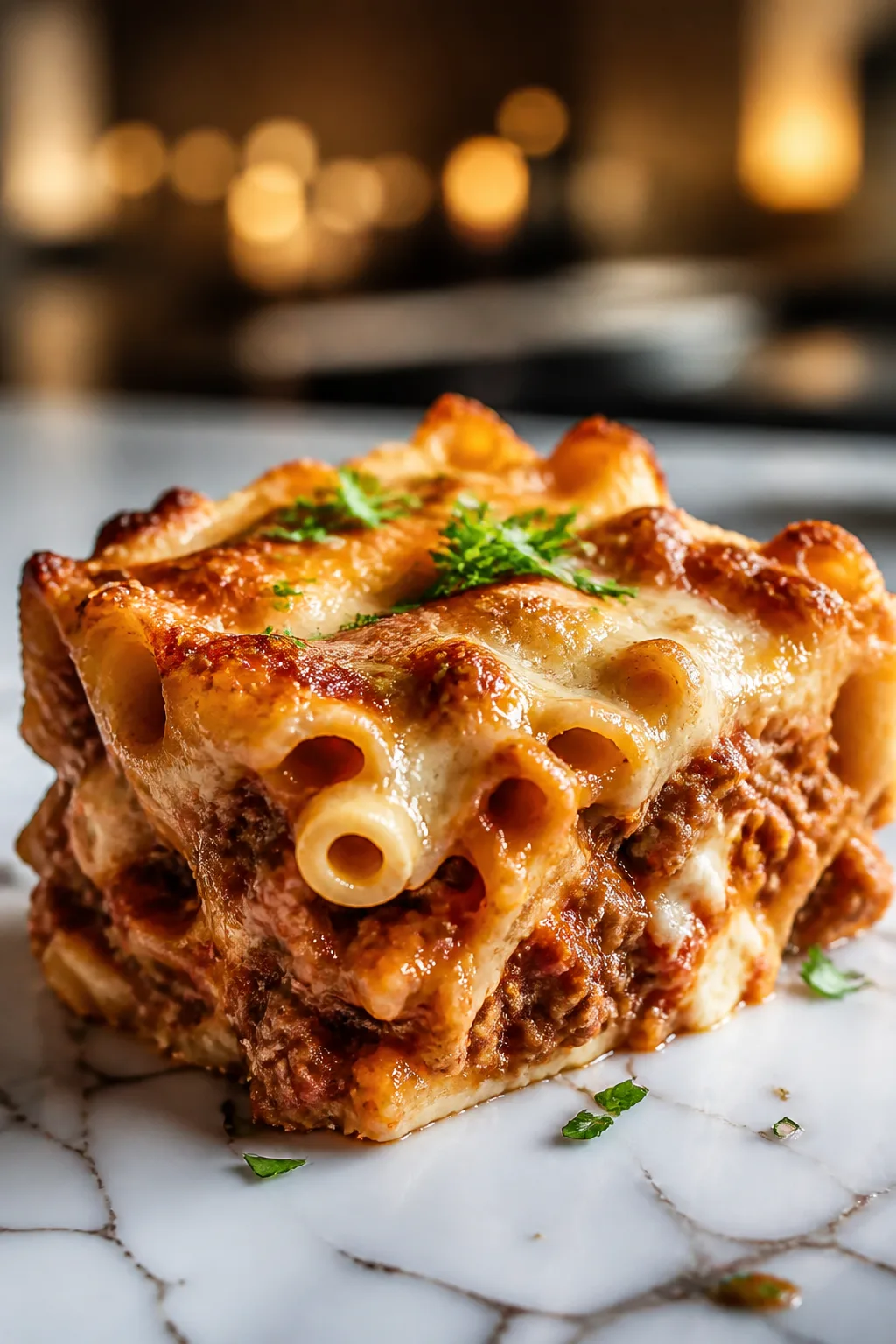
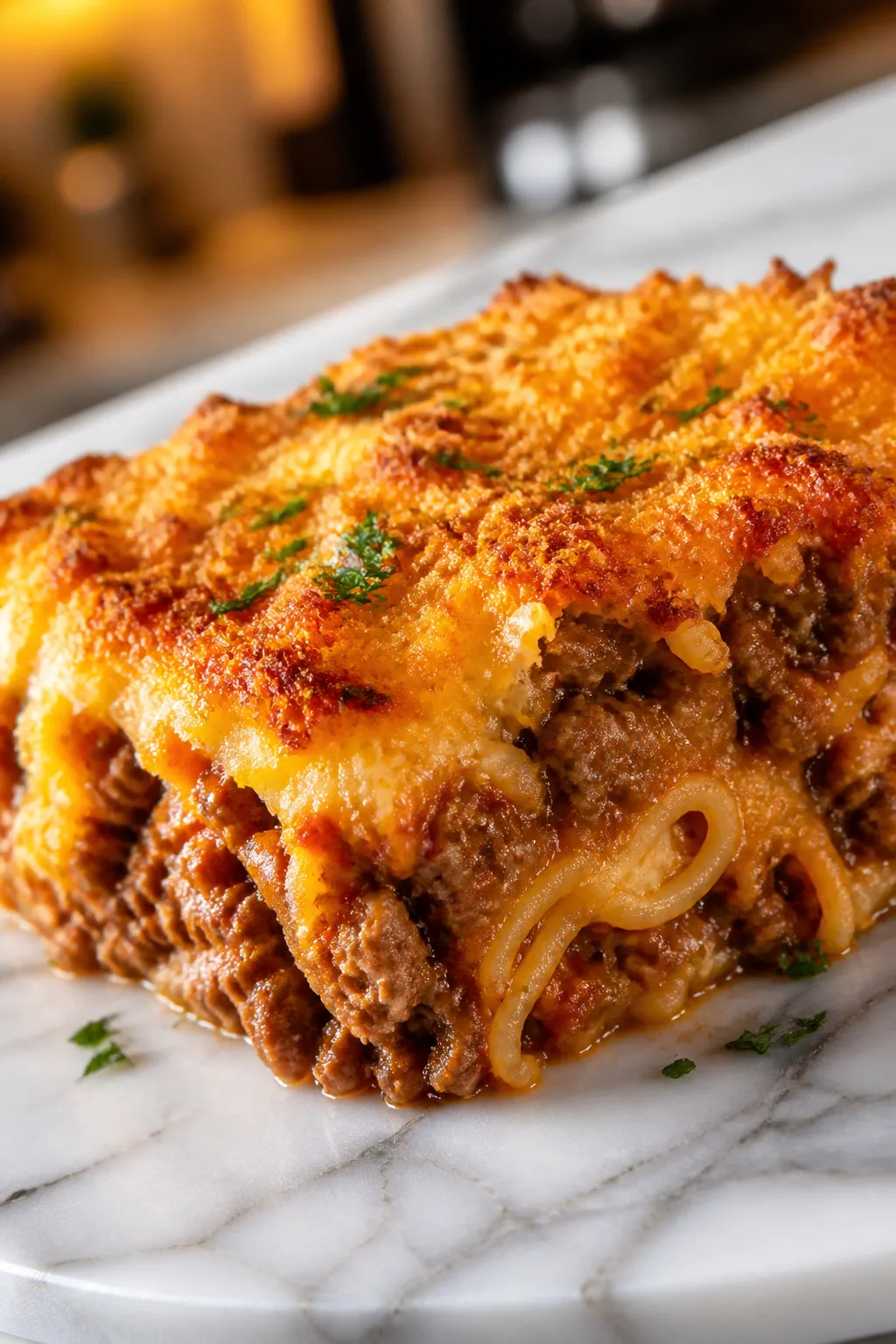
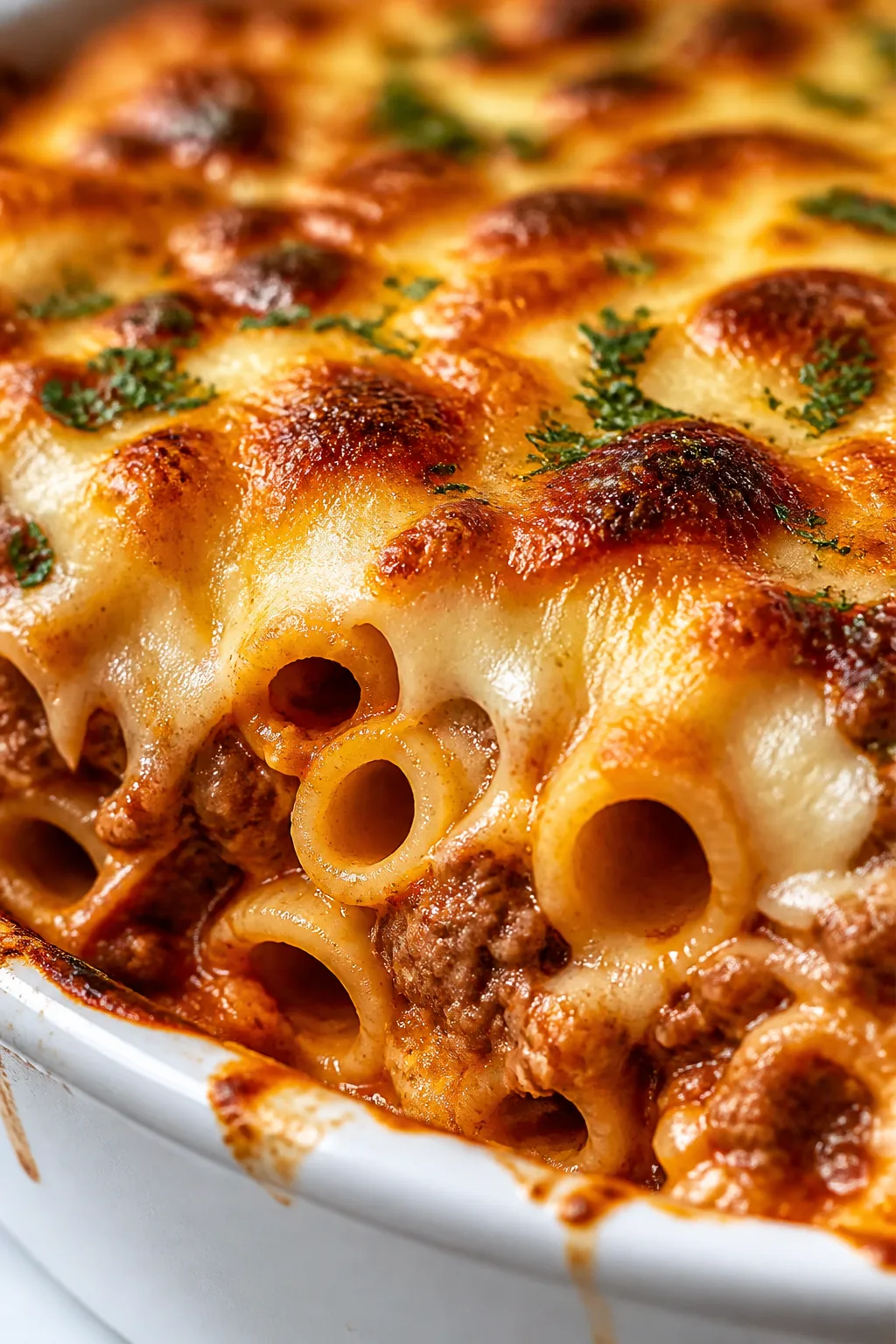
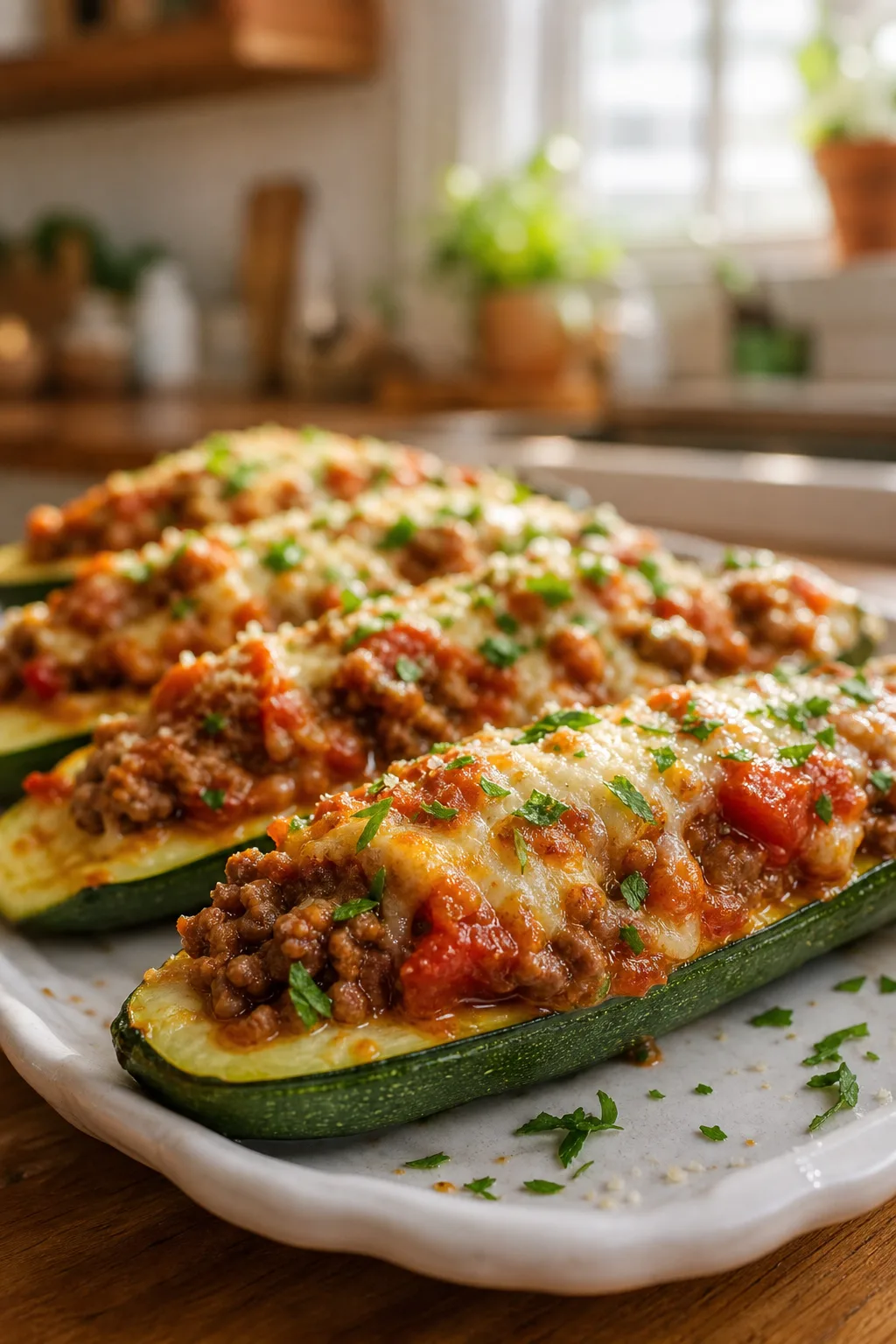
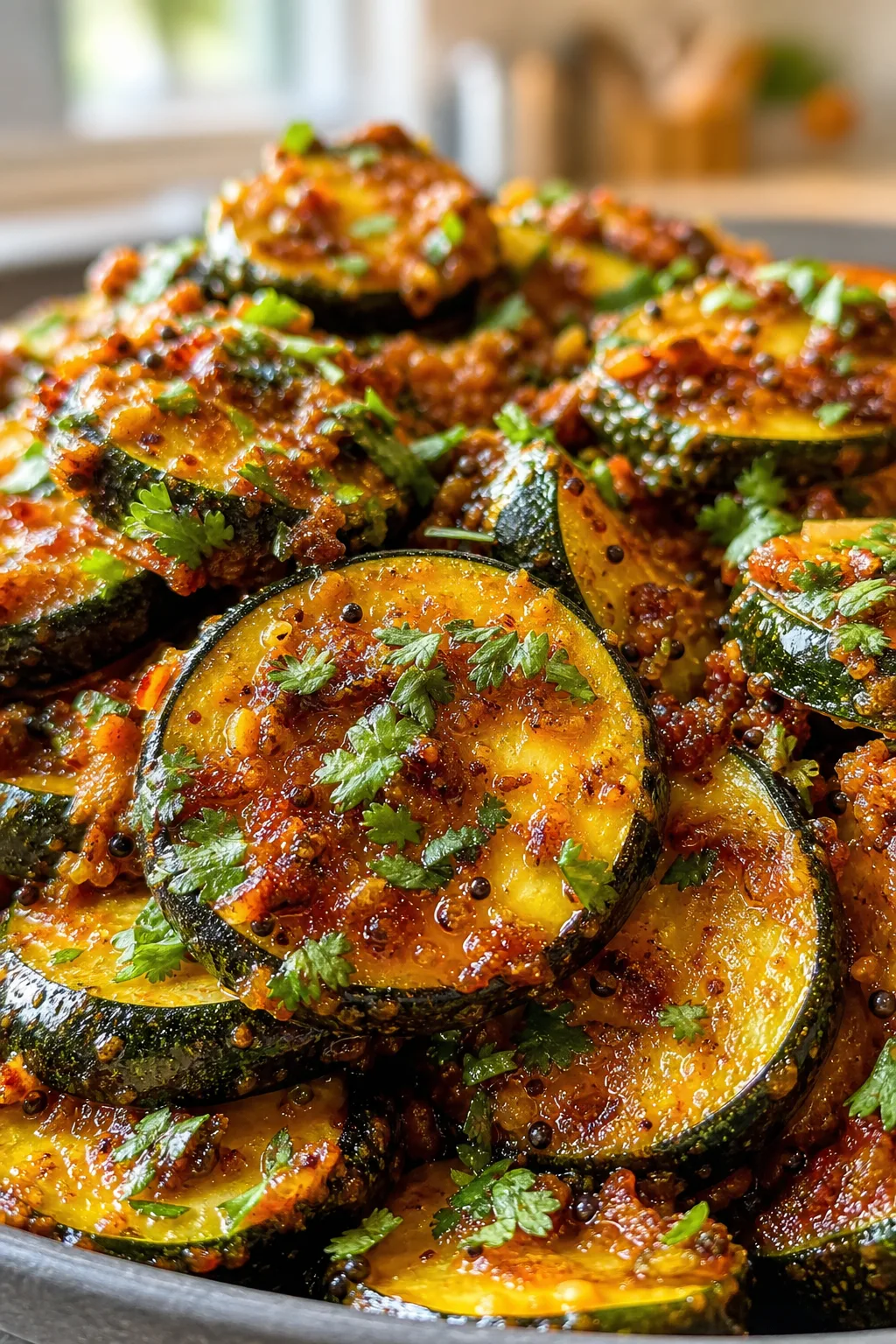
This chicken casserole skips the canned soup and uses fresh ingredients for a comforting dinner. The homemade sauce adds a rich flavor, and it’s perfect for busy weeknights when you want something hearty but quick.
Introduction
I remember the first time I tried to make a chicken casserole without using canned soup—it was a total experiment. Most casseroles I’d grown up with relied heavily on those canned soup shortcuts, which are easy but sometimes leave the dish feeling a bit one-note and overly salty. So, I set out to create a version that’s fresh, flavorful, and still quick enough for weeknight dinners. What makes this recipe special is the homemade sauce made from scratch using milk, chicken broth, and a touch of flour to thicken it up. It’s rich and creamy without that processed taste. Plus, I toss in fresh veggies like broccoli and bell peppers to add color and nutrition. The trick I learned early on was to cook the chicken just right—tender but not dry—and to let the sauce thicken slowly to avoid lumps. The final casserole is golden on top with melty cheese and bursting with fresh, comforting flavors. It’s the kind of dish that feels like a warm hug after a busy day, and my family always asks for seconds. I think you’ll love how easy and satisfying this one is!
How To Do It
Step 1
Heat the olive oil in a large skillet over medium-high heat. Add the diced chicken pieces in a single layer and cook without stirring for 3-4 minutes to get a nice golden sear. Then stir and cook another 2-3 minutes until the chicken is just cooked through but still juicy. Avoid overcrowding the pan to ensure the chicken browns properly instead of steaming. This step is key for flavor development and juicy texture.
⏱ Time: 7 minutes
✓ Doneness: Chicken pieces are opaque and lightly browned on the outside
Step 2
Add the diced onion, minced garlic, mushrooms, bell pepper, and broccoli to the skillet with the chicken. Cook over medium heat, stirring occasionally, until the vegetables soften and the onions become translucent, about 5 minutes. This releases the vegetables’ natural sweetness and builds depth in the casserole. Don’t rush this step or the veggies will taste raw and the sauce won’t be as flavorful.
⏱ Time: 5 minutes
✓ Doneness: Vegetables are tender and fragrant
Step 3
In a separate small bowl, whisk together the milk, chicken broth, and flour until smooth. Pour this mixture into the skillet with the chicken and veggies. Stir constantly over medium heat until the sauce thickens, about 5-7 minutes. The flour will absorb the liquid and create a creamy base without lumps. Keep stirring to prevent sticking and burning on the pan bottom.
⏱ Time: 7 minutes
✓ Doneness: Sauce is thick and coats the back of a spoon
Step 4
Season the sauce with dried thyme, paprika, salt, and pepper. Taste and adjust seasoning as needed. Herbs and spices elevate the flavor, so don’t skip this! The paprika adds a subtle smoky warmth that pairs beautifully with the chicken.
⏱ Time: 2 minutes
✓ Doneness: Sauce is evenly seasoned and aromatic
Step 5
Add the cooked rice to the skillet and stir well to combine everything evenly. The rice soaks up the sauce and helps bind the casserole. Use day-old rice if possible for better texture; fresh rice can turn mushy.
⏱ Time: 2 minutes
✓ Doneness: Ingredients are fully incorporated and creamy
Step 6
Preheat your oven to 375°F (190°C). Transfer the chicken and rice mixture into a greased 9x9-inch baking dish, spreading it out evenly. This ensures the casserole cooks uniformly and browns nicely on top.
⏱ Time: 5 minutes
✓ Doneness: Mixture is evenly spread and ready for cheese topping
Step 7
Sprinkle the shredded cheddar cheese and grated Parmesan evenly over the top of the casserole. The cheeses melt and create a golden, bubbly crust that contrasts with the creamy filling underneath. Don’t skimp on the cheese here—it really makes the dish sing.
⏱ Time: 3 minutes
✓ Doneness: Cheese layer is even and ready to melt
Step 8
Bake the casserole in the preheated oven for 20-25 minutes until the cheese is melted and golden brown around the edges. Baking allows the flavors to meld and the top to crisp up beautifully. Keep an eye on it towards the end to avoid burning.
⏱ Time: 25 minutes
✓ Doneness: Cheese is bubbly and golden brown
Step 9
Remove from oven and let the casserole rest for 5 minutes before serving. This resting time helps the sauce thicken further and makes it easier to serve neat portions. Garnish with fresh chopped parsley for a pop of color and freshness.
⏱ Time: 5 minutes
✓ Doneness: Casserole is set and slightly cooled for best texture
Pro Tips
Sear the chicken without overcrowding the pan.
Overcrowding traps moisture and causes the chicken to steam rather than brown, which reduces flavor development. Searing in batches if necessary ensures a nice crust that boosts the overall taste and texture of the casserole.
Whisk the flour into the cold milk and broth before heating.
This prevents lumps from forming when the mixture thickens. Starting with a smooth slurry ensures an even, creamy sauce that clings to the chicken and veggies perfectly.
Use day-old cooked rice if you can.
Freshly cooked rice contains more moisture and can become mushy when baked. Day-old rice has dried out slightly, so it holds its shape better and absorbs the sauce without turning soggy.
Let the casserole rest before serving.
Resting allows the sauce to thicken and flavors to meld, making it easier to cut neat portions. Serving immediately can result in a runnier texture and less defined flavors.
Don’t skip the fresh vegetables.
They add texture, color, and nutrition that canned soup versions lack. Fresh veggies also brighten the flavor profile and keep the dish feeling light yet comforting.
Use freshly grated cheese instead of pre-shredded.
Pre-shredded cheese often contains anti-caking agents that can affect melting and texture. Freshly grated cheese melts more smoothly and creates a better crust on top.
Season the sauce well before baking.
Sauces can taste flat if under-seasoned. Adding herbs and spices at this stage allows the flavors to penetrate the mixture deeply, resulting in a more balanced and flavorful casserole.
Common Mistakes to Avoid
Overcooking the chicken until dry.
Why it happens It’s easy to leave chicken in the pan too long, especially when multitasking, resulting in dry, tough meat that ruins the casserole’s texture.
Fix Cook chicken just until opaque and lightly browned, about 5-7 minutes total. It will finish cooking in the oven, so avoid overcooking in the skillet to keep it juicy.
Adding flour directly to hot liquid.
Why it happens Pouring flour directly into hot milk or broth causes lumps and uneven sauce texture because the starches clump together instantly.
Fix Whisk flour into cold milk and broth first to make a smooth slurry. Then add gradually to the pan while stirring constantly to ensure a creamy, lump-free sauce.
Using fresh rice instead of day-old.
Why it happens Fresh rice has too much moisture and breaks down during baking, resulting in a mushy casserole instead of a nicely textured dish.
Fix Cook rice a day ahead and refrigerate uncovered to dry slightly. This helps the grains hold their shape and absorb sauce without becoming soggy.
Skipping seasoning or under-seasoning.
Why it happens Beginners often forget that canned soups contain a lot of salt and flavor, so homemade versions need careful seasoning to avoid blandness.
Fix Taste the sauce before baking and adjust salt, pepper, and herbs. Don’t be shy with spices like paprika and thyme—they add essential depth.
Not letting the casserole rest after baking.
Why it happens Impatience can lead to serving immediately, which causes the sauce to be runny and the casserole to fall apart when portioned.
Fix Allow 5-10 minutes of resting time after baking to let the sauce thicken and flavors meld for a stable, delicious casserole.
Variations
Creamy Mushroom and Spinach Chicken Casserole
Swap out the broccoli and bell peppers for sautéed mushrooms and fresh spinach. The spinach wilts into the sauce, adding earthiness and nutrients. This variation is a little richer and great if you love leafy greens.
Note: Add spinach at the end of sautéing to avoid overcooking, and reduce broccoli cooking time since spinach wilts quickly.
Cheesy Bacon Chicken Casserole
Add cooked, crumbled bacon into the mix before baking for a smoky, salty twist. The bacon fat also adds extra flavor to the sauce, making the casserole even more indulgent.
Note: Drain excess bacon fat to avoid greasiness, and reduce added salt to balance the salty bacon.
Gluten-Free Chicken Casserole
Use cornstarch or a gluten-free flour blend instead of all-purpose flour to thicken the sauce. This keeps the casserole creamy and safe for gluten-sensitive eaters without sacrificing texture.
Note: Cornstarch thickens faster, so whisk it with cold liquid and add gradually. Cook sauce until it just thickens to avoid a gummy texture.
Spicy Chicken Casserole with Jalapeños
Add diced jalapeños and a pinch of cayenne pepper for a spicy kick. This variation works great if you like a bit of heat and want to brighten the flavors with some spice.
Note: Adjust spice levels to taste and add jalapeños early in the sauté to mellow their heat.
Mexican-Style Chicken and Rice Casserole
Swap in diced tomatoes, corn, and black beans. Season the sauce with cumin and chili powder for a southwestern flair. Top with pepper jack cheese instead of cheddar for extra flavor.
Note: Drain canned beans and tomatoes well to avoid excess liquid. Adjust spices carefully to balance flavors.
Nutrition
Per Serving:
Nutritional values are estimates and may vary based on specific ingredients used.
Storage & Tips
Room Temperature
You can keep the casserole at room temperature for up to 2 hours covered loosely with foil or a clean towel. Beyond that, bacteria can grow, so refrigerate promptly.
Refrigerator
Store leftovers in an airtight container for up to 4 days. The flavor may deepen but the texture can become slightly denser. Reheat gently to avoid drying out the chicken.
Freezer
Freeze the casserole in a freezer-safe container for up to 3 months. Wrap tightly with plastic wrap and foil to prevent freezer burn. Thaw overnight in the fridge before reheating.
Reheating
Reheat in the oven at 350°F (175°C) for 15-20 minutes covered with foil to keep moisture. Alternatively, microwave in short bursts, stirring halfway through. Add a splash of broth or milk if sauce seems dry.
Make Ahead
Prepare the sauce, cook the chicken and veggies, and mix with rice up to 2 days ahead. Store covered in the fridge. Assemble with cheese topping and bake on serving day for freshest results.
FAQ
Can I use chicken thighs instead of breasts?
Absolutely! Chicken thighs add more flavor and stay moist longer. Just cut them into bite-sized pieces and adjust cooking time slightly; thighs may take a minute or two longer to brown and cook through but work wonderfully in this casserole.
What can I substitute for milk in the sauce?
You can use half-and-half or heavy cream for a richer sauce, or unsweetened plant-based milks like almond or oat milk for a dairy-free option. Just keep in mind that thicker creams will make the sauce richer, while plant milks might be thinner, so adjust flour accordingly.
Can I make this casserole vegetarian?
Yes! Replace chicken with firm tofu or chickpeas and use vegetable broth instead of chicken broth. Sauté the veggies as usual and follow the same sauce method. The texture and flavor will be different but still delicious and comforting.
How do I prevent the casserole from getting soggy?
Avoid sogginess by not overcrowding the pan when cooking chicken and vegetables, using day-old rice, and making sure to thicken the sauce properly before baking. Also, drain any excess liquid from veggies to keep the casserole firm.
Can I use frozen vegetables instead of fresh?
While fresh vegetables are best for texture and flavor, you can use frozen if needed. Just thaw and drain them well to remove excess moisture before adding to the casserole, or sauté slightly longer to evaporate water.
Is it okay to make this casserole ahead and freeze it?
Yes, you can assemble the casserole without cheese topping and freeze it. When ready to bake, thaw overnight in the fridge, add cheese, and bake as directed. This helps maintain texture and flavor better than freezing fully baked casserole.
What’s the best way to reheat leftovers without drying them out?
Reheat gently covered in the oven at 350°F with a splash of broth or milk to restore moisture. Microwaving works too, but stir halfway through to heat evenly and prevent drying.
Can I add other grains instead of rice?
Yes, quinoa or cooked barley can be great substitutes for rice. They add different textures and nutrition but keep the same principle of using cooked, cooled grains to avoid mushiness.
Final Thoughts
Give this fresh chicken casserole a try for a comforting, homemade meal without any canned shortcuts. I’d love to hear how it turns out for you—don’t forget to share your thoughts and tweaks!