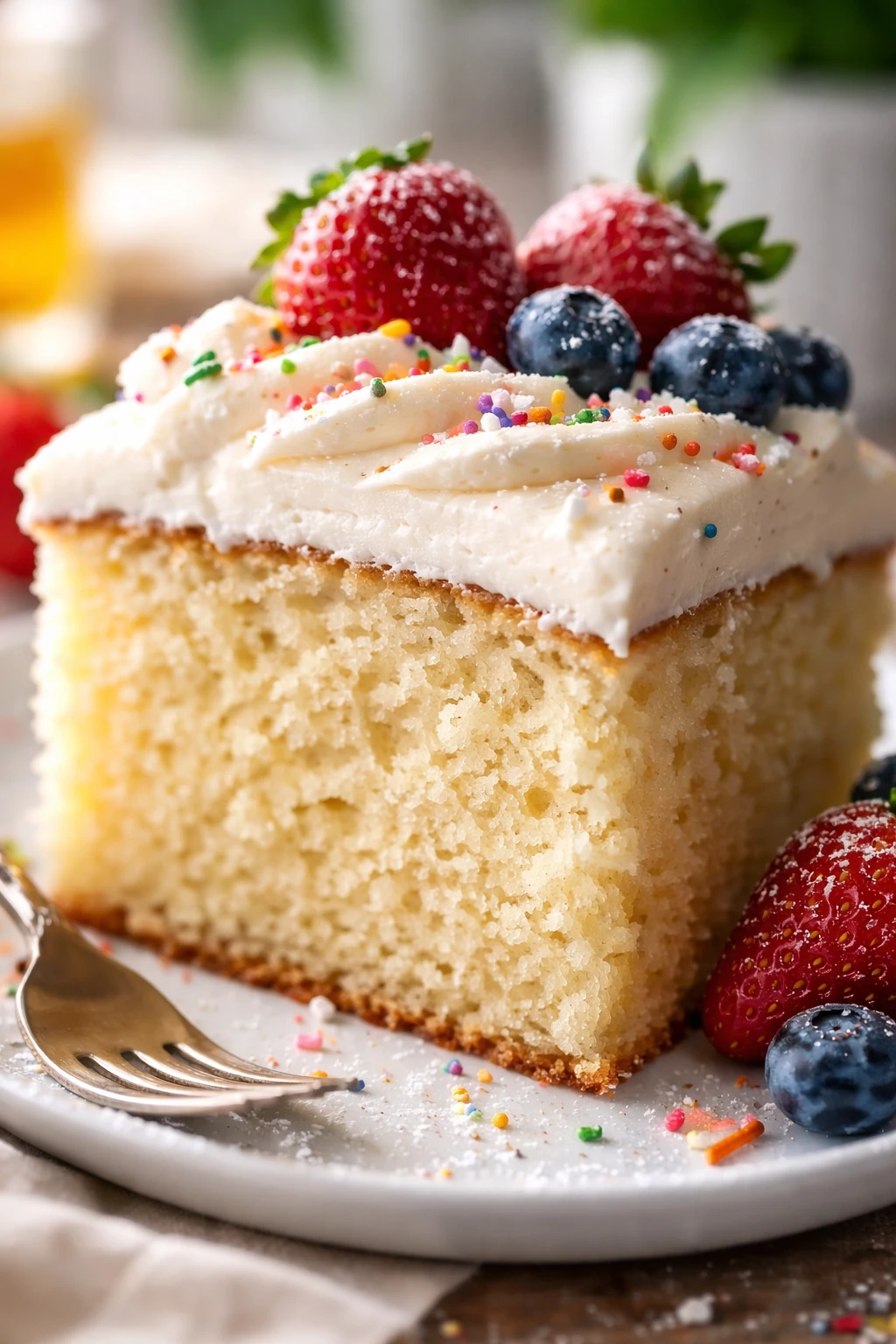
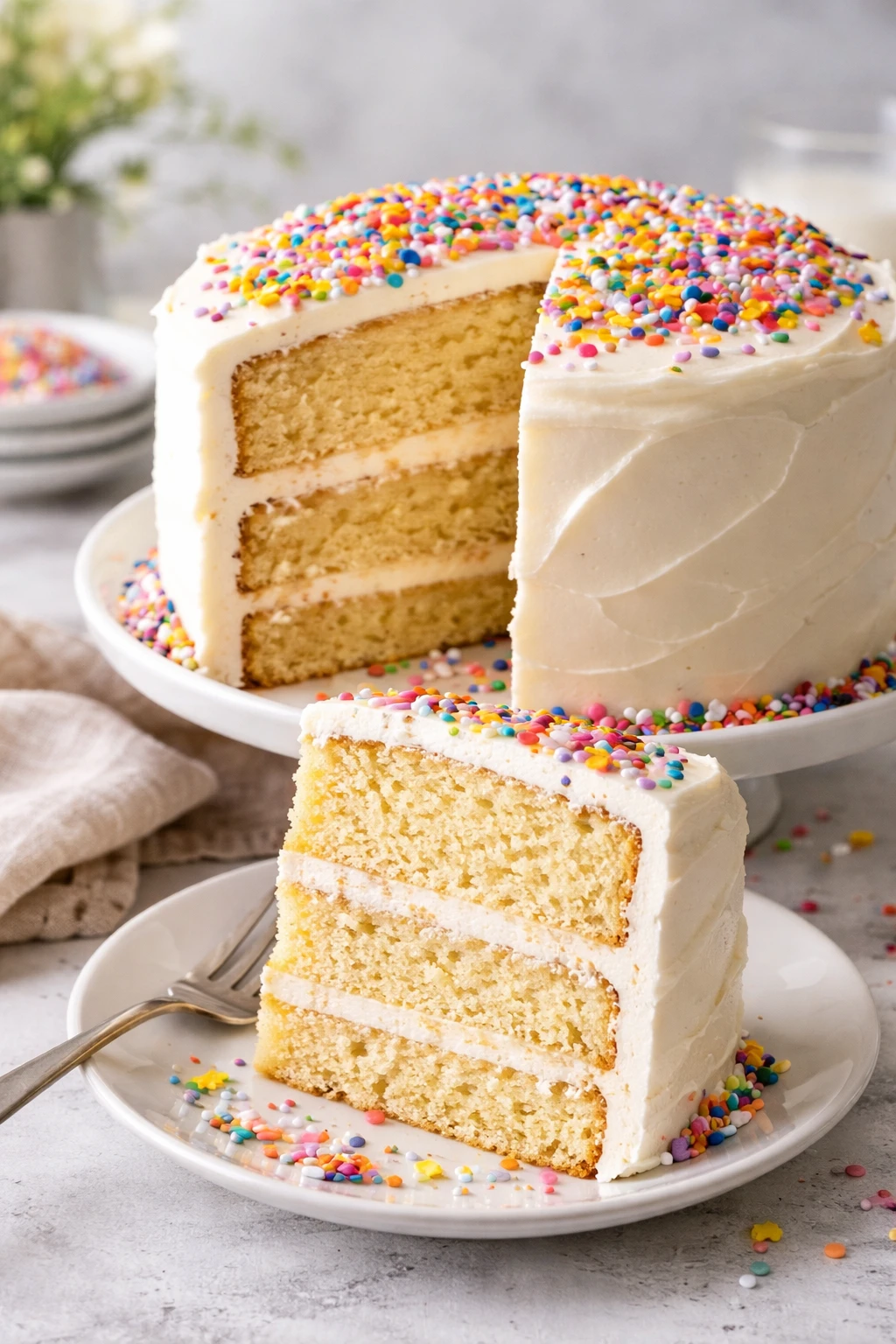
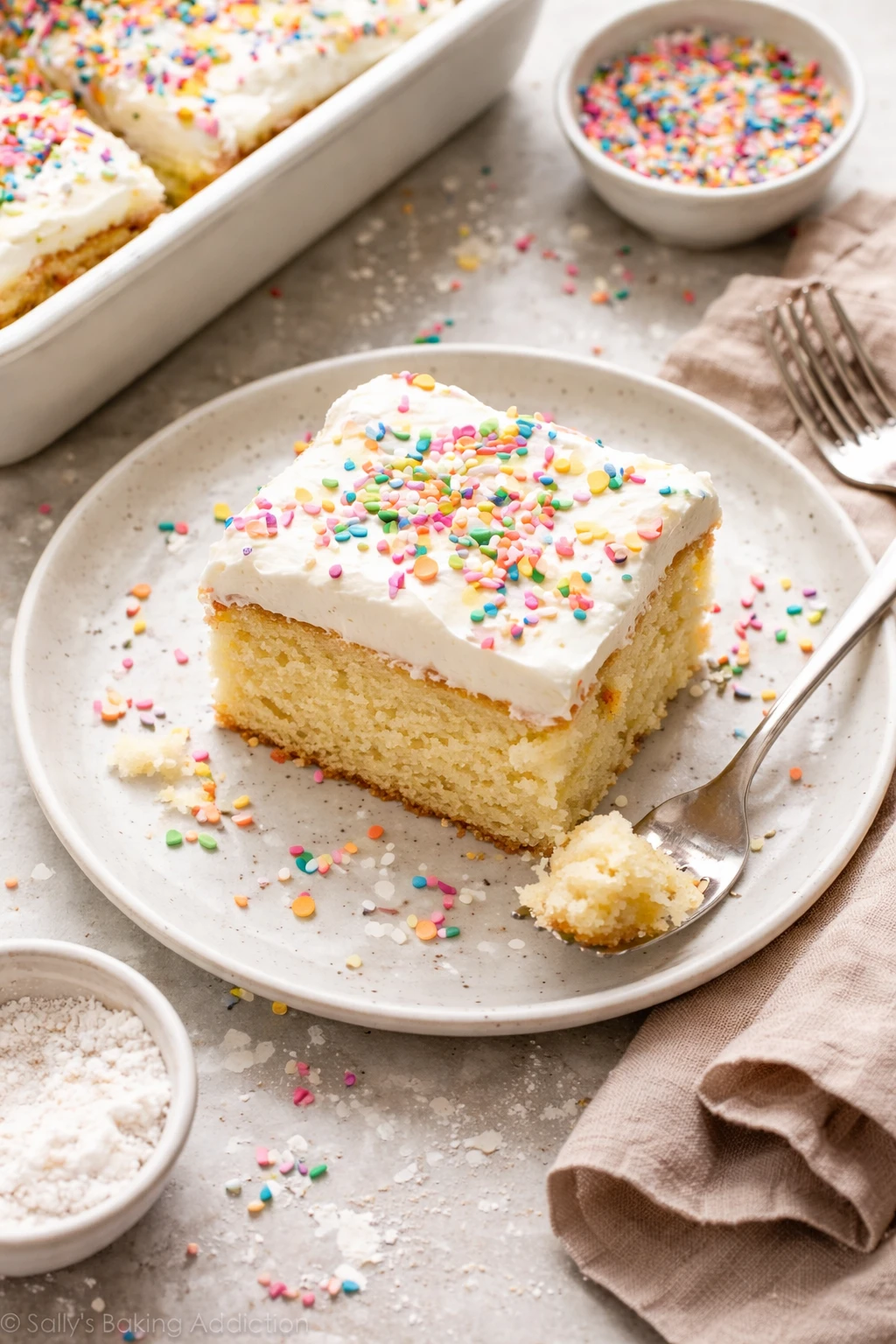
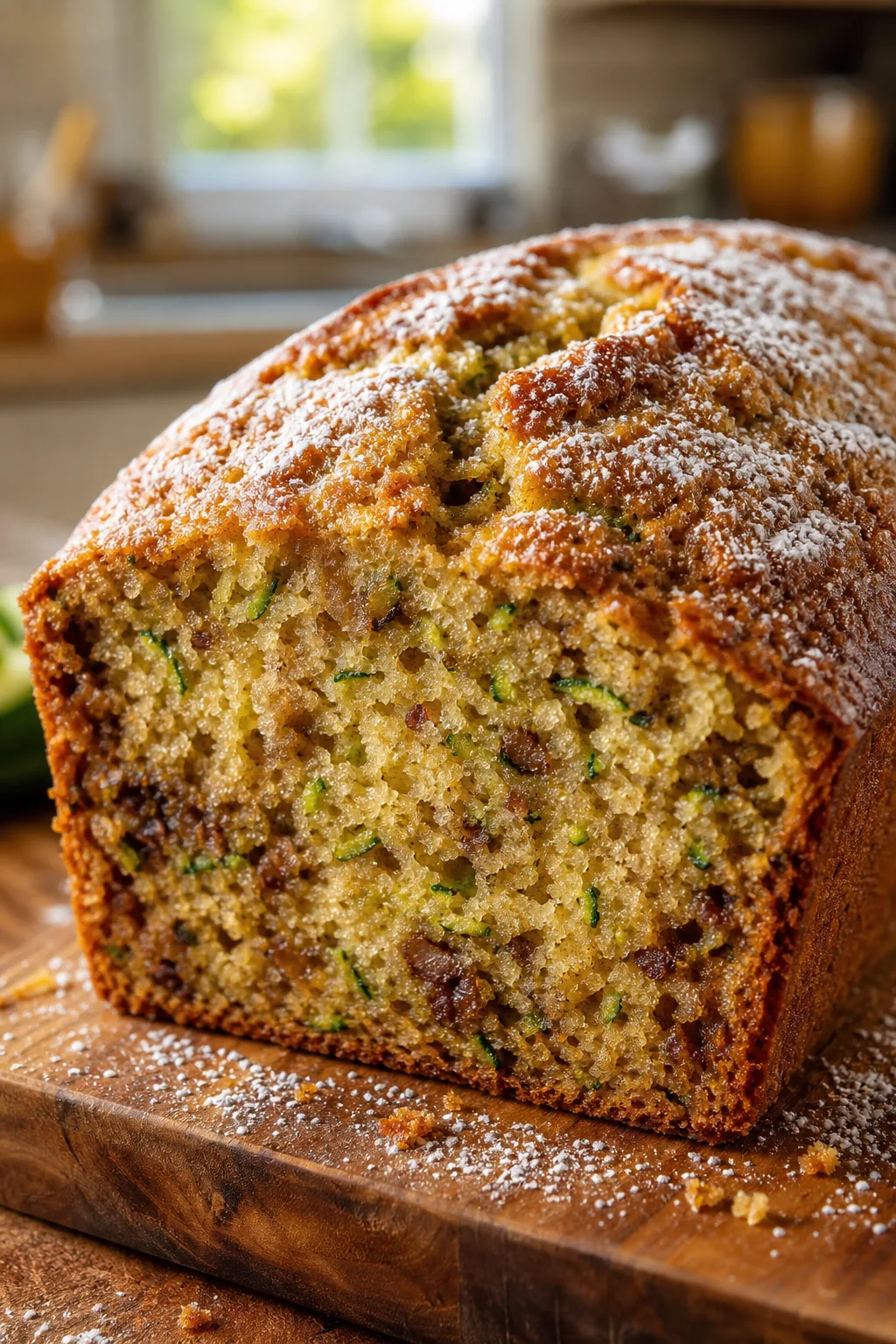
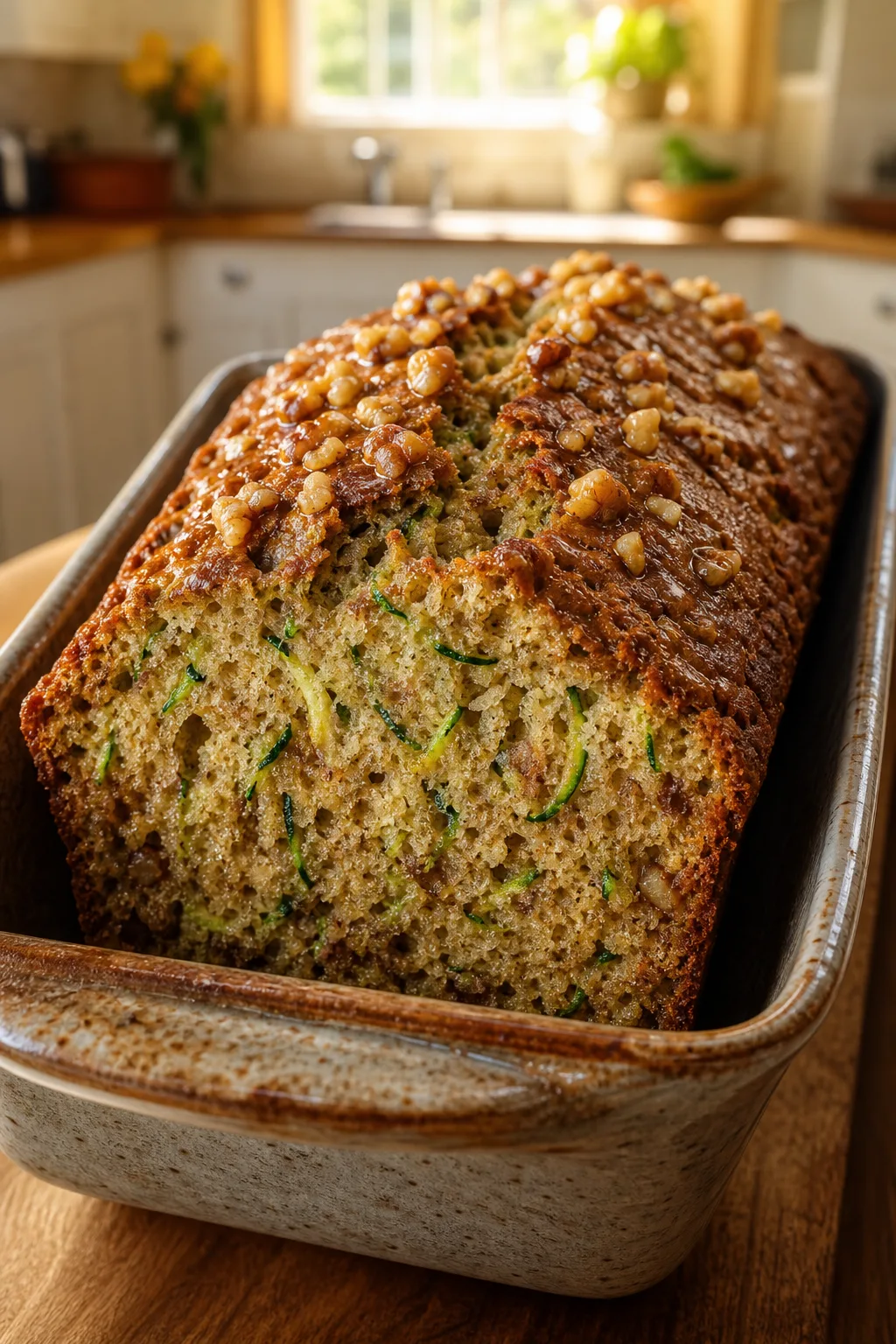
This vanilla cake is a total lifesaver when you want something quick but still impressive. It’s made in one bowl, which means less mess and a super moist crumb every time. Perfect for last-minute birthdays or just because!
Introduction
I stumbled upon this one bowl vanilla cake recipe during a hectic week when I really wanted to bake but didn’t want the usual mess or fuss. Honestly, I was skeptical at first—how good could a cake be if it’s all made in one bowl? But after trying it, I was hooked. The trick is in the order of mixing and the gentle folding technique, which keeps the batter airy and results in a cake that’s moist and tender without being dense. Plus, the vanilla flavor is just right—not overpowering but comforting and warm. I’ve made this cake for casual family dinners and even for last-minute birthday celebrations, and it always gets rave reviews. What I love most is that it doesn’t require separate bowls or complicated steps, so cleanup is a breeze. If you’ve ever been intimidated by baking or just want a simple recipe that delivers, this one’s for you. The finished cake has a beautiful golden crust and a soft crumb that literally melts in your mouth. It’s perfect on its own or with a dusting of powdered sugar or fresh berries. Trust me, once you try this, it’ll become your go-to vanilla cake.
What You'll Need
One 9-inch round cake, 8 servings
- 2 ½ cups (310g) all-purpose flour, sifted
- 2 ½ teaspoons baking powder
- ½ teaspoon salt
- 1 cup (226g) unsalted butter, softened
- 1 ¾ cups (350g) granulated sugar
- 4 large eggs, room temperature
- 1 tablespoon pure vanilla extract
- 1 cup (240ml) whole milk, room temperature
How To Do It
Step 1
Preheat your oven to 350°F (175°C) and grease a 9-inch round cake pan with butter or non-stick spray. Line the bottom with parchment paper for easy removal. This step ensures your cake doesn’t stick and bakes evenly. If you skip greasing properly, the cake might stick to the pan and break apart when you try to remove it.
⏱ Time: 10 minutes
✓ Doneness: Pan is fully greased with no dry spots and parchment fits snugly
Step 2
In a large mixing bowl, whisk together the sifted flour, baking powder, and salt. This dry mix ensures the leavening is evenly distributed throughout the batter, which helps the cake rise uniformly. Skipping sifting can cause lumps or uneven texture.
⏱ Time: 5 minutes
✓ Doneness: Dry ingredients are light, fluffy, and free of lumps
Step 3
Add the softened butter and sugar to the dry ingredients. Using an electric mixer on medium speed, beat until the mixture resembles coarse crumbs. This step helps incorporate air into the batter, which is key for a light texture. Avoid overmixing here, as it can make the cake tough.
⏱ Time: 3-4 minutes
✓ Doneness: Mixture looks crumbly but combined, not greasy or wet
Step 4
Add the eggs one at a time, mixing well after each addition. This gradual incorporation helps emulsify the batter, making it smooth and preventing it from curdling. If you add eggs too quickly, the batter may separate, resulting in a dense cake.
⏱ Time: 4-5 minutes
✓ Doneness: Batter is smooth, glossy, and slightly thickened
Step 5
Stir in the vanilla extract. This boosts the flavor subtly but importantly, giving the cake that warm, inviting aroma. Use pure vanilla extract for best results—artificial flavor can taste harsh.
⏱ Time: 1 minute
✓ Doneness: Vanilla is evenly mixed, batter smells fragrant
Step 6
Reduce mixer speed to low and alternately add the milk and flour mixture in three parts, starting and ending with the flour. Gently fold after each addition just until combined. This technique keeps the batter light and prevents gluten overdevelopment, which would make the cake chewy rather than tender.
⏱ Time: 5 minutes
✓ Doneness: Batter is smooth, thick but pourable, with no streaks of flour
Step 7
Pour the batter into the prepared pan and smooth the top with a spatula. This ensures even baking and a nice flat surface for frosting or serving. Uneven batter can cause lopsided cakes or uneven cooking.
⏱ Time: 2 minutes
✓ Doneness: Batter surface is level and smooth
Step 8
Bake for 28-32 minutes, or until a toothpick inserted in the center comes out clean or with a few moist crumbs. Baking times vary by oven, so start checking at 28 minutes. Overbaking will dry out the cake; underbaking leaves it gooey inside.
⏱ Time: 28-32 minutes
✓ Doneness: Toothpick comes out clean or with moist crumbs, cake edges pull slightly from pan
Step 9
Let the cake cool in the pan for 10 minutes, then run a knife around the edge and invert onto a wire rack to cool completely. Cooling in the pan too long traps steam and softens the crust; removing it too soon can cause breakage.
⏱ Time: 15-20 minutes
✓ Doneness: Cake releases easily from pan and is cool to the touch
Pro Tips
Always use room temperature ingredients for better mixing.
Room temperature butter, eggs, and milk blend more evenly, which helps create a smooth batter and consistent texture. Cold ingredients can cause the batter to curdle or remain lumpy, affecting the final crumb and rise.
Don’t overmix after adding the flour.
Overmixing flour develops gluten, which makes the cake dense and chewy instead of tender and soft. Mixing just until combined keeps the crumb light and fluffy.
Line the cake pan with parchment paper.
This prevents sticking and makes removing the cake easier without breaking the edges. It also protects the cake’s crust and helps it stay intact when you flip it out to cool.
Measure flour by spooning and leveling, not scooping.
Scooping flour directly with a measuring cup compacts it, adding more flour than needed, which can dry out the cake. Lightly spooning flour into the cup and leveling ensures accurate measurement and a moist cake.
Use an electric mixer for creaming butter and sugar.
Creaming traps tiny air bubbles that expand during baking, contributing to a lighter cake. Doing this by hand is possible but takes much longer and might not incorporate enough air.
Check the cake early for doneness after 28 minutes.
Ovens vary, and baking too long dries out the cake. Starting to check early prevents overbaking and ensures a moist, tender crumb.
Cool the cake in the pan briefly before removing.
Letting the cake cool 10 minutes stabilizes it, making it less likely to break when inverted. Removing too soon can cause it to crumble, while too long traps steam and softens the crust.
Common Mistakes to Avoid
Using cold eggs and milk directly from the fridge
Why it happens Many cooks overlook the temperature of ingredients, assuming it won’t make a big difference. It’s often easier to grab everything straight from the fridge without planning ahead.
Fix Take eggs and milk out 30 minutes before baking to reach room temperature. This helps ingredients blend smoothly and prevents the batter from curdling, ensuring a consistent texture and even rise.
Overmixing the batter after adding flour
Why it happens It’s tempting to keep mixing to eliminate lumps, but this develops gluten and toughens the cake.
Fix Mix just until the flour disappears. Use gentle folding motions rather than vigorous beating to keep the batter tender and light.
Not properly preparing the pan
Why it happens Skipping greasing or parchment lining happens when in a rush or unfamiliar with the recipe.
Fix Always grease and line your pan to ensure easy release. This prevents the cake from sticking and breaking apart when removing.
Using expired baking powder
Why it happens Baking powder can be forgotten in the back of the pantry and lose effectiveness over time.
Fix Test baking powder by mixing a teaspoon in warm water; it should bubble vigorously. Replace if inactive to guarantee proper rise.
Baking at the wrong oven temperature
Why it happens Ovens can be inaccurate or cooks may not preheat properly.
Fix Use an oven thermometer to check temperature. Preheat fully before baking to ensure even cooking and correct rise.
Variations
Lemon One Bowl Cake
Add 2 tablespoons of fresh lemon juice and the zest of one lemon to the batter for a bright, citrus twist. This adds freshness and pairs beautifully with a light glaze or whipped cream. Expect a slightly tangier flavor and a moist crumb.
Note: Add lemon juice with the milk to maintain batter consistency and avoid curdling.
Chocolate Swirl Vanilla Cake
Fold in ½ cup of melted dark chocolate or cocoa powder mixed with a little milk to create a marbled effect. This adds a rich chocolate dimension while keeping the vanilla base moist and tender.
Note: Swirl chocolate gently into batter before pouring into the pan to get beautiful marbled patterns.
Gluten-Free Vanilla Cake
Substitute all-purpose flour with a gluten-free blend that includes xanthan gum. This makes the cake safe for gluten-sensitive eaters without sacrificing moisture or texture.
Note: Ensure your gluten-free flour blend is one-to-one measure and includes binders for structure.
Vanilla Cake with Yogurt
Replace half the milk with plain Greek yogurt for extra tang and a tender crumb. Yogurt adds moisture and a subtle richness that makes the cake feel homemade and comforting.
Note: Mix yogurt with milk before adding to batter to maintain smooth consistency.
Spiced Vanilla Cake
Add 1 teaspoon cinnamon and ¼ teaspoon nutmeg to the dry ingredients for a warm, cozy flavor profile. This version is perfect for fall or holiday gatherings, pairing nicely with cream cheese frosting.
Note: Add spices with the flour to ensure even distribution throughout the batter.
Nutrition
Per Serving:
Nutritional values are estimates and may vary based on specific ingredients used.
Storage & Tips
Room Temperature
Store the cake covered loosely with a cake dome or plastic wrap at room temperature for up to 2 days. Keep it away from direct sunlight or heat to prevent drying out.
Refrigerator
Place the cake in an airtight container and refrigerate for up to 5 days. Chilling can firm up the crumb and make it less moist, so bring it to room temperature before serving or add a quick warm-up in the microwave for a few seconds.
Freezer
Wrap the cooled cake tightly in plastic wrap and then foil to prevent freezer burn. Freeze for up to 3 months. Thaw overnight in the fridge or at room temperature. Reheat gently to restore softness.
Reheating
Warm slices in the microwave for 10-15 seconds or in a low oven (300°F) for 5-7 minutes. Avoid overheating, which can dry out the cake. A light brush of milk or simple syrup before warming helps keep it moist.
Make Ahead
You can bake the cake a day ahead and store it wrapped at room temperature or refrigerated. Wait to frost or glaze until just before serving for the freshest taste and best texture.
FAQ
Can I use melted butter instead of softened butter?
Using melted butter changes the texture because you lose the aeration that creaming softened butter provides. The cake will likely be denser and less fluffy. For this recipe, softened butter is best to trap air and create a light crumb.
What if I don’t have whole milk? Can I use something else?
You can substitute with 2% or skim milk, but whole milk adds richness and moisture that enhances the cake’s texture. For dairy-free options, unsweetened almond or oat milk works well but may slightly alter flavor and moisture levels.
How do I know when the cake is done without a toothpick?
Gently press the center of the cake; it should spring back without leaving an indentation. The edges will start pulling away from the pan, and the top will be golden and slightly firm to touch.
Can I double this recipe for a larger cake?
Yes, you can double the ingredients and bake in a larger pan or two pans. Just watch the baking time closely, as it may take longer to cook through. Use a toothpick to test doneness regularly.
What’s the best way to store leftovers?
Wrap leftover cake tightly with plastic wrap or store in an airtight container at room temperature for 2 days or in the fridge up to 5 days. This helps prevent drying out and keeps the cake fresh.
Can I add frosting to this cake?
Absolutely! This vanilla cake pairs beautifully with buttercream, cream cheese frosting, or even a simple glaze. Just make sure the cake is fully cooled before frosting to avoid melting.
Is it okay to use a hand mixer instead of a stand mixer?
Yes, a hand mixer works just fine. Just be sure to beat the butter and sugar long enough to incorporate air, and mix gently when adding flour to avoid overworking the batter.
Can I make this cake gluten-free?
Yes, substitute the all-purpose flour with a one-to-one gluten-free baking flour that includes xanthan gum. This helps maintain structure and moisture similar to traditional flour.
Final Thoughts
I hope you give this one bowl vanilla cake a try—it's truly a game changer in simplicity and taste! Don’t forget to share how yours turns out; I’d love to hear your thoughts!