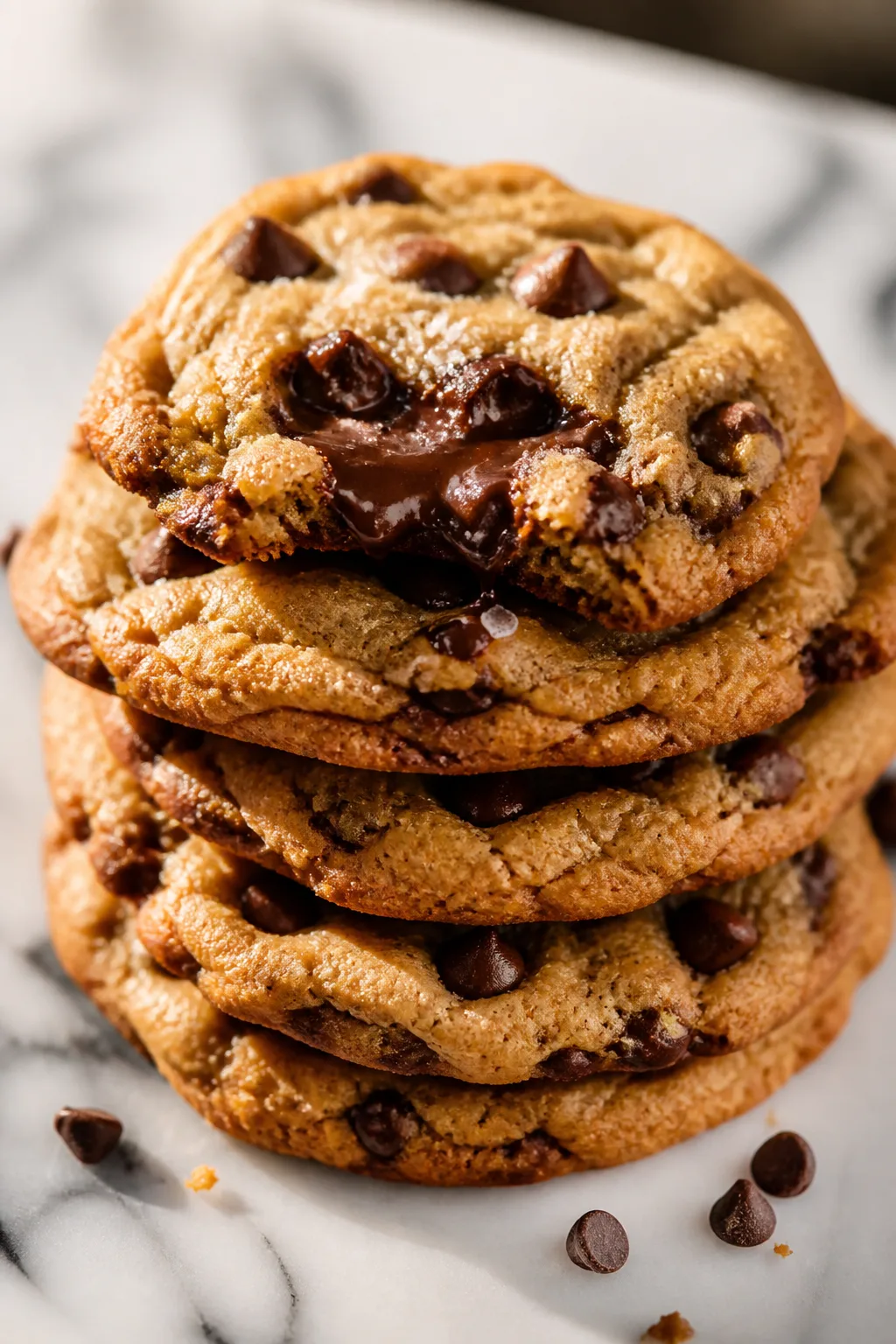
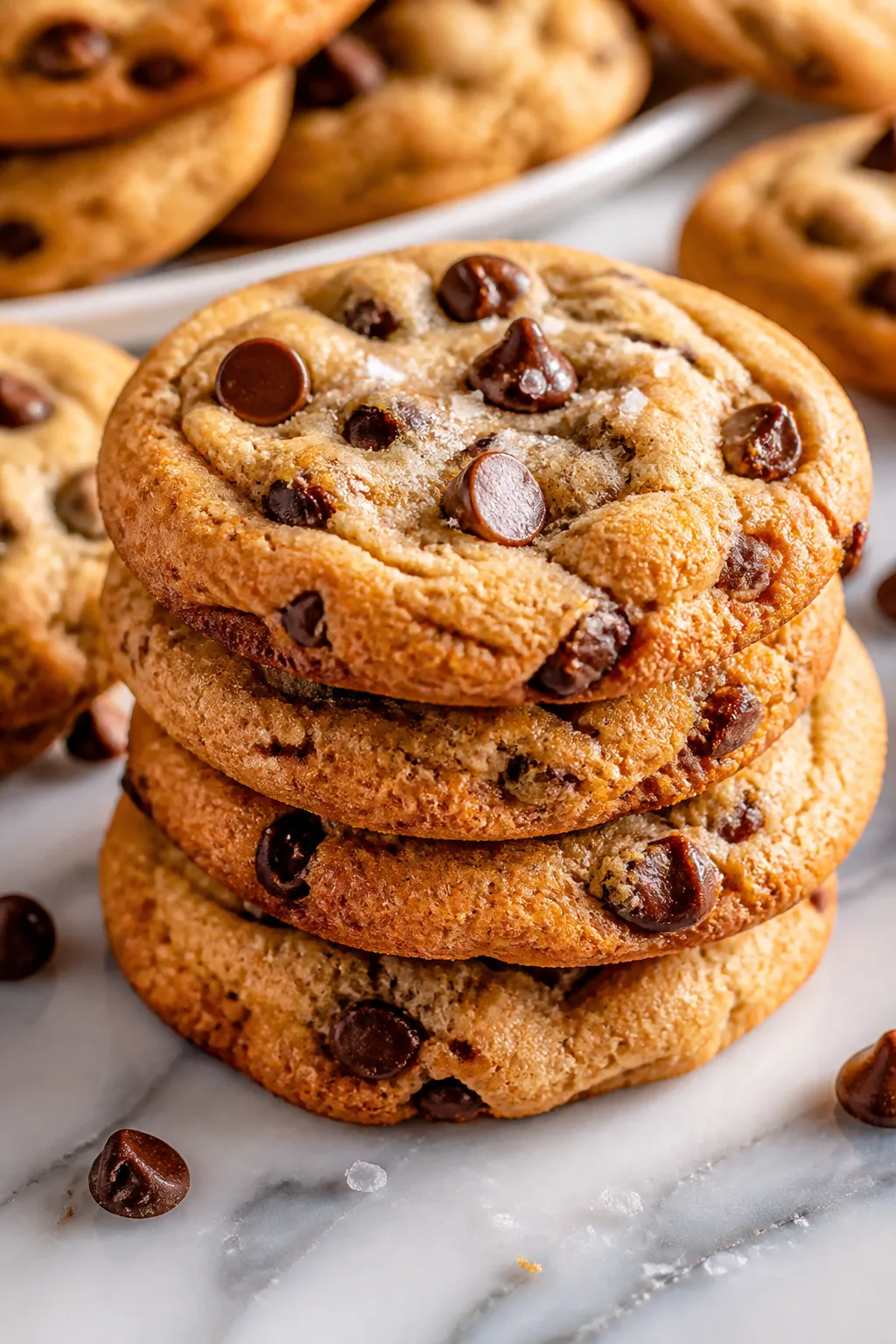
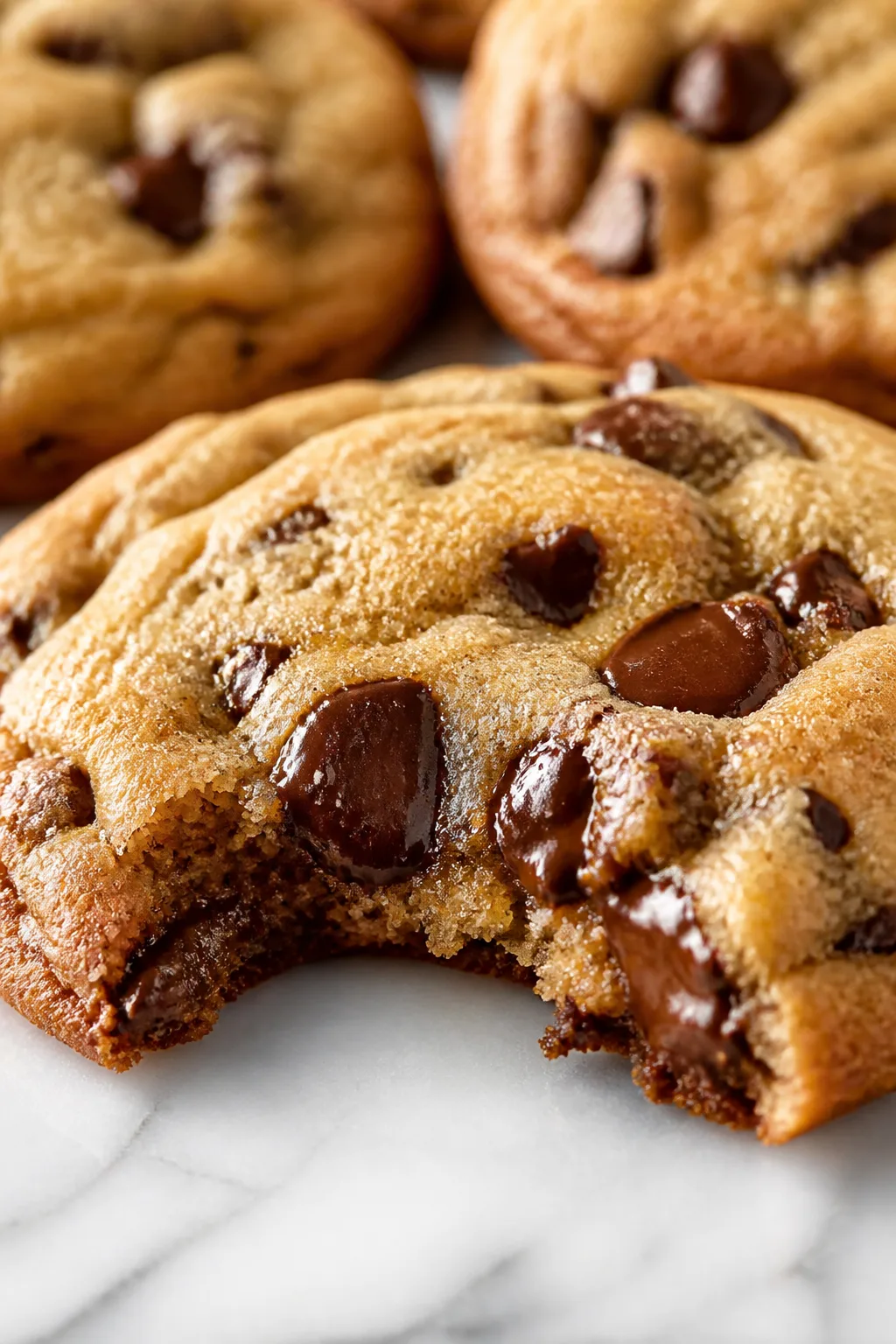
These chocolate chip cookies come together in just one bowl—minimal mess and maximum comfort. The secret? Creamy butter and a touch of brown sugar for that chewy, rich bite. Perfect for an easy family treat or last-minute dessert!
Introduction
I first stumbled upon this one-bowl chocolate chip cookie recipe during a late-night baking session when I wanted fresh cookies but didn’t want to wash a ton of dishes. It quickly became a favorite in my house because it’s just so simple and forgiving. What sets this version apart is using both brown and granulated sugar, which gives the cookies that perfect balance of chewiness and crisp edges. Plus, I always make sure the butter is softened — it helps the dough come together effortlessly without overmixing. The baking soda adds just the right rise without making the cookies cakey, and the chocolate chips? Well, they melt into pockets of gooey goodness. Every batch turns out golden and irresistible, with a warm, homey aroma that fills the kitchen. The cookies have a satisfying chew, not too soft and not too crunchy, making them perfect for dunking in milk or enjoying with a cup of tea. Honestly, these cookies are my go-to when I want a quick dessert that feels homemade but doesn’t demand hours of prep. If you love simple, classic cookies with a little extra love in each bite, I think you’ll adore this recipe as much as I do.
How To Do It
Step 1
Start by preheating your oven to 350°F (175°C) and lining two baking sheets with parchment paper. This step ensures your cookies bake evenly and won’t stick, which is key for a perfect texture. Preheating also means your oven is ready as soon as the dough is mixed, so the cookies bake at the right temperature immediately, helping them spread nicely but not too thin.
⏱ Time: 10 minutes
✓ Doneness: Oven reaches steady 350°F temperature
Step 2
In a large bowl, beat the softened butter with both sugars until creamy and smooth. This usually takes about 2 to 3 minutes with an electric mixer. Creaming the butter and sugar together is crucial because it traps air, helping the cookies rise and develop a tender crumb. If you skip this or do it too quickly, your cookies might turn out dense or greasy.
⏱ Time: 3 minutes
✓ Doneness: Mixture looks pale, smooth, and fluffy
Step 3
Add the eggs one at a time, beating well after each addition, then stir in the vanilla extract. Incorporating the eggs gradually helps the dough emulsify properly, giving the cookies a uniform texture and preventing them from cracking while baking. The vanilla adds a warm, aromatic flavor that complements the chocolate chips perfectly.
⏱ Time: 2 minutes
✓ Doneness: Smooth, homogenous batter without streaks
Step 4
In a separate bowl, whisk together the flour, baking soda, and salt. This step is important to evenly distribute the leavening agent and salt throughout the flour, which ensures consistent rising and balanced flavor. Skipping this could cause uneven texture or salty pockets in your cookies.
⏱ Time: 2 minutes
✓ Doneness: Dry ingredients are well combined with no clumps
Step 5
Gradually add the dry ingredients to the wet mixture while mixing on low speed. Mix just until combined to avoid developing too much gluten, which would make the cookies tough. The batter should look thick and slightly sticky. Overmixing here is a common mistake that changes the cookie’s texture.
⏱ Time: 3 minutes
✓ Doneness: Dough looks combined but still soft and pliable
Step 6
Fold in the chocolate chips using a spatula, making sure they’re evenly distributed throughout the dough. This manual folding keeps the chips intact and prevents breaking them up, so you get delicious pockets of melted chocolate in every bite.
⏱ Time: 1 minute
✓ Doneness: Chocolate chips are evenly spread without breaking
Step 7
Using a tablespoon or cookie scoop, drop balls of dough about 2 inches apart on the prepared baking sheets. Leaving enough space is key because the cookies will spread as they bake. Crowding the pan can cause them to merge into one big cookie, so give them room to breathe.
⏱ Time: 5 minutes
✓ Doneness: Dough balls evenly spaced and uniform in size
Step 8
Bake in the preheated oven for 10 to 12 minutes until the edges are golden but the centers still look slightly soft. This timing is important because cookies continue to cook a bit after being removed from the oven, so you want to avoid overbaking. Overbaked cookies can turn dry and hard, losing that lovely chewy texture.
⏱ Time: 12 minutes
✓ Doneness: Edges are golden, centers look set but soft
Step 9
Let the cookies cool on the baking sheets for 5 minutes before transferring to a wire rack to cool completely. This resting time helps the cookies firm up and finish baking gently with residual heat. Moving them too soon can cause them to break apart, and leaving them too long can make them soggy from steam.
⏱ Time: 10 minutes
✓ Doneness: Cookies are firm enough to lift without breaking
Pro Tips
Make sure your butter is softened but not melted before creaming.
Softened butter traps air better when creamed with sugar, which helps the cookies rise and develop a tender texture. Melted butter can cause the dough to be too loose and spread too thin, resulting in flat, greasy cookies.
Don’t overmix the dough once you add the flour.
Overmixing develops gluten, which makes cookies tough and chewy rather than tender. Mixing just until the flour disappears keeps the texture soft and light, which is what you want in a classic chocolate chip cookie.
Use a cookie scoop for evenly sized cookies.
Even sizing ensures cookies bake uniformly, so some aren’t underdone while others burn. Plus, it helps the cookies spread evenly on the baking sheet, preventing them from merging together.
Chill the dough if you have time, but it’s not required.
Chilling solidifies fats, leading to thicker cookies with less spread. It also lets flavors meld. However, this recipe is forgiving and works well without chilling, making it great for quick baking.
Use parchment paper or silicone mats to prevent sticking.
These liners create a non-stick surface and help cookies bake evenly by insulating the bottom. Without them, cookies might stick to the pan or brown unevenly.
Don’t overcrowd the baking sheet.
Cookies need space to spread. Crowding causes them to bake into each other, ruining shape and texture. Giving them about 2 inches between each cookie allows perfect rounding and crisp edges.
Let cookies cool on the sheet for a few minutes before transferring.
This resting time lets cookies firm up from residual heat, preventing them from breaking apart when moved. Removing them too soon can cause them to crumble or stick to the paper.
Common Mistakes to Avoid
Using melted butter instead of softened butter
Why it happens Many assume melted butter speeds up mixing or makes dough easier, but it changes the texture drastically.
Fix Allow butter to soften at room temperature until it’s pliable but still holds shape. Cream it with sugar to trap air for fluffier cookies.
Overmixing after adding flour
Why it happens Eager to combine ingredients fully, some mix too long, developing gluten.
Fix Mix just until flour disappears. Stop mixing as soon as the dough is uniform to keep cookies tender.
Skipping the baking soda or using baking powder instead
Why it happens Confusion about leaveners leads to incorrect substitution.
Fix Use baking soda for this recipe to get the right rise and texture. Baking powder changes the chemistry and texture.
Not spacing cookies enough on the baking sheet
Why it happens Trying to fit more cookies on one pan to save time.
Fix Space cookies 2 inches apart to prevent them from merging and ensure even baking.
Baking at the wrong temperature
Why it happens Oven temperatures vary, or timers are set incorrectly.
Fix Use an oven thermometer to ensure a steady 350°F. Too hot and cookies burn; too cool and they spread too much.
Variations
Oatmeal Chocolate Chip Cookies
Swap half the flour for rolled oats and add a pinch of cinnamon for a cozy twist. These cookies have a heartier texture and a warm spice note, perfect for chilly days or when you want something a bit more wholesome.
Note: Oats absorb moisture differently, so watch the dough’s consistency; you might need a tablespoon more liquid or butter.
Peanut Butter Chocolate Chip Cookies
Add 1/2 cup creamy peanut butter to the wet ingredients and reduce butter slightly. The peanut butter adds richness and a nutty flavor that pairs beautifully with chocolate chips, creating a classic flavor combo.
Note: Peanut butter thickens the dough, so mixing time may increase slightly to combine evenly.
Salted Caramel Chocolate Chip Cookies
Fold in small caramel bits along with chocolate chips and sprinkle flaky sea salt on top before baking. The salty-sweet combo elevates the traditional cookie, making it taste indulgent and gourmet.
Note: Caramel bits can melt and spread; use a sturdy caramel candy designed for baking.
Vegan Chocolate Chip Cookies
Replace butter with coconut oil, eggs with flax eggs, and use dairy-free chocolate chips. These cookies are just as chewy and flavorful, perfect if you’re avoiding animal products but still want that classic cookie experience.
Note: Flax eggs need to sit for 5 minutes before mixing; dough might be slightly softer and require chilling.
Double Chocolate Chip Cookies
Add 1/4 cup unsweetened cocoa powder to the dry ingredients for a chocolate base, then fold in chocolate chips. These cookies are rich, fudgy, and perfect for serious chocolate lovers.
Note: Cocoa powder absorbs moisture, so add a tablespoon more butter if dough feels dry.
Nutrition
Per Serving:
Nutritional values are estimates and may vary based on specific ingredients used.
Storage & Tips
Room Temperature
Cookies keep well at room temperature for up to 2 days when stored in an airtight container. Avoid leaving them uncovered to prevent drying out. They remain soft and chewy if stored properly.
Refrigerator
Store cookies in an airtight container in the fridge for up to 5 days. Refrigeration can firm them up, so bring to room temperature or warm slightly before serving for the best texture and flavor.
Freezer
Freeze cookies in a single layer on a baking sheet, then transfer to a freezer-safe bag or container for up to 3 months. Use parchment paper between layers to avoid sticking. Thaw at room temperature for 1-2 hours before enjoying.
Reheating
Reheat cookies in a 300°F oven for 5-7 minutes to refresh softness. Avoid microwaving for too long, as this can make them chewy or rubbery. A quick warm-up brings back that fresh-baked feel.
Make Ahead
Prepare the dough up to 24 hours ahead and keep it refrigerated. This resting time enhances flavor and texture. Scoop cookies onto baking sheets just before baking to save time on serving day.
FAQ
Can I use salted butter instead of unsalted?
Yes, but reduce or omit the added salt in the recipe to avoid overly salty cookies. Salted butter varies in salt content, so it’s best to err on the side of less added salt and adjust to taste.
Why do my cookies spread too much in the oven?
This usually happens if the butter is too warm or melted, or if the dough is too thin. Make sure butter is just softened, and chill the dough briefly if it feels very soft. Also, spacing cookies properly helps prevent merging.
Can I substitute brown sugar with white sugar?
You can, but the texture will change. Brown sugar adds moisture and chewiness due to its molasses content, so using only white sugar will yield crisper, less tender cookies.
How do I store cookies to keep them fresh?
Store cookies in an airtight container at room temperature for up to 2 days. Adding a slice of bread inside the container can help keep them soft by maintaining moisture balance.
Can I freeze cookie dough?
Absolutely! Scoop dough balls onto a tray, freeze until solid, then transfer to a bag. Bake directly from frozen, adding a couple extra minutes to the baking time.
What can I do if my cookies come out hard?
Hard cookies often result from overbaking or too much flour. Use precise measuring and bake just until edges are golden. Adding a bit more brown sugar or a teaspoon of cornstarch can help keep cookies soft.
Can I add nuts or other mix-ins?
Yes, chopped nuts, dried fruit, or different types of chocolate chips work great. Add about 1 cup of mix-ins and fold in gently to keep the dough balanced.
Why are my cookies cakey instead of chewy?
Cakey cookies usually mean too much flour or overmixing. Use all-purpose flour, measure carefully, and mix only until combined. Also, baking soda instead of powder helps create a chewier texture.
Final Thoughts
I hope you give these one-bowl chocolate chip cookies a try—they’re truly a simple joy to bake and share. Let me know how yours turn out and if you added your own twist!