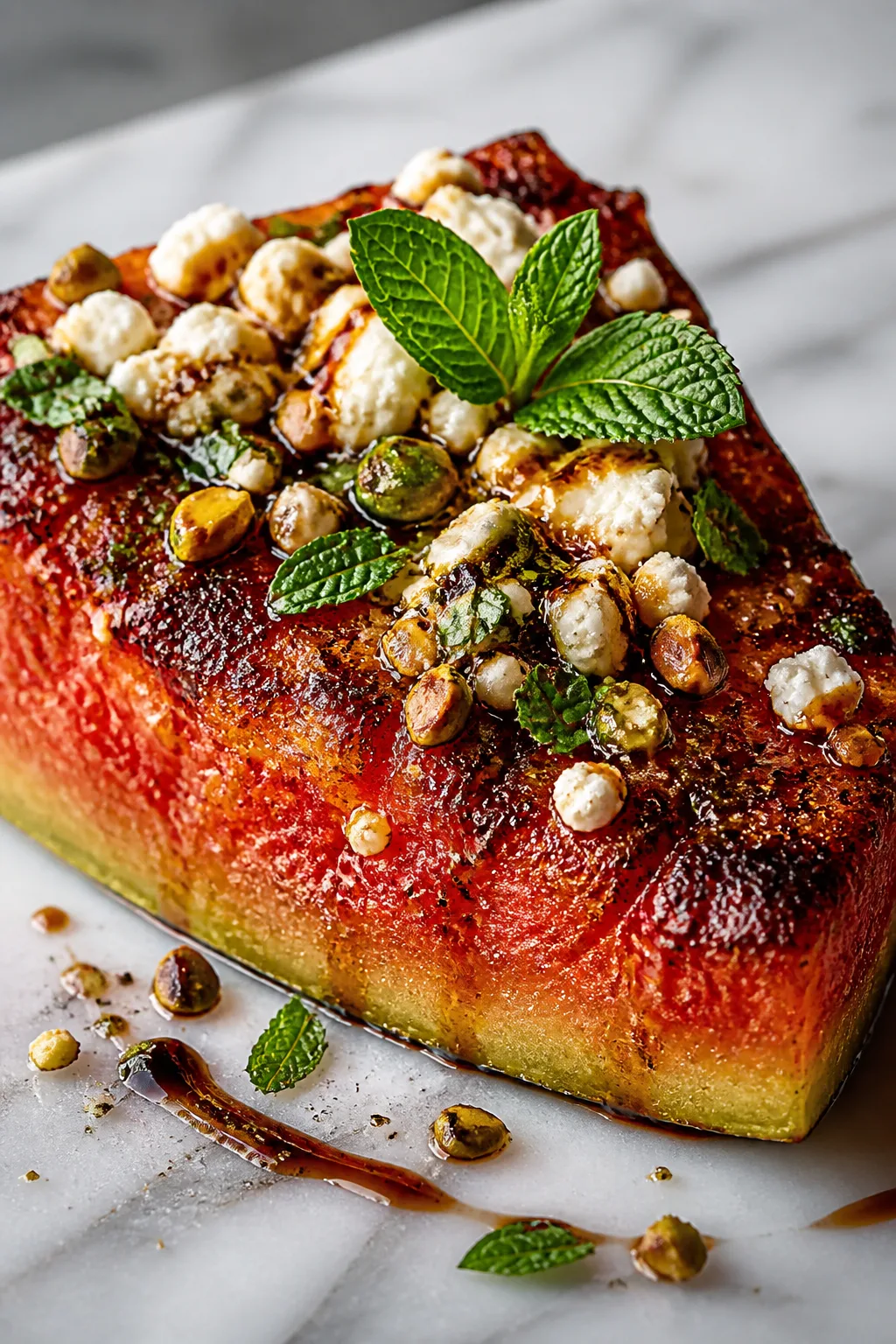
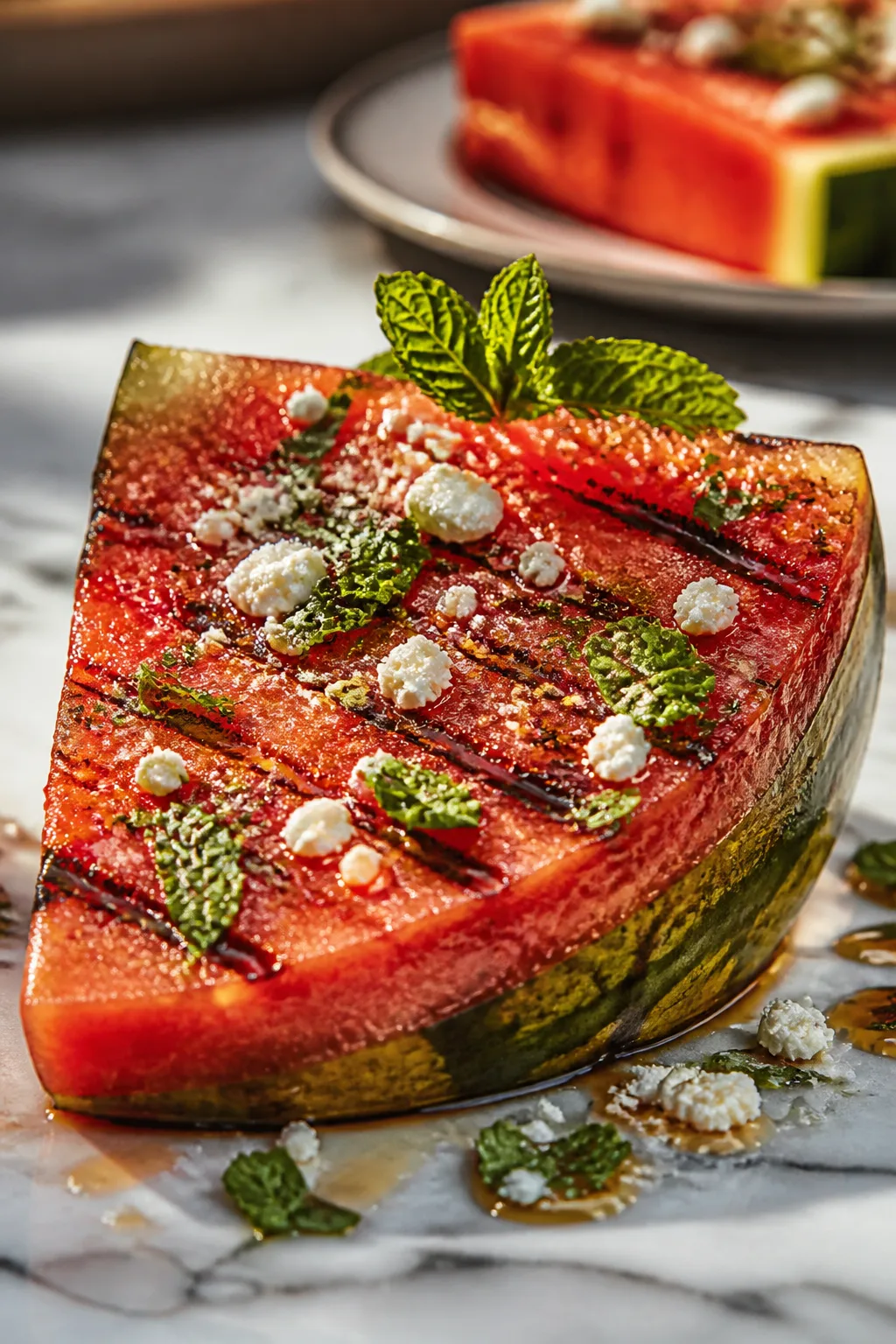
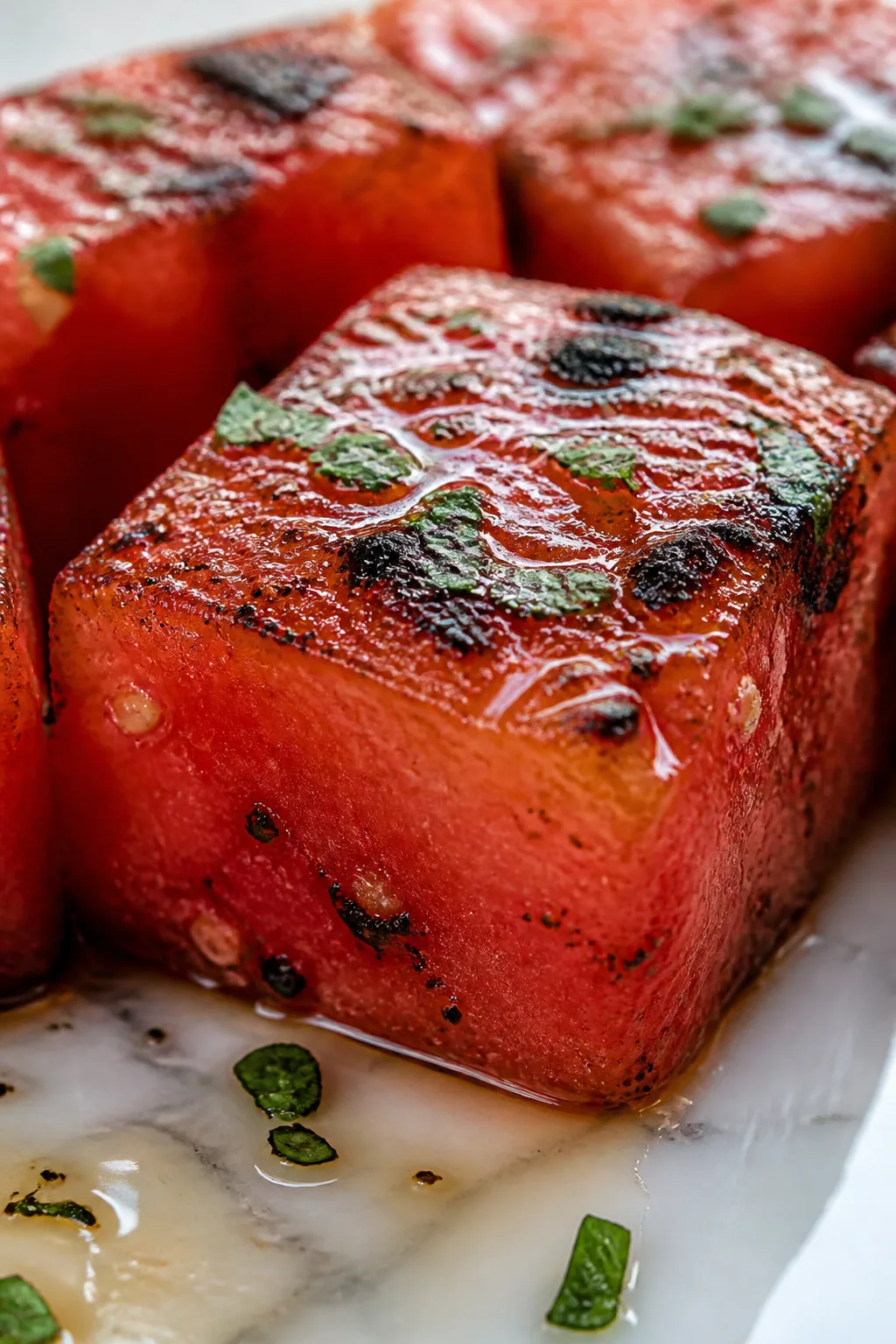
This oven-baked watermelon caramelizes beautifully, turning extra juicy and sweet. It’s a fun, unexpected twist that’s perfect for summer dinners or a fresh dessert. Trust me, it’s a game changer!
Introduction
I honestly never expected baked watermelon to be such a hit until I tried it last summer. I stumbled upon this idea when I wanted a unique dessert to bring to a backyard dinner party. Instead of the usual cold slices, roasting the watermelon brings out a caramelized sweetness that’s totally unexpected but so delicious. What makes this version stand out is the simple drizzle of honey and a touch of cinnamon that enhances the natural sugars without overpowering the fruit’s fresh flavor. The trick I learned is to roast it just long enough to get that golden edge but not so long that it becomes mushy. The result is juicy, tender watermelon with a warm, sweet glaze that’s perfect for summer evenings. Plus, it’s super easy to make and looks stunning on a platter. I love how it’s a refreshing change from heavy desserts but still feels special. If you’re looking for something fun to impress your friends or just want to enjoy watermelon in a new way, this is it.
How To Do It
Step 1
Preheat your oven to 400°F (200°C). While it heats up, slice the seedless watermelon into 1-inch thick wedges. The thickness is important because it allows the watermelon to hold its shape while baking without becoming too watery or falling apart. If the pieces are too thin, they’ll dry out; too thick, and they won’t caramelize properly. Arrange the wedges on a baking sheet lined with parchment paper to prevent sticking and make cleanup easier.
⏱ Time: 10 minutes
✓ Doneness: Watermelon wedges are firm and evenly cut, ready for roasting
Step 2
Drizzle the watermelon wedges evenly with honey or maple syrup, then sprinkle with lemon juice and a light dusting of ground cinnamon if using. This combination helps enhance the natural sweetness while adding a subtle tang and warmth. The lemon juice also balances the sugar and prevents the fruit from tasting too cloying. Be sure to coat each wedge well but avoid pooling syrup at the bottom to prevent burning.
⏱ Time: 5 minutes
✓ Doneness: Wedges are glossy with a thin, even coating of syrup and spices
Step 3
Place the baking sheet in the preheated oven on the middle rack. Roast the watermelon for about 25-30 minutes. Keep an eye on it after 20 minutes to ensure the edges start caramelizing and turning golden brown but not burning. The heat causes the watermelon’s natural sugars to caramelize, concentrating the flavor and making it juicier. Avoid opening the oven too often to keep the temperature steady.
⏱ Time: 25-30 minutes
✓ Doneness: Edges of watermelon wedges are golden and caramelized, surface glistens
Step 4
Remove the watermelon from the oven and let it cool for 5 minutes on the baking sheet. This rest allows the juices to redistribute and the caramelized sugars to set a bit, making the wedges easier to handle and more flavorful. If you cut or serve immediately, the juices might run off too quickly.
⏱ Time: 5 minutes
✓ Doneness: Wedges are warm but not hot, slightly sticky to the touch
Step 5
Transfer the baked watermelon wedges to a serving platter. Garnish with fresh mint leaves for a pop of color and an herbal brightness that complements the sweet fruit. The mint also adds a refreshing contrast that balances the richness of the caramelized sugars.
⏱ Time: 5 minutes
✓ Doneness: Platter looks vibrant with fresh mint and glistening watermelon
Step 6
Serve the oven-baked watermelon warm or at room temperature. It pairs wonderfully with vanilla ice cream or a dollop of Greek yogurt if you want to elevate it to a dessert. I like it just as is though because the natural flavor shines through so well, especially on a warm summer night.
⏱ Time: 0 minutes
✓ Doneness: Ready to enjoy with a juicy, caramelized texture
Step 7
If you want to add a little extra flair, sprinkle some flaky sea salt just before serving. The salt contrast brings out the sweetness even more and adds a subtle crunch. Be careful not to overdo it—just a light pinch is enough to enhance the flavor.
⏱ Time: 1 minute
✓ Doneness: Light salt crystals visible but not overpowering
Step 8
For a smoky variation, consider adding a pinch of smoked paprika or chili powder before baking. This adds a surprising depth and a slight kick. It’s a great way to turn this sweet dish into a more complex appetizer or side.
⏱ Time: 1 minute
✓ Doneness: Spices evenly sprinkled and ready for roasting
Step 9
Clean up is simple—just soak the baking sheet if any syrup has hardened. The parchment paper helps a lot here. Enjoy leftovers chilled or gently reheated in the oven for a few minutes to bring back that warm caramelized flavor.
⏱ Time: 0 minutes
✓ Doneness: Baking sheet and utensils ready for washing, no sticky residue
Pro Tips
Use parchment paper on your baking sheet to prevent sticking and ease cleanup.
Watermelon releases a lot of juice when baked, which can caramelize and stick to the pan. Parchment paper creates a non-stick surface, ensuring the caramelized edges don’t tear off when you remove the fruit. It also makes clean-up much faster and prevents burning on the baking sheet.
Don’t overcrowd the baking sheet; leave space between wedges for even roasting.
If the watermelon wedges are too close, steam will build up instead of dry heat circulating. This prevents proper caramelization and can make the fruit soggy rather than crisp at the edges. Giving each piece breathing room encourages browning and enhances flavor and texture.
Let the watermelon rest after baking to let the juices redistribute.
Cutting or serving immediately can cause the juices to run out, making the fruit less juicy and messier to handle. Resting for a few minutes allows the caramelized sugars to set and the moisture to evenly distribute, resulting in tender, juicy wedges that hold together better.
Use fresh lemon juice instead of bottled for better flavor and acidity.
Fresh lemon juice has bright, vibrant acidity that balances the sweetness and enhances the fruit’s natural flavor. Bottled juice often contains preservatives and tastes flat, which can dull the overall dish. The acid also helps keep the caramelization from becoming too sticky or cloying.
Try adding a pinch of flaky sea salt just before serving.
Salt is a flavor enhancer that balances sweetness and adds complexity. The crunchy texture of flaky salt also contrasts nicely with the soft watermelon. Adding it at the end preserves its texture and prevents it from dissolving into the syrupy surface.
Use a sharp knife to cut the watermelon into clean wedges.
A dull knife can crush the watermelon flesh and cause it to lose juice prematurely. Sharp, clean cuts help maintain the integrity of each wedge, keeping the juices locked inside until roasting and serving, which preserves texture and flavor.
Experiment with spices like smoked paprika or chili powder for a savory twist.
These spices add depth and complexity to the sweet fruit, creating a unique flavor profile. The smoky or spicy notes contrast with the caramelized sugars, making the dish more interesting and versatile as an appetizer or side.
Common Mistakes to Avoid
Using watermelon slices that are too thin or too thick
Why it happens Many people underestimate how slice thickness affects texture and cooking time, often cutting uneven pieces out of habit.
Fix Aim for uniform 1-inch thick wedges to ensure even roasting. Thin slices dry out and lose juiciness, while thick slices don’t caramelize well or heat through fully. Use a ruler or guide if needed to keep slices consistent.
Skipping the honey or syrup drizzle
Why it happens Some assume watermelon is sweet enough on its own and omit this step to keep it simple.
Fix Add a light drizzle of honey or maple syrup before baking to boost caramelization and deepen flavor. Without this, the fruit won’t brown properly and will taste less rich.
Roasting at too high or low temperature
Why it happens Inexperience or using an inaccurate oven thermometer can lead to wrong temperatures.
Fix Preheat oven to 400°F (200°C) and roast on the middle rack for even heat. Too high burns edges; too low won’t caramelize sugars. Use an oven thermometer if unsure.
Not spacing watermelon pieces properly on the baking sheet
Why it happens Trying to fit all pieces on one tray quickly or not thinking about airflow.
Fix Leave space between wedges to allow hot air circulation for even roasting and browning. Overcrowding creates steam, making the watermelon soggy.
Cutting or serving the watermelon immediately after baking
Why it happens Excited to eat and impatience cause skipping the resting step.
Fix Let the watermelon rest 5 minutes after baking to let juices redistribute and sugars set. This keeps wedges juicy and easier to handle.
Variations
Spicy Chili-Lime Oven-Baked Watermelon
Add a sprinkle of chili powder and a squeeze of fresh lime juice on the watermelon wedges before baking. This gives a bright, spicy kick that balances the sweetness wonderfully. It’s perfect for adventurous eaters or as a party appetizer with a twist.
Note: The acidity from lime juice and the heat from chili powder intensify during roasting, so start light and adjust to taste.
Herbed Oven-Baked Watermelon with Basil and Mint
Mix chopped fresh basil and mint with honey before drizzling over the watermelon. The herbs add an aromatic freshness that complements the caramelized fruit. It’s a lovely option for a sophisticated summer dessert or side.
Note: Add herbs just before baking to prevent them from wilting too much and losing flavor.
Grilled Oven-Baked Watermelon with Balsamic Glaze
After baking, brush the watermelon with a balsamic reduction and quickly grill for 2 minutes per side. This adds smoky char and tangy sweetness, perfect for serving alongside grilled meats or cheeses.
Note: Use a grill pan or outdoor grill on medium-high heat; watch carefully to avoid burning.
Vanilla-Scented Oven-Baked Watermelon
Add a splash of vanilla extract to the honey drizzle before roasting. The vanilla brings warm, comforting notes that pair beautifully with the caramelized watermelon, making it feel like a dessert treat.
Note: Add vanilla right before baking to retain its fragrant aroma.
Frozen Oven-Baked Watermelon Pops
After baking and cooling, insert popsicle sticks into each wedge and freeze until solid. These make refreshing summer pops with a caramelized twist, perfect for kids and adults alike.
Note: Ensure watermelon is fully cooled before freezing to prevent ice crystals from forming.
Nutrition
Per Serving:
Nutritional values are estimates and may vary based on specific ingredients used.
Storage & Tips
Room Temperature
Oven-baked watermelon can be left at room temperature for up to 2 hours if covered loosely with foil or a clean towel. Any longer risks fermentation or spoilage due to the fruit’s high water content.
Refrigerator
Store leftovers in an airtight container in the fridge for up to 3 days. The texture will soften and juices may separate, so it’s best eaten cold or gently reheated. Reheat in a warm oven or microwave briefly to revive some caramelization.
Freezer
Freezing is possible but not ideal as watermelon’s high water content causes texture to become mushy after thawing. If freezing, wrap wedges tightly in plastic wrap and place in a freezer-safe container for up to 1 month. Thaw overnight in the fridge and consume quickly.
Reheating
Reheat in a 350°F (175°C) oven for 5-7 minutes or microwave on medium power for 30 seconds. Adding a splash of lemon juice or honey before reheating helps refresh the flavor and moisture. Avoid overheating, which can make the fruit mushy.
Make Ahead
You can prepare the watermelon wedges and drizzle with honey and lemon juice up to 1 day ahead, storing them covered in the fridge. Bake just before serving to preserve freshness and texture. Garnish with mint last minute.
FAQ
Can I bake watermelon with seeds?
It’s best to use seedless watermelon for this recipe because seeds can make eating less pleasant and might affect the caramelization process. If you only have seeded watermelon, remove as many seeds as possible before slicing and baking.
How do I know when the watermelon is done baking?
Look for golden, caramelized edges and a glistening surface. The flesh should be tender but still hold its shape. If the watermelon starts to look mushy or shriveled, it’s overcooked.
Can I use other sweeteners besides honey or maple syrup?
Yes, you can use agave nectar, brown sugar syrup, or even a light sprinkle of granulated sugar. Just keep in mind that liquid sweeteners help with caramelization better than dry sugar alone.
Is it safe to bake watermelon at high heat?
Absolutely. Watermelon’s high water content means it won’t dry out quickly. The 400°F temperature encourages caramelization without burning if you watch the cooking time carefully.
Can I prepare this recipe on a grill instead of an oven?
Yes! Grilling watermelon wedges over medium heat for about 3-4 minutes per side also caramelizes the fruit nicely. Just watch closely to avoid charring too much.
How do I store leftover baked watermelon?
Store leftovers in an airtight container in the fridge for up to 3 days. The texture softens, so consume quickly or reheat gently to enjoy the best flavor.
Can I add spices like cinnamon or chili powder?
Definitely! Cinnamon adds warmth, while chili powder adds a spicy kick. Sprinkle lightly before baking to avoid overpowering the watermelon’s natural sweetness.
What if my watermelon is underripe?
Underripe watermelon won’t caramelize well and may taste bland or watery when baked. Choose ripe, firm watermelon for best results.
Can I make this recipe vegan?
Yes, just use maple syrup instead of honey to keep it vegan-friendly. Both work equally well for caramelization.
Is this recipe suitable for kids?
Absolutely! It’s a fun way to serve fruit warm and sweet. Just avoid spicy variations if cooking for young children.
Final Thoughts
Give this oven-baked watermelon a try for a fresh, sweet twist on summer fruit. I’d love to hear how yours turns out—don’t forget to share your experience!