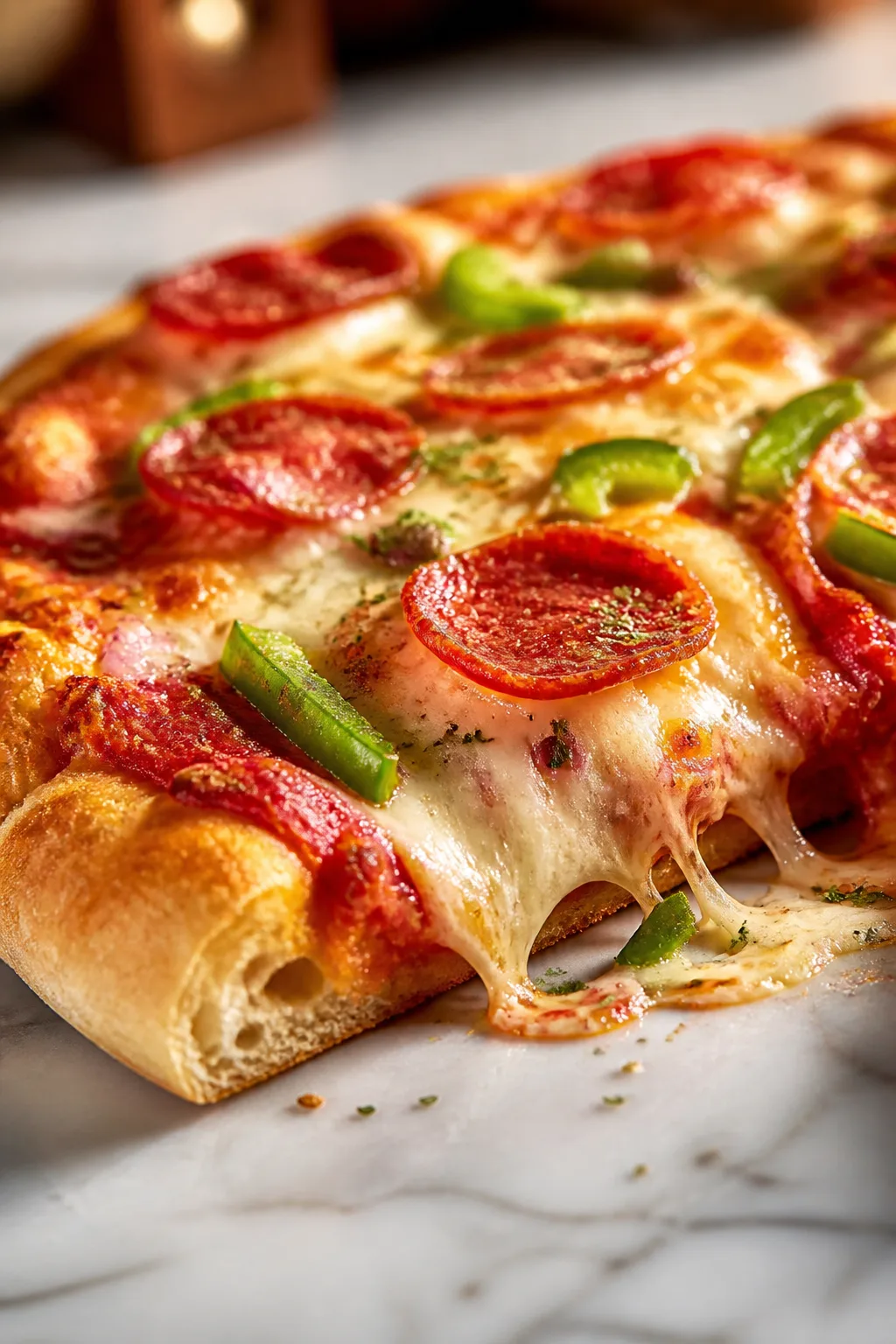
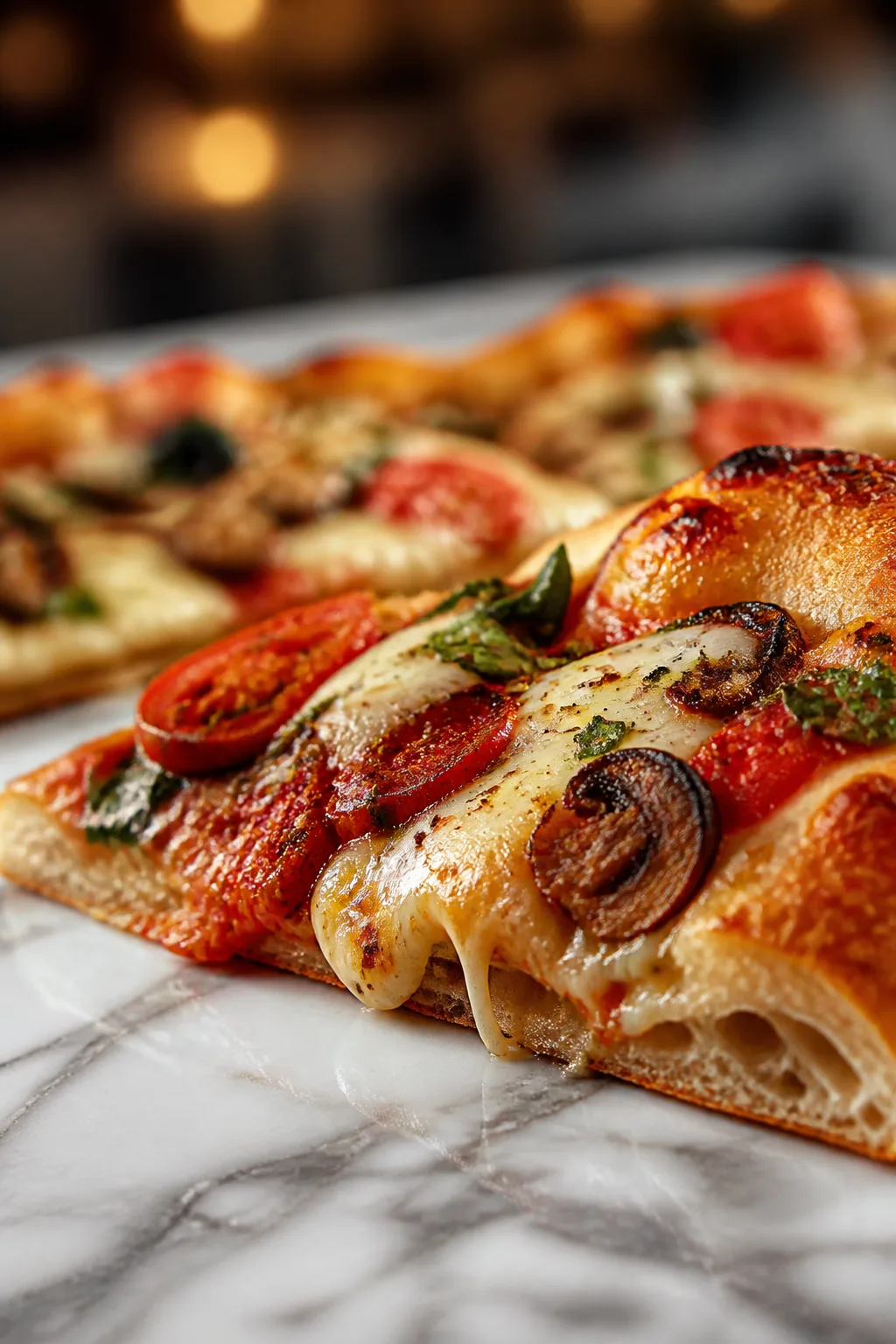
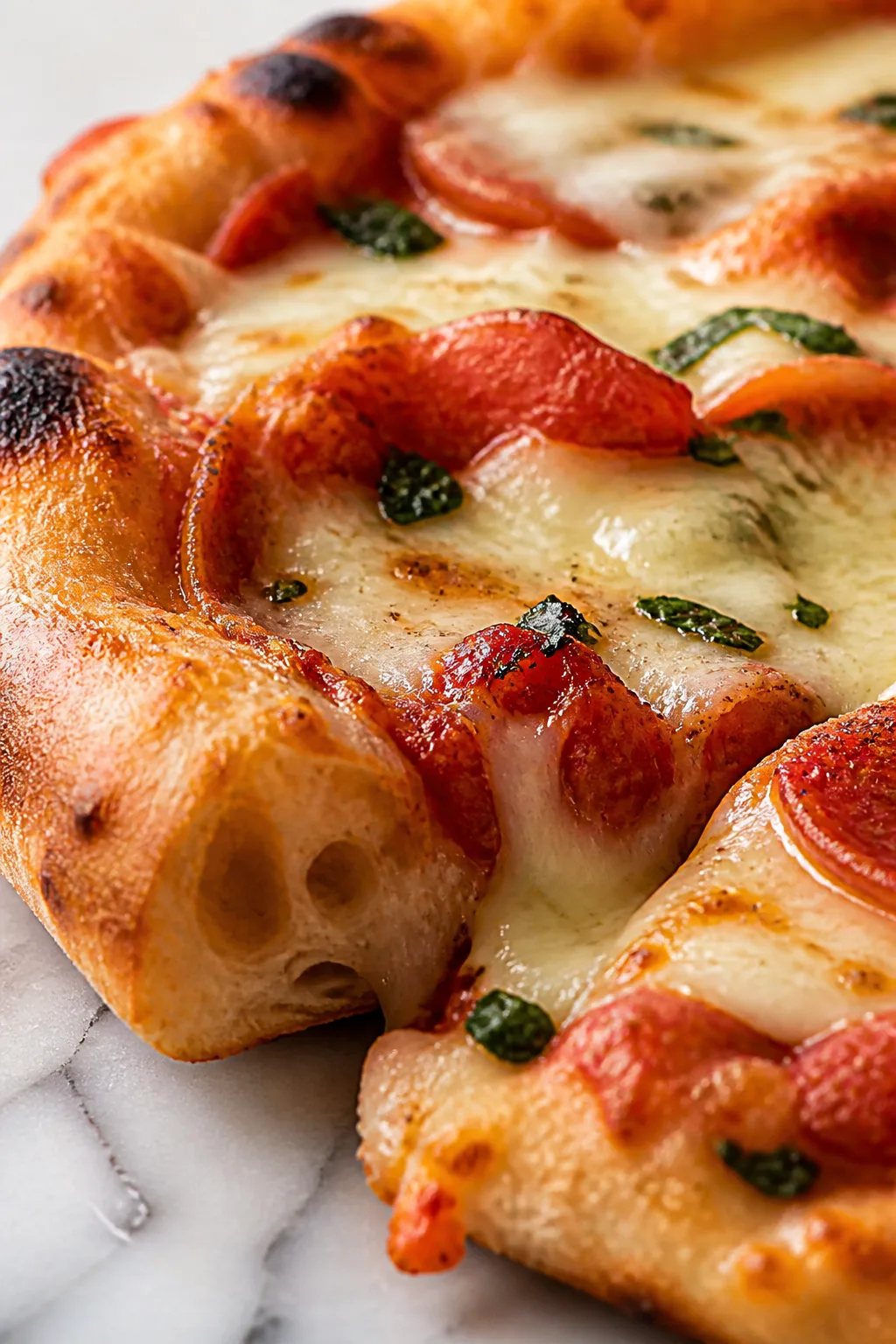
This homemade pizza recipe is perfect for those casual nights when you want something delicious but don’t want to fuss. The simple dough pairs beautifully with fresh toppings, making it a fun and tasty meal for the whole family.
Introduction
I remember the first time I tried making pizza at home — it was a bit of a mess, honestly. The dough was tough, and the toppings slid right off. But after some trial and error, I nailed a simple dough recipe that’s soft, chewy, and easy to handle. What makes this recipe stand out is the straightforward dough that doesn’t require fancy ingredients or long rising times. Plus, using fresh, simple toppings like sliced tomatoes and basil really brings the flavors alive without complicating things. One trick I learned is how important the water temperature is when activating yeast—too hot or too cold can ruin the rise. The end result is a crispy-on-the-outside, tender-on-the-inside pizza crust topped with melty cheese and fresh veggies. It’s perfect for casual dinners or even making with the kids on the weekend. Honestly, it’s become a go-to in my kitchen because it’s so satisfying and approachable. I think you’ll love how easy and fun this pizza is to make at home!
What You'll Need
One 12-inch pizza, 4 servings
- 2 1/4 teaspoons active dry yeast (one packet)
- 1 1/2 cups warm water (about 110°F)
- 3 1/2 cups all-purpose flour, plus extra for dusting
- 2 tablespoons olive oil, plus extra for greasing
- 1 teaspoon salt
- 1 teaspoon sugar
- 1/2 cup pizza sauce
- 2 cups shredded mozzarella cheese
- 1 cup fresh sliced tomatoes
- 1/2 cup sliced black olives
- Fresh basil leaves for garnish
How To Do It
Step 1
Start by activating the yeast. Pour the warm water into a large bowl and sprinkle the active dry yeast and sugar over it. Stir gently and let it sit for about 5 to 10 minutes until it becomes foamy. This foam means the yeast is alive and ready to help the dough rise. Avoid using water that's too hot, as it can kill the yeast, or too cold, which won’t activate it properly.
⏱ Time: 10 minutes
✓ Doneness: Foamy, bubbly surface on the liquid
Step 2
Add the olive oil, salt, and about 3 cups of the flour to the yeast mixture. Stir with a wooden spoon until combined, then gradually add the remaining flour until the dough starts to come together and becomes less sticky. The dough should be soft but not overly sticky, which makes it easier to knead and shape later.
⏱ Time: 5 minutes
✓ Doneness: Dough pulls away from the sides of the bowl but still feels slightly tacky
Step 3
Turn the dough out onto a floured surface and knead it for about 8 to 10 minutes. Use the heels of your hands to push the dough away, fold it back over itself, and repeat. Kneading develops the gluten, giving your pizza dough that perfect chewy texture. If the dough is sticky, sprinkle a little more flour, but be careful not to add too much, or the dough will become tough.
⏱ Time: 10 minutes
✓ Doneness: Smooth, elastic dough that springs back when poked
Step 4
Lightly grease a large bowl with olive oil and place the dough inside, turning it to coat with oil. Cover the bowl with a clean kitchen towel or plastic wrap. Let it rise in a warm, draft-free spot for about 1 to 1.5 hours, until it doubles in size. This rising time lets the yeast ferment and creates air pockets, making the dough light and airy.
⏱ Time: 1 to 1.5 hours
✓ Doneness: Dough has doubled in size and looks puffy
Step 5
Preheat your oven to 475°F (245°C) and if you have a pizza stone, place it in the oven to heat. Punch down the risen dough to release excess air, then transfer it to a lightly floured surface. Roll or stretch the dough into a 12-inch circle. Stretching gently with your hands helps maintain the air bubbles inside, which keeps the crust light.
⏱ Time: 10 minutes
✓ Doneness: Even, thin dough circle with some visible air bubbles
Step 6
Place the rolled dough on a parchment paper-lined baking sheet or pizza peel if using a stone. Spread the pizza sauce evenly over the surface, leaving about an inch border around the edges. The sauce adds moisture and flavor, but too much can make the crust soggy, so spread it thin.
⏱ Time: 5 minutes
✓ Doneness: Smooth, even layer of sauce without pooling
Step 7
Sprinkle the shredded mozzarella evenly over the sauce, then add sliced tomatoes and black olives. Fresh toppings add brightness and texture, so don't overload or the pizza might not cook evenly. Keep toppings balanced to ensure a crispy crust with melty cheese.
⏱ Time: 5 minutes
✓ Doneness: Cheese and toppings evenly distributed without clumps
Step 8
Transfer the pizza to the oven (onto the stone if using) and bake for 12 to 15 minutes. The high heat cooks the crust quickly, creating a crispy exterior and gooey cheese. Watch the edges for a golden brown color and the cheese bubbling and turning slightly golden.
⏱ Time: 12-15 minutes
✓ Doneness: Golden-brown crust with bubbling, slightly browned cheese
Step 9
Remove the pizza from the oven and let it cool for a few minutes before slicing. Garnish with fresh basil leaves for a pop of color and flavor. Letting it rest allows the cheese to set slightly, making it easier to slice and eat.
⏱ Time: 5 minutes
✓ Doneness: Cheese slightly set but still melty, basil bright and fresh
Pro Tips
Use warm water around 110°F to activate yeast perfectly.
Yeast is a living organism that thrives in warm water. Water that’s too hot can kill it, preventing the dough from rising, while cold water won’t activate it well. Using the right temperature ensures the yeast produces carbon dioxide to create a light, airy dough.
Don’t overload your pizza with toppings.
Too many toppings can weigh down the dough and prevent it from cooking evenly. It also makes the crust soggy instead of crisp. Keeping toppings balanced ensures a perfect texture and flavor in every bite.
Let the dough rise in a warm, draft-free spot.
Yeast fermentation is temperature sensitive. Rising in a warm place allows the dough to double in size efficiently. Drafts or cold spots slow fermentation and affect the final texture and flavor of the crust.
Knead the dough until smooth and elastic.
Kneading develops gluten, which gives the dough structure and chewiness. Under-kneaded dough will be dense and tear easily, while over-kneaded dough can become tough. The right texture feels smooth and springs back when poked.
Preheat your oven and pizza stone before baking.
A hot oven and stone provide the intense heat needed to crisp the crust quickly while melting the cheese perfectly. Baking on a cold surface results in a soggy, unevenly cooked pizza.
Use fresh basil added after baking.
Adding basil after baking preserves its bright flavor and vibrant green color. Cooking basil can dull its taste and turn it dark, losing that fresh pop that complements the pizza.
Let pizza rest a few minutes before slicing.
This lets the cheese set slightly, making the pizza easier to cut without losing that melty texture. Cutting too soon can cause toppings to slide off and cheese to run.
Common Mistakes to Avoid
Using water that’s too hot for yeast activation.
Why it happens Many cooks assume hotter water speeds up yeast activation, but yeast is sensitive and can be killed by high temperatures.
Fix Use a thermometer or test water temperature by hand to ensure it’s warm but not hot (around 110°F). This guarantees the yeast will foam and work properly.
Adding too much flour during kneading.
Why it happens Sticky dough can be intimidating, so cooks often add excess flour to make it easier to handle.
Fix Add flour gradually and only until the dough is soft and slightly tacky. Over-flouring leads to tough, dry crusts.
Skipping the dough rising step or rushing it.
Why it happens Impatience or lack of planning can lead to skipping or shortening the rise time.
Fix Allow dough to rise fully in a warm spot until doubled in size. This is essential for light texture and flavor development.
Overloading pizza with toppings.
Why it happens It’s tempting to pile on ingredients for a hearty pizza, but this affects cooking.
Fix Use moderate amounts of toppings to ensure even cooking and a crispy crust.
Not preheating the oven and baking surface.
Why it happens Some skip preheating for convenience, but it impacts results.
Fix Preheat oven and stone for at least 30 minutes to achieve the high heat needed for crispy crust.
Variations
Whole Wheat Pizza Dough
Swap half the all-purpose flour with whole wheat flour for a nuttier flavor and more fiber. The dough may be slightly denser but still delicious. Add a little extra water if it feels dry.
Note: Whole wheat flour absorbs more water, so adjust hydration accordingly. Knead well to develop gluten for good texture.
Spicy Pepperoni and Jalapeño
Add sliced pepperoni and fresh jalapeños on top of mozzarella for a spicy kick. This variation adds bold flavors and a bit of heat, perfect for spice lovers.
Note: Monitor baking time as thicker toppings can affect cooking; remove jalapeños if you prefer milder heat.
Margherita with Fresh Mozzarella
Use fresh mozzarella balls torn into pieces, fresh tomato slices, and lots of basil. Drizzle with olive oil after baking for a classic Italian taste.
Note: Fresh mozzarella releases more moisture, so bake slightly longer for a crisp crust.
Vegan Pizza with Cashew Cheese
Replace mozzarella with homemade or store-bought cashew cheese and use plenty of veggies like bell peppers and mushrooms. This keeps it dairy-free but still creamy and flavorful.
Note: Cashew cheese melts differently; bake at moderate temperature to avoid drying.
Gluten-Free Crust Option
Use a gluten-free flour blend designed for baking and add xanthan gum if needed. This allows those with gluten intolerance to enjoy homemade pizza without compromising texture.
Note: Gluten-free dough is more delicate; handle gently and consider using a pizza pan instead of a stone.
Nutrition
Per Serving:
Nutritional values are estimates and may vary based on specific ingredients used.
Storage & Tips
Room Temperature
Pizza can be safely kept at room temperature for up to 2 hours when covered loosely with foil or a clean towel to prevent drying out. Avoid leaving it out longer to reduce risk of bacterial growth.
Refrigerator
Store leftover pizza in an airtight container or wrapped tightly with plastic wrap for up to 3 days. The crust may become less crisp when cold but reheating restores some texture. Serve warm for best flavor.
Freezer
Wrap pizza slices tightly in plastic wrap and aluminum foil or place in freezer-safe bags. Freeze for up to 2 months. Thaw overnight in the fridge before reheating to preserve texture and avoid sogginess.
Reheating
Reheat pizza in a skillet over medium heat for 3-5 minutes to crisp the crust, or bake in a preheated 375°F oven for 8-10 minutes. Avoid microwaving as it can make the crust chewy and soggy. Add a splash of water to the pan to create steam if needed.
Make Ahead
You can prepare the dough 1 day ahead and refrigerate it tightly wrapped. Let it come to room temperature before shaping. Sauce and toppings can be prepped separately and assembled just before baking for fresh results.
FAQ
Can I use instant yeast instead of active dry yeast?
Yes, instant yeast can be used and it usually doesn’t require proofing in water. You can mix it directly with the flour. However, proofing active dry yeast in warm water helps ensure it’s alive and working, which can be reassuring for beginners.
How do I get a crispy crust at home without a pizza stone?
If you don’t have a pizza stone, use a heavy baking sheet turned upside down and preheat it in the oven. This mimics the stone’s heat retention and helps crisp the crust. You can also bake the pizza on parchment paper for easier transfer.
What if my dough doesn’t rise properly?
Poor rising is usually due to inactive yeast, water temperature being too hot or cold, or not enough time. Always check yeast expiration date and water temperature. Give the dough a warm, draft-free environment to rise fully.
Can I freeze the dough before baking?
Absolutely! After the first rise, punch down the dough, wrap it tightly, and freeze for up to 3 months. Thaw in the fridge overnight, then let it come to room temperature before shaping and baking.
How thick should I roll the dough?
Aim for about 1/4 inch thickness for a balanced crust that’s crispy outside and chewy inside. Thinner dough cooks faster and crisps more, while thicker dough will be softer and require longer baking.
Can I use store-bought pizza sauce?
Yes, store-bought sauce works fine if you’re short on time. Choose a simple, high-quality sauce without too many added sugars or preservatives for the best flavor.
How do I prevent soggy pizza?
Use a thin layer of sauce, avoid watery toppings, and bake at a high temperature on a preheated surface. Also, letting the dough rise properly and kneading well helps create a crust that holds up to moisture.
What’s the best way to reheat leftover pizza?
Reheating in a skillet or oven crisps the crust and melts the cheese nicely. Microwaving can make the crust soggy and chewy, so it’s best avoided unless you’re in a hurry.
Final Thoughts
Give this easy homemade pizza a try and enjoy the fun of making your own delicious pizza at home. I’d love to hear how it turns out for you!