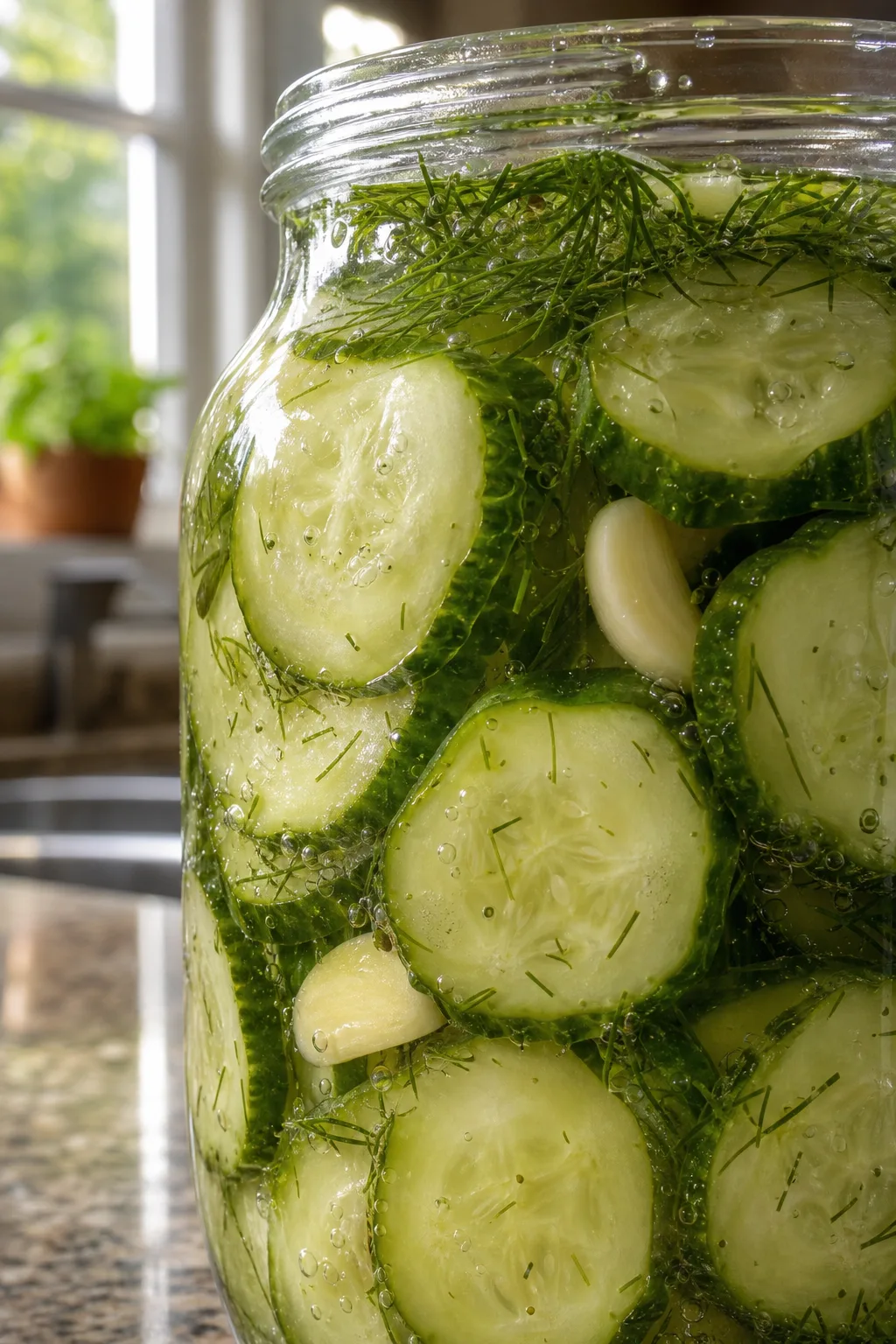
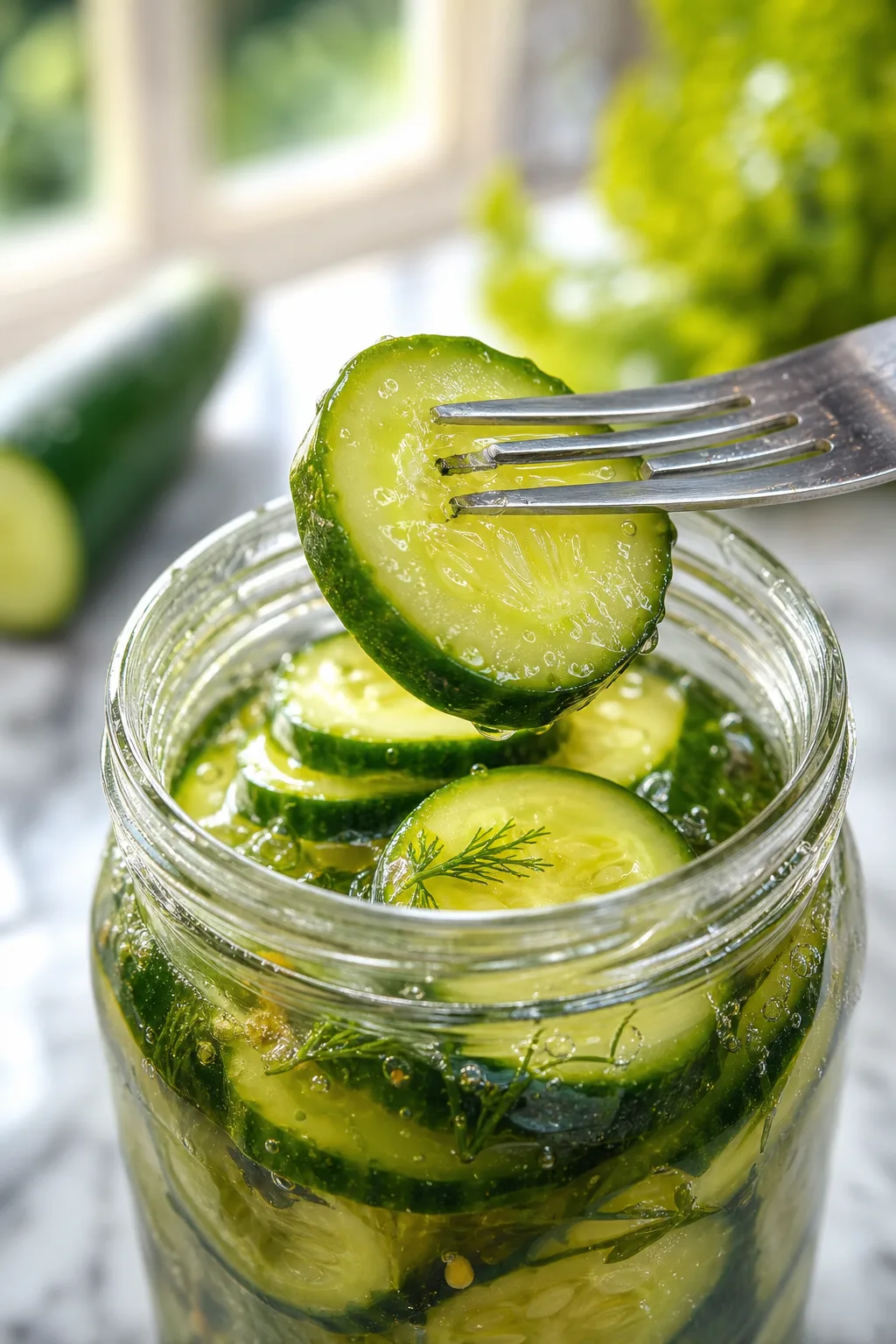
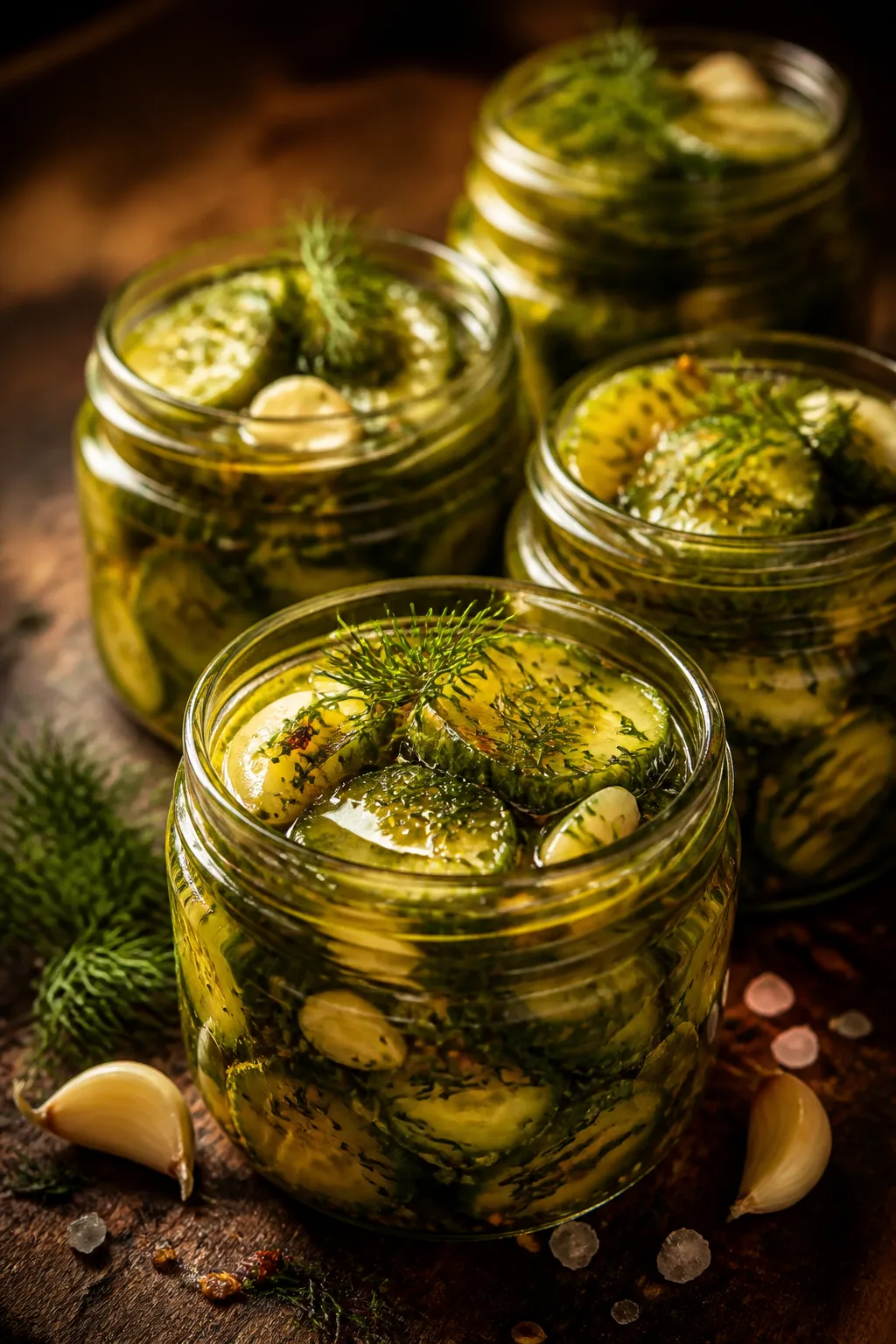
These crisp refrigerator pickles are my go-to for a quick tangy snack. I love how the fresh dill and garlic brighten every bite. They’re ready in just a few days, perfect for sandwich toppings or munching anytime!
Introduction
I first stumbled upon refrigerator pickles when I wanted something tangy and fresh without the long wait of traditional canning. This recipe quickly became a favorite because it’s so easy and delivers that perfect crunch every time. What sets my version apart? I always add fresh dill and garlic, which gives the pickles a bright, herbaceous flavor that’s just irresistible. Over the years, I’ve learned that slicing cucumbers into spears rather than rounds helps them stay crisp longer. Plus, the simple brine of vinegar, water, salt, and sugar balances tartness and sweetness perfectly. These pickles are fantastic as a quick snack, a sandwich topper, or even chopped into salads. They take just a few days to develop flavor, so you don’t have to wait forever to enjoy them. I remember the first batch I made was a little too salty because I didn’t measure the salt correctly, but now I stick to the recipe and get it just right every time. If you’re new to pickling, this is a fantastic place to start because it’s forgiving and super satisfying. Trust me, once you try these, you’ll want to keep a jar handy in the fridge all the time!
What You'll Need
Approximately 4 cups, 4 servings
- 4 cups fresh cucumbers, sliced into spears or rounds
- 2 cups white vinegar
- 2 cups water
- 2 tablespoons kosher salt
- 2 tablespoons sugar
- 4 cloves garlic, peeled and smashed
- 1/4 cup fresh dill sprigs
- 1 teaspoon black peppercorns
How To Do It
Step 1
Start by washing your cucumbers thoroughly to remove any dirt or debris. Slice them into spears or rounds, depending on your preference. Spears tend to hold their crunch better and are easier to grab for snacking. Avoid slicing too thin, as very thin slices can become mushy quickly. This step is key because the surface area exposed to the brine affects how the pickles absorb flavor and maintain texture.
⏱ Time: 10 minutes
✓ Doneness: Cucumbers are evenly sliced and ready for pickling.
Step 2
In a medium saucepan, combine the white vinegar, water, kosher salt, and sugar. Heat the mixture over medium heat, stirring occasionally until the salt and sugar fully dissolve. Heating the brine helps the flavors meld and ensures the salt and sugar integrate evenly. Don’t boil the brine; just get it hot enough to dissolve the solids. Once done, remove from heat and let it cool slightly before pouring over the cucumbers to avoid cooking them.
⏱ Time: 5 minutes
✓ Doneness: Brine is clear and all salt and sugar granules are dissolved.
Step 3
Place the sliced cucumbers into a clean glass jar or container with a tight-fitting lid. Add the smashed garlic cloves, fresh dill sprigs, and black peppercorns evenly throughout the jar. These aromatics infuse the pickles with their signature flavor, so distribute them well. Using a non-reactive container like glass is important to avoid metallic flavors and ensure food safety.
⏱ Time: 5 minutes
✓ Doneness: Cucumbers and seasonings are well layered in the jar.
Step 4
Pour the warm brine over the cucumbers and seasonings, making sure everything is fully submerged. If needed, press the cucumbers down gently with a spoon to eliminate air pockets. The cucumbers must be completely covered in brine to pickle properly and prevent spoilage. Leaving air gaps can cause uneven flavor development or mold growth.
⏱ Time: 5 minutes
✓ Doneness: All cucumbers are submerged under the brine liquid.
Step 5
Seal the jar tightly and let it cool to room temperature before placing it in the refrigerator. Cooling before refrigerating helps avoid condensation inside the jar, which could dilute the brine or encourage spoilage. Once chilled, the pickles will start absorbing the flavors immediately.
⏱ Time: 10 minutes
✓ Doneness: Jar is sealed and cooled, ready for refrigeration.
Step 6
Store the jar in the refrigerator for at least 3 days before tasting. The longer they sit, the more intense the flavor becomes. Unlike traditional pickles, these refrigerator pickles don’t undergo fermentation, so they won’t last as long but develop a fresh, bright flavor quickly. Check for any off smells or mold before eating.
⏱ Time: 3+ days
✓ Doneness: Pickles have a tangy aroma and crisp texture.
Step 7
When ready to serve, use a clean fork or tongs to remove pickles from the jar. They’re perfect on sandwiches, burgers, or just as a crunchy snack. If you want them less salty, rinse briefly under cold water before eating. Remember to always use clean utensils to avoid contaminating the brine and prolong shelf life.
⏱ Time: 2 minutes
✓ Doneness: Pickles are firm, flavorful, and ready to enjoy.
Step 8
After opening, keep the pickles refrigerated and consume within 2 weeks for best flavor and crunch. Over time, the cucumbers will soften and the brine may become cloudier, which is normal. If you notice any sliminess or off smells, it’s best to discard the batch.
⏱ Time: Ongoing
✓ Doneness: Pickles remain crisp and fresh smelling.
Step 9
If you want to customize, try adding sliced jalapeños for heat or mustard seeds for extra flavor. Just add these at the same time as the dill and garlic before pouring the brine. Experimenting with spices is a fun way to make this simple recipe your own.
⏱ Time: 5 minutes
✓ Doneness: Additional spices are evenly distributed in the jar.
Pro Tips
Slice cucumbers just before pickling to keep them fresh and crisp.
Cucumbers start to lose moisture and become soft once cut, so slicing them immediately before adding to the brine helps maintain their crunchy texture. If sliced too early, they can become limp and watery, negatively affecting the final pickle quality.
Use a non-reactive container like glass to hold the pickles.
Metal containers can react with the acidic brine, causing off flavors and discoloration. Glass jars are neutral, won’t leach chemicals, and allow you to see the pickles as they develop, making them the safest and most reliable choice for refrigerator pickling.
Don’t boil the brine; just heat enough to dissolve salt and sugar.
Boiling can change the flavor profile and potentially soften the cucumbers prematurely. Gently heating ensures the brine ingredients dissolve fully while preserving the fresh, crisp texture of the cucumbers once submerged.
Press cucumbers down to keep them submerged in the brine.
Exposure to air can cause oxidation and spoilage, leading to soft spots or mold. Keeping cucumbers fully covered ensures even pickling and prolongs shelf life. Using a small weight or a clean utensil to press them down is an easy way to maintain submersion.
Add fresh aromatics like dill and garlic for bright flavor.
Fresh herbs and garlic release essential oils that infuse the pickles with vibrant flavor quickly. Using dried herbs won’t give the same intensity, and chopped garlic can cloud the brine. Whole sprigs and smashed cloves balance flavor and clarity.
Refrigerate the pickles immediately after the brine cools.
Rapid cooling and refrigeration slow bacterial growth and help the cucumbers retain crunch. Leaving them at room temperature too long can cause spoilage or soften the pickles, ruining texture and safety.
Use kosher salt instead of table salt for a cleaner taste.
Kosher salt dissolves easily and lacks additives that can cloud the brine or cause off flavors. It also helps draw moisture from cucumbers effectively, contributing to a crisp texture. Table salt’s additives can interfere with these processes.
Common Mistakes to Avoid
Using too much salt or sugar in the brine
Why it happens Sometimes people guess the amounts or don’t measure carefully, thinking more salt or sugar means better flavor or preservation. This can easily throw off the recipe balance.
Fix Always measure salt and sugar precisely. Too much salt can make pickles overwhelmingly salty, while too much sugar can make them cloyingly sweet and affect fermentation. Stick to the recommended amounts for best results.
Not fully submerging cucumbers in brine
Why it happens It’s easy to underestimate how much brine is needed or forget to press down the cucumbers. This exposes them to air, leading to spoilage.
Fix Use a jar large enough to hold cucumbers and brine with space to submerge completely. Press cucumbers with a clean utensil and add more brine if necessary to cover them fully.
Using old or soft cucumbers
Why it happens Sometimes leftover cucumbers are used without checking freshness, leading to limp pickles.
Fix Choose fresh, firm cucumbers with no soft spots or wrinkles. Freshness directly impacts the crunch and shelf life of the pickles.
Adding garlic minced or too finely chopped
Why it happens People think minced garlic will distribute flavor better but it can cloud the brine and cause off flavors.
Fix Use whole or smashed garlic cloves to release flavor without clouding. This also helps maintain a clean brine and better texture.
Skipping refrigeration after pickling
Why it happens Some assume pickles can sit at room temperature like canned pickles, but refrigerator pickles need cold storage to stay safe.
Fix Place pickles in the refrigerator immediately after the brine cools to prevent spoilage and keep them crisp.
Variations
Spicy Jalapeño Refrigerator Pickles
Add sliced jalapeños and a pinch of red pepper flakes to the jar for a spicy kick. The heat melds beautifully with the tangy brine, creating pickles with a lively, bold flavor. Great for adding zip to sandwiches or snacks.
Note: Including jalapeños may slightly soften the cucumbers faster due to capsaicin oils; consume within 1-2 weeks for best texture.
Sweet Bread and Butter Pickles
Increase sugar to 1/3 cup and add a teaspoon of mustard seeds and turmeric for a sweeter, more aromatic pickle. These have a classic bread and butter flavor profile that’s perfect for burgers and BBQs.
Note: Higher sugar content slows fermentation but watch for softening; slice cucumbers a bit thicker to maintain crunch.
Garlic and Herb Mixed Pickles
Mix in fresh thyme and rosemary sprigs with the dill and garlic for an herby twist. This variation adds complexity and pairs well with cheese boards or roasted meats.
Note: Herbs release oils slowly; infusing for at least 5 days enhances flavor depth.
Low-Sodium Refrigerator Pickles
Reduce salt to 1 tablespoon and increase vinegar slightly to maintain preservation. This version suits those watching sodium intake but still want tangy, crunchy pickles.
Note: Lower salt increases risk of softer pickles and shorter shelf life; consume within 1 week.
Quick Pickled Cucumber Rounds
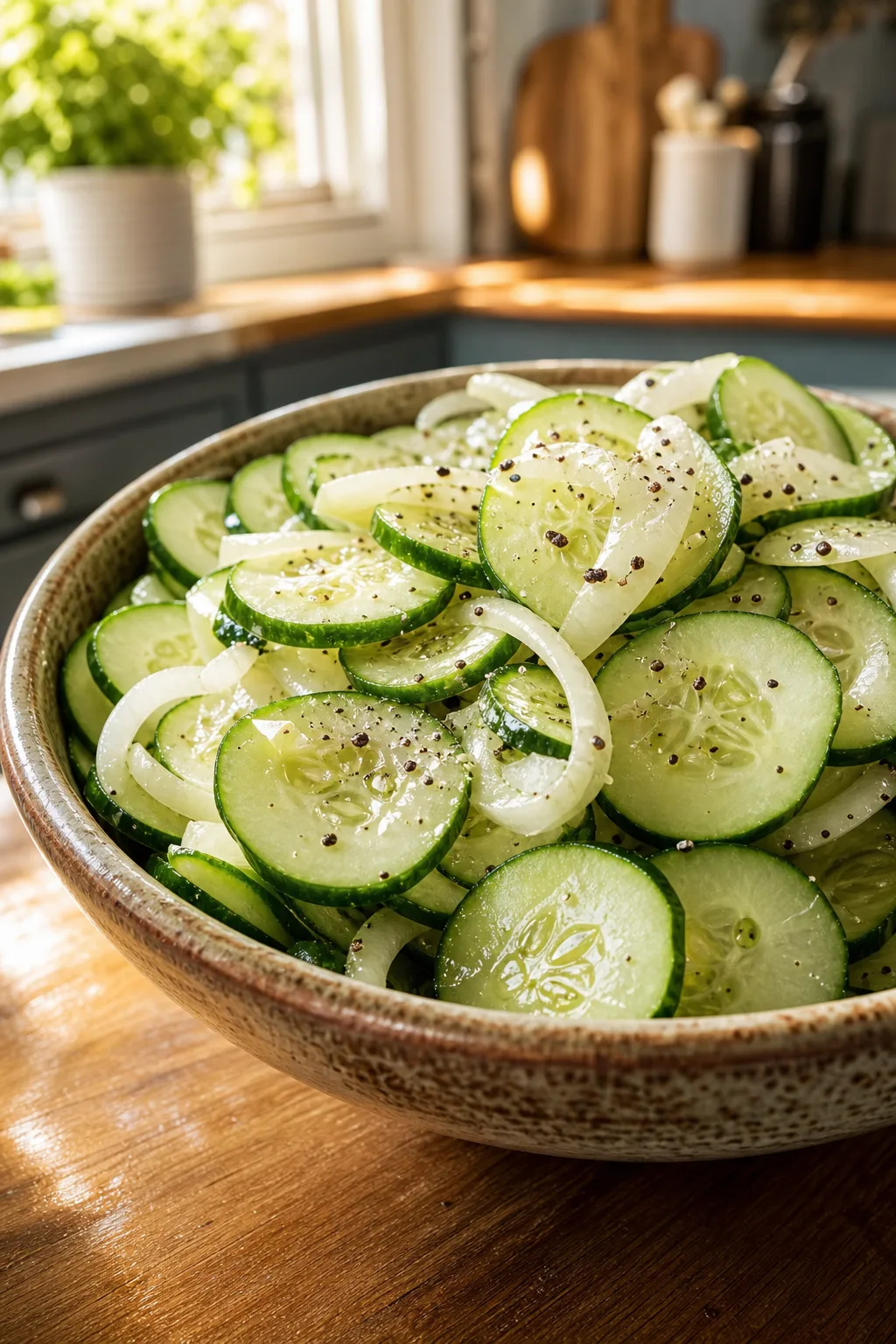
Slice cucumbers into thin rounds instead of spears for faster pickling and a great shape for sandwiches or salads. The thinner slices absorb brine quickly but can become soft faster.
Note: Pickle for only 2-3 days and enjoy promptly to retain crispness.
Nutrition
Per Serving:
Nutritional values are estimates and may vary based on specific ingredients used.
Storage & Tips
Room Temperature
Refrigerator pickles should not be stored at room temperature for more than 2 hours to avoid spoilage. Always keep them covered in brine and stored in a sealed container to prevent contamination.
Refrigerator
Store pickles in an airtight glass jar in the refrigerator for up to 2 weeks. Flavor will intensify over time, but texture may soften slightly. They are best enjoyed cold or at room temperature without reheating.
Freezer
Freezing is not recommended as it breaks down cucumber texture, resulting in mushy pickles. For longer storage, consider traditional canned pickling methods instead.
Reheating
Reheating is unnecessary and not advised for refrigerator pickles since they are designed to be eaten cold or at room temperature. Warmth can cause them to lose crunch and flavor.
Make Ahead
You can prepare the brine and slice cucumbers a day ahead, storing them separately in the fridge. Assemble the pickles and add brine on the day you want to start pickling to keep cucumbers fresh and crisp.
FAQ
Can I use regular cucumbers instead of pickling cucumbers?
You can, but pickling cucumbers are preferred because they have thicker skins and fewer seeds, which helps them stay crisp. Regular cucumbers tend to be more watery and can result in softer pickles. If using regular cucumbers, slice thicker and consume pickles sooner for best texture.
How long do refrigerator pickles last?
Stored properly in the fridge, refrigerator pickles last about 2 weeks. After that, they may lose crunch and flavor. Always check for off smells or mold before eating. Because they aren’t canned, they have a shorter shelf life than shelf-stable pickles.
Why are my pickles soft or mushy?
Soft pickles usually result from using overly ripe cucumbers, too much water in the brine, or not enough salt. Also, slicing too thin or skipping refrigeration can cause softening. To fix this, use fresh, firm cucumbers, follow salt measurements, and keep pickles chilled.
Can I add other spices to this recipe?
Absolutely! Mustard seeds, coriander seeds, peppercorns, or chili flakes are all great additions. Just add them with the dill and garlic before pouring the brine. Experimenting with spices lets you customize flavor without changing the basic pickling process.
Do I need to sterilize the jar before making pickles?
For refrigerator pickles, sterilization isn’t strictly necessary since they’re stored in the fridge and consumed quickly. However, using a clean jar helps prevent contamination and extends shelf life. Simply wash jars and lids in hot soapy water and rinse well.
Can I reuse the brine for another batch?
It’s best to make fresh brine for each batch to ensure proper acidity and salt balance. Reusing brine can dilute flavors and increase risk of spoilage. Fresh brine guarantees consistent, safe pickling results.
Why is my brine cloudy?
Cloudy brine can happen from natural fermentation, especially if garlic is minced or brine is exposed to air. While not always harmful, it may indicate early spoilage. Using whole garlic cloves and keeping cucumbers submerged helps keep brine clear.
Can I make these pickles vegan or allergen-free?
Yes! This recipe is naturally vegan and free from common allergens like nuts or dairy. Just ensure your salt and other ingredients are pure and free from cross-contamination if allergies are a concern.
Final Thoughts
I hope you enjoy making these easy refrigerator pickles as much as I do! Don’t forget to share your crunchy creations with friends and family — they’ll love them too.