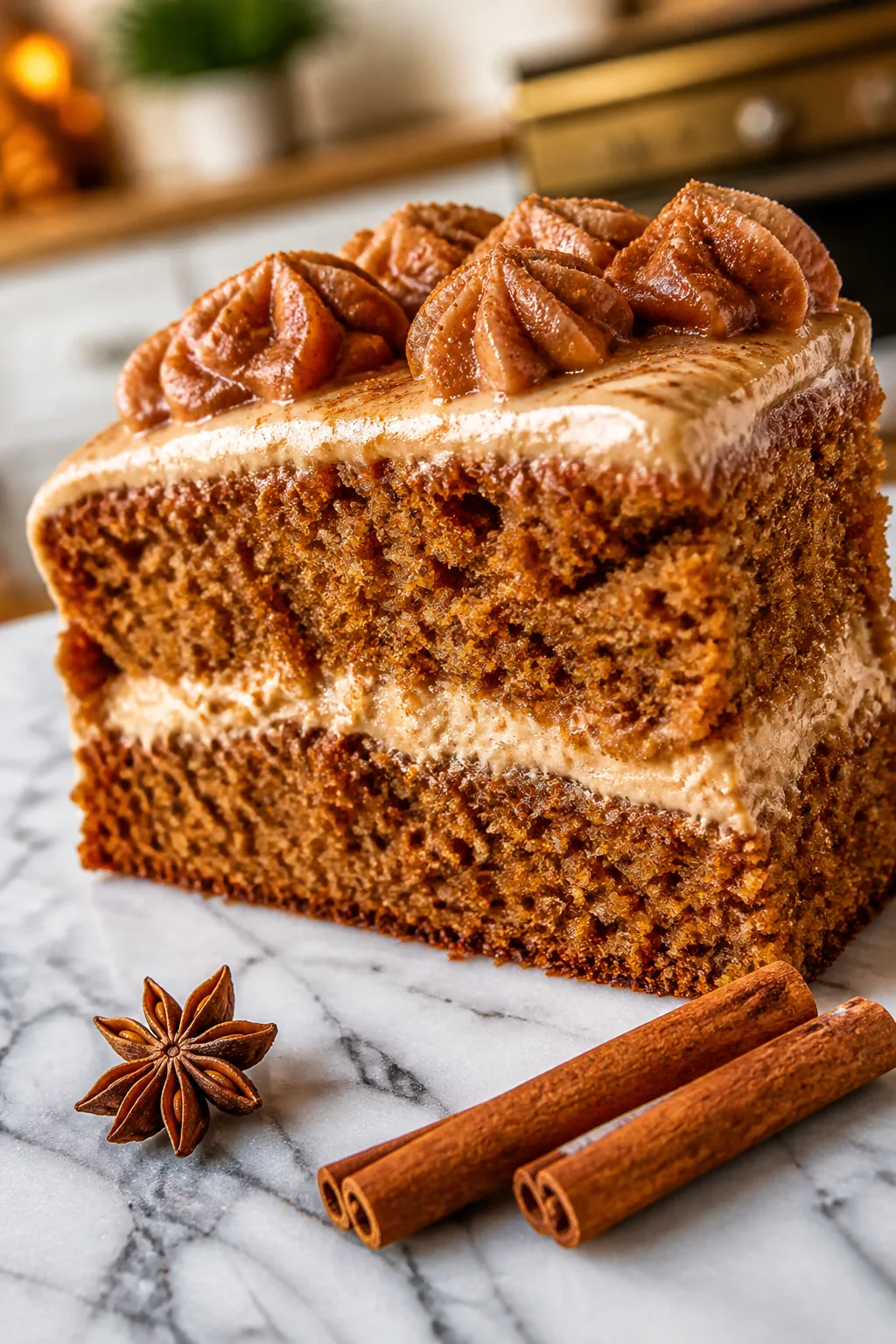
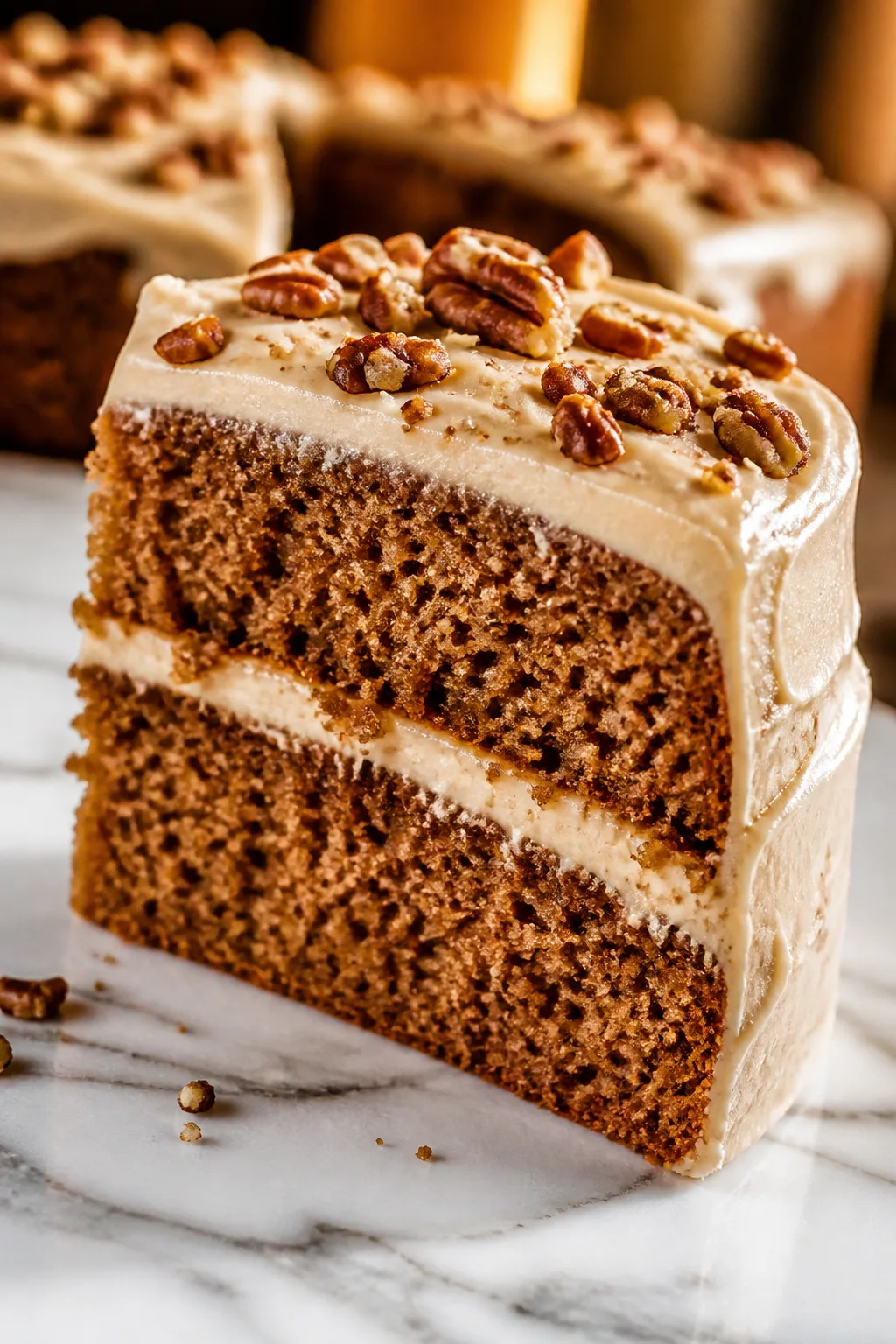
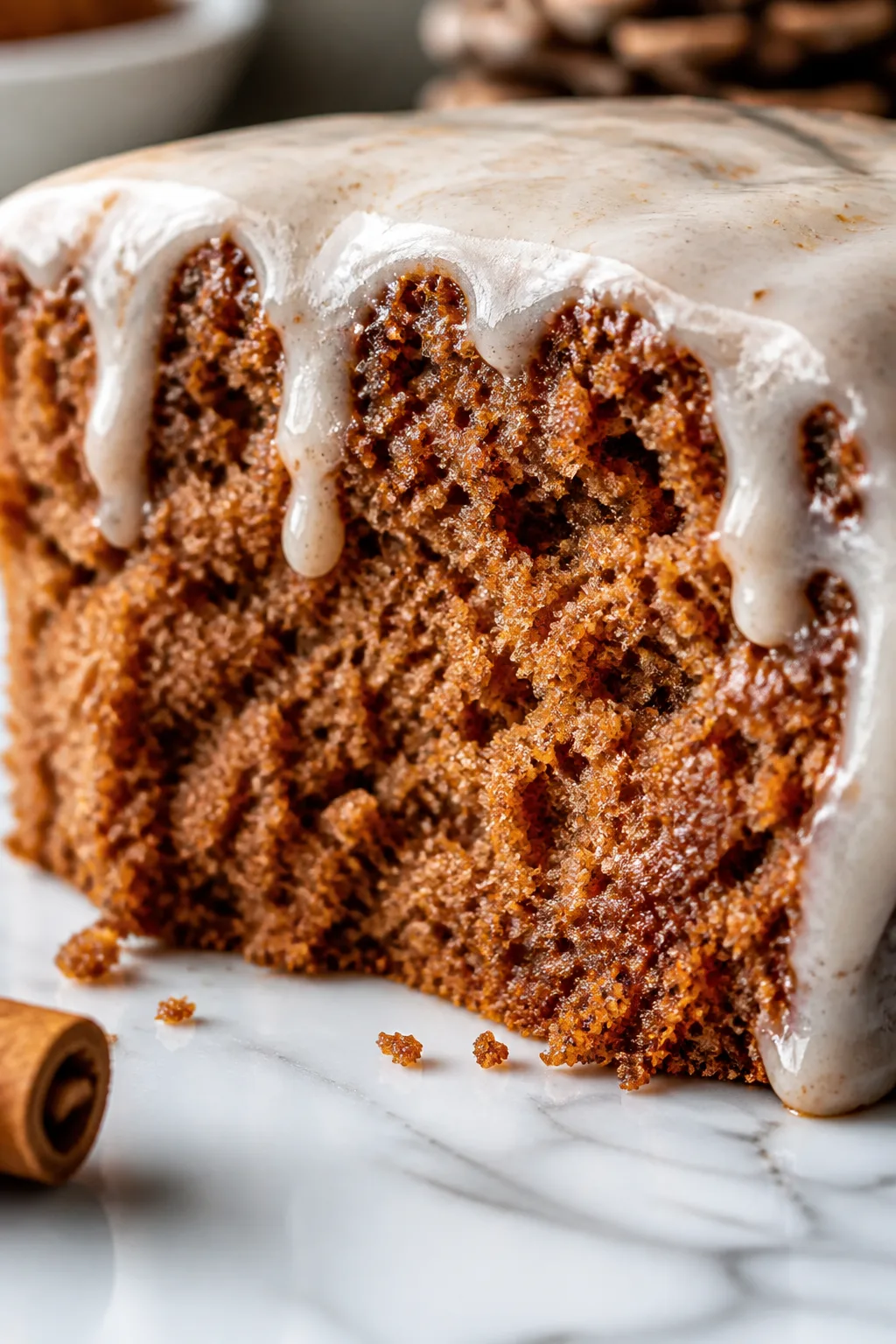
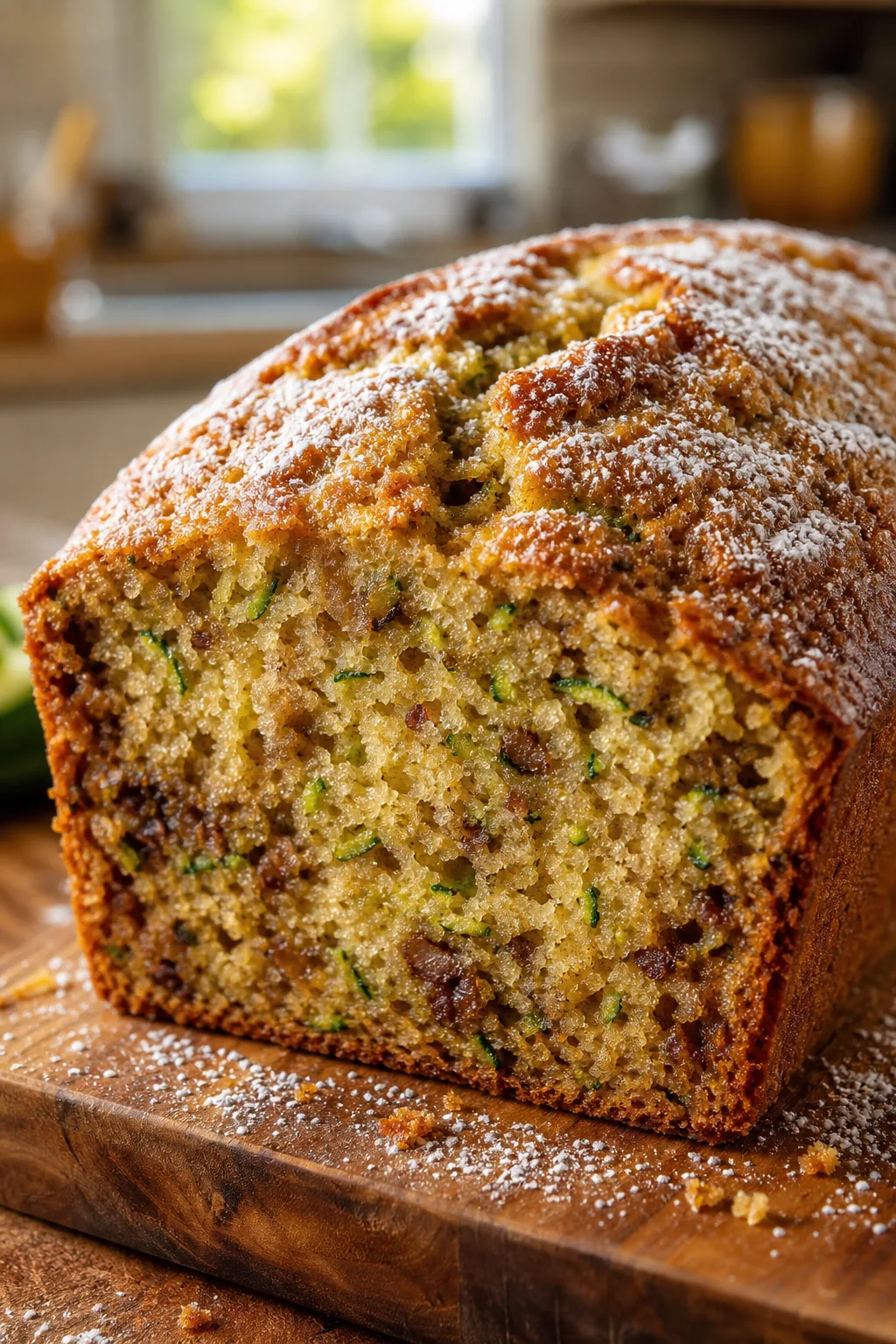
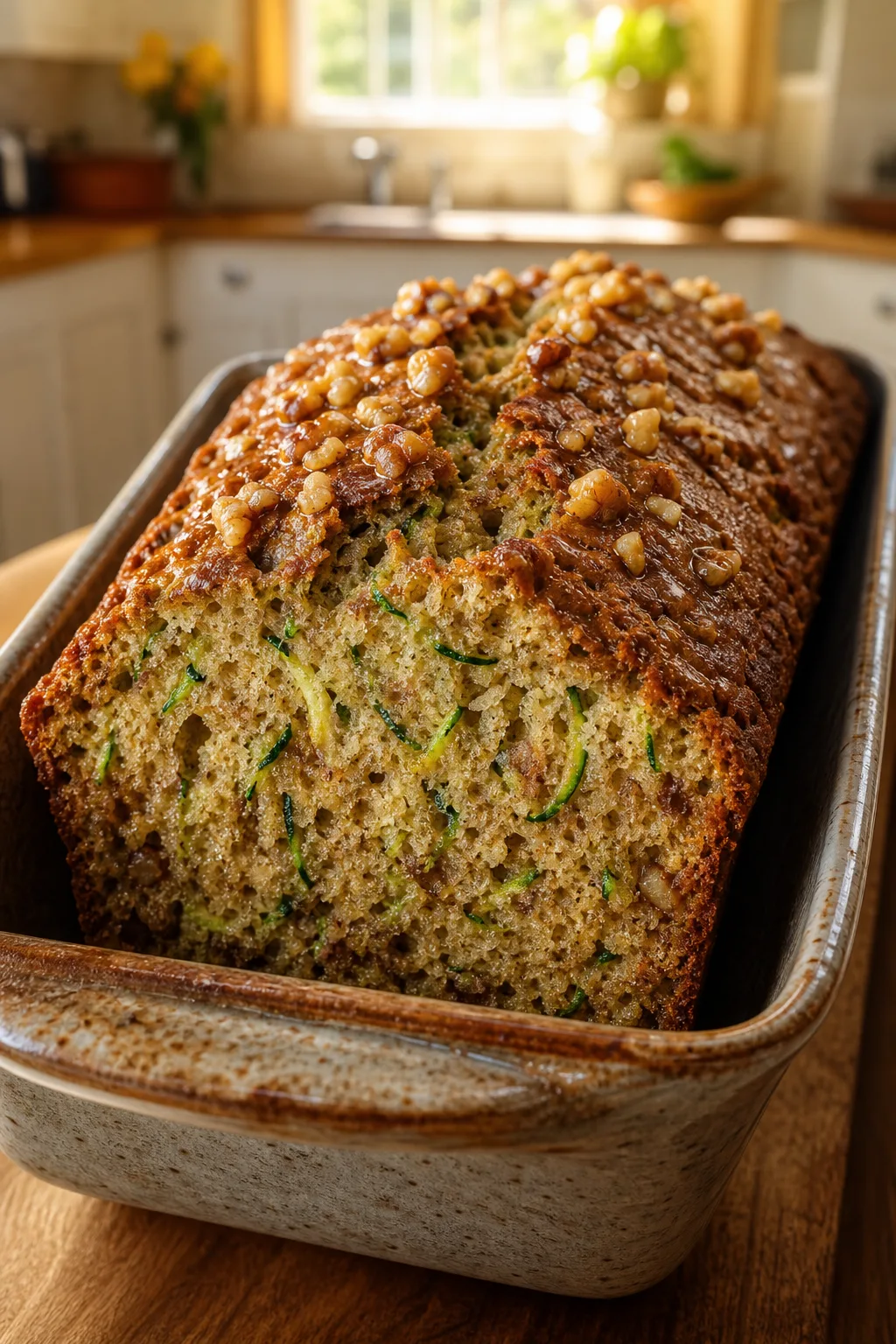
This spice cake is wonderfully moist without the usual applesauce. I use oil and buttermilk to keep it tender and soft. It’s perfect for cozy afternoons or sharing with family over tea.
Introduction
I stumbled upon this spice cake recipe years ago when I wanted a moist, tender cake but didn’t have applesauce on hand. Most spice cakes rely on applesauce or pumpkin to keep them soft, but I discovered that combining oil with buttermilk gives the cake a rich moistness without that extra flavor that sometimes masks the spices. I’ve been making this version for family gatherings ever since, and it never disappoints. The trick I learned was to mix the wet ingredients gently into the dry, just until combined, to avoid overdeveloping the gluten and making the cake tough. Also, using room temperature eggs and buttermilk helps everything emulsify smoothly, giving the final cake a delicate crumb. When baked, the layers come out tender, with warm cinnamon and nutmeg notes that feel like a cozy hug. It’s one of those cakes that’s simple but feels special, perfect for an afternoon coffee or a comforting dessert. Honestly, I’ve tried adding applesauce back in, but I keep coming back to this original—there’s just something about the texture and flavor balance that hits the spot every time.
What You'll Need
One 9-inch two-layer cake, 8 servings
- 2 1/2 cups all-purpose flour, sifted
- 1 1/2 teaspoons baking powder
- 1 teaspoon baking soda
- 2 teaspoons ground cinnamon
- 1/2 teaspoon ground nutmeg
- 1/4 teaspoon ground cloves
- 1/4 teaspoon salt
- 1 cup vegetable oil
- 1 cup granulated sugar
- 1 cup packed light brown sugar
- 3 large eggs, room temperature
- 1 cup buttermilk, room temperature
- 2 teaspoons vanilla extract
How To Do It
Step 1
Preheat your oven to 350°F (175°C). Grease and flour two 9-inch round cake pans or line them with parchment paper. This prep ensures the cake won’t stick and will release easily after baking, keeping the layers intact and looking neat.
⏱ Time: 10 minutes
✓ Doneness: Pans are evenly greased and floured with no excess flour remaining
Step 2
In a large bowl, sift together the flour, baking powder, baking soda, cinnamon, nutmeg, cloves, and salt. Sifting incorporates air and evenly distributes the leavening and spices, which helps the cake rise uniformly and develop balanced flavor.
⏱ Time: 5 minutes
✓ Doneness: Dry ingredients are well combined, light, and free of lumps
Step 3
In a separate bowl, whisk the vegetable oil, granulated sugar, and brown sugar until combined. The oils coat the flour proteins and sugars, contributing to a tender crumb. Mixing sugars with oil first also helps dissolve some sugar and prevents graininess.
⏱ Time: 3 minutes
✓ Doneness: Sugar and oil mixture appears smooth and slightly glossy
Step 4
Add the eggs one at a time to the oil and sugar mixture, whisking well after each addition. This gradual incorporation helps emulsify the batter, preventing curdling and ensuring a smooth texture. Using room temperature eggs makes this process easier and more effective.
⏱ Time: 4 minutes
✓ Doneness: Batter is smooth and slightly thickened with no streaks of egg whites
Step 5
Stir in the vanilla extract to the wet mixture. Vanilla enhances the warm spice flavors and adds depth. Don’t skip this step; it subtly rounds out the taste and makes the cake more aromatic.
⏱ Time: 1 minute
✓ Doneness: Vanilla is evenly mixed with no separation
Step 6
Add the dry ingredients to the wet mixture alternately with the buttermilk, beginning and ending with the dry ingredients. Mix gently with a spatula or wooden spoon after each addition, just until combined. Overmixing can develop gluten and make the cake dense, so keep it light and airy.
⏱ Time: 6 minutes
✓ Doneness: Batter is smooth, slightly thick, and homogenous with no flour pockets
Step 7
Divide the batter evenly between the prepared pans. Use a spatula to smooth the tops so they bake evenly. Uneven layers can cause lopsided cakes or doming, which makes decorating harder.
⏱ Time: 3 minutes
✓ Doneness: Both pans have equal batter levels with smooth surfaces
Step 8
Bake in the preheated oven for about 28-32 minutes, rotating pans halfway through. The cake is done when a toothpick inserted in the center comes out clean or with a few moist crumbs. Avoid opening the oven door too often, as this can cause the cake to sink.
⏱ Time: 30 minutes
✓ Doneness: Golden brown top with a toothpick clean or with moist crumbs
Step 9
Let the cakes cool in the pans for 10 minutes, then run a knife around the edges and invert onto wire racks to cool completely. Cooling in the pan too long traps steam and can make the cake soggy; removing it promptly helps keep the crumb tender but not wet.
⏱ Time: 20 minutes
✓ Doneness: Cakes release easily from pans and feel cool to the touch
Pro Tips
Use room temperature ingredients for smoother batter.
Cold ingredients can cause the batter to curdle or mix unevenly, leading to lumps and poor texture. Room temperature eggs and buttermilk emulsify more easily with oil and sugar, creating a uniform, aerated batter that bakes into a tender crumb.
Don’t overmix the batter once dry ingredients are added.
Overmixing develops gluten in the flour, resulting in a tougher, denser cake. Mixing just until combined keeps the crumb light and soft. You want to see a smooth batter without streaks of flour but still some air bubbles for lift.
Sift the dry ingredients together before adding.
Sifting aerates the flour and evenly distributes leavening agents and spices. This prevents clumps and ensures the cake rises evenly with consistent flavor throughout.
Rotate cake pans halfway through baking.
Ovens often have hot spots. Rotating the pans helps the cakes bake evenly, preventing one side from browning too quickly or the center from remaining undercooked.
Let cakes cool in the pan for 10 minutes before removing.
This helps the cake set and reduces the risk of breaking when taking it out. However, leaving it too long traps moisture and can make the crumb soggy, so timing is key.
Use a toothpick test to check doneness.
Inserting a toothpick in the center and seeing it come out clean or with a few moist crumbs means the cake is baked perfectly. Pulling it out too early results in wet centers; too late dries out the cake.
Measure flour by spooning and leveling, not scooping.
Scooping flour with the cup compacts it, adding too much and making the cake dry and dense. Spoon flour into the cup and level with a knife for accurate measurement.
Common Mistakes to Avoid
Overmixing the batter after adding dry ingredients
Why it happens Many cooks think mixing longer will make the batter smoother, but it actually develops gluten, making the cake tough instead of tender.
Fix Mix only until no dry streaks remain. Use a spatula to fold gently rather than vigorous stirring. Stop as soon as the batter looks homogenous.
Using cold eggs or buttermilk
Why it happens It’s easy to grab ingredients straight from the fridge, but cold liquids don’t combine well, causing curdling or uneven texture.
Fix Take eggs and buttermilk out 30 minutes before baking to come to room temperature. This ensures smooth emulsification and better rise.
Not preparing pans properly
Why it happens Skipping greasing or flouring pans can cause cakes to stick and break apart when removing.
Fix Always grease with butter or oil, then lightly dust with flour, or use parchment paper liners for easy release.
Opening the oven door too often while baking
Why it happens People check too frequently to see if the cake is done, but this causes heat loss and can make the cake sink.
Fix Set a timer and resist opening the door until the minimum baking time has passed.
Incorrect measuring of flour
Why it happens Scooping flour directly with a cup packs it tightly, adding too much flour and drying the cake.
Fix Fluff the flour, spoon it into the measuring cup, and level it off with a knife for accuracy.
Variations
Pumpkin Spice Variation
Swap 1/2 cup of the buttermilk for canned pumpkin puree to add autumnal flavor and extra moisture. Increase cinnamon slightly and add a pinch of ginger for a deeper spice profile. The texture will be a bit denser but still tender and moist.
Note: Pumpkin adds moisture and density, so reduce baking time by 2-3 minutes and check doneness carefully.
Gluten-Free Version
Use a 1:1 gluten-free baking flour blend instead of all-purpose flour. Add 1/2 teaspoon xanthan gum if your blend doesn’t contain it to provide structure. The cake will be slightly more crumbly but delicious.
Note: Gluten-free flours absorb liquid differently; monitor batter thickness and adjust buttermilk slightly if too stiff.
Maple Syrup Sweetened
Replace the granulated and brown sugars with 3/4 cup pure maple syrup for a natural sweetness and subtle maple flavor. Reduce buttermilk by 2 tablespoons to balance moisture. This gives a more caramel-like note.
Note: Maple syrup is liquid, so adjust other liquids accordingly to keep batter consistency.
Add Chopped Nuts
Fold in 1/2 cup toasted chopped pecans or walnuts to the batter before baking for crunch and nutty flavor. This adds texture contrast and richness to the cake.
Note: Toasting nuts enhances flavor but watch for burning; fold in gently to avoid deflating batter.
Citrus Spice Twist
Add 1 tablespoon finely grated orange zest to the batter for a bright citrus aroma that balances the warm spices. This gives a fresh note and elevates the flavor complexity.
Note: Zest should be finely grated to avoid bitter pith; add with dry ingredients for even distribution.
Nutrition
Per Serving:
Nutritional values are estimates and may vary based on specific ingredients used.
Storage & Tips
Room Temperature
Store the cooled cake covered loosely with a cake dome or plastic wrap at room temperature for up to 2 days. This keeps the cake moist but avoid direct sunlight or warm spots to prevent spoilage.
Refrigerator
Keep the cake in an airtight container in the fridge for up to 5 days. The cake may firm up and dry slightly when chilled, so bring it to room temperature before serving or warm gently.
Freezer
Wrap each cake layer tightly in plastic wrap and then aluminum foil, freezing for up to 3 months. Thaw layers overnight in the fridge, then bring to room temperature before frosting.
Reheating
Warm individual slices in the microwave for 15-20 seconds or in a low oven (300°F) wrapped in foil for 10 minutes. Adding a small pat of butter or a splash of milk before warming can restore moisture.
Make Ahead
Bake the cake layers a day ahead and store wrapped tightly at room temperature or in the fridge. Assemble and frost the day you plan to serve for the freshest texture and flavor.
FAQ
Can I substitute yogurt for buttermilk?
Yes, plain yogurt thinned with a little milk makes a good buttermilk substitute. Use equal parts yogurt and milk to equal the buttermilk amount. This keeps the acidity needed to react with baking soda and tenderize the crumb.
Why does my spice cake sometimes turn out dry?
Dry cake often results from overbaking or too much flour. Be sure to measure flour correctly by spooning and leveling. Also, check doneness early with a toothpick and remove as soon as it’s clean or with moist crumbs.
Can I use butter instead of oil?
You can, but butter may make the cake less moist and more dense since it solidifies at room temperature. If substituting, melt the butter first and cool before mixing with other liquids.
How do I make this cake vegan?
Replace eggs with flax eggs (1 tablespoon ground flaxseed + 3 tablespoons water per egg) and use a plant-based buttermilk (almond milk + vinegar). Use vegetable oil as in the recipe. The texture will be slightly different but still tasty.
Is it okay to mix the batter by hand instead of with a mixer?
Absolutely. Mixing by hand is fine as long as you don’t overmix. Use a spatula or wooden spoon and fold gently until just combined to avoid toughening the cake.
Why should I rotate the pans during baking?
Most ovens have uneven heat distribution. Rotating pans halfway ensures even baking and browning, preventing one cake from cooking faster or burning on one side.
Can I add frosting directly to warm cake layers?
It’s best to let cake layers cool completely before frosting. Warm cake can cause frosting to melt and slide off, making decorating messy and uneven.
How long can I store the frosted cake?
Once frosted, store the cake covered at room temperature for 1-2 days or in the refrigerator for up to 4 days. Bring to room temperature before serving for best flavor and texture.
Final Thoughts
I hope you enjoy making this tender, warmly spiced cake as much as I do. Don’t forget to share your baking adventures and how it turns out!