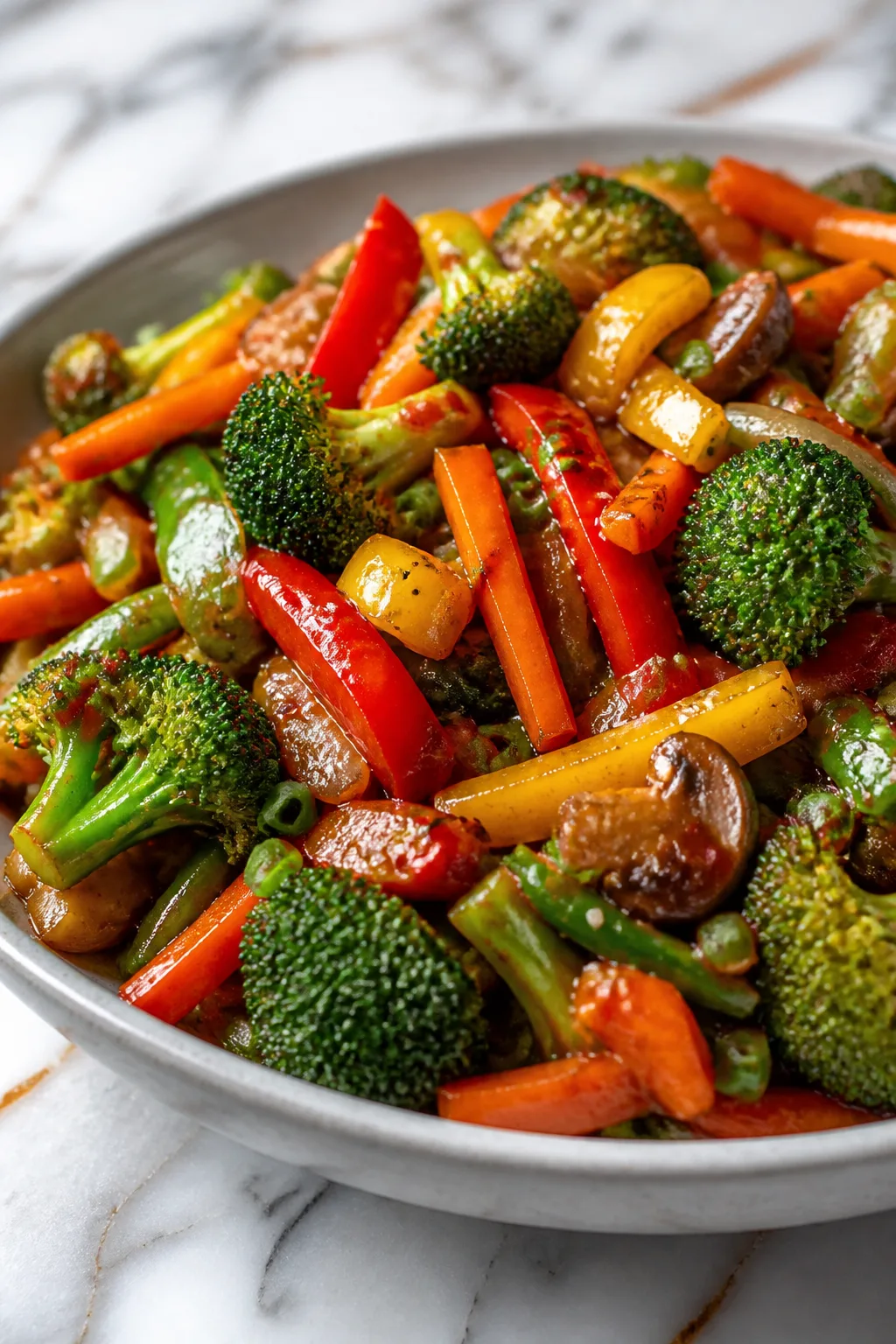
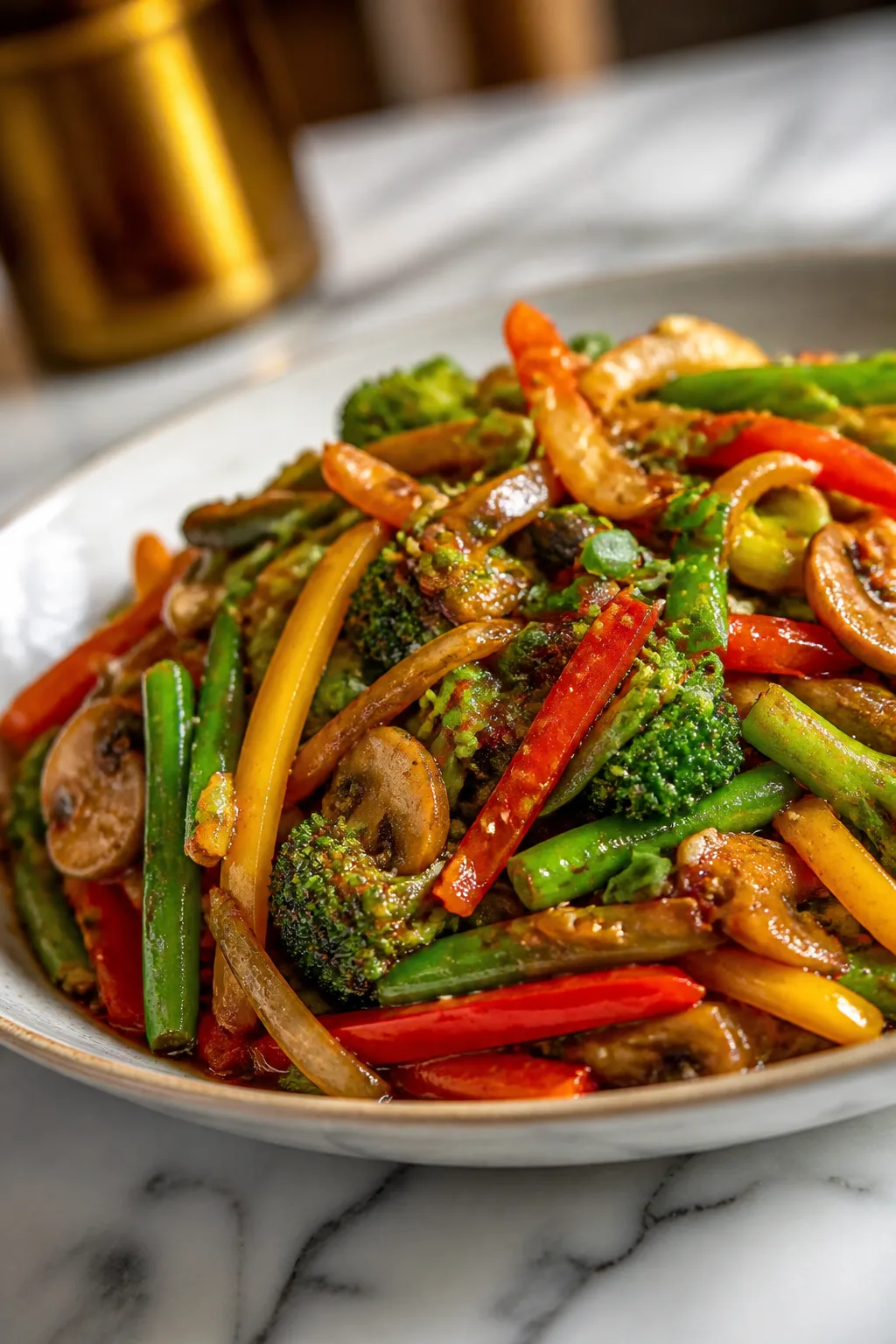
This veggie stir fry is a fresh, crunchy mix of crisp vegetables tossed in a simple, flavorful sauce. I love how the vibrant colors stay bright and the veggies keep their snap. It’s a go-to for quick dinners or light lunches!
Introduction
I first stumbled upon this veggie stir fry on a hectic weeknight when I needed something fast but satisfying. What I love most about this recipe is how the veggies stay crisp and vibrant, not mushy like some stir fries can get. The trick I learned over time is to cook the vegetables in batches and keep the heat high, so everything sautés quickly without steaming. Also, the simple sauce of soy, vinegar, and a touch of sweetness perfectly balances the natural freshness of the vegetables. It’s colorful, quick, and healthy—a combo that’s hard to beat after a long day. I’ve made this several times, tweaking the veggies based on what’s in my fridge, and it always turns out great. Plus, it’s a perfect light lunch or an easy side to any protein. You’ll get that satisfying crunch and a nice mix of flavors in every bite.
How To Do It
Step 1
Heat 1 tablespoon of vegetable oil in a large wok or skillet over medium-high heat until shimmering. This initial high heat is crucial to sear the veggies quickly, locking in their natural crunch. Avoid overcrowding the pan, which can cause steaming instead of sautéing, making the veggies soggy. Once hot, add the broccoli florets first since they take the longest to cook. Stir-fry for about 2-3 minutes until they start to turn bright green and slightly tender but still crisp. Watch for the broccoli to develop a bit of char for added flavor, but don’t let it burn.
⏱ Time: 3
✓ Doneness: Broccoli should be bright green with slight crisp-tender texture and a few browned spots.
Step 2
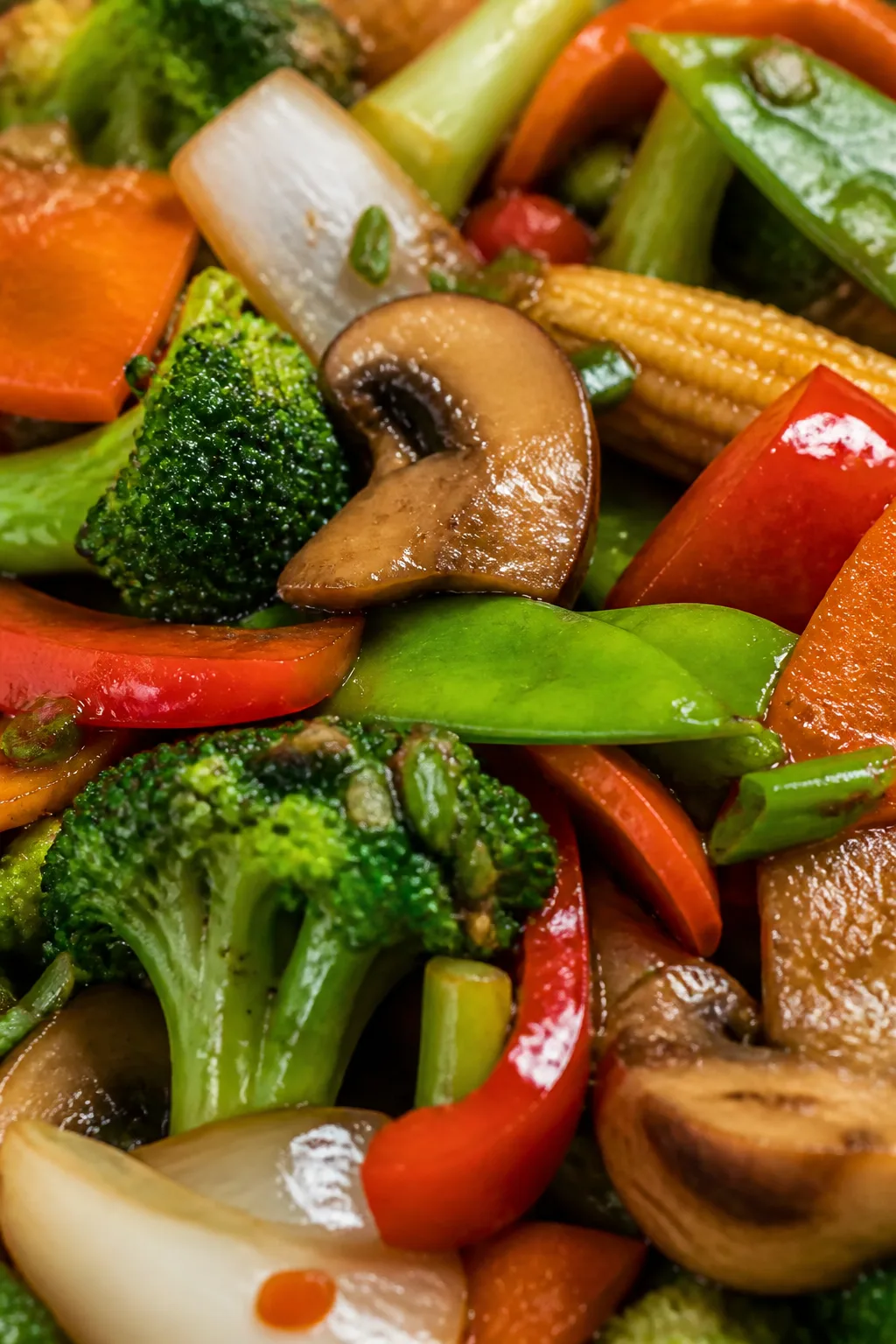
Add the sliced bell peppers, carrots, and snap peas to the wok. Stir-fry everything together for another 3-4 minutes. The goal here is to cook the veggies just enough so they’re tender yet retain some bite. Keep stirring constantly to prevent burning and ensure even cooking. If the pan gets too dry, add a splash of water to create a bit of steam, but not too much or the veggies will lose their crunch. This step is where the vibrant colors really pop, so don’t rush it.
⏱ Time: 4
✓ Doneness: Veggies should be tender-crisp with bright, vivid colors and slight softness in carrots.
Step 3
Push the vegetables to one side of the pan and add the remaining 1 tablespoon of oil to the empty side. Toss in the minced garlic and grated ginger, stirring quickly for about 30 seconds until fragrant. This technique prevents the garlic and ginger from burning and becoming bitter. Once aromatic, mix them into the vegetables thoroughly. The fresh ginger adds a zesty warmth that lifts the whole dish, so don’t skip this step!
⏱ Time: 1
✓ Doneness: Aromatic smell of garlic and ginger fills the kitchen without any hint of burning.
Step 4
In a small bowl, whisk together soy sauce, rice vinegar, honey (or maple syrup), and sesame oil. Pour this sauce evenly over the stir-fried veggies. Stir well to coat everything, allowing the sauce to heat through and slightly thicken. This mixture balances salty, sweet, and tangy flavors that complement the natural veggie sweetness. Avoid adding too much sauce at once; you want just enough to lightly glaze the vegetables without drowning them.
⏱ Time: 2
✓ Doneness: Vegetables glisten with a thin, shiny coating of sauce and a balanced aroma.
Step 5
Cook the stir fry for another 2 minutes, stirring constantly to let the flavors meld. This final step also warms the sauce so it clings beautifully to each veggie piece. Taste and adjust seasoning with salt and pepper if needed. Remember, soy sauce adds saltiness, so be cautious before adding extra salt. The goal is a harmonious balance, not an overpowering flavor.
⏱ Time: 2
✓ Doneness: Sauce is warm and slightly thickened, veggies are hot but still crisp.
Step 6
Remove the pan from heat and sprinkle toasted sesame seeds over the top if using. These add a lovely nutty crunch and a bit of texture contrast to the dish. Toss gently to distribute. If you like a little heat, you can add a pinch of red pepper flakes here as well. Serve immediately for the best texture.
⏱ Time: 1
✓ Doneness: Sesame seeds are evenly distributed and the dish looks glossy and inviting.
Step 7
Serve your veggie stir fry over steamed rice, noodles, or enjoy it on its own for a light meal. If you want to add protein, this pairs beautifully with tofu, chicken, or shrimp. Garnish with chopped green onions or fresh cilantro for an extra fresh touch. This dish is best eaten right away to enjoy the crispness of the vegetables.
⏱ Time: 1
✓ Doneness: Dish is plated attractively with vibrant colors and fresh garnishes.
Step 8
If preparing ahead, undercook the vegetables slightly as they will continue to soften when reheated. Cool completely before storing in an airtight container. Reheating gently on the stovetop with a splash of water or broth helps revive the crisp texture. Avoid microwaving for long periods, which can make the veggies soggy.
⏱ Time: 0
✓ Doneness: Veggies remain slightly firm after reheating without becoming mushy.
Step 9
Experiment with different vegetables based on season and preference—zucchini, mushrooms, or baby corn work wonderfully. Just remember to adjust cooking times to keep everything crisp and vibrant. Stir fry is flexible, so don’t be afraid to make it your own!
⏱ Time: 0
✓ Doneness: Veggies remain bright and crisp, adapted to your chosen selection.
Pro Tips
Cook veggies in batches to avoid overcrowding the pan.
Overcrowding traps steam, causing vegetables to become soggy instead of crisp. Cooking in smaller batches ensures high heat contact, allowing for proper searing and maintaining the vibrant texture and color of the veggies.
Use fresh ginger and garlic for the best flavor.
Fresh aromatics release essential oils that add warmth and depth to the dish. Pre-minced or powdered versions lack this intensity and can sometimes taste stale, diminishing the overall flavor profile of the stir fry.
Add sauce towards the end of cooking.
Adding the sauce too early can cause the veggies to steam and lose their crunch. By introducing the sauce at the end, it lightly coats the vegetables without making them soggy, preserving texture and enhancing flavor balance.
Keep the heat high but controlled.
High heat is essential to achieve quick cooking and caramelization, but if it’s too high, the vegetables or aromatics can burn, resulting in bitterness. Adjust the heat as needed to maintain a sizzle without scorching ingredients.
Use a wok or a large skillet with good heat distribution.
A wok’s shape allows for quick, even cooking and easy tossing of ingredients, which helps maintain the crispness and evenly cooks the vegetables. A heavy-bottomed skillet can also work if a wok isn’t available.
Toast sesame seeds before sprinkling.
Toasting sesame seeds enhances their nutty aroma and adds a pleasant crunch. Raw seeds lack this flavor impact and can feel bland, so a quick toast in a dry pan elevates the final dish.
Prepare all ingredients before heating the pan.
Stir frying is a fast process. Having everything chopped and ready prevents overcooking or burning as you won’t have to pause mid-cook to prep ingredients, ensuring a smooth workflow and perfect results.
Common Mistakes to Avoid
Overcooking the vegetables until mushy
Why it happens Many cooks assume vegetables need to be very soft to be done, but in stir fry, the goal is crisp-tender veggies. Rushing or cooking too long leads to soggy texture and dull colors.
Fix Cook veggies on high heat and keep cooking times short. Stir constantly and remove from heat as soon as veggies are just tender but still have a bite. This preserves freshness and vibrant appearance.
Adding sauce too early in the cooking process
Why it happens Some think adding sauce early helps flavor penetrate, but it causes steaming and sogginess.
Fix Add sauce only after vegetables are nearly cooked. This allows the sauce to coat without making the veggies limp.
Not preheating the pan properly
Why it happens Starting with a cold or lukewarm pan prevents proper searing and leads to uneven cooking.
Fix Always heat the pan until oil shimmers before adding veggies. This ensures a quick sear and keeps vegetables crisp.
Overcrowding the pan with too many vegetables
Why it happens Trying to cook all veggies at once lowers pan temperature and causes steaming.
Fix Cook in batches if necessary to maintain high heat and even cooking.
Using low-quality soy sauce
Why it happens Cheap soy sauces can be overly salty or artificial tasting, affecting the dish.
Fix Choose naturally brewed soy sauce with balanced flavor for best results.
Variations
Spicy Szechuan Veggie Stir Fry
Add a tablespoon of Szechuan peppercorns and a few dried red chilies to the oil when cooking garlic and ginger. This variation brings a numbing heat and bold spice that transforms the dish into a fiery delight. Great if you love a kick in your stir fry.
Note: Adjust the amount of chilies to control spice level. Toast peppercorns lightly to release flavor without burning.
Tofu and Veggie Stir Fry
Include firm tofu cubes, pan-fried until golden before adding the veggies. This adds protein and makes the dish more filling. Tofu soaks up the sauce beautifully, complementing the crisp veggies perfectly.
Note: Press tofu well to remove moisture before frying to get a crispy exterior.
Peanut Sauce Veggie Stir Fry
Swap the soy sauce and vinegar for a creamy peanut sauce made with peanut butter, soy sauce, lime juice, and a bit of honey. This adds richness and a nutty flavor that’s irresistible.
Note: Thin the peanut sauce with warm water to get the right consistency for coating veggies evenly.
Miso-Ginger Veggie Stir Fry
Add a tablespoon of white miso paste dissolved in the sauce mixture for an umami boost. The miso deepens the flavor while keeping the dish light and fresh.
Note: Dissolve miso in a bit of warm water before adding to avoid clumps.
Garlic Sesame Veggie Stir Fry
Increase garlic to 5 cloves and sprinkle extra toasted sesame seeds plus a drizzle of sesame oil at the end. This intensifies the nutty, garlicky flavor for garlic lovers.
Note: Be careful not to burn the garlic; add more towards the end of cooking.
Nutrition
Per Serving:
Nutritional values are estimates and may vary based on specific ingredients used.
Storage & Tips
Room Temperature
This stir fry can safely be left at room temperature for up to 2 hours if covered loosely. Beyond that, bacteria growth risks increase. Cover it with a clean cloth or lid to prevent contamination.
Refrigerator
Store leftovers in an airtight container in the refrigerator for up to 3 days. The veggies may soften slightly when chilled but can be refreshed by reheating gently on the stove with a splash of water or broth.
Freezer
Freezing is not recommended as the vegetables tend to become mushy upon thawing. If freezing is necessary, store in a freezer-safe container for up to 1 month and thaw overnight in the fridge before reheating.
Reheating
Reheat on the stovetop over medium heat with a splash of water or broth to loosen the sauce. Avoid microwaving for long periods as it can make the veggies soggy. Stir frequently until heated through.
Make Ahead
You can chop all vegetables and prepare the sauce 1-2 days ahead. Store chopped veggies in airtight containers or zip bags, and keep sauce refrigerated separately. Combine and cook fresh on the day of serving for best texture and flavor.
FAQ
Can I use frozen vegetables for this stir fry?
Frozen vegetables tend to release water as they cook, which can make the stir fry soggy instead of crisp. If you must use frozen, thaw and drain them well first, then cook quickly over high heat. Fresh veggies are always preferred for the best texture.
What can I substitute for soy sauce if I have allergies?
Tamari is a great gluten-free alternative to soy sauce and has a similar flavor. Coconut aminos can also be used for a soy-free option, though it’s sweeter and less salty, so adjust quantities accordingly.
How do I keep the vegetables from getting mushy?
Cook on high heat and for short periods, stirring constantly. Avoid overcrowding the pan and add sauce only at the end. Also, cutting veggies into uniform sizes helps them cook evenly.
Can I make this stir fry vegan?
Absolutely! Just ensure you use maple syrup or another plant-based sweetener instead of honey, and check your soy sauce is vegan-friendly. The recipe as is is naturally vegan-friendly except for the honey.
Is it okay to use olive oil instead of vegetable oil?
Olive oil has a lower smoke point than vegetable oil, so it can burn at the high temperatures needed for stir frying. If you prefer olive oil, use a light version and keep the heat medium to avoid burning.
How long can I store leftovers safely?
Leftovers can be stored in the refrigerator for up to 3 days in an airtight container. For best texture, reheat gently on the stove rather than in the microwave.
Can I add protein to this stir fry?
Yes! Tofu, chicken, shrimp, or beef are all great additions. Cook the protein first, remove it from the pan, then stir fry the veggies and add protein back at the end to combine.
What’s the best way to reheat without losing crunch?
Reheat quickly on the stovetop over medium heat with a splash of water or broth, stirring frequently. Avoid microwaving as it tends to steam the veggies and make them soft.
Final Thoughts
Give this colorful veggie stir fry a try—you’ll love how fresh and quick it is. Don’t forget to share your twists and favorites with me!