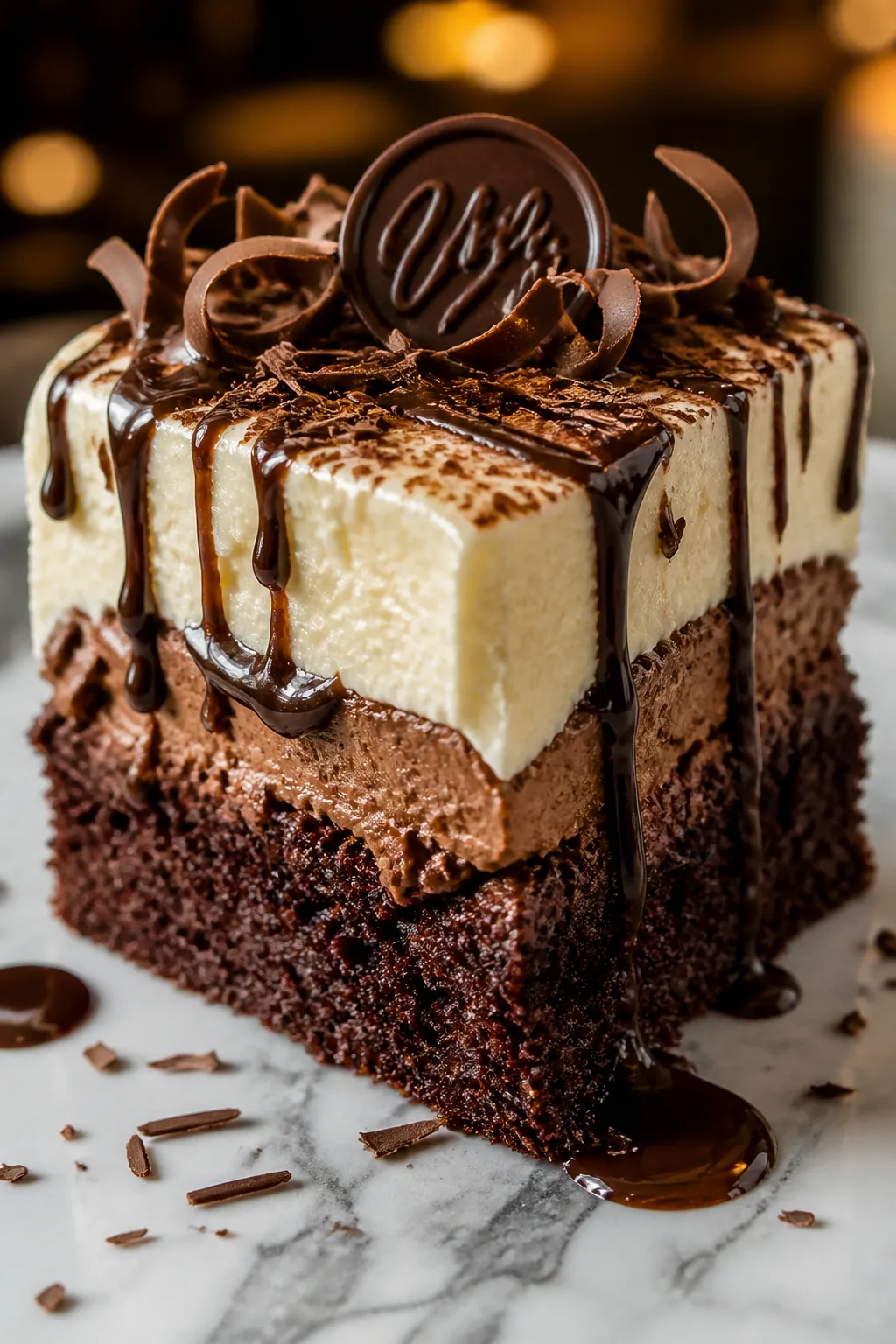
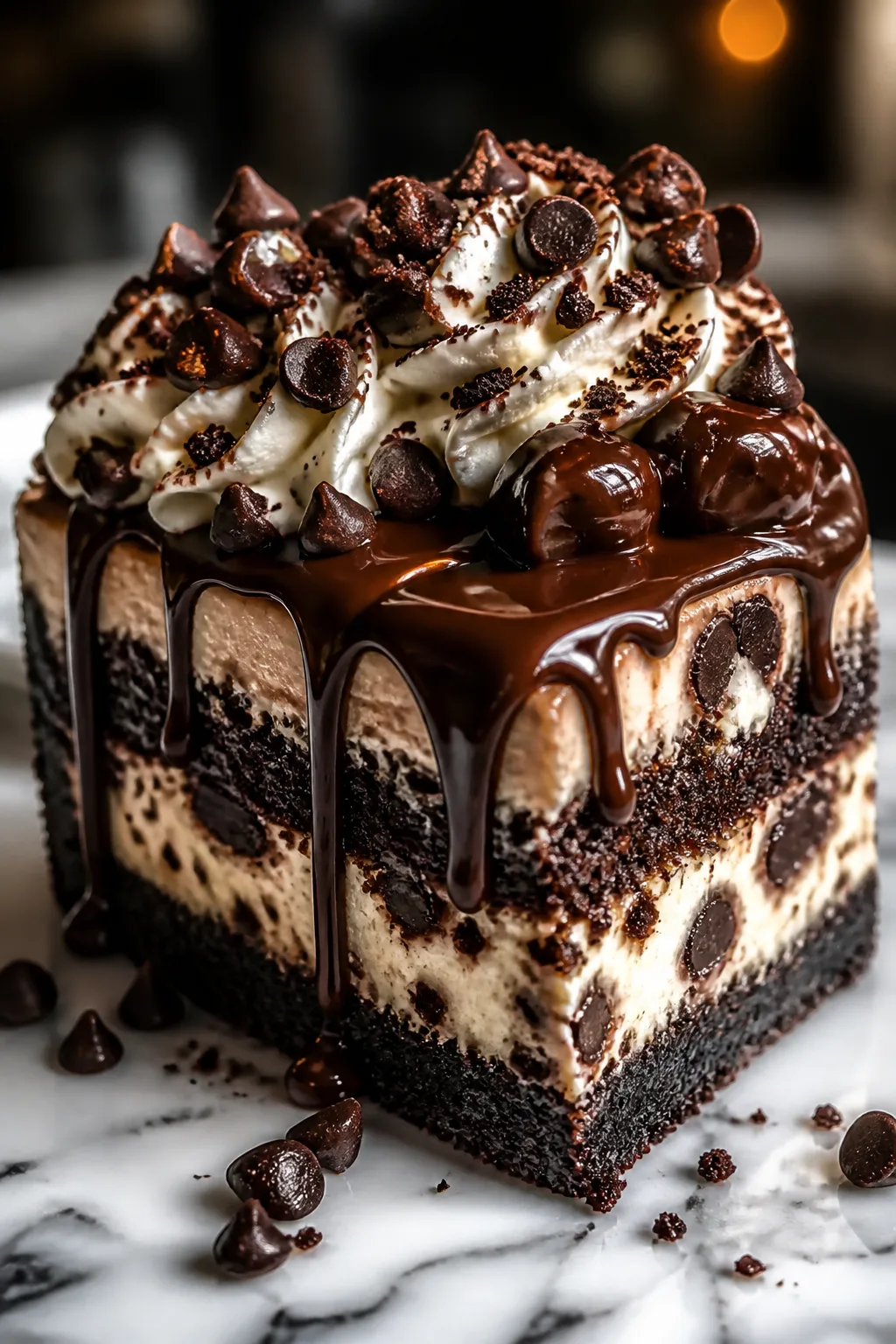
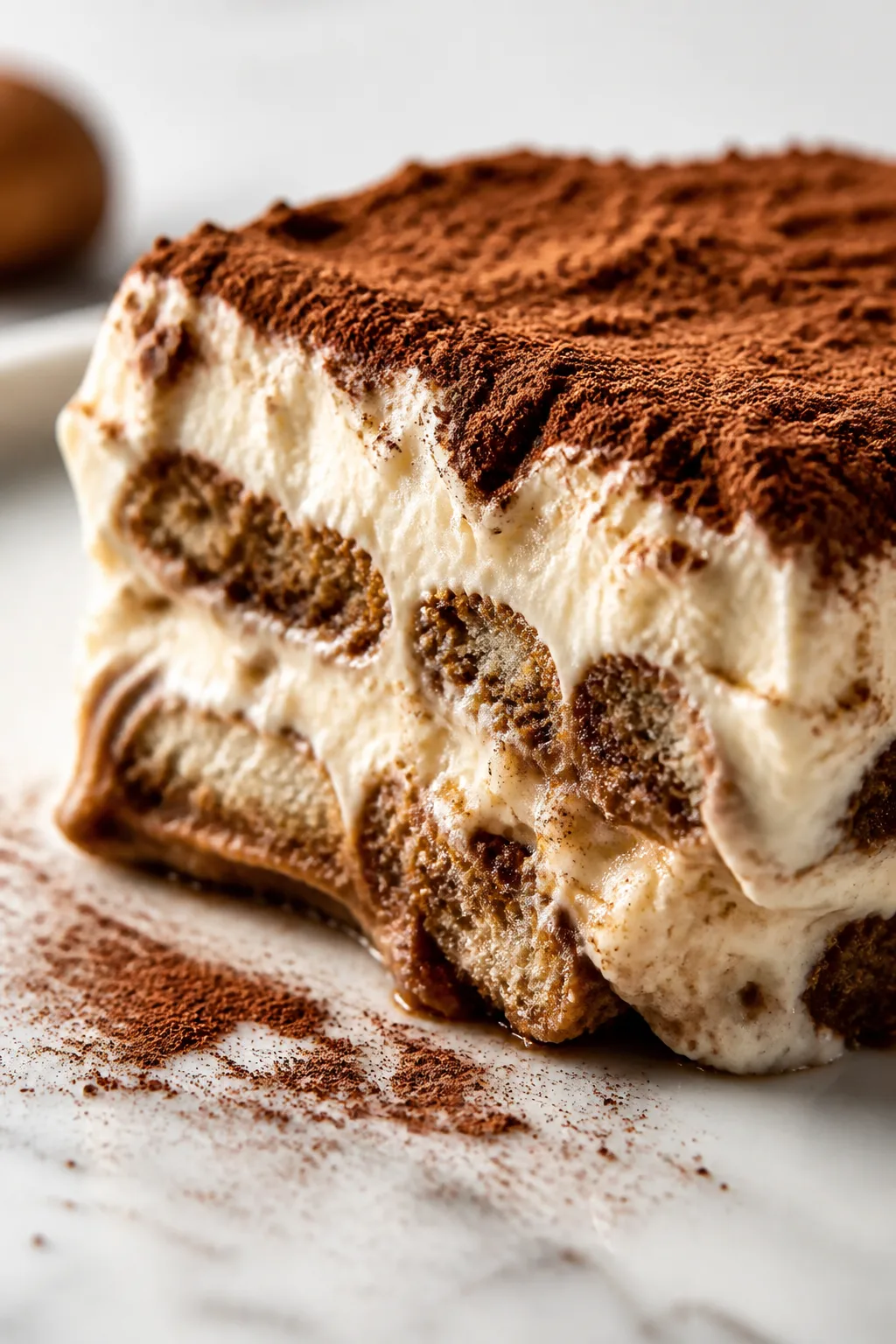
This chocolate mousse is silky smooth and surprisingly simple to make. The secret? Gently folding whipped cream into melted dark chocolate for a light, airy finish. It’s perfect for dinner parties or whenever you want a decadent treat without the fuss.
Introduction
I first stumbled on this chocolate mousse recipe years ago when I wanted a dessert that felt special but didn’t require a ton of time or fancy equipment. Many mousse recipes I tried before either tasted too heavy or were complicated with multiple steps and weird ingredients. What I love about this version is how it balances richness with lightness — thanks to folding whipped cream gently into melted chocolate and softly beaten egg whites. The trick I learned is to melt the chocolate slowly over a double boiler and make sure everything is at the right temperature before combining. It keeps the mousse airy and smooth, avoiding any grainy bits or separation. When you serve it, it looks glossy and inviting, with a texture that’s fluffy yet indulgent. My family always asks for seconds, and I think you’ll love how effortlessly elegant it feels, especially when you’re short on time but want to impress guests or just treat yourself. Plus, it’s surprisingly forgiving, so even if you’re not a pro in the kitchen, you can nail it. I usually prepare it a few hours ahead to let the flavors meld and the mousse set perfectly in the fridge. Trust me, this recipe has become a go-to whenever I want a dessert that’s both simple and fancy.
How To Do It
Step 1
Start by melting the chopped dark chocolate gently over a double boiler. Fill a saucepan with a couple inches of water and bring to a simmer, then place a heatproof bowl on top, making sure it doesn’t touch the water. Stir the chocolate occasionally until fully melted and smooth. This slow, gentle heat prevents burning and keeps the chocolate glossy. Avoid direct heat as it can seize the chocolate, ruining the texture.
⏱ Time: 10
✓ Doneness: Chocolate should be completely melted, smooth, and shiny without lumps.
Step 2
Separate the eggs carefully, placing yolks and whites in separate bowls. Add the granulated sugar to the egg yolks and whisk vigorously until the mixture becomes pale and slightly thickened. This step is key for incorporating air and sweetness into the mousse base, helping it become light and creamy.
⏱ Time: 5
✓ Doneness: Egg yolks should be lighter in color and slightly fluffy.
Step 3
Whip the heavy cream in a chilled bowl using an electric mixer until it forms soft peaks that hold their shape but still look smooth. Be careful not to overwhip to stiff peaks as it can cause the mousse to become grainy. The whipped cream adds volume and lightness to the mousse.
⏱ Time: 5
✓ Doneness: Cream should hold soft peaks and look airy but smooth.
Step 4
In a clean bowl, add a pinch of salt to the egg whites and beat them with an electric mixer until stiff peaks form. This means when you lift the beaters, the peaks stand straight without collapsing. Stiff egg whites help create the airy texture essential to a classic mousse.
⏱ Time: 5
✓ Doneness: Egg whites should be glossy and hold firm peaks.
Step 5
Fold the melted chocolate gently into the egg yolk mixture using a spatula. Use a careful folding motion to combine without deflating the air you just whipped in. This step is delicate because you want to maintain the lightness while mixing rich chocolate flavor evenly.
⏱ Time: 3
✓ Doneness: Mixture should be smooth and homogenous with no streaks.
Step 6
Next, fold in the whipped cream gently in two additions, using the same folding technique. This helps keep the mousse fluffy and prevents it from becoming dense. Take your time here — rushing or stirring too hard will knock out the air and affect the texture.
⏱ Time: 3
✓ Doneness: Mixture should look light and creamy with no lumps.
Step 7
Finally, fold in the stiff egg whites in three additions, again folding carefully to combine without losing volume. This final step makes the mousse airy and light. If you rush or mix too vigorously, the mousse will lose its delicate texture.
⏱ Time: 4
✓ Doneness: The mixture should be fluffy and uniform without streaks.
Step 8
Divide the mousse evenly into serving dishes or glasses. Smooth the tops with a spatula or spoon if needed. Cover loosely with plastic wrap to prevent a skin from forming and refrigerate for at least 2 hours or until set. Chilling allows the mousse to firm up and flavors to deepen.
⏱ Time: 5
✓ Doneness: Mousse should be set but still creamy when touched.
Step 9
Before serving, you can garnish with fresh berries, a sprinkle of cocoa powder, or shaved chocolate for an extra touch. Serve chilled straight from the fridge for the best texture and flavor. The mousse should be light, airy, and melt smoothly on the tongue.
⏱ Time: 2
✓ Doneness: Garnishes add visual appeal; mousse remains creamy and airy.
Pro Tips
Use a double boiler to melt chocolate gently.
Melting chocolate slowly over simmering water prevents it from overheating and seizing, which can cause a grainy texture. This method preserves the smooth, glossy finish critical for a silky mousse.
Fold ingredients gently to keep the mousse airy.
Folding rather than stirring maintains the air bubbles whipped into cream and egg whites. This air is what makes the mousse light and fluffy, so aggressive mixing will deflate it and create a dense dessert.
Chill all bowls and utensils before whipping cream.
Cold equipment helps the cream whip faster and hold soft peaks better. Warm bowls slow down the process and can lead to underwhipped or runny cream, affecting mousse texture.
Separate eggs carefully to avoid yolk in whites.
Even a small amount of yolk in the whites can prevent them from whipping to stiff peaks, which are necessary for the mousse’s airy structure. Use clean hands or egg separators for precision.
Let the mousse chill at least 2 hours before serving.
Chilling allows the fats in chocolate and cream to set gently, firming the mousse and enhancing flavor blending. Serving too soon will result in a loose, less flavorful texture.
Use high-quality dark chocolate with good cocoa content.
The chocolate’s quality directly impacts flavor and mouthfeel. Higher cocoa content chocolates provide the rich, slightly bitter notes that balance the sweetness and create a decadent mousse.
Avoid overwhipping egg whites to prevent dryness.
Stiff peaks should be glossy and moist; overwhipped whites become dry and clumpy, making it harder to fold and potentially causing the mousse to collapse.
Common Mistakes to Avoid
Chocolate seizing during melting
Why it happens This often happens when chocolate is exposed to direct high heat or moisture, causing the cocoa solids to clump and the mixture to become grainy.
Fix Use a double boiler and stir gently. Make sure no water gets into the chocolate. If it seizes, you can try adding a small amount of warm cream to smooth it out.
Egg whites not whipping properly
Why it happens This usually occurs if there’s any yolk contamination or if the bowl or beaters are greasy or wet.
Fix Use clean, dry bowls and utensils. Separate eggs carefully and avoid yolk in whites. Adding a pinch of salt or cream of tartar can stabilize the whites.
Mousse turns out too dense
Why it happens Overmixing or stirring vigorously deflates the whipped cream and egg whites, losing the airy texture.
Fix Fold ingredients gently using a spatula with a slow, sweeping motion. Stop mixing as soon as combined.
Mousse is runny and doesn’t set
Why it happens Skipping chilling time or using low-fat cream can prevent proper setting.
Fix Chill mousse for at least 2 hours. Use heavy cream with 36% fat or higher for stability.
Overwhipping cream into butter
Why it happens Whipping cream too long causes fat to separate, turning it grainy and buttery.
Fix Watch cream closely and stop whipping once soft peaks form.
Variations
Coffee-Infused Chocolate Mousse
Add 1 tablespoon of strong brewed espresso or instant coffee granules to the melted chocolate for a mocha twist. This adds depth and a subtle bitterness that complements the chocolate beautifully.
Note: Ensure coffee is hot enough to dissolve fully but not so much that it thins the chocolate too much; fold carefully to maintain mousse texture.
Orange Zest Chocolate Mousse
Fold in 1 teaspoon of fresh orange zest with the vanilla extract to brighten the chocolate flavor. The citrus notes add a refreshing contrast, perfect for a spring or summer dessert.
Note: Use finely grated zest to avoid bitterness and fold in gently with other wet ingredients.
Vegan Chocolate Mousse
Replace eggs with aquafaba (chickpea water) whipped to stiff peaks and use coconut cream instead of heavy cream. Melt vegan dark chocolate to keep this mousse dairy-free and plant-based.
Note: Whip aquafaba longer than egg whites and chill coconut cream well for best results; texture will be slightly different but still creamy.
Spicy Chili Chocolate Mousse
Add a pinch of cayenne pepper or chili powder to the melted chocolate for a subtle, warming kick. This variation adds complexity and works well for adventurous palates.
Note: Start with a small amount of spice and adjust to taste to avoid overpowering the chocolate.
White Chocolate Mousse
Substitute dark chocolate with high-quality white chocolate. The mousse will be sweeter and creamier, with a delicate vanilla flavor. Great for those who prefer milder chocolate desserts.
Note: White chocolate melts differently and is more sensitive to heat; melt gently and avoid overheating to prevent graininess.
Nutrition
Per Serving:
Nutritional values are estimates and may vary based on specific ingredients used.
Storage & Tips
Room Temperature
Chocolate mousse should not be left at room temperature for more than 2 hours as it contains raw eggs and dairy. Cover it loosely with plastic wrap to prevent drying out if serving soon after making.
Refrigerator
Store mousse in airtight containers or covered dishes in the fridge for up to 3 days. The texture firms up nicely but may become slightly denser when cold. Serve chilled or let sit at room temperature 10 minutes before serving for softer texture.
Freezer
You can freeze chocolate mousse for up to 1 month. Transfer to airtight containers and cover tightly to prevent freezer burn. Thaw in the refrigerator overnight and gently stir before serving to restore some creaminess.
Reheating
Chocolate mousse is best served cold and should not be reheated as it will lose its airy texture and may curdle. If needed, let it sit at room temperature for 10-15 minutes to soften before serving.
Make Ahead
Make the mousse up to 1 day ahead and refrigerate. Cover tightly to avoid absorbing fridge odors. Garnish just before serving to keep presentation fresh. This makes entertaining stress-free and ensures the mousse is perfectly set.
FAQ
Can I use milk chocolate instead of dark chocolate?
You can, but milk chocolate contains more sugar and milk solids, which will make the mousse sweeter and less intense in chocolate flavor. It may also affect the texture slightly, making it softer. If you prefer milk chocolate, reduce added sugar slightly.
Is it safe to eat mousse with raw eggs?
Since this recipe uses raw eggs, it's best to use pasteurized eggs for safety, especially for children, pregnant women, or anyone with a compromised immune system. Alternatively, you can gently cook the egg yolks with sugar over low heat to make a custard base to reduce risk.
How do I fix grainy mousse?
Graininess usually comes from overheating chocolate or curdled cream. To avoid this, melt chocolate slowly and don’t overwhip cream. If grainy, chill mousse thoroughly; sometimes it smooths out. Otherwise, try blending it briefly to restore silkiness.
Can I prepare mousse without eggs?
Yes, you can substitute whipped aquafaba (chickpea water) for egg whites to make a vegan or egg-free version. The texture will be slightly different but still light and airy. Use coconut cream instead of dairy for a fully vegan mousse.
How long can I store mousse in the fridge?
Store mousse in an airtight container in the refrigerator for up to 3 days. After that, the texture and flavor may start to degrade. Always keep it covered to prevent it from absorbing other odors.
Why is folding important in this recipe?
Folding gently incorporates ingredients without deflating the air whipped into cream and egg whites. This air is what gives mousse its light, fluffy texture. Stirring or mixing vigorously will knock out air and make the mousse dense.
Can I use a microwave to melt the chocolate?
You can, but be extremely careful. Microwave in short bursts (15-20 seconds), stirring in between to prevent overheating. Chocolate can burn quickly in the microwave, which ruins texture and flavor.
What’s the best way to serve chocolate mousse?
Serve chilled in small glasses or ramekins. Garnish with fresh berries, whipped cream, or a sprinkle of cocoa powder for a pretty presentation. Let mousse sit at room temperature for 5-10 minutes before serving for a softer mouthfeel.
Final Thoughts
I hope you enjoy making and savoring this chocolate mousse as much as I do. It’s a simple way to add a little elegance to any meal—let me know how yours turns out!