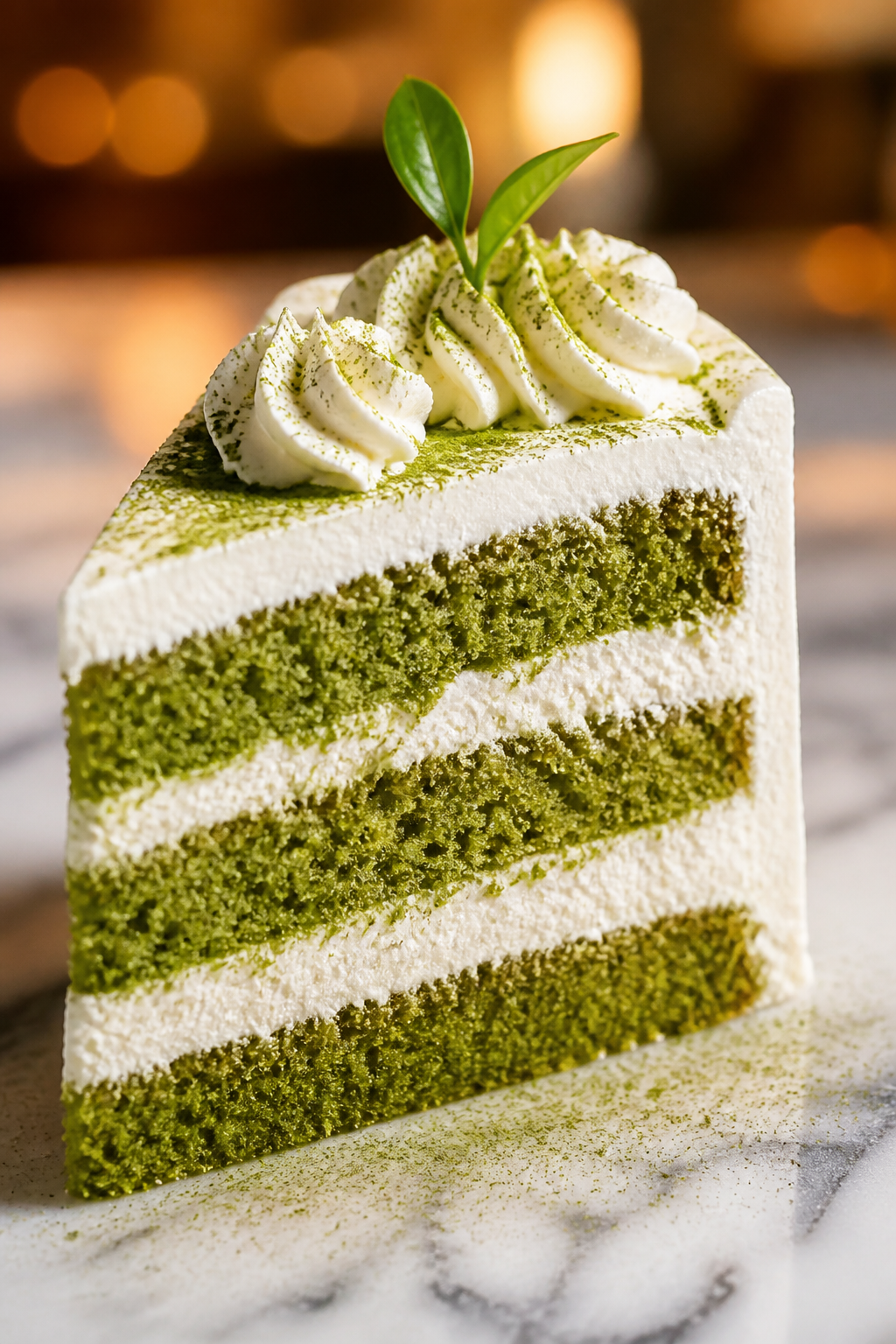
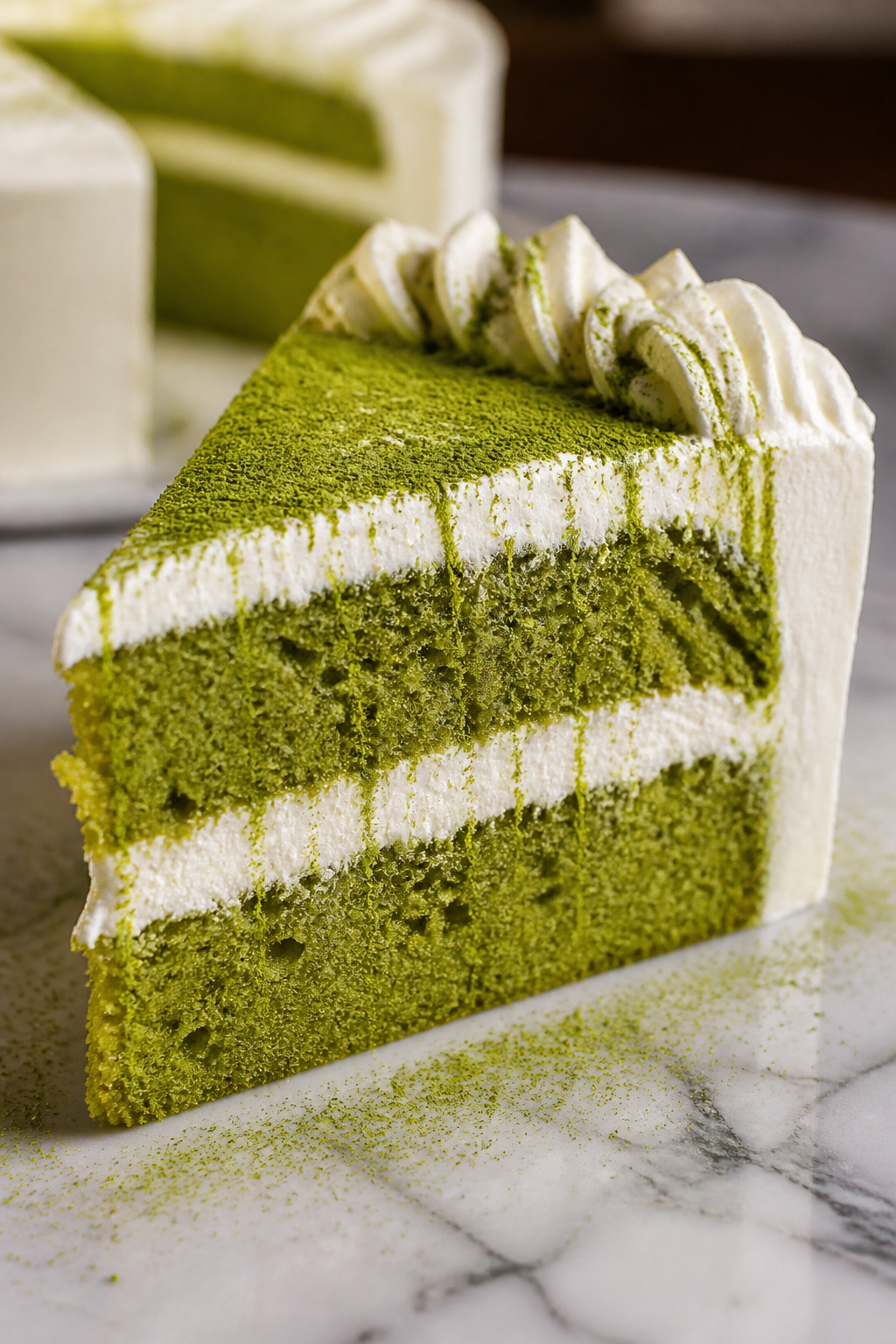
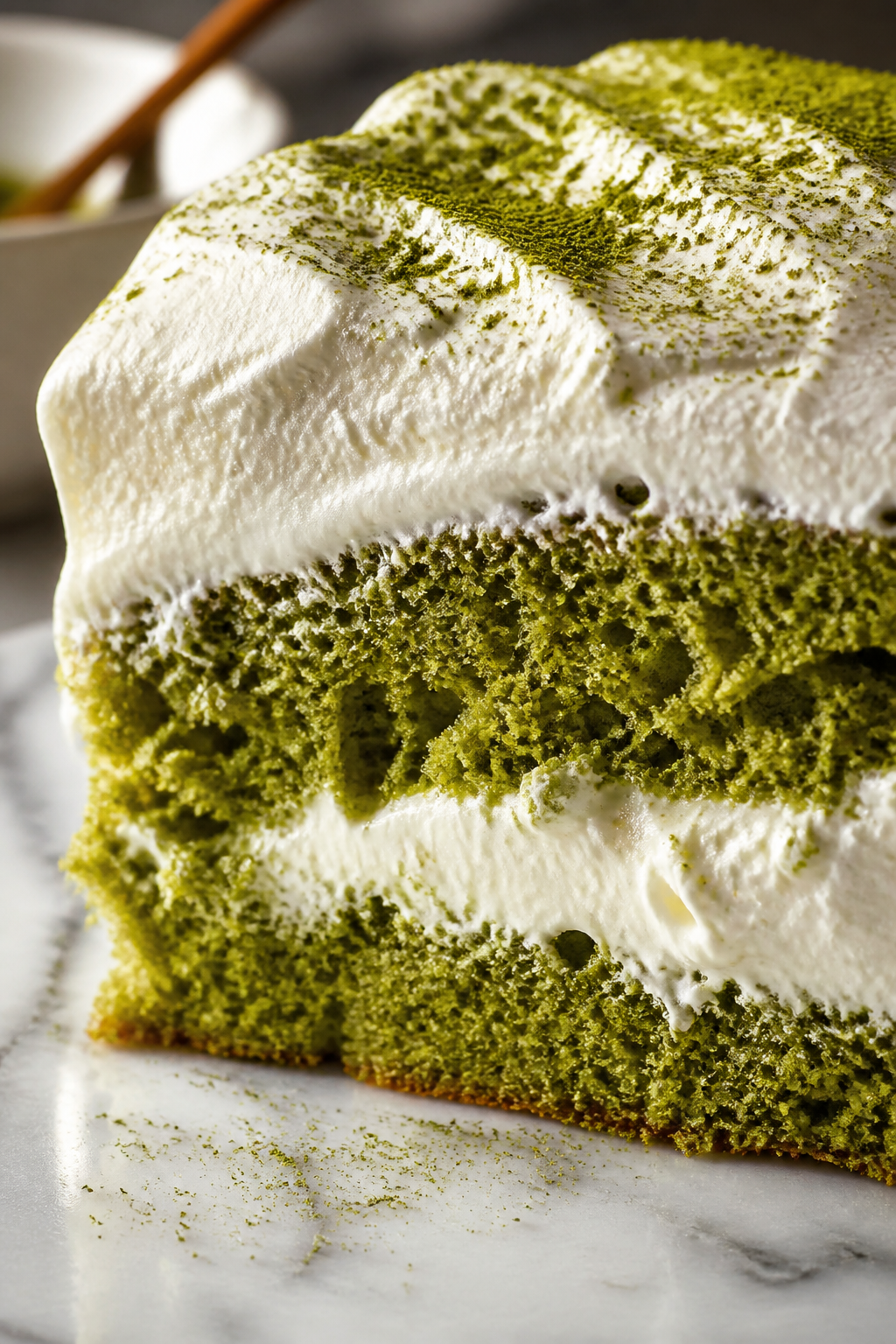
This matcha sponge cake is wonderfully light and fluffy, with a subtle green tea flavor that’s not overpowering. The soft whipped cream frosting adds the perfect creamy touch. I usually serve it with a cup of tea on a quiet afternoon.
Introduction
I've always been a fan of matcha desserts but finding a cake that’s both light and truly lets the green tea flavor shine was a bit of a journey. This matcha sponge cake is one I first tried making a couple years ago after struggling with dense, overly sweet versions. What makes this version special is the balance between the airy sponge and the gentle bitterness of the matcha powder, paired with a simple whipped cream frosting that doesn’t overwhelm. The trick I learned was folding the egg whites carefully to keep the batter fluffy and sifting the matcha powder with the flour to avoid clumps. It’s soft, springy, and has a pale green hue that looks as lovely as it tastes. Every time I slice it, I’m reminded of peaceful afternoons spent sipping tea. Plus, it’s surprisingly easy once you get the hang of the folding technique. The finished cake is tender, with a subtle sweetness and just the right hint of earthiness from the matcha. It’s perfect for sharing with friends or enjoying a quiet moment alone.
What You'll Need
One 8-inch round cake, 6 servings
- 4 large eggs, room temperature
- 100 grams granulated sugar, divided
- 80 grams cake flour, sifted
- 1 tablespoon matcha green tea powder
- 1/4 teaspoon cream of tartar
- 1/2 teaspoon vanilla extract
- 200 ml heavy cream, chilled
- 2 tablespoons powdered sugar
How To Do It
Step 1
Start by separating the eggs, placing the whites in a large clean bowl and the yolks in another. It’s important that no yolk mixes with the whites to ensure they whip up properly. Using an electric mixer, beat the egg whites with the cream of tartar on medium speed until they become foamy. This step helps stabilize the whites for a fluffy sponge.
⏱ Time: 5
✓ Doneness: Soft white peaks form, foamy but not yet stiff
Step 2
Gradually add half of the granulated sugar (50 grams) to the egg whites while continuing to beat at high speed. Keep whipping until stiff peaks form — this means the peaks hold shape firmly without drooping. This is key to creating the light sponge texture.
⏱ Time: 5
✓ Doneness: Glossy, stiff peaks that stand upright when you lift the beaters
Step 3
In the bowl with the egg yolks, add the remaining sugar and vanilla extract. Whisk vigorously until the mixture turns pale and slightly thickened. This adds sweetness and helps with the cake’s structure and flavor.
⏱ Time: 3
✓ Doneness: Pale yellow, creamy texture
Step 4
Sift together the cake flour and matcha powder twice to avoid lumps. Gently fold the dry ingredients into the egg yolk mixture using a spatula. Folding carefully keeps the batter light and prevents the matcha clumps from forming.
⏱ Time: 4
✓ Doneness: Smooth, pale green batter without streaks
Step 5
Take a third of the whipped egg whites and mix it into the yolk batter to lighten it. Then, gently fold in the remaining egg whites in two batches. Use a gentle folding motion to preserve the air bubbles, which are essential for the cake’s fluffiness.
⏱ Time: 5
✓ Doneness: Homogeneous, airy batter with no white streaks
Step 6
Pour the batter into a greased or parchment-lined 8-inch round cake pan. Tap the pan lightly on the counter to release any large air bubbles. This helps the cake bake evenly and prevents tunnels inside the crumb.
⏱ Time: 2
✓ Doneness: Smooth surface with minimal bubbles
Step 7
Bake the cake in a preheated oven at 170°C (340°F) for about 25-30 minutes. Avoid opening the oven door during the first 20 minutes to prevent the cake from collapsing. The cake is done when a toothpick inserted in the center comes out clean.
⏱ Time: 30
✓ Doneness: Lightly springy top with no wet batter on toothpick
Step 8
Remove the cake from the oven and let it cool in the pan for 10 minutes. Then, carefully invert it onto a wire rack to cool completely. Cooling upside down prevents the sponge from shrinking and keeps it tall and fluffy.
⏱ Time: 20
✓ Doneness: Cake is cool to the touch and maintains height
Step 9
Meanwhile, whip the chilled heavy cream with powdered sugar until soft peaks form. Spread the whipped cream evenly over the cooled cake. This frosting adds a light, creamy contrast to the slightly earthy matcha flavor without being too sweet.
⏱ Time: 10
✓ Doneness: Cream holds shape but is still soft and spreadable
Pro Tips
Separate eggs carefully with no yolk in whites.
Even a tiny bit of yolk can prevent egg whites from whipping properly because the fat interferes with protein bonding. This results in less volume and a denser sponge, so take your time separating eggs into a clean bowl.
Fold batter gently but thoroughly.
Folding preserves the air bubbles in the egg whites, which give the sponge its light texture. Using a rubber spatula, gently scoop from the bottom and fold over the top, rotating the bowl. Overmixing will deflate the batter, while undermixing leaves streaks.
Sift matcha powder with flour twice.
Matcha tends to clump due to static and moisture. Sifting ensures even distribution and prevents bitter clumps in the cake. It also aerates the flour, contributing to a lighter crumb.
Avoid opening the oven door early.
Sudden temperature changes can make the delicate sponge collapse before it sets. Wait at least 20 minutes before checking to ensure the cake rises properly and develops structure.
Cool cake upside down in the pan.
This prevents the sponge from shrinking as it cools, keeping it tall and airy. It also reduces moisture loss, preserving softness.
Chill heavy cream before whipping.
Cold cream whips faster and holds air better, resulting in a stable, fluffy frosting that complements the light sponge perfectly.
Use a light hand when spreading whipped cream.
Heavy spreading can compress the sponge and cause it to lose its airy texture. Gently spread with a spatula for a smooth, even finish.
Common Mistakes to Avoid
Not whipping egg whites to stiff peaks.
Why it happens Some rush this step or stop at soft peaks, thinking it’s enough. This results in a less stable meringue and a dense cake.
Fix Take your time beating the whites until they hold stiff peaks that stand upright. Check by lifting the beaters—if the peaks droop, keep whipping.
Overmixing the batter after adding egg whites.
Why it happens Eager to combine ingredients, some stir vigorously. This deflates the air bubbles needed for a fluffy crumb.
Fix Use a gentle folding technique with a spatula, turning the bowl slowly and folding from bottom to top. Stop as soon as the batter is uniform.
Using low-quality matcha powder.
Why it happens Budget constraints or unfamiliarity lead to cheaper powders with dull flavor and color.
Fix Invest in culinary-grade matcha for best taste and vibrant color. Sift to avoid clumps and bitterness.
Opening the oven door too early.
Why it happens Impatience or checking for doneness can cause temperature drops.
Fix Wait at least 20 minutes before peeking. Use the toothpick test near the end of baking.
Not chilling the cream before whipping.
Why it happens Skipping this step because of time or oversight.
Fix Chill cream and bowl in the fridge for at least 15 minutes. Cold cream whips better and holds peaks longer.
Variations
Matcha and Red Bean Sponge Cake
Add a layer of sweetened red bean paste between the sponge and whipped cream for a classic Japanese twist. The earthiness of matcha pairs beautifully with the sweet beans for a richer flavor profile.
Note: Spread red bean paste evenly after the first sponge layer cools to avoid moisture seeping and sogginess.
Matcha Lemon Sponge Cake
Incorporate lemon zest into the batter and add a lemon-infused whipped cream frosting. This variation brightens the earthiness of matcha with a fresh citrus zing, perfect for spring.
Note: Zest finely and fold gently to avoid deflating batter; lemon juice can be added sparingly to the cream without curdling.
Vegan Matcha Sponge Cake
Replace eggs with aquafaba (chickpea water) whipped to stiff peaks and use coconut cream for the frosting. This version is lighter and dairy-free, still capturing the delicate matcha flavor.
Note: Whip aquafaba longer than egg whites to achieve stiffness; coconut cream should be chilled and whipped carefully.
Matcha Chocolate Sponge Cake
Add a tablespoon of cocoa powder to the flour mixture for a subtle chocolate undertone. Top with whipped cream and dark chocolate shavings for an indulgent treat.
Note: Balance cocoa with matcha by slightly reducing matcha powder to avoid bitterness; sift well to combine.
Matcha Sponge Cake with Fresh Berries
Top the whipped cream frosting with fresh strawberries, blueberries, or raspberries. The tartness of the berries complements the matcha’s earthy notes and adds vibrant color.
Note: Add berries just before serving to keep them fresh and prevent moisture from softening the cake.
Nutrition
Per Serving:
Nutritional values are estimates and may vary based on specific ingredients used.
Storage & Tips
Room Temperature
Keep the cake covered loosely with a cake dome or plastic wrap at room temperature for up to 6 hours. Beyond that, the whipped cream can start to soften and the cake may dry out.
Refrigerator
Store the cake in an airtight container or cover tightly with plastic wrap for up to 2 days. The whipped cream frosting may firm up and the sponge will be moist but chilled. Let it sit at room temperature for 15 minutes before serving to soften.
Freezer
Freeze the cake wrapped tightly in plastic wrap and then in foil for up to 1 month. To thaw, transfer to the fridge overnight. Reheat is not recommended as whipped cream texture changes, so serve chilled after thawing.
Reheating
Since this cake has whipped cream frosting, avoid reheating as it will break down. If you want a warm slice, remove frosting and warm sponge gently in microwave for 10-15 seconds.
Make Ahead
Bake the sponge cake 1-2 days ahead and keep it wrapped tightly in plastic wrap in the fridge. Whip and spread the cream frosting the day you plan to serve for best texture and freshness.
FAQ
Can I use all-purpose flour instead of cake flour?
Yes, but the sponge might be slightly denser and less tender. To mimic cake flour, you can replace 2 tablespoons of all-purpose flour per cup with cornstarch. Sift well with matcha to keep the texture light.
What if my egg whites don’t whip up stiff?
Make sure there’s no yolk mixed in and that your bowl and beaters are clean and dry. Room temperature eggs whip better. Adding cream of tartar helps stabilize the whites. If you rush or beat too slowly, you won’t get enough volume.
Can I substitute the heavy cream with something else?
Heavy cream provides the fat and stability needed for the whipped frosting. You can try whipping coconut cream for a dairy-free option, but it whips differently and has a distinct flavor. Regular whipping cream works best for texture and taste.
How do I prevent the matcha from tasting bitter?
Use high-quality culinary matcha powder and don’t overdo the amount — 1 tablespoon is enough for a subtle flavor. Sifting helps avoid clumps that can taste bitter. Also, balance with a lightly sweet whipped cream frosting.
Can I make this cake gluten-free?
You can try substituting cake flour with a gluten-free flour blend suitable for cakes, but the texture might differ. The sponge may be less airy and softer. Adding a bit of xanthan gum helps mimic gluten’s structure.
Why is folding the batter so important?
Folding preserves the air bubbles whipped into the egg whites, which give the sponge its light texture. Stirring or mixing vigorously deflates the batter and results in a dense cake.
How long can I store this cake in the fridge?
Up to 2 days is best to keep the whipped cream fresh and the sponge moist. After that, the cream may start to separate and the cake can dry out. Always store in an airtight container.
Can I freeze this cake with the whipped cream frosting?
It’s better to freeze the cake without the frosting to preserve texture. Whip fresh cream after thawing. If frozen with frosting, it may separate and become watery when thawed.
Final Thoughts
I hope you enjoy making and savoring this light matcha sponge cake as much as I do. It’s a lovely treat to share or enjoy quietly with your favorite tea — let me know how it turns out!