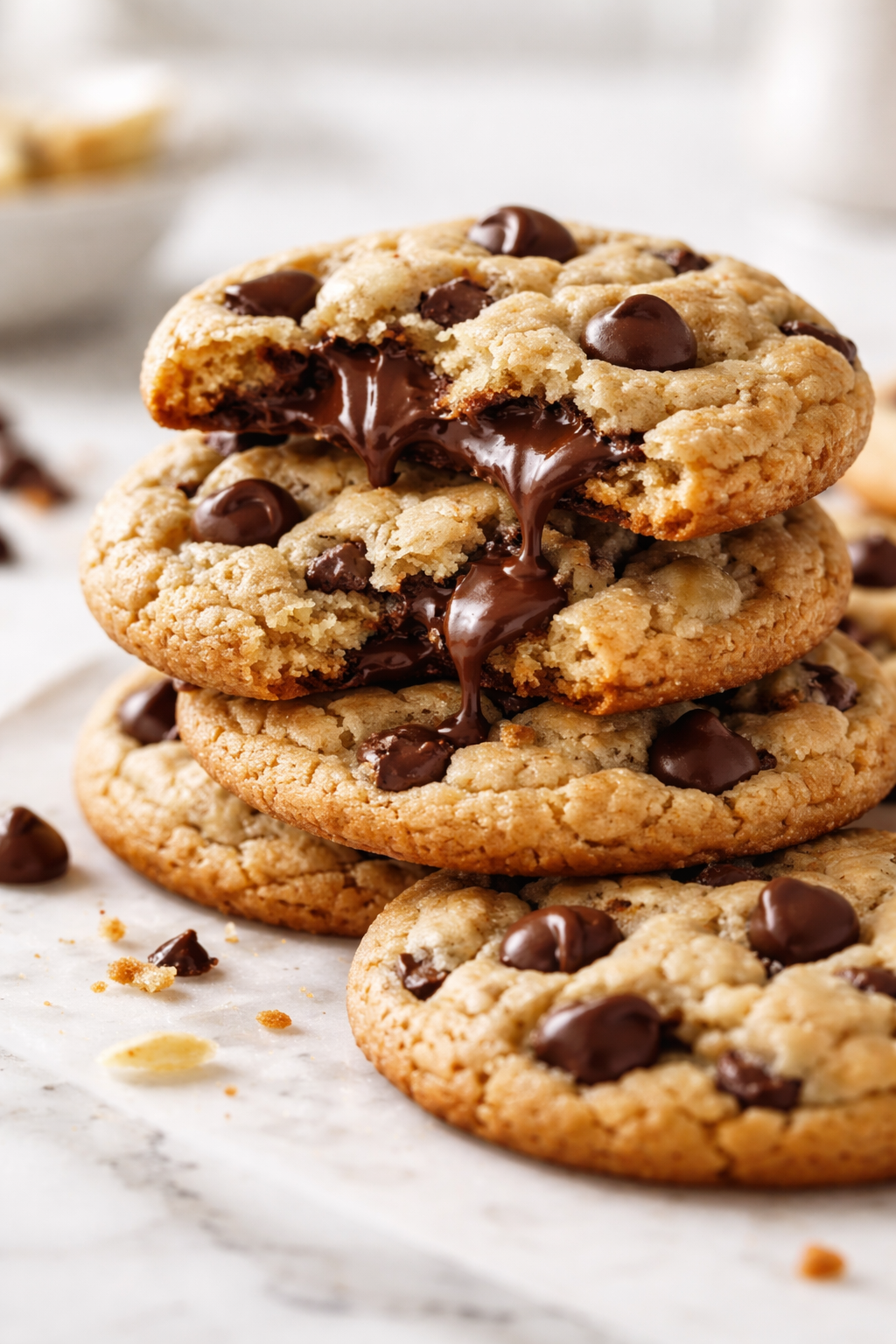
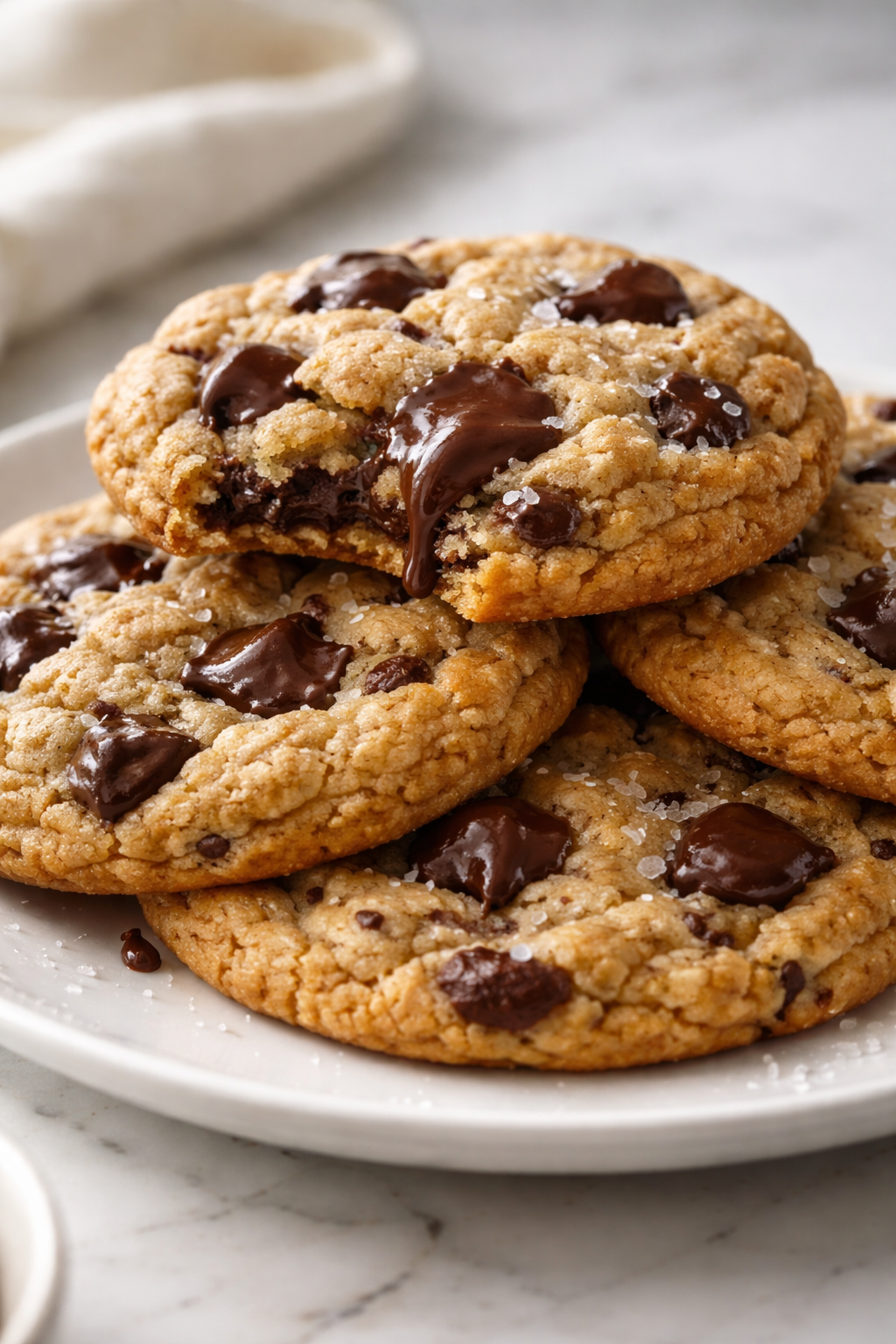
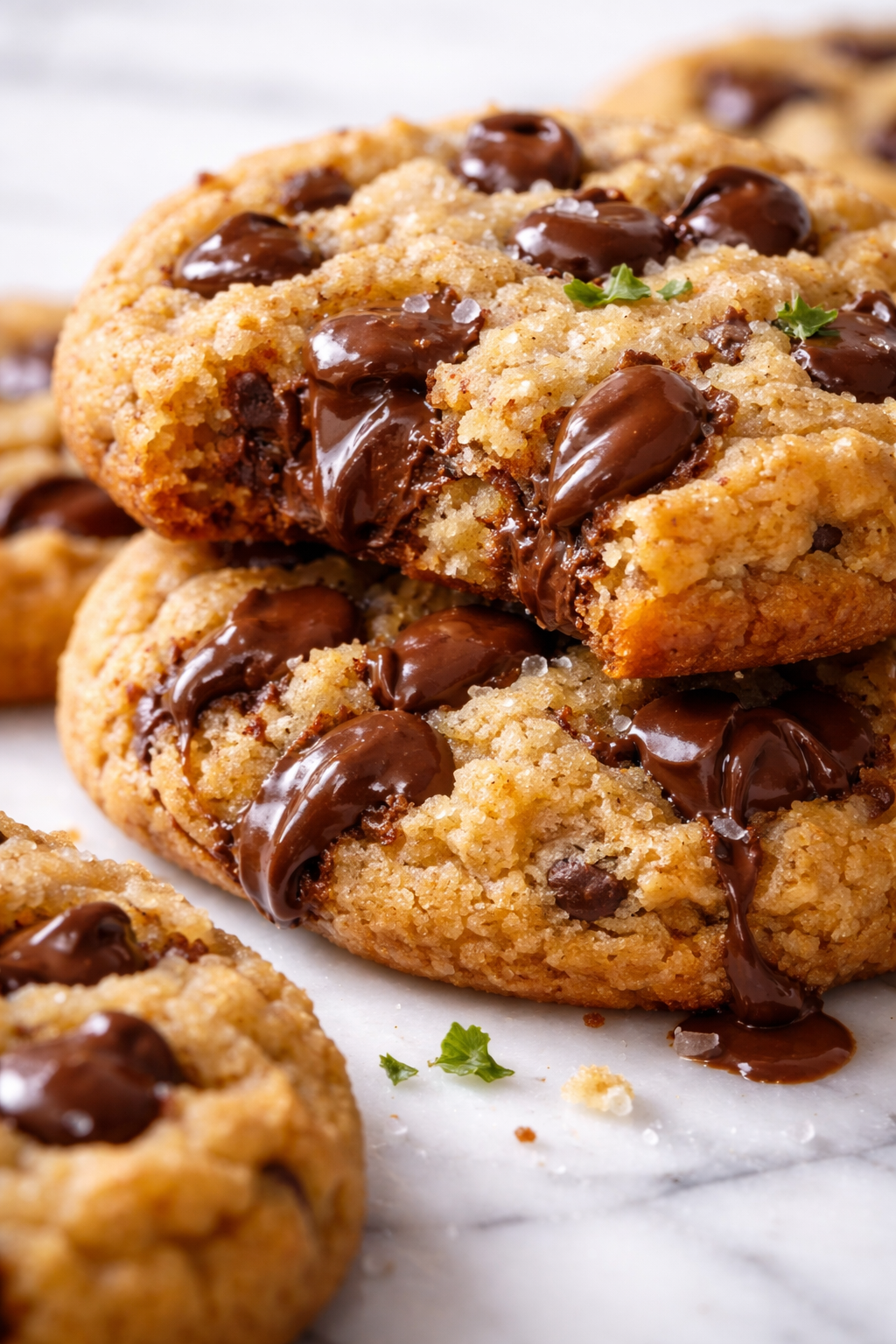
These gluten-free chocolate chip cookies are my go-to when I want something quick and comforting. With just five ingredients, they come out soft and chewy every time. Great for an afternoon snack or a last-minute dessert!
Introduction
I stumbled on this gluten-free chocolate chip cookie recipe when I needed a quick treat that my whole family could enjoy, including my sister who avoids gluten. Most gluten-free cookies I tried before were either crumbly or dry, but these turned out soft and chewy, which honestly surprised me at first! The trick I learned is using almond flour combined with a bit of coconut oil to keep the cookies moist without any gluten. Plus, mixing the dough gently and not overbaking them helps keep that perfect texture. These cookies have become my go-to recipe for last-minute desserts or an easy snack. I love how simple the ingredients are — just five main ones — and how quickly they come together. The chocolate chips melt just right, giving a gooey, comforting bite every time. They look golden and inviting with little cracks on top, and the smell while baking fills my kitchen with cozy vibes. If you’re like me and want a fuss-free gluten-free cookie that tastes amazing, you’ll love this one!
How To Do It
Step 1
Preheat your oven to 350°F (175°C) and line a baking sheet with parchment paper. This step ensures that your cookies bake evenly and don’t stick, which is especially important with gluten-free doughs that can be more delicate. While waiting for the oven to heat, gather your ingredients so everything is ready to mix. Avoid rushing the preheat, since an oven that’s not hot enough will cause the cookies to spread too much and lose their shape.
⏱ Time: 10 minutes
✓ Doneness: Oven is fully preheated at 350°F before baking
Step 2
In a medium bowl, whisk together the almond flour, coconut sugar, baking soda, and salt. This step ensures that the leavening agent and sugar are evenly distributed throughout the flour, which helps the cookies rise properly and have consistent sweetness. Mixing these dry ingredients well also prevents clumps that could affect texture. Take your time to get a uniform blend before moving on.
⏱ Time: 5 minutes
✓ Doneness: Dry ingredients are combined with no lumps or clumps
Step 3
In a separate bowl, beat the egg with the melted coconut oil and vanilla extract until smooth. Combining the wet ingredients separately helps them emulsify better when added to the dry mix, resulting in a dough that’s moist but not greasy. Coconut oil adds a subtle flavor and helps keep the cookies soft. Make sure the oil isn’t too hot or it could cook the egg.
⏱ Time: 3 minutes
✓ Doneness: Wet ingredients are fully combined and smooth
Step 4
Pour the wet ingredients into the dry mixture and stir gently until just combined. Overmixing can make the cookies tough or dense, especially with almond flour. You want to see a dough that holds together but isn’t overly sticky. If the dough feels too dry, you can add a teaspoon of water or almond milk, but usually the egg and oil provide enough moisture.
⏱ Time: 3 minutes
✓ Doneness: Dough holds together with no visible dry flour
Step 5
Fold in the chocolate chips evenly throughout the dough. This ensures every cookie will have that delicious melty chocolate bite. Be gentle when folding so you don’t break the chips or overwork the dough. If you want a more chocolatey cookie, you can add a few extra chips on top before baking.
⏱ Time: 2 minutes
✓ Doneness: Chocolate chips are evenly distributed without breaking
Step 6
Use a tablespoon or cookie scoop to portion out dough balls onto the prepared baking sheet, spacing them about 2 inches apart. This prevents the cookies from merging as they bake and helps them keep their shape. Flatten each ball slightly with your fingers or the back of a spoon for even baking and a nice crackly top. If the dough is sticky, wet your hands lightly.
⏱ Time: 5 minutes
✓ Doneness: Dough balls spaced and slightly flattened on the sheet
Step 7
Bake the cookies for 10-12 minutes, until the edges are lightly golden but the centers still look soft. Gluten-free cookies can dry out quickly if overbaked, so it’s better to slightly underbake and let them finish setting as they cool. Keep an eye on the color and avoid browning too much, which means they’re losing moisture.
⏱ Time: 10-12 minutes
✓ Doneness: Edges are golden but centers are soft and slightly glossy
Step 8
Remove the baking sheet from the oven and let the cookies cool on the sheet for at least 10 minutes. This resting time allows the cookies to firm up without becoming hard. Trying to move or eat them too soon might cause them to crumble. The cookies will continue to set and develop their chewy texture during this period.
⏱ Time: 10 minutes
✓ Doneness: Cookies are firm enough to lift without breaking
Step 9
Transfer the cooled cookies to a wire rack to cool completely or store in an airtight container once room temperature is reached. Proper storage keeps them soft and fresh for days. If you want to enjoy them warm later, a few seconds in the microwave will bring back that freshly baked feel. Avoid stacking while warm to prevent sticking.
⏱ Time: 5 minutes
✓ Doneness: Cookies are completely cool and stored properly
Pro Tips
Use room temperature eggs for better mixing.
Room temperature eggs emulsify more easily with the oil and dry ingredients, producing a smoother dough. Cold eggs can cause the coconut oil to solidify prematurely, leading to uneven texture and dense cookies. Taking eggs out 15 minutes before baking helps achieve this.
Don’t overmix the dough once wet and dry ingredients combine.
Overmixing develops the almond flour’s natural oils too much and can make cookies tough or crumbly. Gentle folding preserves the dough’s tenderness and ensures a chewy texture. Mix just until no dry flour remains.
Flatten dough balls slightly before baking.
Flattening helps the cookies spread evenly and cook uniformly, creating that classic cookie shape with a crackly top. Without this step, cookies may bake unevenly, resulting in thick centers and overly crisp edges.
Use parchment paper or a silicone mat for baking.
These liners prevent sticking and promote even baking. Directly placing dough on baking sheets can cause uneven heat distribution and make cookies harder to remove, risking breakage.
Let cookies cool on the baking sheet before moving.
Cookies are fragile right out of the oven and need time to set. Cooling on the sheet allows residual heat to finish baking gently, preventing crumbling when transferring to a rack.
Store cookies in an airtight container to maintain softness.
Exposure to air dries out gluten-free cookies faster. Airtight storage traps moisture, keeping them chewy for several days. Adding a slice of bread in the container can help retain moisture.
Use fresh baking soda for best rise.
Old or expired baking soda loses its leavening power, resulting in flat, dense cookies. Testing baking soda by mixing with vinegar can confirm its freshness before baking.
Common Mistakes to Avoid
Overbaking the cookies
Why it happens It’s easy to leave gluten-free cookies in the oven too long, thinking they need extra time to set. This happens because they look soft and undercooked initially.
Fix Remove the cookies when edges are lightly golden but centers still look soft and slightly glossy. Let them cool on the baking sheet to finish cooking gently. This prevents drying out and keeps them chewy.
Using coarse almond meal instead of almond flour
Why it happens Some recipes don't specify the difference, and cooks use what they have on hand. Coarse almond meal doesn’t absorb moisture the same way.
Fix Buy or sift finely ground almond flour for a smoother dough and tender texture. If only almond meal is available, pulse it in a food processor to break down larger pieces.
Mixing the dough too vigorously
Why it happens Wanting to combine everything perfectly, some overmix the dough, thinking it will improve texture.
Fix Stir gently just until ingredients are combined. Overmixing can break down the almond flour’s natural oils and cause tough or crumbly cookies.
Not measuring ingredients accurately
Why it happens Eyeballing or scooping flour inaccurately is common, especially with almond flour which packs differently.
Fix Use a kitchen scale for precise measurement or spoon flour lightly into a measuring cup and level it off. This keeps dough consistency right.
Skipping the parchment paper or silicone mat
Why it happens Some assume nonstick pans are enough and try to save time or dishwashing.
Fix Always line your baking sheet to prevent sticking and ensure even heat distribution. This also makes cleanup easier.
Variations
Add chopped nuts for crunch
Mix in 1/3 cup chopped walnuts or pecans to the dough for added texture and nutty flavor. This gives the cookies a delightful crunch that contrasts nicely with the soft center.
Note: Chop nuts evenly and fold them in gently with the chocolate chips. Baking time remains the same.
Use dark chocolate chunks instead of chips
Swap chocolate chips for chopped dark chocolate bars for richer, more intense chocolate pockets. The chunks melt differently, creating gooey, irregular bites.
Note: Cut chocolate into roughly 1/4-inch pieces and fold in carefully to avoid melting before baking.
Make dairy-free by using flax egg
Replace the egg with a flaxseed egg (1 tablespoon ground flaxseed + 3 tablespoons water) to make the cookies vegan and dairy-free. The texture stays soft but may be slightly denser.
Note: Let the flaxseed mixture gel for 5 minutes before adding to the dough for best binding.
Add cinnamon and sea salt topping
Stir 1/2 teaspoon cinnamon into the dough and sprinkle a pinch of flaky sea salt on top before baking. This adds warmth and a flavor contrast that enhances the chocolate.
Note: Evenly mix cinnamon into dry ingredients; salt on top adds a crunchy finish.
Swap coconut sugar for maple syrup
Use 3 tablespoons pure maple syrup instead of coconut sugar for a moister cookie with a subtle maple flavor. Reduce coconut oil slightly to compensate for added liquid.
Note: Mix maple syrup with wet ingredients and reduce coconut oil to 1 tablespoon to keep dough consistency.
Nutrition
Per Serving:
Nutritional values are estimates based on typical ingredient brands and may vary.
Storage & Tips
Room Temperature
Cookies can be kept at room temperature in an airtight container for up to 3 days. Make sure the container seals well to prevent them from drying out. Avoid leaving cookies uncovered as they will quickly lose moisture and become hard.
Refrigerator
Store cookies in an airtight container in the fridge for up to 7 days. The cooler temperature may firm them up, so let them come to room temperature or warm briefly before eating for best softness.
Freezer
Freeze cookies in a single layer on a baking sheet, then transfer to a freezer-safe bag or container for up to 3 months. Wrap tightly to prevent freezer burn. Thaw at room temperature or warm gently in the oven or microwave to restore softness.
Reheating
To reheat, warm cookies in a 300°F oven for 5-7 minutes or microwave for 10-15 seconds. Adding a small piece of butter or a splash of milk before reheating can help revive moisture. Avoid overheating or they may dry out.
Make Ahead
You can prepare the dough up to 24 hours ahead and keep it covered in the fridge. When ready, scoop and bake fresh for best texture and flavor. Dough can also be frozen for up to 1 month; thaw overnight in the fridge before baking.
FAQ
Can I substitute almond flour with another gluten-free flour?
Almond flour is key to the soft texture and moistness here, so substituting it with other gluten-free flours like rice or oat flour will change the texture and may make cookies dry or crumbly. If you try a different flour, consider adding extra fat or moisture to compensate and expect a denser cookie.
What if I don’t have coconut sugar?
You can substitute coconut sugar with light brown sugar or maple syrup, but each will affect flavor and texture. Brown sugar keeps moisture but adds a different sweetness, while maple syrup adds liquid requiring less oil. Adjust accordingly and expect slight changes in taste.
Why are my cookies spreading too much?
Overly warm dough or too much oil can cause spreading. Also, if your oven temperature is too low, cookies may spread before setting. Chill the dough briefly before baking and use an accurate oven thermometer to ensure proper baking temperature.
Can I make these cookies vegan?
Yes! Replace the egg with a flax egg (1 tbsp ground flaxseed + 3 tbsp water, let sit 5 minutes). This works well as a binder though cookies may be slightly denser. Use dairy-free chocolate chips and coconut oil to keep it fully vegan.
How do I keep the cookies soft for longer?
Store cookies in an airtight container with a slice of bread or a damp paper towel to maintain moisture. Avoid refrigerating long-term as cold can dry them out. For longer storage, freeze and thaw as needed.
Why do my cookies turn out dry or crumbly?
This often happens from overbaking or using old almond flour that has lost oils. Also, overmixing can break down the dough. Bake just until edges are golden and centers look slightly soft, and use fresh ingredients.
Can I add other mix-ins besides chocolate chips?
Absolutely! Nuts, dried fruit, or seeds can be added for texture and flavor. Just fold them in gently at the end. Be mindful that adding wet ingredients like fresh fruit will change the dough consistency.
Is it okay to use refined coconut oil?
Yes, refined coconut oil works well if you prefer a neutral flavor. Unrefined coconut oil adds a subtle coconut taste which some people enjoy. Both keep cookies moist and tender.
Final Thoughts
Give these gluten-free chocolate chip cookies a try — they’re simple, soft, and just downright delicious. I’d love to hear how they turn out for you!