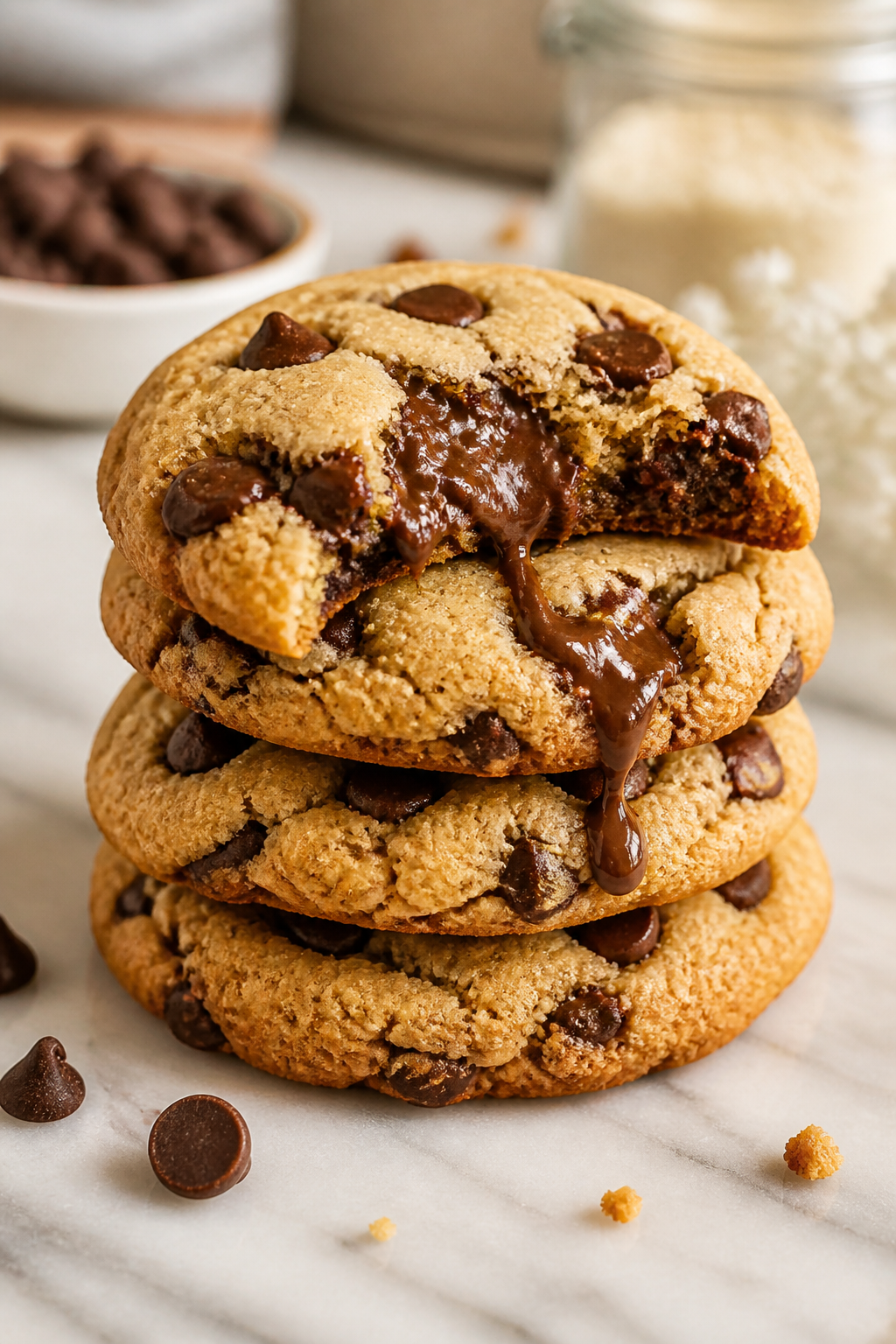
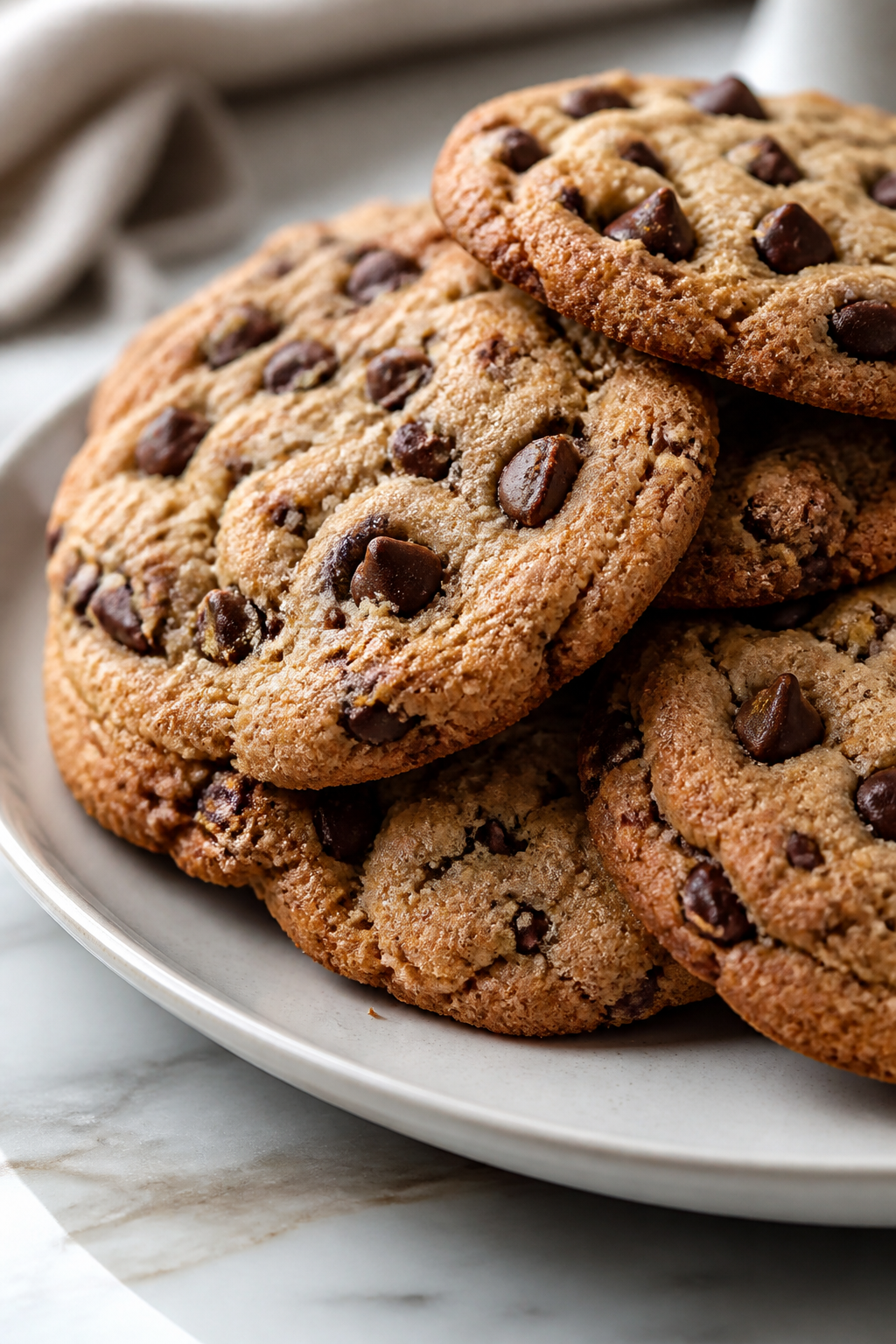
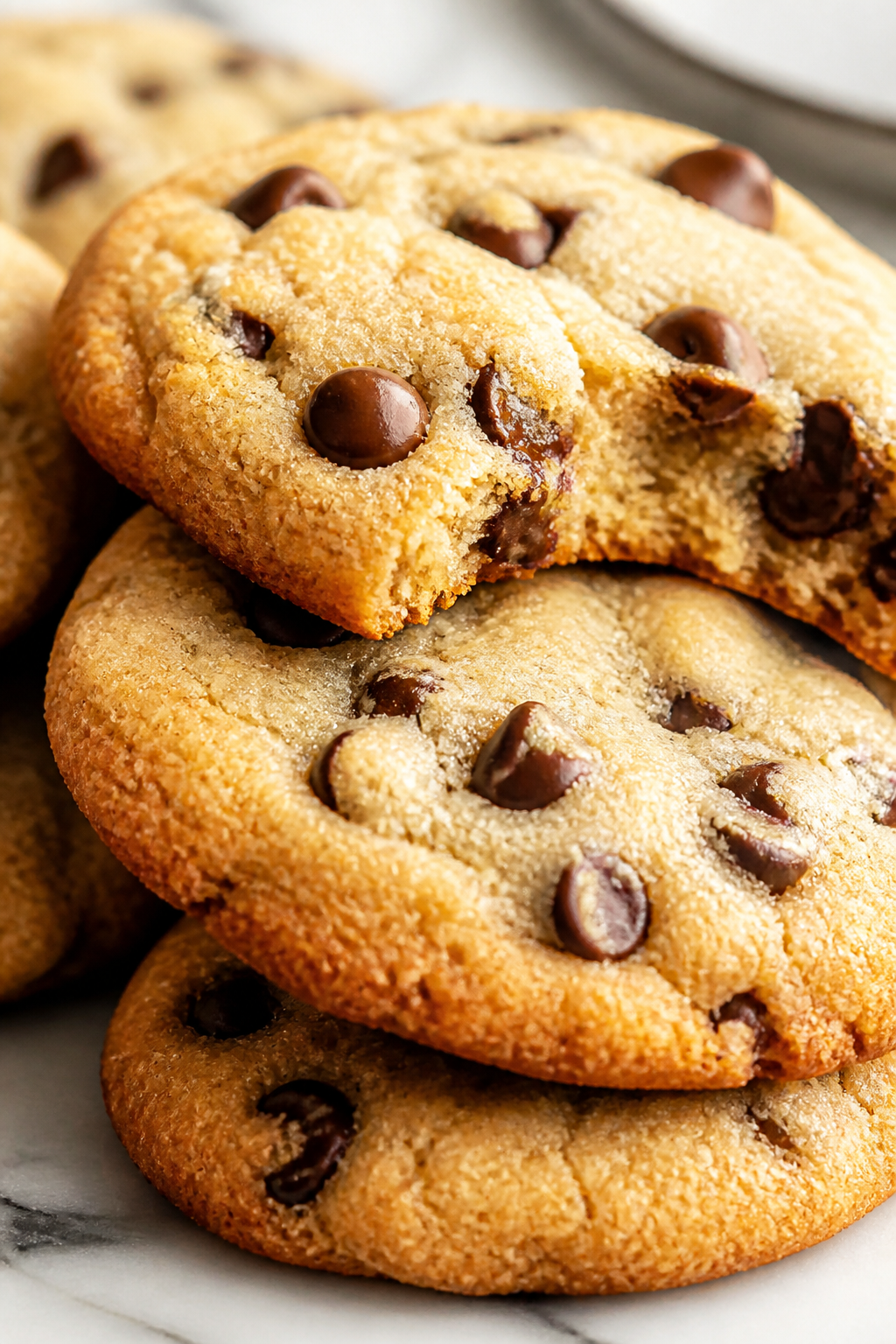
These gluten-free chocolate chip cookies are wonderfully soft and buttery thanks to almond flour’s natural nuttiness. They stay perfectly moist and tender, making them a great snack or treat to share anytime.
Introduction
I first made these gluten-free chocolate chip cookies a few years ago when I wanted a treat that didn’t compromise on texture or flavor despite skipping gluten. My early attempts with other gluten-free flours left me with dry, crumbly cookies, so I started experimenting with almond flour. The natural oils and nuttiness in almond flour create the perfect soft and buttery cookie that stays moist even days later. What really sets this recipe apart is the combination of melted butter and coconut oil, which keeps the cookies tender without that gritty texture you sometimes get. Also, I always make sure the egg and extracts are at room temperature to help everything come together smoothly. These cookies have become a staple for afternoon snacks and casual get-togethers with friends because they’re just so reliable and delicious. They bake up golden with slightly crisp edges and a soft, chewy center that melts in your mouth. Honestly, I think you’ll love how easy they are to whip up and how well they hold their shape without gluten. Plus, they’re perfect if you want a treat that feels indulgent yet wholesome. Give this recipe a try and see why almond flour is my go-to for gluten-free baking!
What You'll Need
Approximately 24 cookies, 4 servings
- 2 1/2 cups almond flour, finely ground, room temperature
- 1/2 teaspoon baking soda
- 1/4 teaspoon sea salt
- 1/4 cup unsalted butter, melted and slightly cooled
- 1/4 cup coconut oil, melted
- 1/2 cup brown sugar, packed
- 1/4 cup granulated sugar
- 1 large egg, room temperature
- 2 teaspoons pure vanilla extract
- 1 cup semi-sweet chocolate chips
How To Do It
Step 1
Preheat your oven to 350°F (175°C) and line two baking sheets with parchment paper. This step is crucial because almond flour tends to brown quickly, so a moderate temperature ensures the cookies bake evenly without burning. Using parchment paper prevents sticking and helps the bottoms stay soft. Don’t skip preheating, or your cookies might spread too much or bake unevenly.
⏱ Time: 10 minutes
✓ Doneness: Oven reaches steady 350°F before baking
Step 2
In a medium bowl, whisk together the almond flour, baking soda, and salt. Sifting isn’t necessary here, but mixing these dry ingredients well helps distribute the leavening evenly so your cookies rise uniformly. Almond flour tends to clump, so breaking up lumps ensures a smoother dough and consistent texture.
⏱ Time: 3 minutes
✓ Doneness: Dry ingredients are well combined with no visible clumps
Step 3
In a large bowl, combine the melted butter, coconut oil, brown sugar, and granulated sugar. Whisk until smooth and creamy. The melted fats blend easily with the sugars, creating a rich base that will give the cookies their buttery flavor and soft texture. If the butter is too hot, it can cook the egg later, so let it cool slightly before adding.
⏱ Time: 5 minutes
✓ Doneness: Mixture is smooth, glossy, and free of sugar graininess
Step 4
Add the egg and vanilla extract to the wet ingredients and whisk until fully incorporated. Room temperature eggs blend better and help the dough bind evenly. Whisking well at this stage ensures your cookies have a tender crumb without being dense or greasy.
⏱ Time: 2 minutes
✓ Doneness: Wet mixture is uniform with no streaks of egg or fat
Step 5
Slowly fold the dry ingredients into the wet mixture using a spatula. Don’t overmix — just combine until you no longer see dry flour. Overmixing can cause tougher cookies because it develops the almond flour’s proteins too much. The dough will be thick and slightly sticky but scoopable.
⏱ Time: 3 minutes
✓ Doneness: Dough is cohesive and evenly mixed with no dry patches
Step 6
Fold in the chocolate chips gently, distributing them evenly throughout the dough. This step adds bursts of sweetness and richness. Using a gentle folding motion prevents breaking the chips and keeps the dough intact for better cookie shape.
⏱ Time: 2 minutes
✓ Doneness: Chocolate chips are evenly spread without melting
Step 7
Scoop tablespoon-sized balls of dough onto the prepared baking sheets, spacing them about 2 inches apart. Flatten each ball slightly with your fingers because almond flour cookies don’t spread as much as wheat-based ones. This helps achieve that classic cookie shape with crispy edges and soft centers.
⏱ Time: 5 minutes
✓ Doneness: Cookies are evenly spaced and slightly flattened on the sheet
Step 8
Bake the cookies for 10-12 minutes until the edges are golden and the centers look set but still soft. Almond flour browns faster, so watch closely to avoid overbaking. The cookies will firm up more as they cool, so pulling them out just before they look fully done keeps them tender inside.
⏱ Time: 12 minutes
✓ Doneness: Edges are golden brown, centers are slightly soft to touch
Step 9
Let the cookies cool on the baking sheet for 10 minutes before transferring them to a wire rack. This allows them to firm up and finish setting without breaking apart. Moving them too soon can cause crumbling since almond flour cookies are more delicate than traditional ones.
⏱ Time: 10 minutes
✓ Doneness: Cookies hold their shape when lifted and feel set but soft
Pro Tips
Always measure almond flour by weight or spoon it lightly into the cup to avoid packing.
Almond flour can compact easily, leading to dense cookies if too much is used. Lightly spooning or weighing ensures the right amount, keeping cookies tender and preventing dryness.
Use room temperature eggs and vanilla for better mixing.
Cold eggs or extracts can cause the melted fats to seize or clump, resulting in uneven dough. Room temperature ingredients blend smoothly, producing consistent texture and flavor.
Don’t overbake; pull cookies out when edges are golden but centers still look soft.
Almond flour cookies continue to cook on the sheet after removal. Overbaking dries them out and makes them crumbly, so timing is key for a soft, chewy center.
Flatten dough balls slightly before baking.
Because almond flour lacks gluten, cookies don’t spread much on their own. Flattening ensures even baking and the classic cookie shape with crisp edges.
Use parchment paper or silicone mats to prevent sticking and promote even baking.
Almond flour cookies are delicate and can stick to unlined pans, causing breakage. Nonstick surfaces help maintain cookie shape and ease cleanup.
Let cookies cool on the baking sheet before transferring.
Cooling on the sheet allows the cookies to firm up gradually, reducing the chance of breaking or crumbling when moved.
Store cookies in an airtight container at room temperature for best texture.
Exposure to air can dry out almond flour cookies quickly. Airtight storage preserves moisture and flavor.
Common Mistakes to Avoid
Using hot melted butter directly.
Why it happens People often melt butter in the microwave and add it immediately without cooling, thinking it speeds up prep.
Fix Let melted butter cool to warm or room temperature before mixing. Hot butter can cook the egg or cause the dough to separate, resulting in greasy or uneven texture.
Overmixing the dough after adding flour.
Why it happens Some think mixing longer makes dough smoother or better combined.
Fix Mix just until dry ingredients are incorporated. Overmixing develops almond flour proteins and breaks down the structure, making cookies dense or crumbly.
Baking at too high a temperature.
Why it happens Higher heat is often used to speed baking, but almond flour burns easily.
Fix Bake at 350°F to allow even cooking and prevent burnt edges. Watch cookies closely as almond flour browns faster than wheat flour.
Skipping flattening the dough balls.
Why it happens Some expect almond flour cookies to spread like classic cookies.
Fix Gently flatten dough balls before baking to ensure even thickness and proper texture since almond flour dough doesn’t spread much.
Not letting cookies cool before removing from sheet.
Why it happens Impatience or assuming they’re done once out of the oven.
Fix Allow cookies to cool on the baking sheet for at least 10 minutes to firm up and avoid crumbling when transferring.
Variations
Add chopped nuts for crunch
Mix in 1/2 cup chopped walnuts or pecans with the chocolate chips for added texture and nutty flavor. The nuts complement the almond flour and give a satisfying crunch to every bite.
Note: Chop nuts evenly to ensure uniform distribution; adding nuts may slightly increase baking time by 1-2 minutes.
Use dark chocolate chips instead of semi-sweet
Swap semi-sweet chocolate chips for dark chocolate ones to deepen the flavor and reduce sweetness. This variation pairs well if you prefer a richer, less sugary cookie.
Note: Dark chocolate melts slightly differently, so watch for smooth melting without burning during baking.
Add a pinch of cinnamon or espresso powder
Sprinkle 1/2 teaspoon cinnamon or espresso powder into the dry ingredients to add warmth and complexity. These subtle flavors enhance the chocolate and almond notes beautifully.
Note: Be careful with espresso powder; too much can overpower. Adjust to taste.
Make vegan by replacing egg with flax egg
Use 1 tablespoon ground flaxseed mixed with 3 tablespoons water, chilled for 10 minutes, as an egg substitute. This makes the cookies vegan-friendly while maintaining good binding and moisture.
Note: Flax eggs can slightly alter texture, making cookies a bit denser but still tender and delicious.
Switch coconut oil for olive oil for a milder flavor
Replace coconut oil with a mild olive oil to reduce coconut flavor. This variation creates a less tropical taste and keeps cookies moist and tender.
Note: Use light or extra light olive oil to avoid strong olive flavor that can overpower the cookie.
Nutrition
Per Serving:
Nutritional values are estimates and may vary based on specific ingredients used.
Storage & Tips
Room Temperature
Store the cookies in an airtight container at room temperature for up to 3 days. Keep them away from direct sunlight and heat to maintain softness and prevent them from drying out.
Refrigerator
Cookies can be stored in an airtight container in the refrigerator for up to 1 week. They may firm up slightly when chilled; bring to room temperature before serving for the best texture.
Freezer
Freeze cookies in a single layer on a baking sheet, then transfer to a freezer-safe container or bag for up to 3 months. Wrap tightly to prevent freezer burn. Thaw at room temperature before eating.
Reheating
Warm cookies gently in a 300°F oven for 5-7 minutes or microwave for 15-20 seconds to restore softness. Avoid overheating which can dry them out. Adding a small piece of bread in the container while storing can help maintain moisture.
Make Ahead
You can prepare the dough up to 24 hours ahead and keep it refrigerated. Scoop and bake fresh when ready. This helps the flavors meld and makes baking day quick and easy.
FAQ
Can I substitute almond flour with another gluten-free flour?
Almond flour has unique moisture and fat content that other gluten-free flours lack. Substituting with rice flour or oat flour may result in drier, crumblier cookies. If using another flour, expect to adjust fat and liquid amounts and the texture will differ.
Why are my cookies spreading too much or too little?
If cookies spread too much, your dough may be too warm or you used too much butter/oil. If they don’t spread enough, the dough might be too cold or dense. Flattening dough balls before baking helps control spread, especially with almond flour dough.
Can I make this recipe dairy-free?
Yes! Use coconut oil or a dairy-free butter substitute instead of butter. Keep the coconut oil amount the same to maintain moisture and texture. The flavor will be slightly different but still delicious.
How should I store these cookies to keep them soft?
Store in an airtight container at room temperature away from heat. Adding a slice of bread to the container helps retain moisture. Avoid refrigeration if you want to keep them soft, but if chilled, bring back to room temp before eating.
Can I freeze the baked cookies?
Absolutely! Freeze cookies in a single layer first to prevent sticking, then transfer to a sealed container. Thaw them at room temperature or warm briefly in the oven to regain softness.
Why do my gluten-free cookies sometimes taste gritty?
Grittiness often comes from poorly ground almond flour or undissolved sugar. Use finely ground almond flour and whisk the sugars well with melted fats. Avoid overbaking, which can also dry out cookies and make texture more noticeable.
Can I add extra mix-ins like nuts or dried fruit?
Yes, adding 1/2 cup chopped nuts or dried fruit works well. Just fold them in gently at the end. Keep total mix-ins moderate to avoid affecting dough structure and baking time.
What’s the best way to measure almond flour?
Spoon almond flour lightly into your measuring cup and level it off—don’t scoop directly with the cup as it packs the flour. For best accuracy, weigh it using a kitchen scale.
Final Thoughts
I hope you give these almond flour gluten-free chocolate chip cookies a try! They’re a family favorite and I’d love to hear how yours turn out—happy baking!