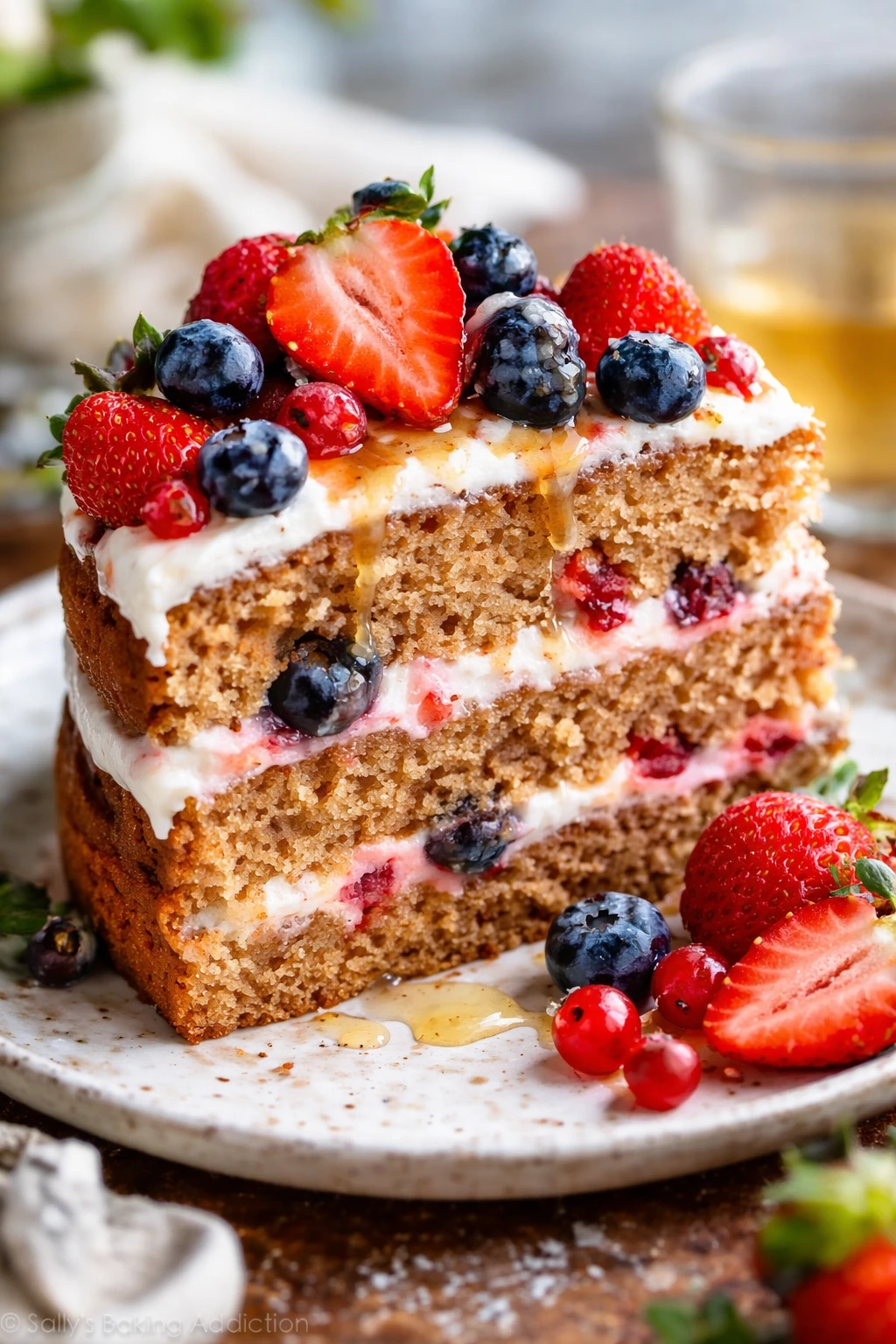
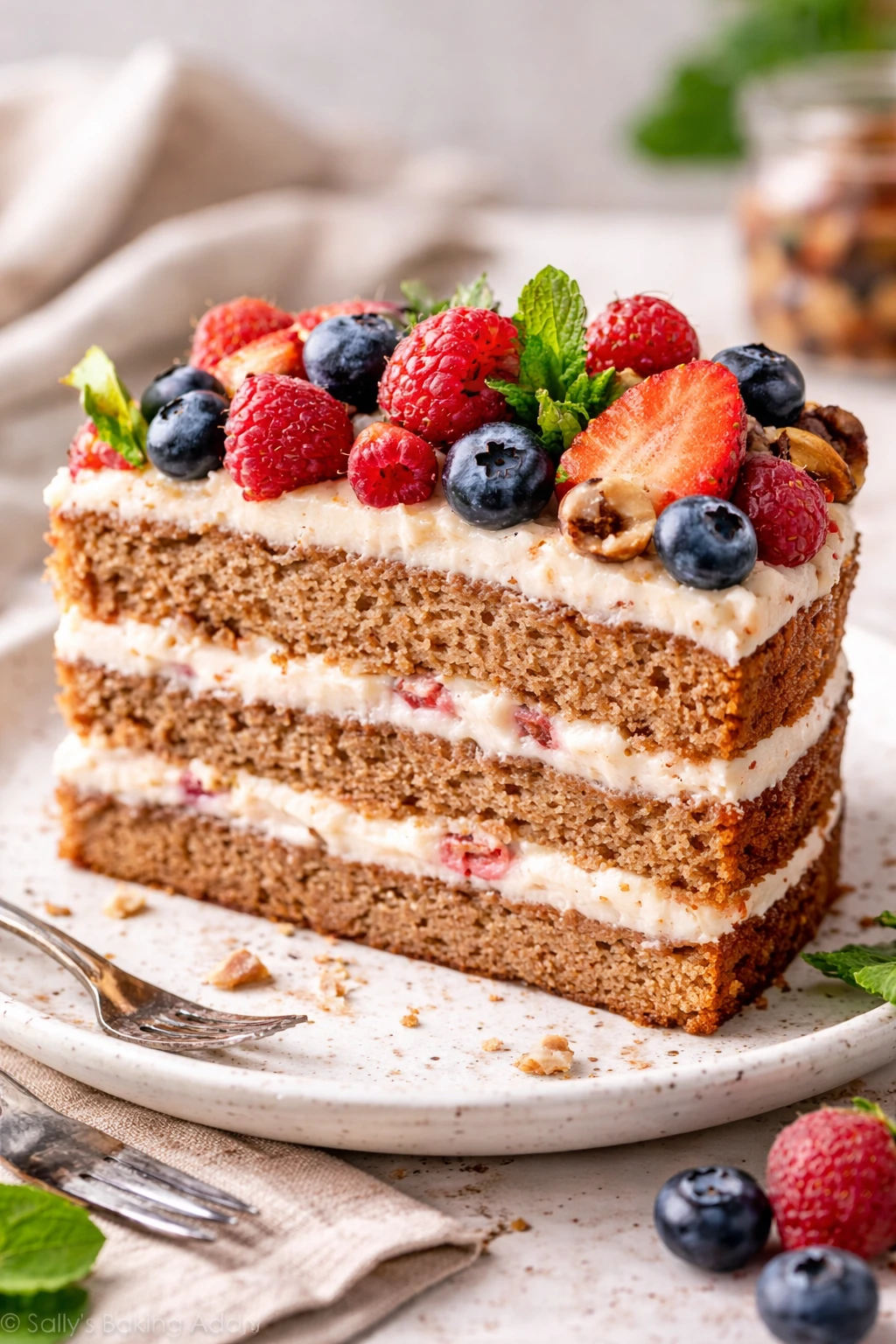
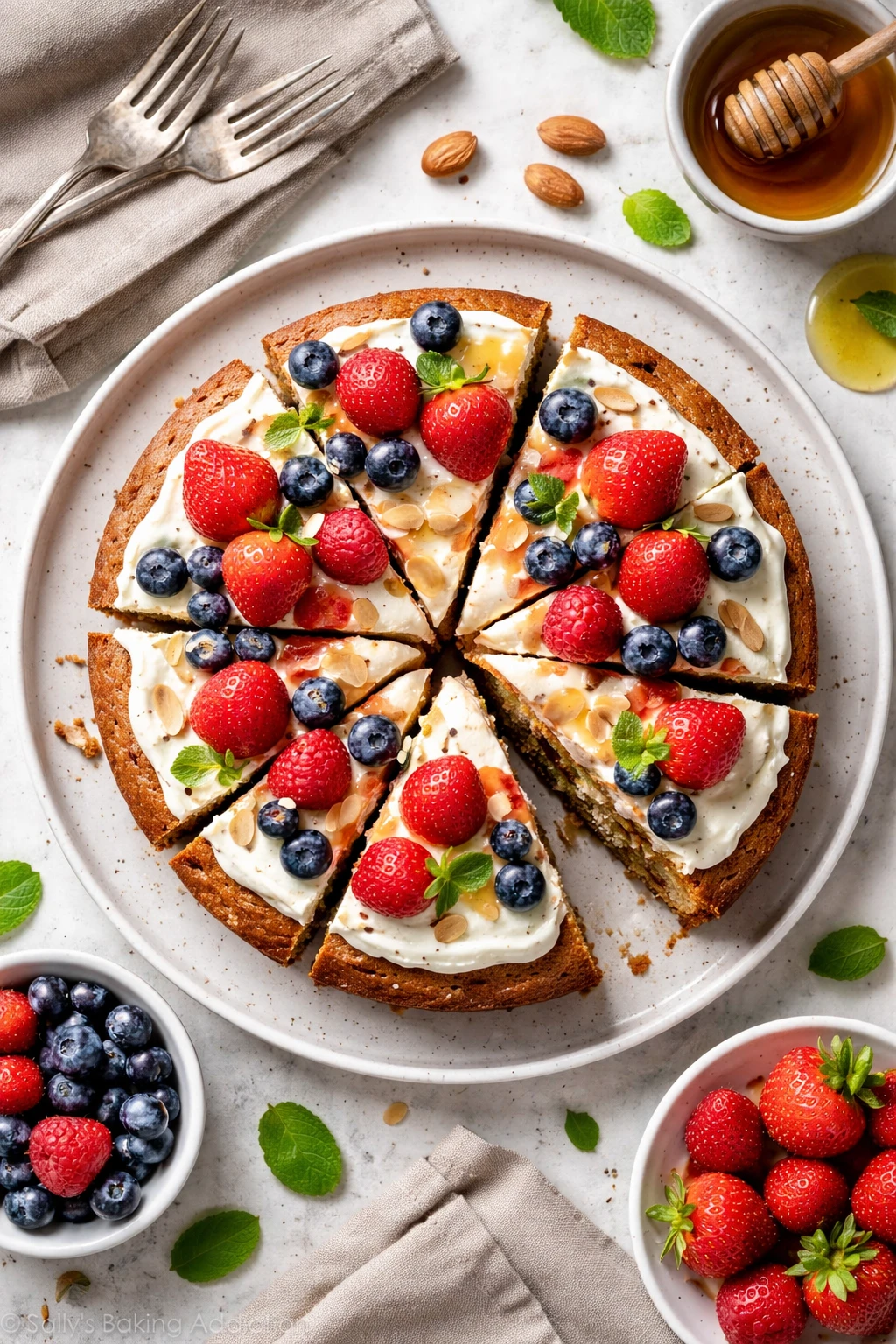
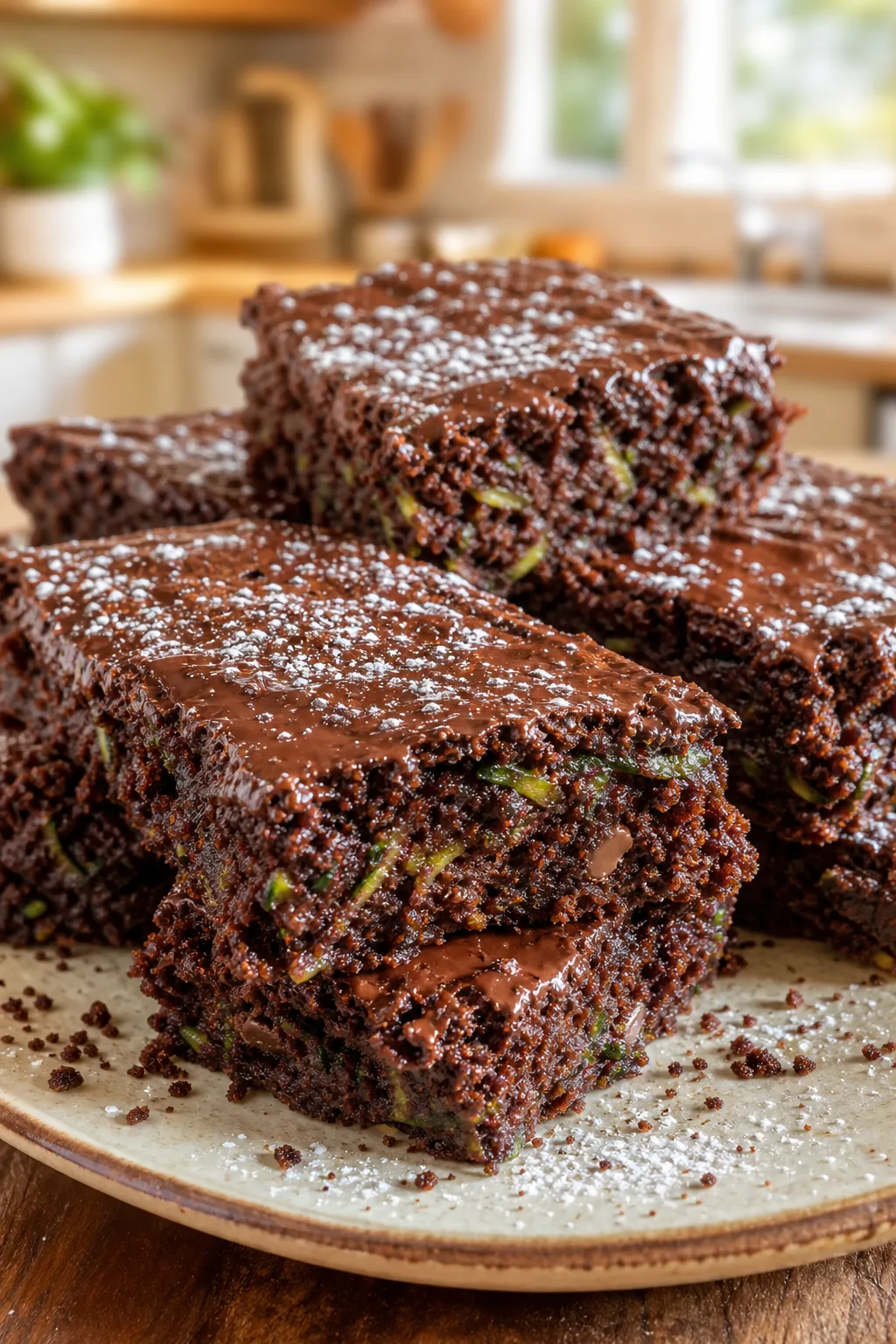
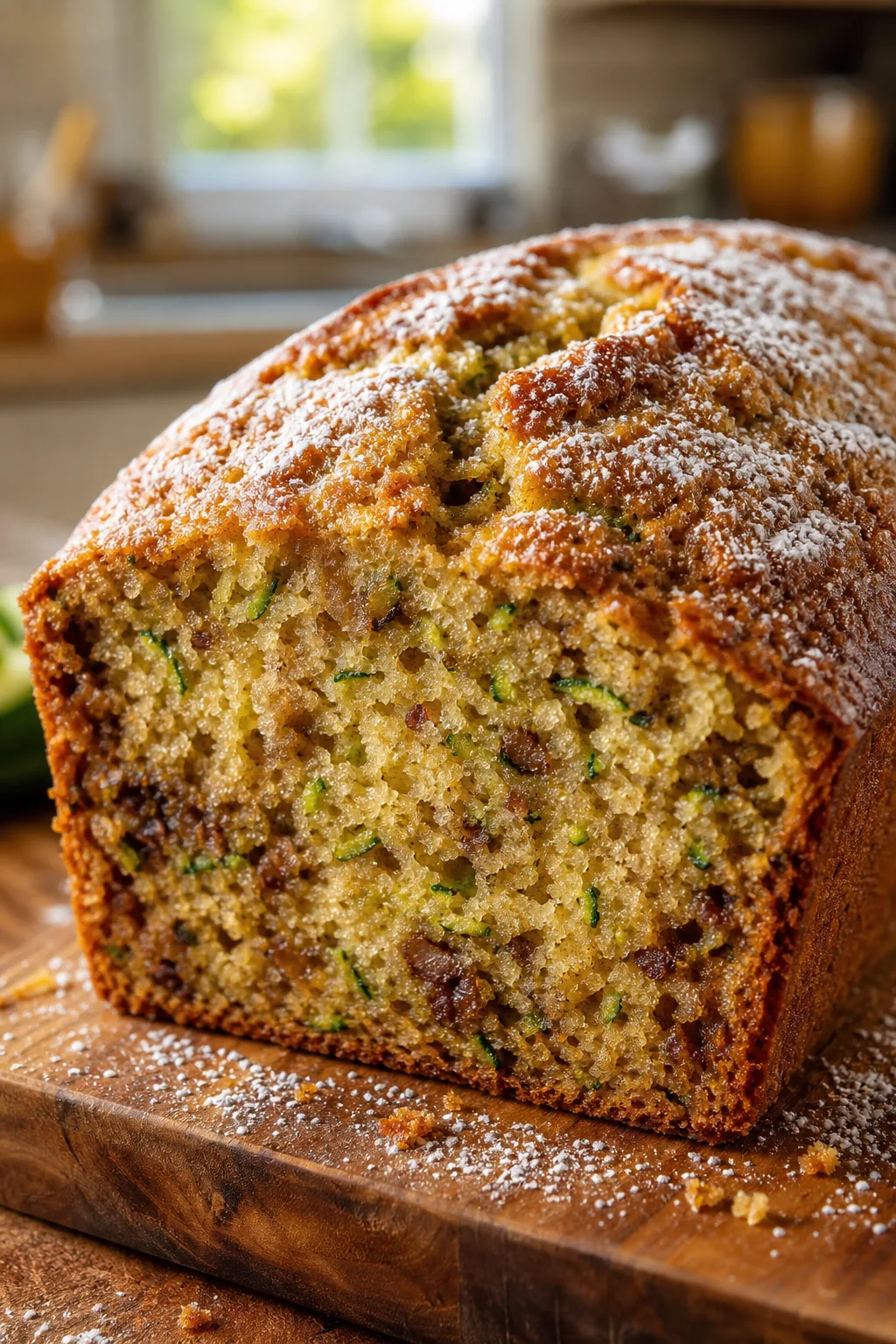
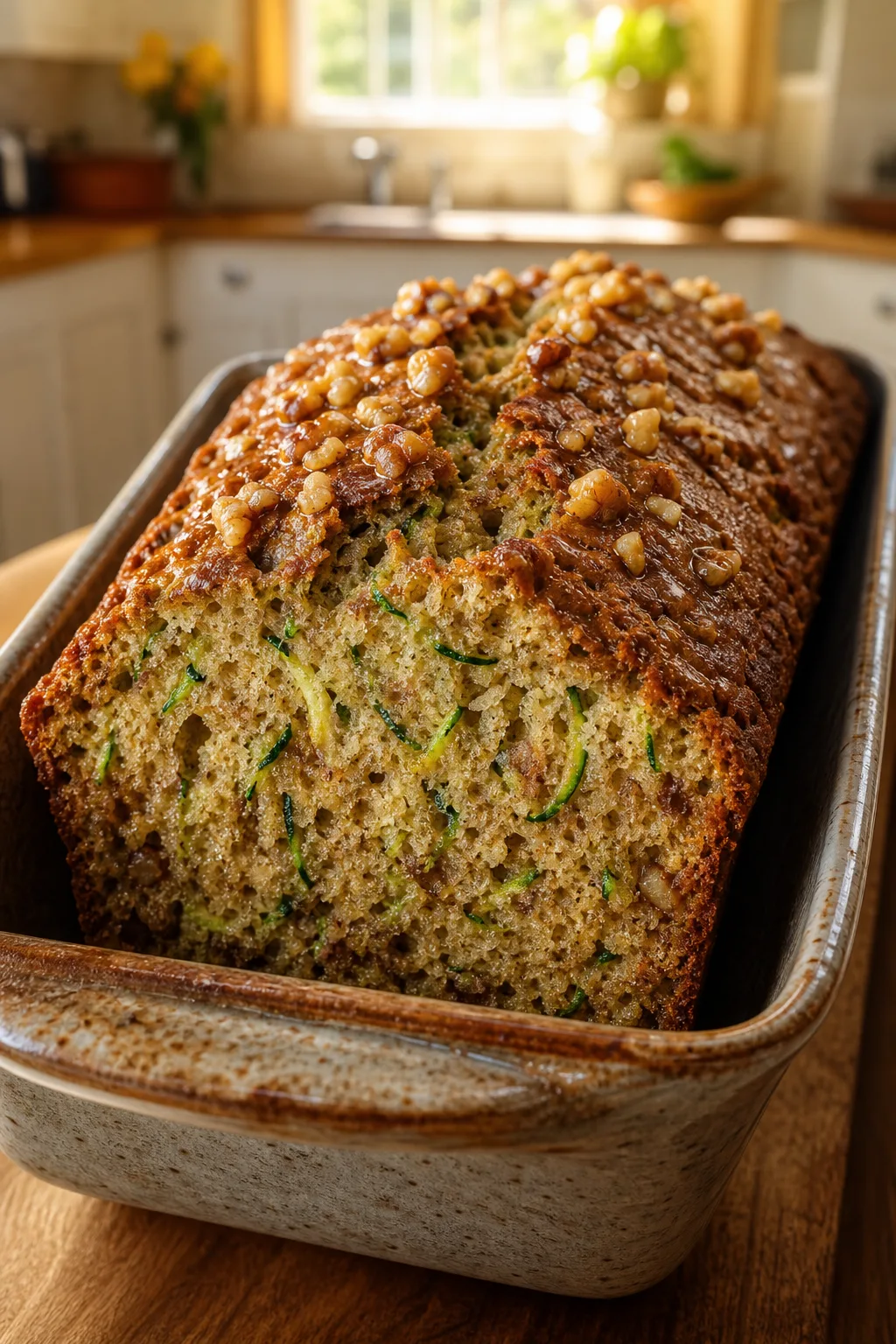
This sugar-free banana apple cake is a delightful surprise—moist, naturally sweet, and perfect for guilt-free snacking or dessert. It uses ripe bananas and applesauce for sweetness and stays tender thanks to a simple technique. Great for anytime you want a treat without the sugar crash!
Introduction
I first stumbled upon this sugar-free banana apple cake when I wanted a dessert that felt indulgent but didn’t come with a sugar crash. Using ripe bananas and applesauce as natural sweeteners was a game-changer—it keeps the cake moist and flavorful without any refined sugars. I’ve tried a few variations over time, but this one strikes the perfect balance of moistness and subtle sweetness. The trick I learned is to use really ripe bananas because they add both moisture and natural sugar, helping the cake feel rich and satisfying. Also, mixing the dry ingredients gently prevents the cake from becoming dense. When it comes out of the oven, it has a golden crust with a tender crumb that’s perfect for afternoon snacking or a light dessert. Honestly, it’s become a staple in my kitchen, especially when I want to treat myself without guilt. Plus, it’s so easy to whip up with pantry staples, which I love. If you’re looking for a healthier sweet option that doesn’t sacrifice texture or flavor, this cake is it.
What You'll Need
One 9-inch round cake, 8 servings
- 3 ripe bananas, mashed
- 1 cup unsweetened applesauce
- 2 large eggs
- 1/4 cup coconut oil, melted
- 1 teaspoon vanilla extract
- 1 1/2 cups whole wheat flour
- 1 teaspoon baking soda
- 1/2 teaspoon baking powder
- 1/2 teaspoon ground cinnamon
- 1/4 teaspoon salt
How To Do It
Step 1
Preheat your oven to 350°F (175°C) and grease a 9-inch round cake pan or line it with parchment paper. This step is crucial because a properly prepared pan ensures your cake doesn’t stick and comes out cleanly. Using parchment paper especially helps with easy release. If you skip this, your cake might tear or crumble when unmolding, so don’t rush this part.
⏱ Time: 10 minutes
✓ Doneness: Pan is evenly greased or parchment paper fully covers the bottom and sides
Step 2
In a large bowl, mash the ripe bananas thoroughly until mostly smooth with just a few lumps remaining. Then add the unsweetened applesauce, eggs, melted coconut oil, and vanilla extract. Whisk everything together until the mixture is uniform. This wet mix forms the base of your cake and the natural sweetness comes from the bananas and applesauce, so take your time to get it well combined for even flavor and texture.
⏱ Time: 5 minutes
✓ Doneness: Wet ingredients are fully blended with no streaks of egg or oil
Step 3
In a separate bowl, sift together the whole wheat flour, baking soda, baking powder, ground cinnamon, and salt. Sifting helps to aerate the flour and evenly distribute the leavening agents, which will make your cake lighter and fluffier. Be sure to measure your flour correctly; too much flour can make the cake dry and dense.
⏱ Time: 5 minutes
✓ Doneness: Dry ingredients are fully combined and light in texture
Step 4
Gradually fold the dry ingredients into the wet mixture using a spatula. Do this gently and stop mixing as soon as the flour disappears. Overmixing activates gluten and makes the cake tough, so be gentle here. The batter should be thick but slightly lumpy—this is what keeps the cake tender and moist.
⏱ Time: 3 minutes
✓ Doneness: Batter is combined with no visible flour streaks but still thick
Step 5
Pour the batter into your prepared cake pan and smooth the top with a spatula. This helps the cake bake evenly and prevents peaks or cracks on the surface. Tap the pan gently on the counter to release any large air bubbles, which can cause holes in the crumb.
⏱ Time: 2 minutes
✓ Doneness: Batter is evenly spread and surface is smooth
Step 6
Bake the cake in the preheated oven for 35-40 minutes. Start checking at 35 minutes by inserting a toothpick into the center; if it comes out clean or with a few moist crumbs, it’s done. Avoid opening the oven too often, as temperature changes can cause the cake to collapse or bake unevenly.
⏱ Time: 35-40 minutes
✓ Doneness: Toothpick inserted comes out mostly clean with no wet batter
Step 7
Once baked, remove the cake from the oven and let it cool in the pan for about 15 minutes. Cooling helps the cake firm up, making it easier to remove from the pan without breaking. Avoid trying to unmold it too soon or it may crumble.
⏱ Time: 15 minutes
✓ Doneness: Cake edges start pulling away slightly from the pan and the surface feels set
Step 8
Run a knife around the edges of the cake to loosen it from the pan, then invert it onto a wire rack to cool completely. Cooling on a rack prevents condensation from making the bottom soggy. If you skip this, the cake might become mushy underneath.
⏱ Time: 10 minutes
✓ Doneness: Cake easily releases from pan and cools evenly
Step 9
Once fully cooled, slice and serve as is or with a dollop of yogurt or nut butter for extra richness. The cake keeps well and tastes even better the next day as the flavors meld. Enjoy your naturally sweet, moist treat anytime you want a healthier dessert!
⏱ Time: 0 minutes
✓ Doneness: Cake slices cleanly with a tender crumb
Pro Tips
Use really ripe bananas for natural sweetness and moisture
Ripe bananas are packed with natural sugars and pectin, which help sweeten and keep the cake moist. Using underripe bananas results in a less sweet, drier cake. The ripeness level also affects the flavor intensity, so wait until you see brown spots for best results.
Sift your dry ingredients for a lighter texture
Sifting aerates the flour and evenly distributes the leavening agents, preventing dense spots or uneven rising. It also helps to combine the spices and salt uniformly, ensuring every bite has balanced flavor and a tender crumb.
Fold the batter gently to avoid overmixing
Overmixing activates gluten development in the flour, which can make the cake tough and chewy instead of soft and tender. Folding just until combined keeps the crumb light and moist, preserving the delicate texture.
Don’t skip the cooling step before slicing
Allowing the cake to cool in the pan helps it set and makes it easier to remove without breaking. Cooling completely on a wire rack prevents sogginess from steam trapped underneath, ensuring the crumb holds together well when sliced.
Tap the pan gently before baking to release air bubbles
Air bubbles trapped in the batter can cause holes or uneven texture in the cake. Tapping the pan on the counter helps those bubbles escape, resulting in a more even and uniform crumb.
Use unsweetened applesauce to control sugar levels
Sweetened applesauce can add unexpected sugar and moisture, altering the cake’s balance and potentially making it too wet or overly sweet. Unsweetened applesauce gives you control over sweetness and keeps the cake naturally flavored.
Measure flour correctly using spoon and level method
Scooping flour directly with a cup can compact it and add too much, making the cake dry and dense. Using a spoon to fluff the flour, then leveling with a knife ensures accurate measurement, which is critical for texture.
Common Mistakes to Avoid
Using underripe bananas
Why it happens Sometimes cooks grab bananas that look firm and yellow, thinking they’re fresher, but underripe bananas lack the natural sugars and moisture needed.
Fix Wait until bananas have brown spots or are mostly brown for maximum sweetness and softness. If in a pinch, add a teaspoon of honey or maple syrup to compensate, but ripe bananas are best.
Overmixing the batter
Why it happens It’s tempting to mix thoroughly for smoothness, but overmixing develops gluten and leads to a tough cake.
Fix Mix wet and dry ingredients just until combined with a spatula. It’s okay if the batter looks slightly lumpy.
Skipping pan preparation
Why it happens Rushing or forgetting to grease or line the pan often leads to the cake sticking and breaking when removed.
Fix Always grease the pan well or use parchment paper. This simple step saves your cake’s appearance and texture.
Baking at too high a temperature
Why it happens Some ovens run hot or cooks set temperature too high to speed things up, causing the cake to brown too quickly outside while staying raw inside.
Fix Use an oven thermometer to verify temperature and bake at 350°F (175°C) for even cooking.
Not letting the cake cool before slicing
Why it happens Impatience leads to cutting when the cake is still warm, causing it to crumble or fall apart.
Fix Allow the cake to cool fully on a wire rack to set the crumb and retain shape.
Variations
Add chopped walnuts or pecans
Stir in 1/2 cup chopped walnuts or pecans for a crunchy texture and nutty flavor that pairs beautifully with the banana and apple. This adds healthy fats and a satisfying bite to the cake, perfect for snack time or breakfast.
Note: Fold nuts in gently at the end of mixing. Be mindful that nuts can slightly increase baking time, so check doneness carefully.
Swap whole wheat flour for oat flour
Replace whole wheat flour with oat flour for a gluten-free option with a mild, slightly sweet flavor. The cake will be a bit denser but still moist and tender, ideal for those avoiding gluten.
Note: Oat flour absorbs moisture differently; you may need to reduce applesauce slightly to keep batter consistency similar.
Add spices like nutmeg or ginger
Enhance the warm flavor profile by adding 1/4 teaspoon ground nutmeg or ginger along with the cinnamon. This variation gives the cake a cozy, autumnal vibe, great for chilly days or holiday treats.
Note: Add spices with the dry ingredients to ensure even distribution and balanced flavor.
Use Greek yogurt instead of applesauce
Swap applesauce for plain Greek yogurt for a tangier flavor and extra protein. The cake will be slightly denser but still moist, with a subtle tang that complements the bananas.
Note: Reduce baking powder slightly as yogurt is less acidic than applesauce, which affects leavening.
Make it into muffins
Pour batter into a muffin tin for portable, individual treats. Baking time will reduce to about 20-25 minutes, and you’ll get a slightly crispier edge with a soft center, perfect for on-the-go snacking.
Note: Fill muffin cups about 3/4 full and check doneness with a toothpick starting at 20 minutes.
Nutrition
Per Serving:
Nutritional values are estimates and may vary based on specific ingredients used.
Storage & Tips
Room Temperature
Store the cake covered loosely with foil or a cake dome at room temperature for up to 2 days. Keep it away from direct sunlight or heat sources to prevent drying out. It’s best eaten within this time for freshness.
Refrigerator
Place the cake in an airtight container and refrigerate for up to 5 days. The cold can firm up the crumb, so bring it to room temperature or warm gently before serving for best texture.
Freezer
Wrap the cooled cake tightly in plastic wrap and then in foil or a freezer bag. Freeze for up to 3 months. Thaw overnight in the fridge or on the counter. Reheat gently in the oven to restore moistness.
Reheating
Warm slices in a 300°F oven for 10-15 minutes or microwave for 20-30 seconds. Adding a small dab of butter or a splash of milk before reheating helps keep it moist. Avoid overheating to prevent drying out.
Make Ahead
You can prepare the batter a day ahead and keep it covered in the fridge. Bake fresh on the day you want to serve. Alternatively, bake the cake in advance and freeze slices individually for quick treats.
FAQ
Can I use a different sweetener instead of bananas and applesauce?
While bananas and applesauce provide natural sweetness and moisture, you can substitute with mashed sweet potatoes or pumpkin puree, but the flavor and texture will change. Adding a bit of honey or maple syrup is possible if you want more sweetness, but it won’t be fully sugar-free.
What if I don’t have coconut oil? Can I use butter or another oil?
Yes, melted butter or neutral oils like vegetable or canola oil are good substitutes. Butter adds richness and flavor, while neutral oils keep the taste lighter. Avoid strongly flavored oils that can overpower the cake.
Can I make this cake vegan?
To make it vegan, replace eggs with flax eggs (1 tbsp ground flaxseed + 3 tbsp water per egg) and use a plant-based oil like coconut or vegetable oil. The texture may be slightly different but still delicious and moist.
Why did my cake turn out dense or heavy?
This often happens if you overmix the batter or use underripe bananas. Overmixing develops gluten, making the cake tough. Using ripe bananas and folding gently helps keep the crumb light and tender.
How can I tell when the cake is fully baked?
Insert a toothpick into the center; it should come out clean or with a few moist crumbs attached, but no wet batter. The cake’s edges will pull away slightly from the pan, and the top will be golden brown.
Can I freeze the cake?
Absolutely! Wrap the cooled cake tightly and freeze for up to 3 months. Thaw overnight in the fridge or at room temperature. Reheat slices gently to refresh the texture.
What’s the best flour to use?
Whole wheat flour adds fiber and a nutty flavor, but you can use all-purpose flour for a lighter crumb. Measure carefully and sift to avoid dense results. Gluten-free flours can work but may require adjustments.
Any tips to make the cake more flavorful?
Try adding spices like cinnamon, nutmeg, or ginger. Vanilla extract also enhances flavor. Toasted nuts or a sprinkle of cinnamon sugar on top before baking add extra dimension.
Final Thoughts
I hope you enjoy this naturally sweetened banana apple cake as much as my family does! Give it a try and let me know how it turns out — I’d love to hear your tweaks and favorites.