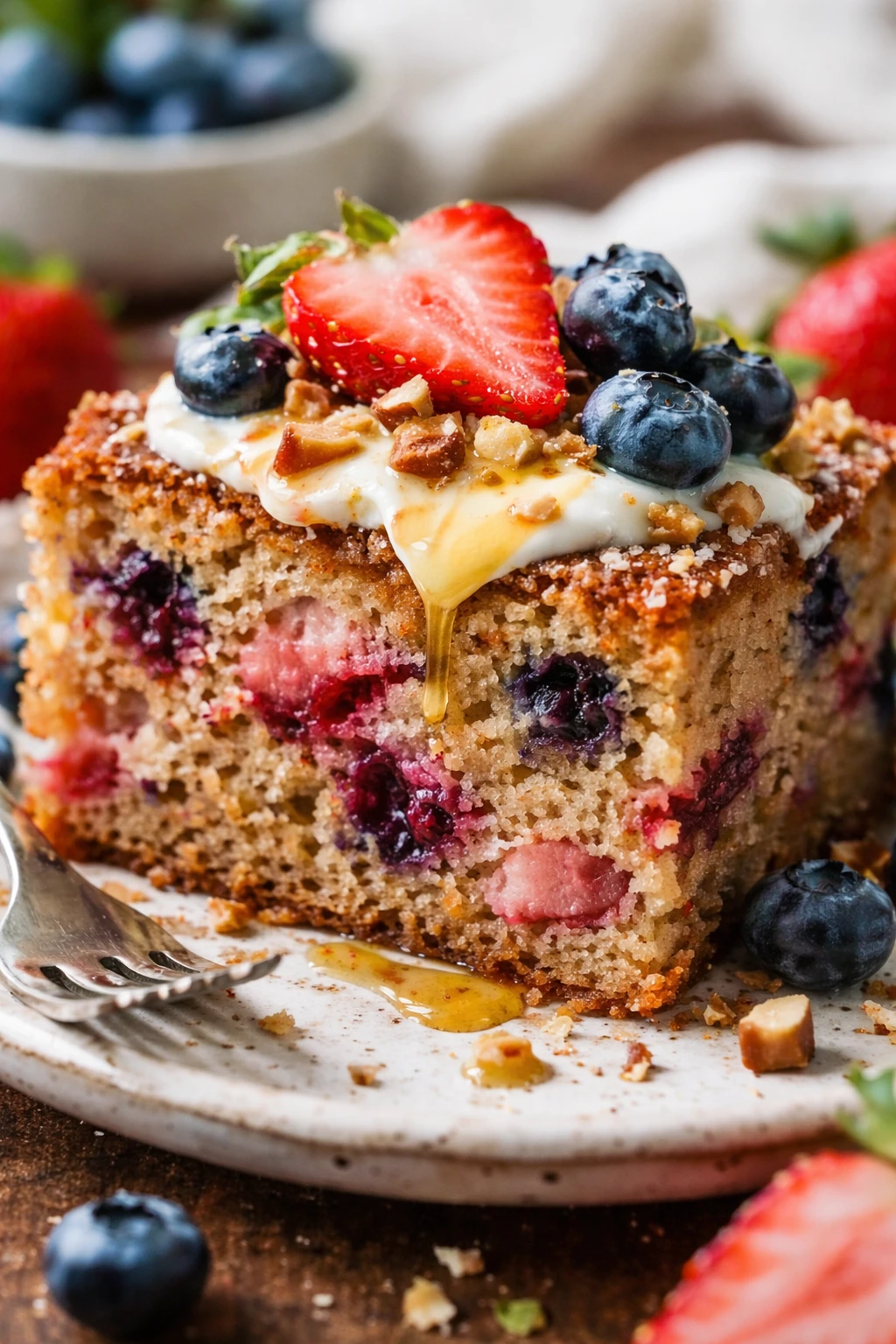
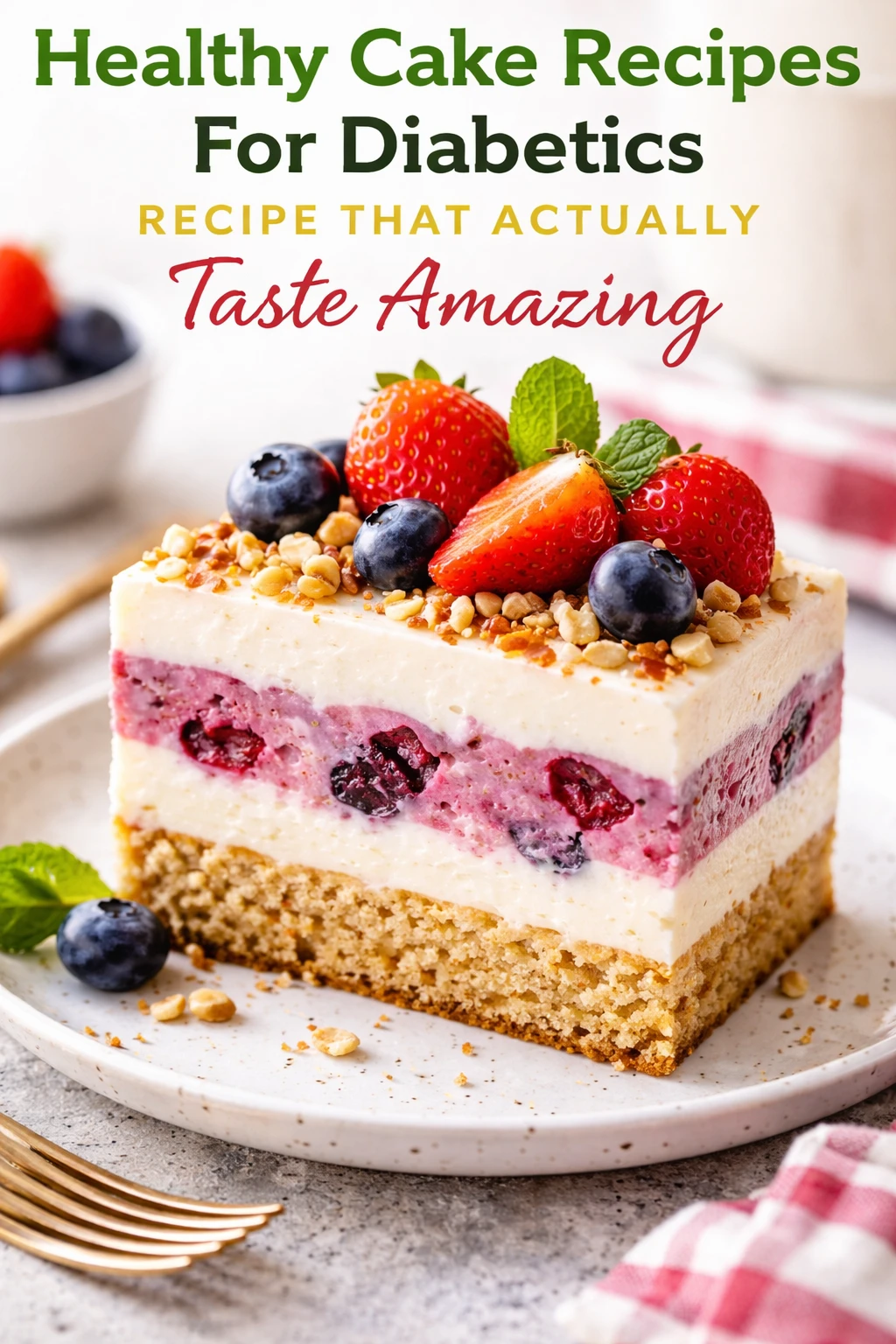
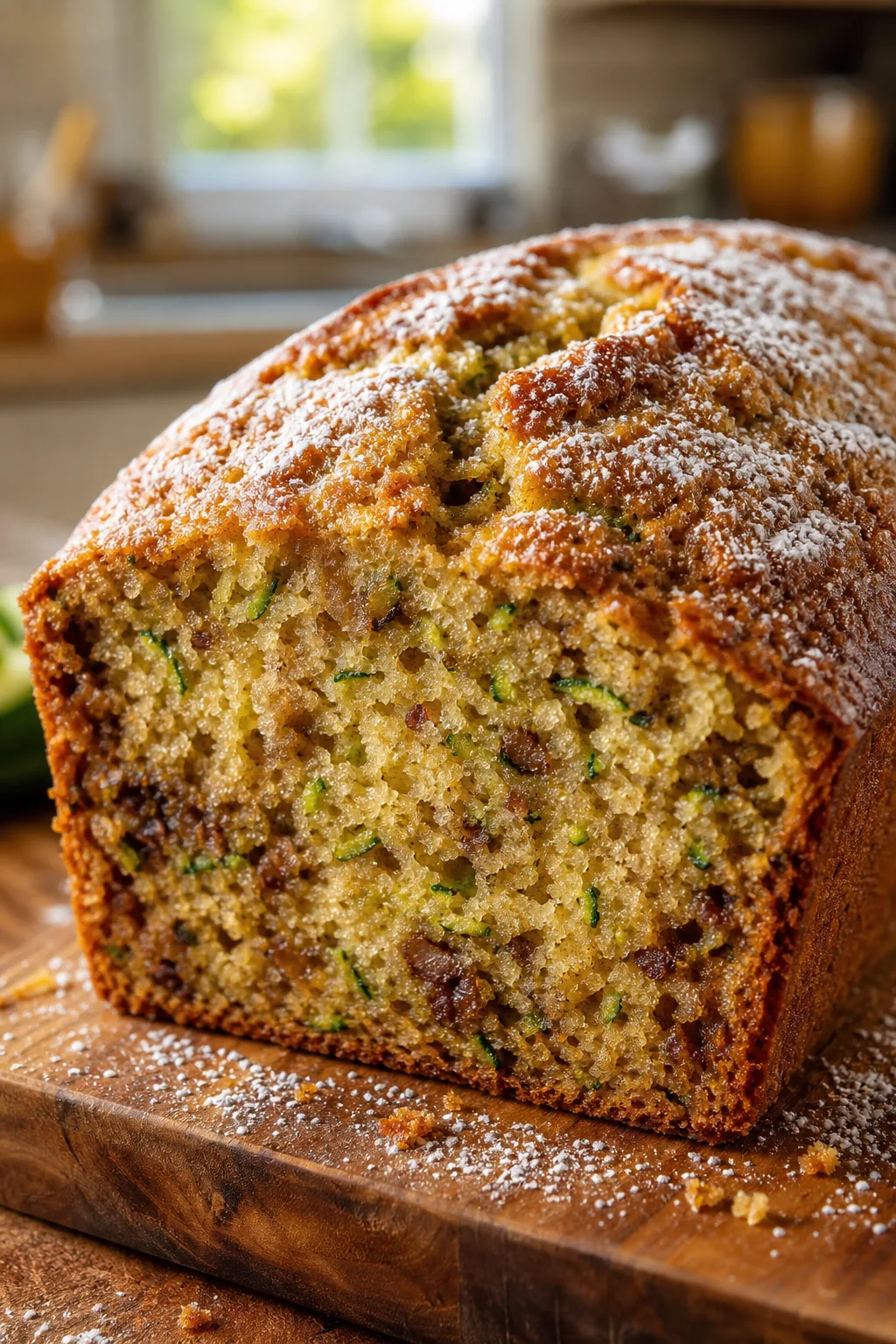
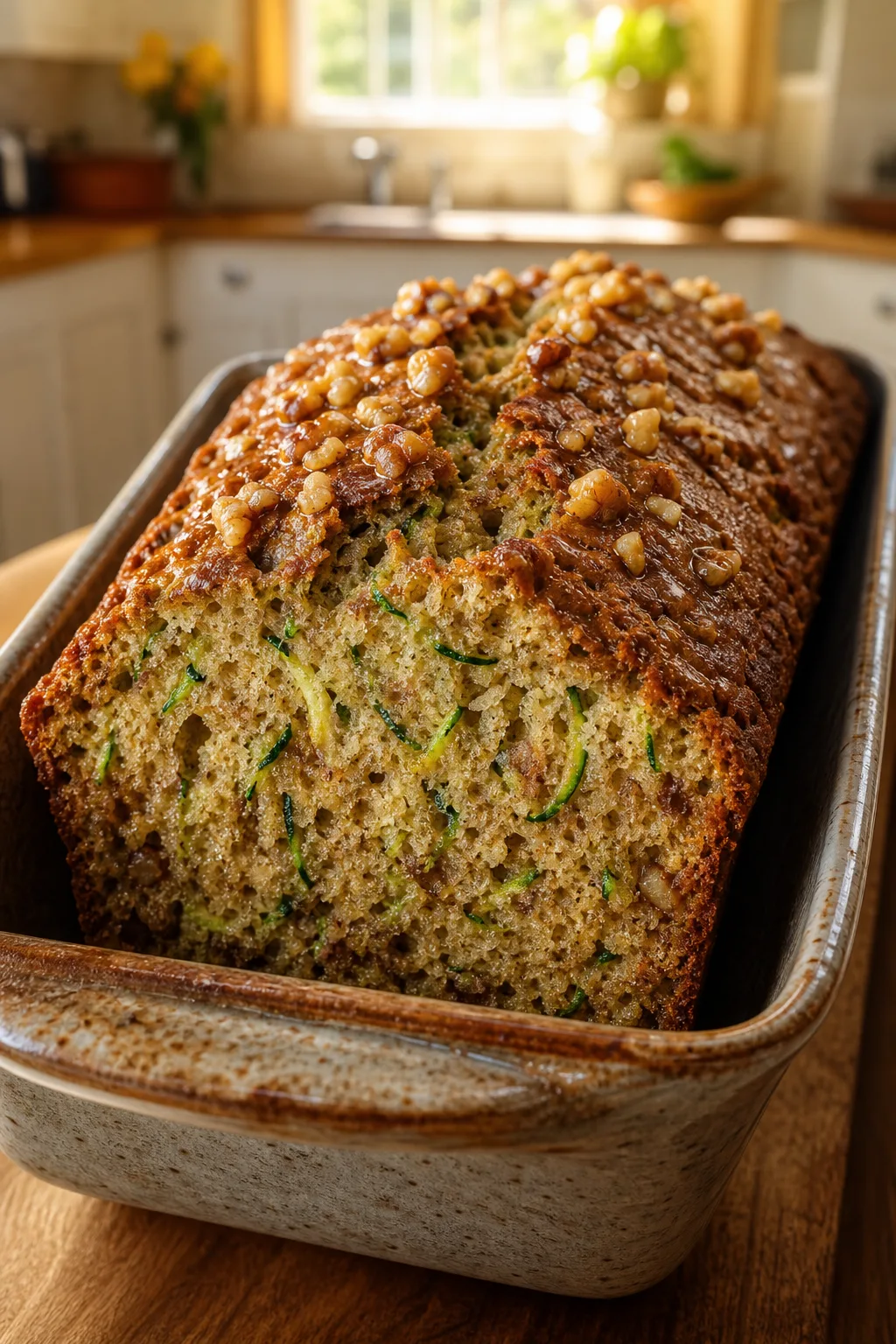
This cake is a diabetic-friendly delight, moist and lightly sweetened with almond flour and natural sweetener. It’s perfect for a cozy afternoon treat or a celebration without the sugar crash.
Introduction
I first made this almond flour cake when I wanted a dessert that wouldn’t send my blood sugar soaring. Traditional cakes often use lots of sugar and white flour, which just aren’t good options for those watching their glucose levels. This recipe swaps in almond flour and a natural sweetener, making it moist and flavorful without the guilt. What I love is how tender the crumb turns out — the trick is using unsweetened applesauce along with coconut oil, which keeps it perfectly moist without heaviness. I remember the first time I baked it, I was worried it might be dry or crumbly, but it came out soft and delicious, with a subtle sweetness that feels just right. It’s great for celebrations or just a cozy afternoon treat with tea. Plus, it’s simple enough to whip up on a weekday when you want something special but healthy. I think you’ll appreciate how this cake manages to be both indulgent and kind to your blood sugar.
What You'll Need
One 9-inch round cake, 8 servings
- 2 1/2 cups almond flour, finely ground
- 1/2 teaspoon baking soda
- 1/4 teaspoon salt
- 3 large eggs, room temperature
- 1/2 cup erythritol or preferred natural sweetener
- 1/4 cup unsweetened applesauce
- 1/4 cup melted coconut oil
- 1 teaspoon pure vanilla extract
- 1/2 cup unsweetened almond milk
How To Do It
Step 1
Preheat your oven to 350°F (175°C) and grease a 9-inch round cake pan with coconut oil or line it with parchment paper. This step ensures your cake won’t stick and bakes evenly. The moderate temperature helps the almond flour set without drying out. Avoid skipping the parchment; almond flour cakes can be delicate and tend to stick if not properly prepared.
⏱ Time: 10
✓ Doneness: Oven fully preheated and pan greased evenly
Step 2
In a large bowl, whisk together the almond flour, baking soda, and salt. Mixing these dry ingredients first helps distribute the leavening agent evenly, so your cake rises uniformly. Almond flour is denser than wheat flour, so thorough mixing prevents clumps and uneven texture.
⏱ Time: 5
✓ Doneness: Dry ingredients fully combined with no lumps
Step 3
In another bowl, beat the eggs with the erythritol until the mixture is pale and slightly thickened. This aeration step adds lightness to the batter, which is especially important since almond flour is heavy. Take your time here; rushing can lead to a denser cake.
⏱ Time: 5
✓ Doneness: Egg mixture is pale yellow and slightly fluffy
Step 4
Add the unsweetened applesauce, melted coconut oil, vanilla extract, and almond milk to the egg mixture. Stir gently to combine. The applesauce adds moisture and natural sweetness while coconut oil contributes richness. Almond milk thins the batter to the right consistency without adding dairy.
⏱ Time: 5
✓ Doneness: Wet ingredients fully incorporated and smooth
Step 5
Pour the wet ingredients into the dry ingredients and fold gently until just combined. Overmixing can cause the cake to be tough, so be careful to stop as soon as there are no streaks of flour. The batter should be thick but pourable.
⏱ Time: 3
✓ Doneness: Batter is homogeneous with no dry pockets
Step 6
Pour the batter into the prepared cake pan and smooth the top with a spatula. This ensures even rising and a nice flat surface for frosting or serving. Tap the pan gently on the counter to release any air bubbles trapped in the batter.
⏱ Time: 2
✓ Doneness: Batter evenly spread and surface smooth
Step 7
Bake for 35-40 minutes, checking at around 30 minutes. The cake is done when a toothpick inserted in the center comes out clean or with just a few moist crumbs. Baking too long can dry it out, so start checking early to avoid overbaking.
⏱ Time: 35
✓ Doneness: Toothpick comes out clean or with moist crumbs
Step 8
Remove the cake from the oven and let it cool in the pan for 15 minutes before transferring to a wire rack. Cooling in the pan helps the cake set and prevents it from breaking apart. Trying to remove it too soon can cause it to crumble.
⏱ Time: 15
✓ Doneness: Cake feels firm but warm to the touch
Step 9
Once cooled, slice and serve as is or with a dollop of unsweetened whipped cream or fresh berries. This cake is versatile and can be dressed up or kept simple. Store leftovers wrapped tightly to maintain moisture.
⏱ Time: 0
✓ Doneness: Cake fully cooled and ready to enjoy
Pro Tips
Use room temperature eggs for better mixing.
Room temperature eggs blend more easily with other ingredients, creating a smoother batter and better rise. Cold eggs can cause the coconut oil to solidify, resulting in uneven texture.
Don’t overmix the batter once wet and dry ingredients are combined.
Overmixing develops the almond flour’s natural oils unevenly and can make the cake dense or crumbly. Gentle folding preserves the tender crumb you want.
Line the cake pan with parchment paper for easy removal.
Almond flour cakes tend to stick due to their moist texture. Parchment paper prevents tearing and keeps the cake intact when you remove it from the pan.
Check the cake early to avoid overbaking.
Because almond flour browns differently, the cake can look underdone but be fully baked, or dry out quickly if left too long. Use the toothpick test starting at 30 minutes.
Use unsweetened almond milk for a subtle nutty flavor.
Almond milk complements the almond flour flavor without adding dairy or extra sweetness, keeping the cake light and suitable for various diets.
Cool the cake completely before slicing.
Cutting too soon can cause the cake to crumble as it hasn’t fully set. Cooling allows the structure to firm up for clean slices.
Store leftovers wrapped tightly to maintain moisture.
Almond flour cakes can dry out quickly if exposed to air. Wrapping preserves softness and flavor for days.
Common Mistakes to Avoid
Skipping the parchment or greasing the pan insufficiently.
Why it happens People often assume almond flour cakes behave like regular cakes, but they stick more easily due to their moisture.
Fix Always line your pan with parchment paper or grease it generously with coconut oil to prevent sticking and ensure easy removal.
Overmixing the batter after adding wet ingredients.
Why it happens In a rush, it’s tempting to mix thoroughly, but almond flour batter needs gentle folding.
Fix Mix just until combined to keep the cake tender and avoid a dense, crumbly texture.
Baking at too high a temperature.
Why it happens Some try to speed up baking, but almond flour is sensitive to heat.
Fix Stick to 350°F (175°C) to ensure even baking and prevent drying out.
Not letting the cake cool before slicing.
Why it happens Impatience leads to cutting while warm, causing crumbling.
Fix Wait at least 15 minutes in the pan and then cool fully on a rack for best texture.
Using old or clumpy almond flour.
Why it happens Stale almond flour affects texture and taste.
Fix Use fresh, finely ground almond flour stored properly in a cool place or fridge.
Variations
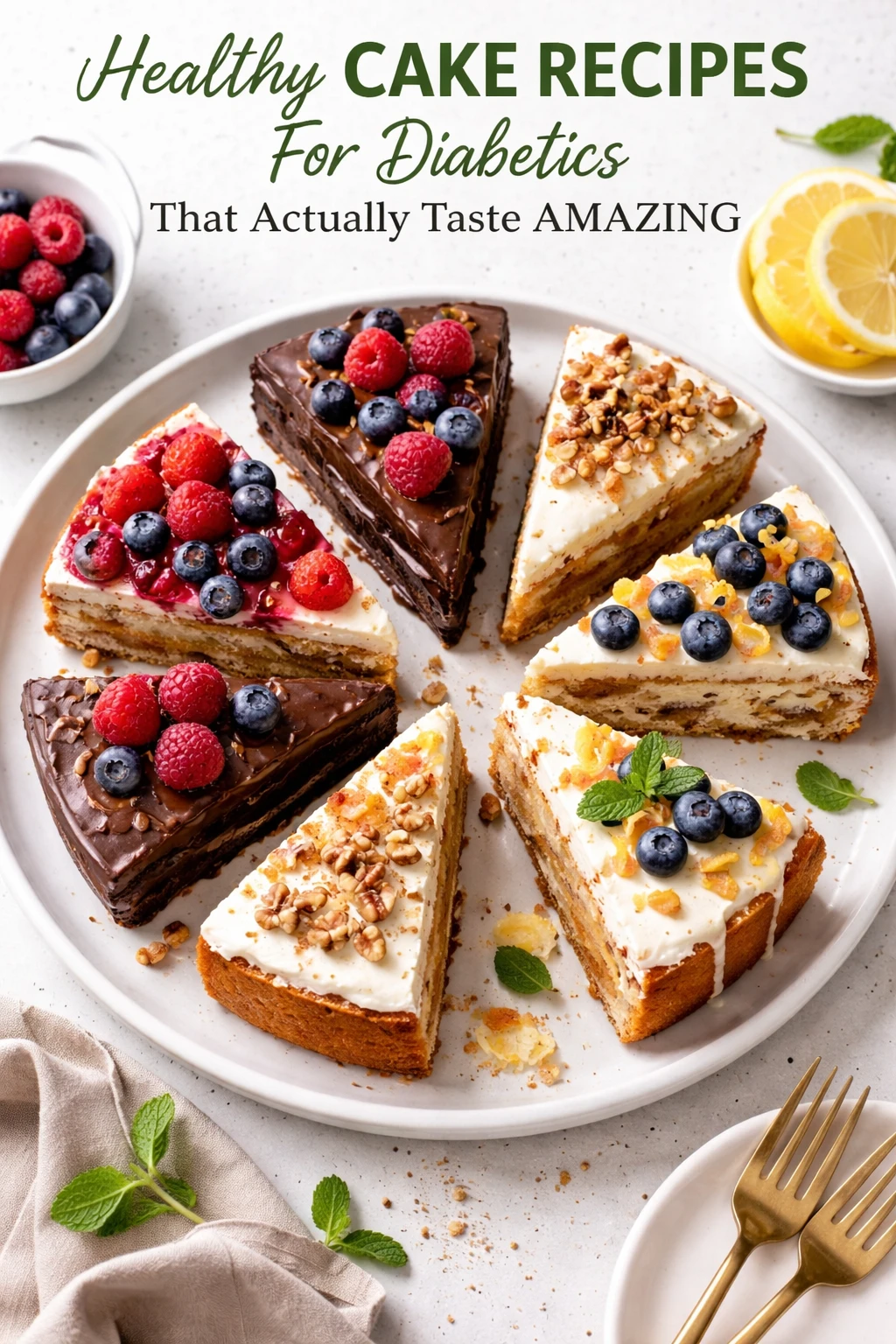
Lemon Almond Cake
Add 1 tablespoon fresh lemon zest and 2 tablespoons lemon juice to the wet ingredients for a bright citrus flavor. This variation pairs wonderfully with a light dusting of powdered erythritol or a lemon glaze.
Note: The added liquid from lemon juice may require slightly reducing almond milk by 1-2 tablespoons to keep batter consistency.
Chocolate Almond Cake
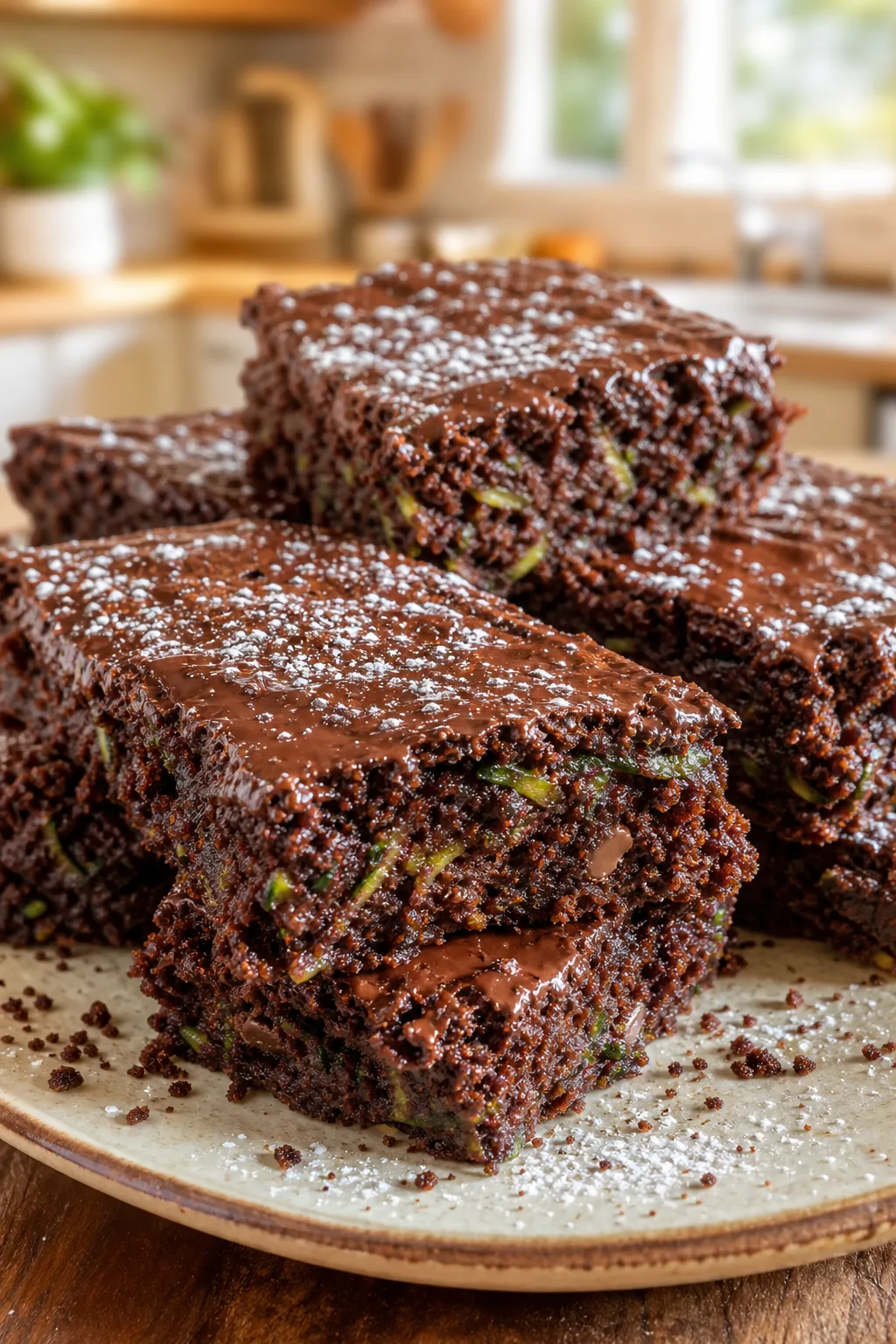
Stir in 1/4 cup unsweetened cocoa powder into the dry ingredients and add 1/4 cup sugar-free chocolate chips for a rich, chocolatey twist. This makes the cake perfect for chocolate lovers watching their sugar intake.
Note: Cocoa powder absorbs moisture, so you might need a tablespoon more almond milk to maintain batter thickness.
Berry Swirl Cake
Fold in 1/2 cup fresh or frozen berries gently into the batter before baking. The berries add bursts of natural sweetness and a lovely color contrast inside the cake.
Note: Frozen berries should be thawed and patted dry to avoid excess moisture that can make the cake soggy.
Spiced Almond Cake
Add 1 teaspoon cinnamon, 1/2 teaspoon nutmeg, and a pinch of cloves to the dry ingredients for a warm, cozy flavor perfect for fall or winter gatherings.
Note: Spices can intensify during baking, so adjust quantities to taste if you prefer a milder flavor.
Vegan Almond Cake
Replace eggs with flax eggs (3 tablespoons ground flaxseed mixed with 9 tablespoons water, set for 5 minutes) and use maple syrup instead of erythritol for sweetness. This version is great for vegan diets but will have a slightly different texture and flavor.
Note: Flax eggs add density, so the cake may be less fluffy; bake a few minutes longer and check doneness carefully.
Nutrition
Per Serving:
Nutritional values are estimates and may vary based on specific ingredients used.
Storage & Tips
Room Temperature
Store the cake covered tightly at room temperature for up to 2 days. Keep it wrapped in plastic wrap or in an airtight container to prevent it from drying out. Avoid leaving it uncovered as almond flour cakes can lose moisture quickly.
Refrigerator
Keep the cake in an airtight container in the fridge for up to 5 days. The cooler temperature helps preserve freshness but may make the cake slightly firmer. Let it come to room temperature or warm briefly before serving for best texture.
Freezer
Wrap the cake tightly in plastic wrap and then foil before freezing for up to 3 months. To thaw, leave it in the fridge overnight or at room temperature for a few hours. Avoid microwaving frozen cake directly to prevent sogginess.
Reheating
Warm slices gently in a microwave for 15-20 seconds or in a 300°F oven for 5-7 minutes. Adding a small splash of almond milk before reheating can help restore moisture. Avoid overheating, which can dry the cake out.
Make Ahead
You can prepare the batter up to 24 hours ahead and keep it refrigerated, then bake fresh when ready. Alternatively, bake the cake fully and freeze it, then thaw and serve as needed. This makes it convenient for special occasions or meal prep.
FAQ
Can I use regular flour instead of almond flour?
Regular flour behaves very differently from almond flour. It contains gluten, which changes the texture and structure of the cake. If you substitute, expect a denser, less moist cake and adjust leavening accordingly. This recipe is optimized for almond flour to keep it diabetic-friendly and tender.
What natural sweeteners work best here?
Erythritol is ideal because it doesn’t raise blood sugar and bakes well without aftertaste. You can also use monk fruit sweetener or a mix of stevia and erythritol. Avoid liquid sweeteners like honey or maple syrup unless you adjust liquid ratios, as they can change texture and sweetness levels.
Why is my cake crumbly?
Crumbly texture usually means the batter was overmixed or the cake was overbaked. Almond flour lacks gluten, so overmixing breaks down the structure. Also, make sure you measure almond flour correctly; too much dry ingredient makes it dry and crumbly.
How do I store leftovers?
Store leftovers wrapped tightly in plastic wrap or in an airtight container at room temperature for 2 days or refrigerated up to 5 days. This keeps the cake moist and fresh. Freezing is also a great option for longer storage.
Can I make this cake vegan?
Yes! Replace the eggs with flax eggs (1 tablespoon ground flaxseed mixed with 3 tablespoons water per egg) and use a liquid sweetener like maple syrup. The texture will be a bit denser and less fluffy but still delicious.
Why do I need to let the cake cool before slicing?
Cooling allows the cake to set and firm up, which makes slicing easier and prevents crumbling. Cutting too soon while the cake is warm will cause it to fall apart because the structure hasn’t fully formed.
Can I add flavors like lemon or chocolate?
Absolutely! Adding lemon zest or cocoa powder works great and enhances the cake’s flavor profile. Just adjust the liquid ingredients slightly if needed to maintain proper batter consistency.
Is this cake gluten-free?
Yes, this recipe is naturally gluten-free since it uses almond flour instead of wheat flour. Just make sure your baking soda and other ingredients are certified gluten-free if you have severe sensitivities.
Final Thoughts
I hope you enjoy baking and savoring this moist, diabetic-friendly almond flour cake as much as I do. Don’t forget to share your creations and let me know how it turns out!